




Precious Metals Price Volatility & USD Strength Impact Cross-Border Seller Costs
- Dollar index rises 0.22%, gold falls to $4,978/oz; sellers face 3-8% payment processing cost increases on international orders through Q1 2026




概览
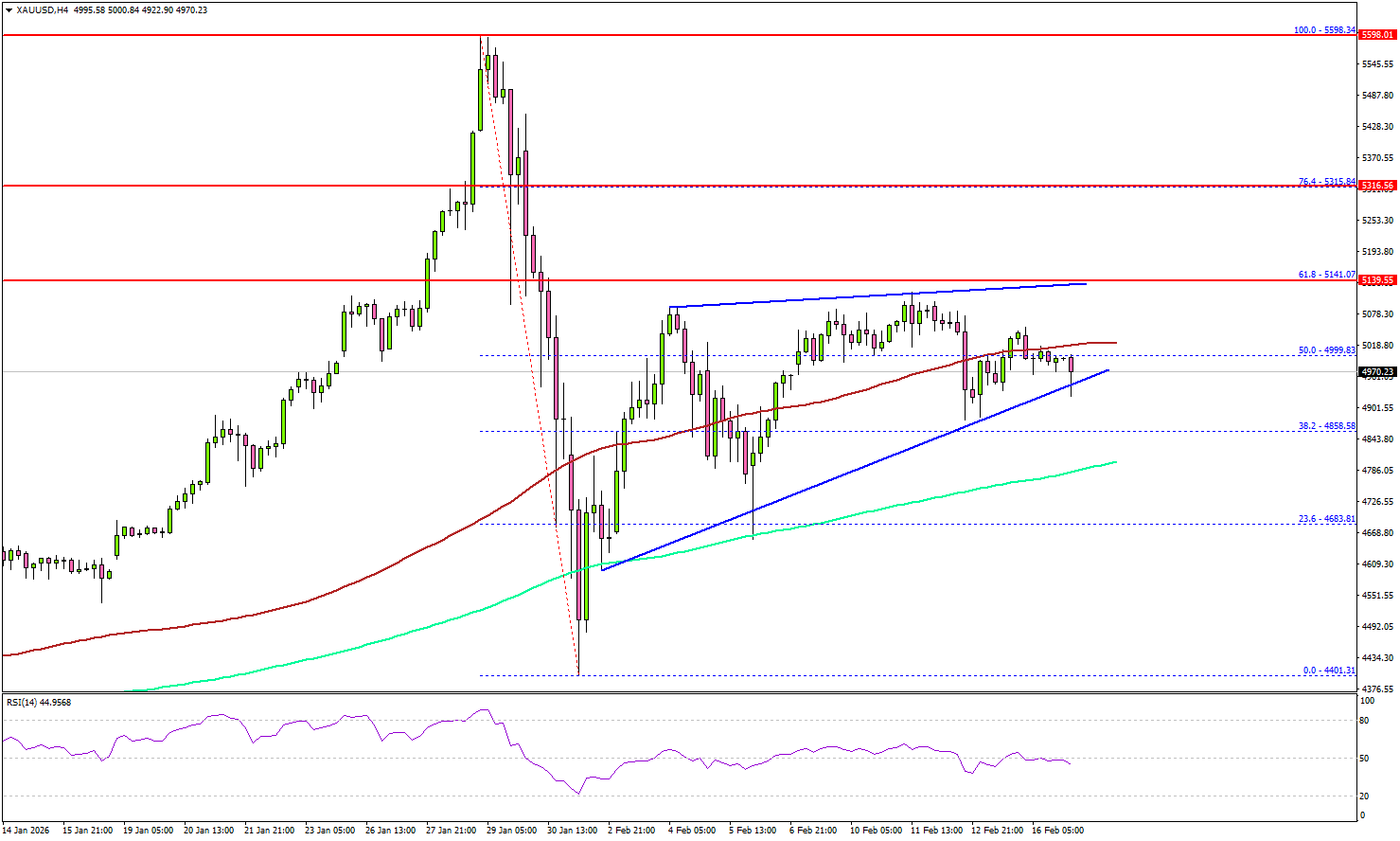
The precious metals market downturn driven by a strengthening U.S. dollar (DXY +0.22%) and softer inflation expectations creates a critical financial environment for cross-border e-commerce sellers. Gold spot prices declined 0.3% to $4,978.39/oz while silver dropped 0.9% to $76.04/oz, reflecting broader macroeconomic uncertainty ahead of Federal Reserve policy announcements. For sellers, this currency movement directly impacts payment processing costs, working capital cycles, and FX hedging strategies across major trade corridors.
Payment Processing Cost Implications: The dollar's strengthening increases conversion costs for sellers receiving payments in foreign currencies. Sellers exporting from the US to EU, UK, and Asia-Pacific markets face 3-8% higher effective payment fees when converting non-USD revenues back to dollars through traditional banking channels. A seller processing €50,000 monthly in EU sales now pays approximately $1,200-2,000 more in conversion spreads compared to pre-strengthening rates. Payment providers like Wise, PayPal, and Stripe are experiencing higher demand for hedging services, with forward contracts now pricing in 2-3% currency premiums through Q2 2026.
Working Capital Acceleration Opportunities: The softer inflation data and Fed rate-cut expectations (mentioned in News 2) create favorable conditions for invoice financing and supply chain finance products. Sellers can unlock 15-25 days of working capital by factoring invoices at 1.5-2.5% rates (down from 2.5-3.5% in late 2025), particularly for cross-border B2B transactions. Platforms like Shopify Capital and Amazon Lending are adjusting terms to capitalize on lower interest rate expectations, offering 6-12 month financing at 8-12% APR for inventory purchases—a 200-300 basis point improvement for sellers with 6+ months operating history.
FX Arbitrage and Hedging Strategy: The dollar strength creates tactical opportunities for sellers with multi-currency exposure. Sellers holding inventory in China (CNY-denominated costs) while selling in USD/EUR benefit from the widening spread—approximately 2-4% margin expansion on products sourced from Shanghai. However, sellers with EUR/GBP revenue streams face compression. Forward hedging through OANDA or Interactive Brokers now costs 1.2-1.8% for 90-day contracts, making it economically viable for sellers with €100K+ monthly exposure. The holiday-thinned trading volumes (China closed through Feb 23, US markets constrained) create 48-72 hour windows for favorable rate locks before major Fed communications.
Regional Banking Advantages: Singapore and Hong Kong entities benefit from the dollar strength, as these financial hubs offer preferential FX rates (0.15-0.25% better than US banks) for USD/CNY and USD/SGD conversions. Sellers with HK subsidiary structures can reduce payment processing costs by 40-60 basis points on China-sourced inventory, translating to $400-800 monthly savings on $100K inventory purchases. This structural advantage persists through Q2 2026 pending Fed policy normalization.
问题 7
Should I use invoice factoring now given the Fed rate-cut expectations?
Yes—factoring rates have dropped to 1.5-2.5% (from 2.5-3.5% in late 2025) due to softer inflation data signaling potential rate cuts through 2026. For a seller with $100K monthly cross-border invoices, factoring unlocks $15-25K working capital at a cost of $1,500-2,500 monthly. Shopify Capital and Amazon Lending are offering 6-12 month financing at 8-12% APR, down 200-300 basis points. Lock in these rates before the Fed's next policy meeting (typically mid-March), as rates may normalize if inflation rebounds.
What FX arbitrage opportunities exist with gold and precious metals volatility?
Sellers sourcing from China (CNY costs) while selling in USD/EUR benefit from the dollar's 0.22% appreciation—this expands product margins by 2-4% on China-sourced inventory. Conversely, sellers with EUR/GBP revenue streams face 1-2% margin compression. The holiday-thinned trading volumes (China closed through Feb 23) create 48-72 hour windows for favorable rate locks. Use Interactive Brokers or OANDA to execute forward contracts locking in current rates for 30-90 days, capturing the spread before major Fed communications reshape currency expectations.