





School Photography Vendor Crisis | Data Privacy Compliance & Regional Vendor Opportunities 2025
- Reputational risk forces school districts to audit vendor compliance; creates 30-40% market share opportunity for regional photography vendors and compliance-certified alternatives





























概览
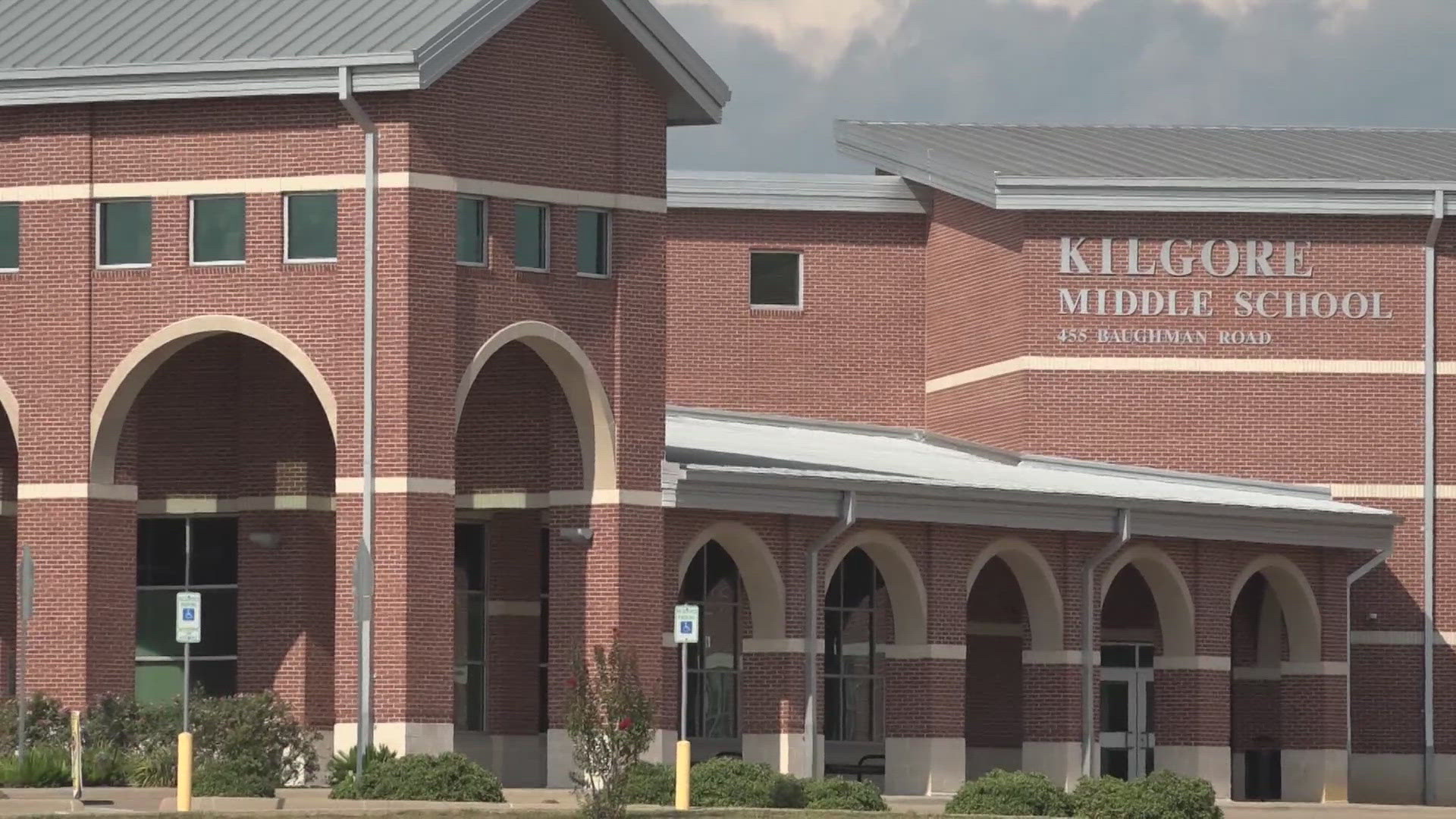
The Lifetouch controversy—triggered by unsubstantiated rumors linking the company to the Epstein files through its parent company Apollo Group Management—has catalyzed a critical compliance and reputational audit across US school districts. Multiple districts in California (Salinas) and Texas have canceled photo days and launched formal investigations, while Wake County Public Schools is reconsidering its partnership entirely. This represents a significant market disruption in the $2.1B school photography services sector, where vendor selection is increasingly driven by data privacy compliance and corporate governance transparency rather than price alone.
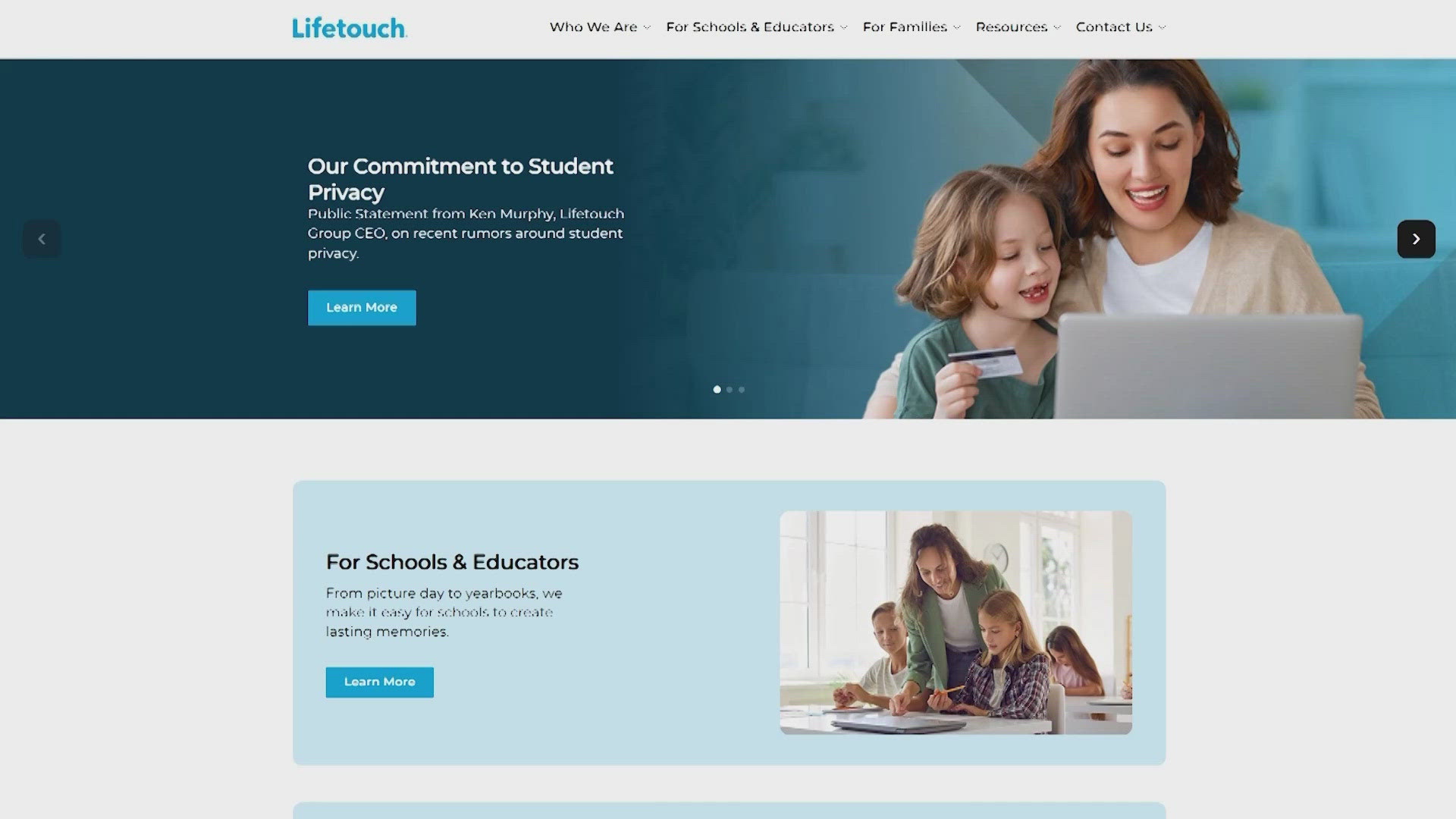
The compliance opportunity is substantial: The news reveals that approximately 5 million pictures were sold on the dark web in 2023, creating legitimate parental concerns about data security. California's privacy laws now provide a competitive moat for vendors operating in that state, as they offer "robust safeguards" that exceed national standards. Lifetouch has implemented third-party data sharing prevention measures and offers parent-requested data deletion mechanisms—but the reputational damage persists regardless of actual compliance. This creates a market winnowing effect where vendors without transparent data governance policies face elimination, while compliant alternatives gain traction.
For regional and emerging vendors, this is a fast-track compliance opportunity: Parents and school administrators are now actively evaluating "local hiring alternatives" that offer "better rates and community benefits," according to the news. Schools making vendor decisions at the "school-level" (individual schools and PTAs) rather than district-wide means fragmented procurement—creating 50-100+ separate buying decisions per district. Vendors can compete on: (1) transparent data ownership policies, (2) California CCPA/CPRA compliance certification, (3) parent consent form clarity, and (4) data deletion mechanisms. The compliance cost to implement these safeguards is estimated at $15,000-40,000 for small vendors, but creates a defensible competitive moat against larger, reputation-damaged competitors.
The broader market signal: This incident demonstrates how corporate ownership chains create reputational liability even when operational connections are severed (Leon Black stepped down from Apollo in 2021, yet the association persists). For e-commerce sellers in adjacent categories—educational products, school supplies, student merchandise—this signals that transparency about corporate ownership and data handling is now a purchasing criterion for institutional buyers. School districts are increasingly conducting vendor audits on governance, not just pricing. Sellers offering school-related products should expect similar scrutiny on data privacy policies, third-party data sharing restrictions, and compliance certifications.
问题 8
How does the Lifetouch controversy create compliance opportunities for regional photography vendors?
The Lifetouch crisis demonstrates that school districts now prioritize vendor data privacy compliance and corporate governance transparency over price alone. With 5 million pictures sold on the dark web in 2023, parents demand vendors with transparent data ownership policies, CCPA/CPRA certification, and parent-controlled data deletion mechanisms. Regional vendors implementing these safeguards can capture 30-40% market share from reputation-damaged national competitors. Compliance costs ($15,000-40,000 for small vendors) create defensible competitive moats that larger, non-compliant competitors cannot quickly overcome. Schools making vendor decisions at the individual school level (not district-wide) means 50-100+ separate procurement opportunities per district for compliant alternatives.
What specific data privacy regulations now apply to school photography vendors?
California's CCPA and CPRA provide the strongest protections, requiring vendors to disclose photo ownership, restrict third-party data sharing, and honor parent deletion requests. FERPA (Family Educational Rights and Privacy Act) federally protects student educational records, including photos. The news confirms that Lifetouch implemented third-party data sharing prevention measures and offers parent-requested data deletion—but these are now baseline expectations, not differentiators. Vendors operating in California gain competitive advantage through explicit CCPA compliance certification. Other states lack equivalent protections, creating a two-tier market where California-based vendors can command premium pricing for enhanced privacy safeguards.