


Gaming Hardware Supply Crisis 2026 | Seller Sourcing & Inventory Strategy
- RAM shortage extends through mid-2026; Nintendo Switch 2 price increases likely; Steam Deck OLED intermittently unavailable in US/Japan; alternative gaming device demand surges
























概览
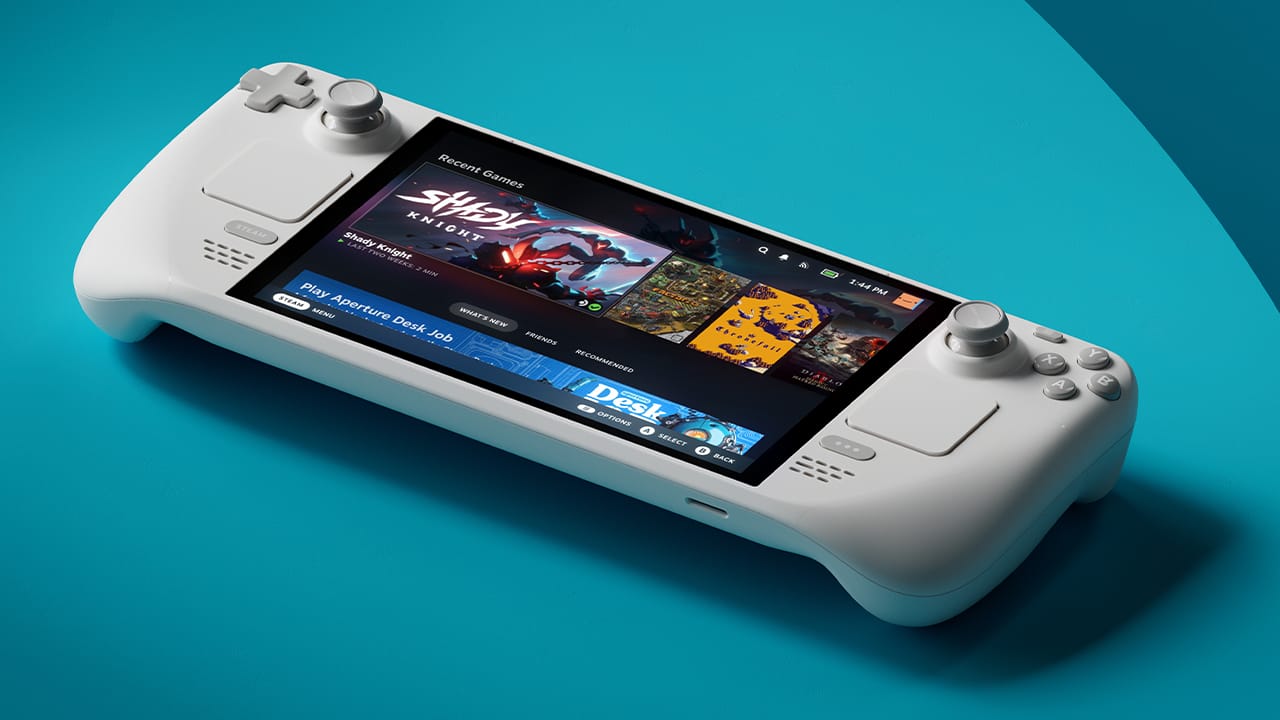
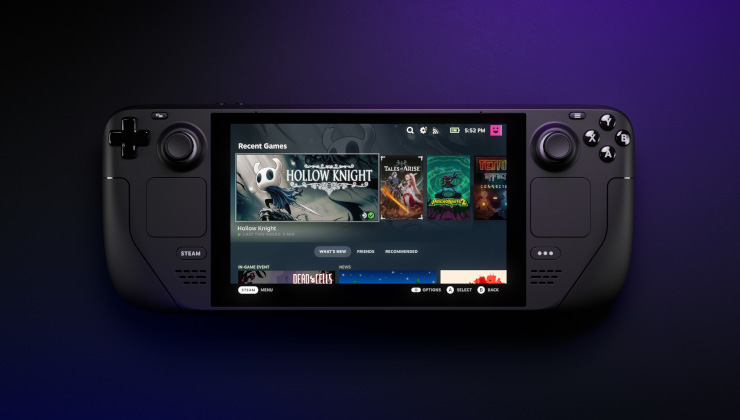
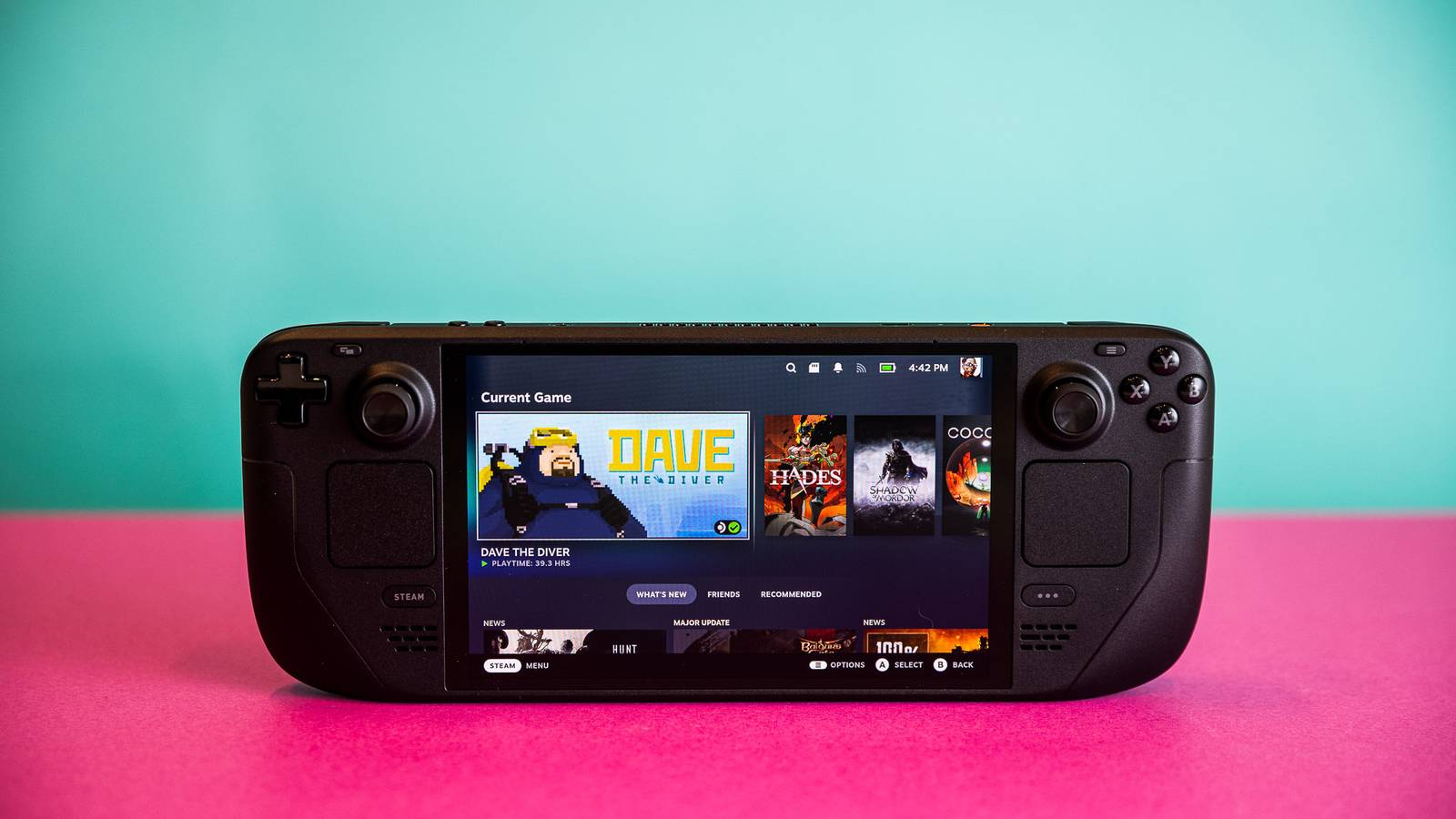
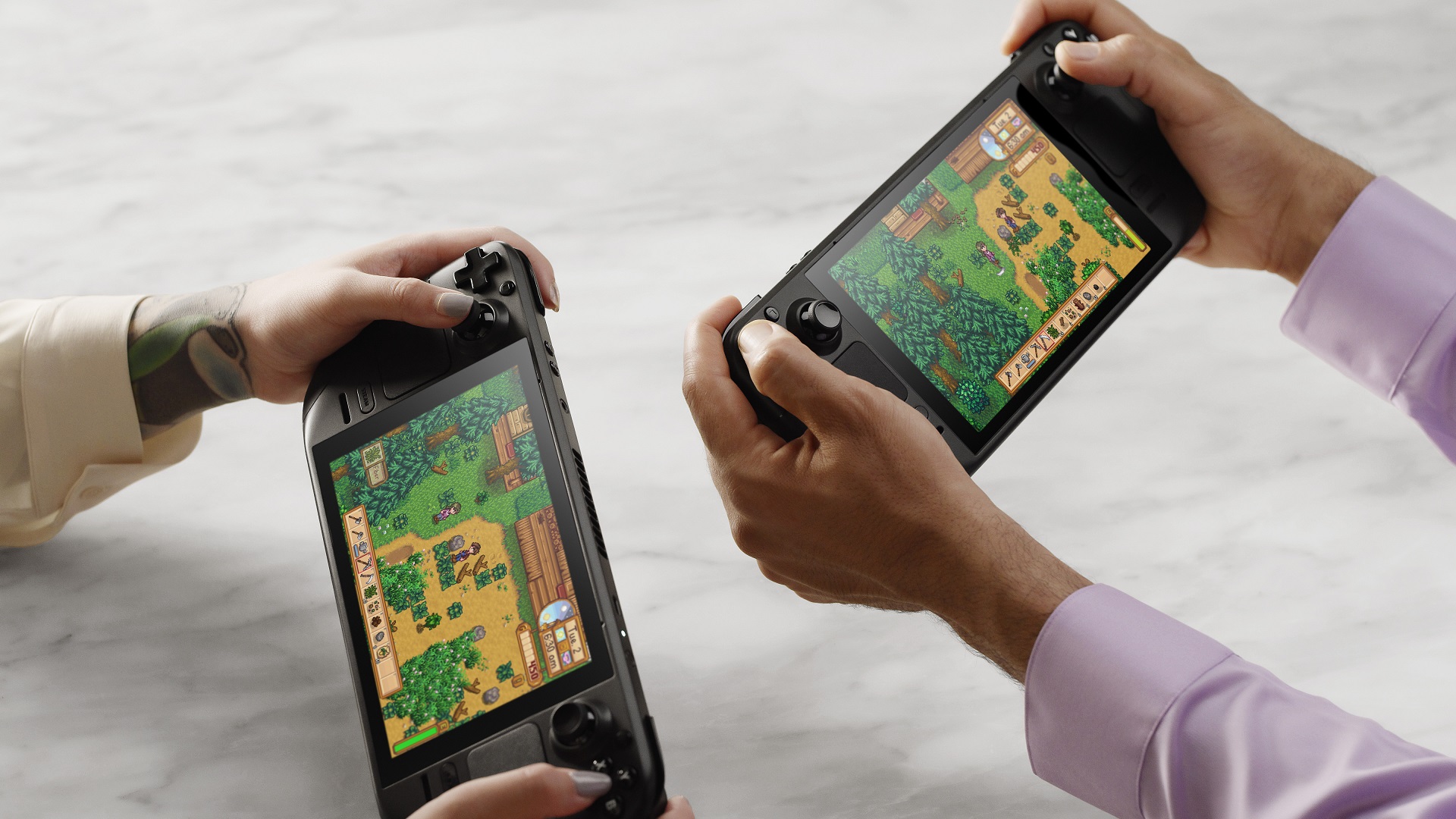
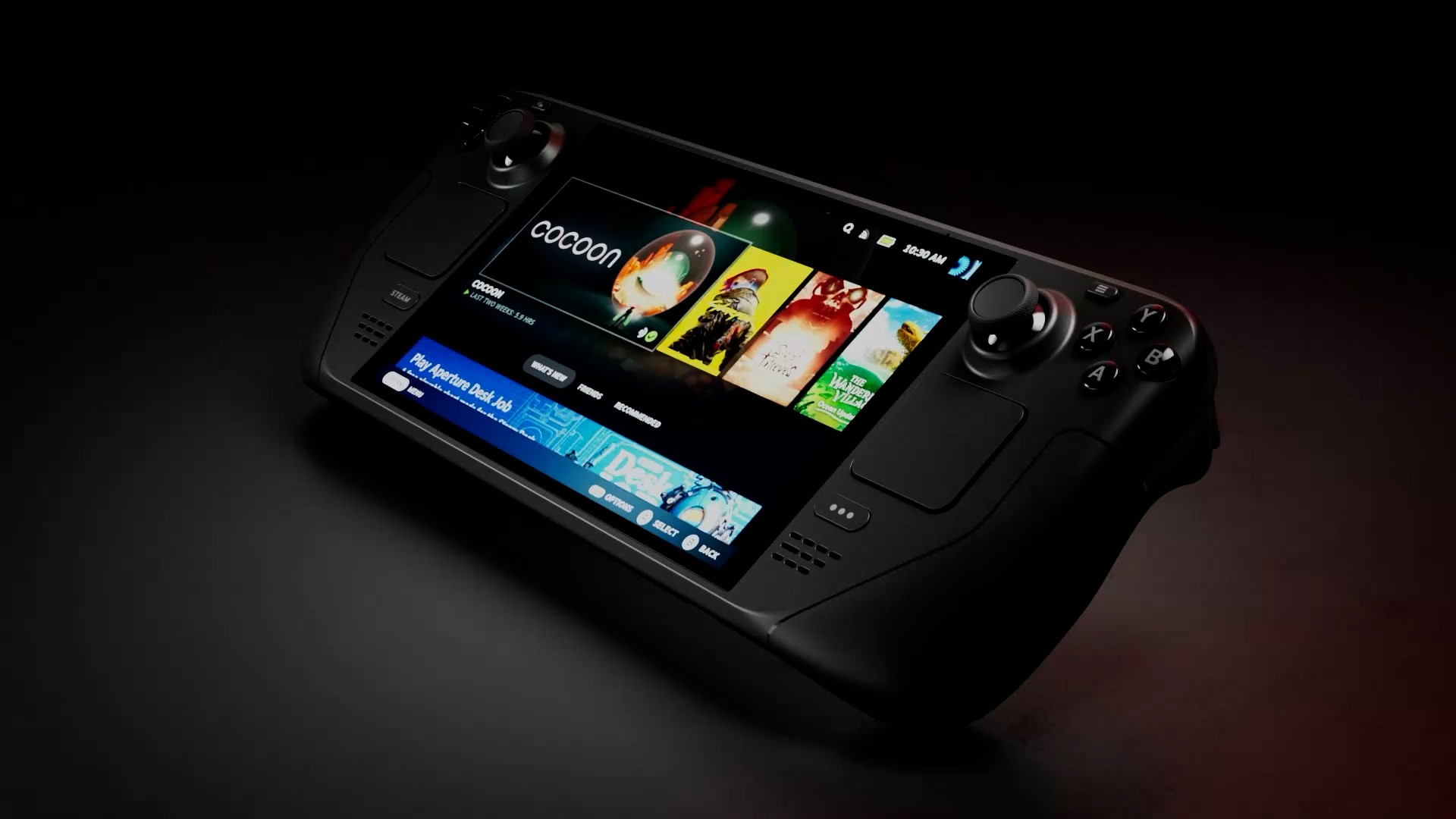
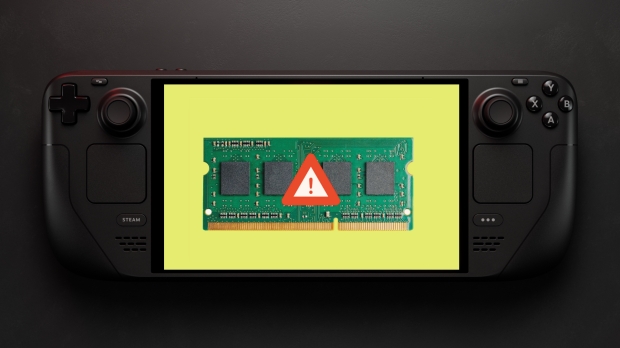
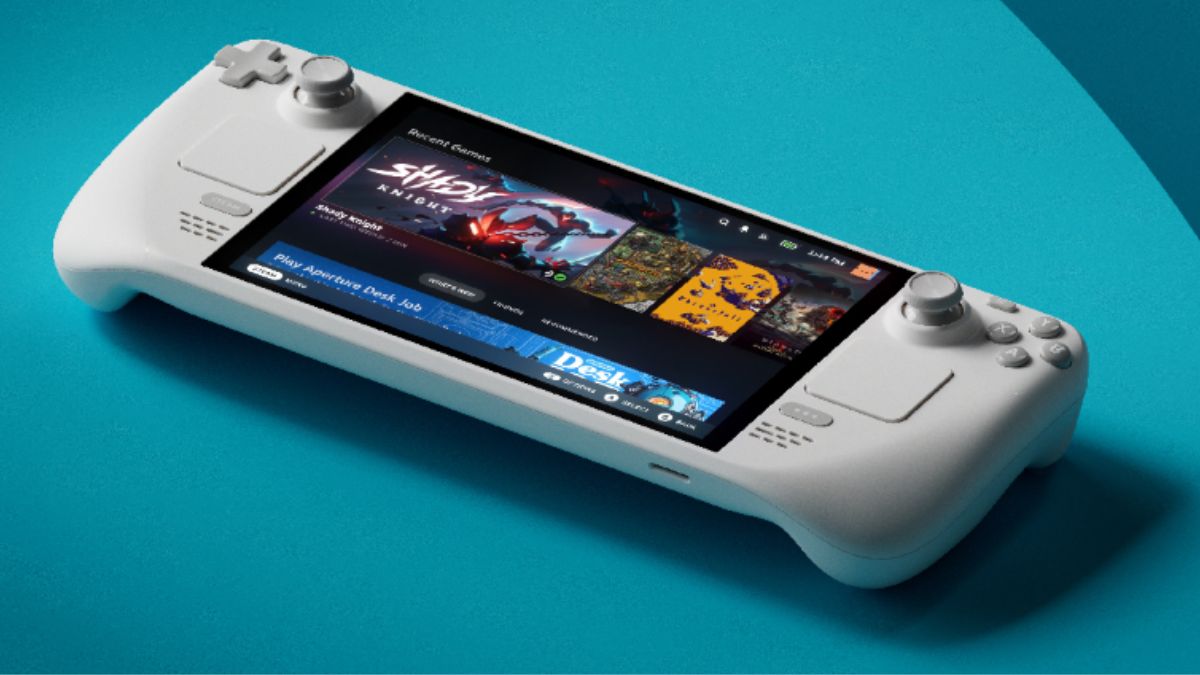
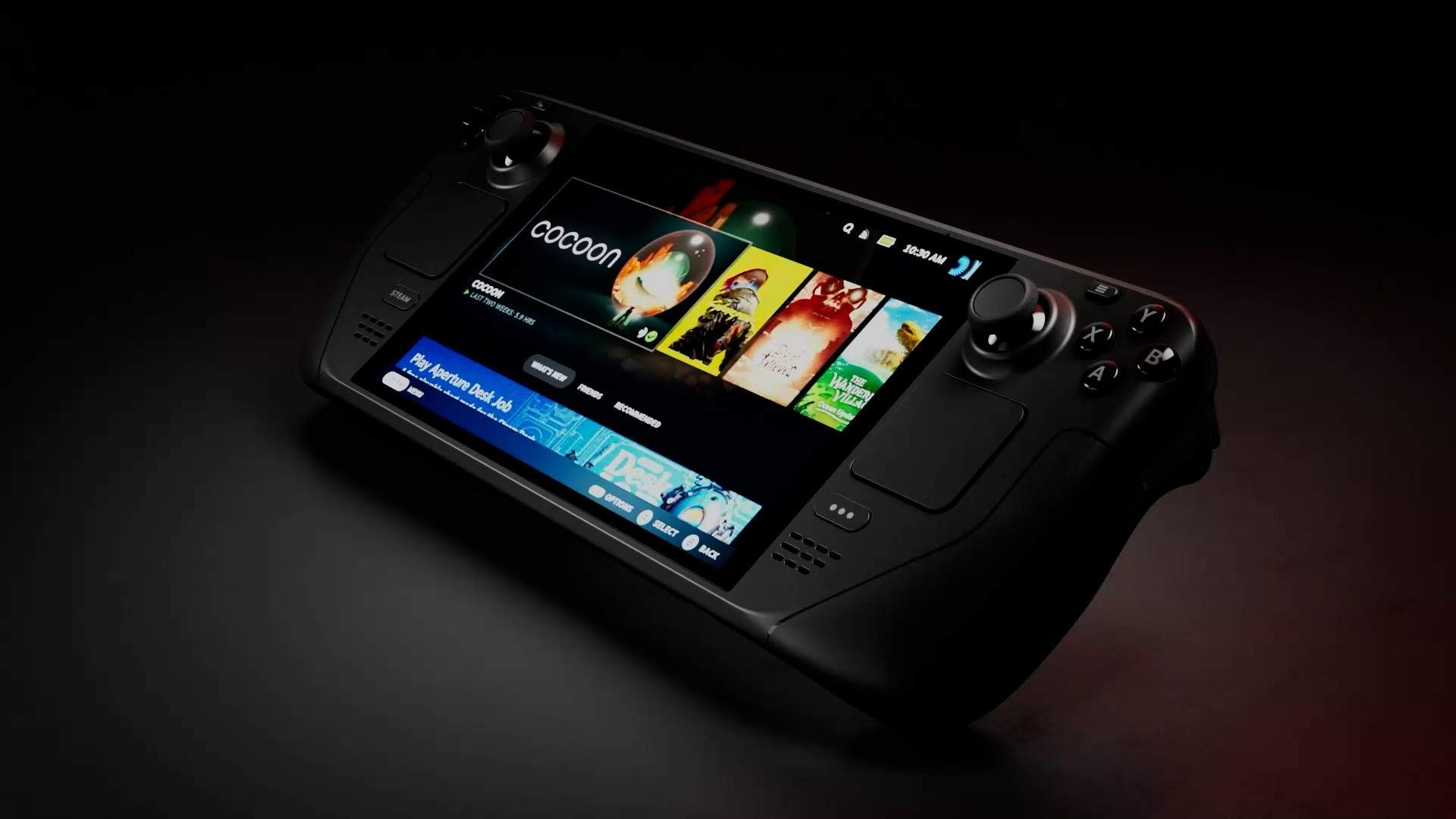
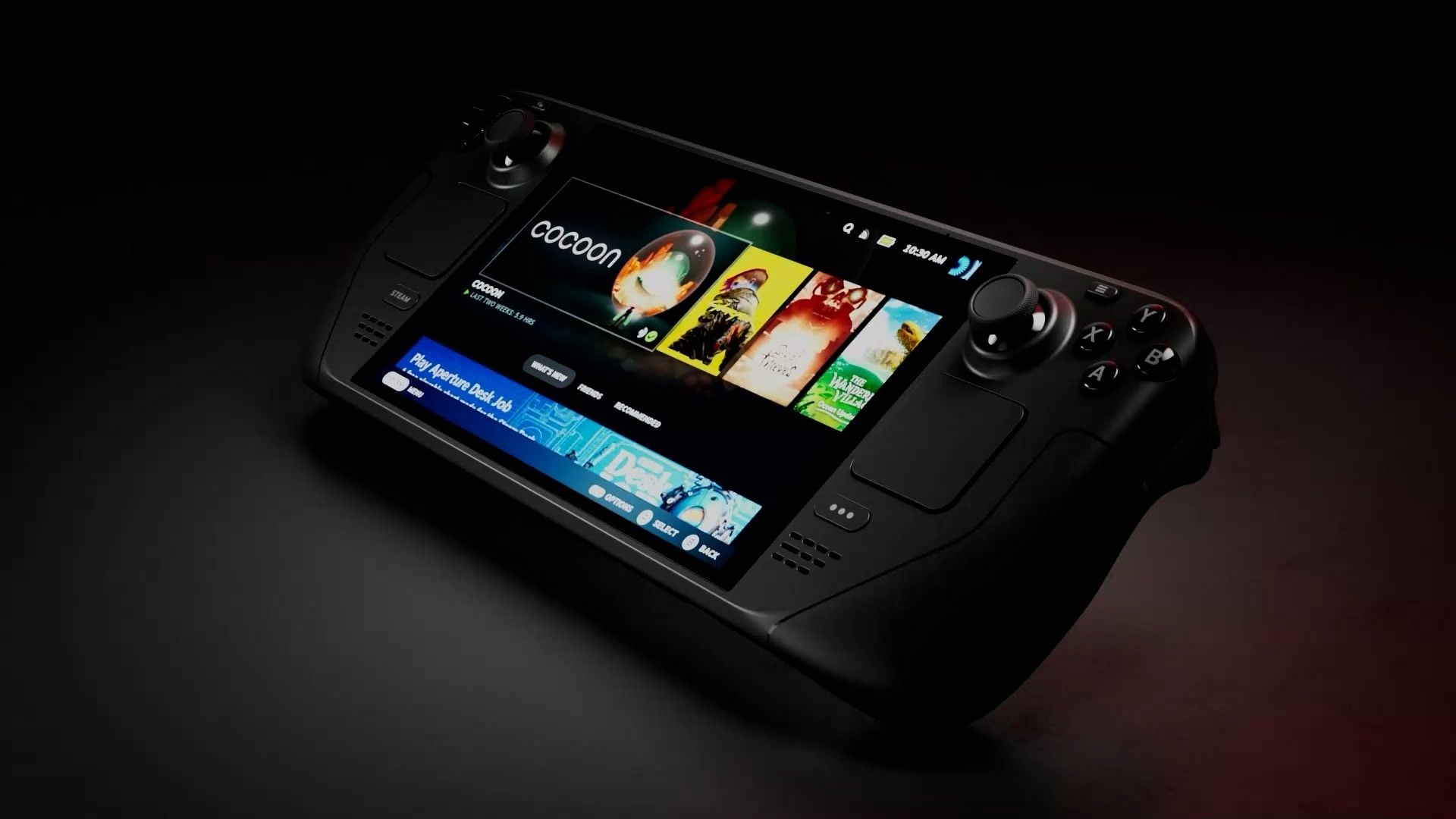
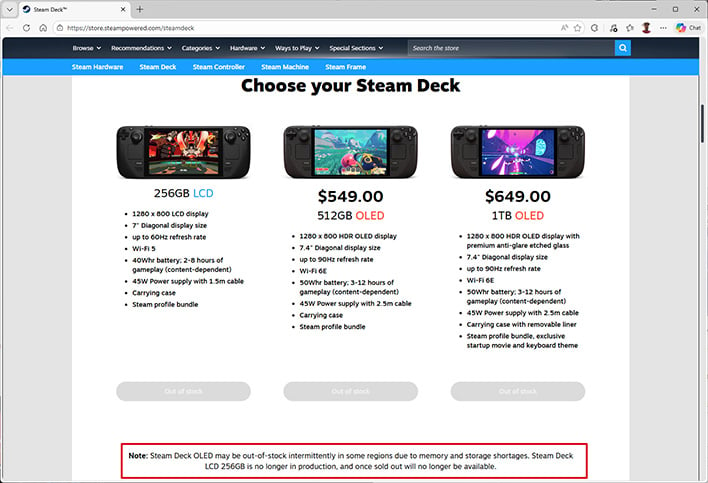
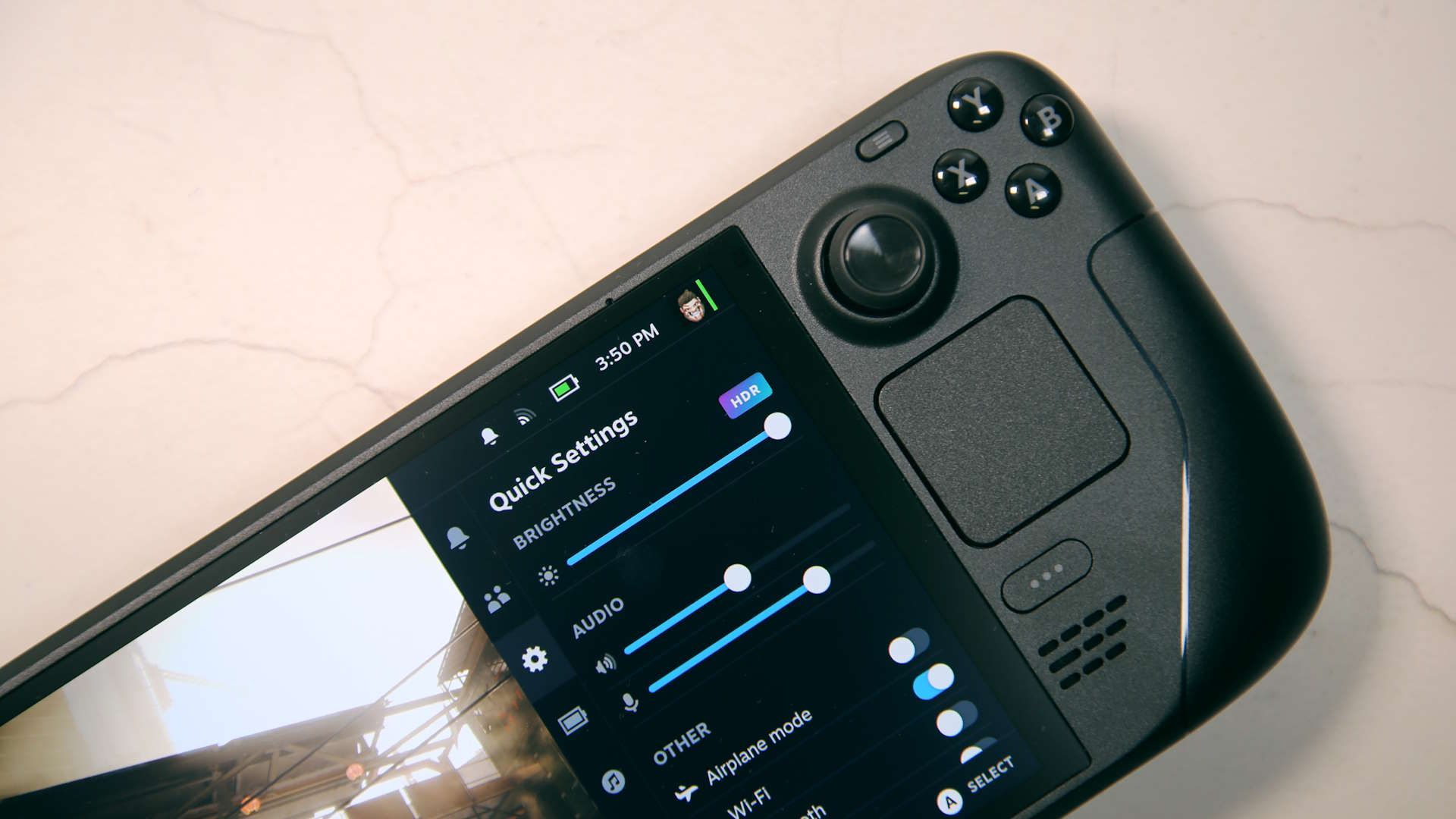
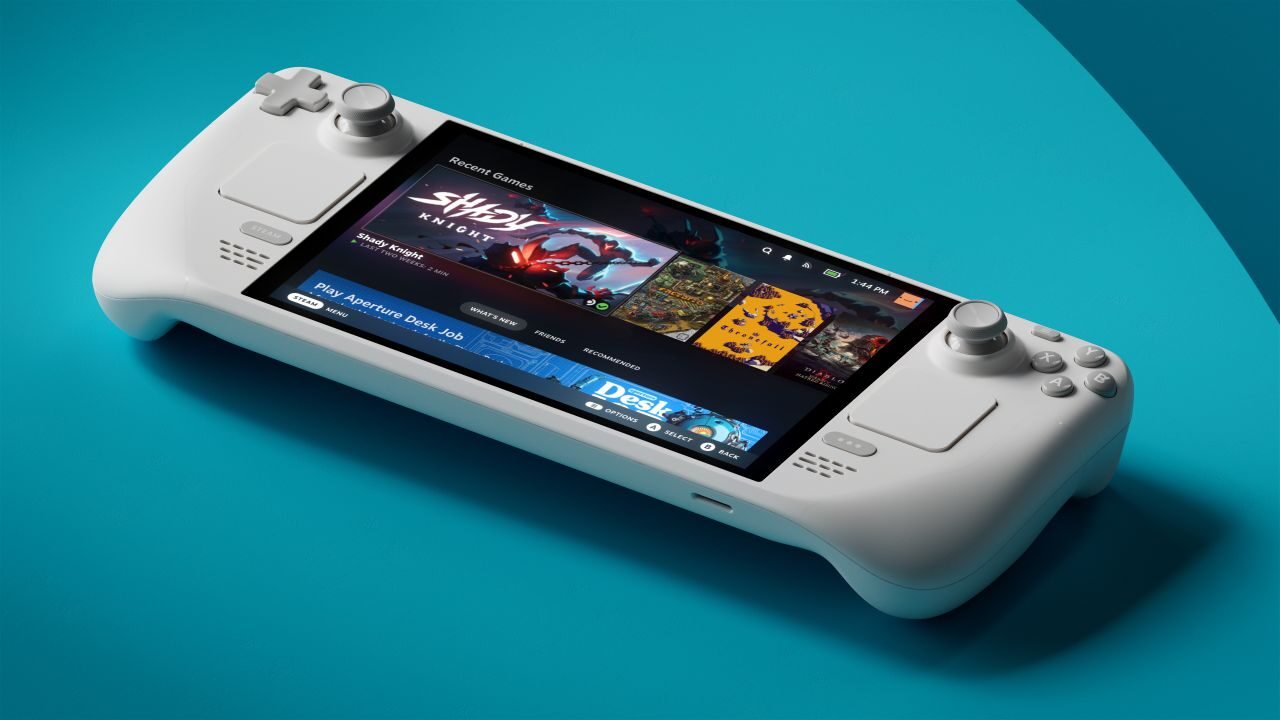
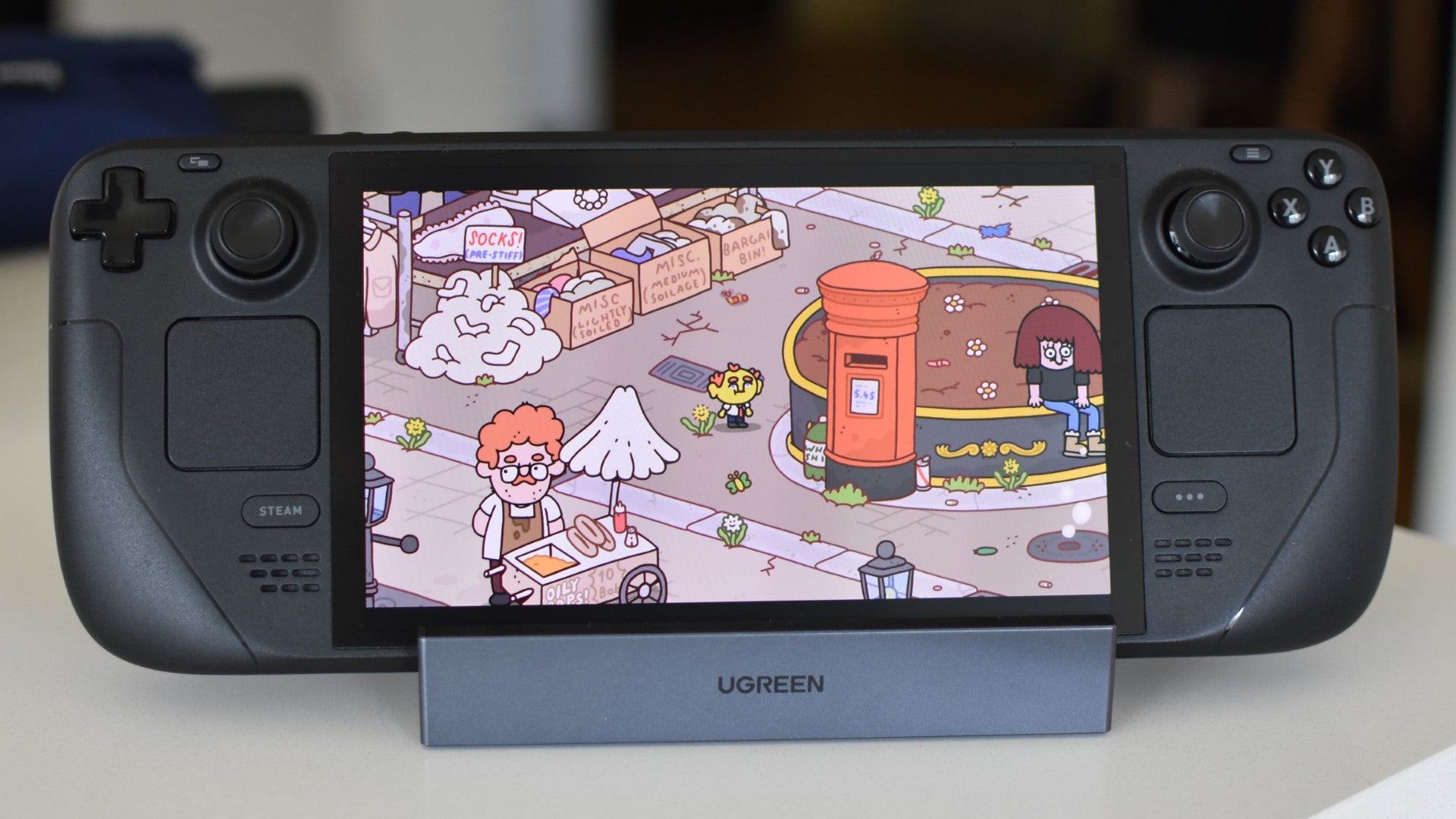
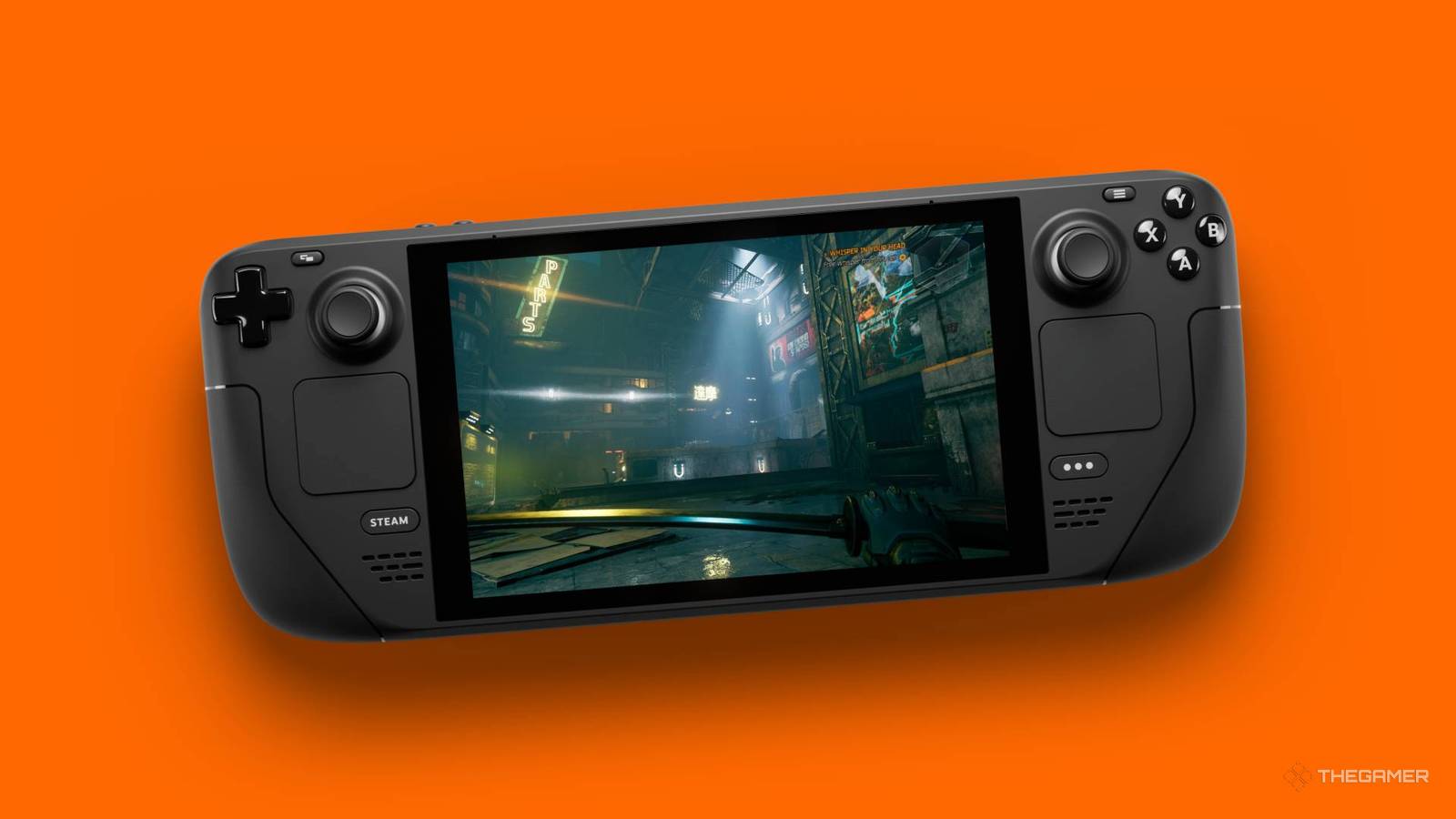
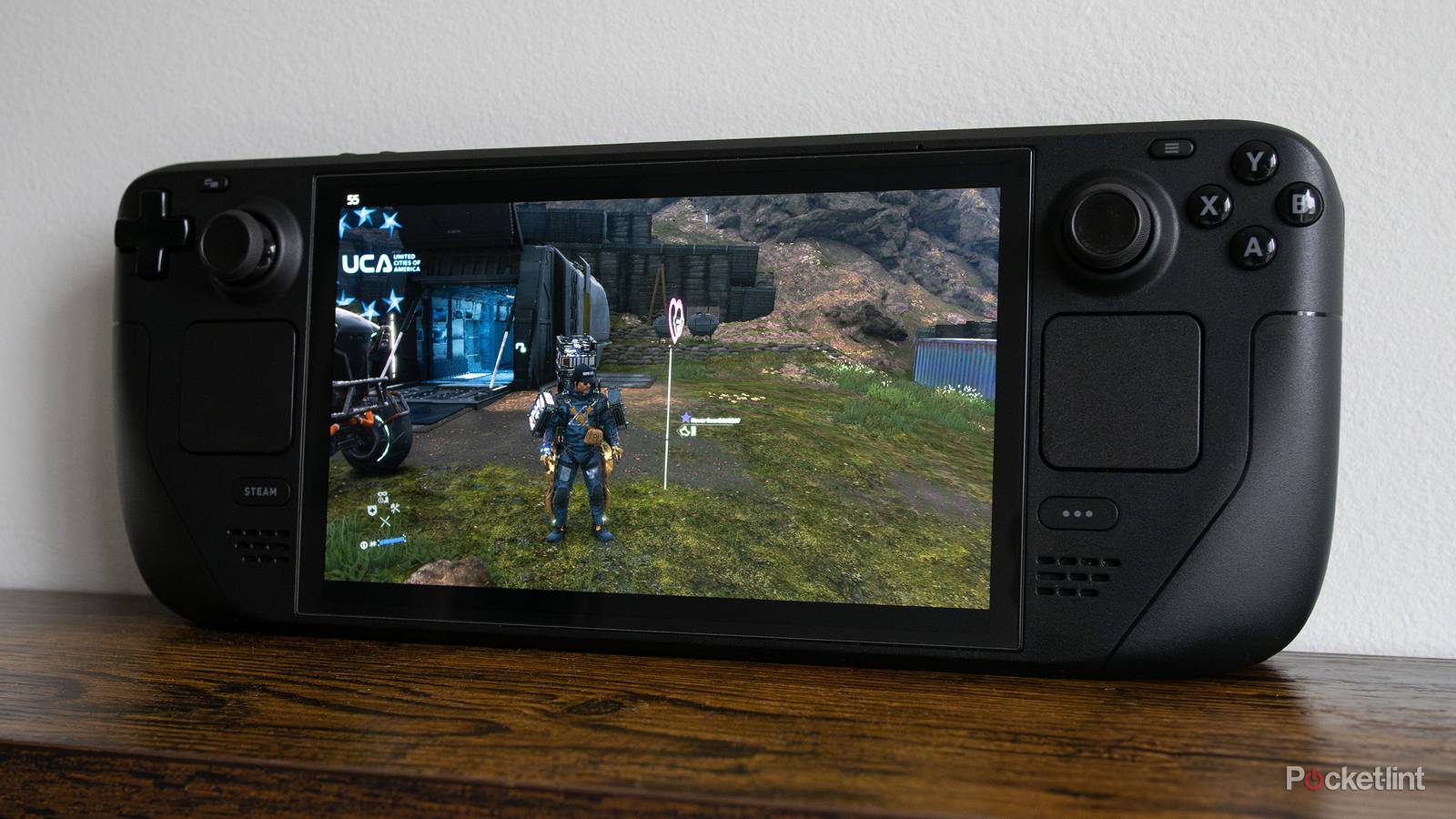
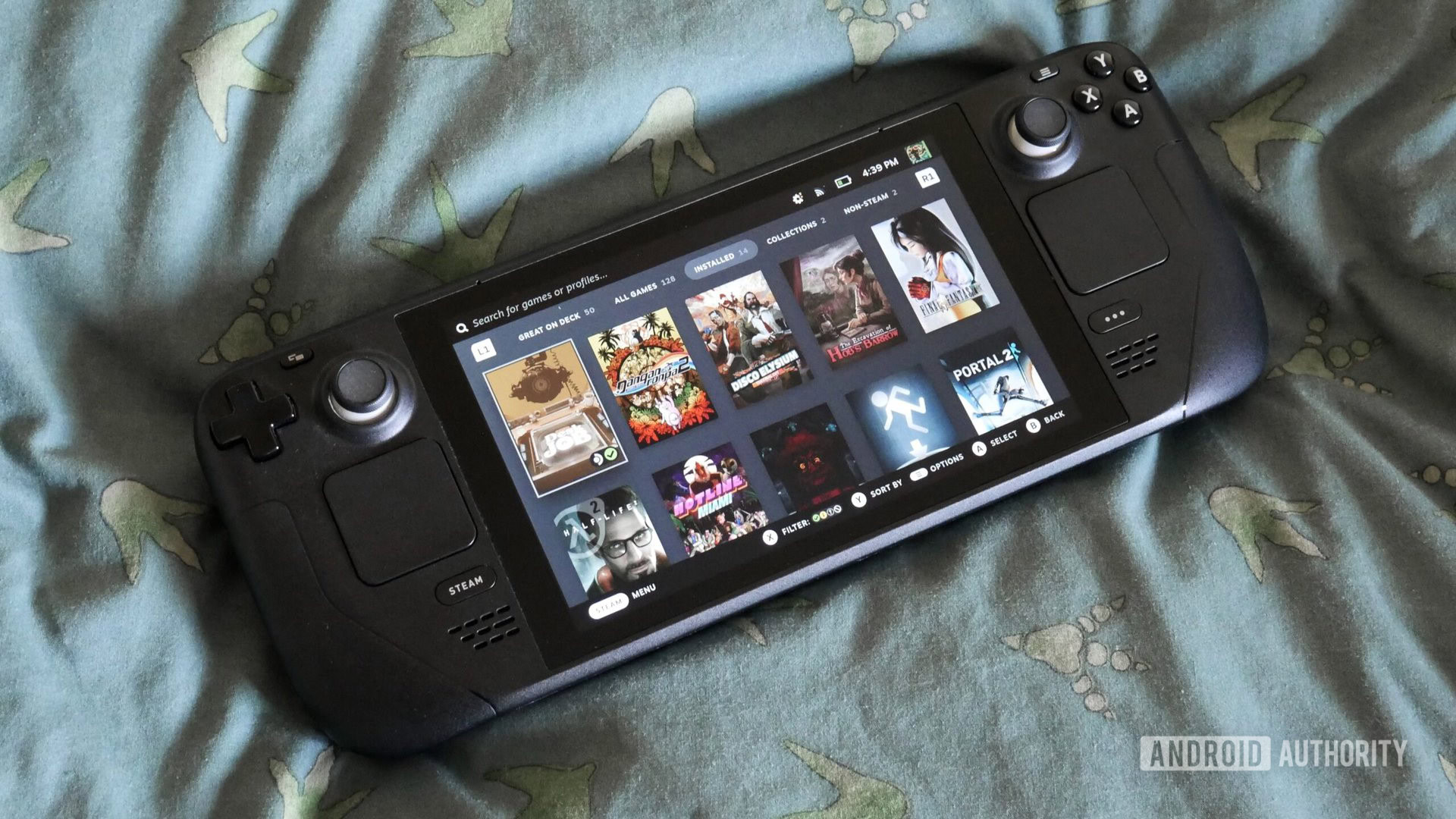
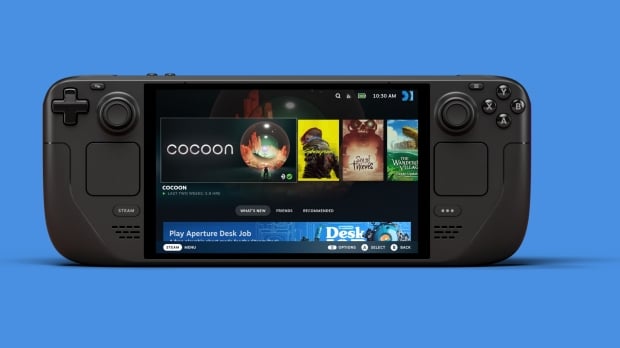
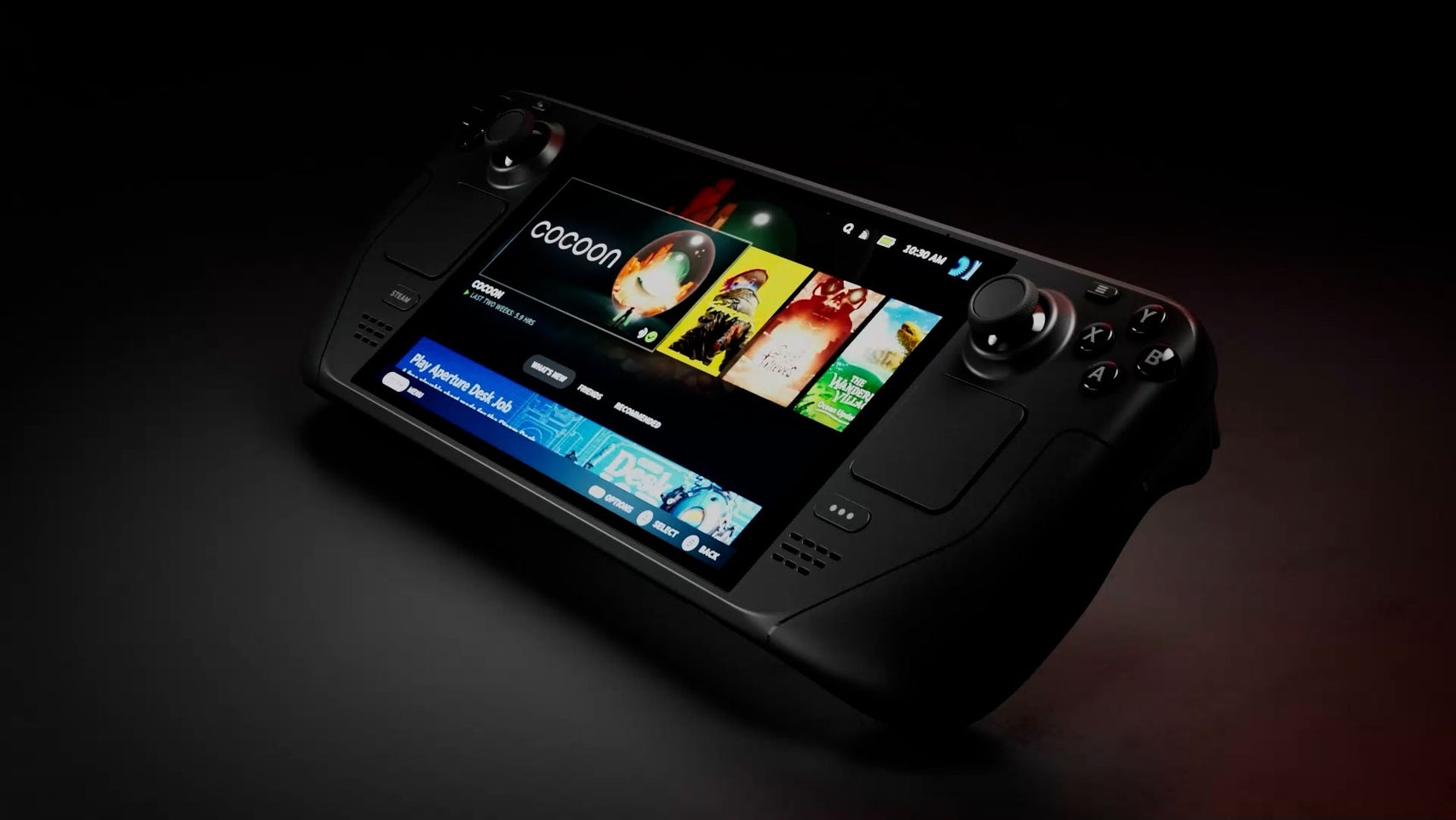
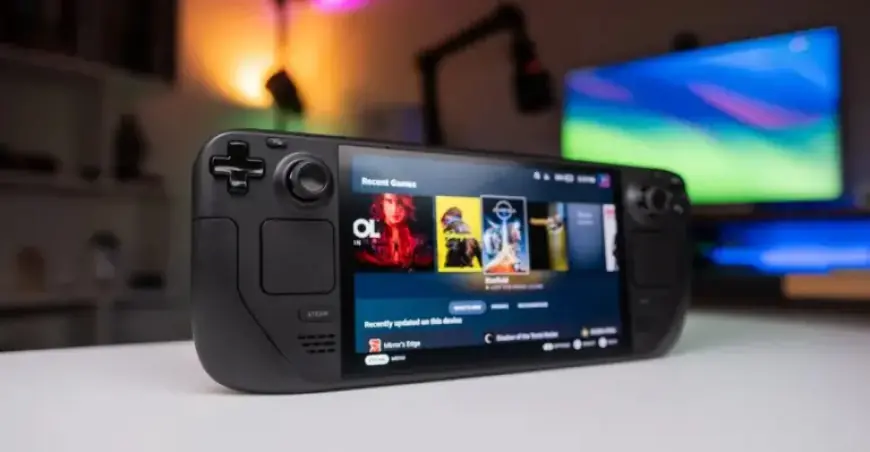
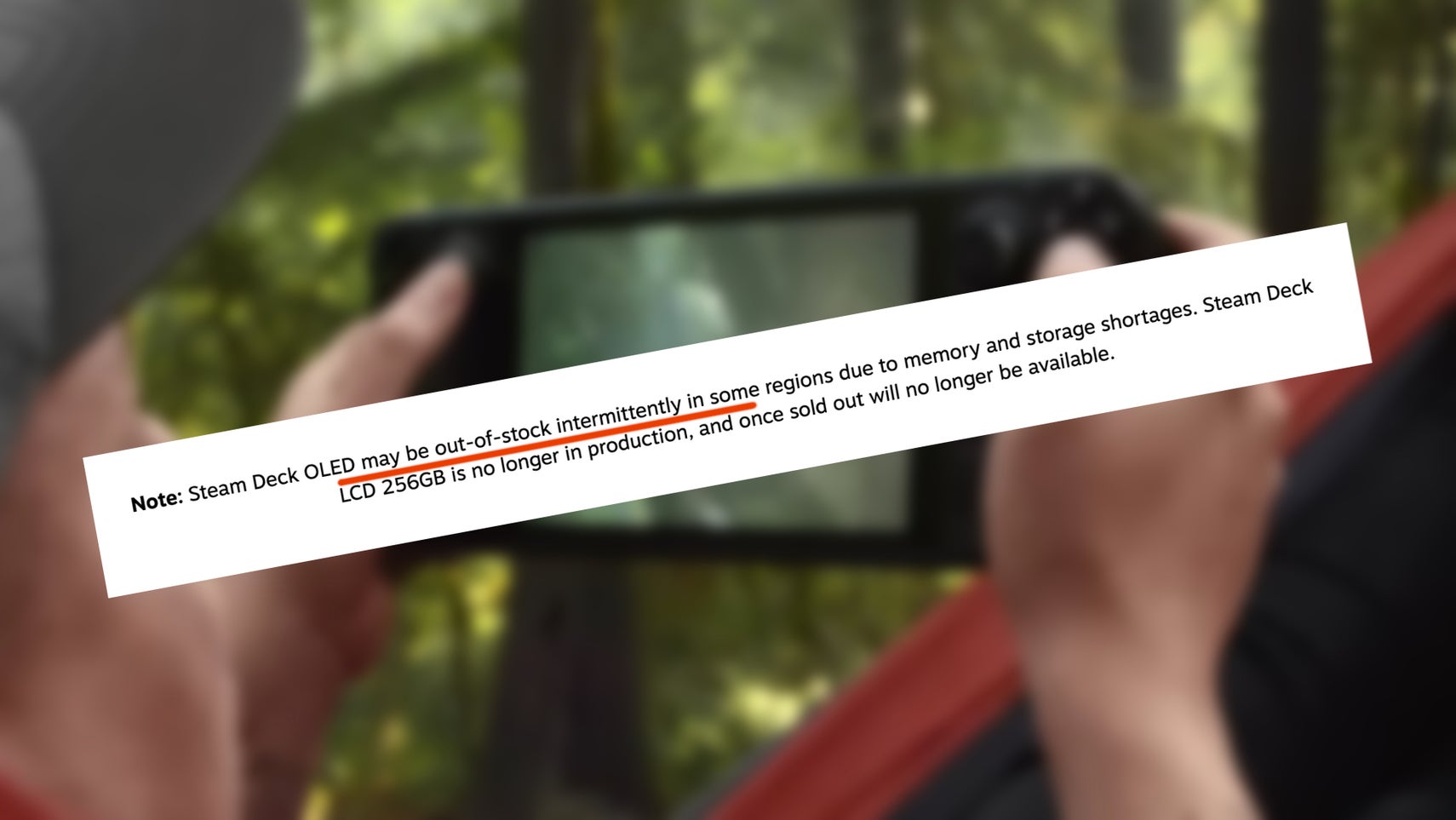
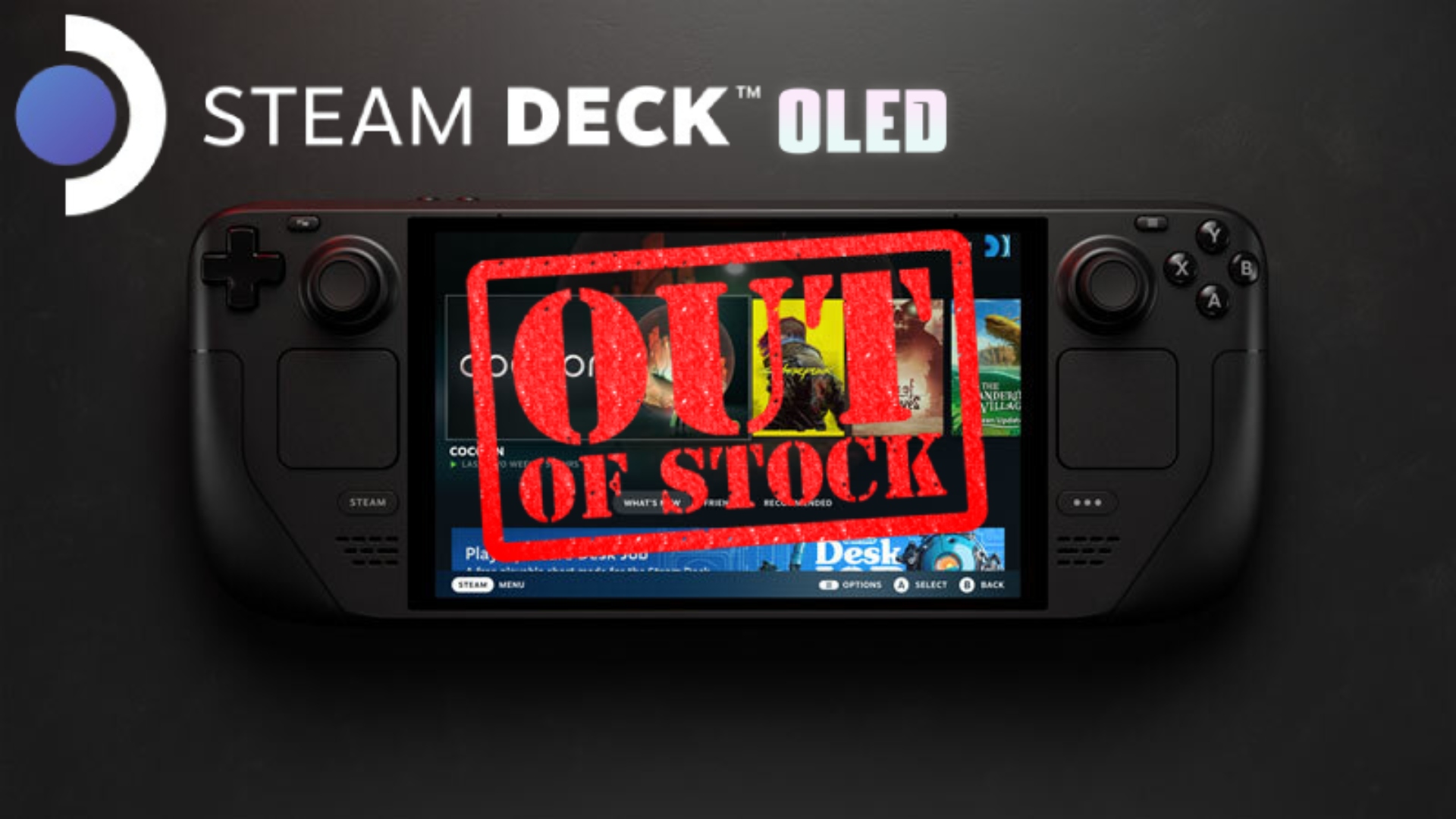
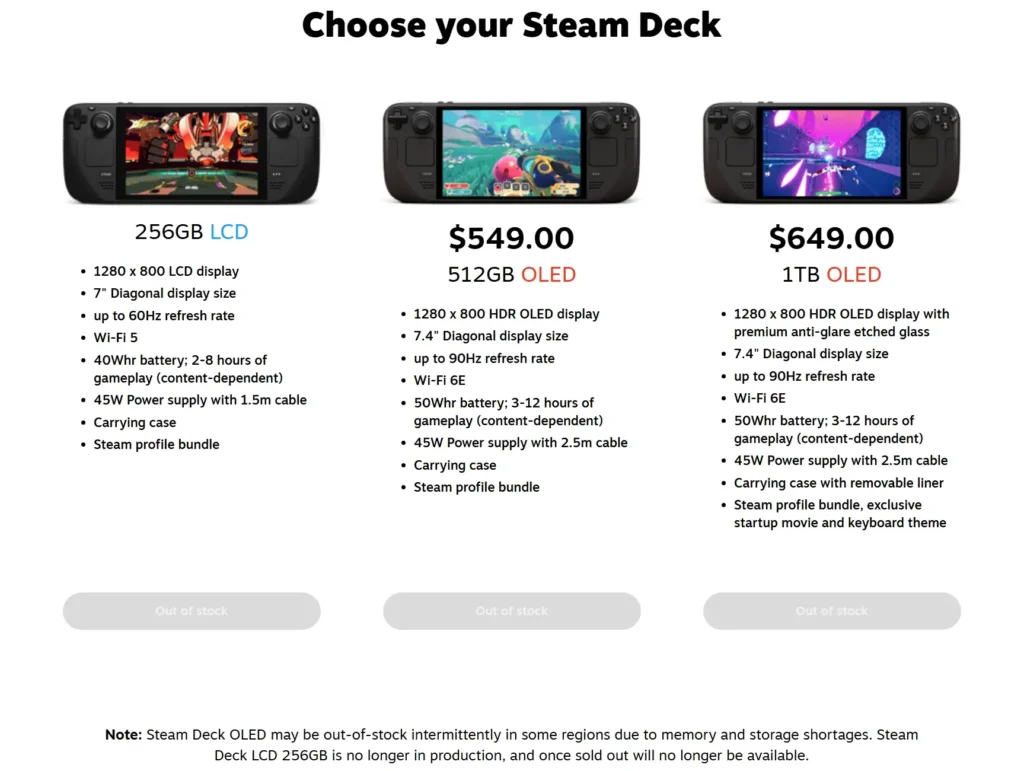
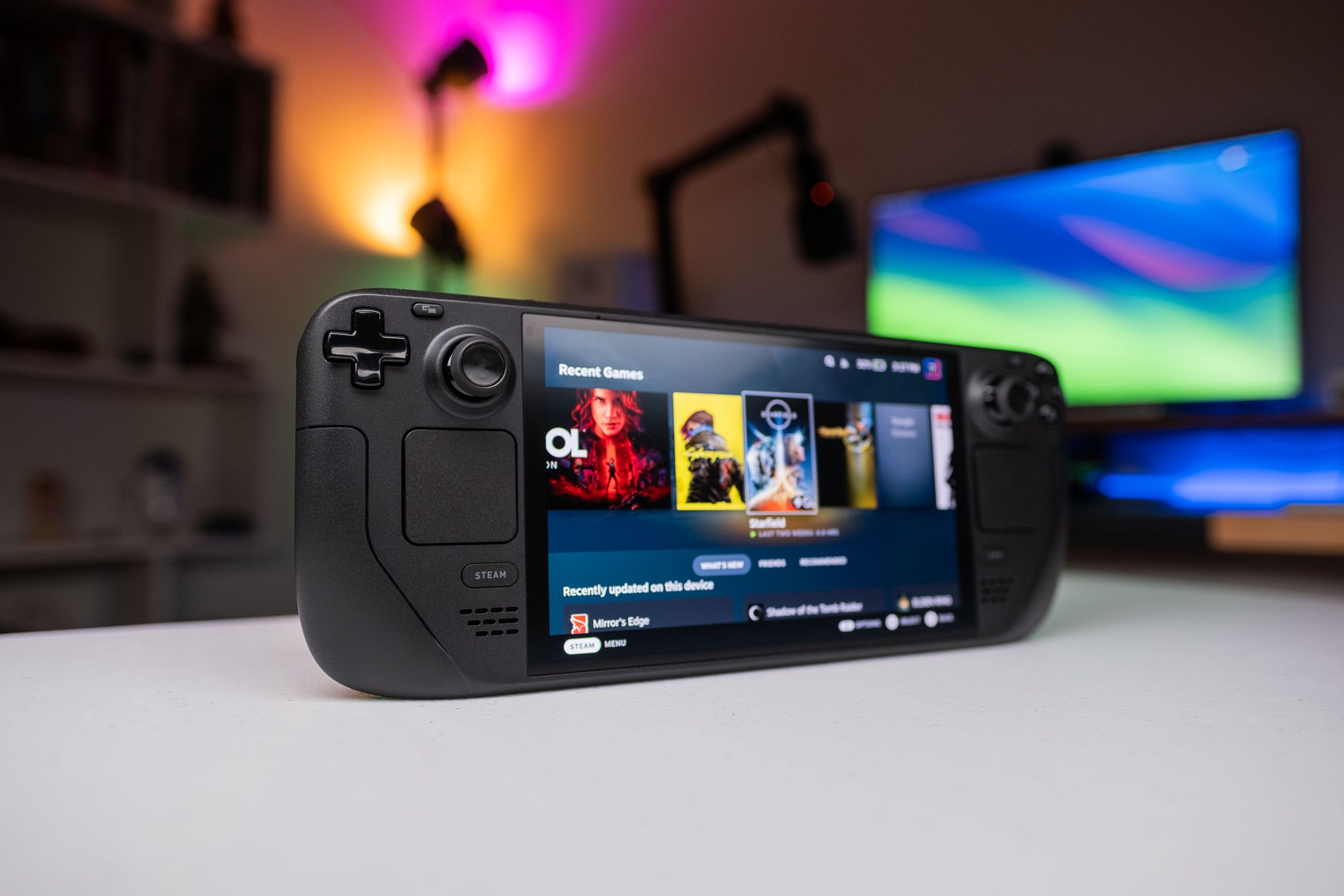
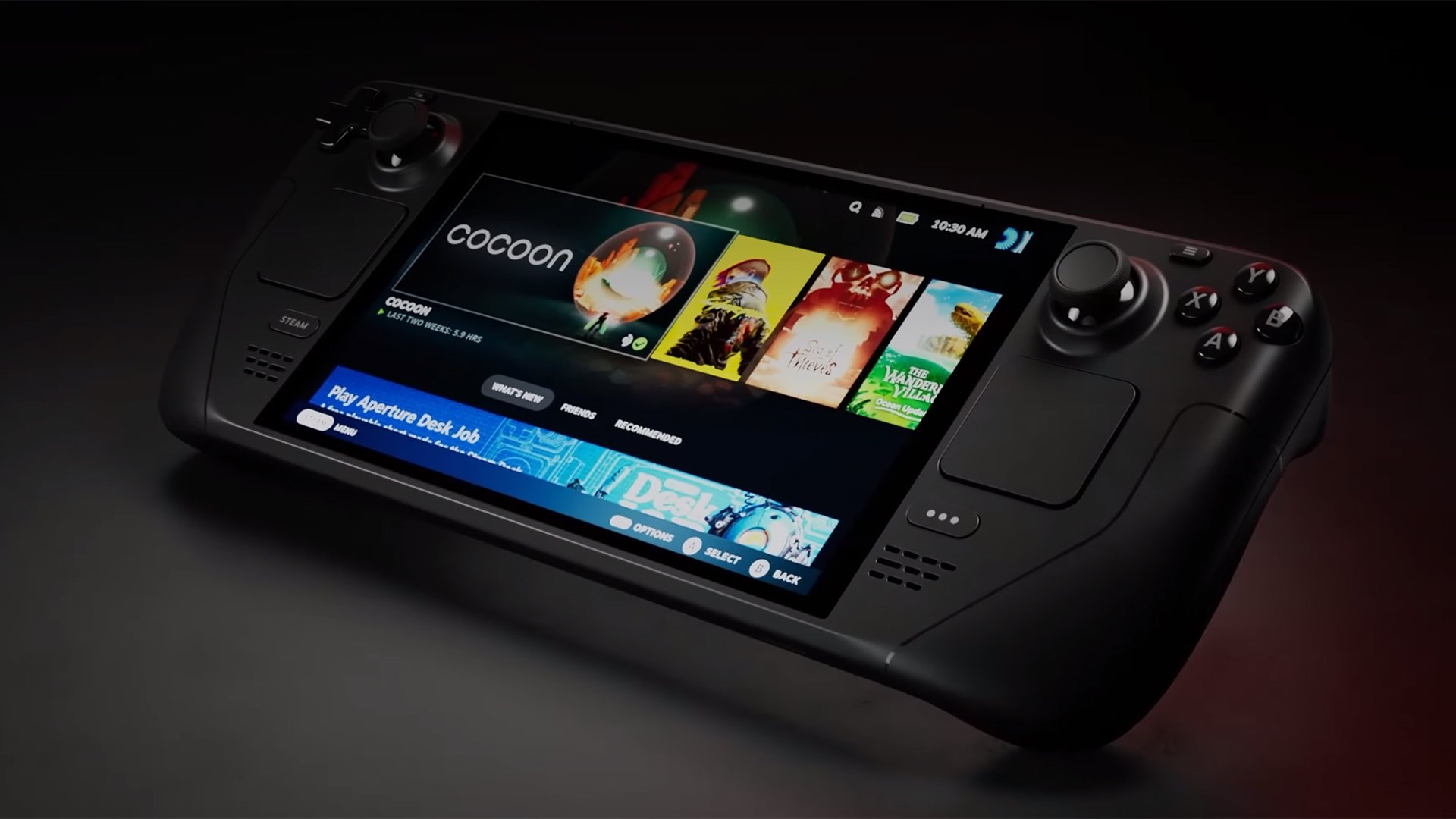
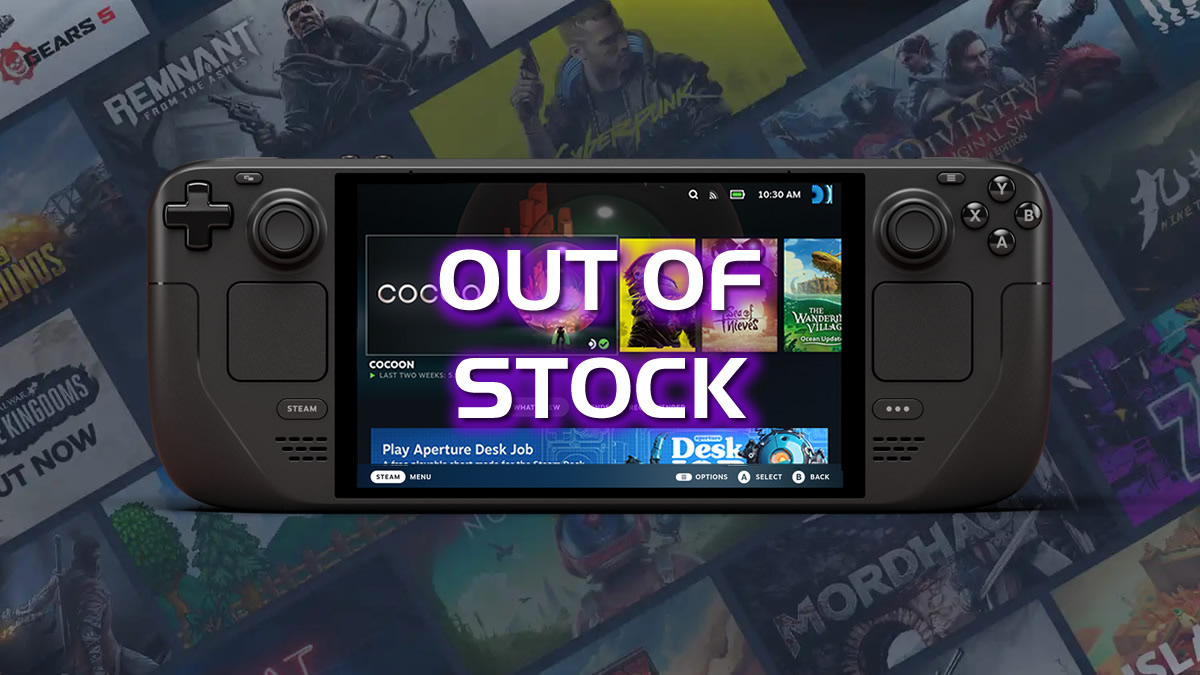
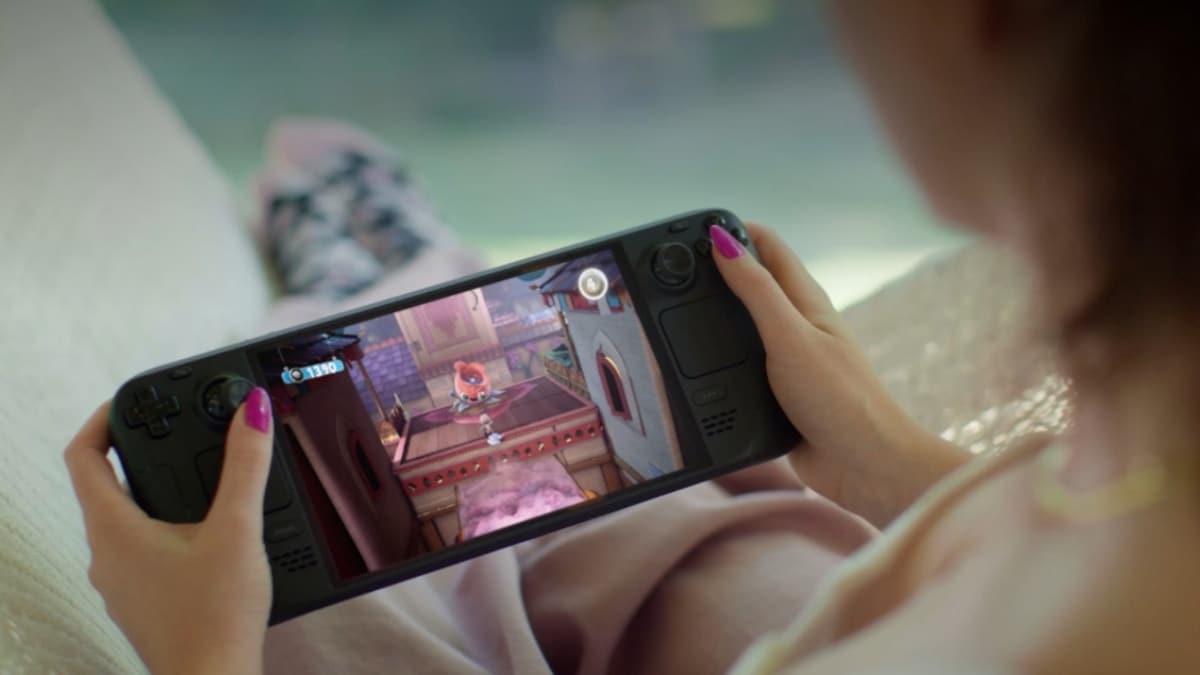
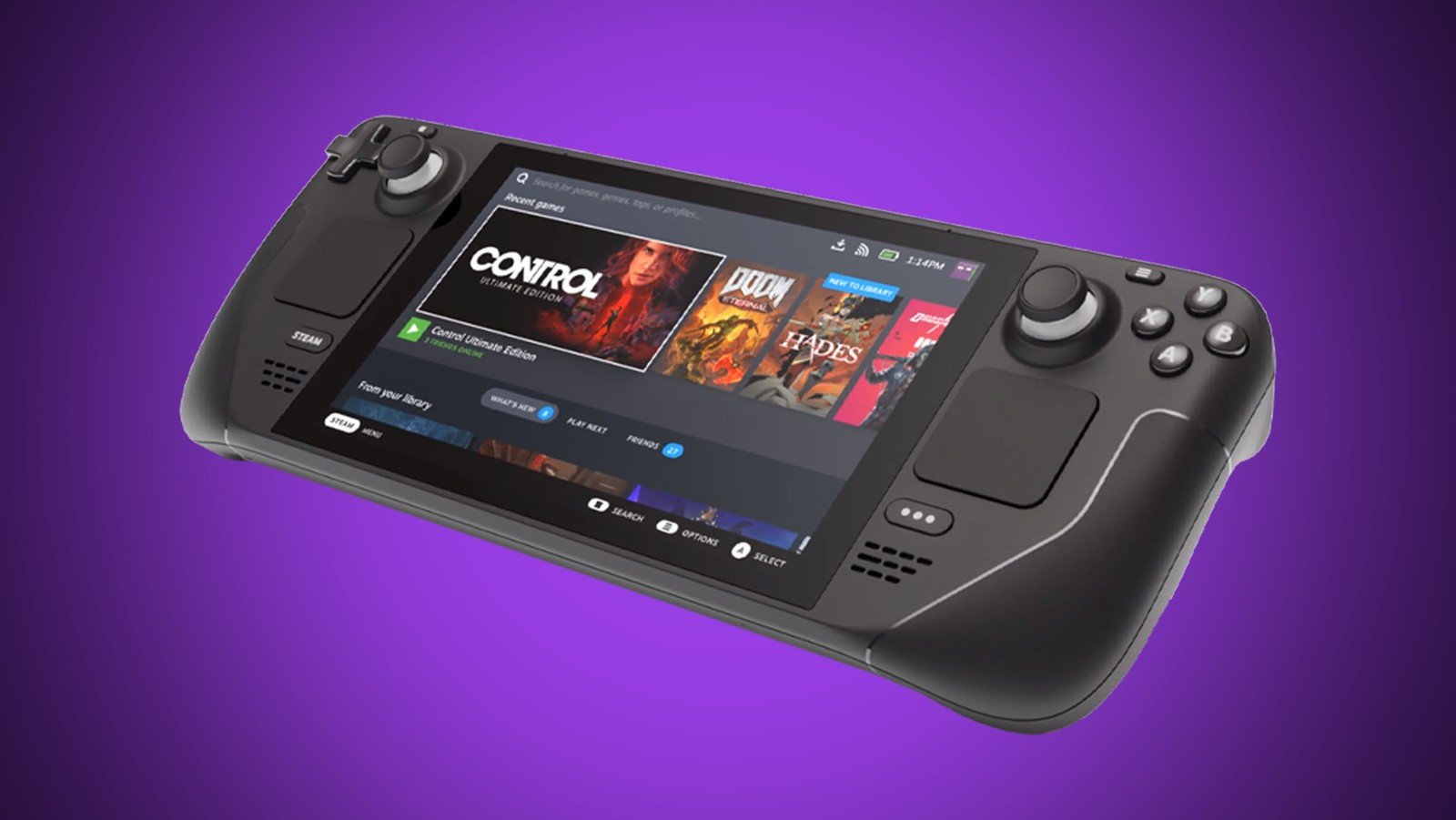
The global RAM and flash memory shortage is creating a critical supply chain disruption across gaming hardware manufacturers through at least mid-2026, directly impacting cross-border e-commerce sellers' sourcing strategies, inventory positioning, and fulfillment operations. Valve has confirmed that Steam Deck OLED units are experiencing intermittent stock shortages across multiple regions, with the US market already experiencing several days of out-of-stock status. The company discontinued the 256GB LCD model, raising the effective entry price from $399 to $549 for the OLED variant. More significantly, Valve delayed the launch of three new products—Steam Machine, Steam Frame VR headset, and Steam Controller—from early 2026 to an indefinite timeline, citing unpredictable component costs and supply volatility.
The root cause is aggressive procurement by AI chip manufacturers (Nvidia, Google) who receive preferential allocation from component suppliers, creating cascading shortages throughout consumer electronics. Nintendo president Shuntaro Furukawa explicitly stated that shortages "may put pressure on profitability" and indicated the company is evaluating price increases for Nintendo Switch 2 later this year. Sony is reportedly considering delaying PlayStation 6's release to 2028-2029 due to identical component constraints. Memory component prices have surged significantly, directly impacting production costs and retail pricing across all gaming hardware categories.
For cross-border sellers, this creates a bifurcated market opportunity: inventory constraints compress margins on mainstream devices (Steam Deck, Switch 2, PlayStation), while alternative gaming handhelds and gaming peripherals experience demand surge as consumers seek substitutes. Sellers with access to well-stocked regional markets can exploit availability gaps through strategic arbitrage. The intermittent stock windows mean purchasing timing becomes critical—sellers must monitor Valve's Steam store, Nintendo's regional sites, and third-party distributor inventory daily to capture limited stock windows. Lead times for restocking are extending significantly, requiring sellers to shift from just-in-time to 60-90 day advance inventory planning. The supply crisis extends through mid-2026, meaning sellers should expect sustained margin pressure and inventory volatility across the gaming hardware category through Q2 2026.
问题 8
What shipping routes offer cost advantages during the RAM shortage?
Direct sourcing from Taiwan and South Korea component suppliers offers 2-3 week lead time advantages over China-based suppliers, though costs are 5-8% higher. Air freight from Asia to US costs $8-12/kg (vs. $2-3/kg ocean freight), but reduces lead times from 30-45 days to 7-10 days—justified for high-margin gaming devices during stock shortages. Japan-to-US shipping via FedEx/DHL offers 5-7 day delivery at $6-10/kg, optimal for Steam Deck OLED sourcing given Japan market availability. For refurbished devices, establish direct relationships with Japanese and South Korean refurbishment centers (Osaka, Seoul) to reduce sourcing costs by 10-15% vs. US-based refurbishers. Singapore-based 3PL providers offer 15-20% cost savings on cross-border consolidation vs. direct shipping. Sellers should negotiate volume discounts with air freight carriers now—expect 20-30% rate increases by Q2 2026 as gaming hardware demand increases. Ocean freight remains cost-effective for 60-90 day advance inventory planning, but air freight is necessary for responsive sourcing during intermittent stock windows.
What are the cost implications of the RAM shortage for sellers?
Memory component prices have surged significantly, directly impacting landed costs for gaming hardware. Steam Deck OLED's effective entry price increased from $399 (LCD model) to $549 (OLED), representing a 37.6% price increase. Nintendo Switch 2 is expected to see 10-15% price increases when launched. For sellers, this translates to 8-12% margin compression on mainstream gaming devices if retail prices don't increase proportionally. Refurbished gaming devices offer 15-20% higher margins due to reduced component costs. Sellers should expect 2-4 week lead time extensions from suppliers, increasing inventory holding costs by $50-150 per unit depending on category. Total landed cost for gaming hardware will increase 12-18% through mid-2026. Sellers should lock in supplier pricing now before further increases—negotiate fixed-price contracts through Q2 2026 to protect margins.