



India AI Summit 2026 Disruptions Signal Operational Risks for Sellers Expanding to Asian Markets
- Security lockdown at New Delhi summit reveals infrastructure challenges for 500+ international delegates; highlights execution risks for sellers planning India market entry and AI-powered logistics automation

)




)





概览
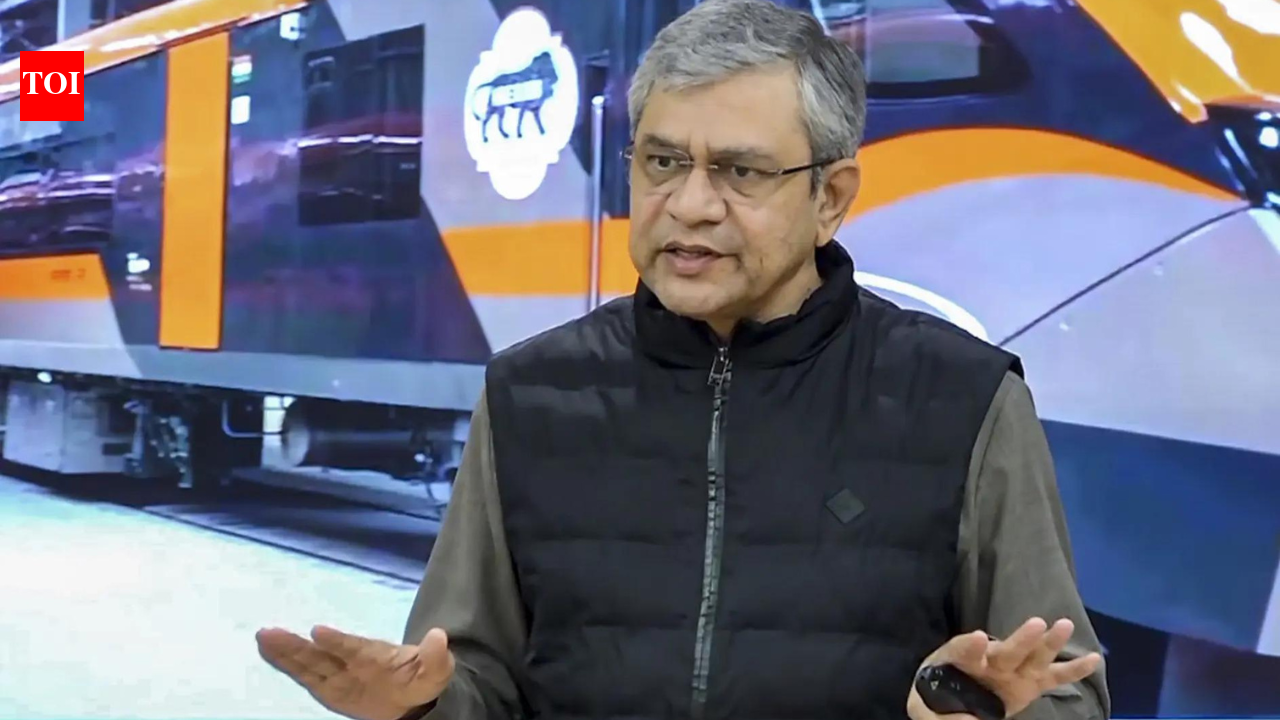
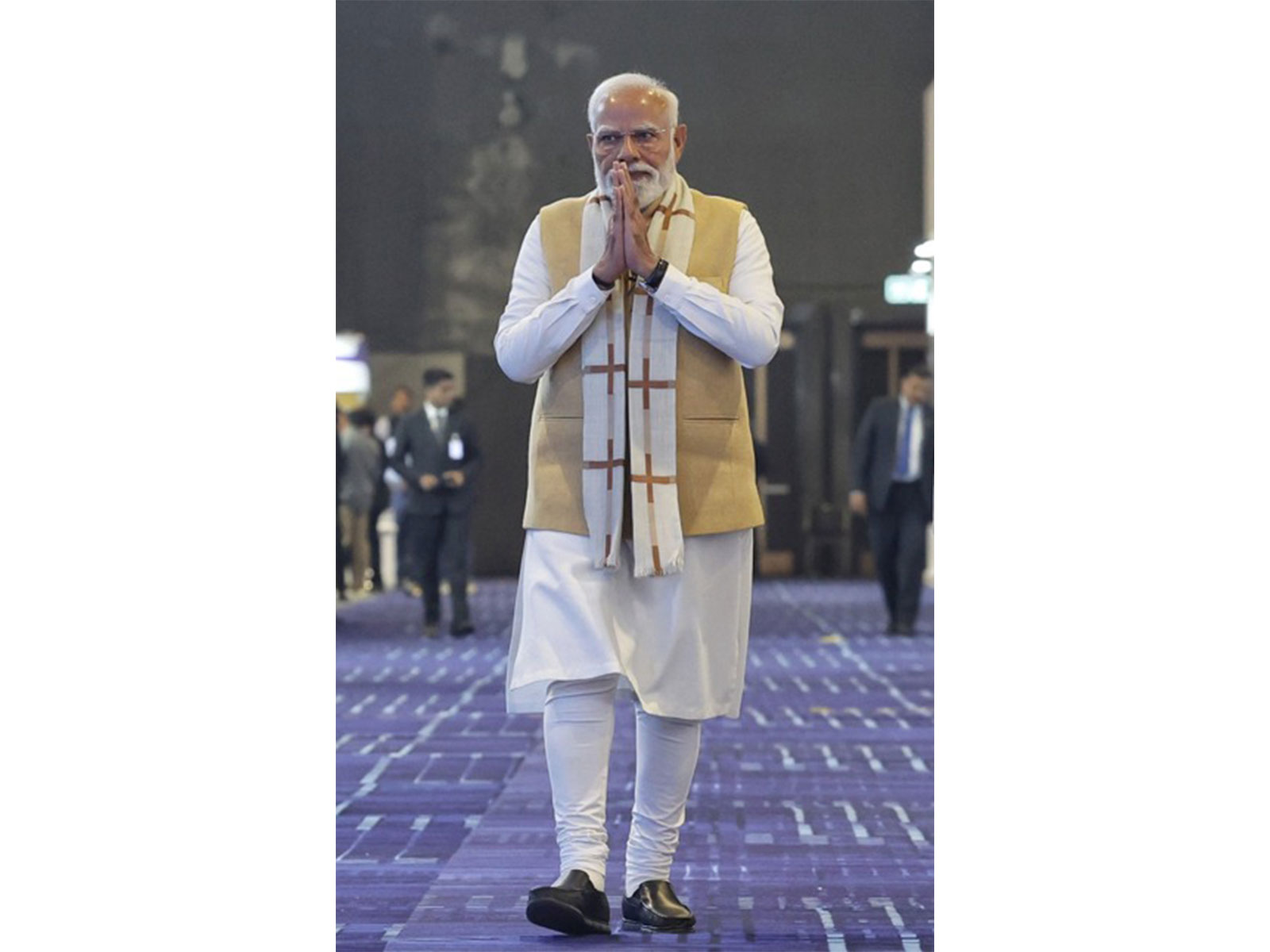
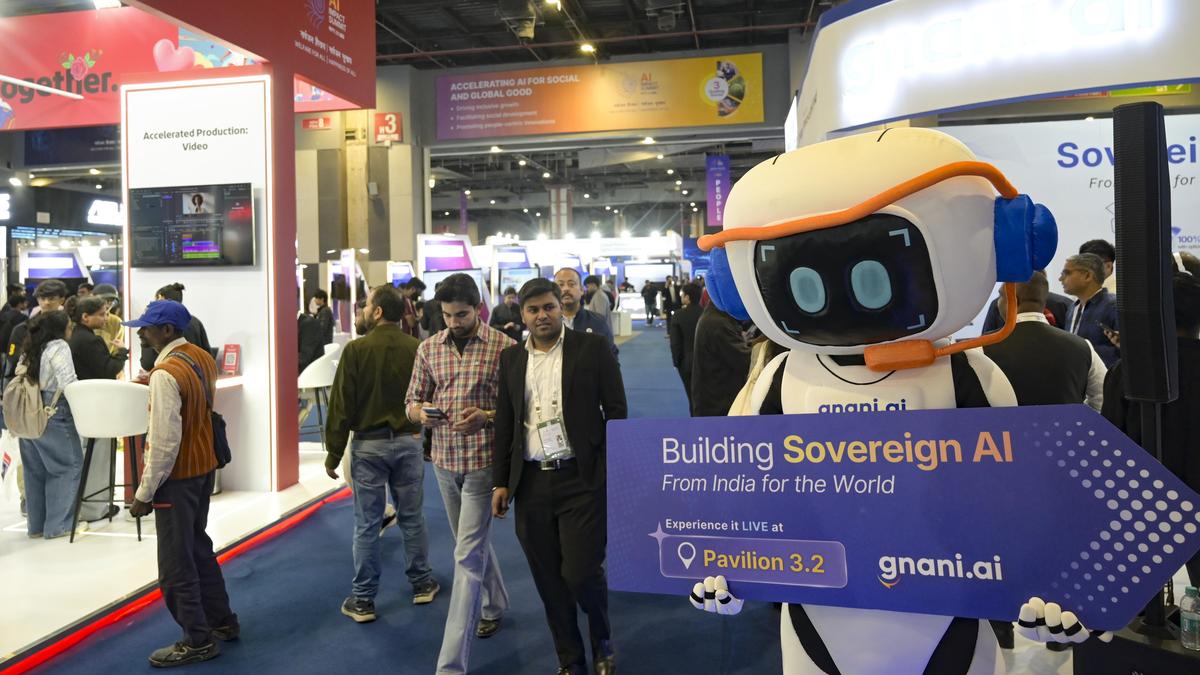
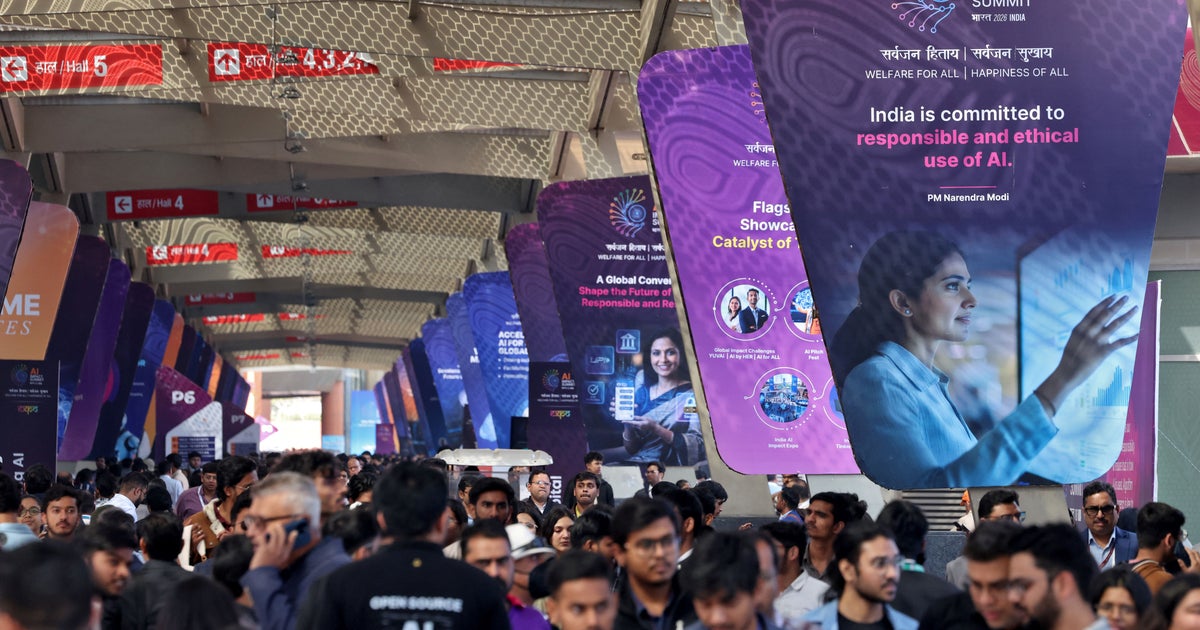
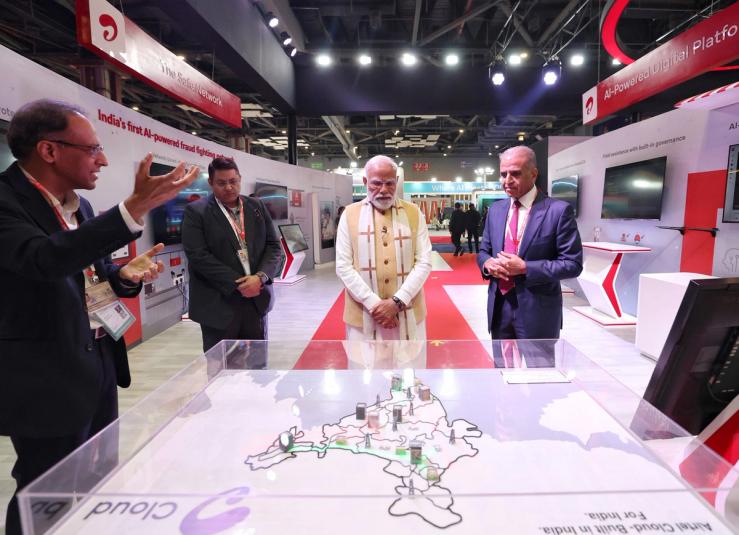
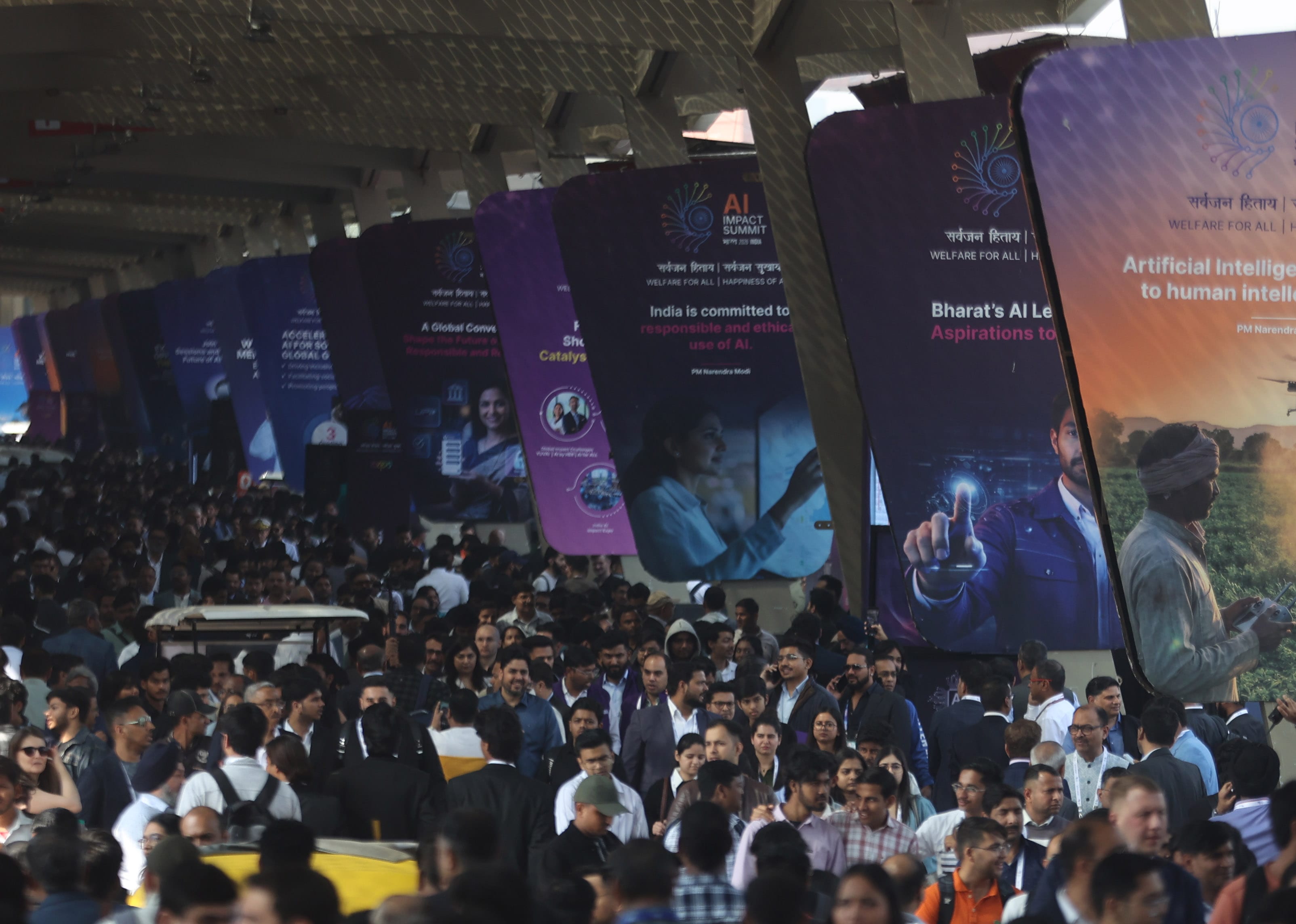
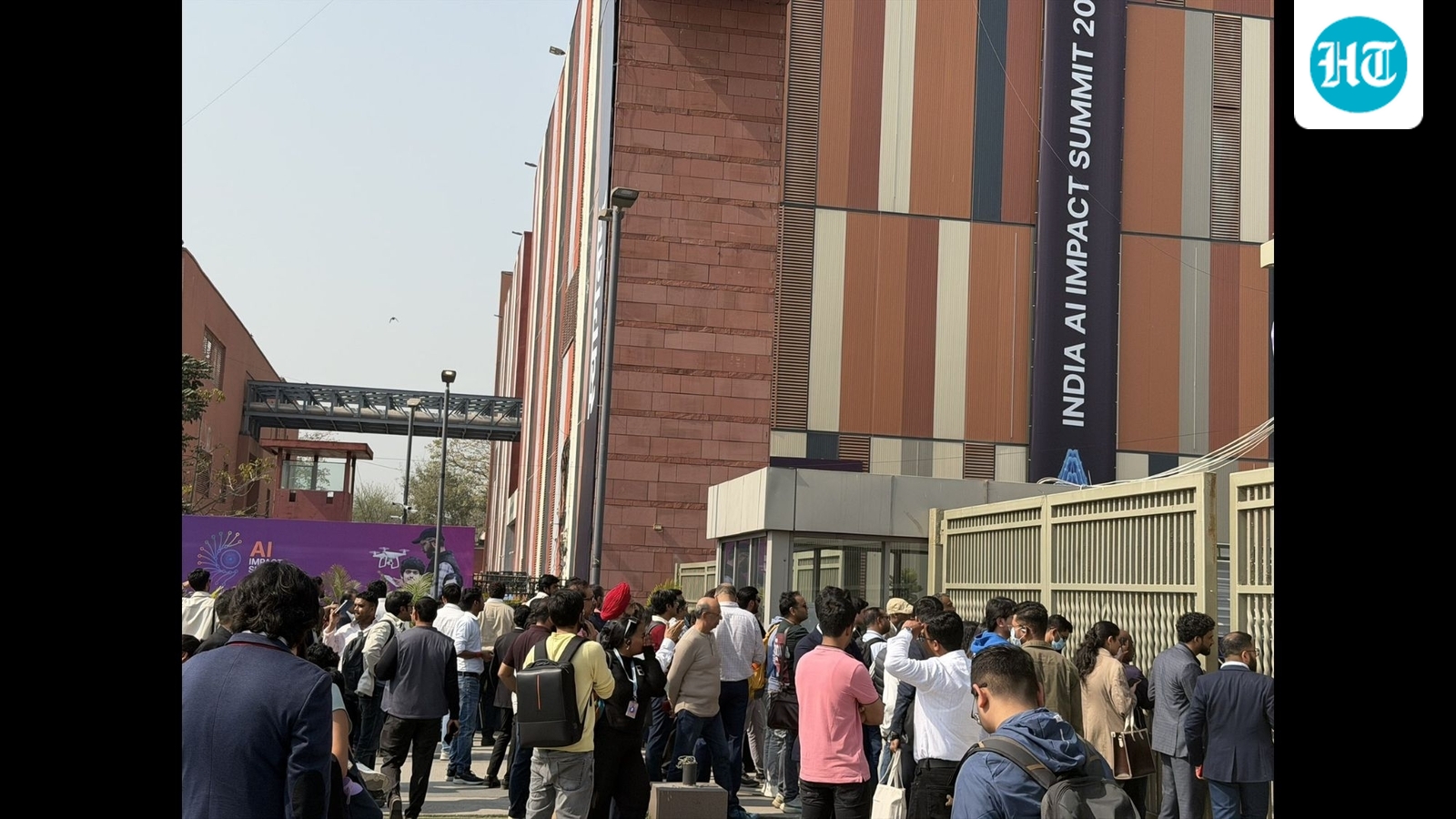
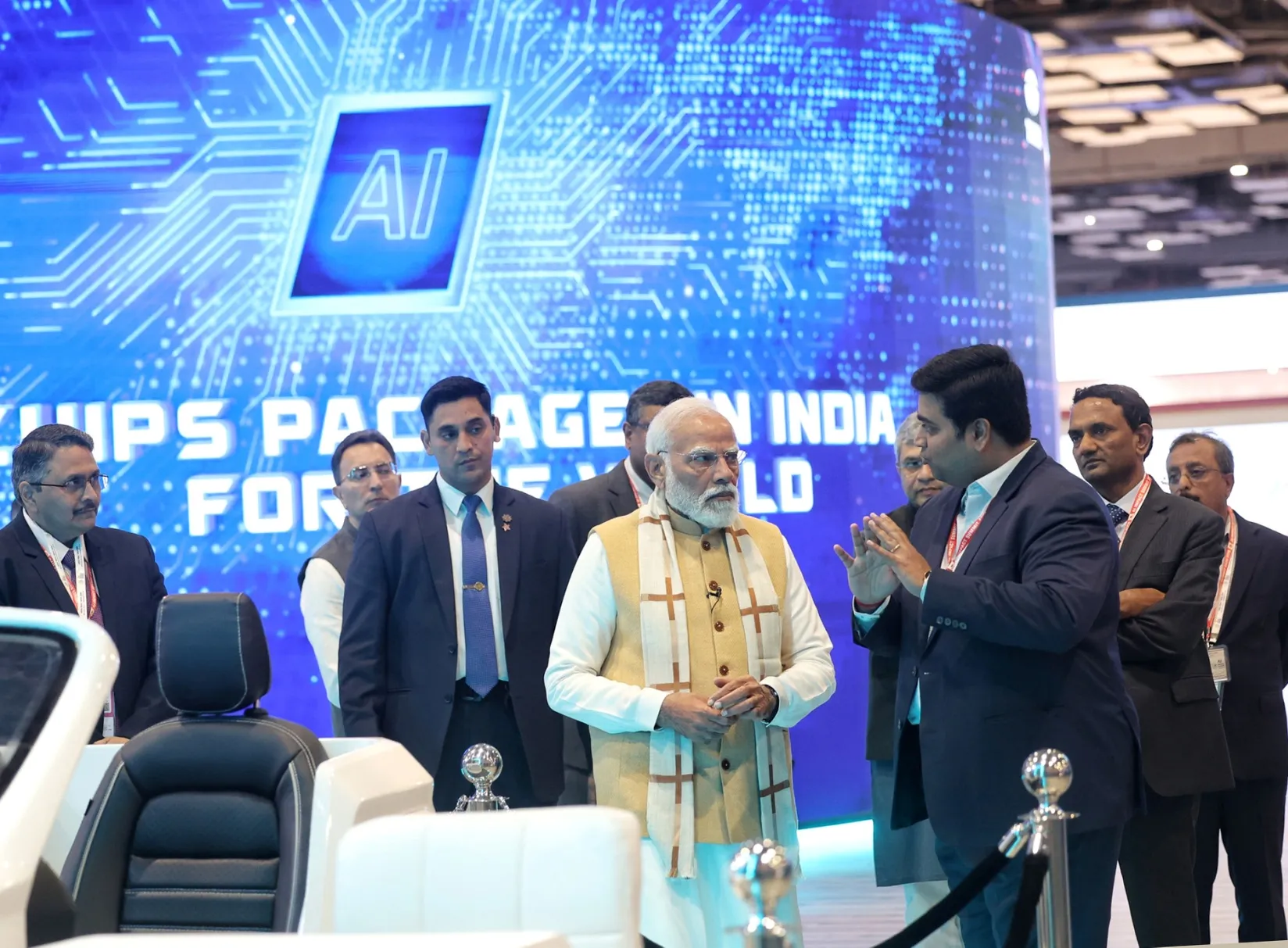
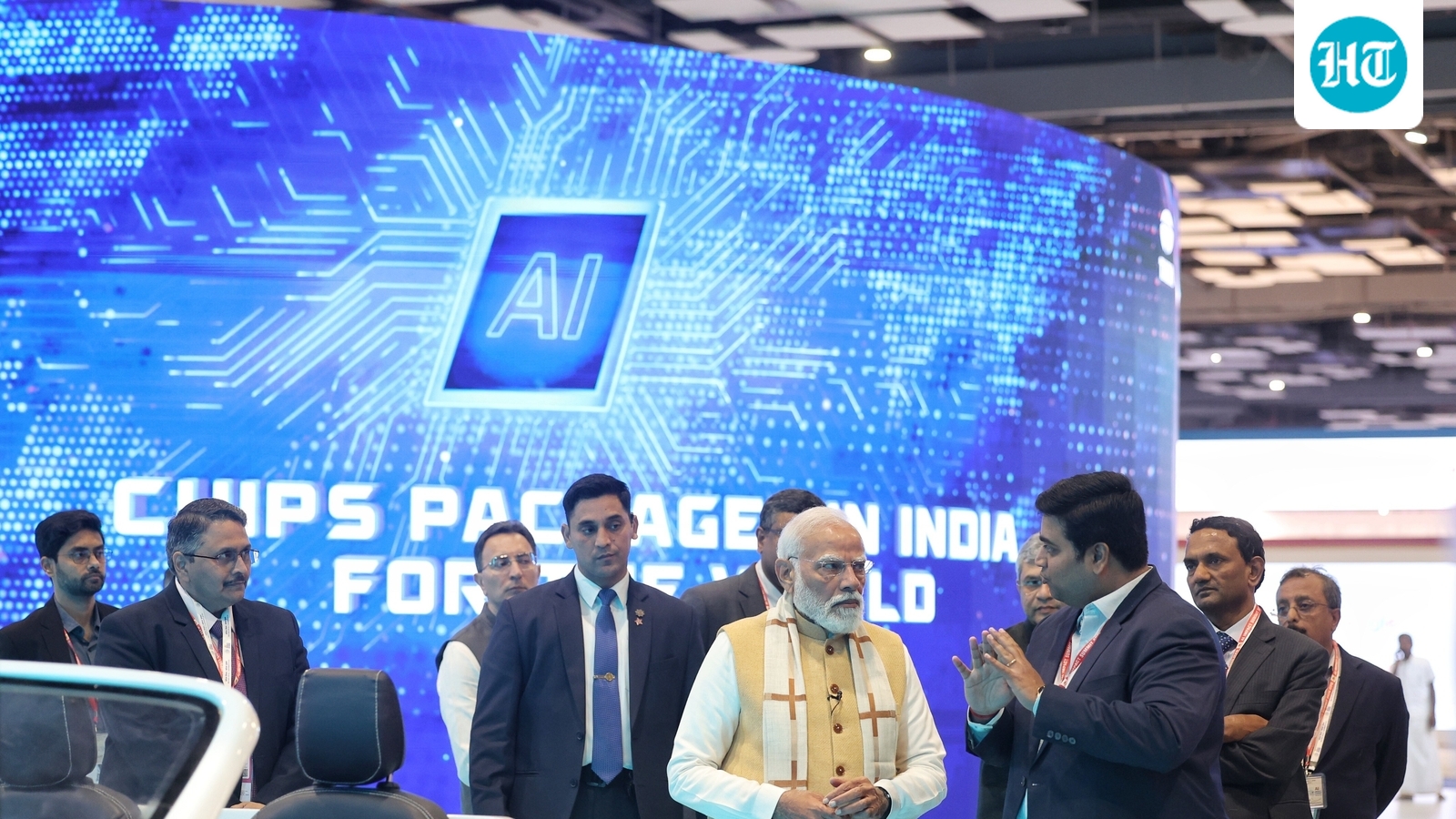
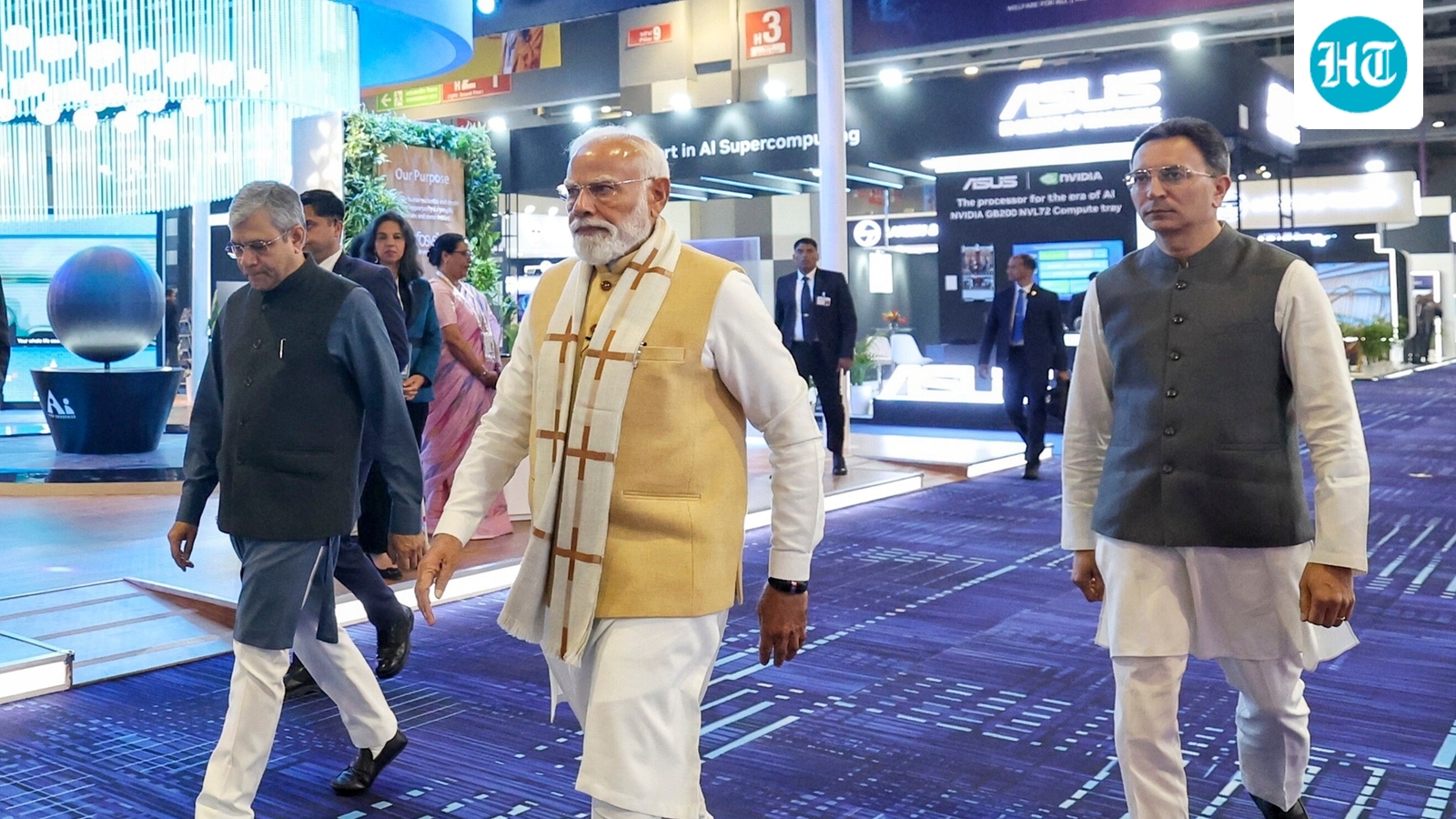
India's inaugural AI Impact Summit 2026 in New Delhi experienced significant operational disruptions on its opening day, with a sudden security lockdown stranding hundreds of international delegates without food or water access—a critical signal for cross-border e-commerce sellers evaluating India market expansion. The event, attended by Prime Minister Narendra Modi and 500+ technology sector delegates, was designed to position India as a global AI hub and attract international technology investment. However, the logistics failure directly contradicts India's messaging around technological sophistication and organizational capability, raising important questions for sellers considering India-based fulfillment centers, supplier partnerships, or marketplace expansion.
For e-commerce sellers, this incident reveals three critical operational realities about India's infrastructure maturity. First, large-scale event execution challenges suggest potential gaps in logistics coordination and crisis management—directly relevant for sellers planning 3PL partnerships or fulfillment network expansion in India. The security lockdown's impact on attendee experience mirrors potential supply chain disruptions sellers might face when scaling operations in Indian markets. Second, the summit's focus on AI advancement and marketplace technology development indicates India is actively positioning itself as a logistics and automation hub, with implications for seller access to AI-powered tools, inventory management systems, and dynamic pricing solutions developed by Indian tech companies. Third, the event's recovery by Tuesday demonstrates resilience in India's commitment to becoming a major AI center, suggesting long-term infrastructure investment despite near-term execution challenges.
The operational failure carries specific implications for seller segments evaluating India expansion. Small to mid-sized sellers (100-5,000 SKUs) considering India-based 3PL providers should conduct enhanced due diligence on logistics partner crisis management protocols and event execution capabilities. Sellers planning to source AI-powered inventory management or pricing optimization tools from Indian SaaS companies should assess vendor operational maturity and business continuity planning. For sellers targeting Indian consumers through Amazon India, Flipkart, or emerging marketplaces, the summit's disruption signals that India's e-commerce infrastructure is still maturing—presenting both risks (execution delays, logistics gaps) and opportunities (first-mover advantage in AI-powered seller tools, emerging logistics automation solutions).
Strategic implications extend to competitive positioning in Asian markets. India's AI advancement trajectory remains significant for e-commerce infrastructure evolution, with the summit designed to attract international investment in logistics automation, marketplace technology, and supply chain optimization. Despite the operational setback, India's broader commitment to becoming a global AI hub suggests accelerating development of AI-powered tools for dynamic pricing, demand forecasting, and inventory optimization—capabilities that will eventually benefit sellers operating in Indian and Asian markets. Sellers should monitor India's AI development progress while maintaining realistic expectations about near-term execution challenges when planning major market expansion initiatives.
问题 8
How will India's AI advancement impact e-commerce seller tools and automation capabilities?
India's AI Impact Summit 2026 was specifically designed to attract international technology investment in logistics automation, marketplace technology, and supply chain optimization—areas directly relevant to seller operations. The summit's focus indicates India is positioning itself as a hub for developing AI-powered tools for dynamic pricing, demand forecasting, inventory optimization, and logistics automation. Sellers should expect emerging Indian SaaS companies to develop competitive alternatives to established tools like Keepa, Helium 10, and Jungle Scout, potentially offering lower-cost solutions tailored to Asian market dynamics. However, the summit's operational disruptions suggest vendor maturity assessment should be a priority when evaluating Indian-developed tools. Long-term, India's AI advancement could create significant competitive advantages for sellers who adopt these emerging technologies early.
What are the specific risks for sellers using India-based 3PL providers?
The AI Summit's security lockdown and logistics failure reveal potential gaps in crisis management and operational coordination that could affect 3PL performance. Sellers considering India-based fulfillment centers should assess providers' experience managing large-scale operations, security protocols, and contingency planning for supply chain disruptions. Key due diligence questions include: Does the 3PL have documented crisis management procedures? What is their track record managing high-volume events or peak seasons? Do they have backup logistics partners for disruption scenarios? The incident suggests that India's logistics infrastructure, while rapidly advancing, may not yet match the operational maturity of established 3PL networks in the US or Europe. Sellers should request detailed operational audits and consider phased expansion rather than full commitment to India-based fulfillment.