


China Lunar New Year 2026 | 9.5B Travelers Drive Record E-Commerce Demand
- Extended 9-day holiday + $52M government vouchers create peak selling window for gift items, entertainment merchandise, and service bookings across Alibaba, JD.com, and cross-border platforms






概览
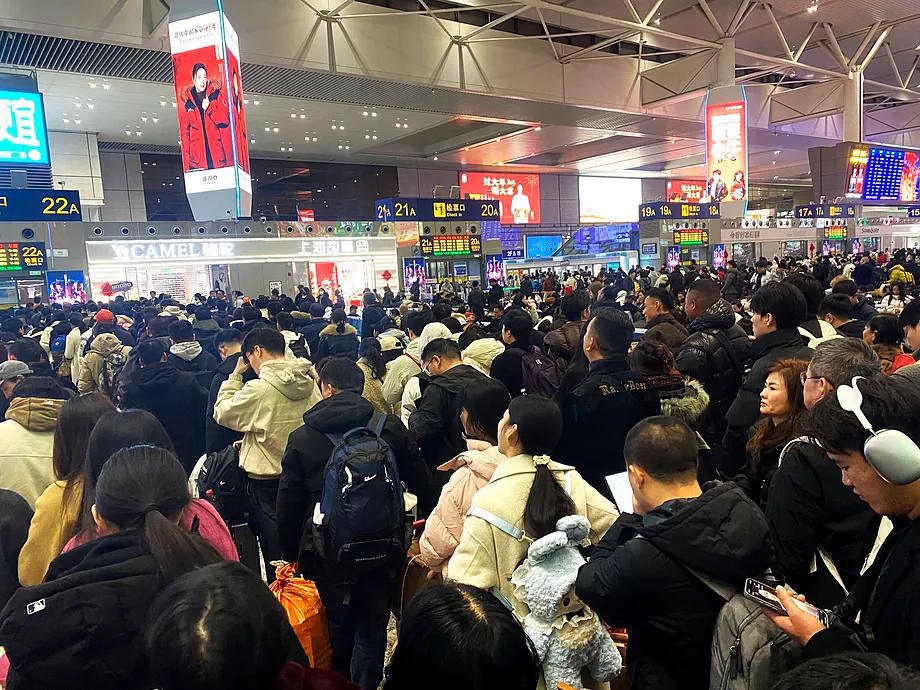
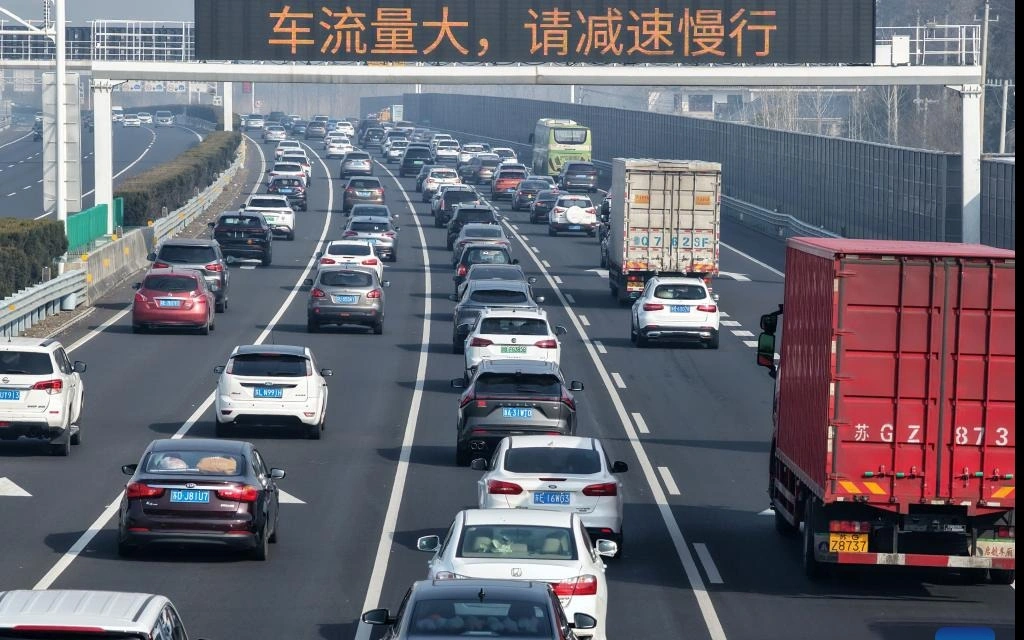
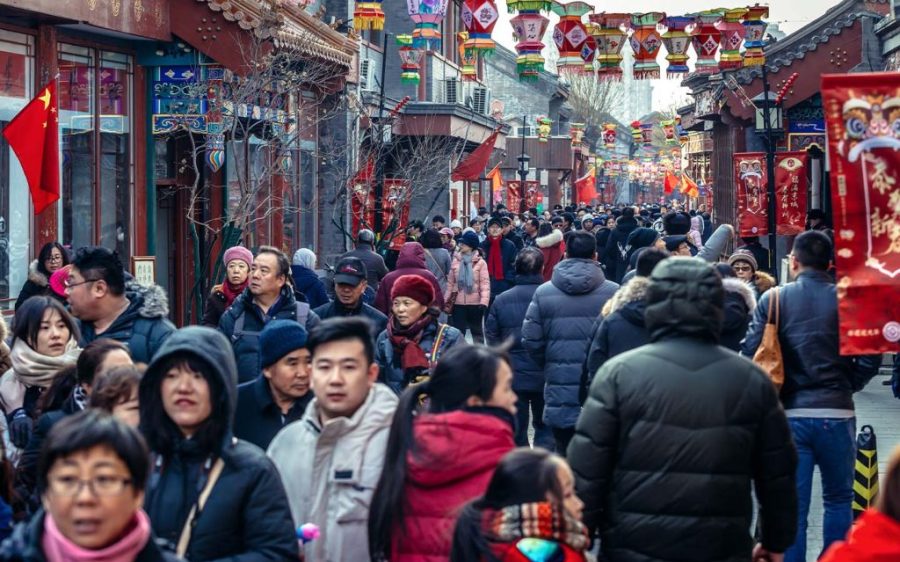
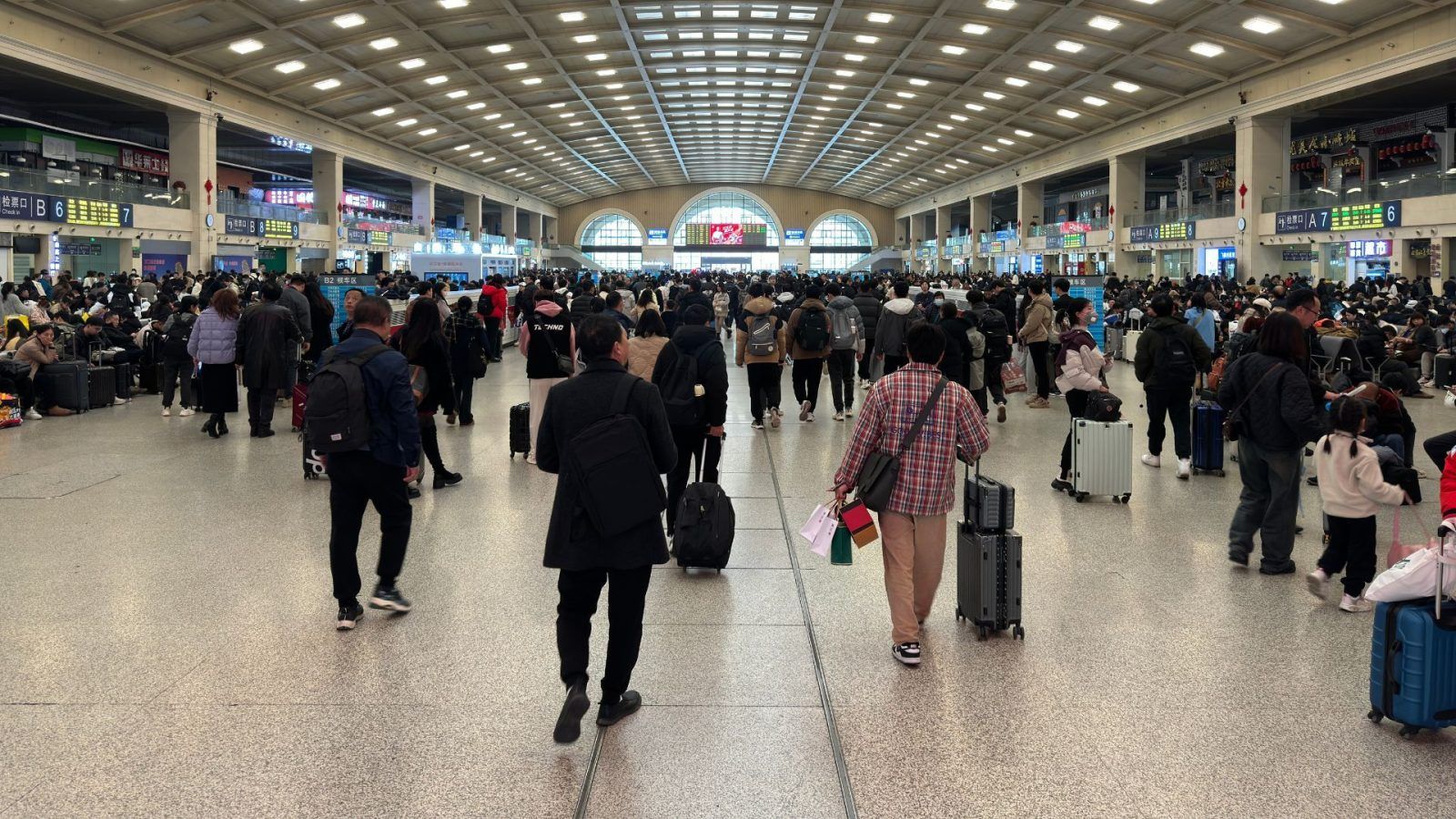
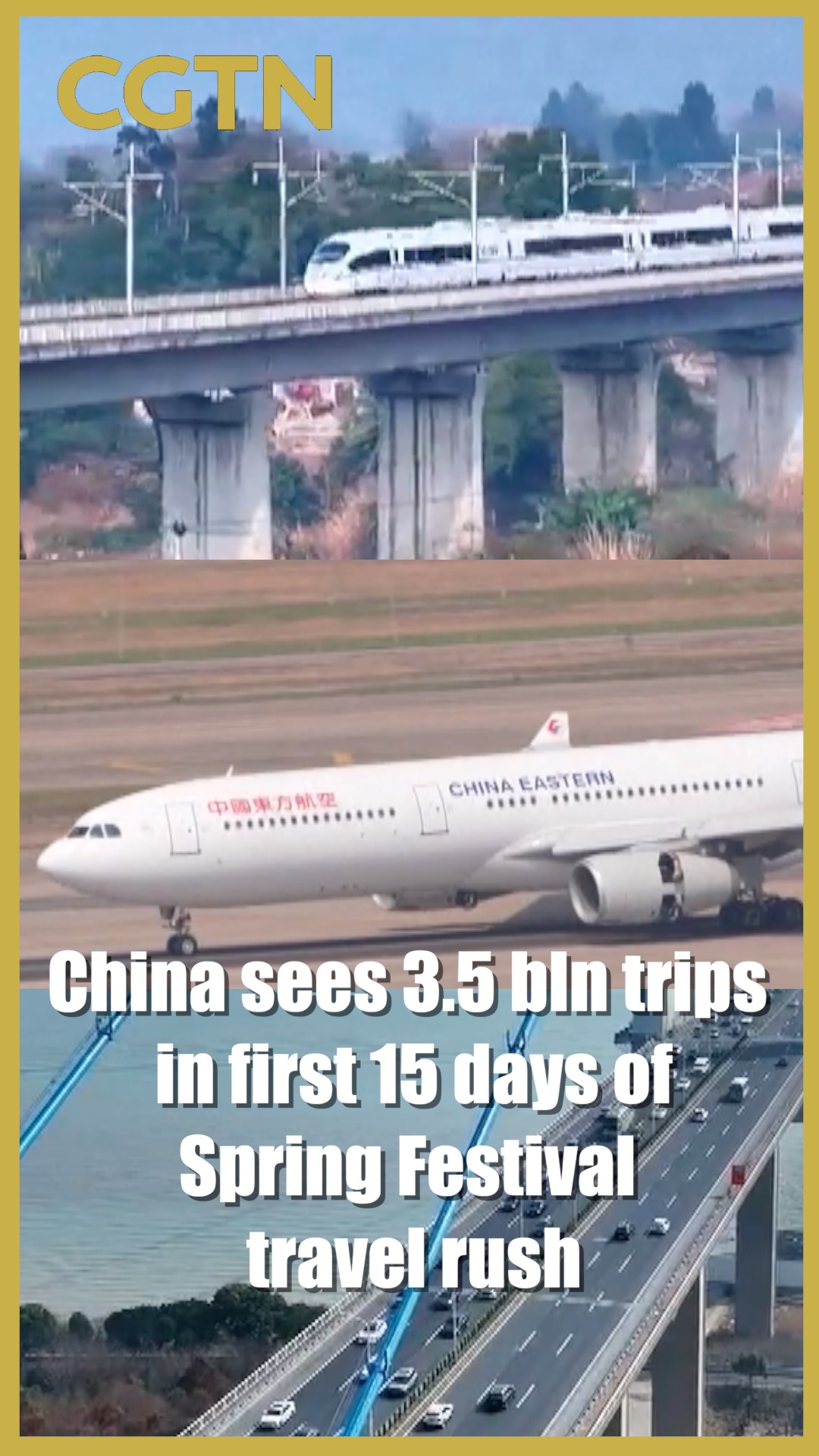
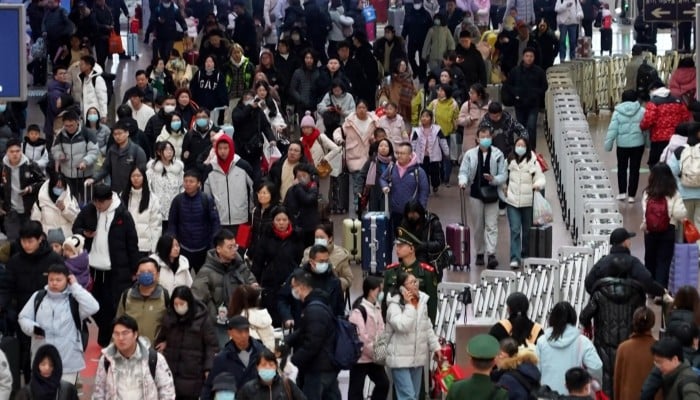
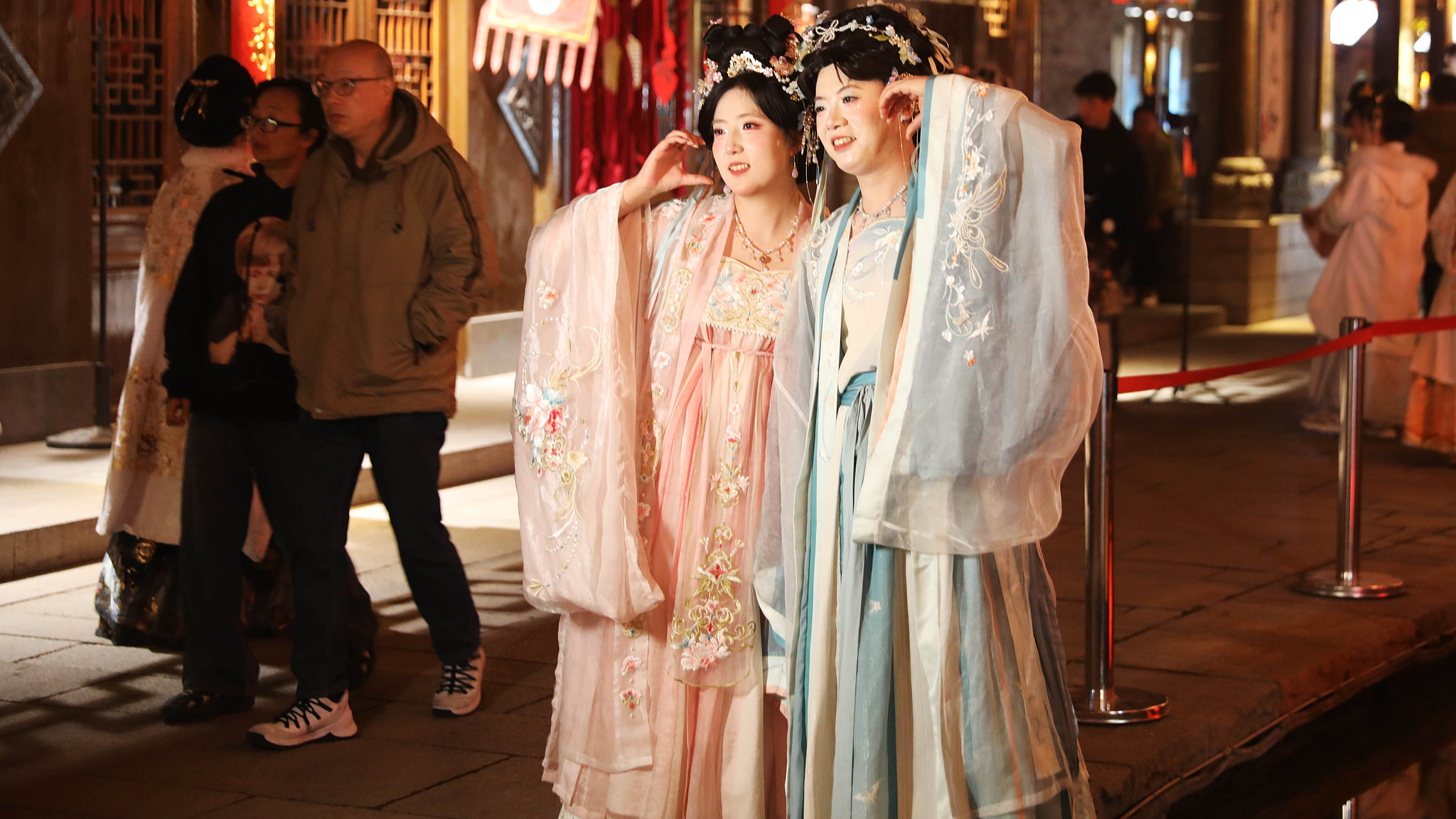
China's 2026 Lunar New Year (February 15-23) represents a critical e-commerce opportunity window for cross-border sellers targeting the Chinese market. The Chinese government expects a record 9.5 billion passenger trips during the 40-day spring festival period—up from 9 billion last year—with this year's extended 9-day holiday (versus typical 8 days) providing an additional consumer spending window. The government is actively promoting domestic consumption through 360 million yuan ($52 million USD) in consumer vouchers issued in February, directly targeting retail and service sector spending increases.
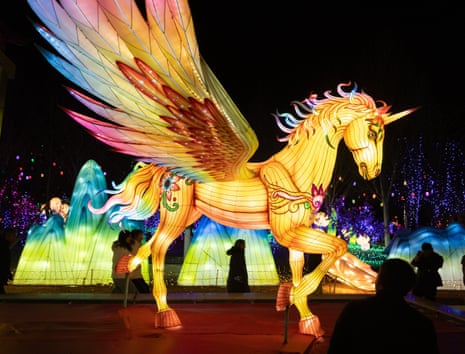
Key Market Dynamics: National retail sales grew only 3.7% last year, below the 5% GDP growth rate, signaling the government's strategic priority to boost domestic demand. However, the service sector—including elderly care, entertainment, and healthcare—grew 5.5%, outpacing consumer goods growth. This divergence is critical for sellers: while traditional consumer goods face saturation, service-related products and entertainment merchandise represent higher-growth opportunities. Cinema attendance demonstrates strong consumer engagement, with animation film Ne Zha 2 earning 4.8 billion yuan in its first week and 14 billion yuan total, becoming China's highest-grossing film. This year's releases (Pegasus 3, Scare Out) will drive additional consumer spending on entertainment merchandise, collectibles, and related products.
Seller Opportunity Breakdown: The extended holiday and government voucher distribution create favorable conditions for increased online and offline consumer spending. Peak demand categories include: (1) Gift items and premium consumer goods for family gatherings, (2) Entertainment merchandise tied to blockbuster film releases, (3) Service bookings and experience products (travel, entertainment, wellness), (4) Health and elderly care products reflecting the 5.5% service sector growth. The 9.5 billion passenger migration indicates significant regional consumption pattern variations—sellers must understand which products perform in tier-1 cities versus lower-tier markets receiving migrant workers' spending.
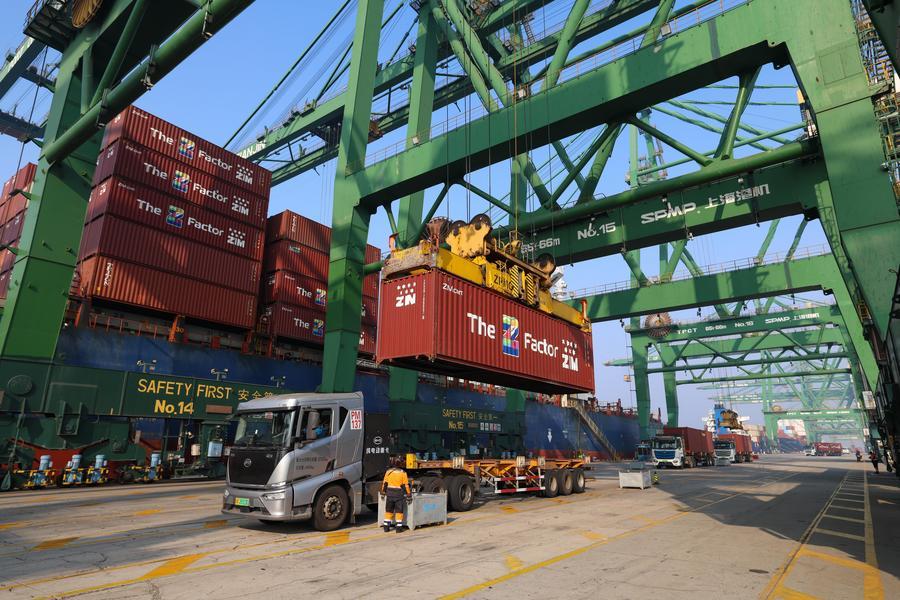
Logistics and Operational Considerations: Logistics platforms are innovating service offerings to handle peak-season demand, though some experimental services faced public backlash. Sellers should prepare for extended delivery times during February 15-23 peak period and plan inventory accordingly. The year of the horse symbolizes optimism and opportunity in Chinese culture, aligning with government messaging about economic vitality—creating favorable sentiment for consumer spending and brand engagement.
问题 8
How should sellers adjust inventory and logistics for the Lunar New Year peak season?
The 9.5 billion passenger migration creates significant regional consumption variations—sellers must understand which products perform in tier-1 cities versus lower-tier markets. Logistics platforms are innovating service offerings to handle peak-season demand, but some experimental services faced public backlash, indicating potential delivery delays. Sellers should: (1) Plan inventory 4-6 weeks before February 15, (2) Allocate 20-30% additional stock for peak categories, (3) Prepare for extended delivery times during February 15-23, (4) Understand regional consumption patterns through Alibaba/JD.com analytics. The extended 9-day holiday means consumer spending extends beyond typical 8-day periods, requiring longer inventory planning windows and potentially higher storage costs during January-February.
Which product categories should sellers prioritize for Lunar New Year 2026?
While national retail sales grew only 3.7% last year, the service sector—including elderly care, entertainment, and healthcare—grew 5.5%, significantly outpacing consumer goods. Entertainment merchandise represents the highest-growth opportunity, driven by blockbuster films like Ne Zha 2 (14 billion yuan total revenue) and upcoming releases Pegasus 3 and Scare Out. Sellers should prioritize: (1) Film-related collectibles and merchandise, (2) Premium gift items for family gatherings, (3) Health and wellness products, (4) Travel and experience bookings. The divergence between slow consumer goods growth (3.7%) and strong service sector growth (5.5%) indicates traditional consumer goods face saturation, making service-related and entertainment products more profitable.