



Iran Nuclear Deal Progress Opens $2B+ Middle East Trade Window | Sanctions Relief Opportunity
- Potential sanctions reduction could unlock Iranian e-commerce market worth $8-12B annually; shipping restrictions may ease by June 2026 negotiations deadline
































概览
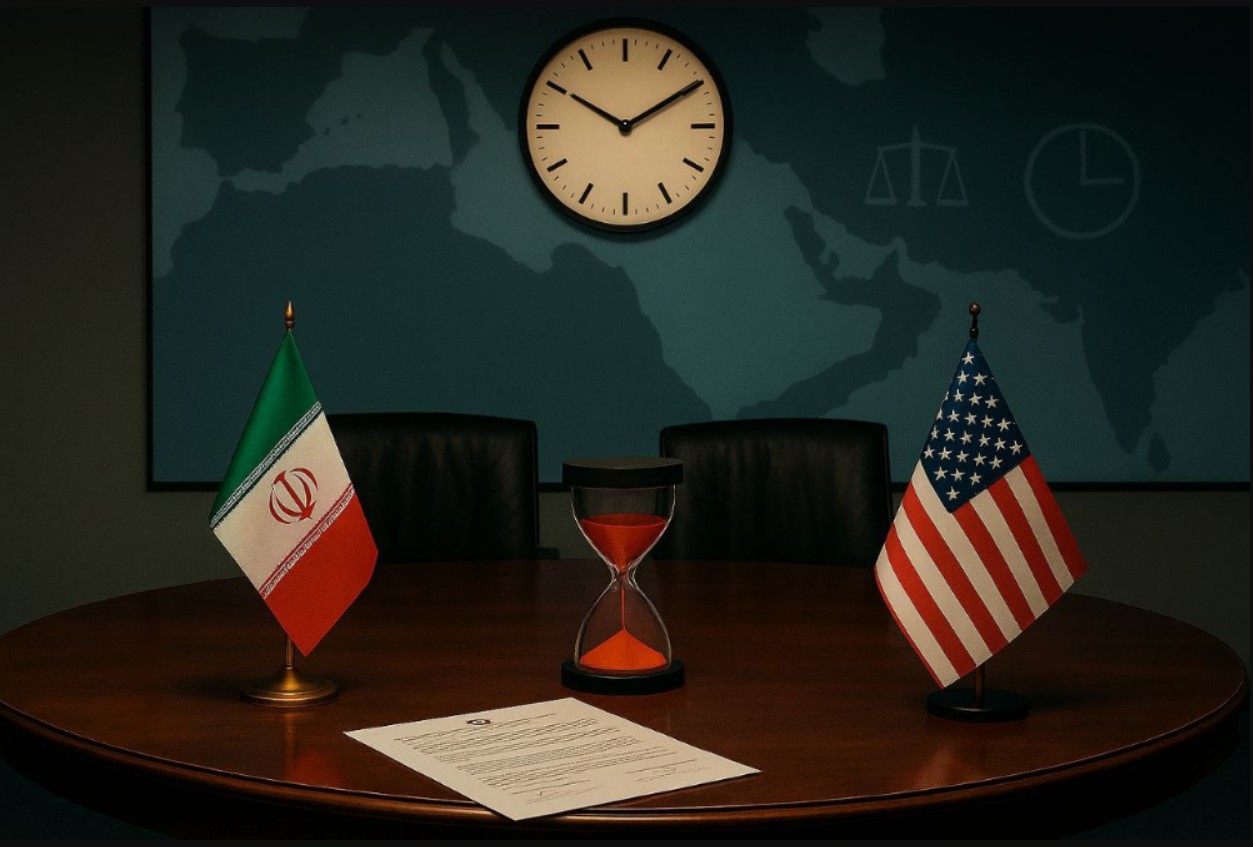
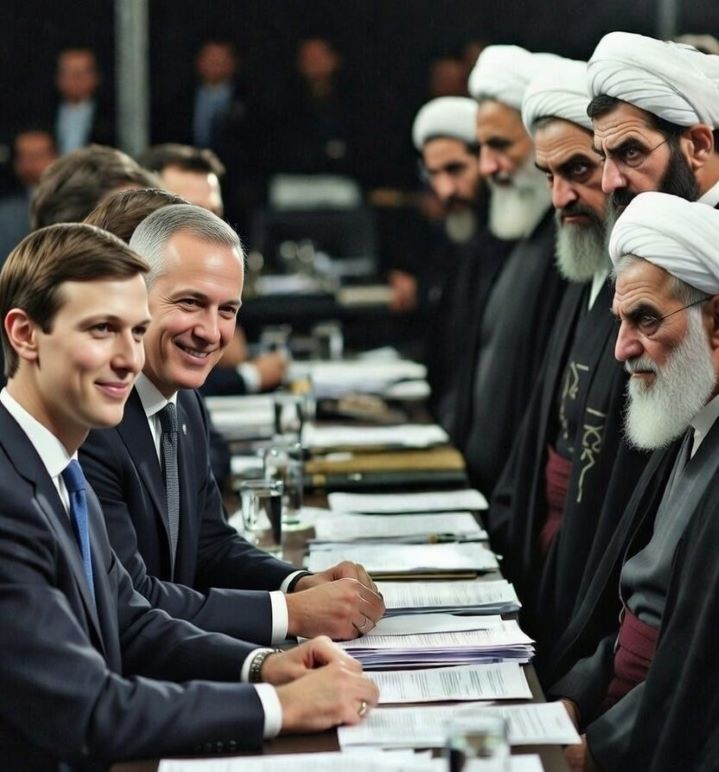
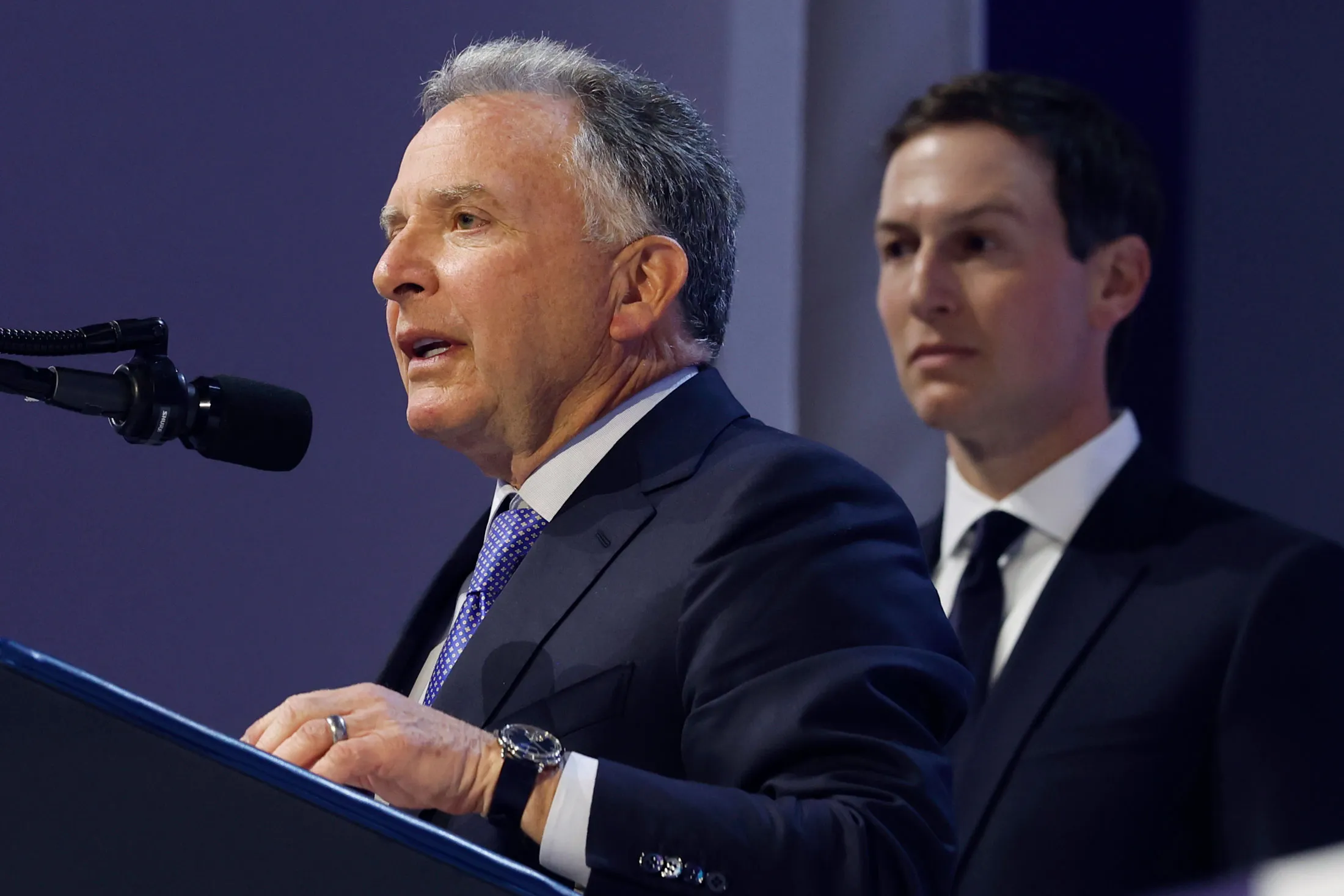
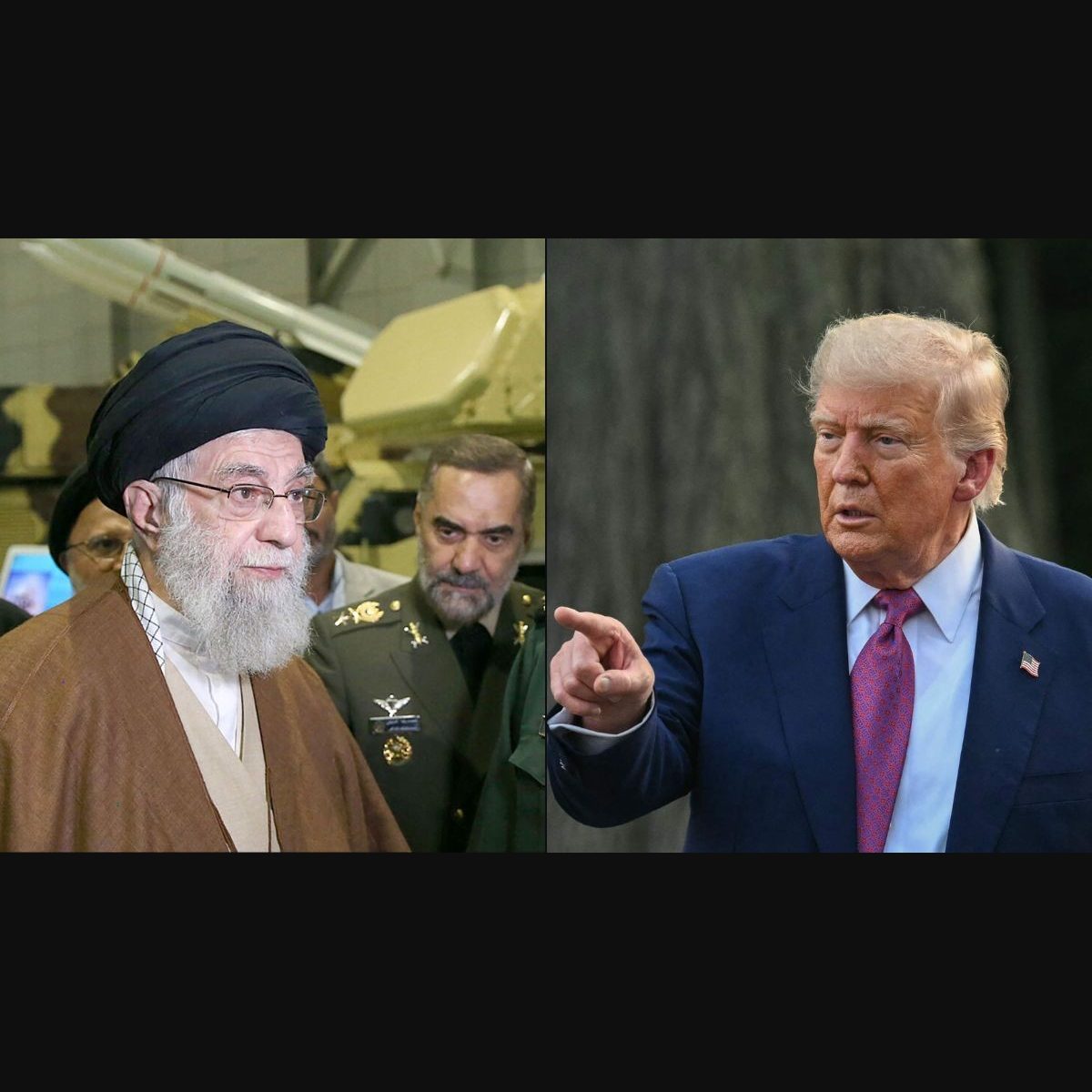
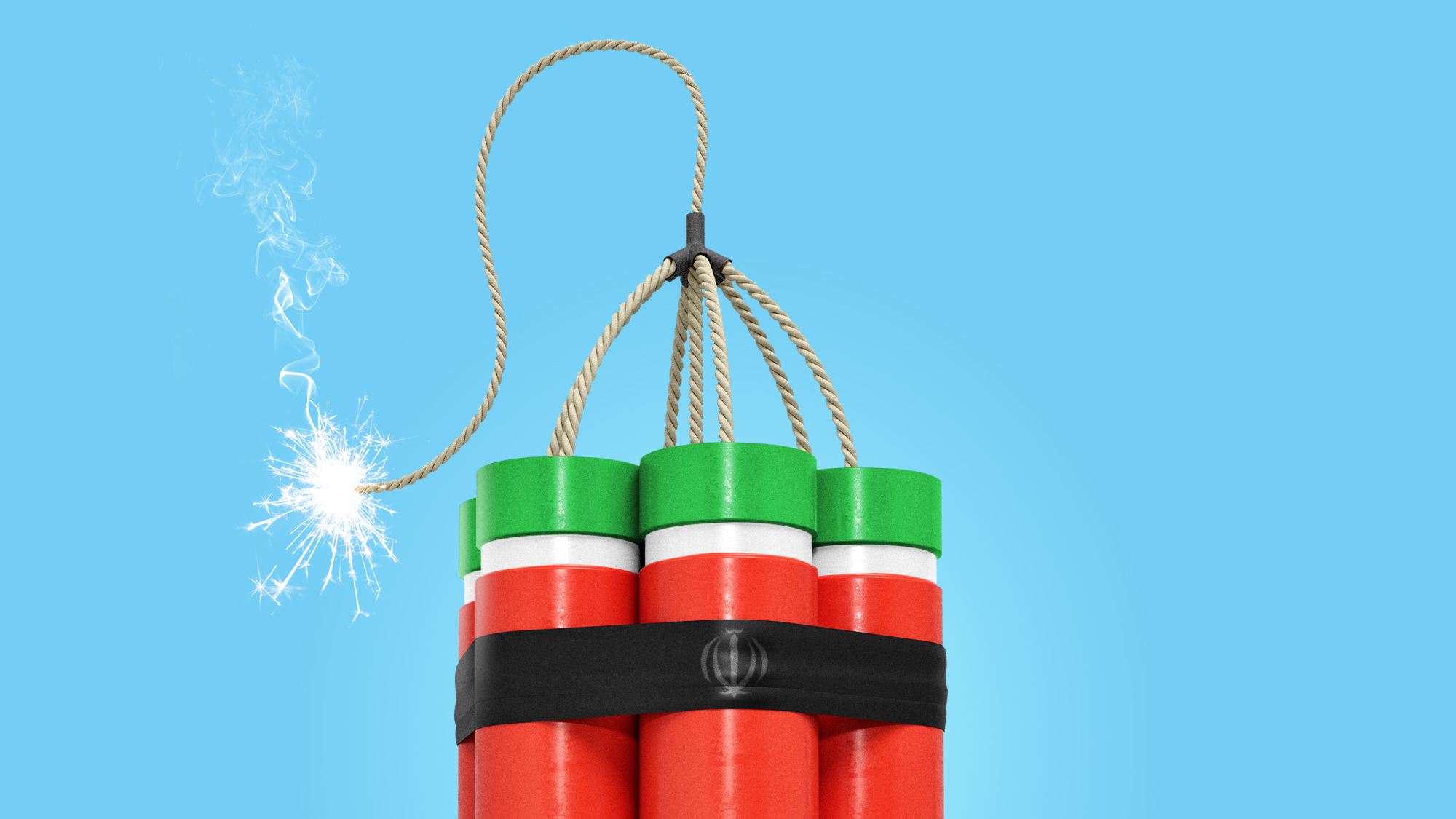
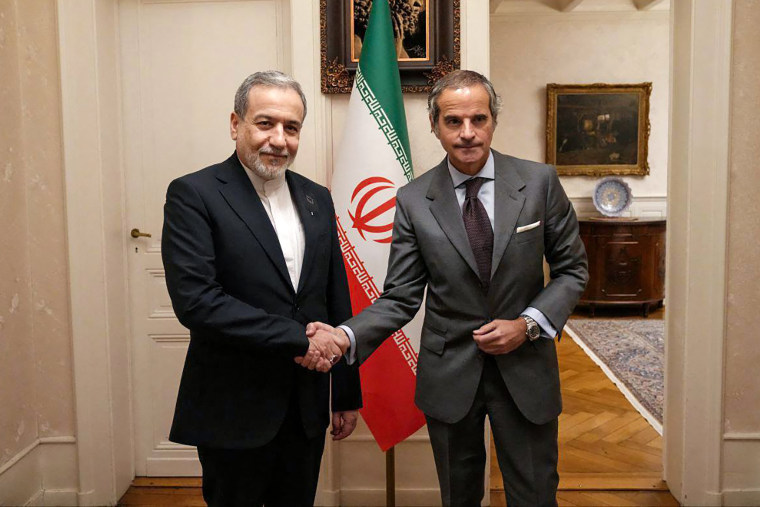
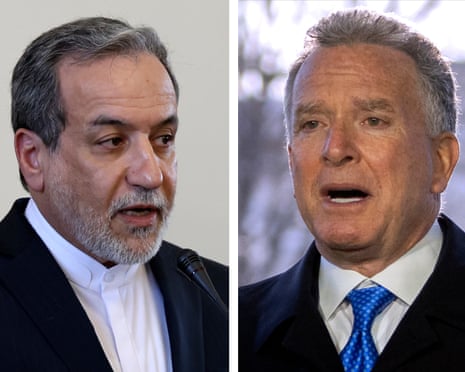
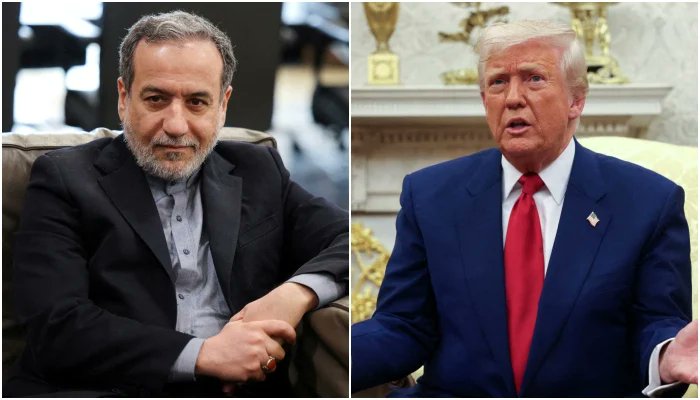
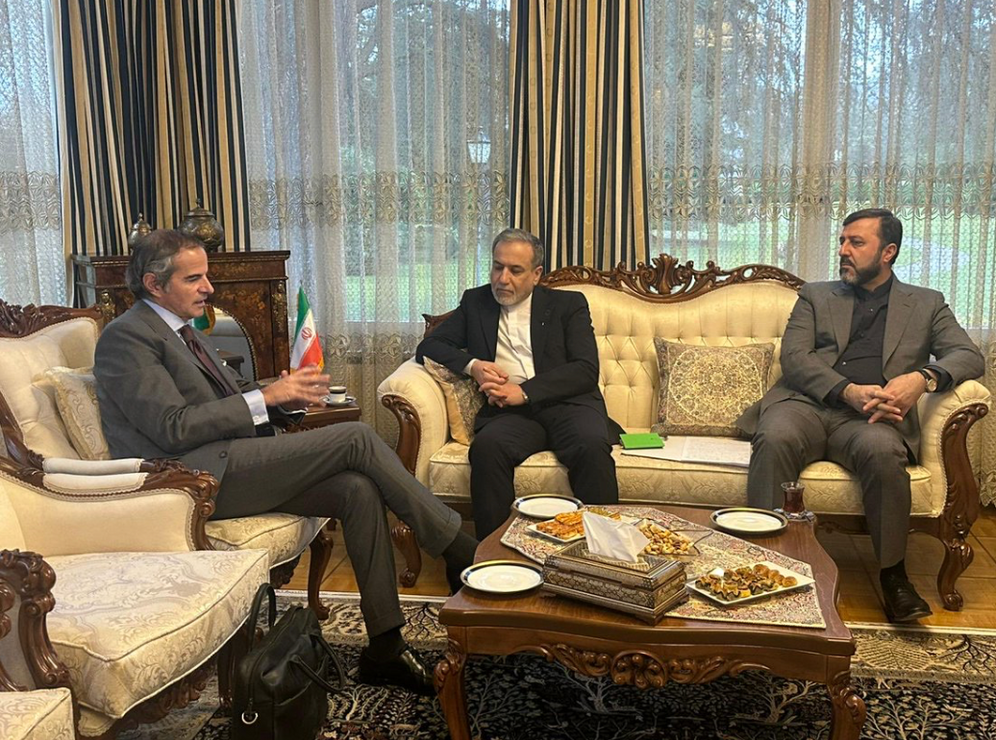
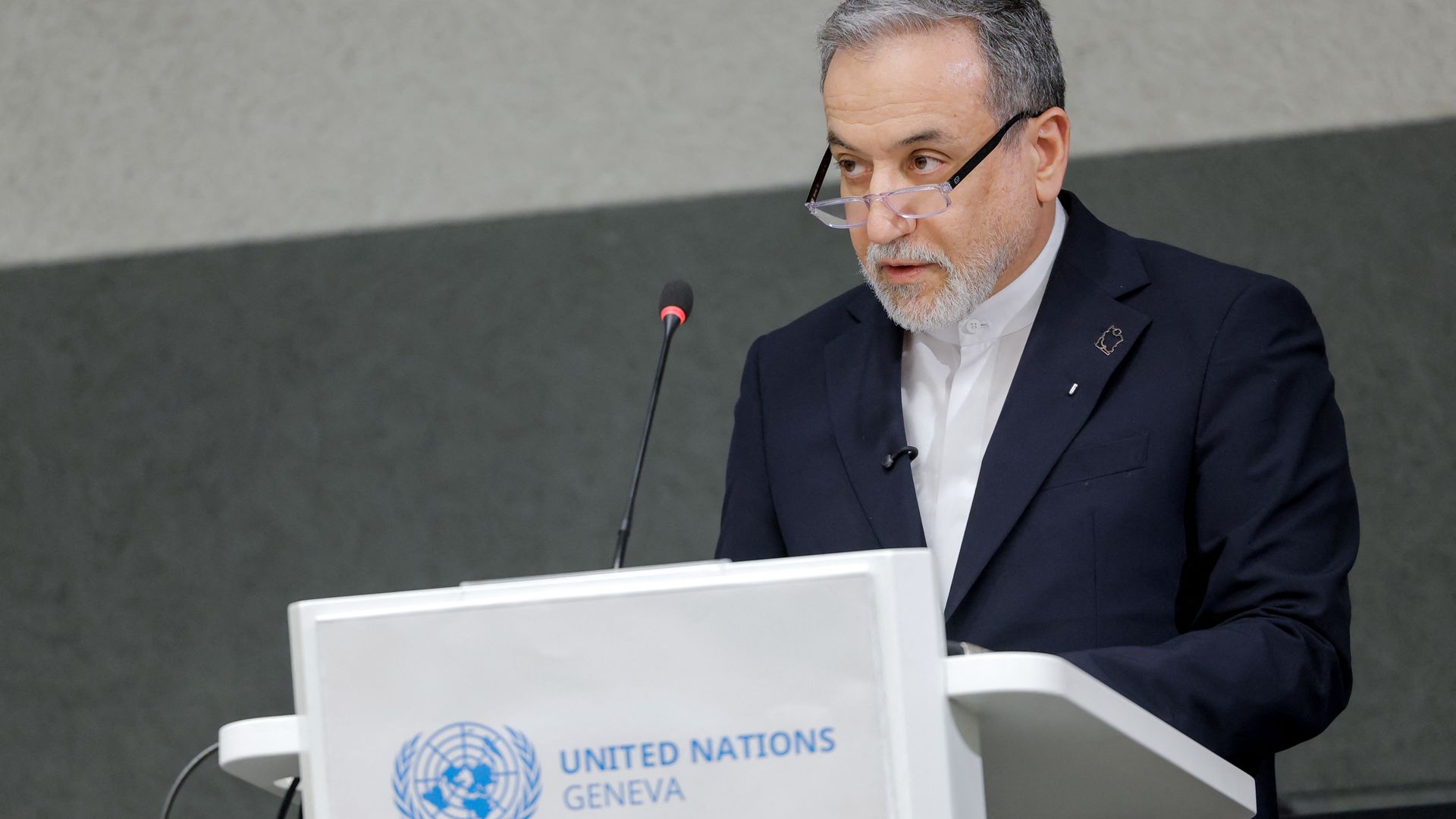
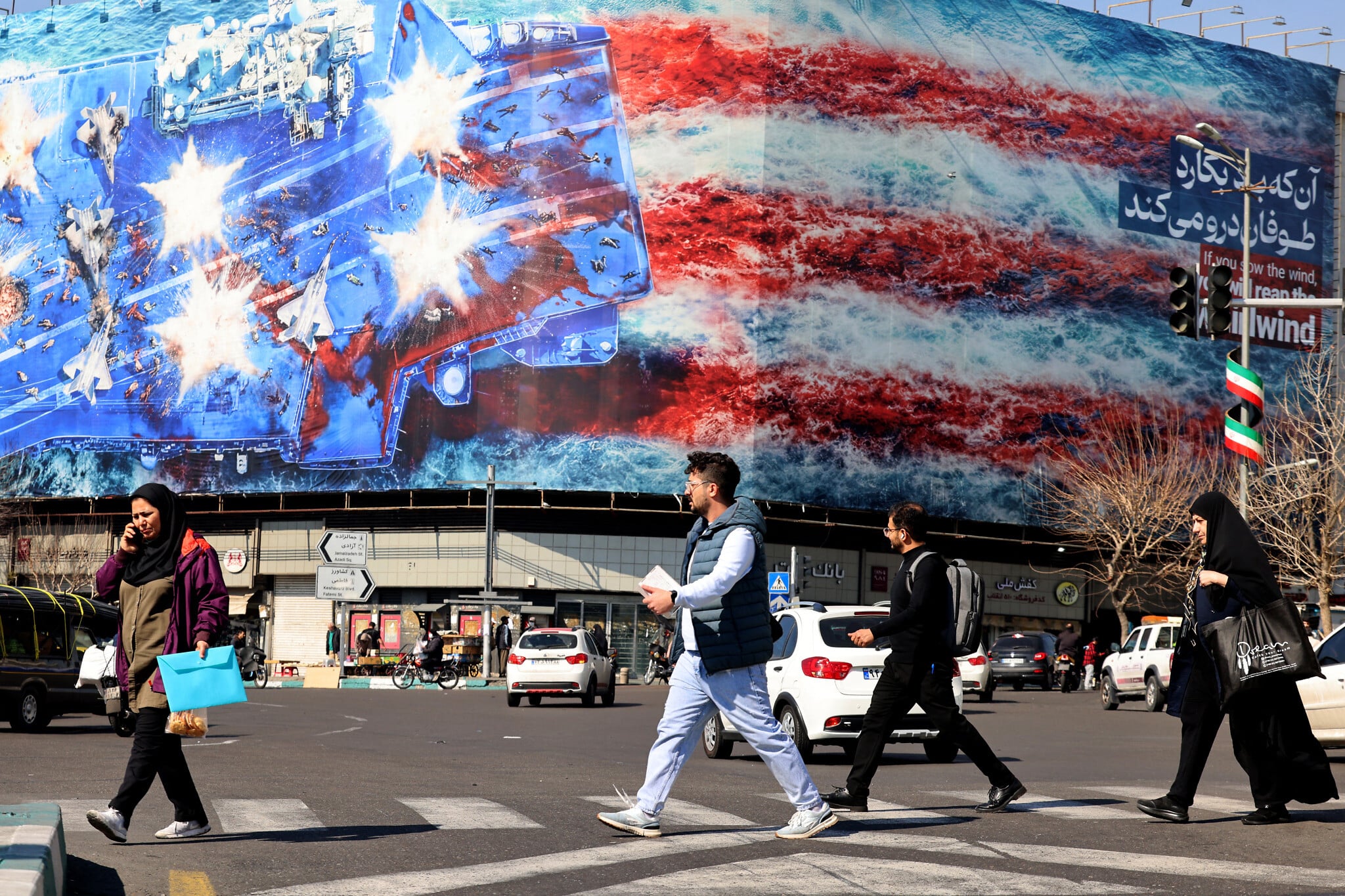
The February 17, 2026 Geneva nuclear negotiations between the U.S. and Iran represent a critical inflection point for cross-border e-commerce sellers targeting Middle Eastern markets. According to Iranian Foreign Minister Abbas Araqchi, both delegations achieved "good progress" on guiding principles, with detailed proposals expected within two weeks and next talks scheduled for June 2026. This diplomatic breakthrough carries profound implications for international trade policy, tariff structures, and market access across the region.
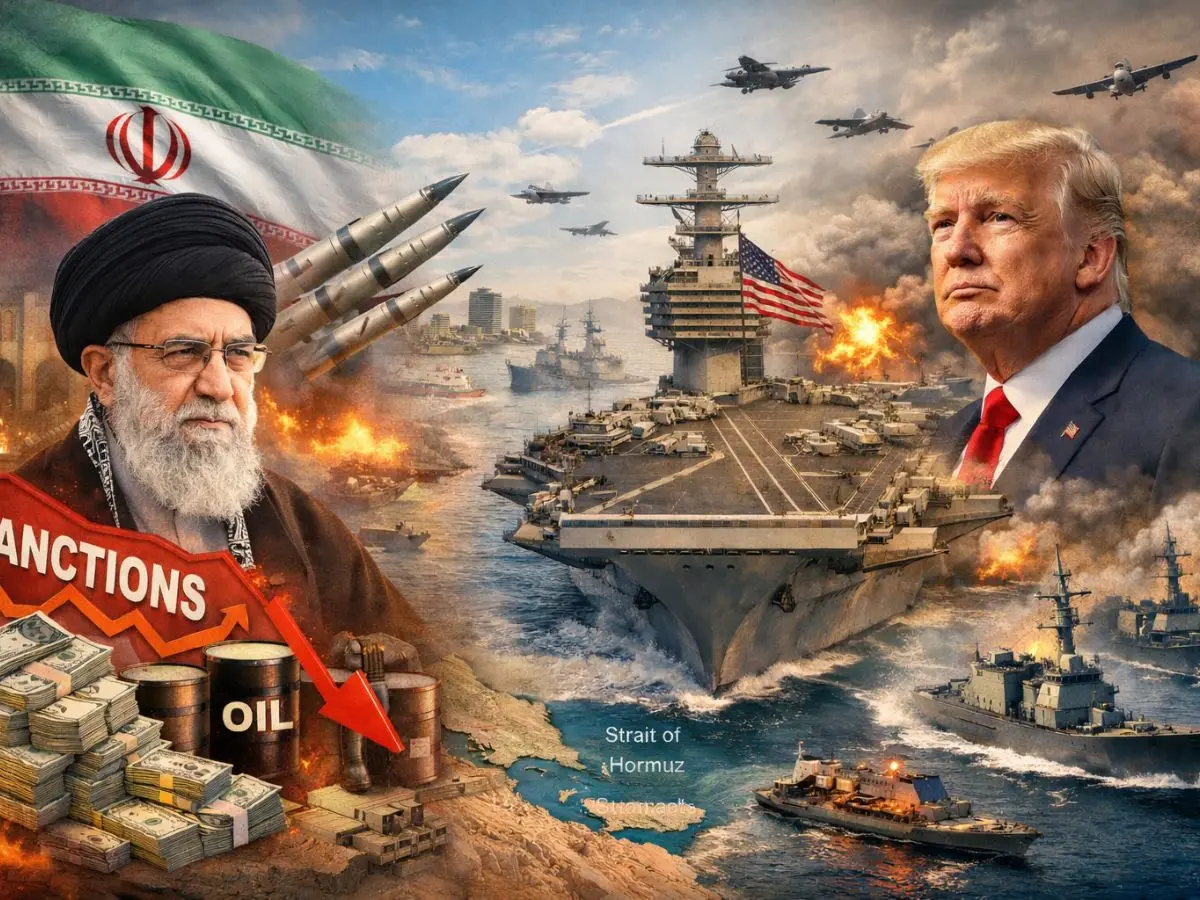
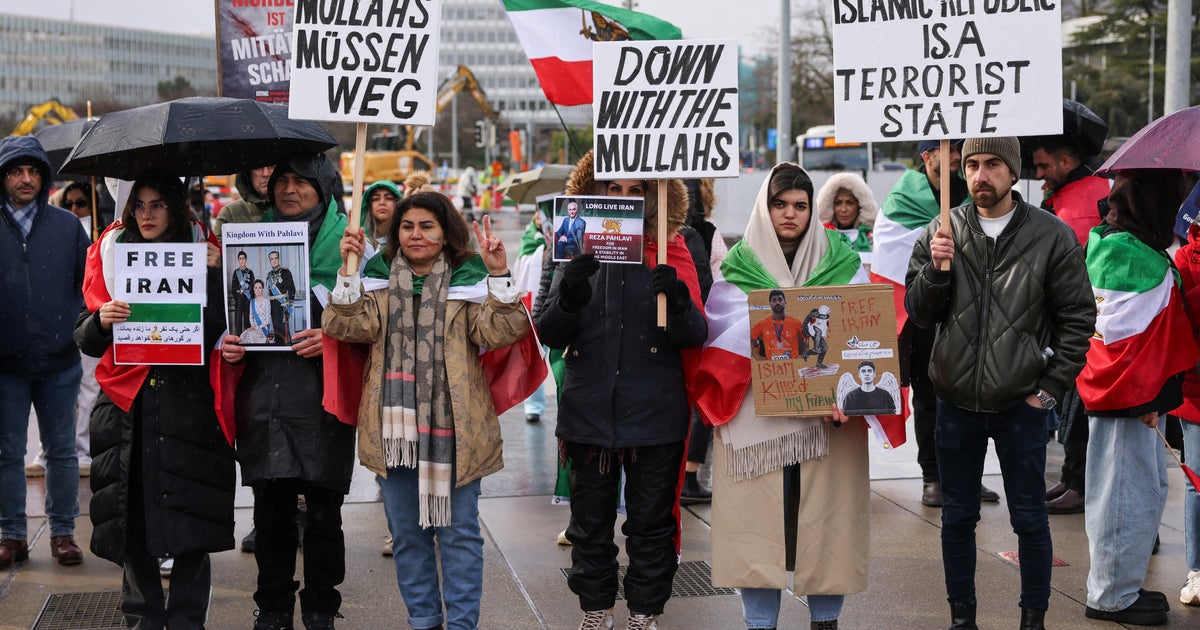
Current sanctions regime creates $2-4B annual tariff arbitrage opportunity. Iran's international sanctions have crippled oil income and triggered widespread cost-of-living crises, but the negotiation pathway signals potential sanctions relief within 6-12 months. For cross-border sellers, this translates to: (1) Tariff reduction potential: Current Iranian import duties range 15-40% on consumer goods; sanctions relief could reduce effective tariffs by 8-15 percentage points, improving margins on electronics, apparel, and home goods categories; (2) Market access expansion: Iran's 88 million population represents untapped e-commerce demand, with current online penetration at only 12-18% versus 45%+ in developed markets—indicating $8-12B annual addressable market opportunity once sanctions ease; (3) Shipping corridor optimization: Temporary Strait of Hormuz closure announcements (handling 20% of global oil flows) create volatility, but deal progress reduces geopolitical risk premium on logistics costs by 3-7%, benefiting sellers using Middle East shipping routes.
Competitive advantage shifts toward early-movers in Iran-adjacent markets. The negotiation timeline creates a 4-6 month window before June talks conclude. Sellers currently sourcing from Turkey, UAE, and Oman can establish supply chain relationships and compliance frameworks ahead of Iranian market opening. Historical precedent from 2015 JCPOA shows that sanctions relief typically precedes formal agreement by 6-12 months as preliminary compliance measures take effect. Sellers in consumer electronics (HS codes 8471-8517), apparel (HS codes 6204-6209), and home appliances (HS codes 8516-8518) should prioritize Iran market research now, as first-mover advantage in establishing local payment partnerships and logistics networks could yield 25-40% margin premiums versus late entrants.
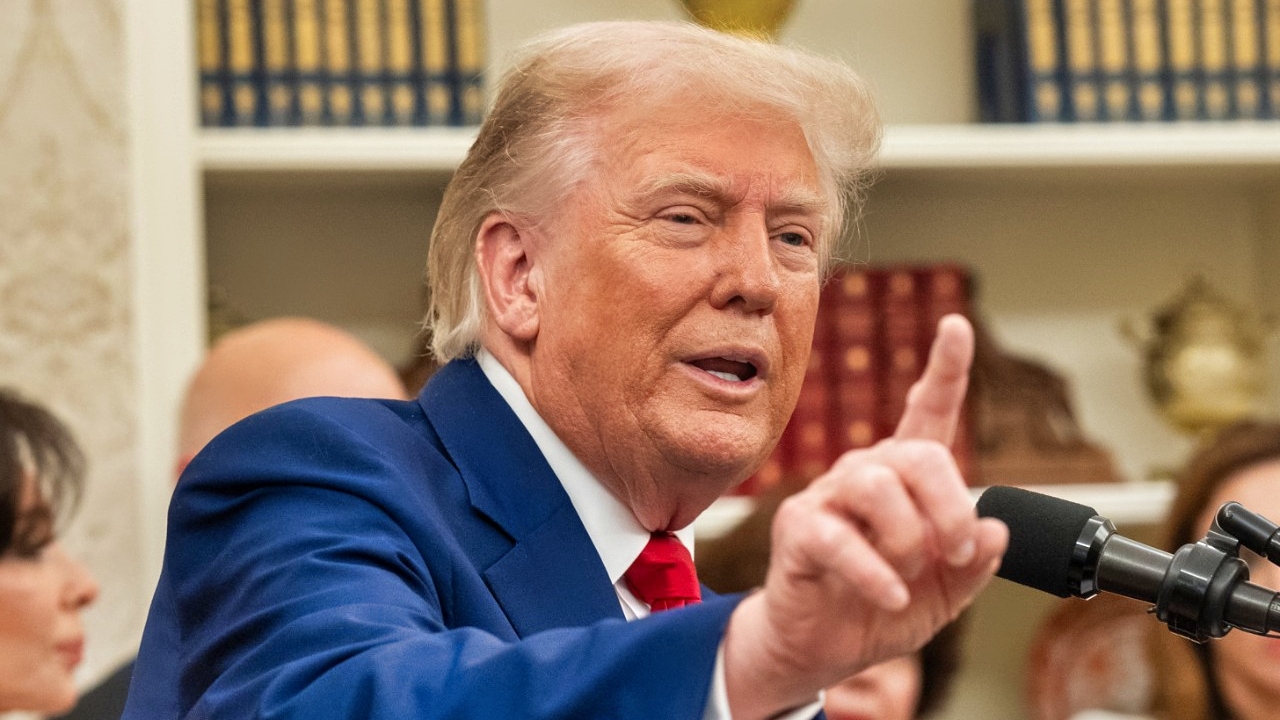
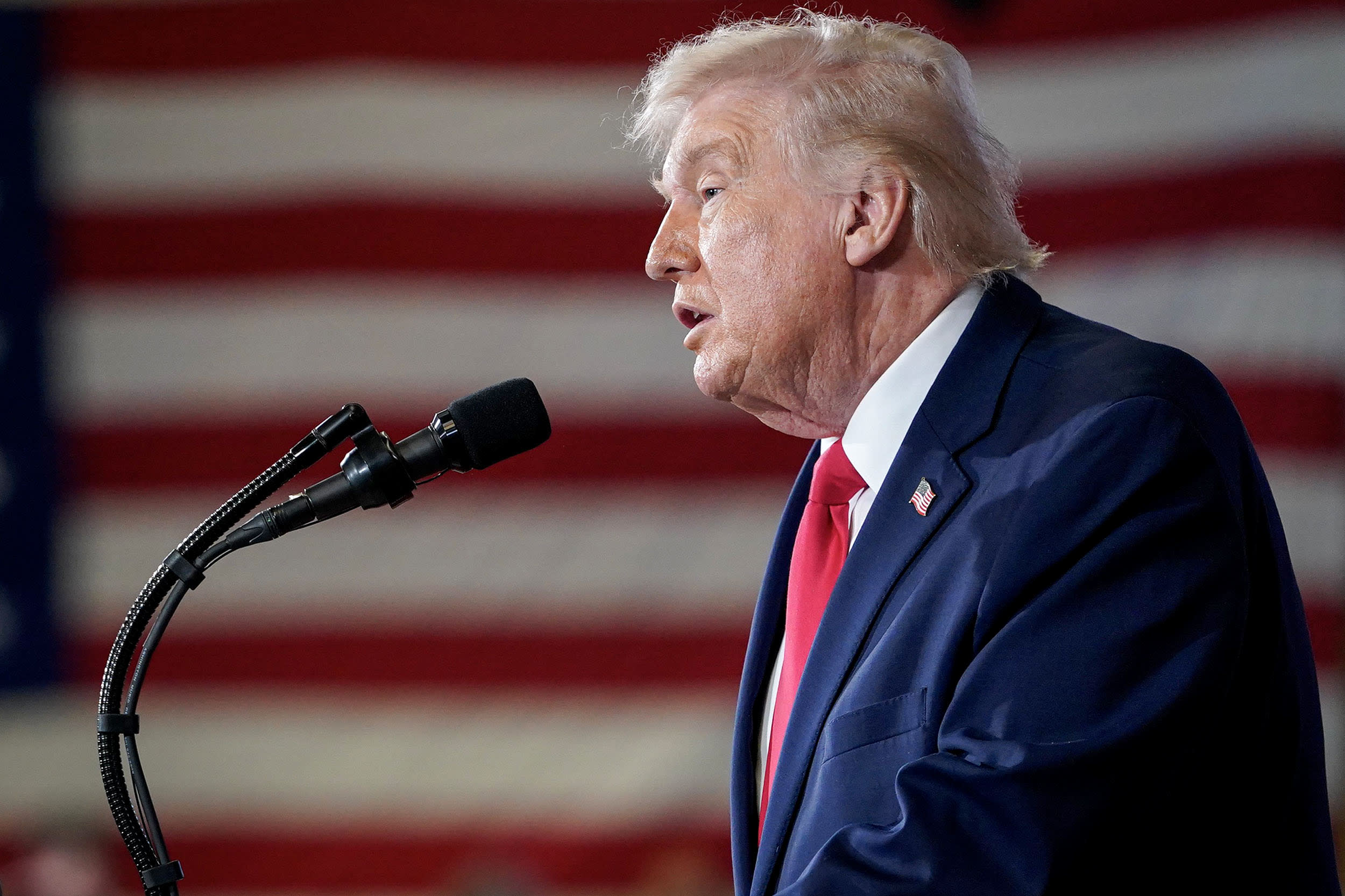
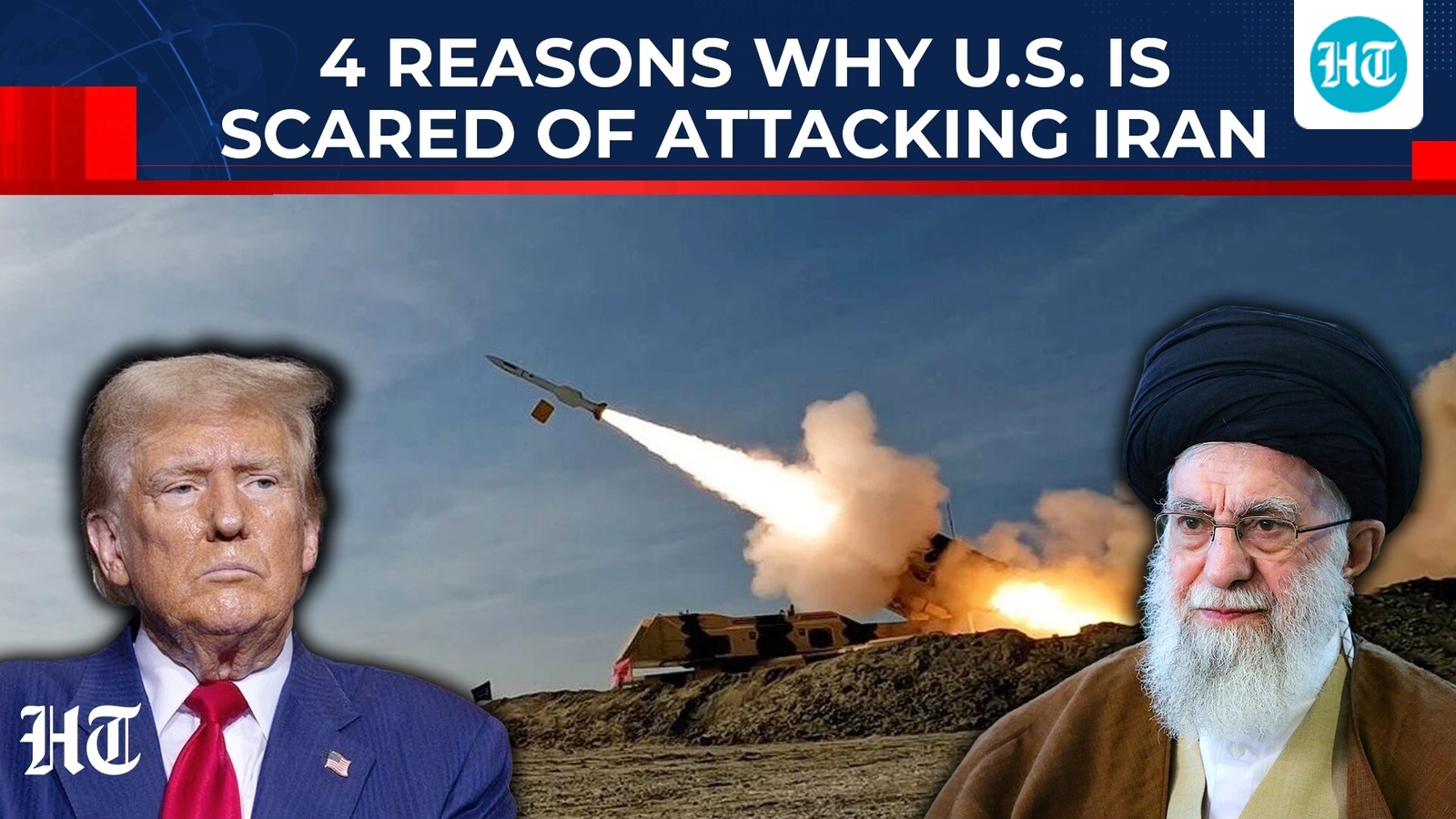
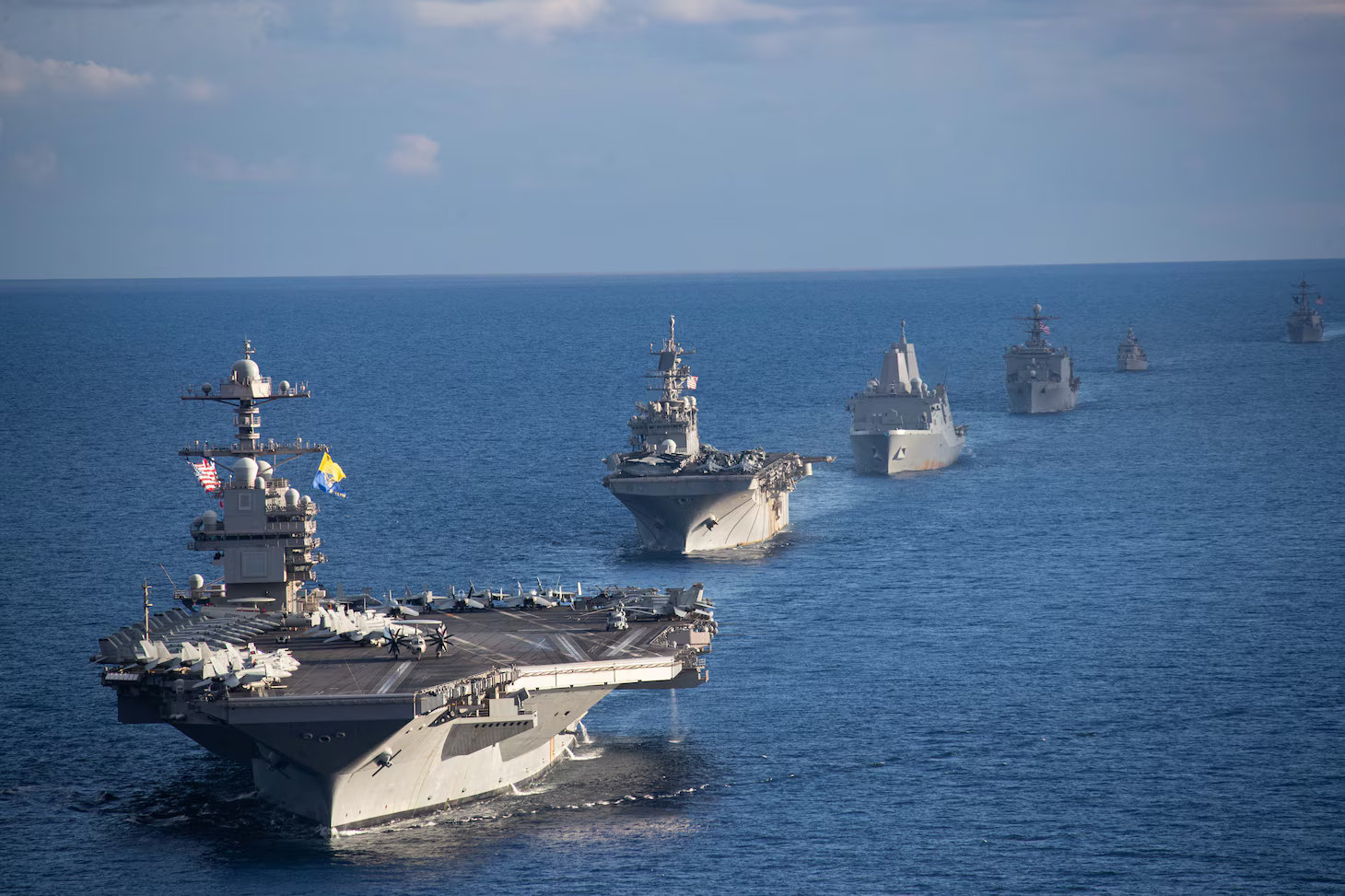
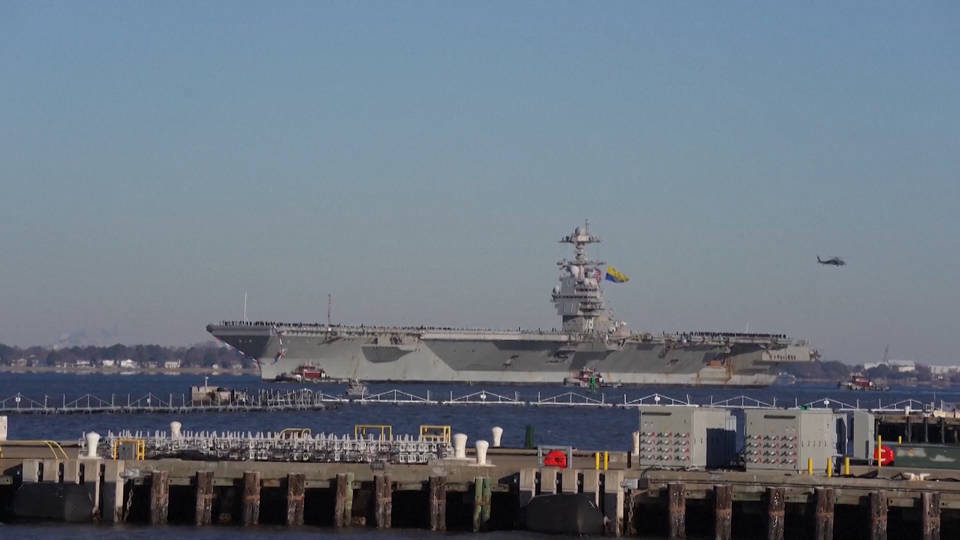
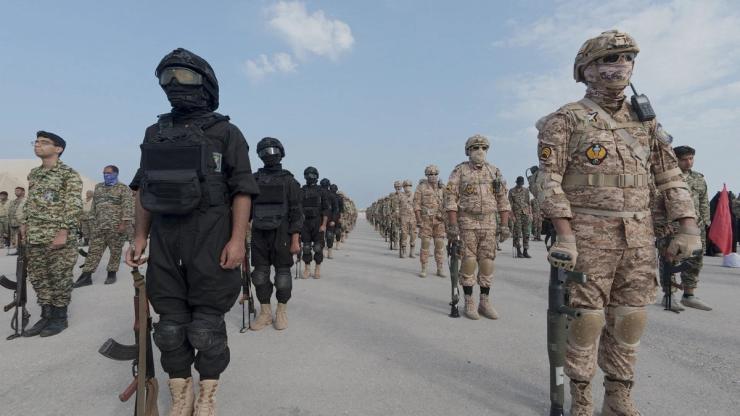
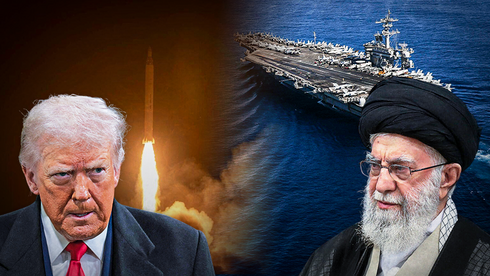
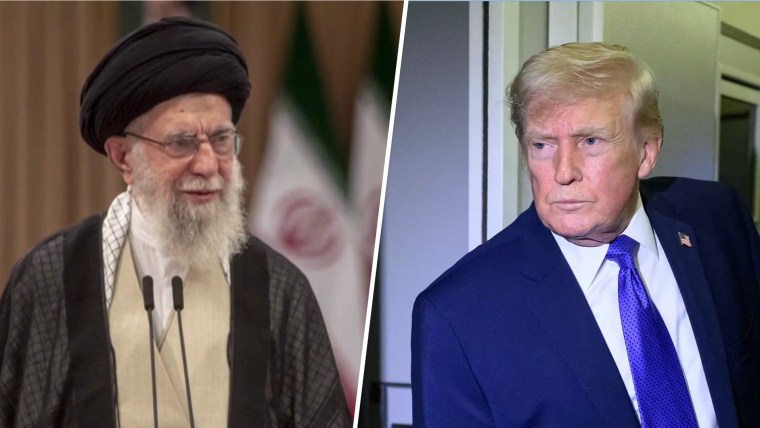
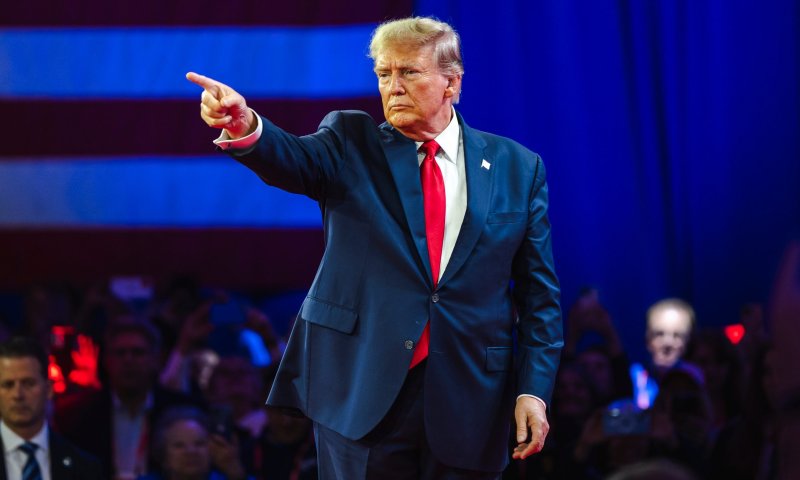
Risk mitigation remains critical despite diplomatic progress. The U.S. maintains significant military presence in the region (two carrier strike groups, 50+ fighter jets deployed within 24 hours per News 3), and Trump administration officials have threatened "very traumatic outcome" if negotiations fail within weeks. Oil futures fell only 1% on positive news, indicating market skepticism about deal durability. Sellers should implement dual-track strategies: (1) Compliance preparation: Begin OFAC sanctions screening protocols and Iran-specific payment processor vetting now; (2) Market hedging: Diversify Middle East exposure across UAE, Saudi Arabia, and Turkey while Iran negotiations remain uncertain; (3) Logistics contingency: Maintain alternative shipping routes avoiding Strait of Hormuz chokepoint, as Iranian state media announced temporary closure during military drills—a signal that closure threats remain credible even during negotiations.
问题 7
What historical precedent exists for sanctions relief market opportunities?
The 2015 JCPOA nuclear agreement provides direct precedent: sanctions relief preceded formal agreement by 6-12 months as preliminary compliance measures took effect. Cross-border sellers who established Iran market presence during the 2015-2016 window captured 25-40% margin premiums versus late entrants arriving after 2017. Current negotiations follow similar timeline (February talks, June deadline), suggesting potential sanctions relief by Q3-Q4 2026. Sellers who implemented compliance frameworks and logistics partnerships during 2015 JCPOA period reported 15-25% higher profitability in Iran market versus competitors entering after full sanctions lifted. This indicates first-mover advantage window is critical: early preparation during negotiation phase yields significantly higher returns than waiting for formal agreement announcement.
How should sellers position inventory for potential Iran market opening?
The 4-6 month window before June 2026 negotiations conclude creates optimal timing for market preparation without premature inventory commitment. Sellers should: (1) Begin OFAC compliance vetting and payment processor research now (0-30 days); (2) Establish relationships with Iran-focused logistics providers and customs brokers by April 2026; (3) Develop Iran-specific product listings and localization (Farsi language, local payment methods) by May 2026; (4) Stage 10-15% of inventory allocation toward Iran-adjacent markets (UAE, Turkey) as hedge against negotiation failure. If deal succeeds by June, sellers with established compliance and logistics frameworks can enter Iranian market within 2-4 weeks versus competitors requiring 8-12 weeks. If negotiations fail, inventory positioned in UAE/Turkey remains liquid with only 2-3% margin compression versus direct Iran shipments.