

EU Sanctions Enforcement Escalation | Supply Chain Compliance Costs Rise for Cross-Border Sellers
- Multi-million euro penalties signal intensified maritime surveillance; sellers face 8-15% logistics cost increases and stricter documentation requirements for European port operations















概览
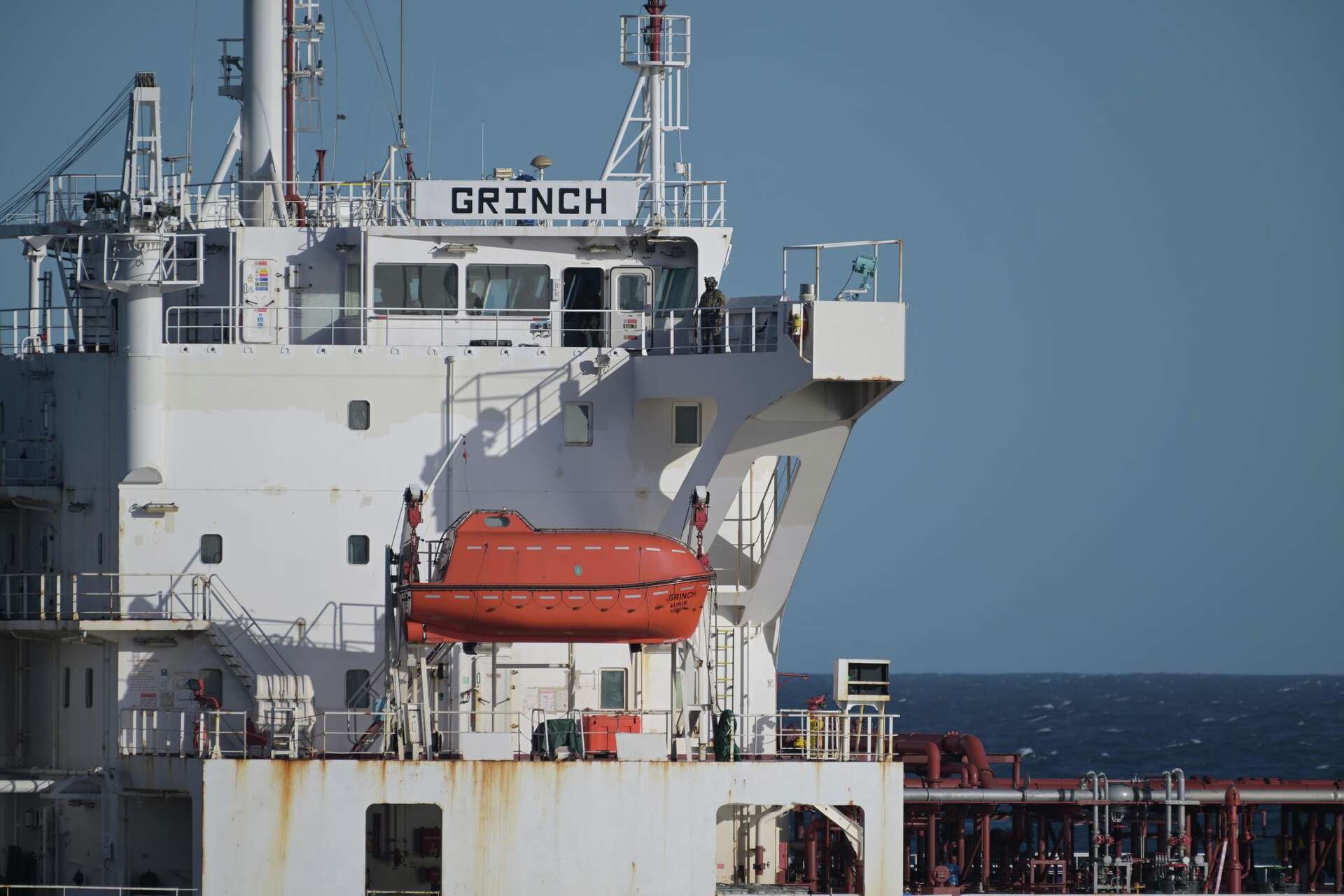
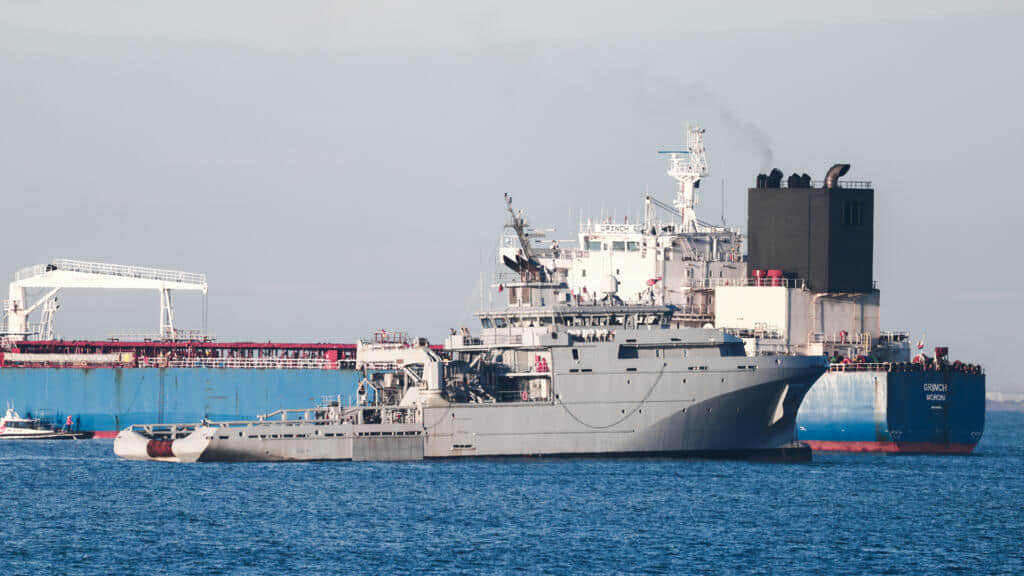
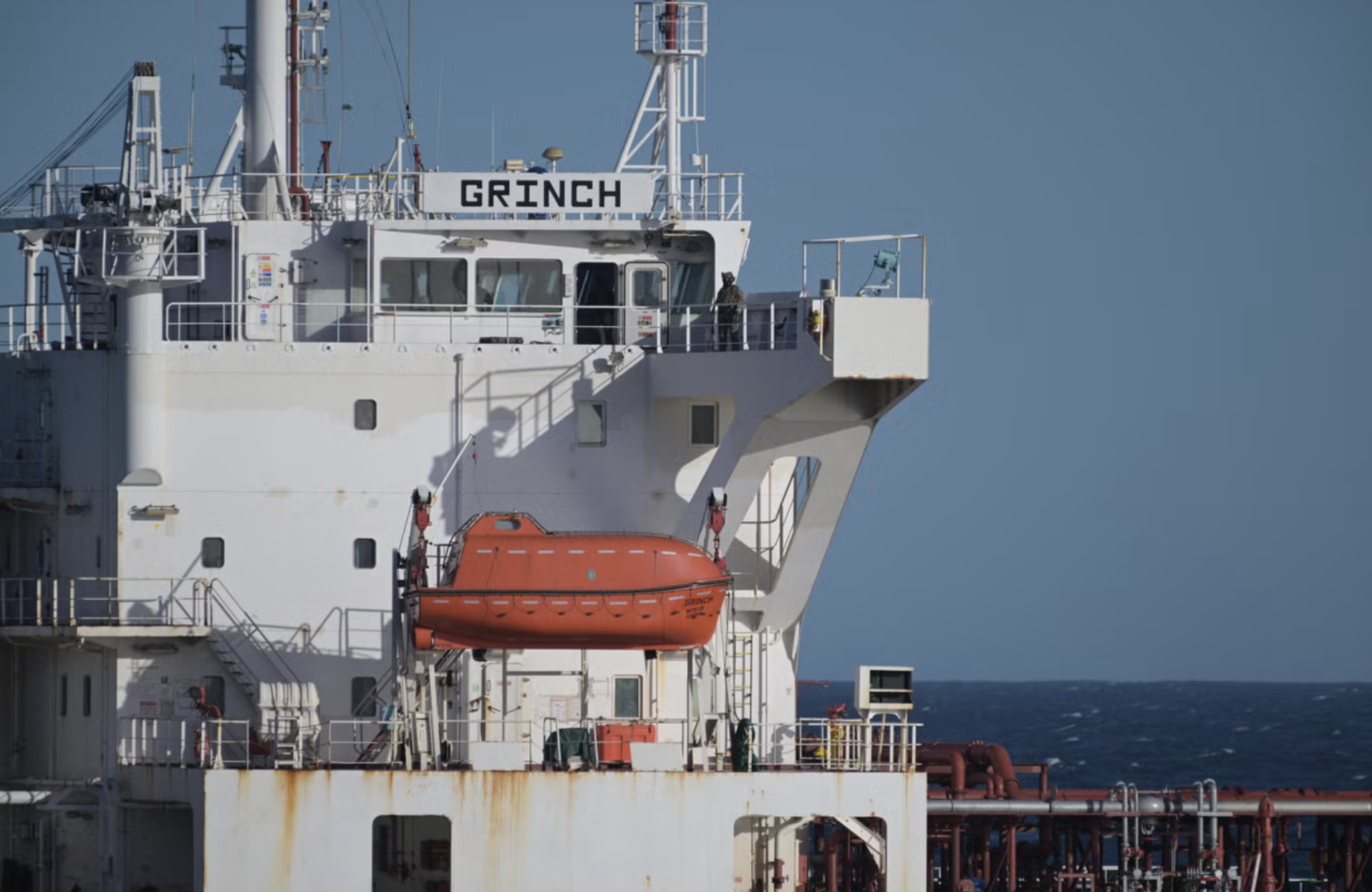
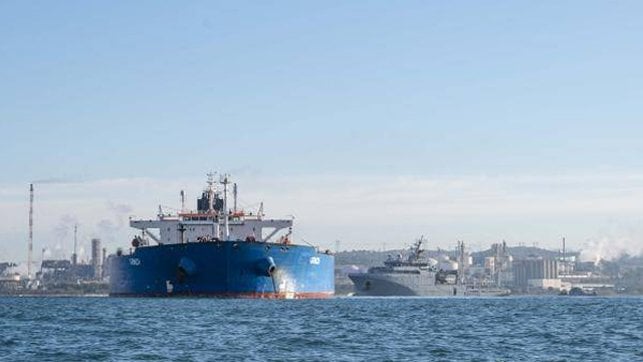
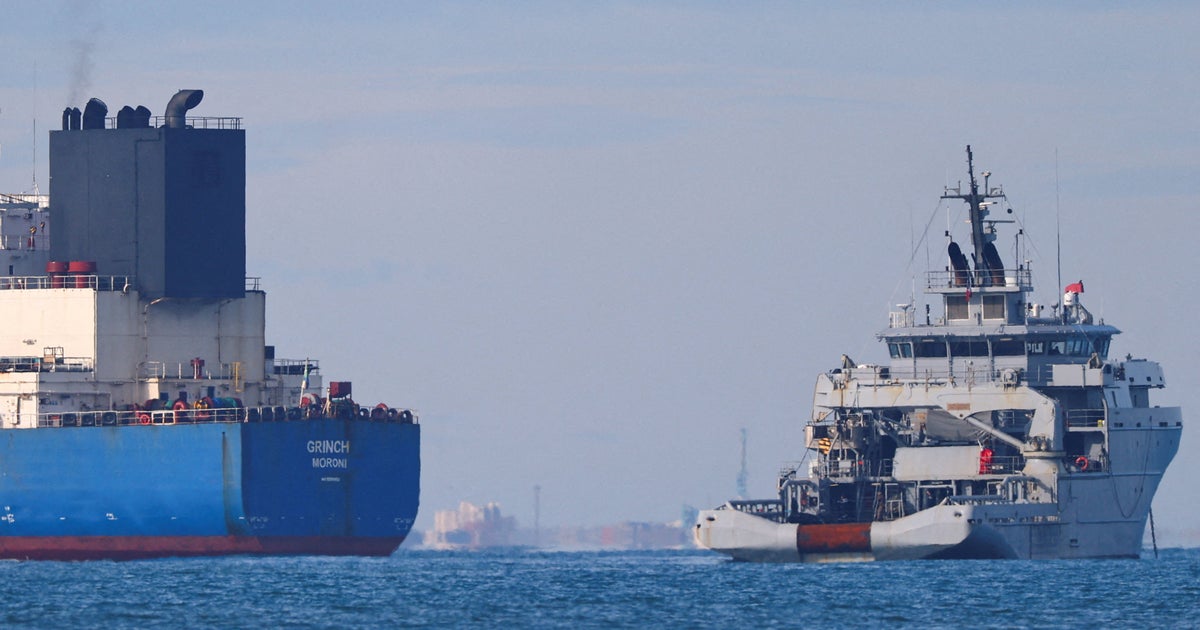
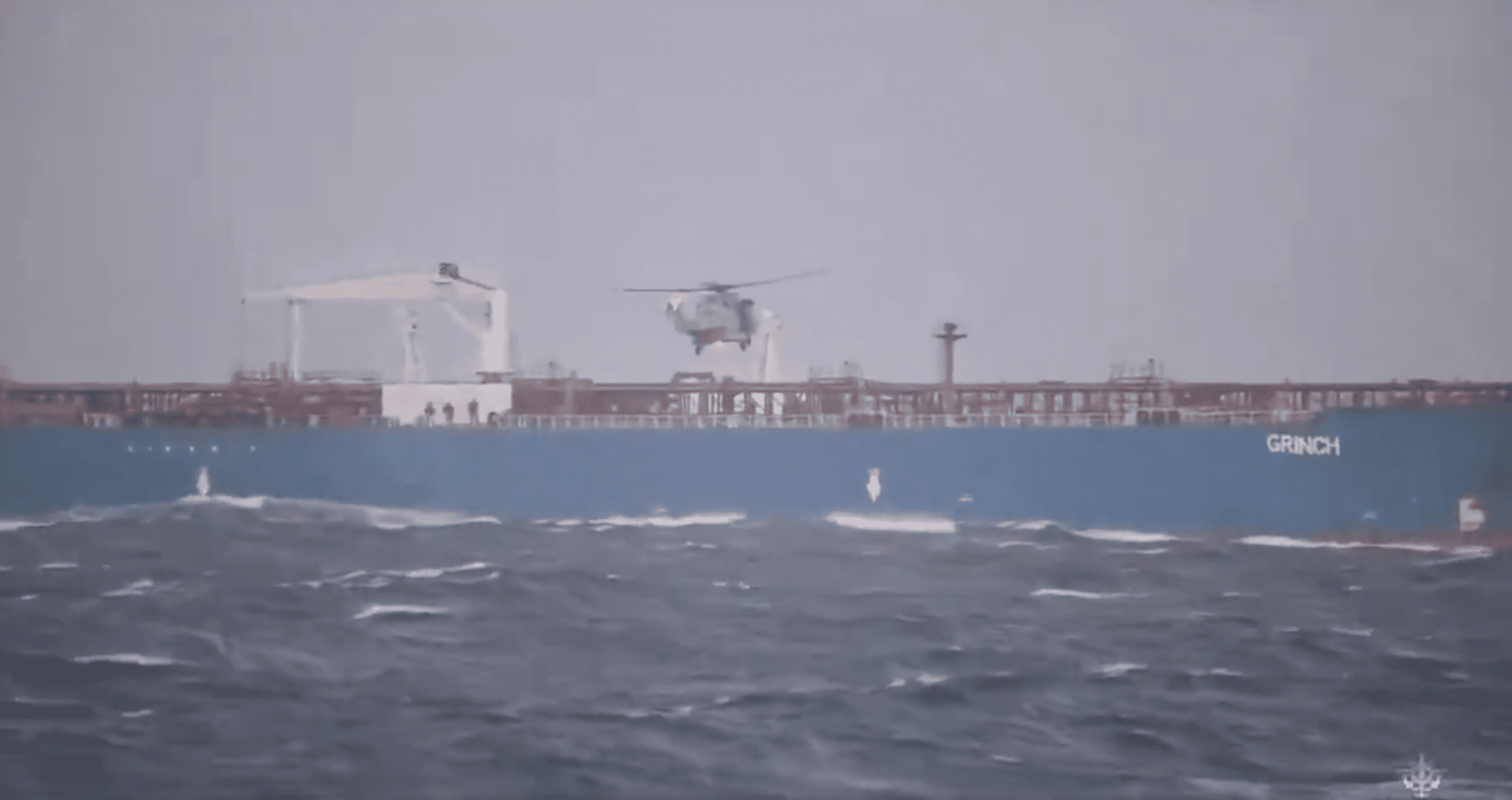
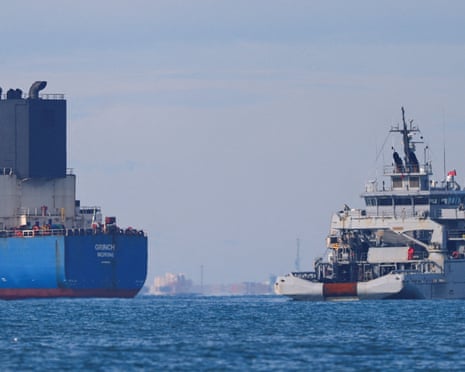
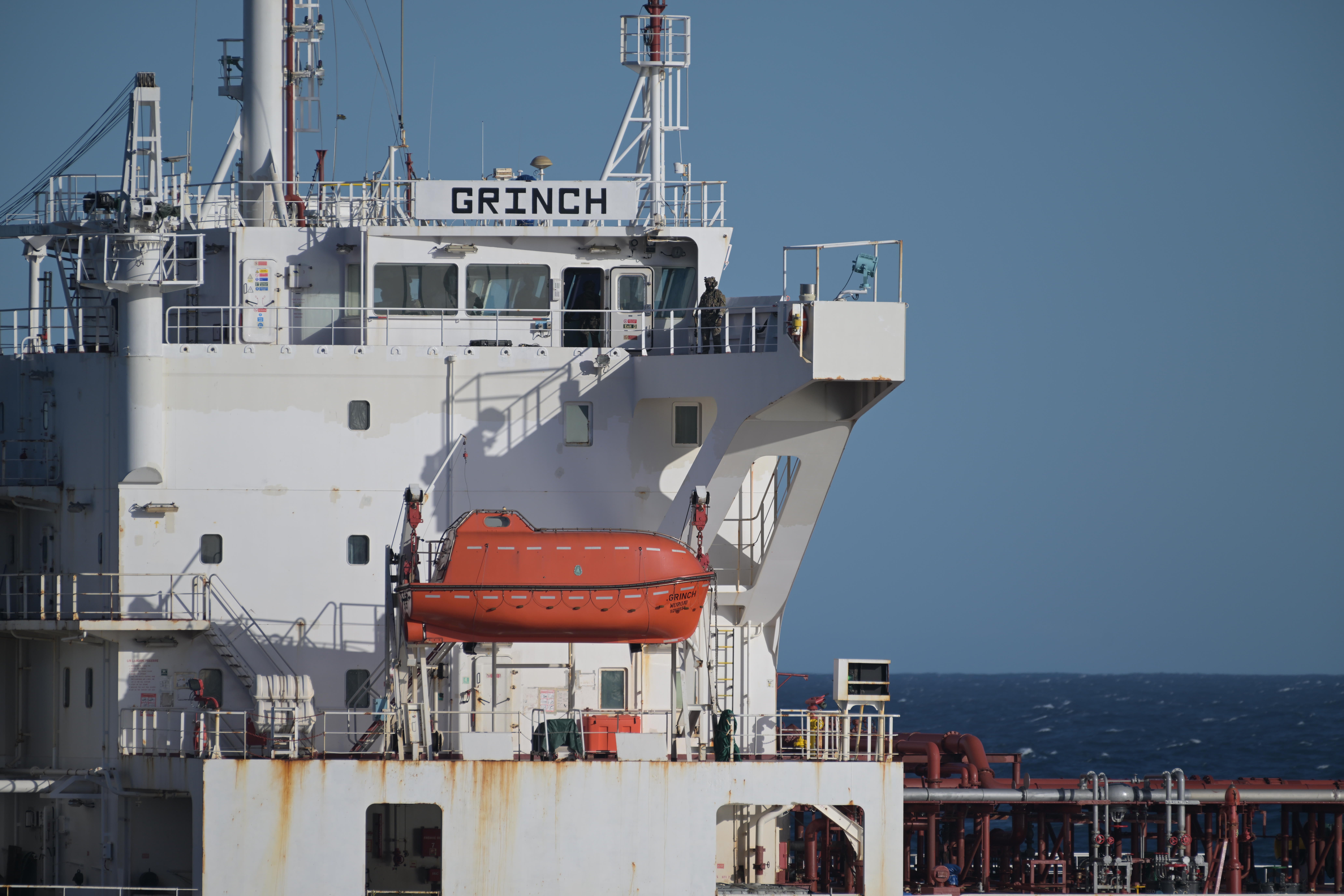
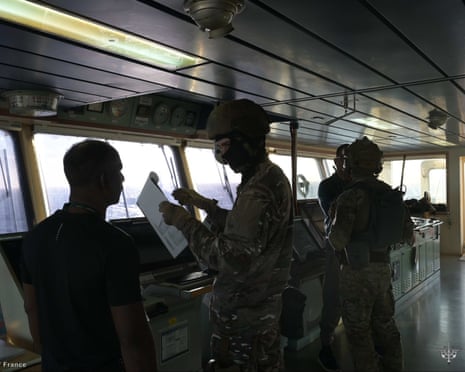
The EU's enforcement of sanctions against Russia's shadow fleet represents a critical regulatory inflection point for cross-border e-commerce sellers operating through European ports. On February 17, 2026, French authorities released the oil tanker GRINCH after its owner paid "several million euros" in penalties for operating under false flag documentation—a direct enforcement action that signals dramatically heightened scrutiny of maritime compliance across European waters. This case demonstrates that EU regulatory agencies are now actively intercepting and penalizing vessels with documentation irregularities, creating cascading compliance costs for legitimate e-commerce logistics operations.
For cross-border sellers, this enforcement escalation translates into three immediate operational impacts: First, shipping insurance premiums are rising 8-15% for vessels transiting European waters, as insurers price in increased regulatory risk and potential port detention costs. The GRINCH case shows that even brief port seizures (3 weeks in Fos-sur-Mer) create significant carrying costs and supply chain delays. Second, documentation requirements for flag verification and ownership transparency are becoming mandatory for all shipments through major EU ports (Marseille-Fos, Rotterdam, Hamburg, Antwerp). Sellers using 3PL providers or freight forwarders must now verify that their logistics partners maintain complete chain-of-custody documentation and legitimate flag registrations—a compliance burden that typically adds 5-7 business days to pre-shipment processing. Third, the European Commission's planned 20th round of sanctions (effective February 24, 2025) signals further escalation, with potential expansion of compliance requirements to include enhanced due diligence on supplier ownership structures and payment routing.
The competitive advantage shifts toward sellers with established EU logistics infrastructure and compliance expertise. Large sellers with dedicated European 3PL networks (Amazon FBA sellers with EU fulfillment centers, established Shopify merchants with European warehouses) face lower incremental compliance costs—estimated at $200-400 per shipment for enhanced documentation. Conversely, small-to-medium sellers relying on spot freight forwarding or consolidation services face 15-25% cost increases as logistics providers pass through insurance premiums and compliance labor. This creates a market consolidation dynamic where sellers with $500K+ annual EU revenue can absorb compliance costs, while sub-$100K sellers face margin compression of 3-8%. The timing window for sellers to establish compliant logistics partnerships is critical—Q1 2025 represents the last opportunity to lock in pre-escalation freight rates before the February 24 sanctions deadline triggers broader enforcement protocols.
Strategic sourcing implications are equally significant. The shadow fleet crackdown demonstrates EU commitment to disrupting Russian trade flows, which historically represented 8-12% of certain commodity imports (energy, metals, fertilizers). This enforcement creates tariff arbitrage opportunities for sellers sourcing from non-Russian suppliers in alternative markets—Vietnam, India, and Southeast Asian suppliers now face reduced competition from Russian-origin goods, potentially lowering procurement costs by 5-10% for categories like fertilizers, metals, and energy-intensive products. Sellers should audit their supply chains for any Russian-origin components or indirect Russian sourcing (through intermediaries) and pivot to documented non-Russian suppliers by March 2025 to avoid future compliance complications.
The operational timeline is compressed. Sellers must complete three actions by March 31, 2025: (1) audit all active 3PL and freight forwarding partners for EU port compliance certifications; (2) update supplier documentation to confirm non-Russian origin for all goods; (3) implement enhanced tracking systems for shipments through high-scrutiny ports (Marseille-Fos, Rotterdam). Failure to complete these steps risks port detention, penalty exposure, and supply chain disruption during peak Q2 selling season.
问题 7
What happens if my 3PL provider doesn't have EU port compliance certifications?
Your shipments face significant risk of port detention, which can delay deliveries by 2-4 weeks and trigger penalty exposure. The GRINCH case shows that even brief port seizures (3 weeks) create substantial carrying costs and supply chain disruption. If your 3PL lacks proper flag registration verification and ownership transparency documentation, you're liable for compliance failures. Immediately request EU port compliance certifications from your current provider—specifically, documentation of their flag verification protocols and ownership transparency procedures. If they cannot provide these by March 15, 2025, transition to a compliant provider before the February 24 sanctions deadline triggers broader enforcement protocols.
Should I shift my sourcing away from Russian suppliers?
Yes—the shadow fleet crackdown demonstrates the EU's commitment to disrupting Russian trade flows, which historically represented 8-12% of certain commodity imports. This enforcement creates tariff arbitrage opportunities for sellers sourcing from alternative suppliers in Vietnam, India, and Southeast Asia, where reduced Russian competition can lower procurement costs by 5-10%. More importantly, any Russian-origin goods face increasing compliance risk and potential port detention. Sellers should audit their supply chains immediately and pivot to documented non-Russian suppliers by March 2025. This shift also positions you favorably for future EU sanctions escalation, which is likely given the ongoing Russia-Ukraine conflict and planned sanctions rounds.