



Geopolitical Volatility Reshapes Cross-Border Logistics | Sellers Face Supply Chain Risks
- Starlink outages, airport closures, and peace talks create 2-4 week shipping delays for Eastern European sellers and Russian market access










)


)


概览
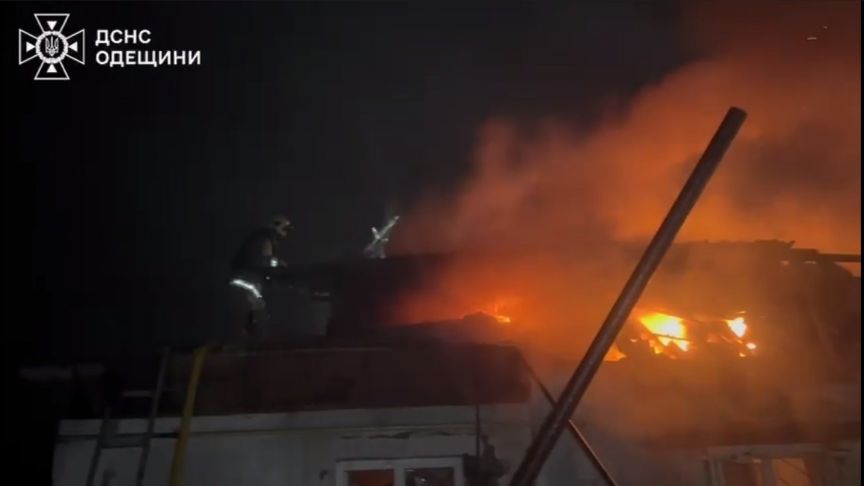
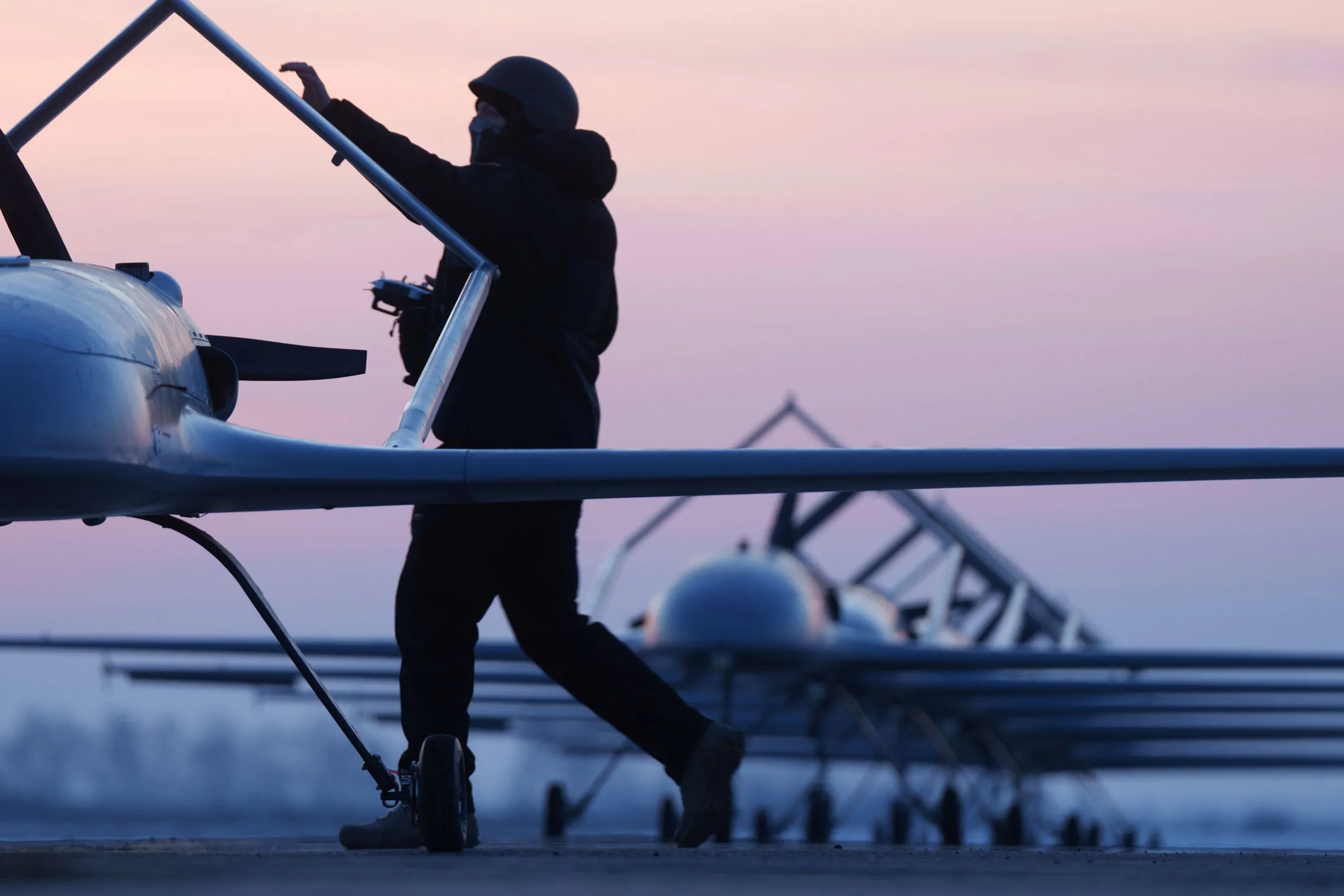
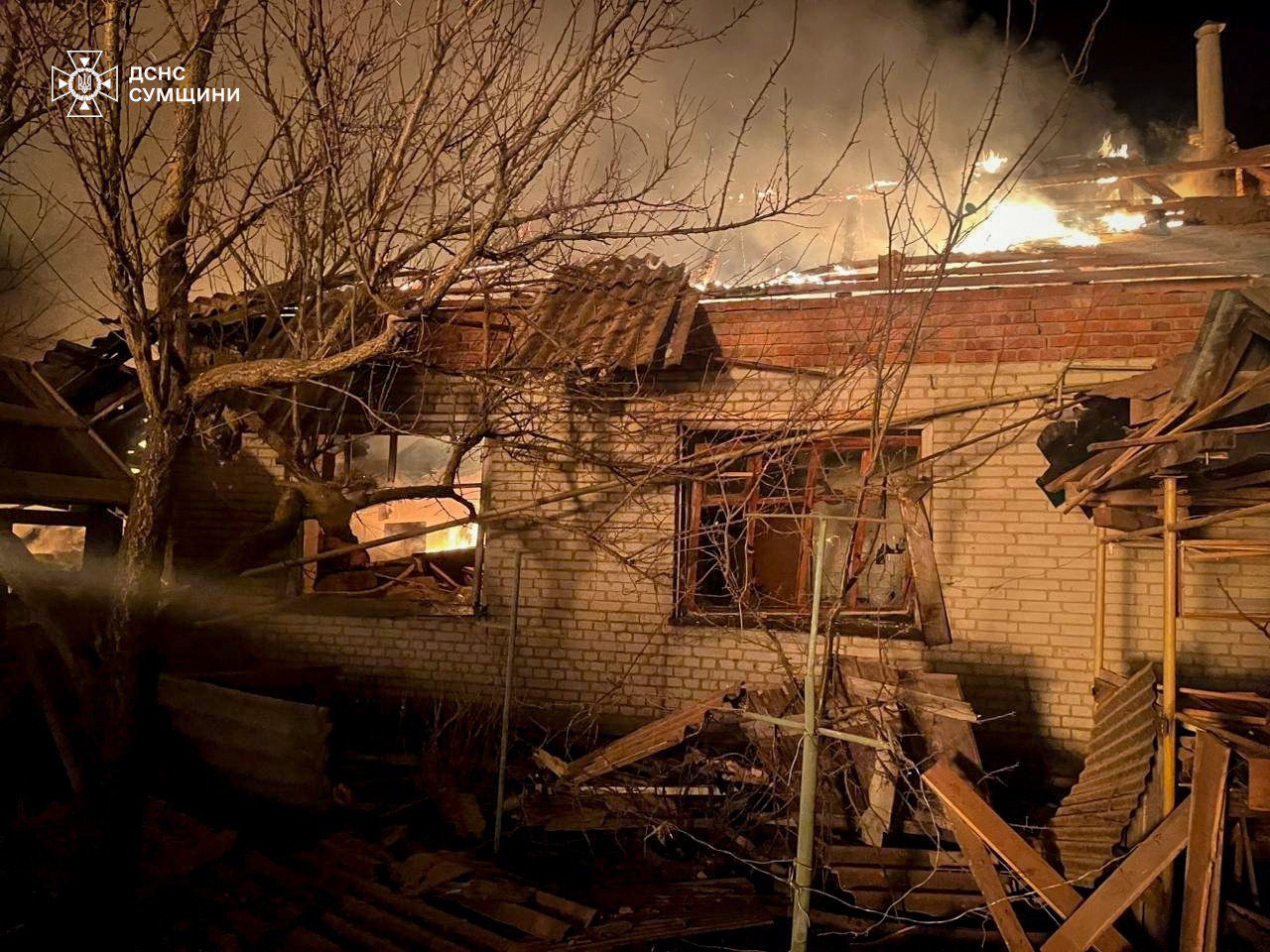
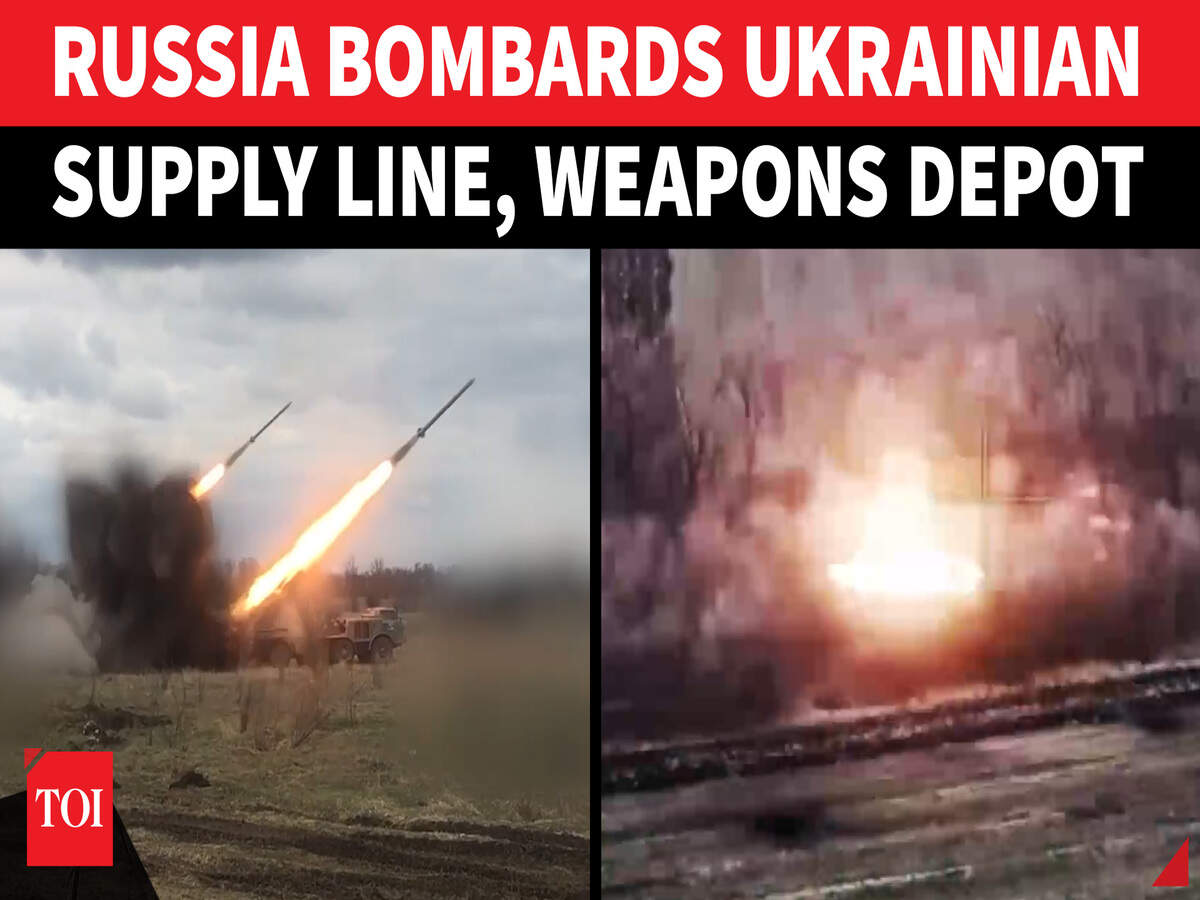
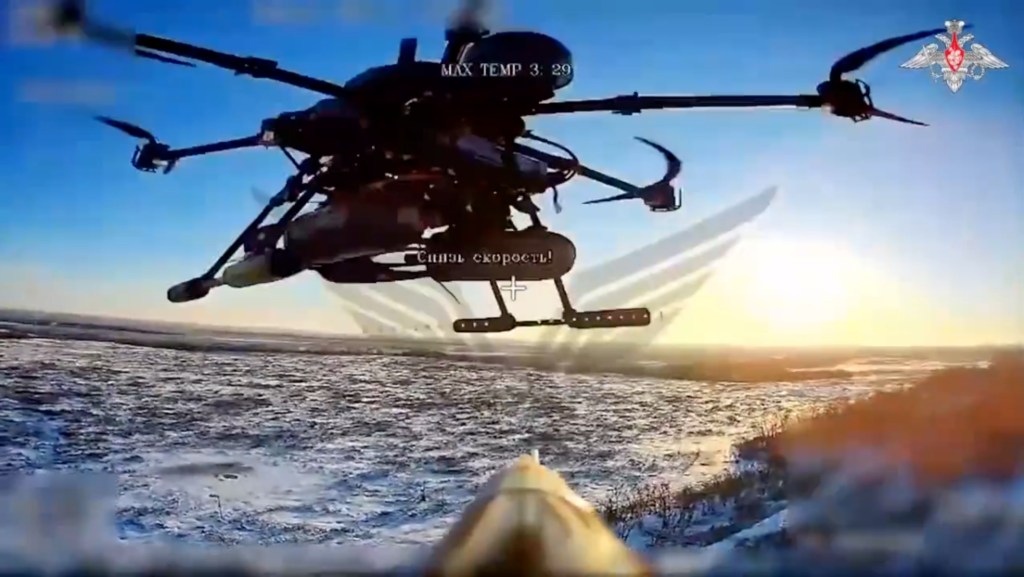
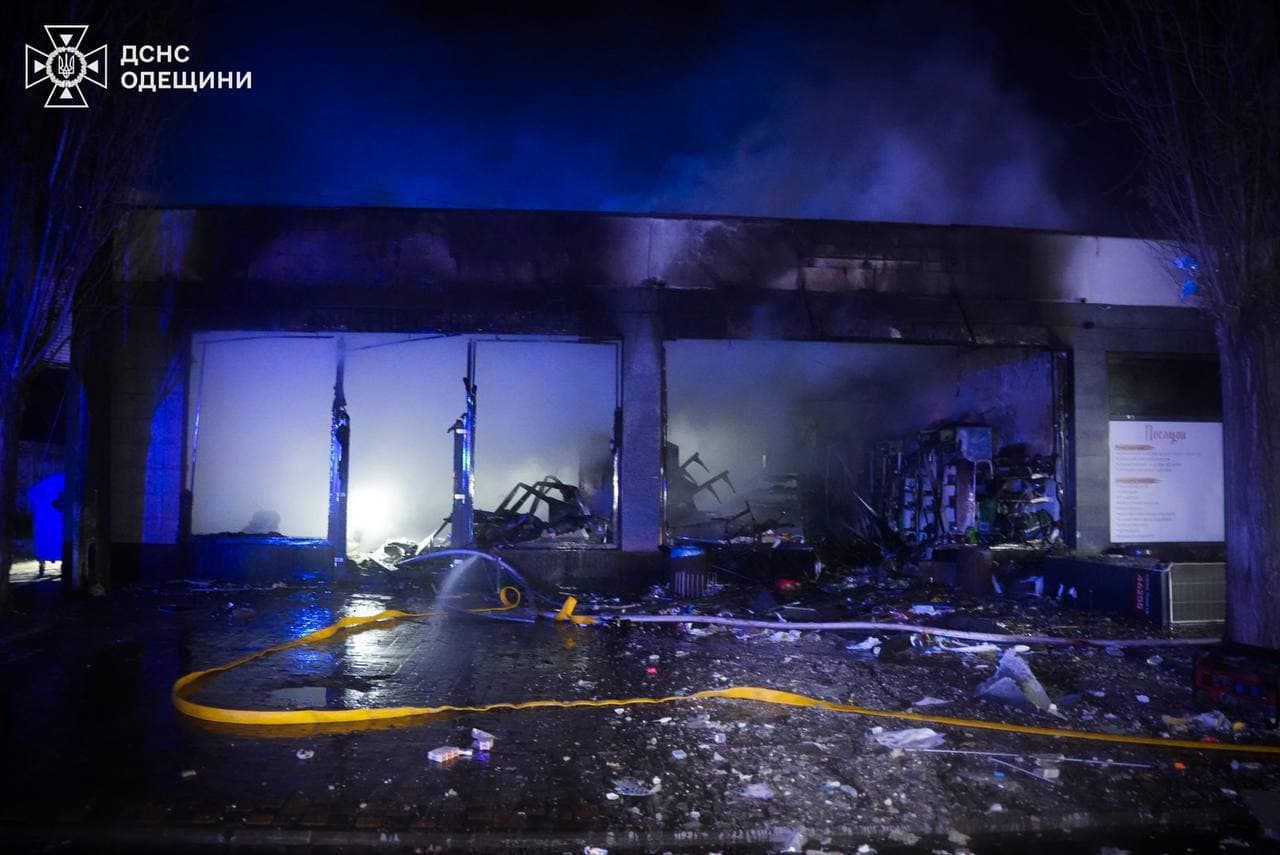
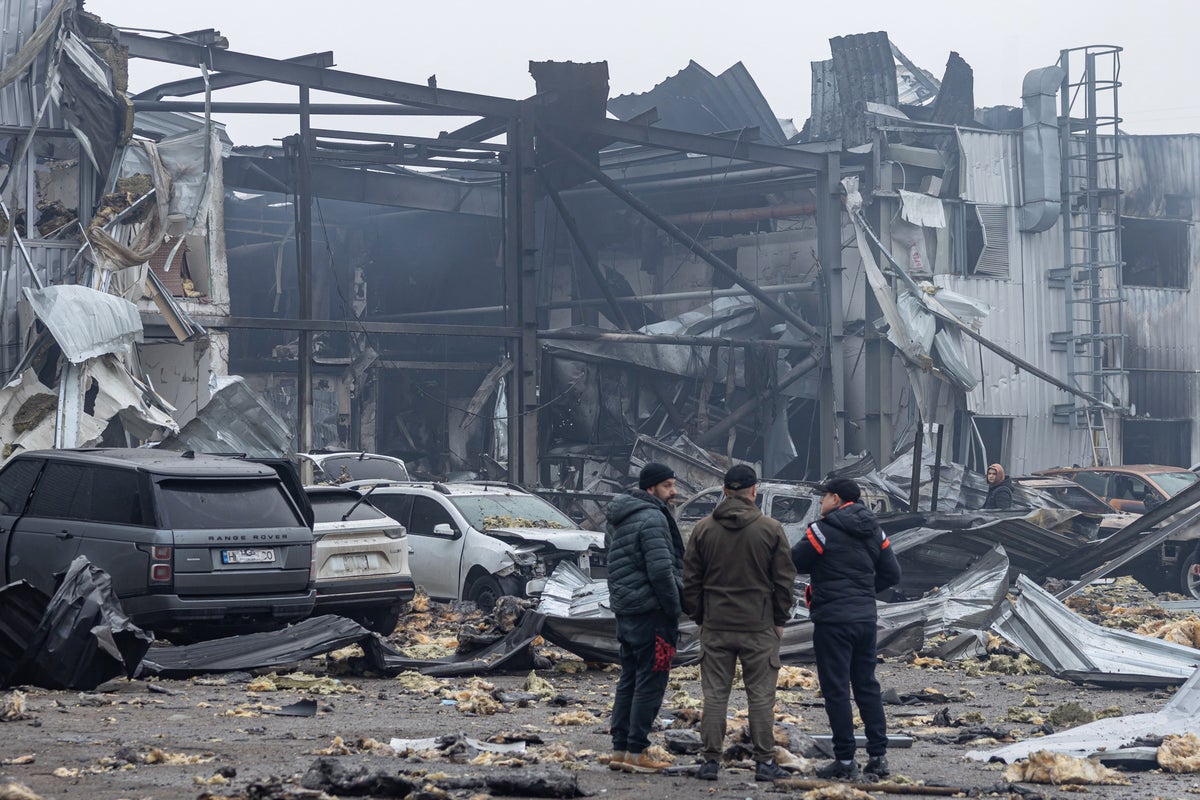
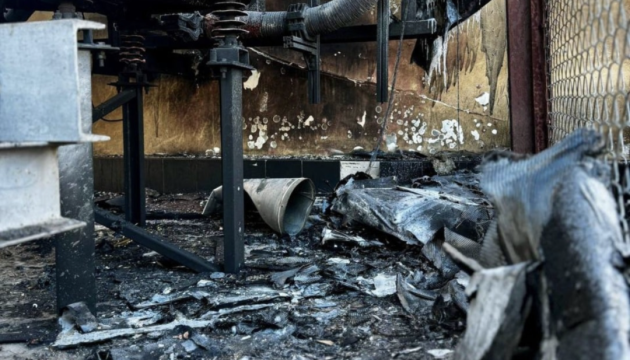
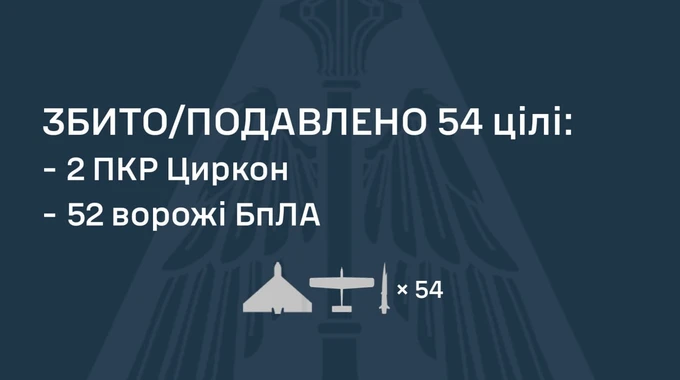
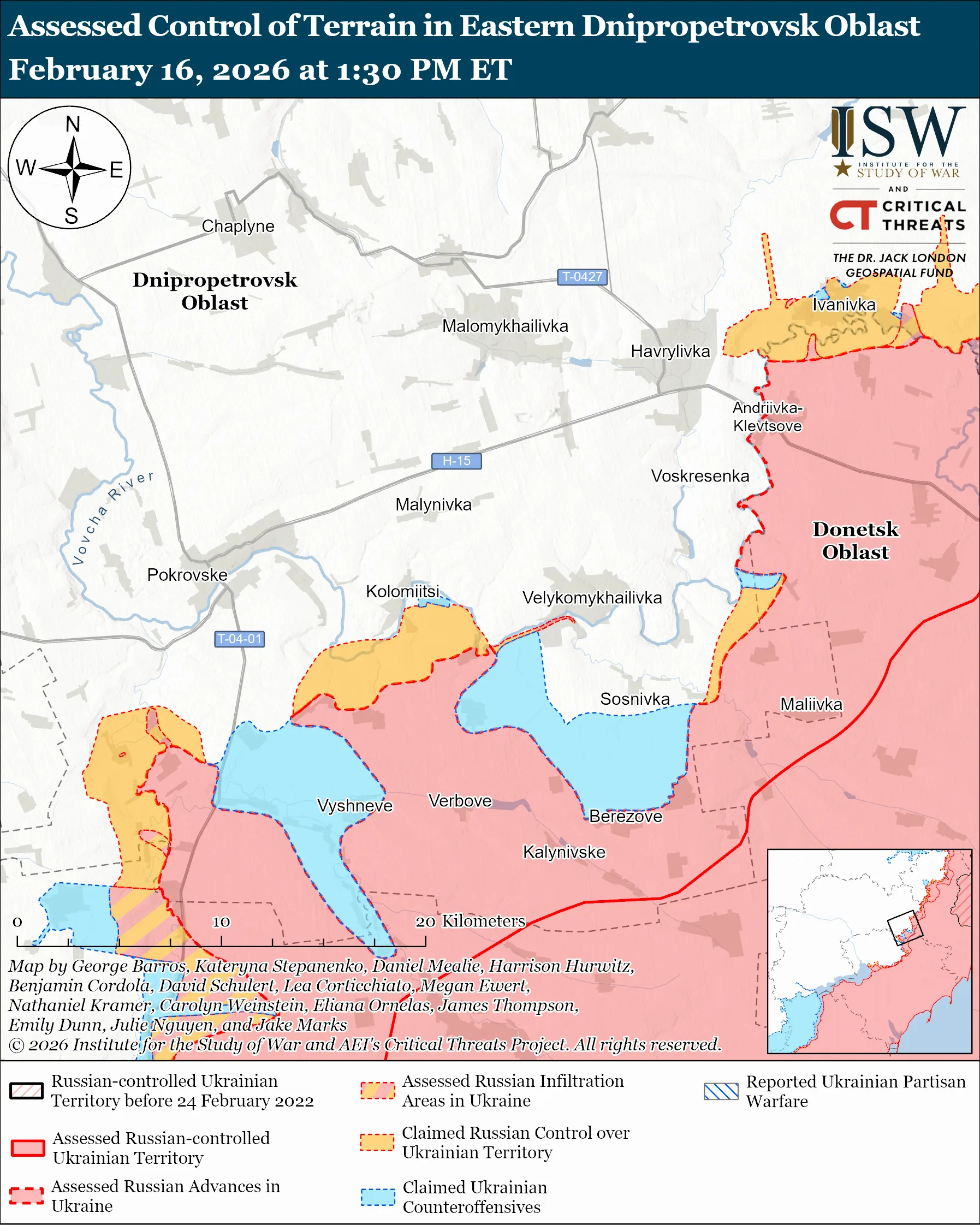
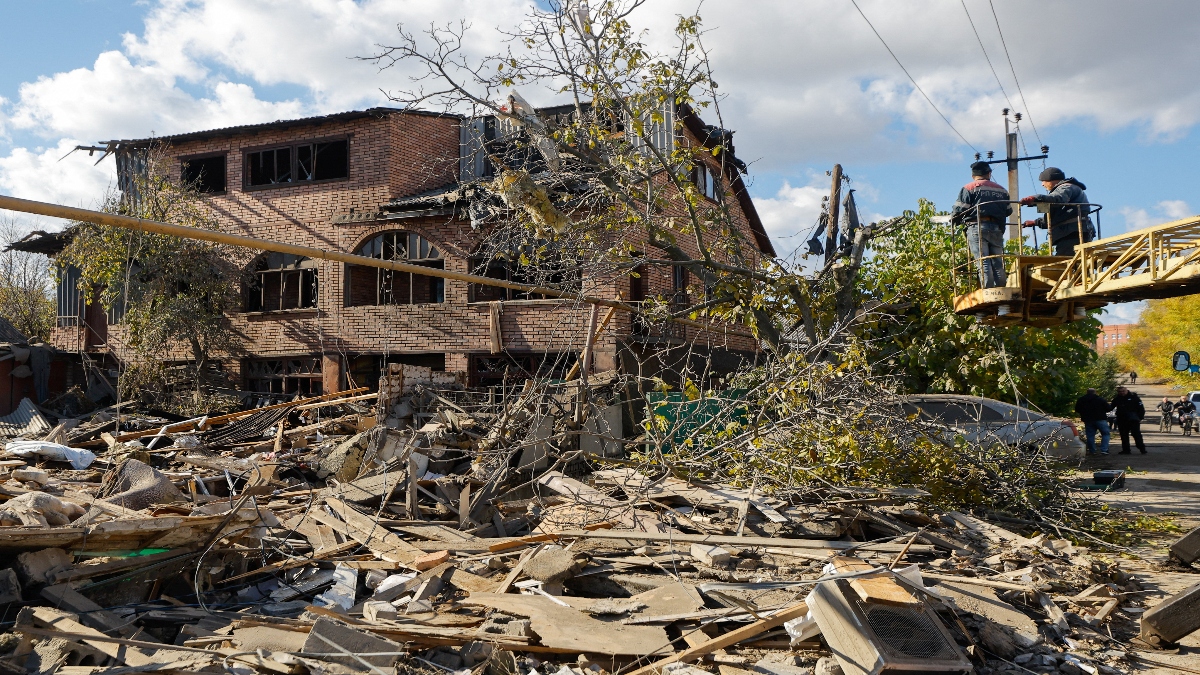
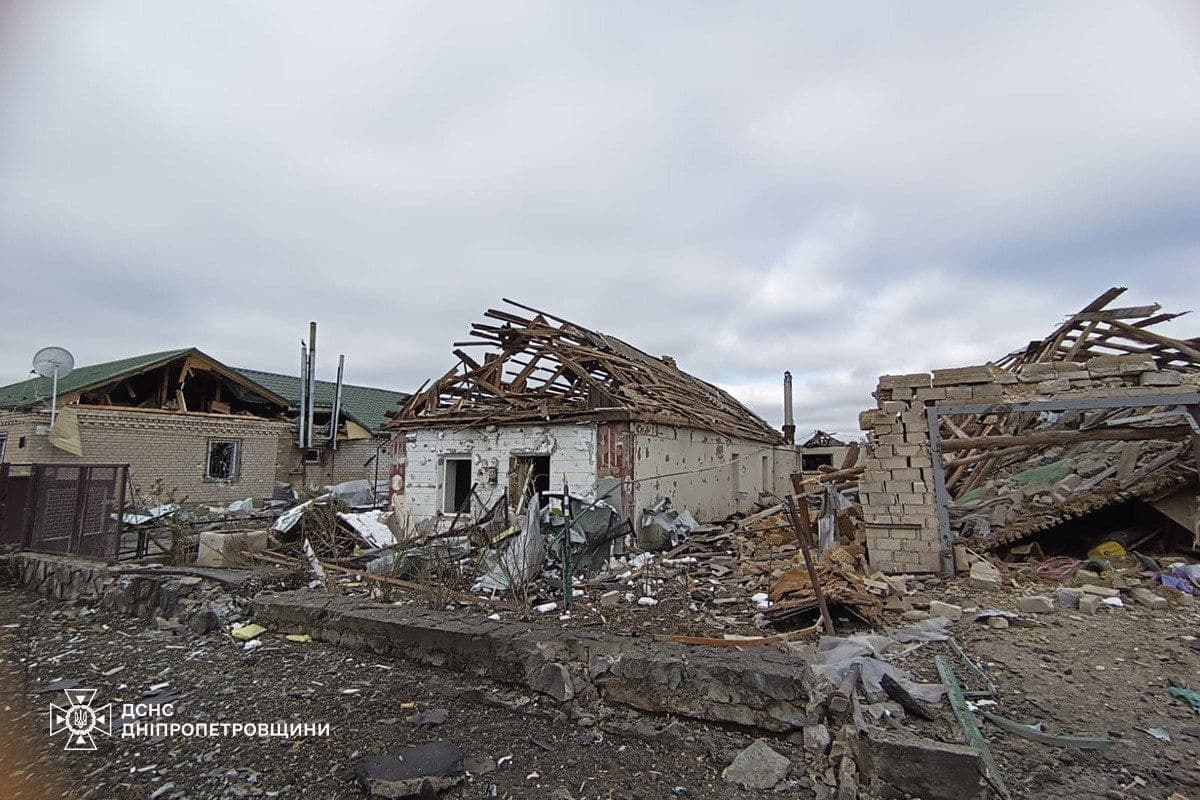
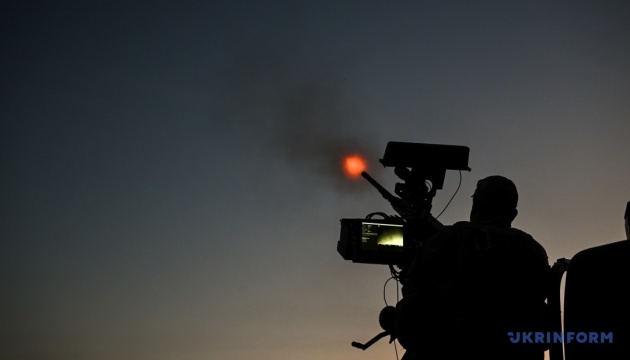
The escalating Russia-Ukraine conflict documented in February 2026 presents critical operational challenges for cross-border e-commerce sellers, particularly those managing inventory in Eastern Europe or serving Russian markets. On February 17-18, 2026, Russia reported destroying over 150 Ukrainian drones in a single night—the largest attack wave since January 1—while Ukrainian forces targeted critical infrastructure including the Ilsky Oil Refinery in Krasnodar (6.6M metric ton annual capacity). Simultaneously, airports in 12+ Russian cities implemented temporary flight restrictions, directly impacting air freight logistics for sellers using expedited shipping routes.
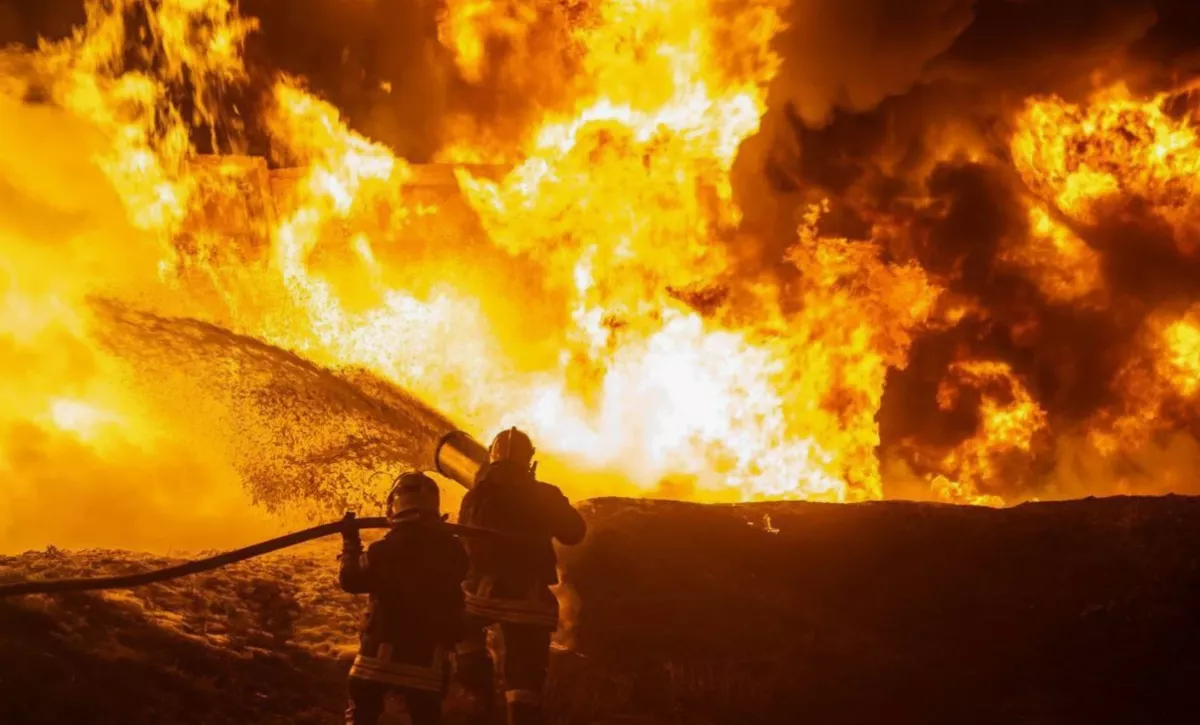
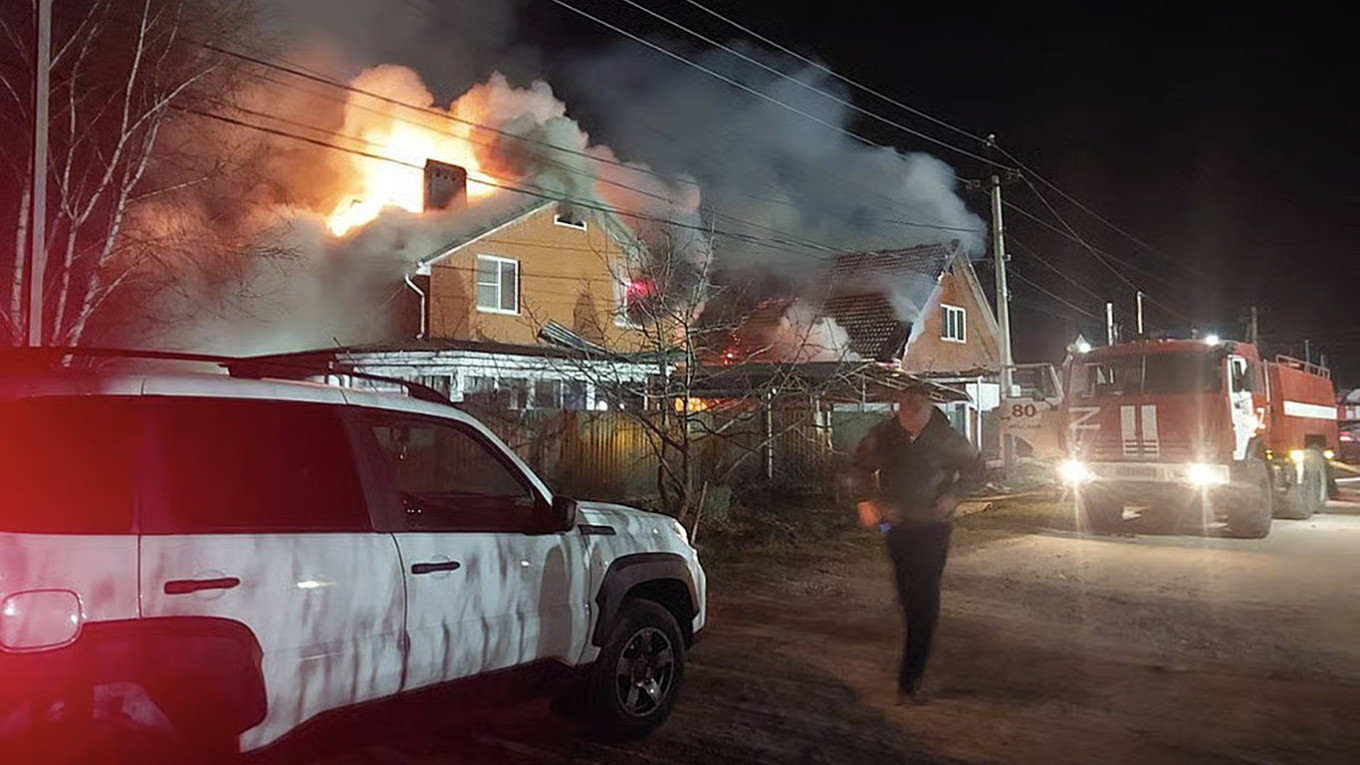
Critical infrastructure damage creates supply chain bottlenecks. The reported Starlink satellite internet outage affecting Russian military communications for two weeks signals broader connectivity disruptions that cascade to civilian logistics networks. For sellers using 3PL providers or fulfillment centers in Russia, Ukraine, or neighboring countries, this translates to 2-4 week shipping delays, increased customs processing times, and potential inventory stranding. Sellers shipping electronics, machinery, or components through Russian ports face heightened risk of route disruptions. The Krasnodar refinery fire demonstrates how military targets can disrupt fuel supplies, increasing transportation costs 8-15% for regional logistics providers.
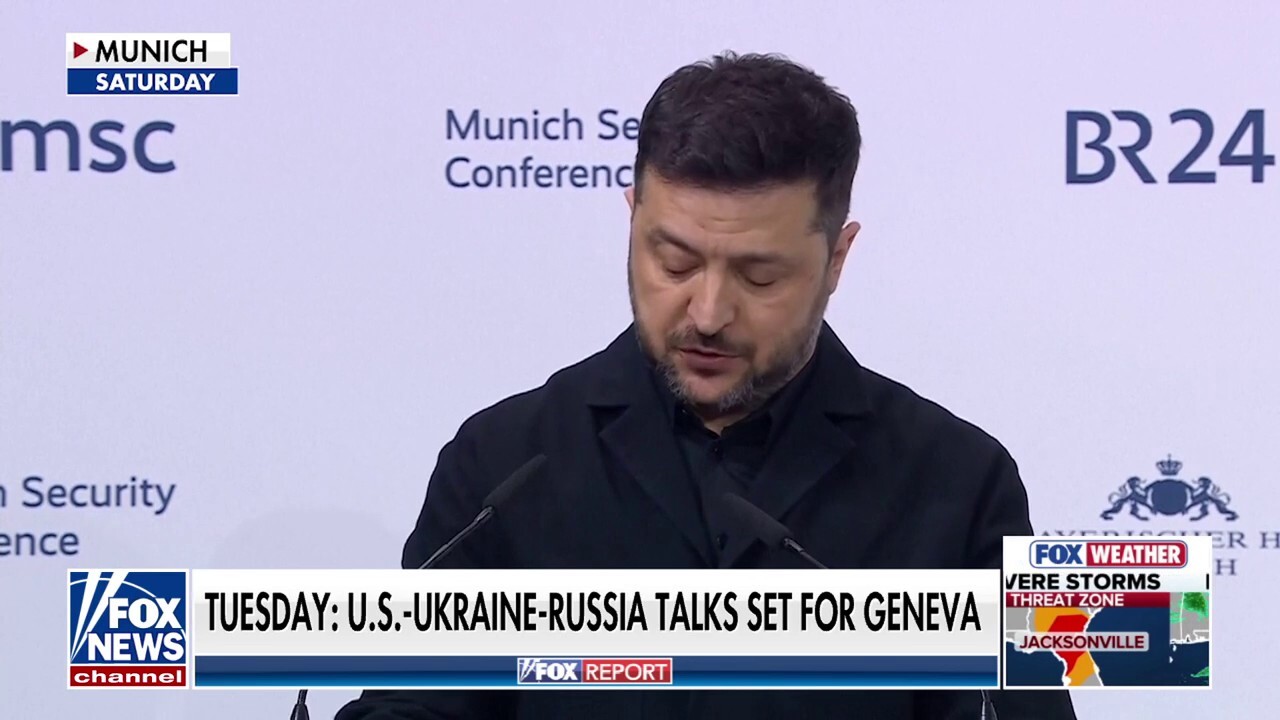
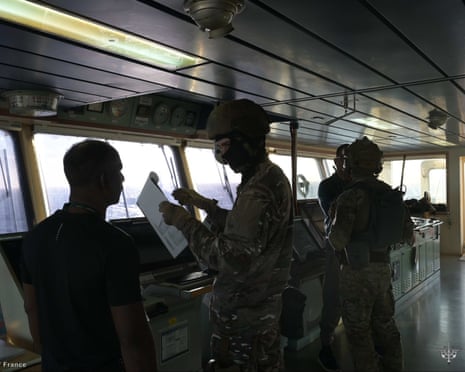
Diplomatic peace talks create uncertainty windows. The ongoing US-mediated negotiations in Geneva (February 18, 2026) between Russian and Ukrainian delegations introduce unpredictability into logistics planning. Ukraine's reported pause in Russian drone strikes (first in months) suggests potential ceasefire discussions, but Kremlin spokesman Dmitry Peskov indicated no immediate announcements. For sellers, this ambiguity means avoiding major inventory commitments to Russian warehouses until diplomatic clarity emerges. The French authorities' decision to permit a Russian shadow fleet oil tanker to leave territorial waters after a multi-million euro penalty indicates sanctions enforcement remains active, affecting payment processing and banking relationships for sellers with Russian customer bases.
Immediate operational impacts: Sellers with inventory in Russia, Ukraine, or Eastern Europe should diversify fulfillment to Western European 3PLs (Poland, Czech Republic, Germany) where logistics remain stable. Those serving Russian customers face 15-25% longer delivery windows and should adjust customer expectations accordingly. Payment processing through traditional banking channels remains restricted; sellers should monitor sanctions compliance requirements and consider alternative payment gateways. Starlink-dependent logistics operations should establish backup connectivity through terrestrial networks.
问题 8
Should sellers move inventory out of Russian warehouses given the conflict escalation?
Yes, sellers with significant inventory in Russian fulfillment centers should begin gradual reallocation to Western European 3PLs (Poland, Czech Republic, Germany) where logistics remain stable and sanctions exposure is minimal. The escalating drone attacks on infrastructure (oil refineries, airports) create risk of inventory stranding or damage. Implement a 60-90 day transition plan: redirect new inventory to Western Europe, liquidate slow-moving Russian stock through discounting, and establish backup fulfillment in EU locations. Costs for relocation (3-5% of inventory value) are justified by reduced geopolitical risk. Prioritize high-value electronics and components that face greater damage risk during conflict.
How do peace negotiations affect seller logistics planning for Russia and Ukraine?
The ongoing US-mediated peace talks in Geneva create a 30-60 day uncertainty window where logistics conditions could rapidly improve or deteriorate. Ukraine's first pause in Russian drone strikes in months suggests potential ceasefire discussions, but Kremlin spokesman Dmitry Peskov indicated no immediate announcements. Sellers should adopt a wait-and-see approach: avoid major new inventory commitments to Russian warehouses until diplomatic clarity emerges, but maintain existing fulfillment operations. Monitor official announcements from US State Department and EU regarding sanctions relief, which would signal normalization. If peace agreement emerges, expect 2-3 week surge in Russian demand as consumers rebuild inventories—prepare for this by maintaining flexible 3PL capacity.