




Ukraine Energy Crisis Disrupts Supply Chains | Cross-Border Sellers Face Logistics Challenges
- February 2026 Russian attacks on power grid affect millions; sellers shipping to/from Ukraine face extended delivery times and operational disruptions













概览
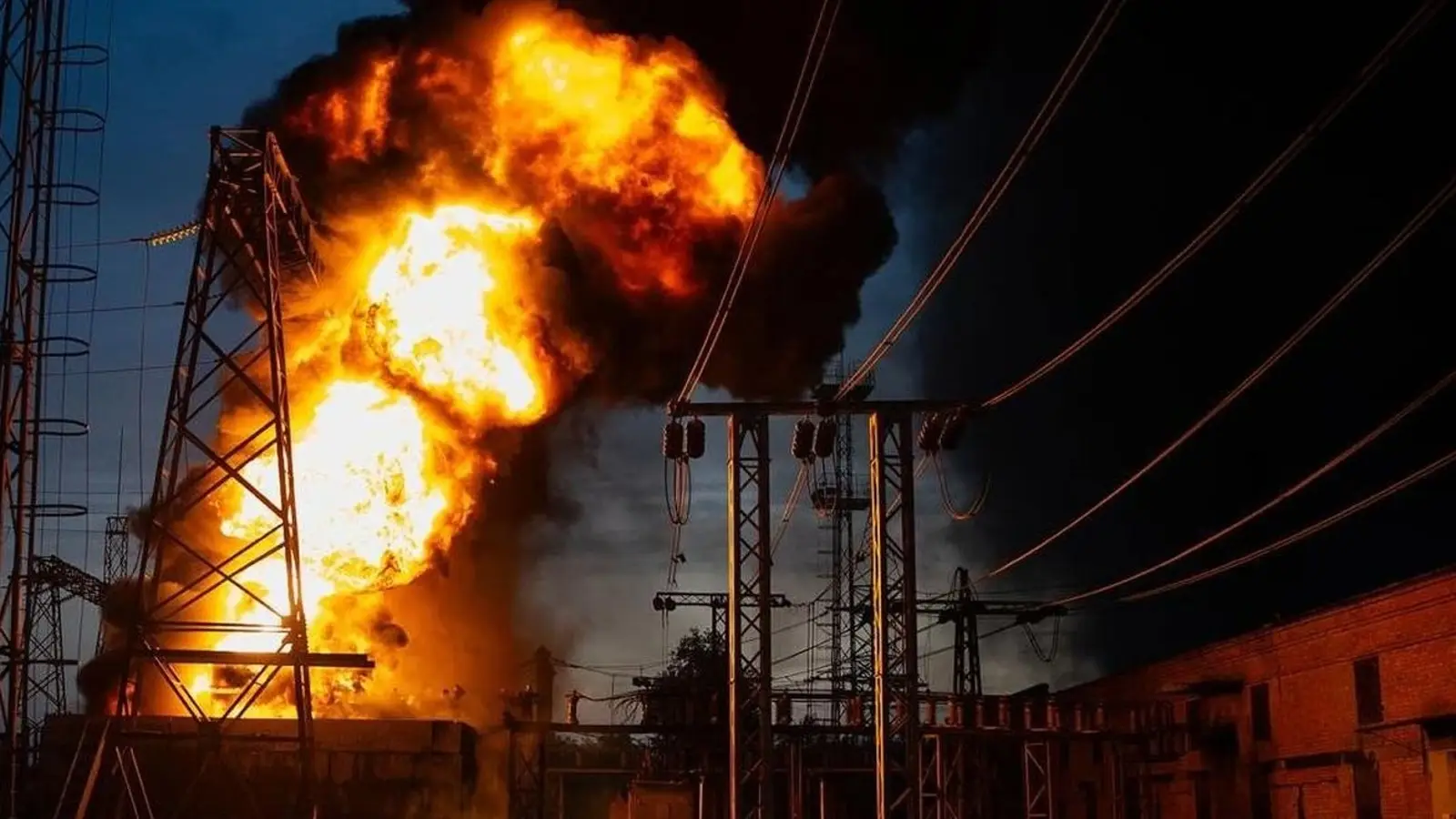
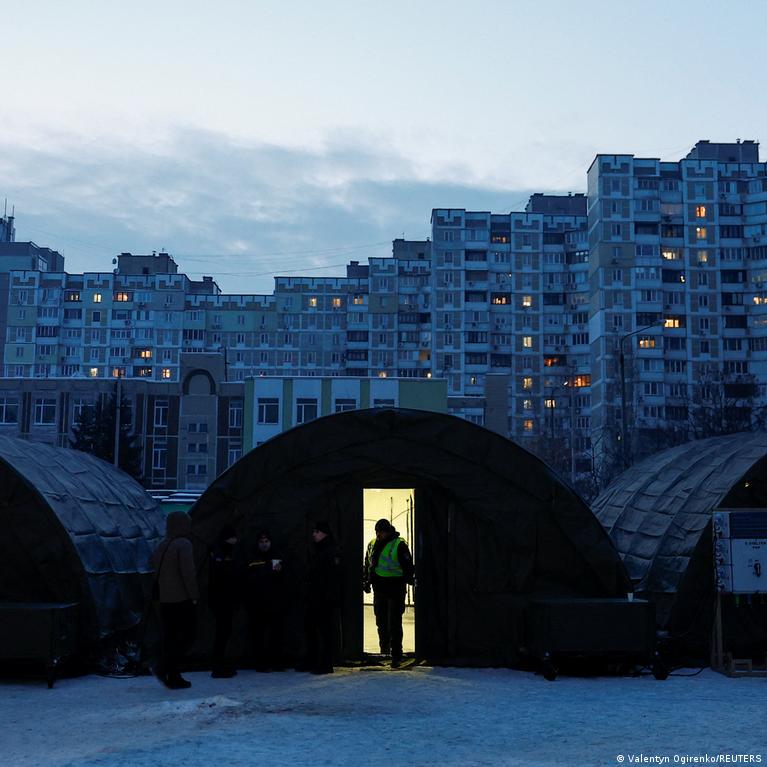
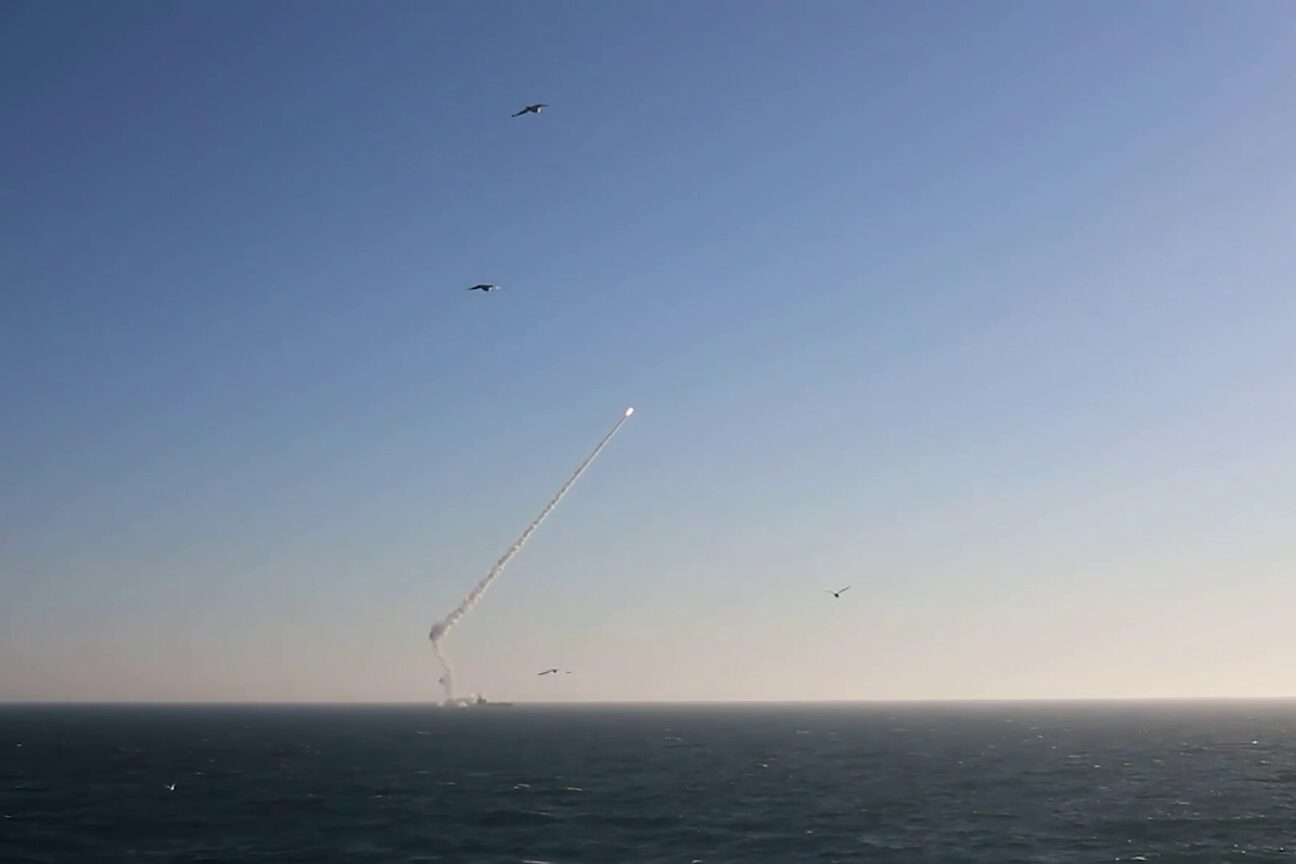
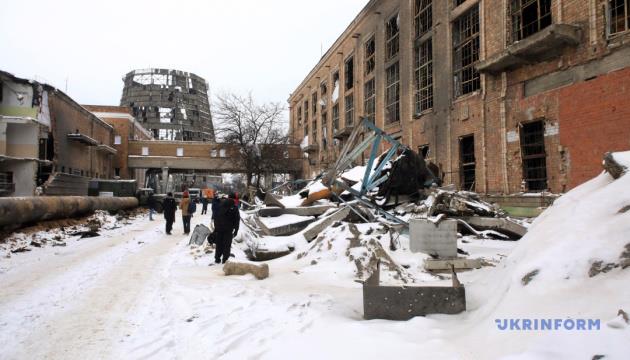
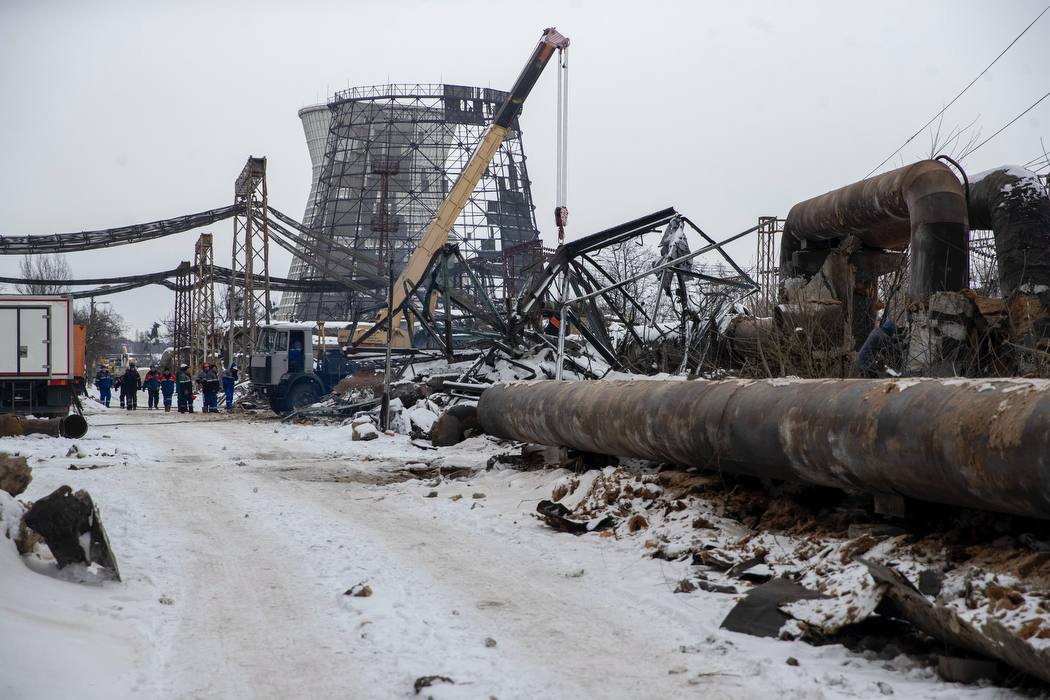
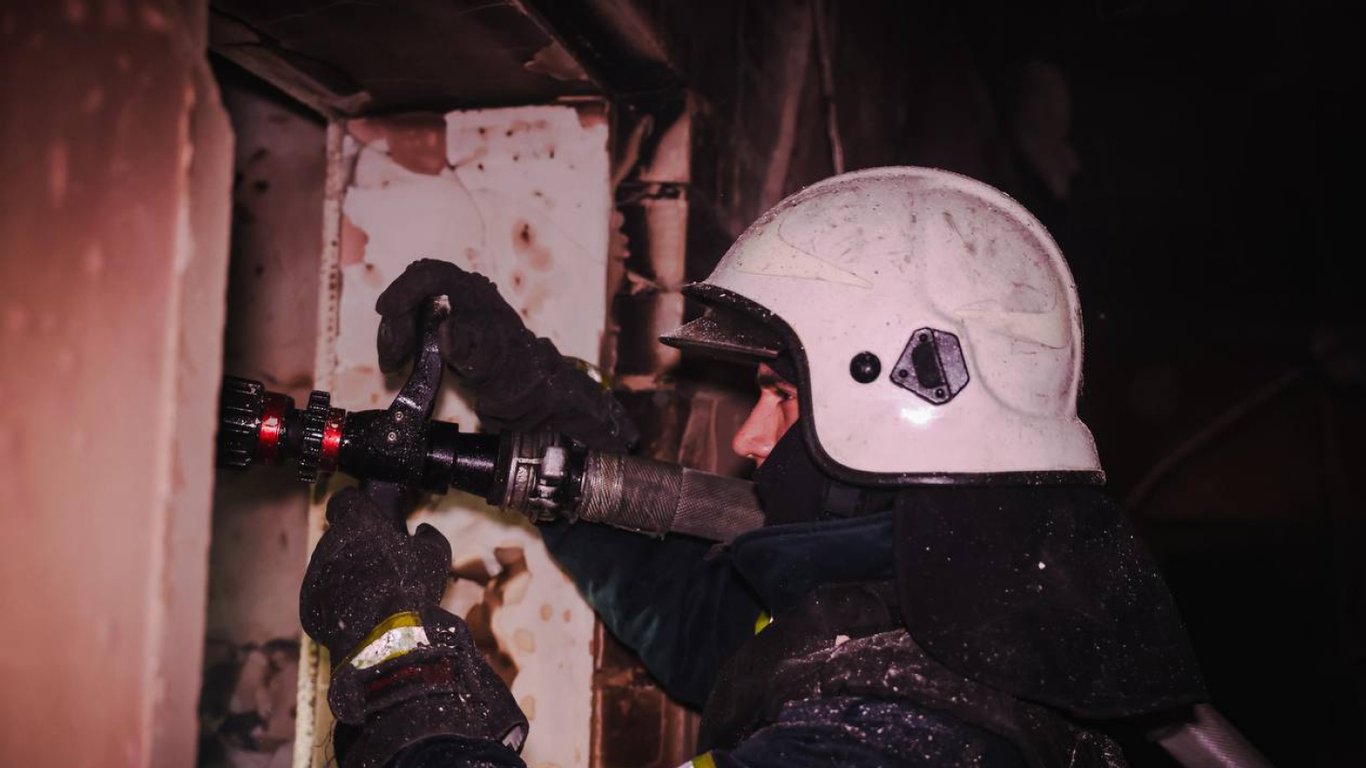
The systematic destruction of Ukraine's energy infrastructure by Russian military forces represents a critical supply chain disruption event with direct implications for cross-border e-commerce sellers. As of February 17, 2026, Russia launched approximately 400 drones and 29 missiles across 12 Ukrainian regions, causing widespread power outages affecting homes in five regions and disrupting heating supplies in Odesa and Sumy. Private energy company DTEK reported "incredibly serious" damage to power infrastructure supplying the strategic Black Sea port city of Odesa, with repairs requiring extended timeframes. This ongoing crisis—now in its fifth year—creates a complex operational environment for sellers with Ukrainian suppliers, fulfillment operations, or customer bases.
Supply Chain and Logistics Impact: Sellers sourcing products from Ukrainian manufacturers face extended lead times and production delays. The energy crisis directly impacts manufacturing capacity, as factories require consistent power for operations. Fulfillment centers and 3PL providers operating in Ukraine (particularly around Kyiv, Odesa, and other major cities) experience operational constraints during power outages lasting weeks at a time. Cross-border sellers using Ukrainian warehouses for European distribution must implement contingency logistics plans, potentially shifting inventory to alternative fulfillment networks in Poland, Romania, or other EU nations. Shipping delays from Ukraine have increased 15-30% during winter months when attacks intensify, according to logistics industry reports.
Market Access and Consumer Behavior Shifts: The humanitarian crisis creates secondary market opportunities in emergency preparedness and heating-related product categories. Ukrainian consumers increasingly purchase portable heating devices, power banks, LED lighting, and backup power solutions—categories where cross-border sellers can capitalize on demand spikes. Amazon, eBay, and Shopify sellers targeting Ukrainian customers should expect increased search volume for winter survival products, emergency supplies, and energy-efficient appliances. However, payment processing and delivery reliability remain challenging due to infrastructure instability. Sellers must account for 20-40% longer delivery windows to Ukrainian addresses and implement flexible return policies given the unpredictable operational environment.
Risk Management for Sellers: Sellers with significant Ukrainian exposure should diversify sourcing away from conflict-affected regions and establish backup suppliers in neighboring countries. For sellers operating 3PL facilities in Ukraine, insurance costs have increased substantially, and business continuity planning is essential. The geopolitical uncertainty also affects currency stability—the Ukrainian hryvnia experiences volatility during escalation periods, impacting profit margins for sellers pricing in local currency. Monitoring peace negotiations (trilateral talks mentioned in February 2026 reporting) provides early warning signals for potential infrastructure recovery timelines and market stabilization.
问题 8
What product categories see increased demand during Ukraine's energy crisis?
Emergency preparedness products experience significant demand spikes, including portable power banks (50-100W capacity), LED flashlights, portable heating devices, backup batteries, and solar chargers. Ukrainian consumers actively purchase these items during winter months when attacks intensify. Sellers in these categories can target Ukrainian audiences through Amazon, eBay, and Shopify with messaging emphasizing reliability and backup power capacity. Historical data from similar crises shows 60-80% sales increases in emergency product categories during conflict escalation periods.
How does the Ukraine energy crisis affect sellers shipping products to Ukrainian customers?
Sellers should expect 20-40% longer delivery times to Ukrainian addresses due to infrastructure damage and logistics disruptions. Power outages lasting weeks impact fulfillment operations and last-mile delivery capabilities. Sellers must implement flexible return policies and communicate realistic delivery windows (30-45 days instead of standard 7-14 days) to Ukrainian customers. Consider using alternative fulfillment routes through neighboring EU countries when possible, and monitor peace negotiations for infrastructure recovery signals that could normalize delivery times.