


Maritime Shipping Costs Surge 8-15% | Russia-West Tensions Disrupt Cross-Border Logistics
- Escalating naval tensions threaten Atlantic and European shipping corridors; 598+ vessels sanctioned; sellers face 2-4 week delivery delays and insurance premium increases
)



概览
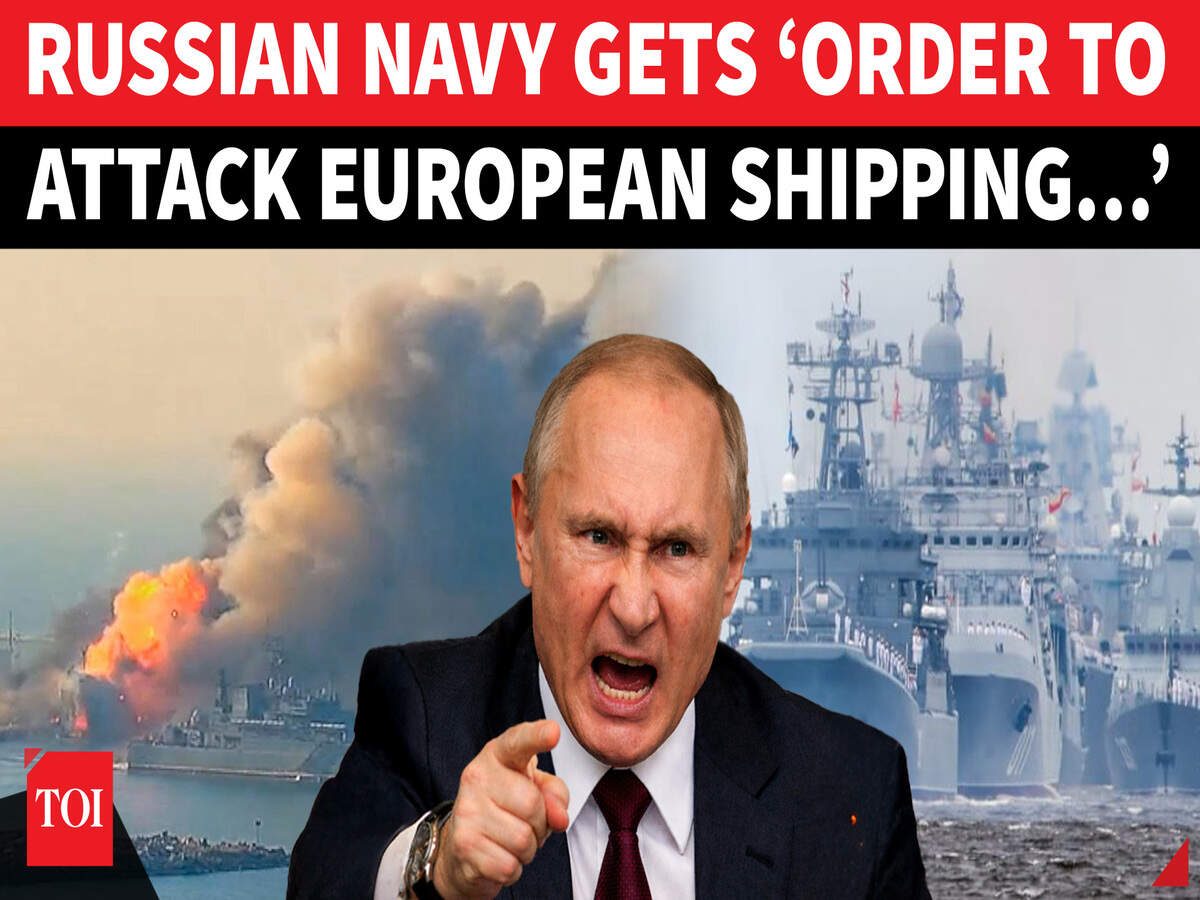
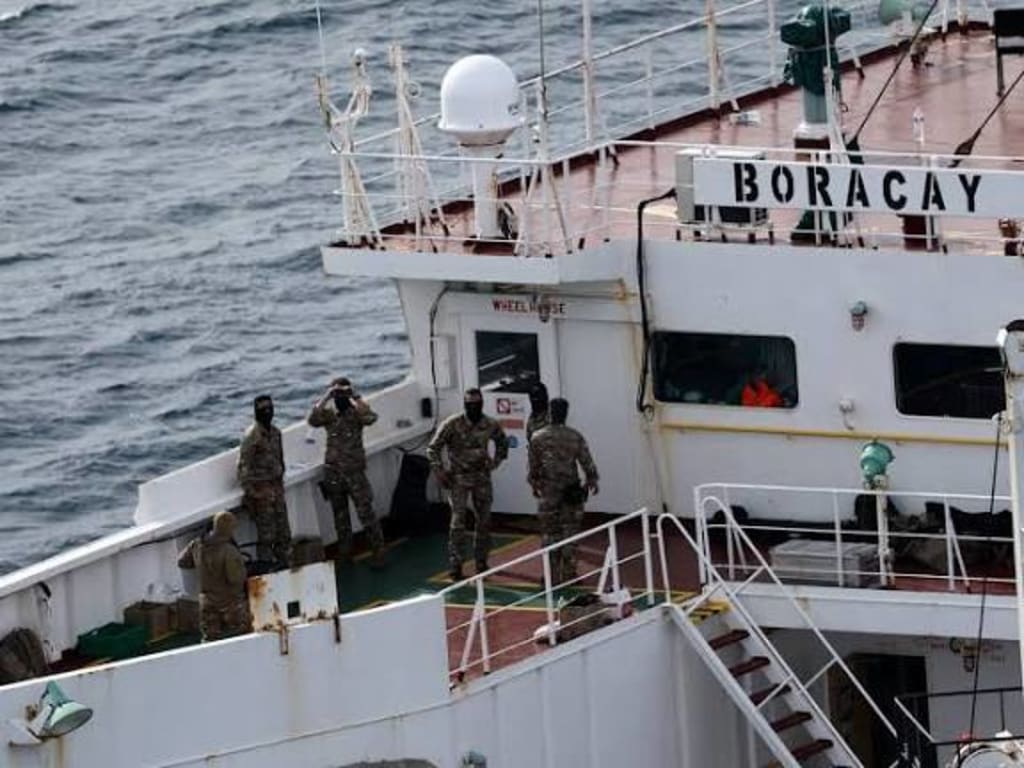
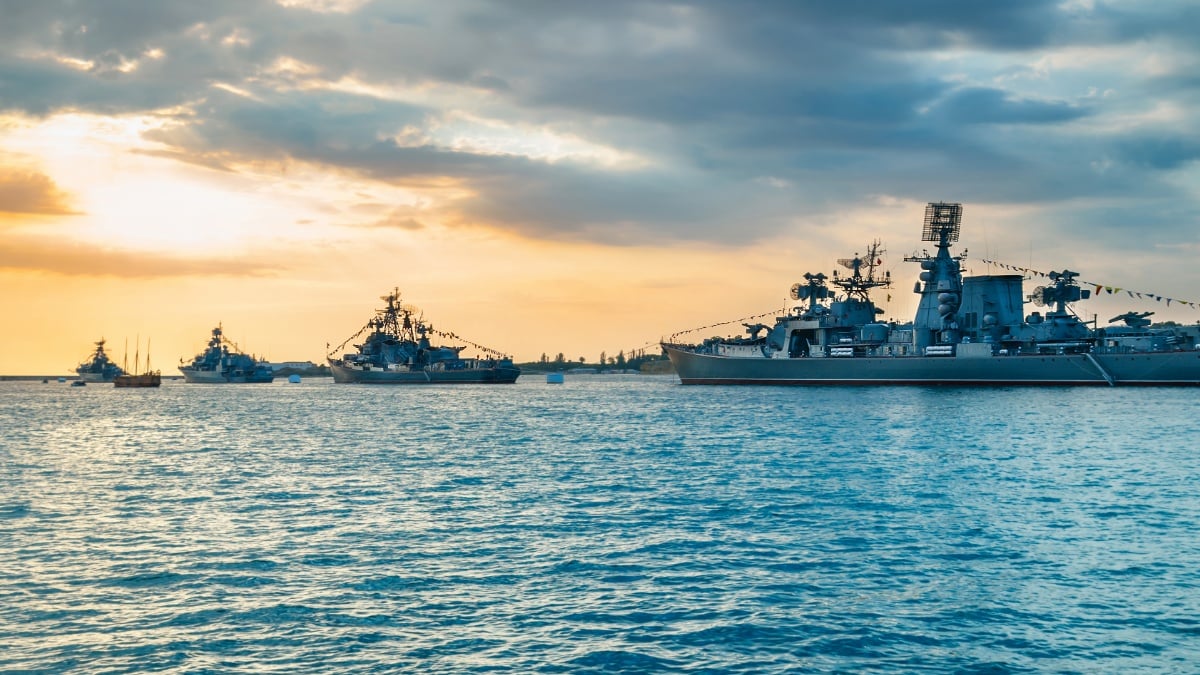
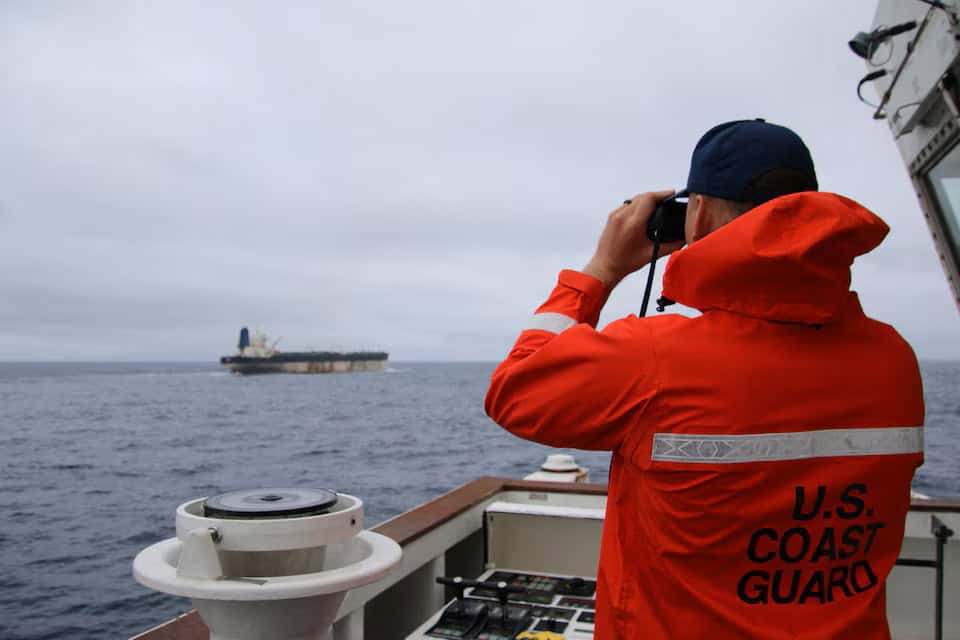
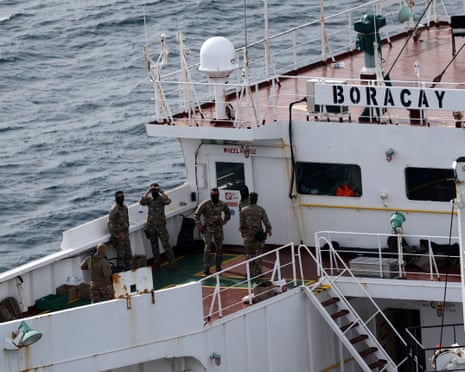
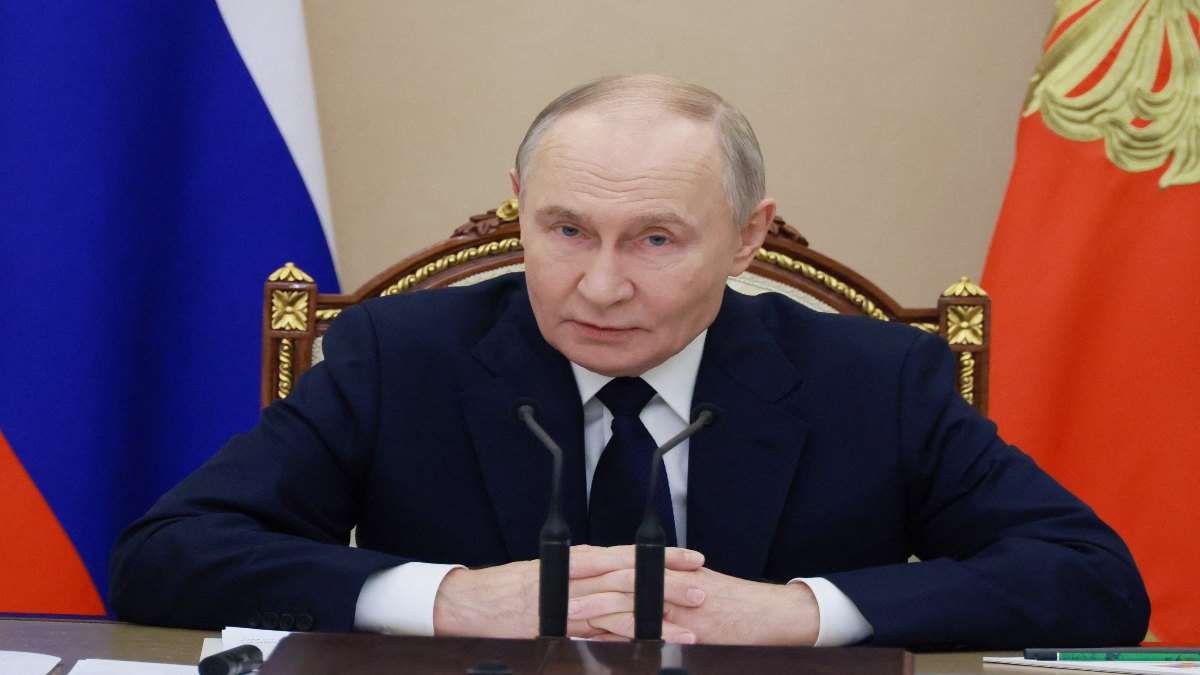
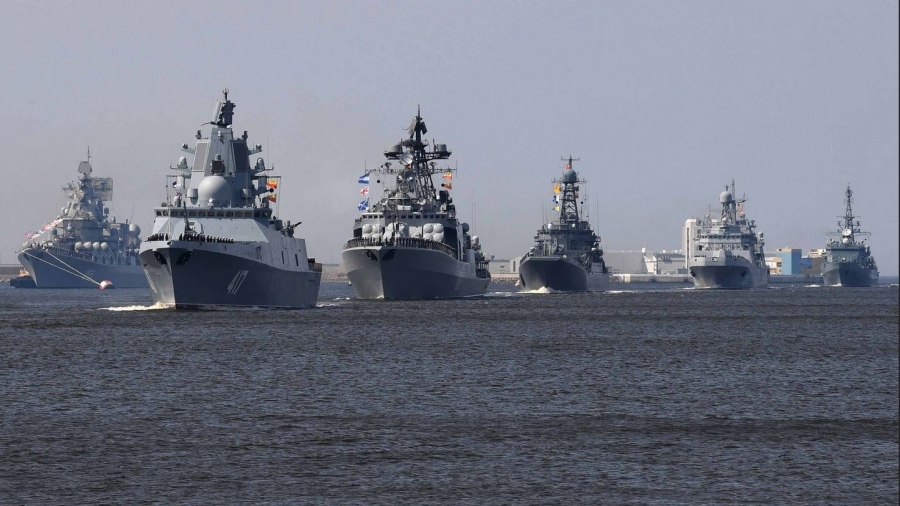
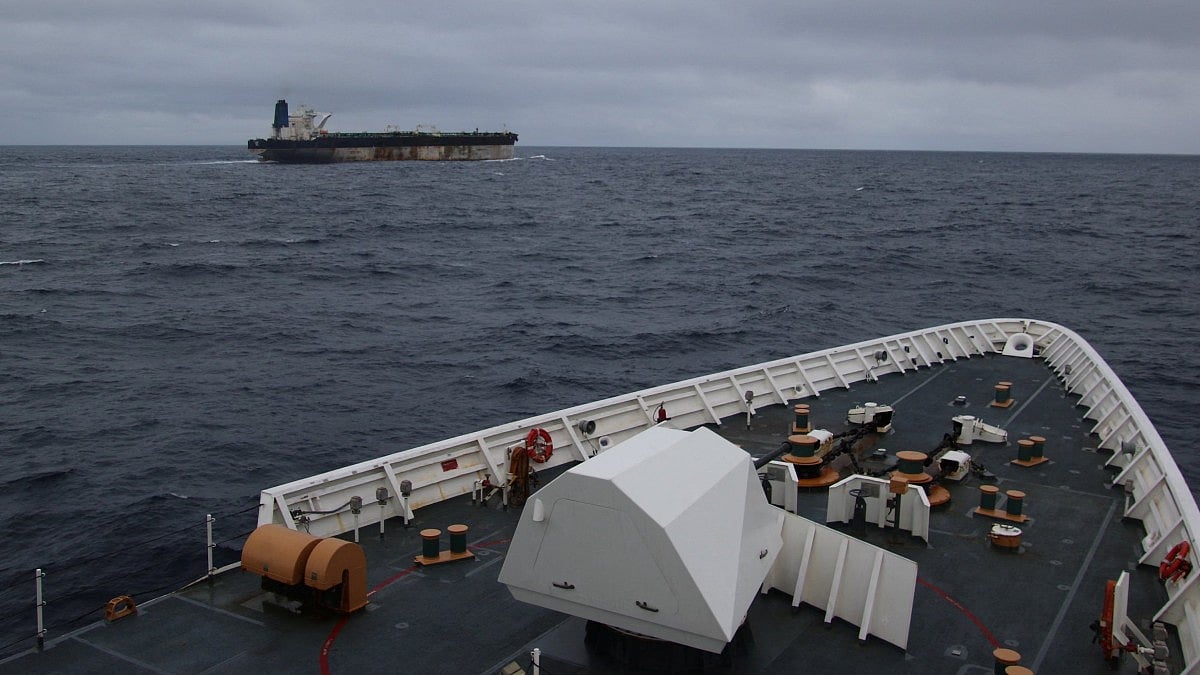
The escalating Russia-West maritime conflict represents a critical supply chain disruption for cross-border e-commerce sellers, with direct cost and timing implications across Atlantic and European shipping corridors. On February 17-18, 2026, Russian Maritime Board Chief Nikolai Patrushev announced that Moscow could deploy its navy to protect Russian-linked vessels from Western seizures, escalating tensions over the shadow fleet—approximately 1,500 aging oil tankers operating under opaque ownership structures to circumvent sanctions on Russian crude exports. The EU has identified 598 vessels suspected of being part of Russia's shadow fleet and banned them from European ports and maritime services. In January 2026, US special forces seized the Russian-flagged Marinera oil tanker in the North Atlantic, while French authorities detained the Grinch in the Mediterranean, subsequently releasing it after a multimillion-euro fine.
For cross-border logistics operators and e-commerce sellers, this escalation creates immediate operational friction. The threat of Russian naval intervention in Atlantic and European waters is forcing logistics providers to reroute shipments, increasing transit times by 2-4 weeks and raising shipping costs 8-15% for sellers using affected maritime corridors. Sellers dependent on Asian markets (China, India) receiving Russian energy face supply chain uncertainty, as energy price volatility directly impacts container availability and freight rates. Insurance coverage is becoming more complex and expensive—maritime insurers are adding war risk premiums and requiring enhanced vessel documentation scrutiny, increasing insurance costs 5-12% for shipments transiting European waters and the North Atlantic. European shipping companies face potential retaliatory inspections from Russian naval forces, creating operational uncertainty that extends to all cargo aboard affected vessels.
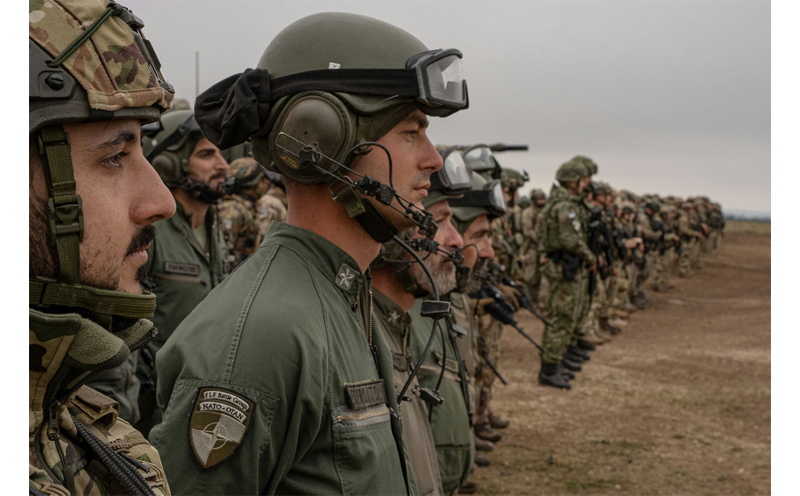
The competitive advantage shifts toward sellers with diversified logistics networks and non-European sourcing flexibility. Sellers currently routing 40-60% of inventory through European ports (Rotterdam, Hamburg, Antwerp) face the highest risk. Those with established 3PL relationships in North American ports (Los Angeles, New York) or alternative Asian gateways (Singapore, Hong Kong) can mitigate delays. The sanctions enforcement coordination between EU, UK, and US authorities—demonstrated by the Munich Security Conference discussions between British Defence Secretary John Healey and European counterparts—signals sustained pressure on maritime commerce through 2026. Patrushev's comments notably focused on Europe rather than the US, suggesting the Kremlin is exercising caution regarding ongoing Ukraine negotiations with the Trump administration, but this restraint may not extend to European shipping indefinitely. Sellers should anticipate 6-12 month volatility in Atlantic and European maritime routes, with potential for further escalation if negotiations fail.
问题 7
What shipping route alternatives should sellers consider?
Sellers should diversify away from European consolidation hubs toward: (1) North American ports (Los Angeles, New York, Houston) for US/Canada markets, adding 1-2 weeks transit but avoiding European enforcement zones; (2) Asian gateways (Singapore, Hong Kong, Shanghai) for direct-to-Asia shipments, eliminating European transshipment; (3) Suez Canal alternatives via South Africa for European markets, adding 2-3 weeks but avoiding Atlantic tensions. Costs vary: North American routing adds $200-400/container; Asian direct routing saves $300-600/container vs. European consolidation; South Africa routing adds $500-800/container. Evaluate your market mix and negotiate 3PL contracts with alternative routing options by March 2026.
How long will Atlantic and European shipping disruptions last?
Industry analysts project 6-12 months of volatility in Atlantic and European maritime routes based on the current geopolitical trajectory. Patrushev's February 2026 statements indicate Russia will maintain naval pressure on Western enforcement actions, but his focus on Europe rather than the US suggests some restraint pending Ukraine negotiations. If negotiations fail or escalate, disruptions could extend 18-24 months. Sellers should plan inventory and logistics strategies assuming elevated costs and delays through Q4 2026 minimum. Monitor Munich Security Conference outcomes and Trump administration Ukraine negotiations for signals of de-escalation.