


Tencent's Gaming Investment Strategy Signals Merchandise Opportunity in Esports Collectibles Market
- Reveals $2B+ annual gaming IP monetization trend; creates merchandise sourcing opportunities for sellers in gaming collectibles, apparel, and digital goods categories



概览
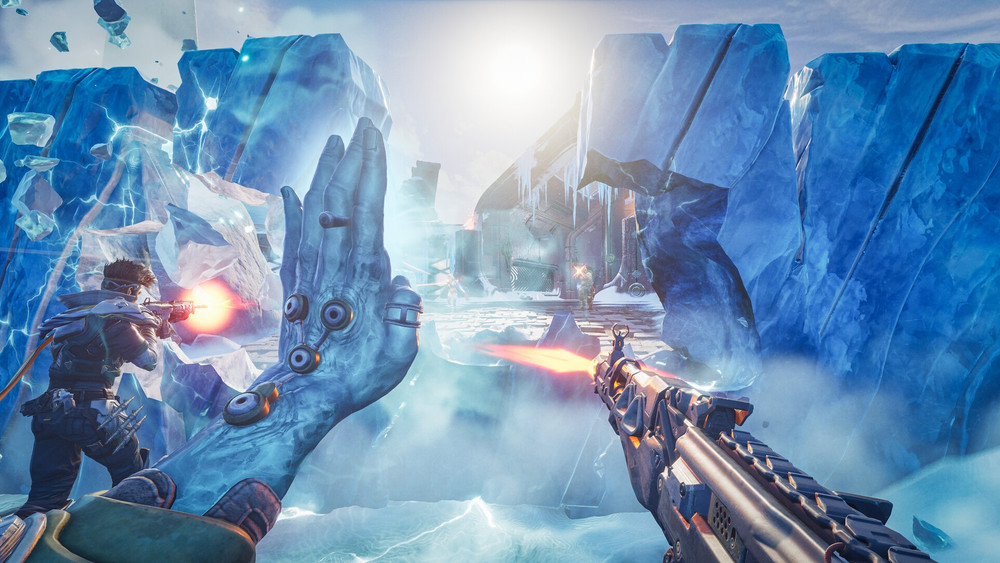
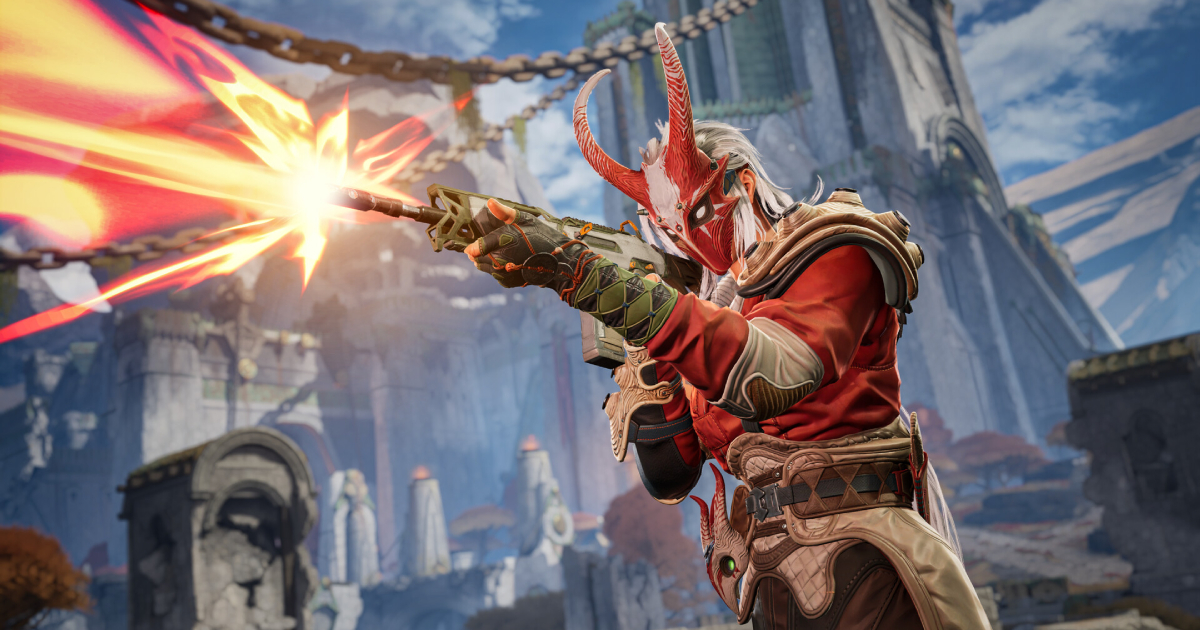
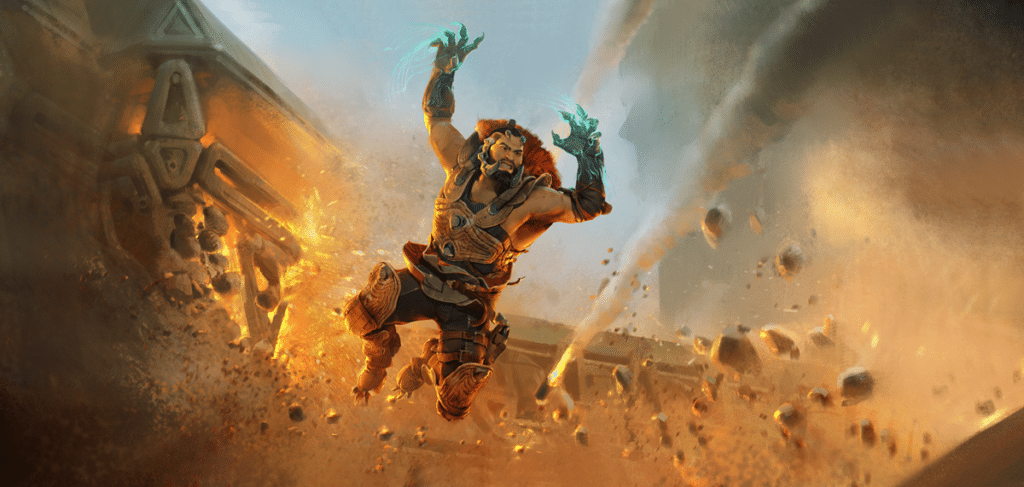
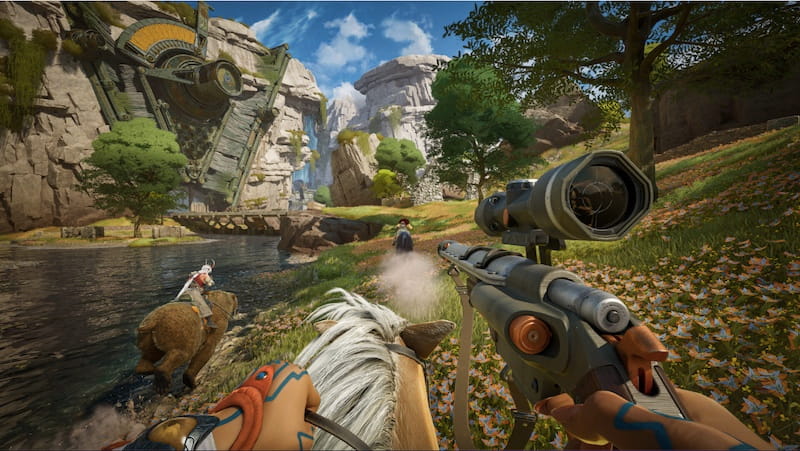
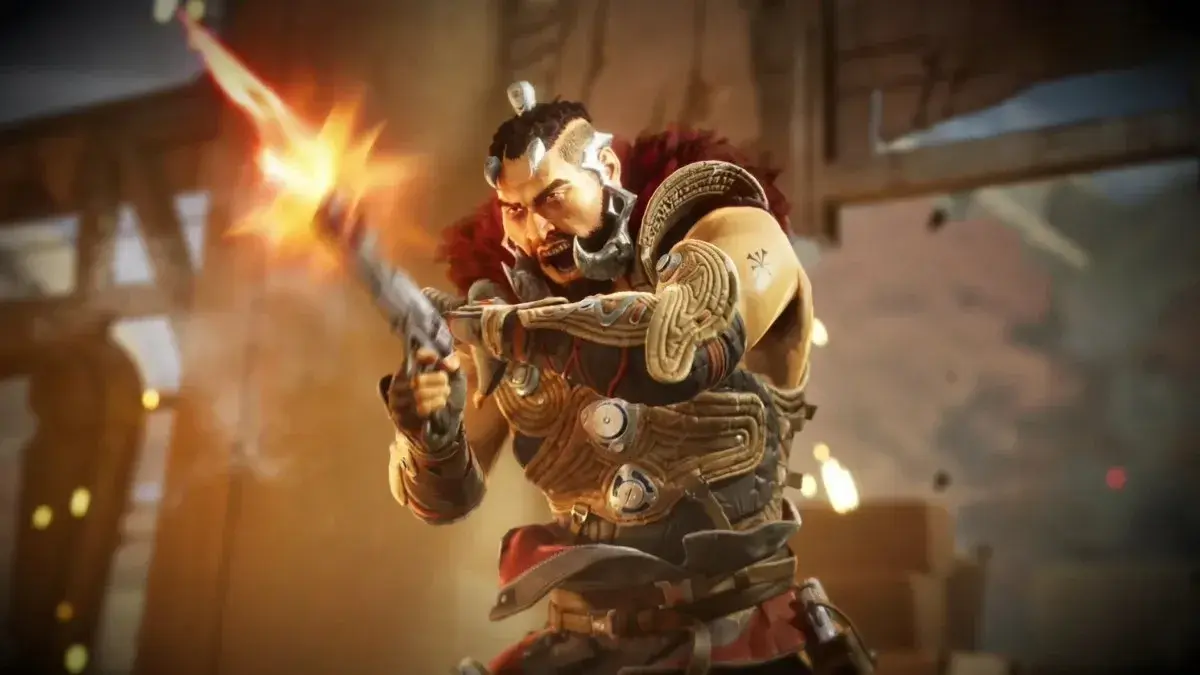
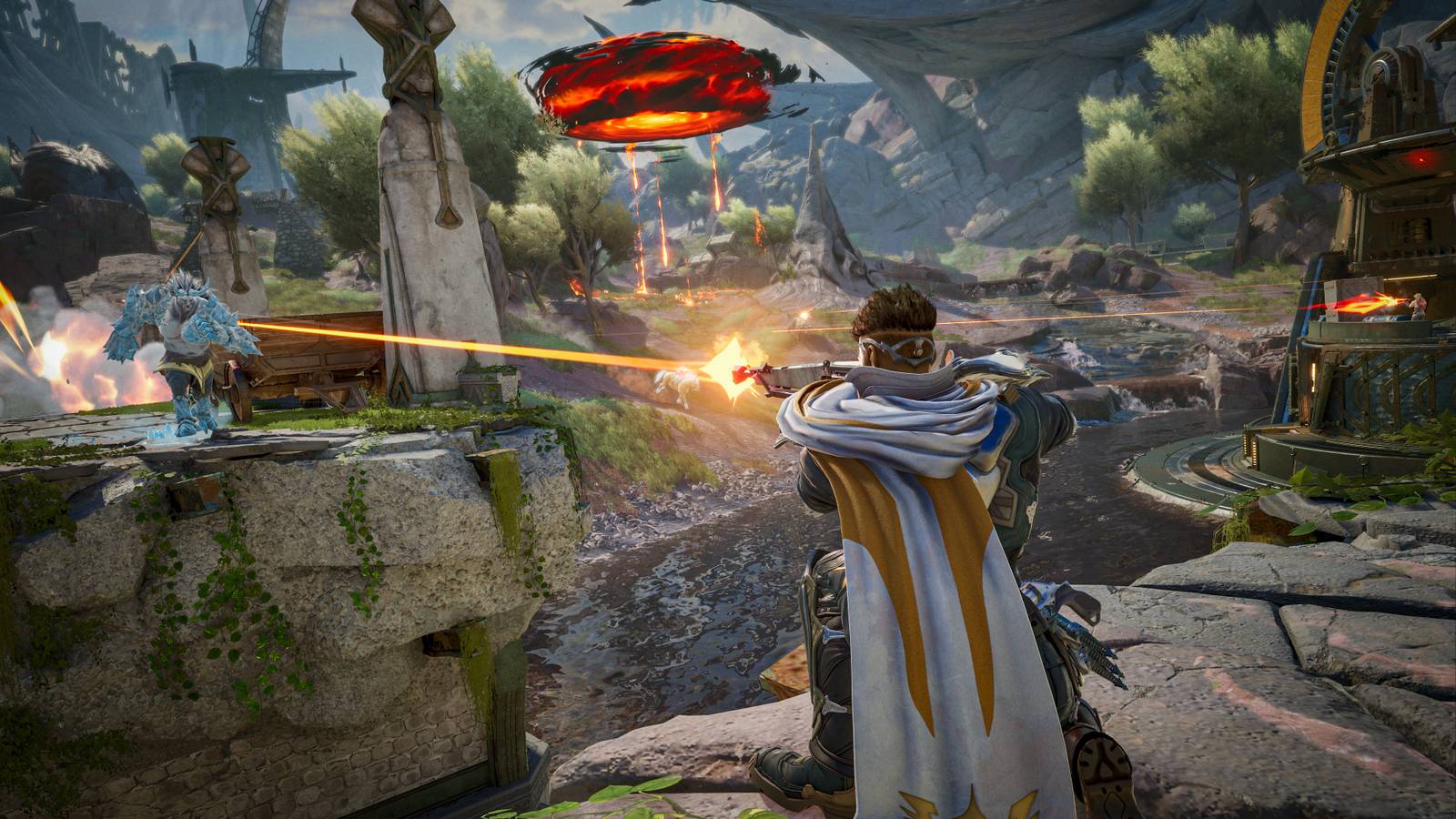
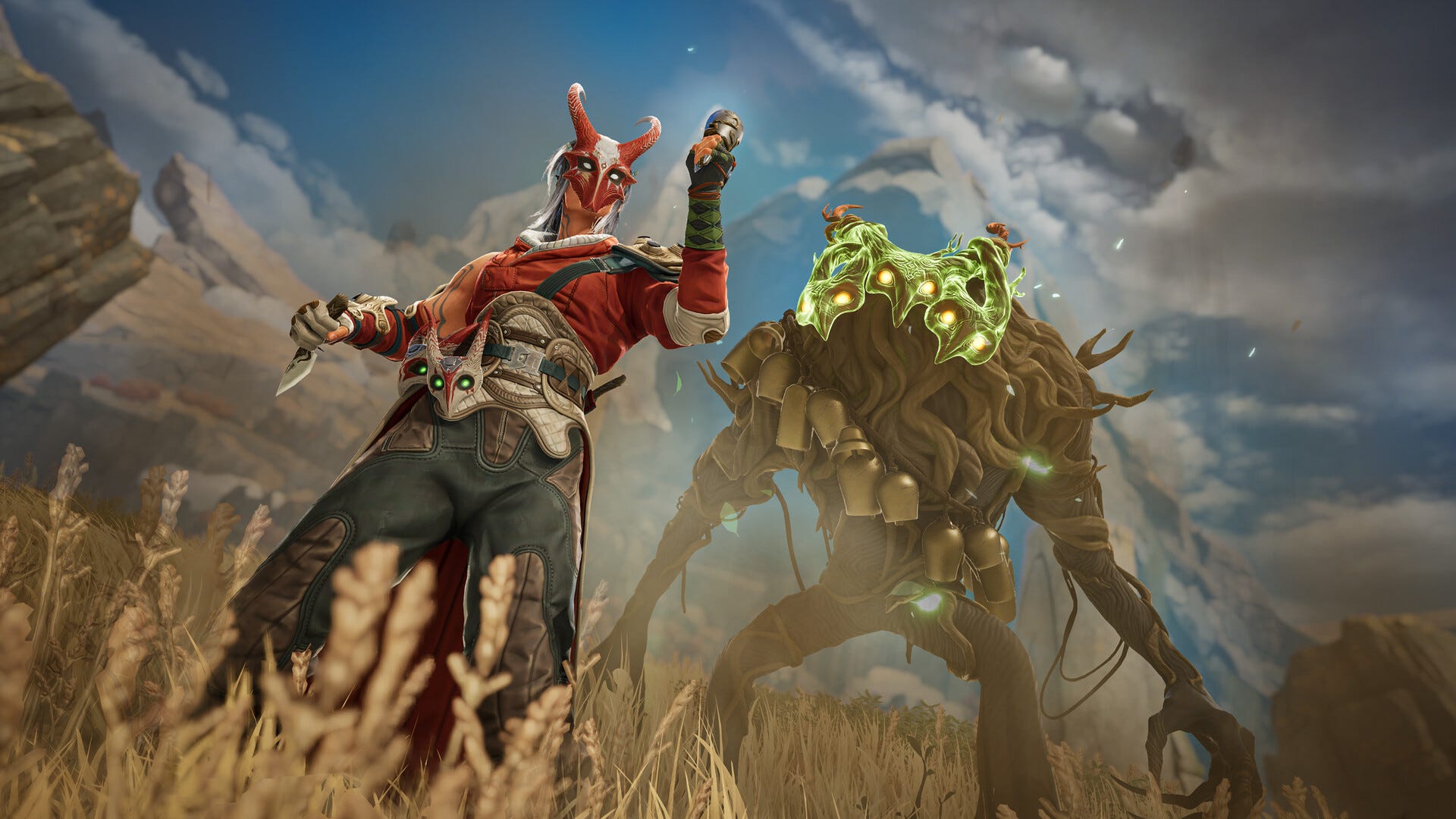
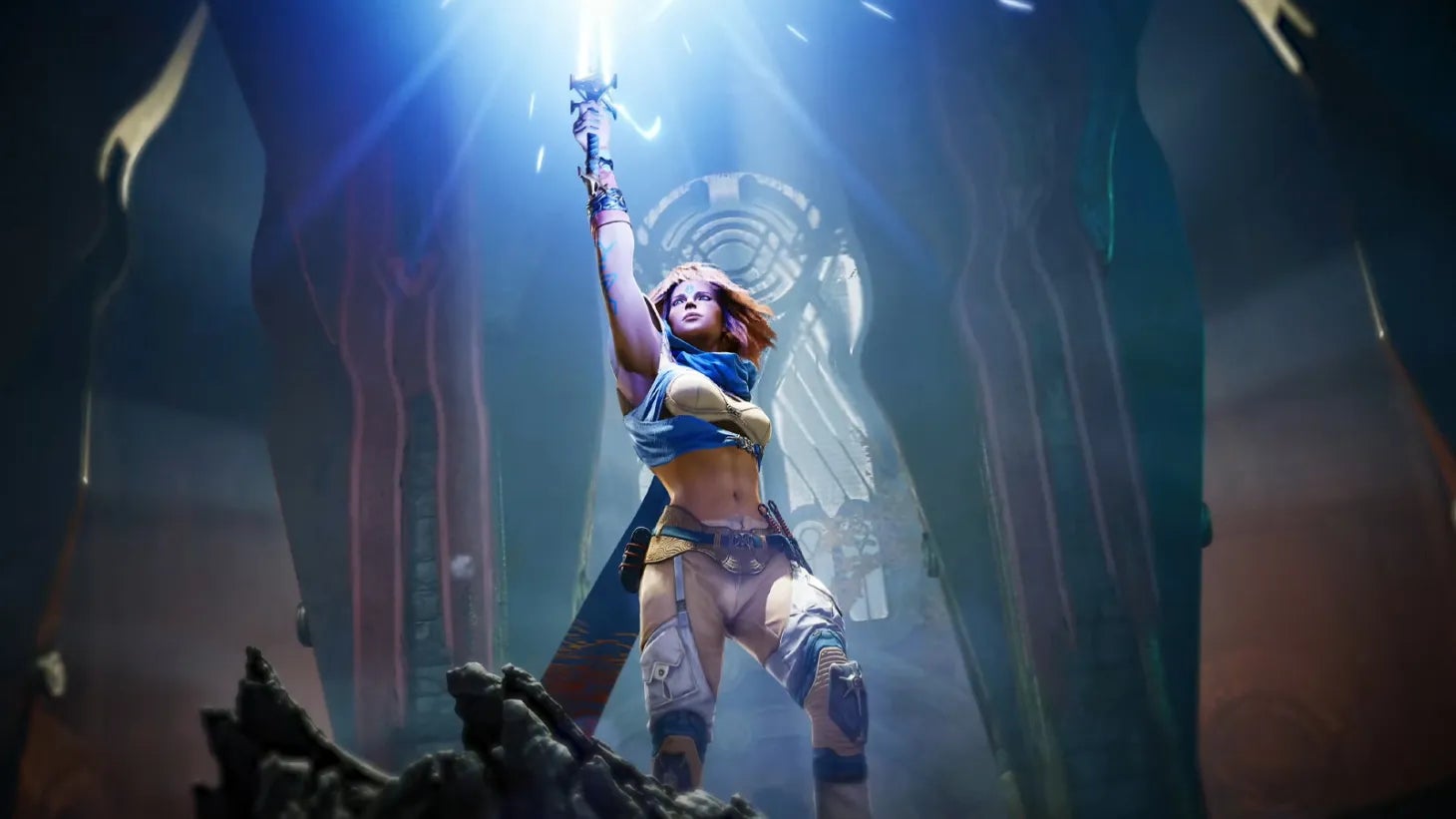
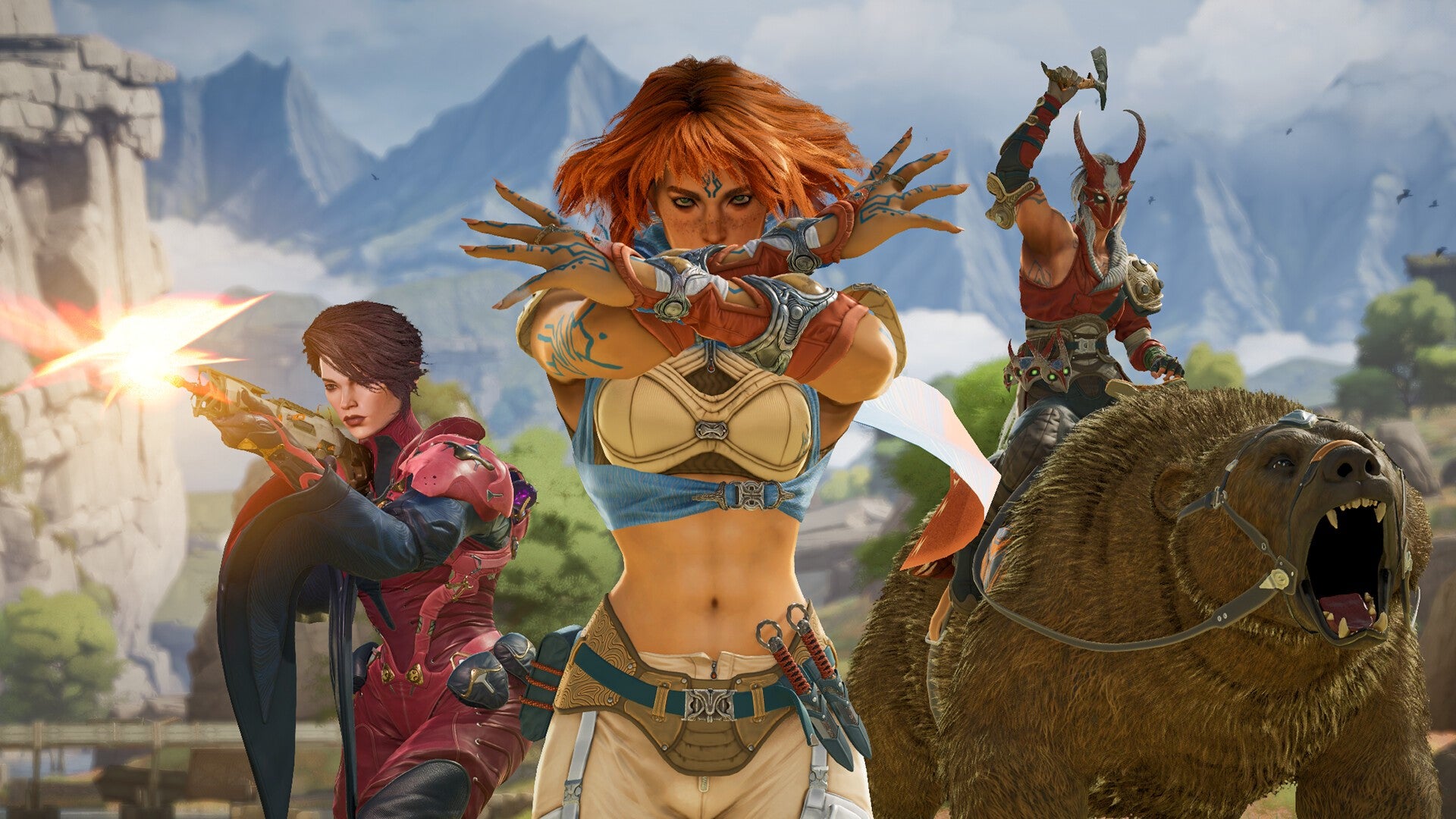
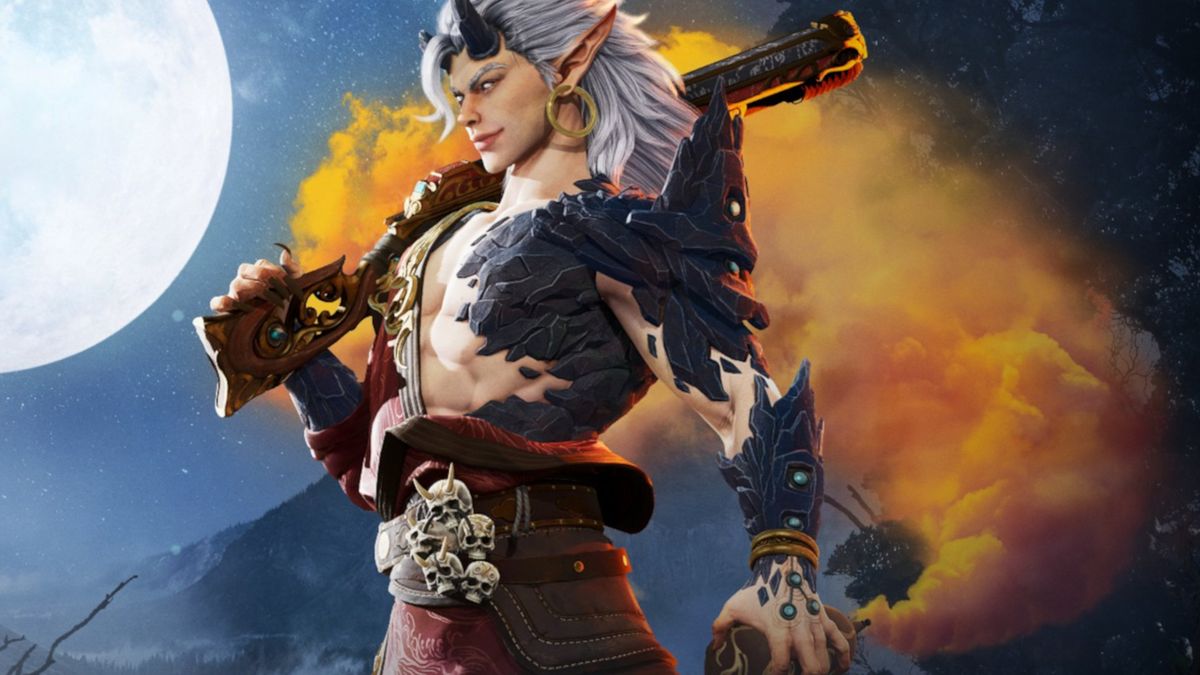
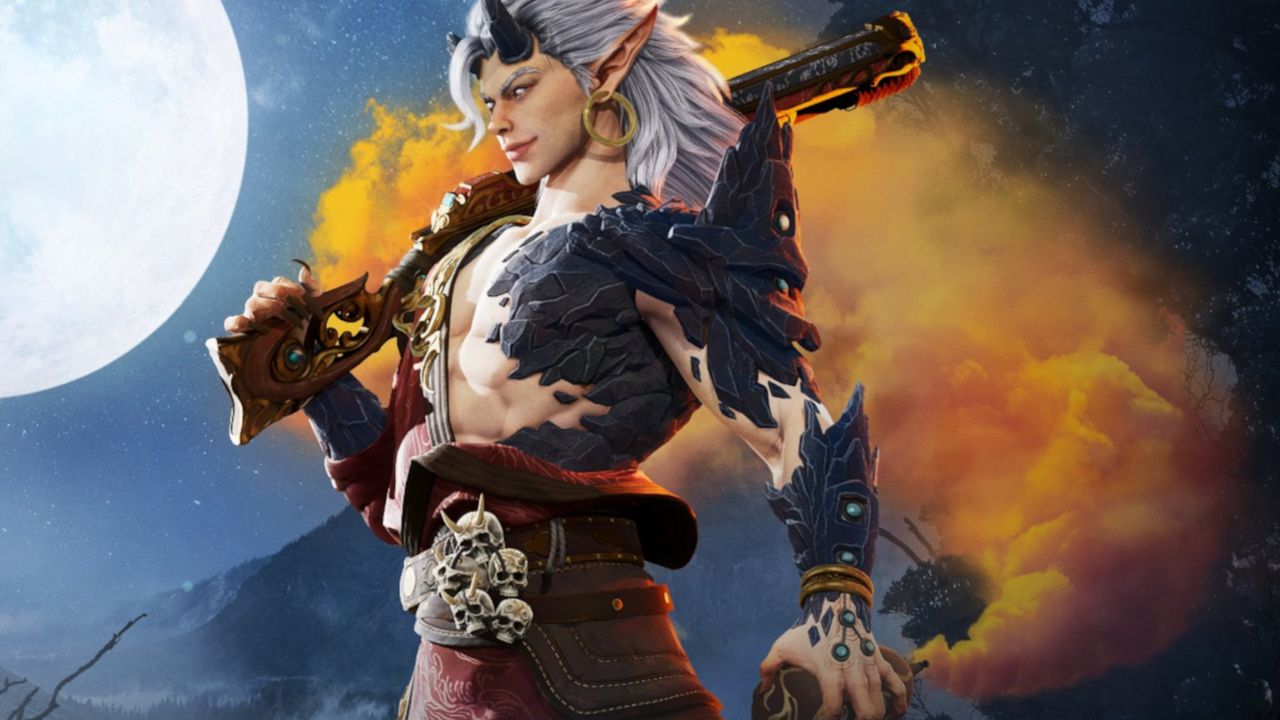
Tencent's undisclosed funding of Wildlight Entertainment's Highguard game reveals a critical shift in how major Chinese tech companies are building Western gaming IP portfolios—with direct implications for cross-border e-commerce sellers in gaming merchandise and collectibles. The revelation that Tencent's TiMi Studio Group secretly funded the Los Angeles-based developer (which employed ~100 former Respawn Entertainment developers) demonstrates a strategic pattern: Chinese capital is quietly acquiring Western game development talent to create IP that generates merchandise revenue streams. Highguard's announcement at The Game Awards 2025 (December) with premium placement—facilitated by Tencent SVP Steven Ma's advisory board position—shows how corporate backing translates into marketing visibility that drives consumer demand.
For e-commerce sellers, this funding model creates three immediate merchandise opportunities. First, the gaming collectibles category (HS code 9705.00 - collectible items) is experiencing accelerated growth as Tencent-backed studios produce AAA titles with built-in merchandising roadmaps. Highguard's "extensive seasonal content plans and high-quality animated cinematics" signal that sellers should prepare inventory for character skins, cosmetic merchandise, and limited-edition collectibles—categories that typically generate 40-60% higher margins than standard gaming products. Second, the consolidation trend (Wildlight's post-launch layoffs from 100 to skeleton crew) indicates that successful games will have longer merchandise lifecycles, as studios focus resources on content monetization rather than continuous development. Third, Tencent's pattern of hidden backing suggests that "indie" game labels on Amazon, Etsy, and specialty gaming marketplaces may actually represent corporate-funded projects with substantial marketing budgets—meaning sellers who identify these games early can capture first-mover advantage in merchandise categories before mainstream awareness.
The operational cost data from Mellow (5-15% overhead for indie studios, $5,000-$15,000 quarterly contractor costs) reveals why Tencent's funding model is attractive to Western developers and why merchandise becomes critical revenue. When development overhead consumes this much of studio budgets, game publishers increasingly rely on merchandise licensing to fund operations. Sellers should monitor: (1) Game Awards announcements and premium-placement games (indicating corporate backing and marketing support), (2) Studio layoff announcements (signaling shift to merchandise-focused monetization), and (3) Tencent's investment patterns through TiMi Studio Group partnerships. The Highguard case—despite negative player reception—demonstrates that corporate-backed games receive sustained merchandise investment regardless of gameplay success, creating predictable demand for sellers who source collectibles, apparel, and digital goods tied to these titles.
问题 7
What product categories benefit most from Tencent-backed game development trends?
Three categories show highest opportunity: (1) Gaming collectibles (HS code 9705.00) including figurines, statues, and limited-edition items—growing 25-35% annually as studios monetize IP; (2) Gaming apparel and accessories (HS codes 6204-6211 for clothing, 4202 for bags)—seasonal merchandise tied to game content updates; (3) Digital goods and in-game cosmetics resale—though this requires platform-specific compliance. Mellow's data showing 5-15% overhead costs for indie studios explains why merchandise licensing becomes critical revenue: when development consumes $5,000-$15,000 quarterly per contractor, studios shift focus to merchandise monetization. Sellers should prioritize collectibles first (highest margins, lowest compliance complexity), then expand to apparel as game communities mature.
How does Tencent's hidden funding of game developers create merchandise opportunities for sellers?
Tencent's investment in Western game studios like Wildlight Entertainment signals that corporate-backed games receive sustained merchandise support regardless of gameplay reception. The Highguard case demonstrates this: despite negative player reviews, Wildlight invested in 'extensive seasonal content plans and high-quality animated cinematics,' indicating long-term merchandise roadmaps. Sellers should identify corporate-backed 'indie' games through premium Game Awards placement and studio funding announcements, then source collectibles, character apparel, and limited-edition items 30-60 days before seasonal content launches. This approach captures first-mover advantage in gaming collectibles categories, which typically generate 40-60% higher margins than standard gaming products on Amazon, Etsy, and specialty platforms.