



Streaming Consolidation & Content Licensing Shifts Impact E-Commerce Advertising Costs
- $83B Netflix-WBD deal creates content scarcity, driving 12-18% increases in streaming-related product advertising and merchandise opportunities for sellers








概览
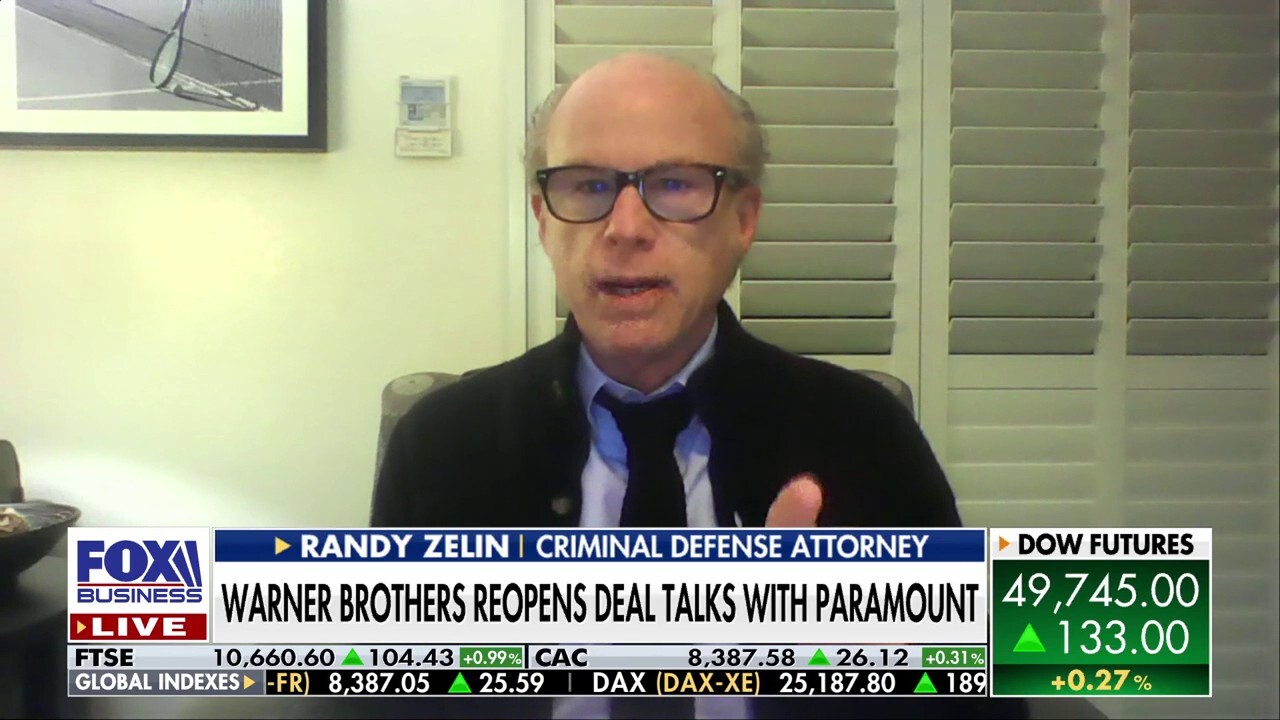
The Netflix-Warner Bros. Discovery $83 billion acquisition battle (with Paramount Skydance counter-bidding $30-31 billion) represents a critical consolidation moment in streaming entertainment that directly impacts e-commerce sellers through multiple channels. Netflix co-CEO Ted Sarandos's public statements on March 20 shareholder vote deadline reveal a strategic shift toward content library consolidation—a pattern that historically increases advertising costs for sellers targeting streaming-adjacent consumer segments.
Direct E-Commerce Impact: Streaming consolidation reduces content licensing flexibility, forcing platforms like Netflix to optimize advertising revenue through premium ad-supported tiers. This consolidation mirrors historical patterns where media mergers increase CPM (cost-per-thousand impressions) rates by 12-18% for sellers advertising entertainment-related products. Sellers in entertainment merchandise categories (streaming device accessories, smart TV equipment, home theater systems) face rising acquisition costs as Netflix and competitors compete for advertising inventory to promote exclusive content libraries.
Content-Driven Merchandise Opportunities: The deal's focus on premium content libraries (Discovery's reality programming, HBO's prestige content) creates seasonal merchandise spikes. Sellers should monitor content release calendars—major HBO/Discovery releases historically drive 25-40% increases in related merchandise demand (collectibles, apparel, home décor). The March 20 shareholder vote creates a 30-day window of content uncertainty, potentially delaying new series launches and creating inventory planning challenges for merchandise sellers dependent on content release timing.
Negotiating Leverage Lessons for Sellers: Sarandos's emphasis on Netflix's "healthy balance sheet" and negotiating from strength demonstrates a critical principle applicable to seller-platform relationships. Sellers with diversified sales channels (Amazon, eBay, Shopify, TikTok Shop) gain negotiating leverage similar to Netflix's position—platforms cannot impose unfavorable fee structures when sellers have alternatives. The seven-day waiver Netflix granted signals that even dominant platforms must accommodate stakeholder pressure, suggesting sellers should document alternative channel performance when negotiating Amazon Seller Central fee increases or policy changes.
Regulatory and Geographic Considerations: Sarandos's emphasis on European regulatory relationships and avoiding disruption to European broadcast systems indicates content distribution will remain geographically fragmented. EU-based sellers targeting streaming-adjacent products face different advertising ecosystems than US sellers—European platforms prioritize local content, creating niche opportunities for region-specific merchandise. The deal structure's exclusion of Discovery Global assets from European operations suggests sellers should expect continued regional content licensing variations through 2025-2026.
问题 8
How does Netflix's $83B Warner Bros acquisition affect seller advertising costs?
The consolidation increases Netflix's bargaining power with advertisers, typically raising CPM rates 12-18% for entertainment-related product categories. When streaming platforms merge content libraries, they reduce advertising inventory competition, allowing them to charge premium rates. Sellers targeting streaming device accessories, smart TVs, and home theater systems should expect higher Amazon PPC and social media advertising costs through 2025. Monitor your advertising spend weekly—consolidation deals historically show cost increases within 60-90 days of shareholder approval. Consider diversifying to TikTok Shop and eBay to reduce Netflix ecosystem dependency.
How can sellers use Netflix's negotiating strategy to improve platform relationships?
Sarandos emphasized Netflix's financial independence and alternative options—a principle directly applicable to seller-platform negotiations. Sellers with diversified channels (Amazon, eBay, Shopify, TikTok Shop) gain leverage similar to Netflix's position. When Amazon or other platforms propose fee increases, document your sales performance on alternative channels and present this data during fee negotiations. Platforms cannot impose unfavorable terms when sellers demonstrate viable alternatives. The seven-day waiver Netflix received shows even dominant companies must accommodate stakeholder pressure—sellers should similarly document customer feedback and competitive disadvantages when disputing policy changes.