



UK Parliament Renovation Crisis | £39B Project Signals Government Procurement Opportunities for Sellers
- Multibillion-pound infrastructure project creates B2B supply chain opportunities; decision deadline mid-2030 impacts UK logistics and construction product demand










概览
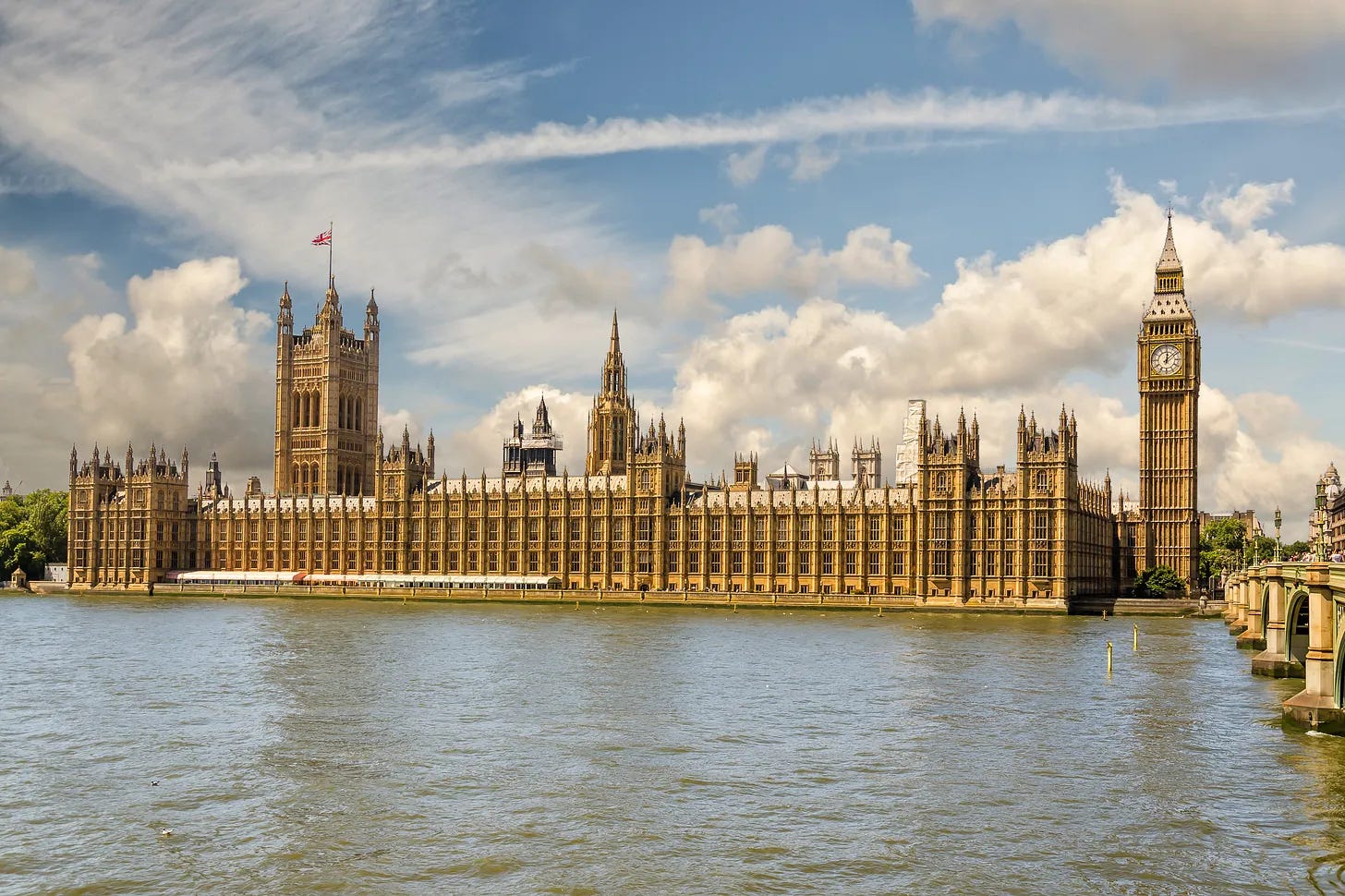
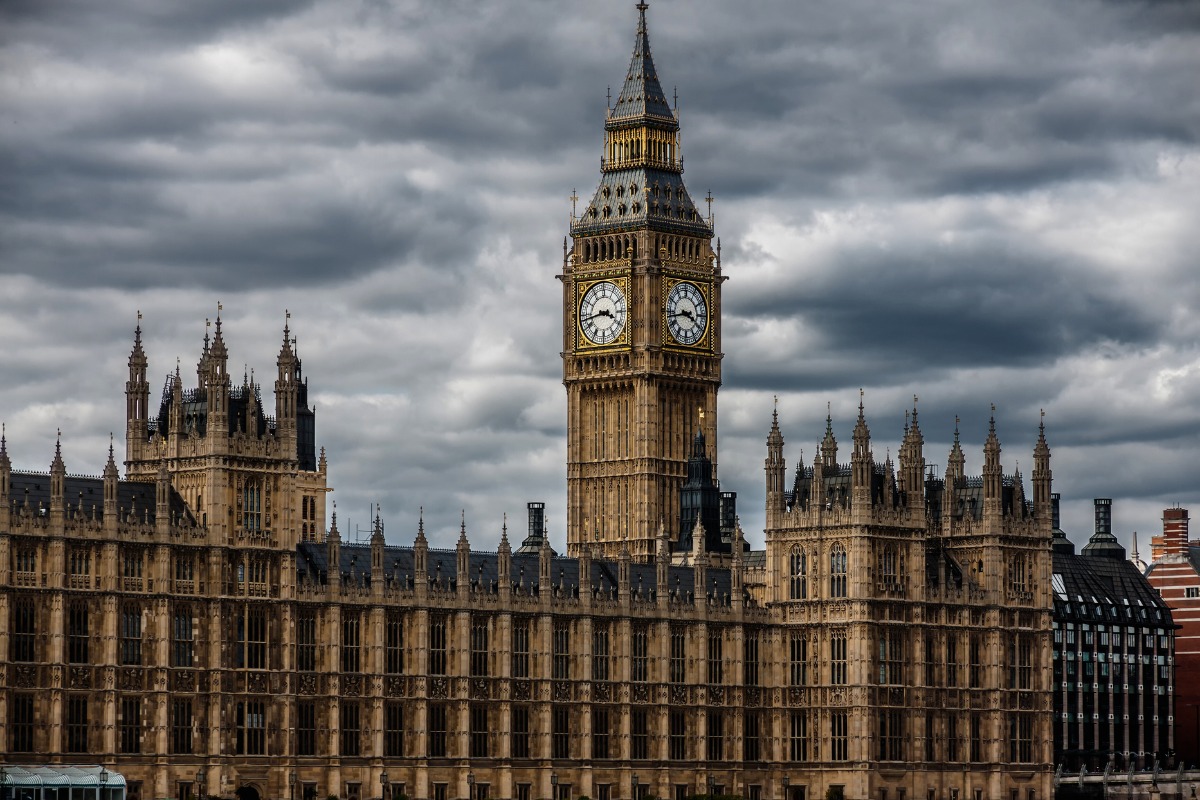
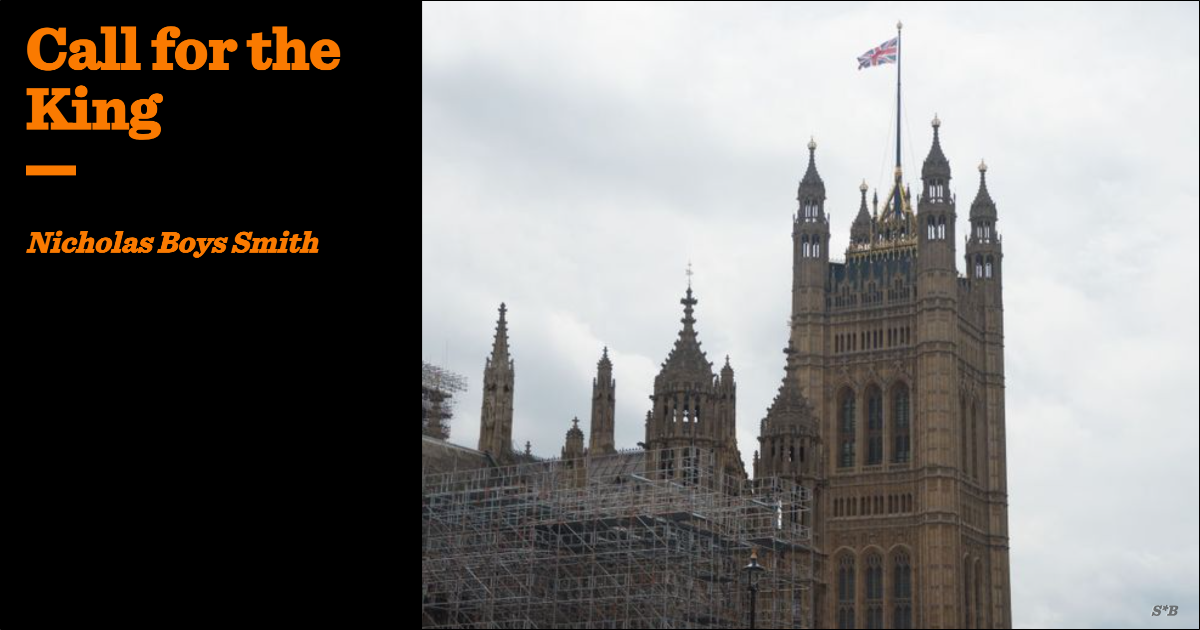
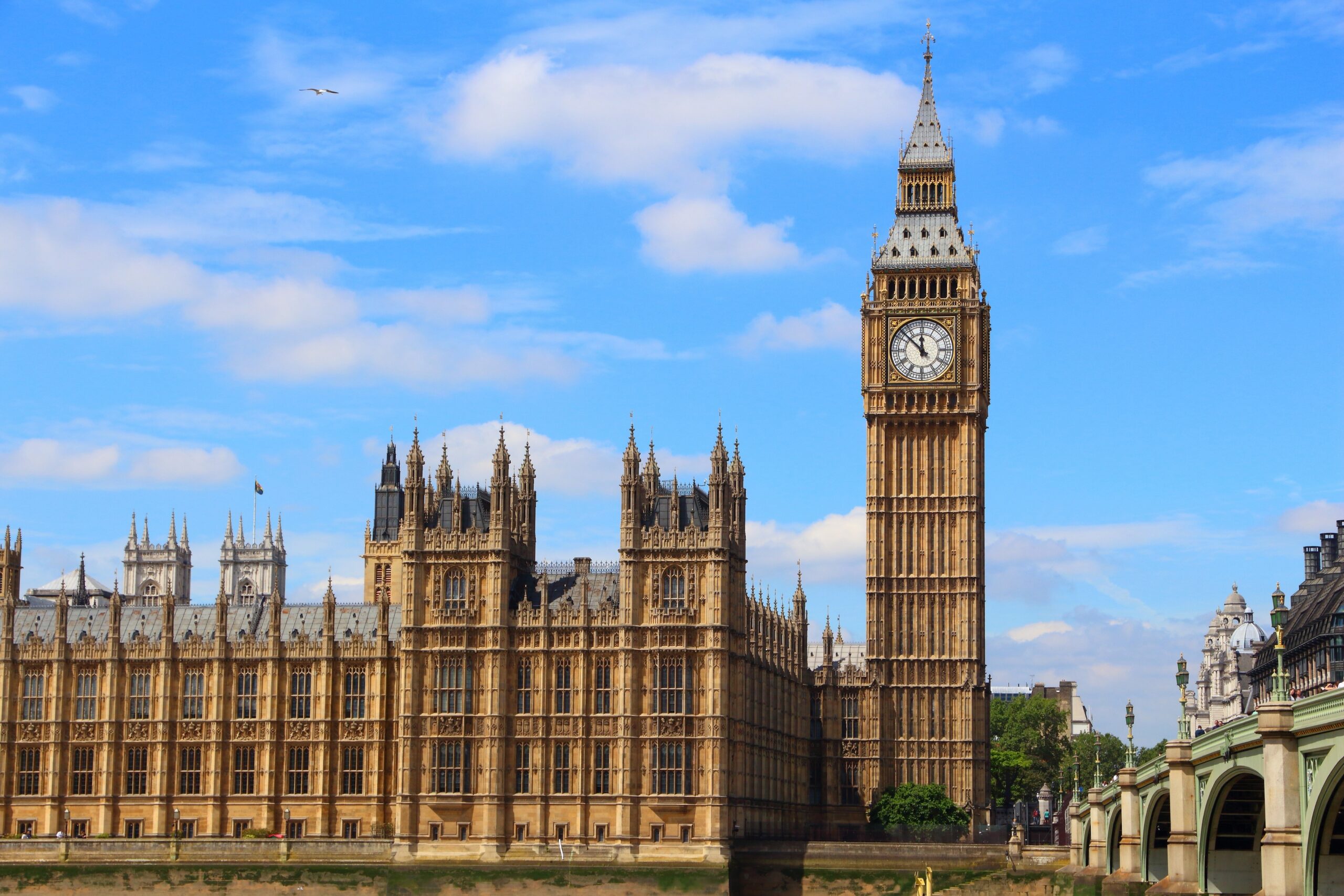
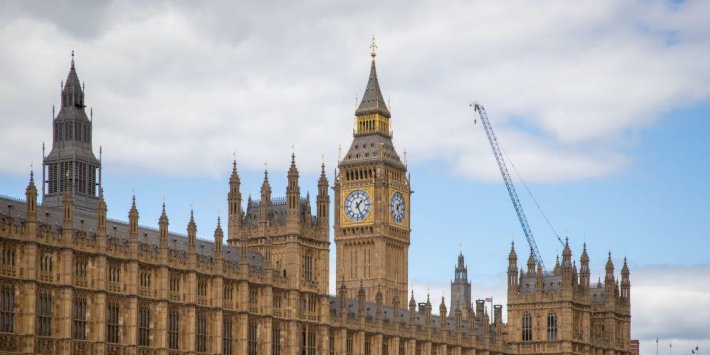
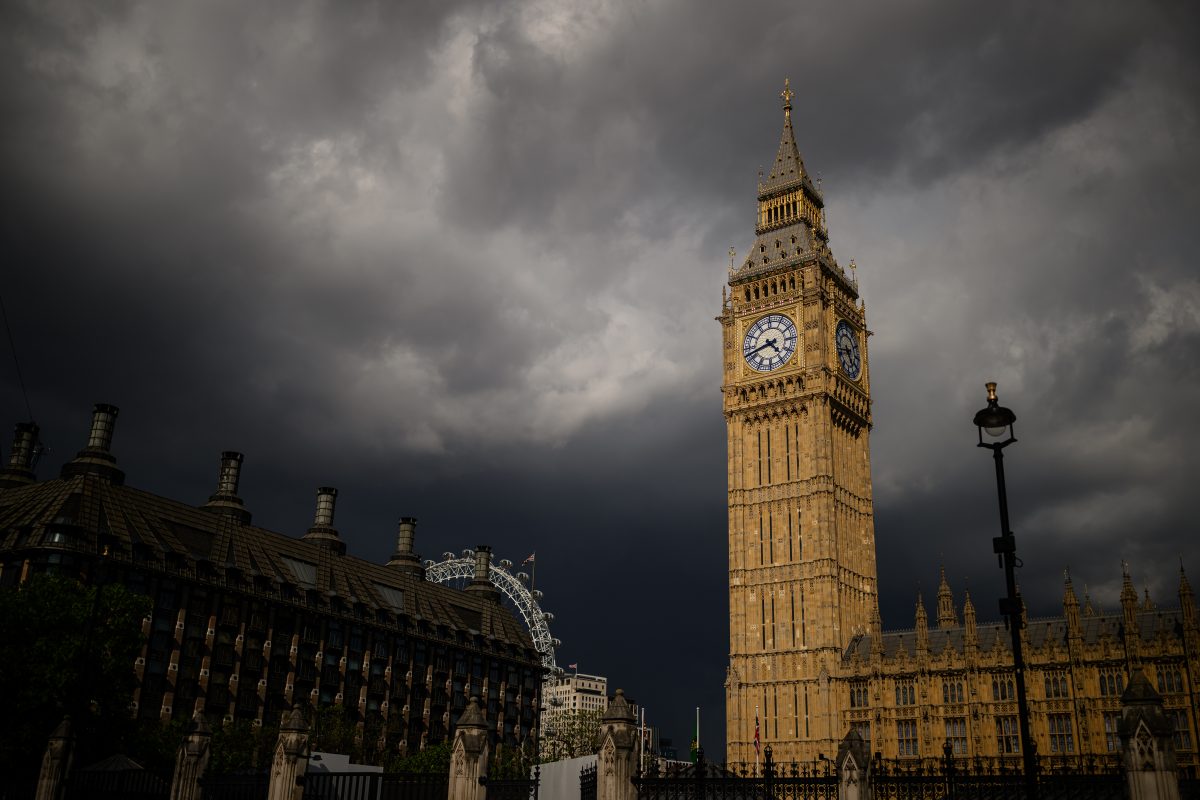
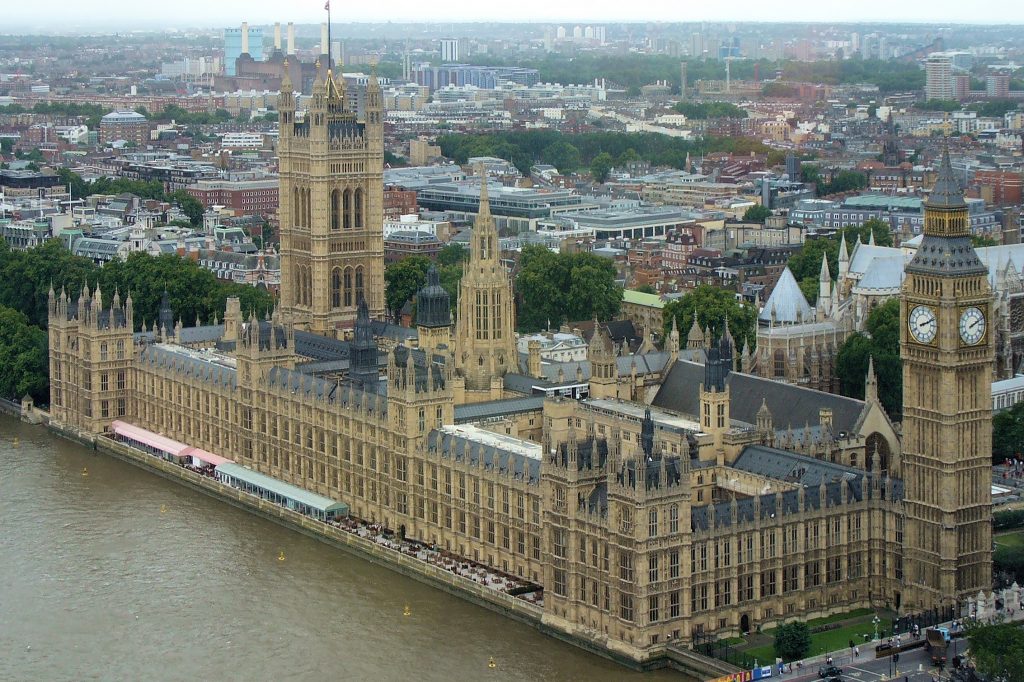
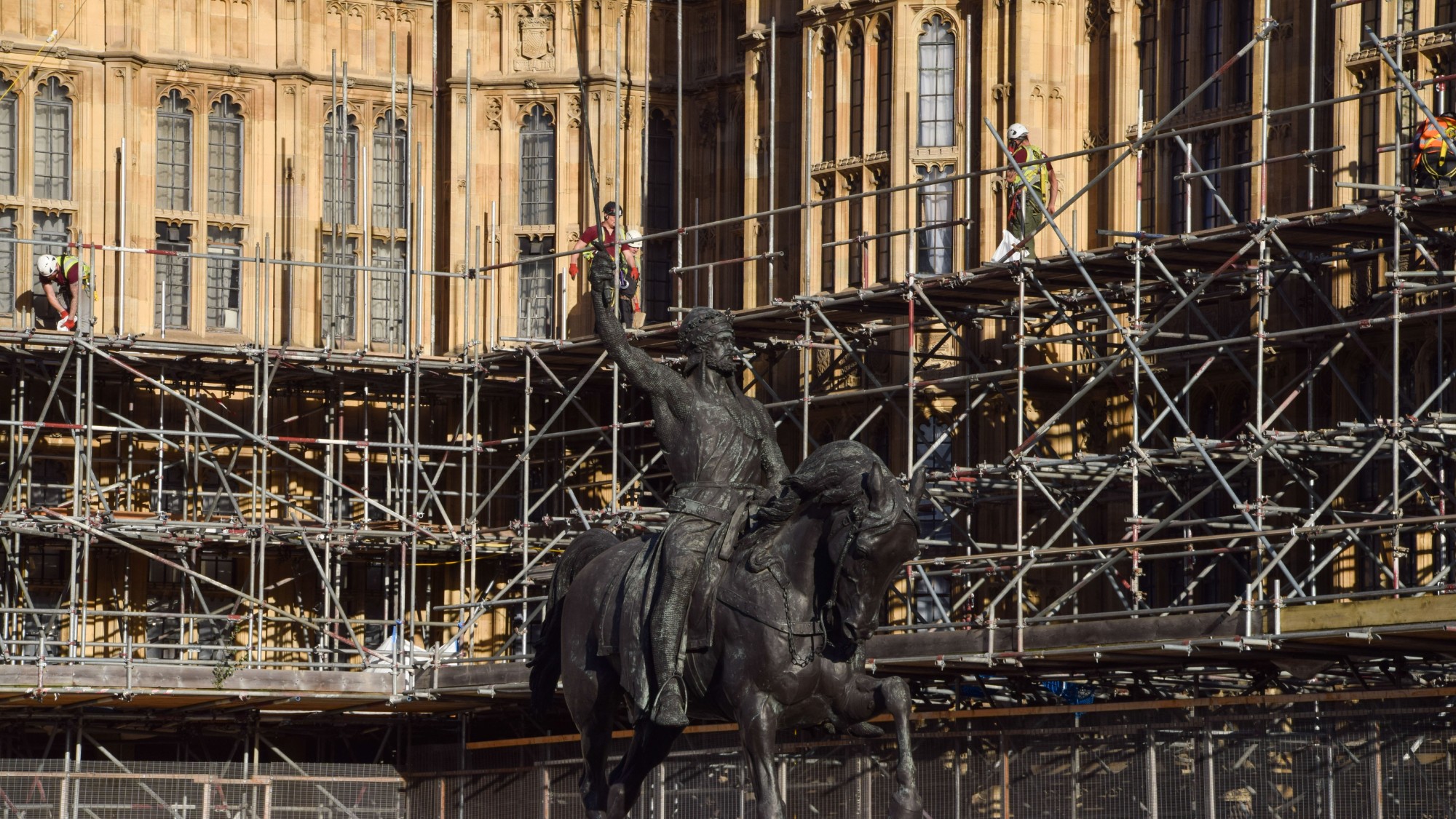
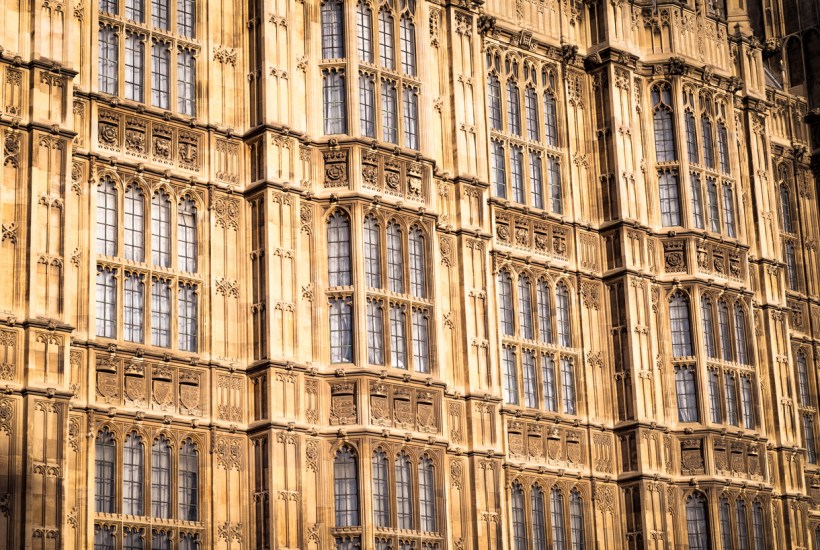
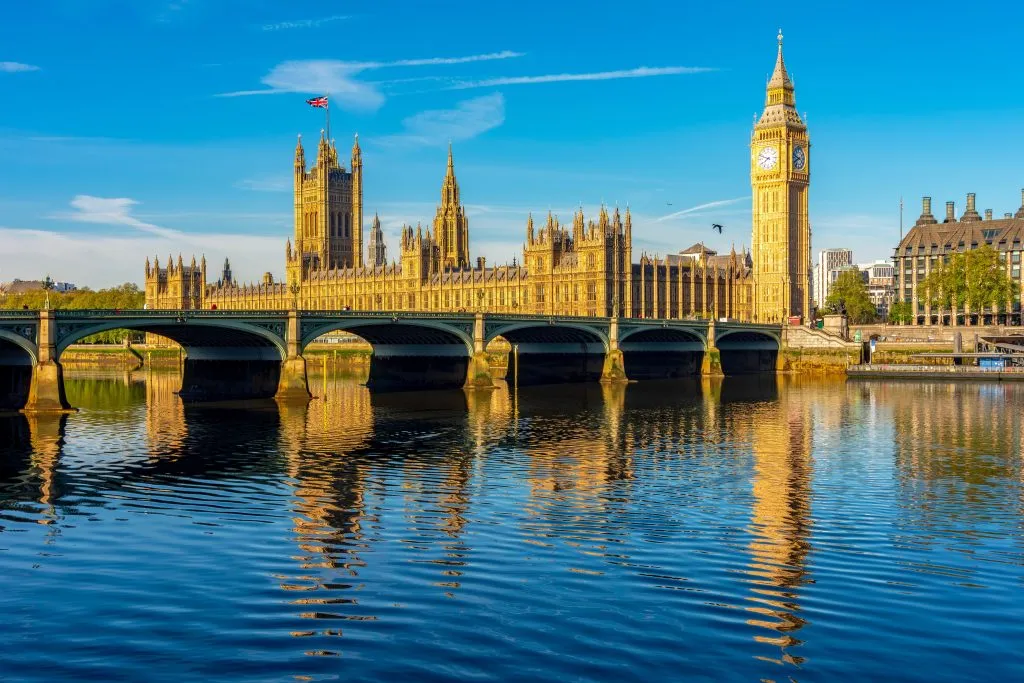
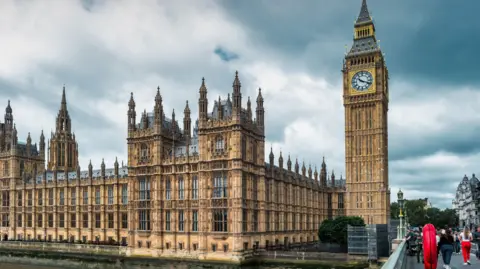
The UK Parliament's Palace of Westminster faces a critical renovation decision that extends far beyond architectural concerns—it represents a £39 billion government procurement opportunity with cascading effects on cross-border e-commerce supply chains. Conservative leader Kemi Badenoch's challenge to the project's scope (citing costs reaching £39 billion with a 61-year timeline versus an alternative £15.6 billion, 24-year option) signals intense scrutiny of government spending that will reshape procurement practices across UK infrastructure projects. The Palace requires £1.5 million weekly maintenance and faces critical infrastructure challenges including Victorian-era sewage systems, asbestos management, fire safety risks, and deteriorating stonework—issues documented since 2014 but only recently escalated due to falling masonry, fires, and system failures.
For e-commerce sellers, this debate reveals three critical market dynamics: First, the project's "mission creep" from essential safety work into Net-Zero energy efficiency upgrades indicates UK government prioritization of sustainability compliance, creating demand for eco-certified building materials, safety equipment, and compliance documentation services. Sellers specializing in construction safety products, asbestos remediation supplies, and fire safety equipment can expect increased B2B procurement activity as Parliament's decision triggers similar audits across UK government buildings. Second, the February 2026 costed proposals document (128 pages detailing 36 fires, 12 asbestos incidents, and 19 stonemasonry problems since 2016) demonstrates government demand for detailed asset management and compliance tracking—opportunities for sellers offering inspection software, documentation services, and specialized repair materials. Third, the mid-2030 decision deadline with initial works capped at £3 billion over seven years creates a predictable procurement window for construction, engineering, and facilities management suppliers.
The political debate itself—with Conservatives demanding "stronger external oversight and transparent reporting"—signals that future government contracts will require enhanced compliance documentation, third-party verification, and audit trails. This mirrors broader UK regulatory trends toward transparency and value-for-money scrutiny that affect all government procurement. Sellers positioned in construction materials, safety compliance, energy efficiency upgrades, and project management services should monitor Parliament's final decision (expected mid-2030) as a bellwether for government procurement standards that will cascade to NHS, local authority, and education sector projects. The project's scale (£15.6-39 billion range) and timeline (24-61 years) indicate sustained demand for specialized suppliers rather than one-time procurement spikes.
问题 8
How does the £1.5 million weekly maintenance cost create ongoing seller opportunities?
The Palace's £1.5 million weekly maintenance requirement (approximately £78 million annually) indicates sustained, recurring demand for facility management products and services. This creates opportunities for sellers of: (1) preventive maintenance equipment and supplies, (2) facility management software and monitoring systems, (3) specialized cleaning and preservation products for historic buildings, (4) inspection and diagnostic equipment, (5) emergency response supplies for documented issues (fire safety, asbestos management). Sellers should position products as cost-reduction solutions that lower the weekly maintenance burden. The documented pattern of failures (fires, asbestos incidents, stonemasonry problems) demonstrates that preventive products can reduce emergency costs and downtime, creating strong value propositions for government procurement managers focused on cost control.
What is the timeline for sellers to prepare for Parliament renovation procurement opportunities?
The final decision is required by mid-2030, with initial works capped at £3 billion over seven years. Sellers should: (1) Monitor Parliament procurement announcements (expected 2030-2031), (2) Register with UK government supplier databases (Contracts Finder, Crown Commercial Service), (3) Develop compliance documentation for construction safety and Net-Zero standards, and (4) Build relationships with construction contractors and facilities management firms likely to win Parliament contracts. The 7-year initial works window (2030-2037) provides sustained procurement opportunities. Early preparation of certifications, compliance documentation, and supplier credentials will position sellers competitively when Parliament contracts are released.