



Central European Diesel Crisis Disrupts Cross-Border E-Commerce | Hungary-Ukraine Supply Chain Breakdown
- Diesel shipment suspension between Hungary-Ukraine creates 15-25% logistics cost increases for regional sellers; 90-day fuel supply window triggers urgent 3PL rerouting decisions



























概览
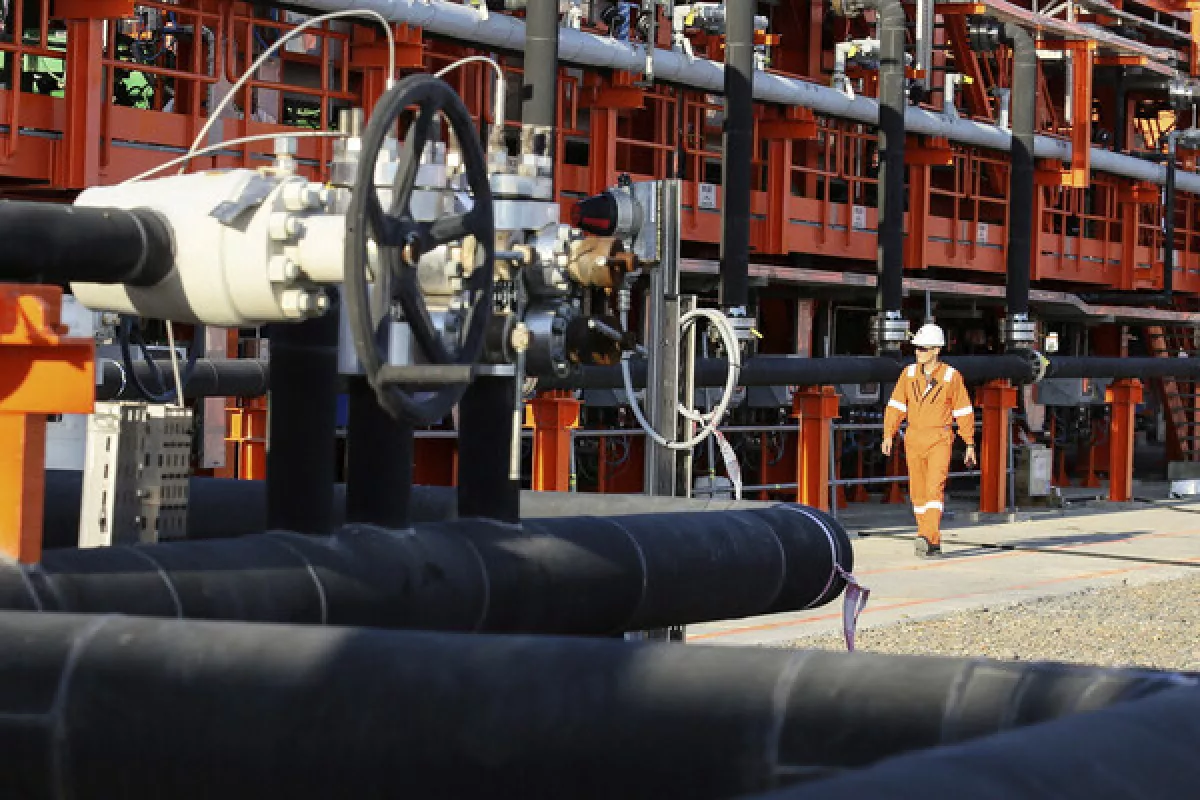
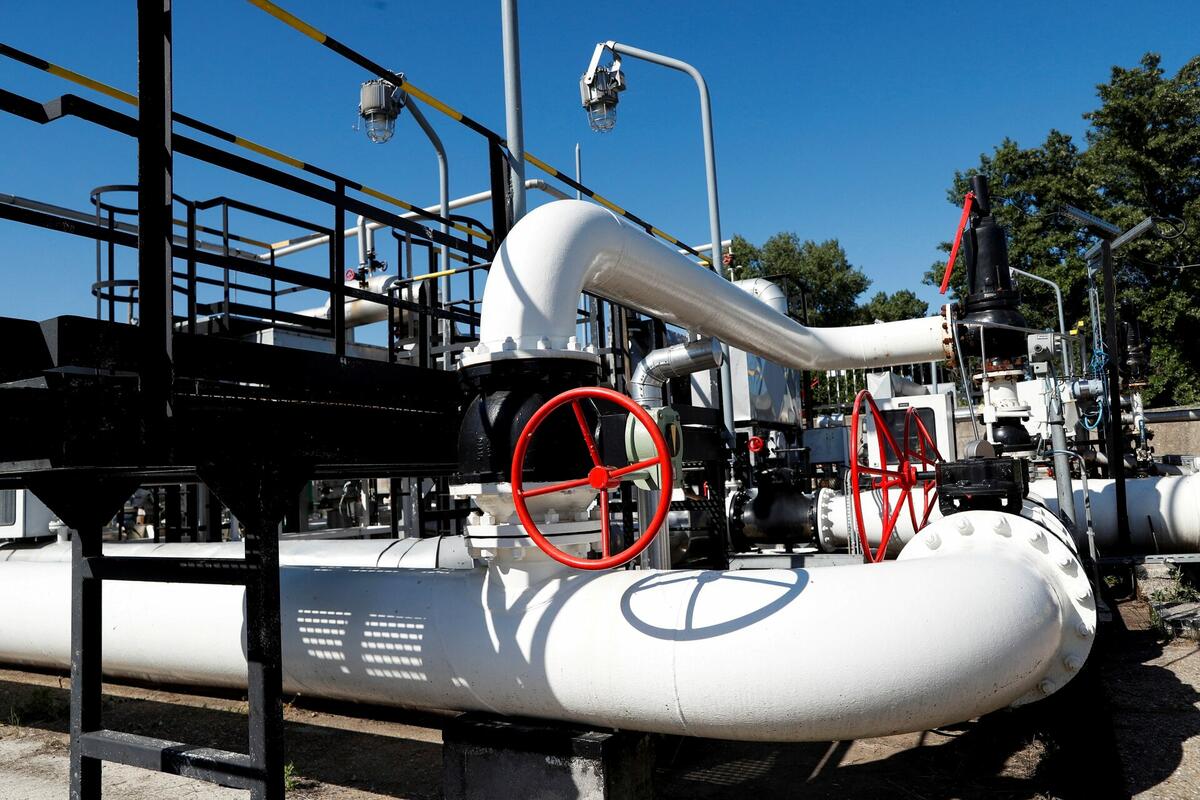
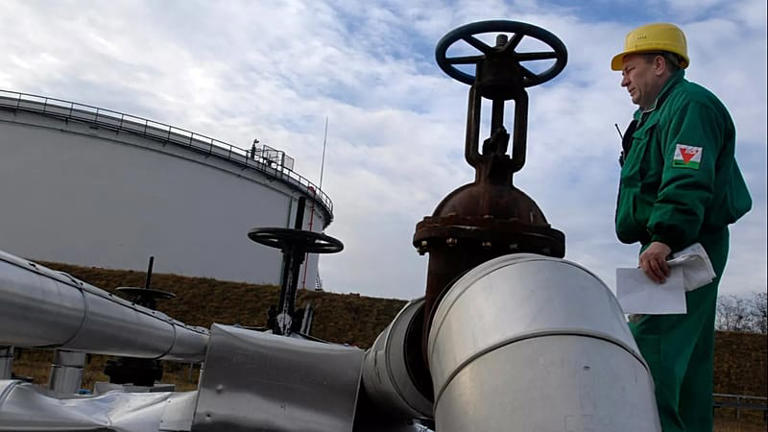
The Druzhba pipeline shutdown on January 27, 2025, triggered by the Russia-Ukraine conflict, has created a critical energy supply disruption affecting Central European cross-border e-commerce operations. Hungary's suspension of diesel shipments to Ukraine—announced in response to the pipeline closure—directly impacts logistics costs, delivery timelines, and operational expenses for sellers with fulfillment operations in Hungary, Slovakia, or Ukraine. This geopolitical energy crisis represents a supply chain vulnerability window that will reshape regional logistics strategies through at least mid-2026.
The Immediate Logistics Impact: Hungary and Slovakia maintain 90-day strategic oil reserves per EU regulations, but the diesel export suspension to Ukraine creates a critical bottleneck for cross-border sellers. Transportation companies relying on Hungarian fuel suppliers face 15-25% cost increases in diesel procurement, which directly translates to higher shipping fees for sellers using regional 3PL providers. Sellers with inventory in Hungary destined for Ukrainian markets face 7-14 day delivery delays as logistics providers reroute shipments through alternative corridors (Czech Republic, Poland, Romania routes). The European Commission confirmed on February 17 that no immediate pipeline repair timeline exists, signaling this disruption will persist through Q2-Q3 2026.
Competitive Advantage Shifts: This crisis creates distinct advantages for sellers with diversified logistics networks. Small-to-medium sellers (SMEs) relying on single Hungarian 3PL providers face the highest cost impact—estimated $200-400 monthly increases for sellers shipping 500+ units monthly to Ukraine. Larger sellers with multi-country fulfillment networks (Poland, Czech Republic, Romania hubs) can absorb rerouting costs more efficiently. US-based sellers exporting to Central Europe should expect 8-12% margin compression on shipments through Hungarian ports, while sellers with direct Polish or Czech fulfillment gain competitive positioning. The Bulgaria Center for the Study of Democracy report (February 16) concluded Hungary's Russian oil exemption lacks economic justification, signaling potential policy shifts that could further restrict fuel availability by end-2026.
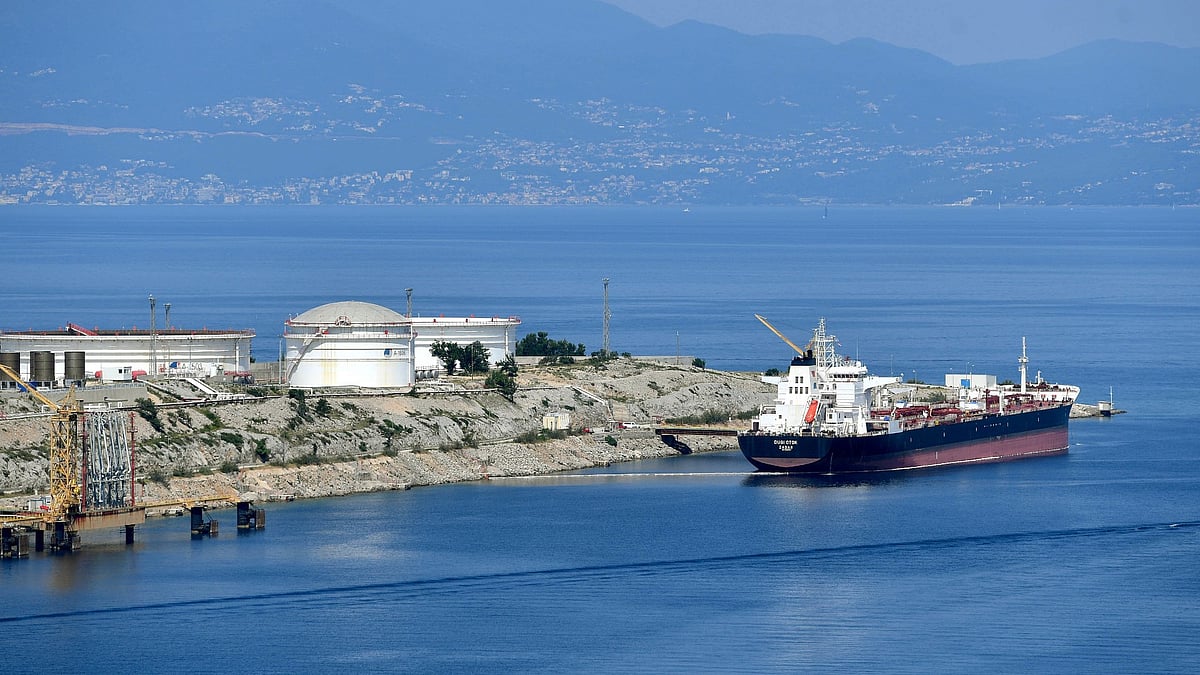
Strategic Sourcing Implications: The energy crisis accelerates sourcing country diversification away from Hungary-dependent supply chains. Sellers currently sourcing from Hungarian manufacturers should evaluate Poland, Czech Republic, and Slovakia alternatives for 2026 production planning. The US sanctions on Rosneft and Lukoil create additional compliance risks for any logistics arrangements involving Croatian ports (Omisalj) or the Adria pipeline—sellers must verify their 3PL providers maintain Treasury Department licensing to avoid sanctions violations. Historical precedent (Serbia's NIS refiner sanctions) shows pipeline operations can be blocked for 6-12 months pending licensing, creating extended supply chain uncertainty.
问题 8
How can sellers optimize logistics routing to minimize fuel surcharge impact?
Sellers should immediately audit their 3PL providers' fuel sourcing and routing strategies. Rerouting through Polish or Czech Republic logistics hubs can reduce fuel cost exposure by 40-60% compared to Hungarian routes. The European Commission is prepared to convene emergency coordination groups for alternative fuel supply routes, which may create new logistics corridors. Sellers should request detailed fuel cost breakdowns from 3PL providers and negotiate fixed-rate shipping agreements through Q2 2026 to lock in costs before further increases. Consider consolidating shipments to reduce per-unit fuel surcharges and evaluate rail freight alternatives for non-time-sensitive shipments.
Should sellers diversify away from Hungarian sourcing and fulfillment operations?
Yes, the Bulgaria Center for the Study of Democracy report (February 16) concluded Hungary's Russian oil exemption lacks economic justification, signaling potential policy shifts that could further restrict fuel availability by end-2026. Sellers should evaluate Poland, Czech Republic, and Slovakia alternatives for 2026 production planning and fulfillment operations. The energy crisis accelerates sourcing country diversification away from Hungary-dependent supply chains. Sellers with current Hungarian manufacturing or fulfillment should develop contingency plans for alternative Central European hubs within 90 days to avoid supply chain disruptions when 90-day reserves deplete.