

Russia Oil Crisis Escalates | Shipping Costs & Supply Chain Risks for Cross-Border Sellers
- Sanctions squeeze Russian energy sector with 16% December drilling decline; shipping rates and logistics costs expected to rise 8-15% for sellers sourcing from or shipping to Russia




概览
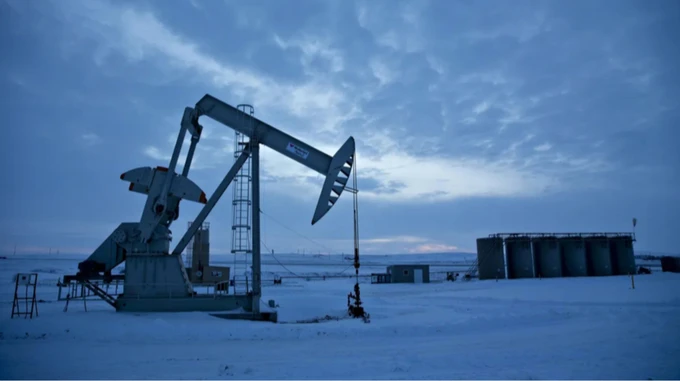
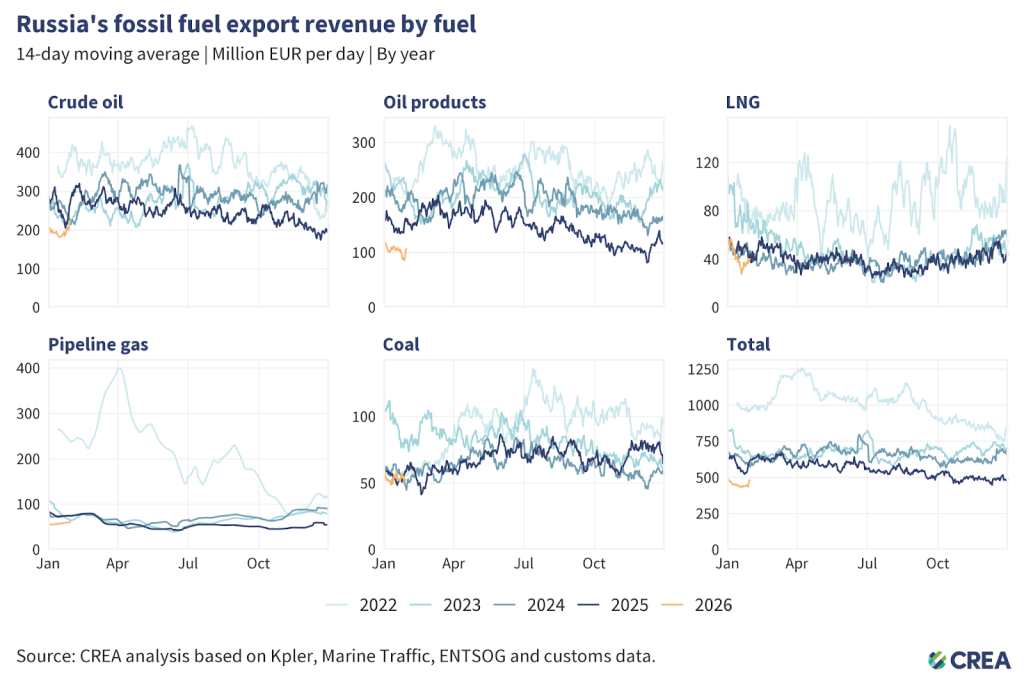
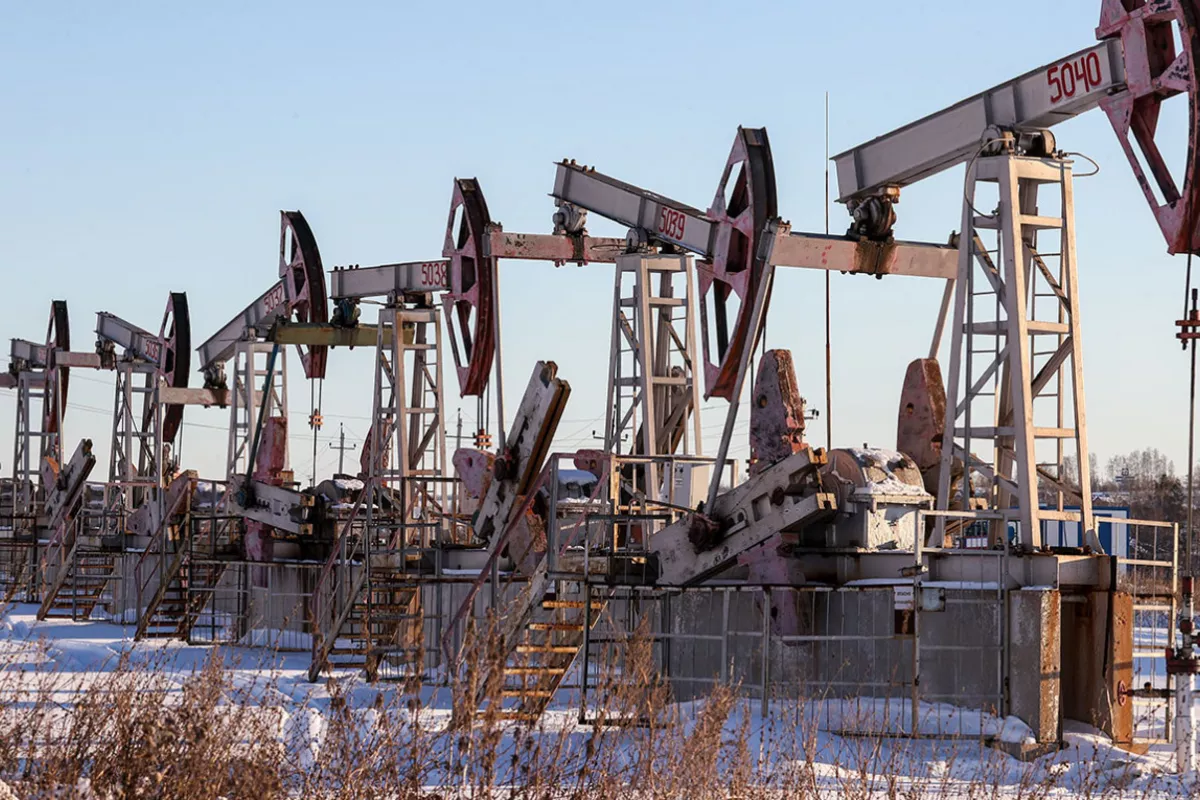
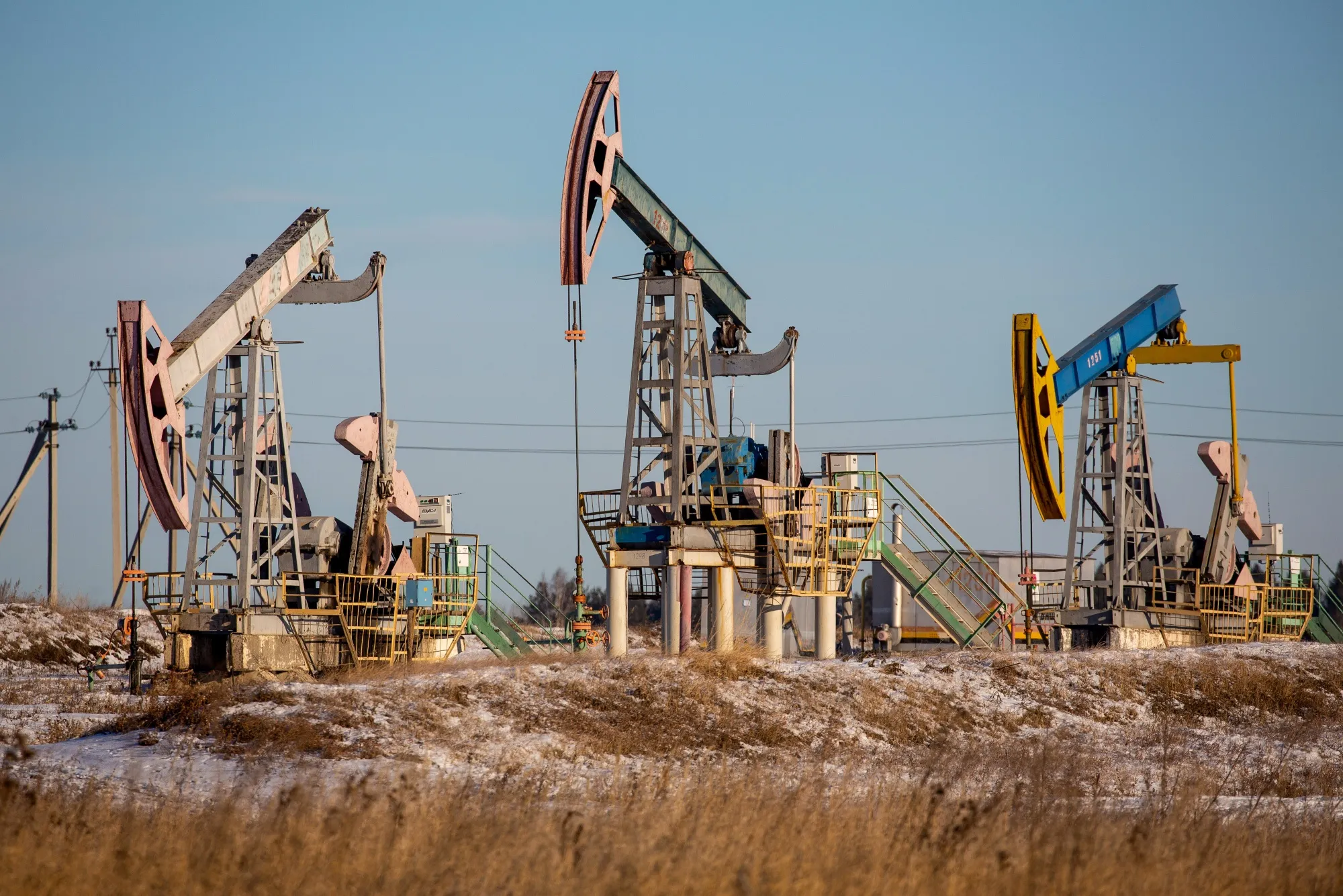
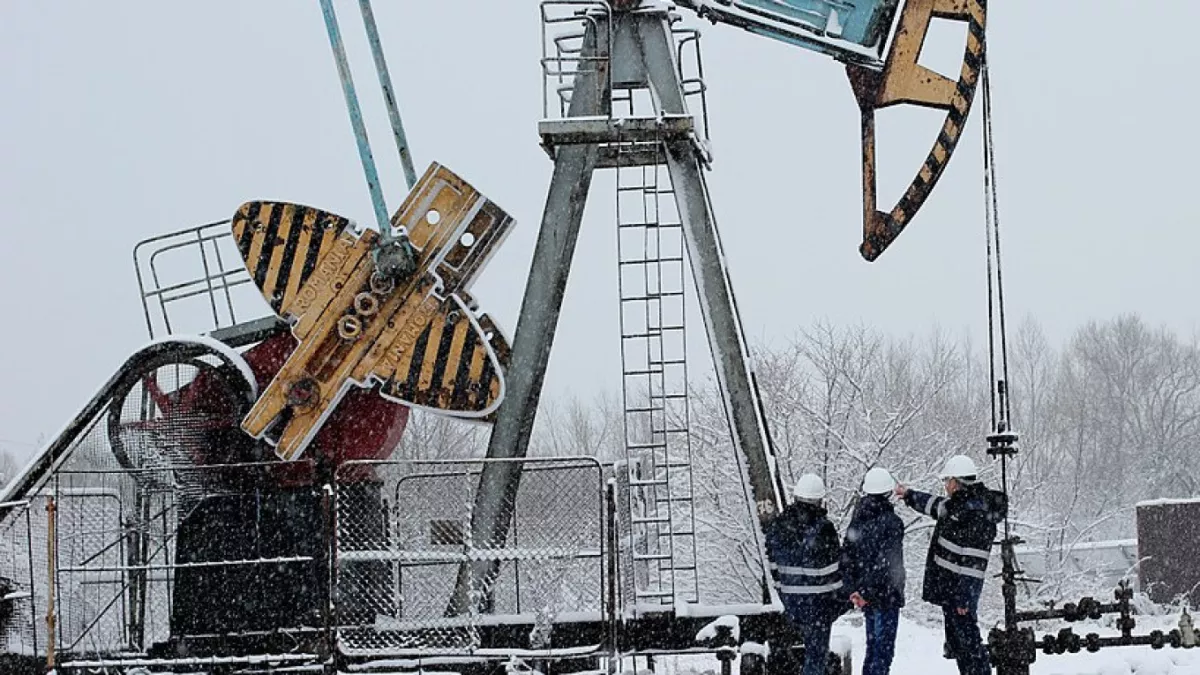
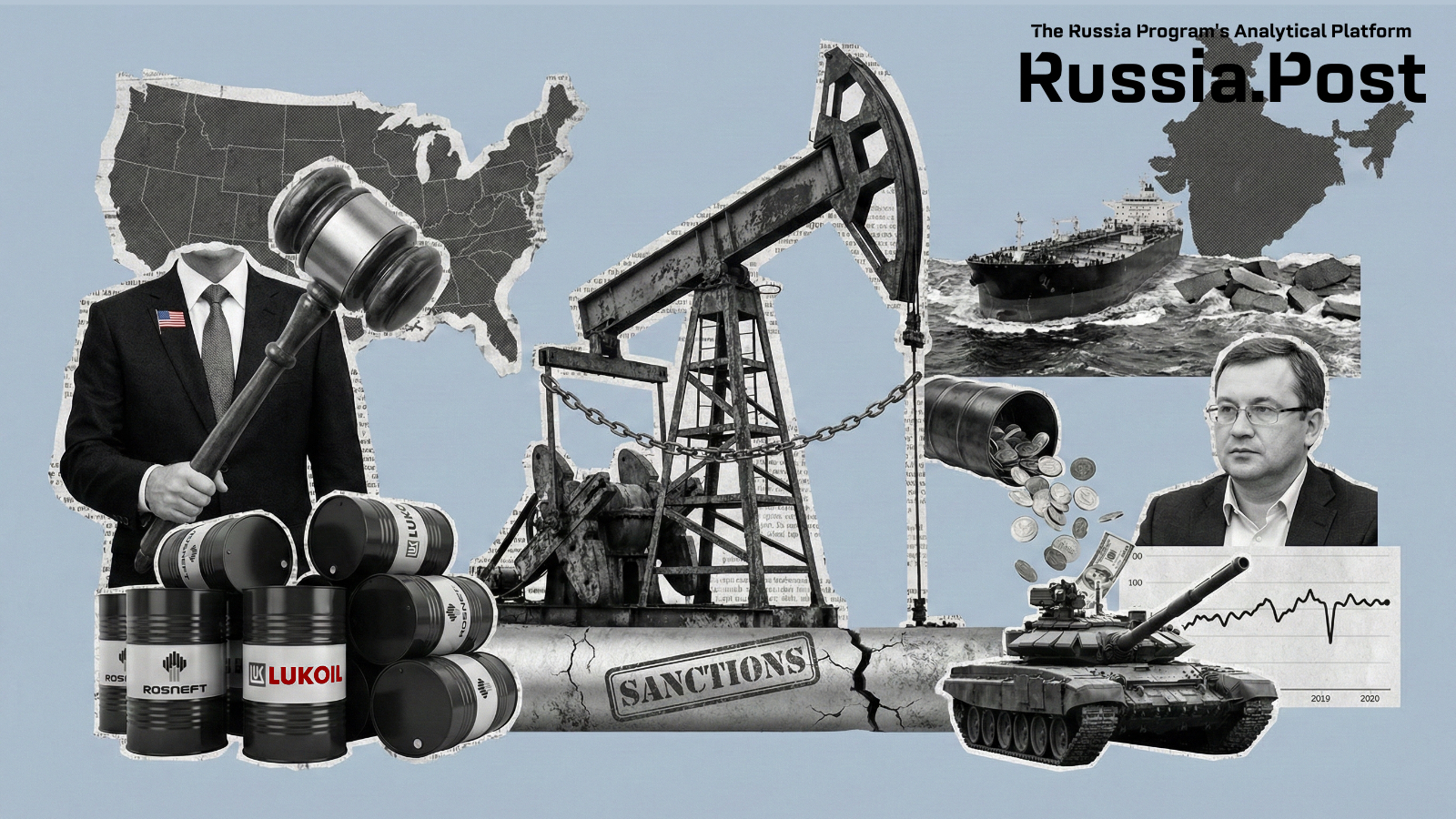
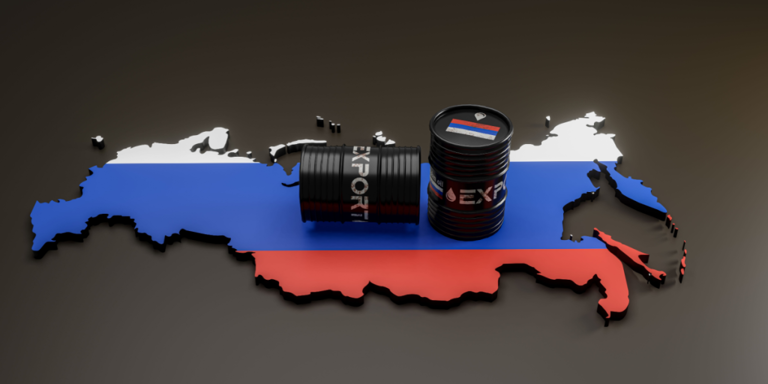
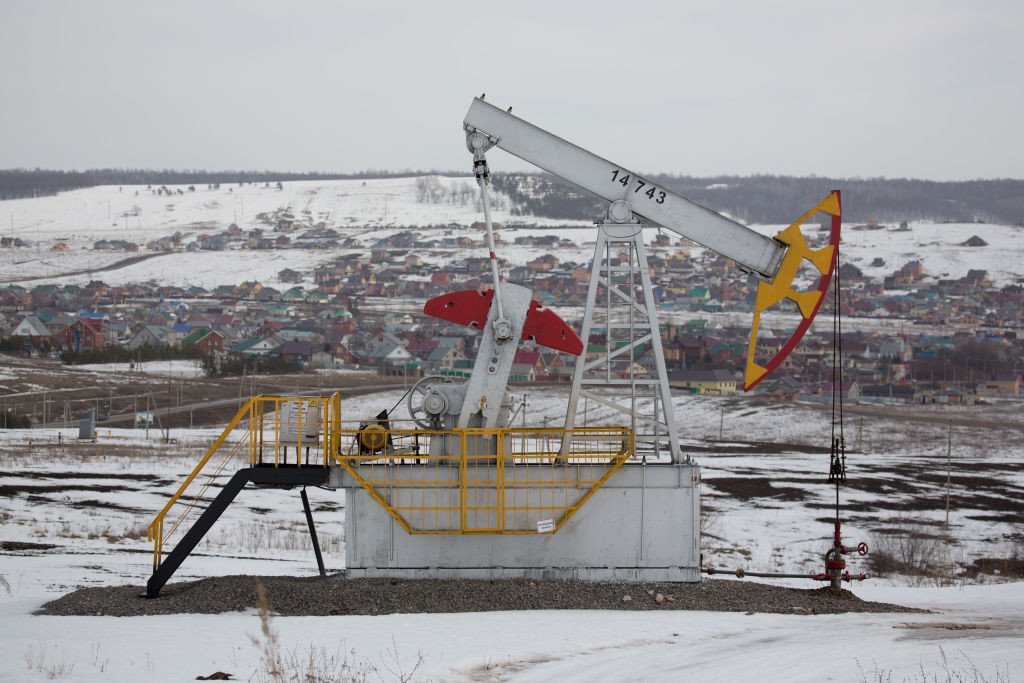
Russia's energy sector faces a critical collapse that directly impacts global shipping costs and cross-border e-commerce logistics. According to Bloomberg data, Russian oil producers drilled only 29,140 kilometers of production wells in 2025—a 3.4% annual decline and the lowest level in three years. More alarming, drilling activity experienced a 16% year-over-year collapse by December 2025, signaling accelerating economic deterioration. The Wall Street Journal reported in February 2026 that dozens of tankers carrying Russian crude oil float at sea without buyers, while Western powers actively seize aging tanker vessels Russia depends upon for exports. Simultaneously, international buyers demand record-level price discounts on Russian oil—the steepest since the Ukraine war's early stages.
For cross-border sellers, this creates immediate operational and cost pressures. The combination of Western sanctions constraining technology/financing access, a strengthening ruble eroding producer competitiveness, and intensified enforcement against shadow fleet operations (including India's February 2026 seizure of sanctioned tankers) creates a perfect storm for Russian logistics providers. Shipping rates from Russia are expected to increase 8-15% as fuel surcharges rise and alternative routing becomes necessary. Sellers relying on Russian 3PL providers, freight forwarders, or sourcing from Russian suppliers face 2-4 week delays as logistics networks contract. The stranded inventory at sea—millions of barrels unable to reach markets—signals broader supply chain bottlenecks affecting all cargo movement through Russian ports.
Strategic sourcing shifts are accelerating away from Russia. Sellers currently sourcing electronics, machinery, or specialty chemicals from Russian suppliers should immediately diversify to Vietnam, India, or Eastern European alternatives. The ruble's strength paradoxically makes Russian exports more expensive in dollar terms, while sanctions-driven capital constraints force Russian manufacturers to reduce production capacity. For sellers shipping to Russian customers, expect 15-25% cost increases and 3-5 week delivery delays through Q2 2026. Payment processing risks are elevated—Russian banks face increasing international isolation, making wire transfers and payment verification more complex. The policy enforcement window is narrowing: India's direct support of U.S. sanctions enforcement (February 2026) signals coordinated international action that will intensify compliance requirements for any seller touching Russian supply chains.
Immediate actions required: Audit all Russian supplier relationships by March 15, 2026; identify alternative sourcing in Vietnam/India/Poland; update shipping contracts to lock in current rates before April increases; review payment processing with compliance teams for Russia-related transactions; monitor logistics provider stability—several Russian 3PLs face insolvency risk as fuel costs spike and customer base shrinks.
问题 8
How does the ruble's strength impact Russian export competitiveness and my sourcing costs?
The strengthening ruble makes Russian exports more expensive in dollar terms, reducing competitiveness while paradoxically increasing your sourcing costs. A stronger ruble means Russian suppliers demand higher dollar prices to maintain ruble-denominated revenues. Simultaneously, sanctions-driven capital constraints force Russian manufacturers to reduce production capacity and raise prices to offset financing costs. This creates a double squeeze: higher unit costs + reduced supplier capacity. Sellers currently sourcing from Russia face 10-20% price increases on new orders. The trend accelerates as Western sanctions tighten access to technology and financing—Russian producers cannot invest in efficiency improvements.
What payment processing risks exist for sellers transacting with Russian customers or suppliers?
Russian banks face increasing international isolation, making wire transfers and payment verification 3-5 weeks slower and more complex. OFAC compliance requirements intensify as enforcement escalates (India's February 2026 tanker seizures demonstrate coordinated action). Sellers should implement enhanced due diligence for all Russia-related transactions, verify customer/supplier OFAC status through treasury.gov databases, and consider alternative payment methods (cryptocurrency, trade finance) for high-risk transactions. Wire transfer delays can extend 2-3 weeks as Russian banks navigate sanctions compliance. Recommend consulting compliance counsel before processing any new Russia transactions.