


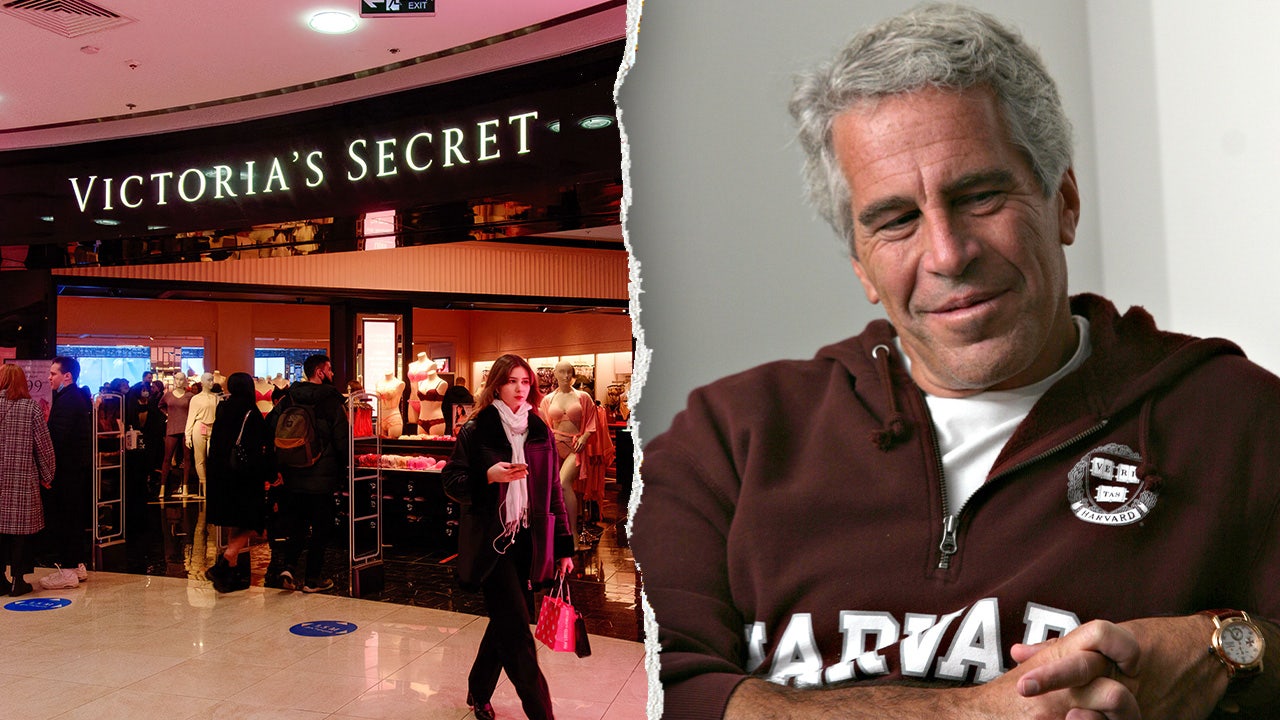


Victoria's Secret Founder Wexner Faces Congressional Scrutiny | Retail Leadership Crisis & Brand Reputation Risk
- Congressional depositions reveal 4,000+ document references to L Brands founder; retail sector faces governance accountability pressure affecting investor confidence and brand partnerships






































概览
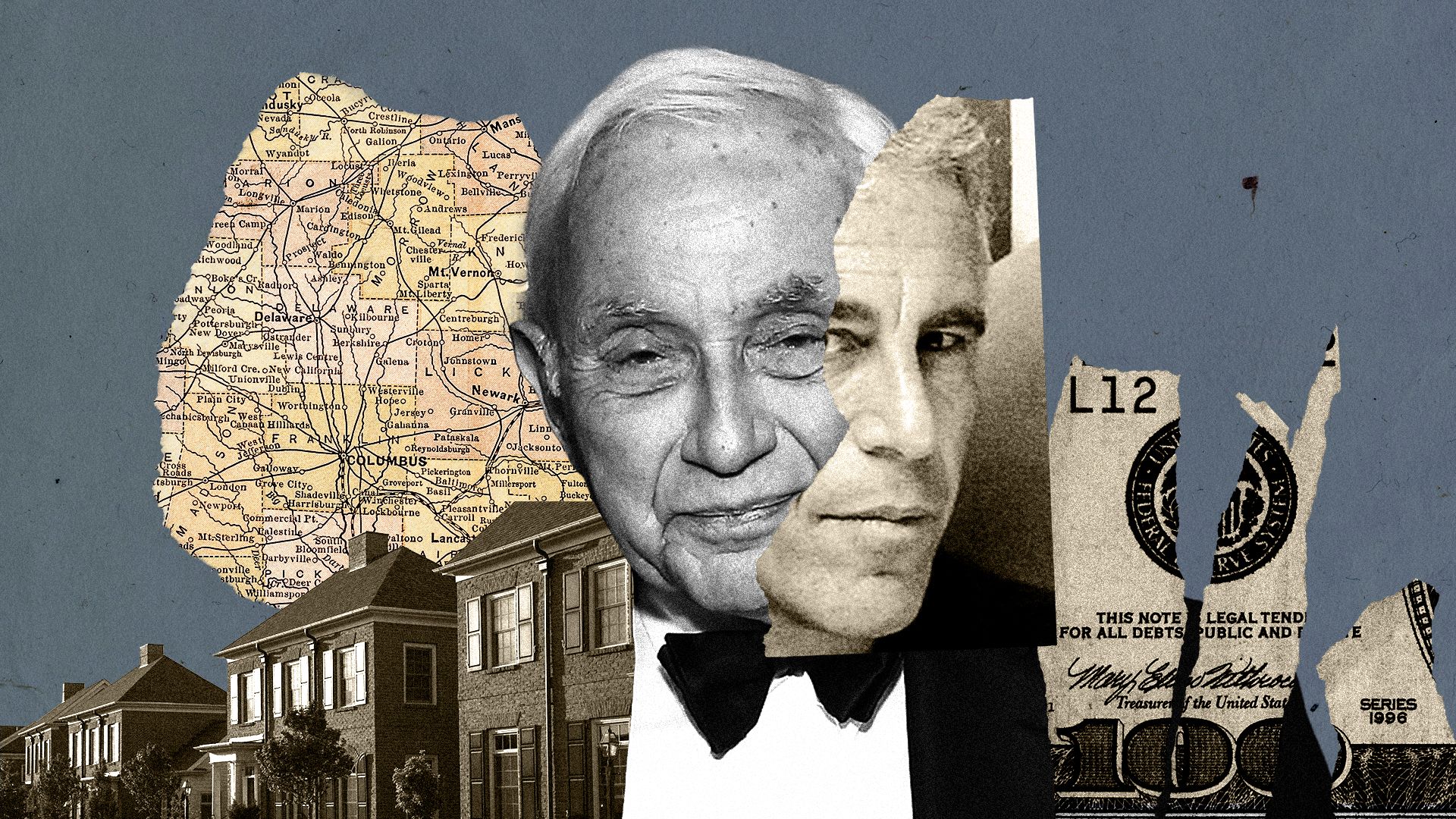
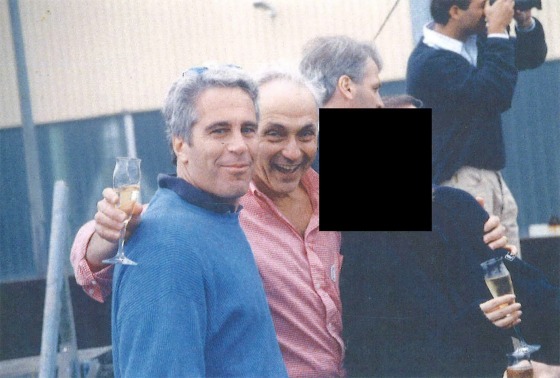
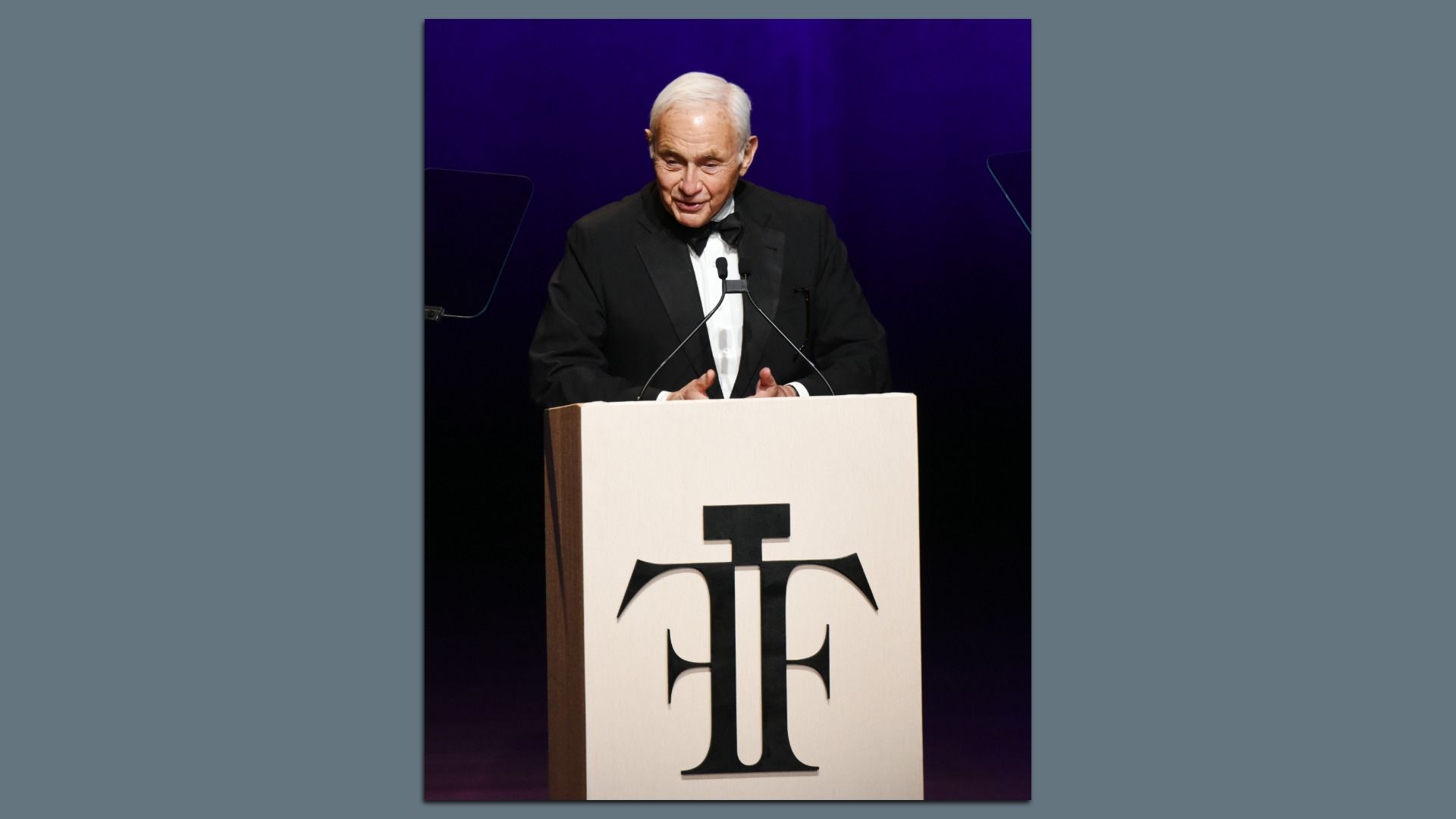
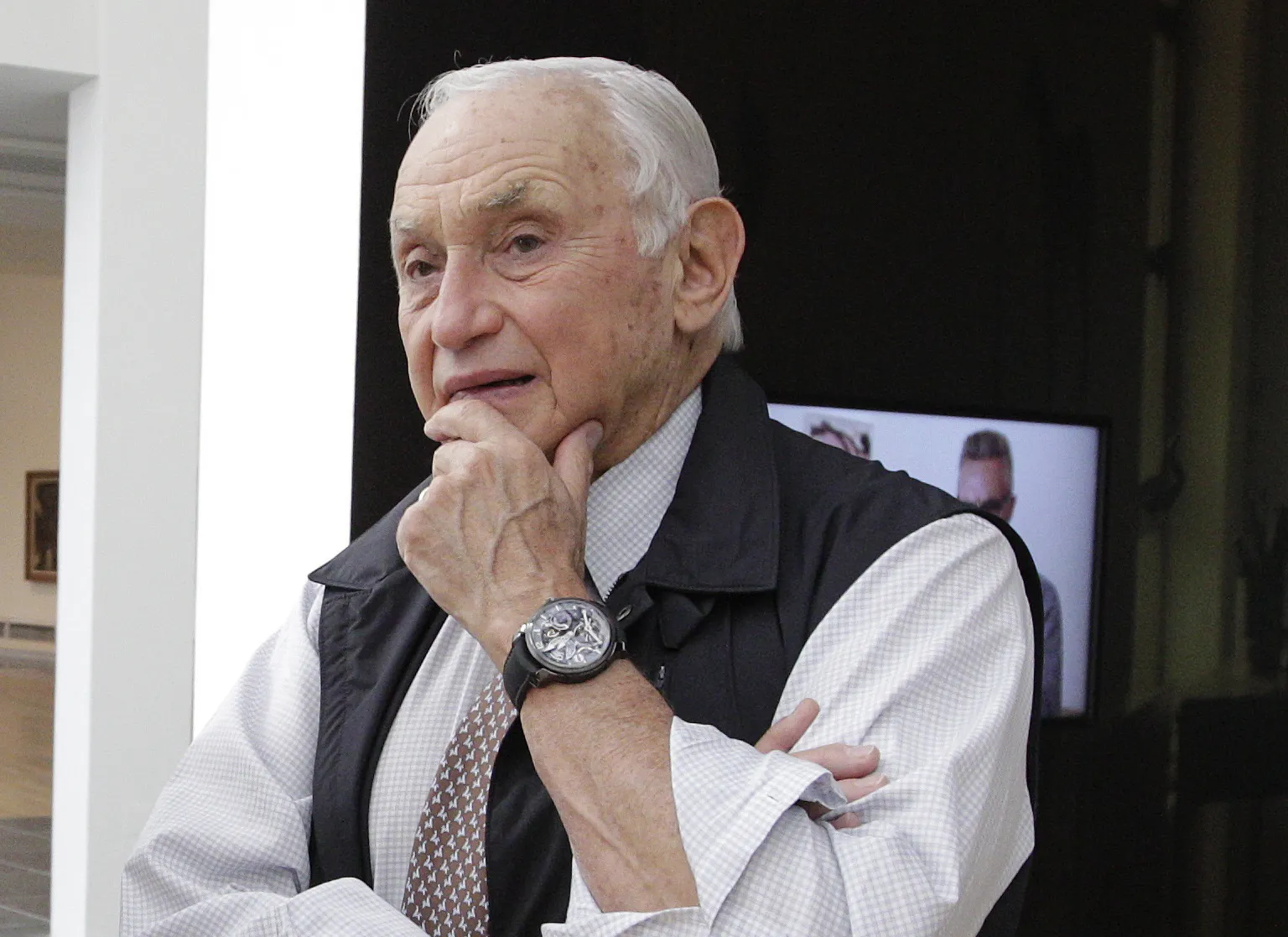
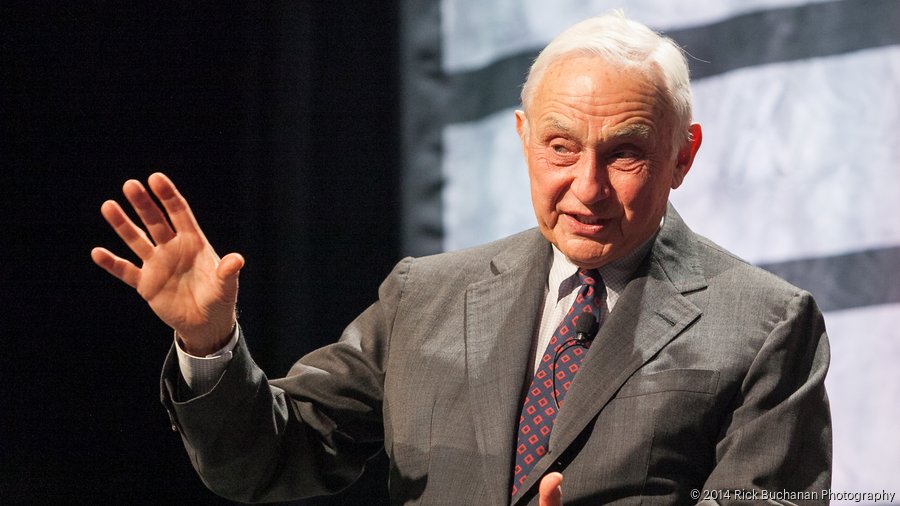
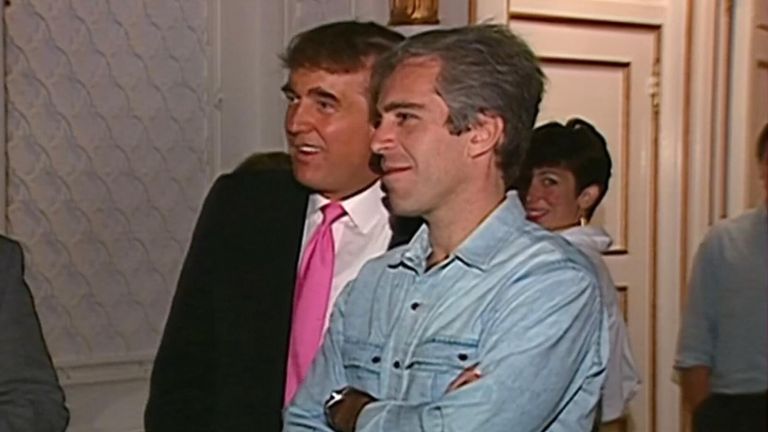
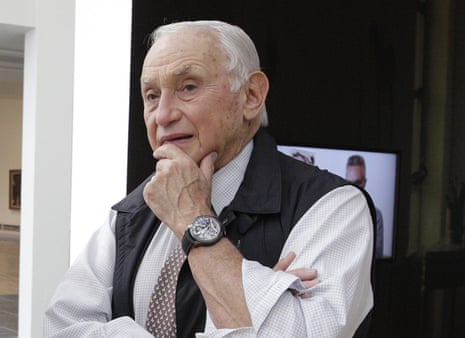
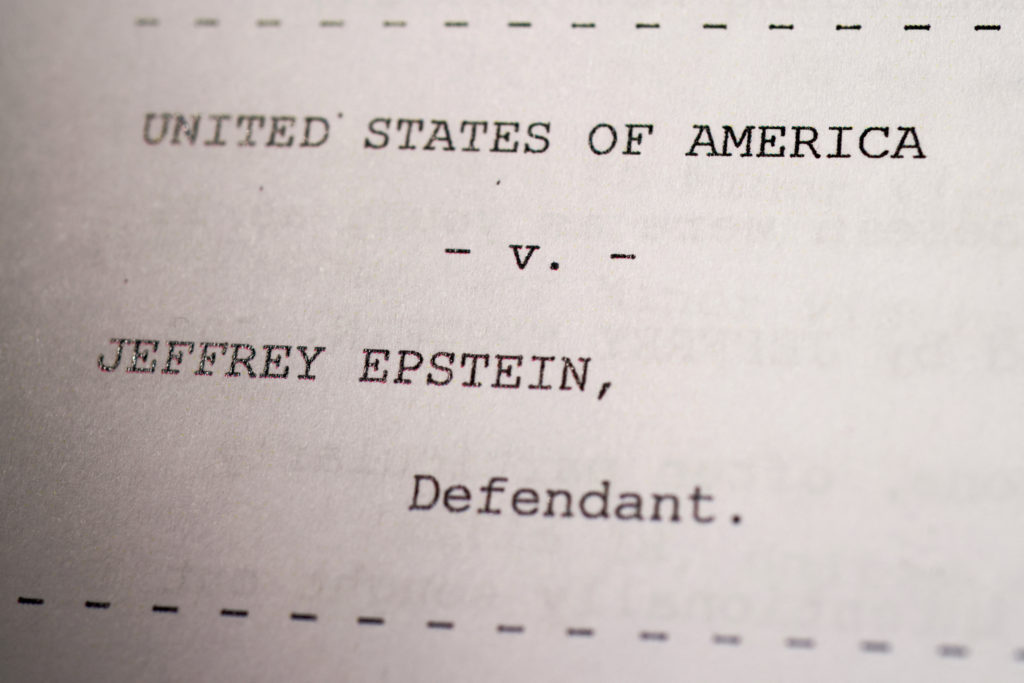
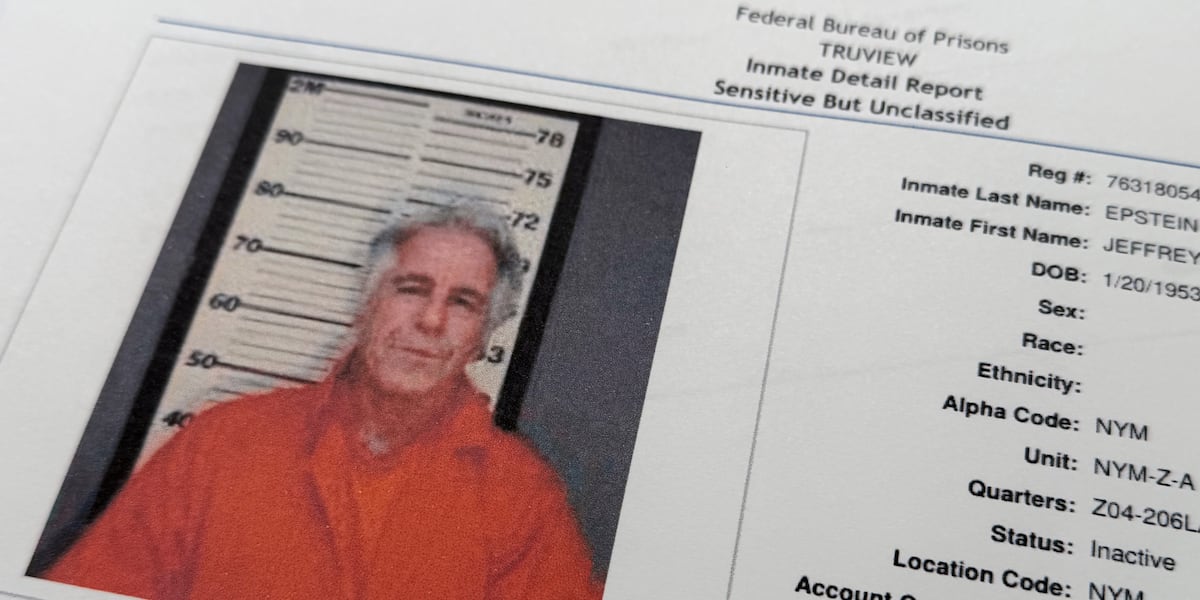
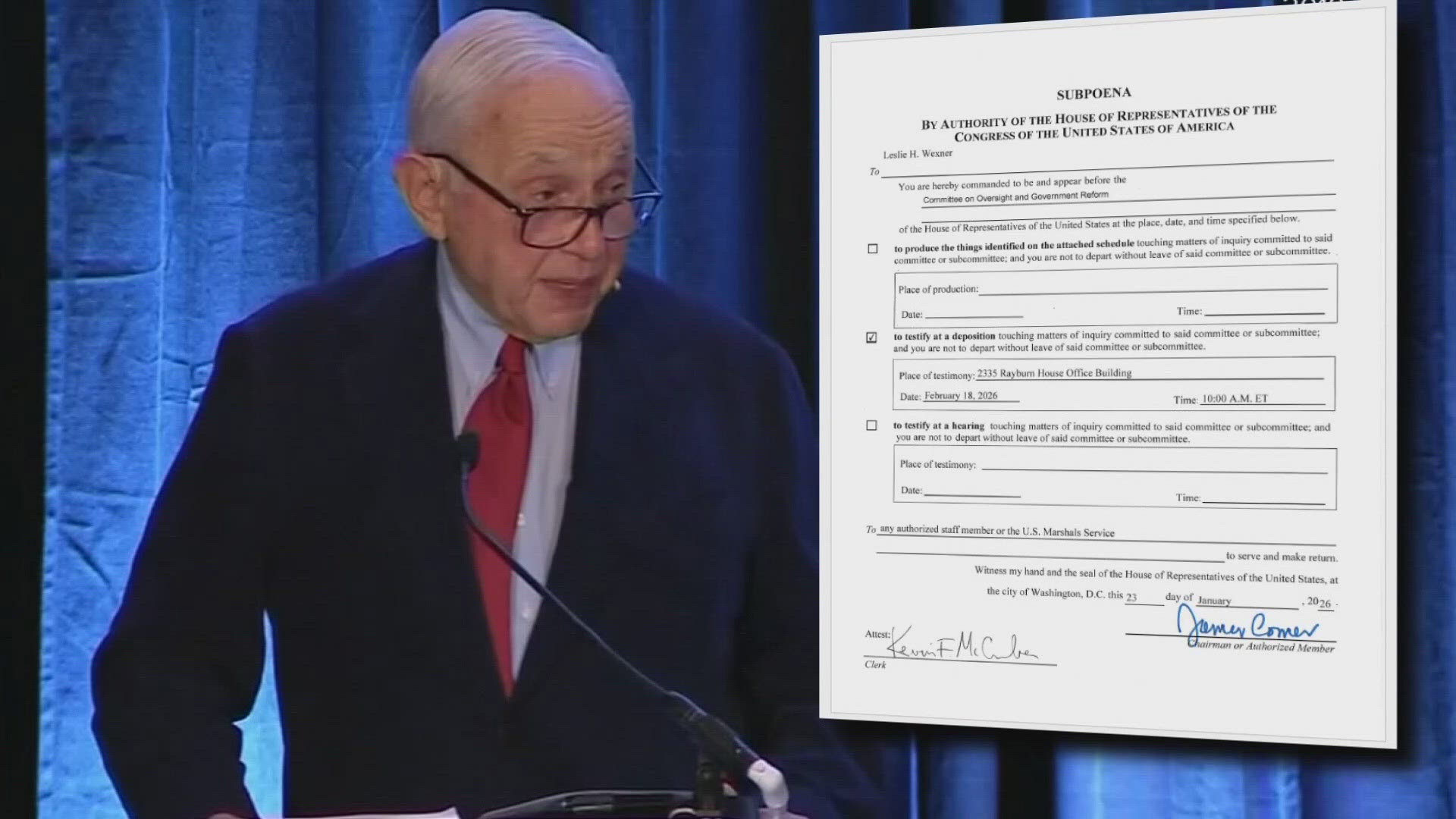
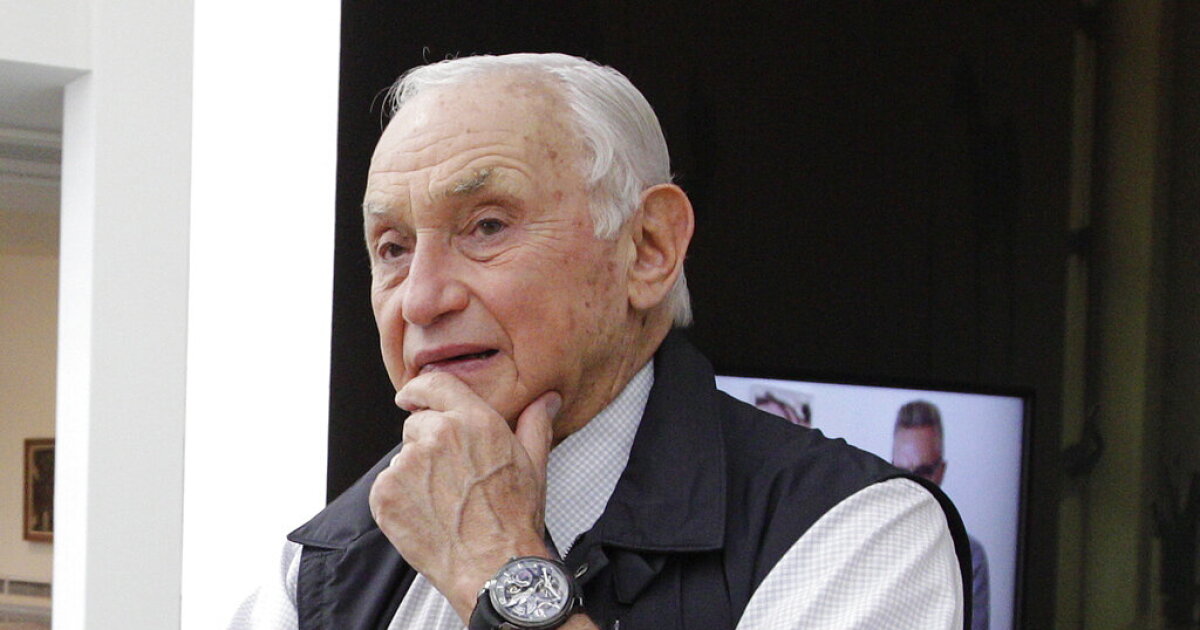
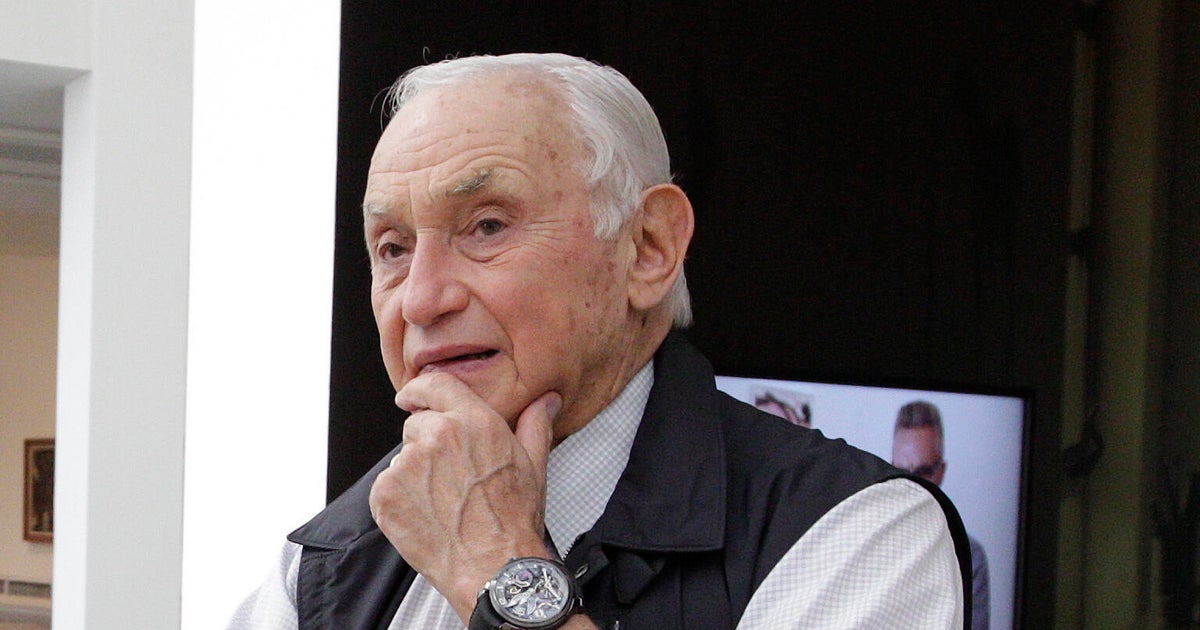
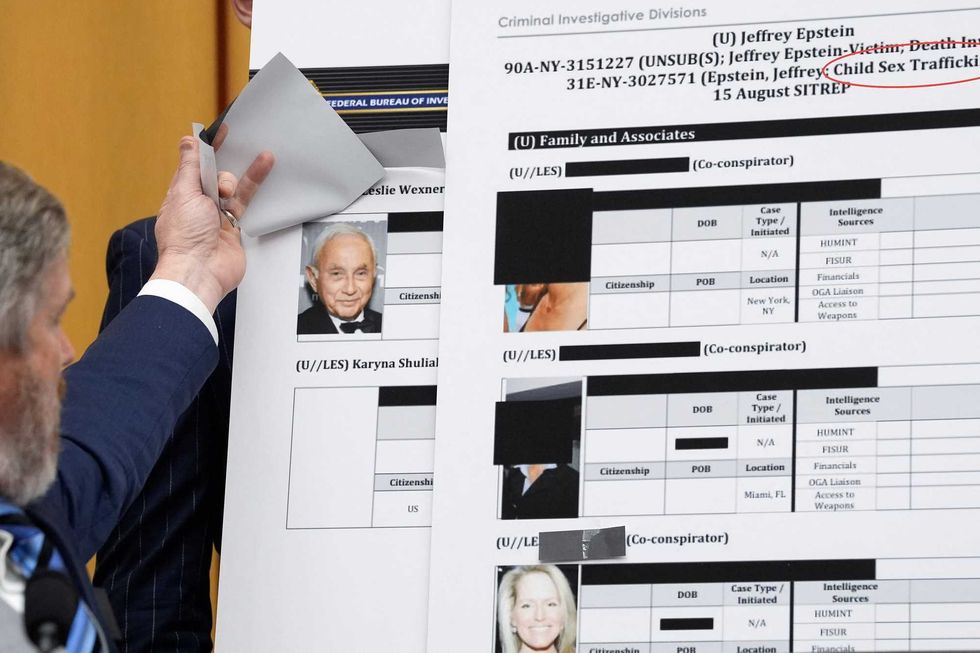
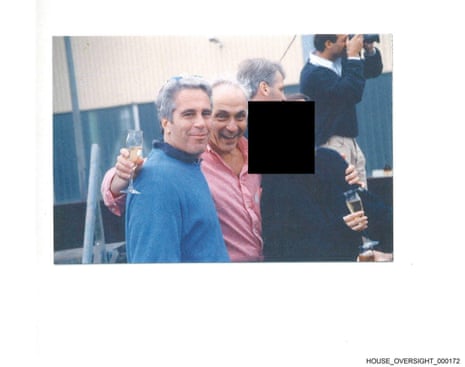
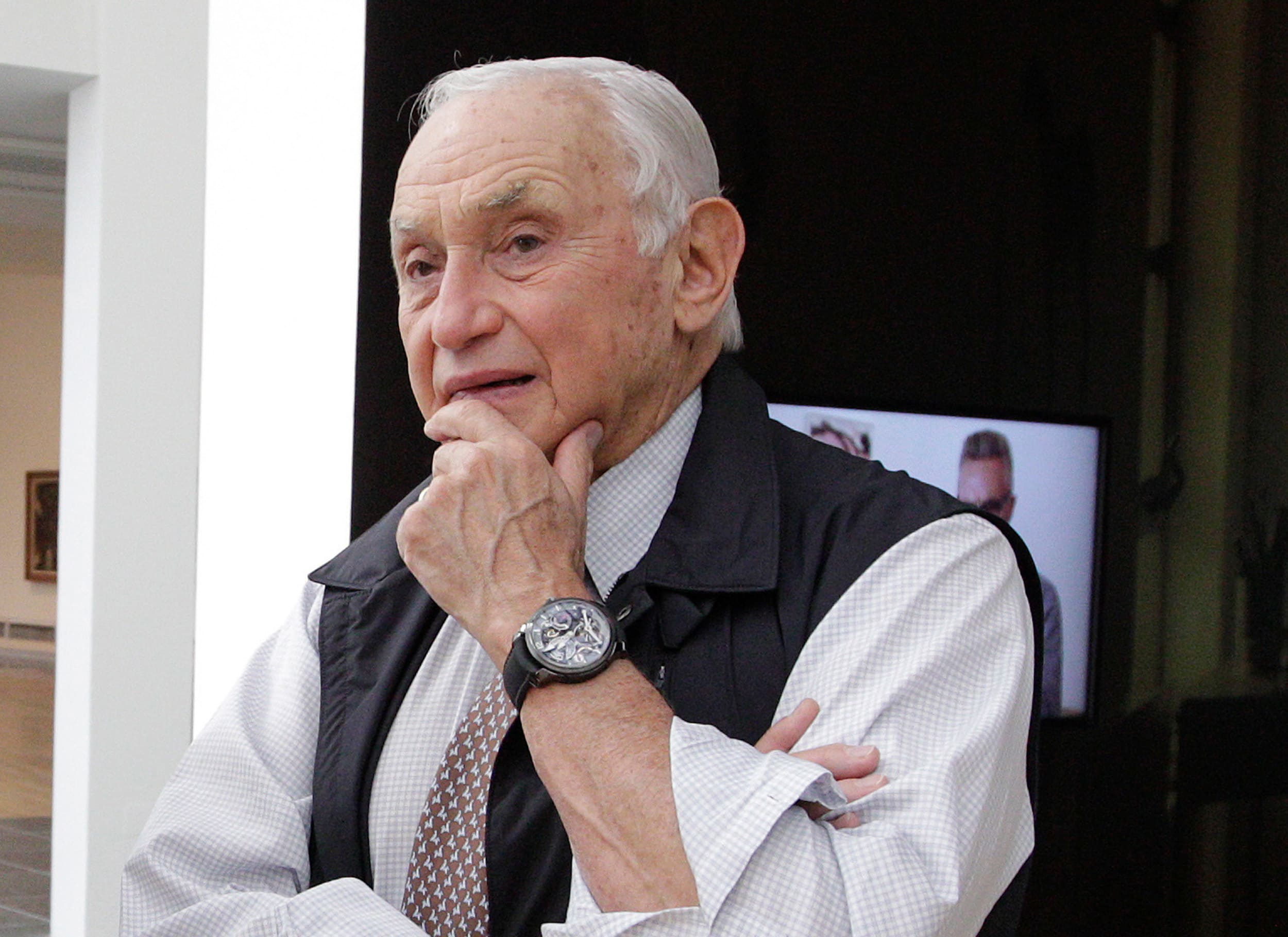
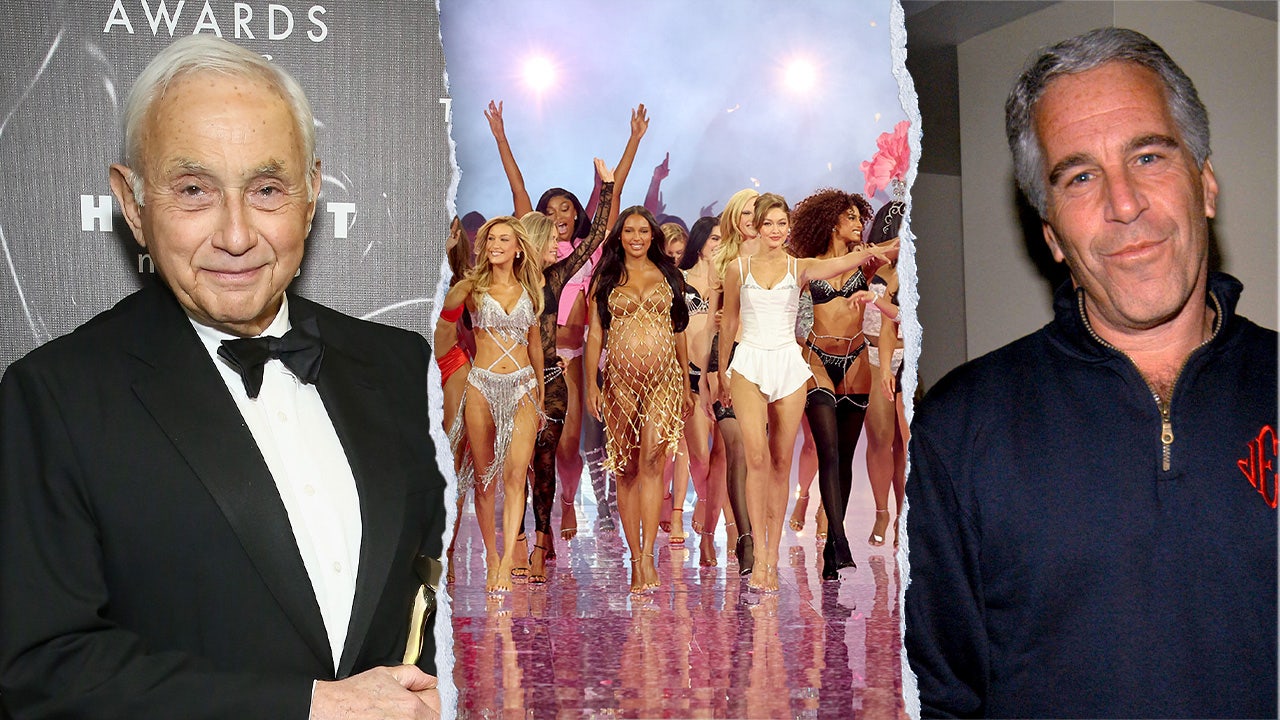
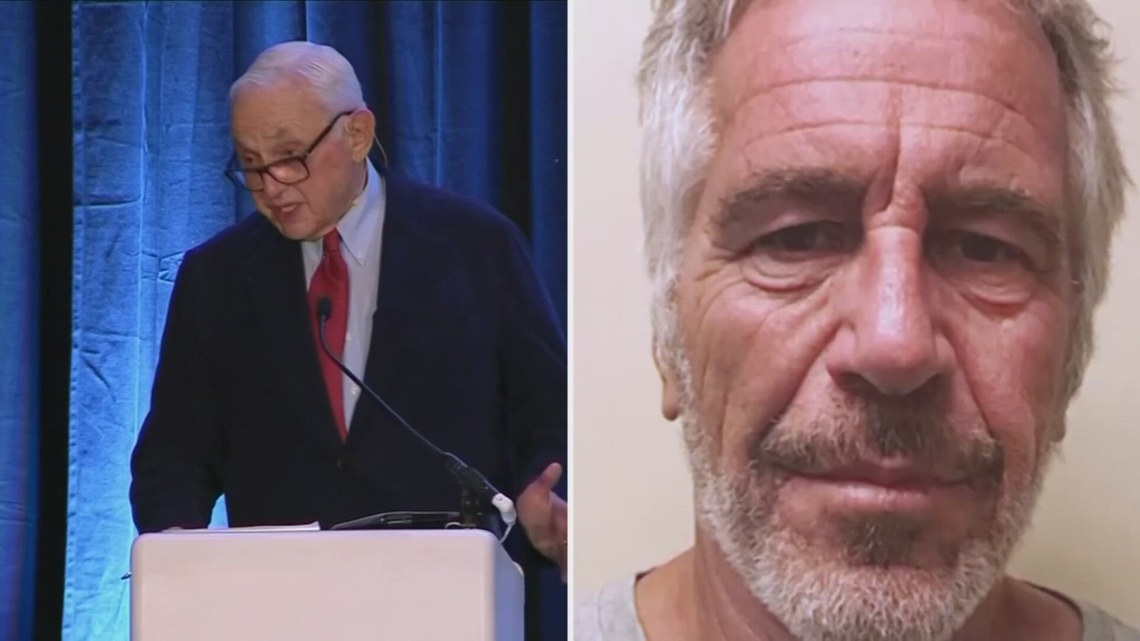
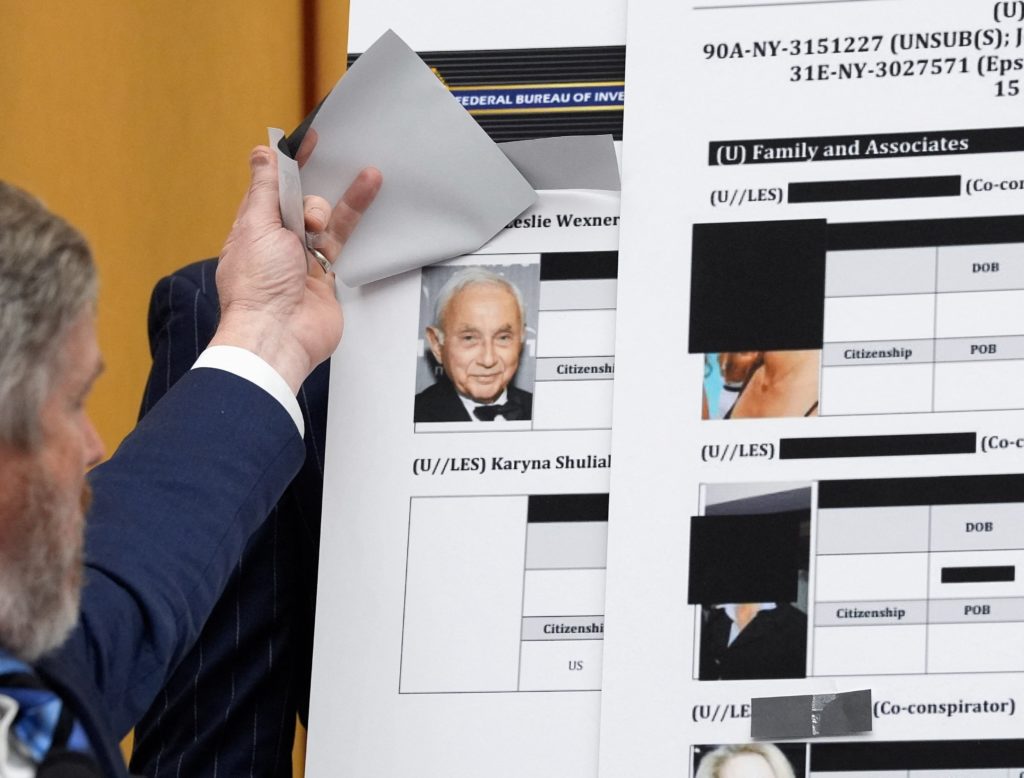
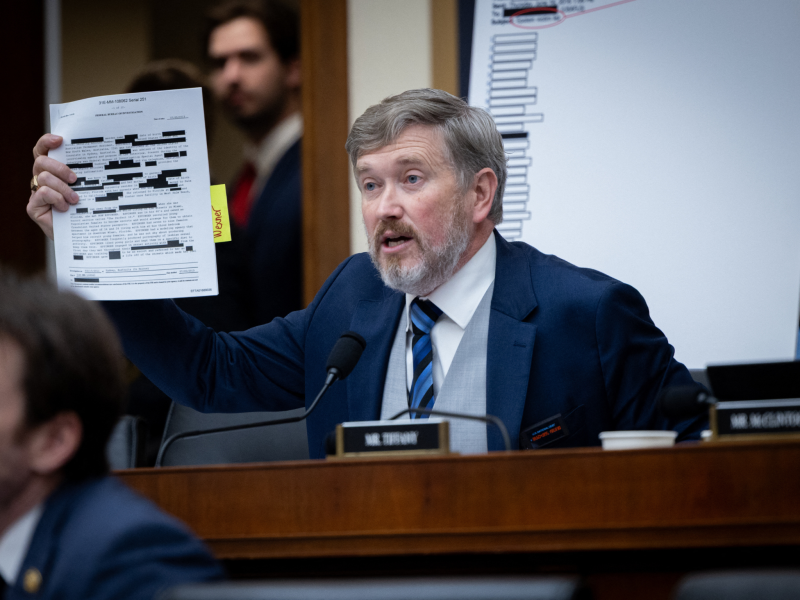
The congressional investigation into billionaire Les Wexner's decades-long relationship with convicted sex trafficker Jeffrey Epstein represents a critical governance and reputational crisis affecting the retail sector, particularly Victoria's Secret and L Brands. Between February 18-26, 2026, Wexner testified before the House Oversight Committee regarding his relationship with Epstein dating to the 1980s, during which he granted Epstein power of attorney over his personal finances in 1991—a decision that enabled Epstein to misappropriate several hundred million dollars before Wexner's wife discovered the misconduct in 2008. The Department of Justice released over 3 million pages of Epstein files under the Epstein Files Transparency Act, with Wexner's name appearing over 4,000 times in released documents, though he has never been charged with any crime.
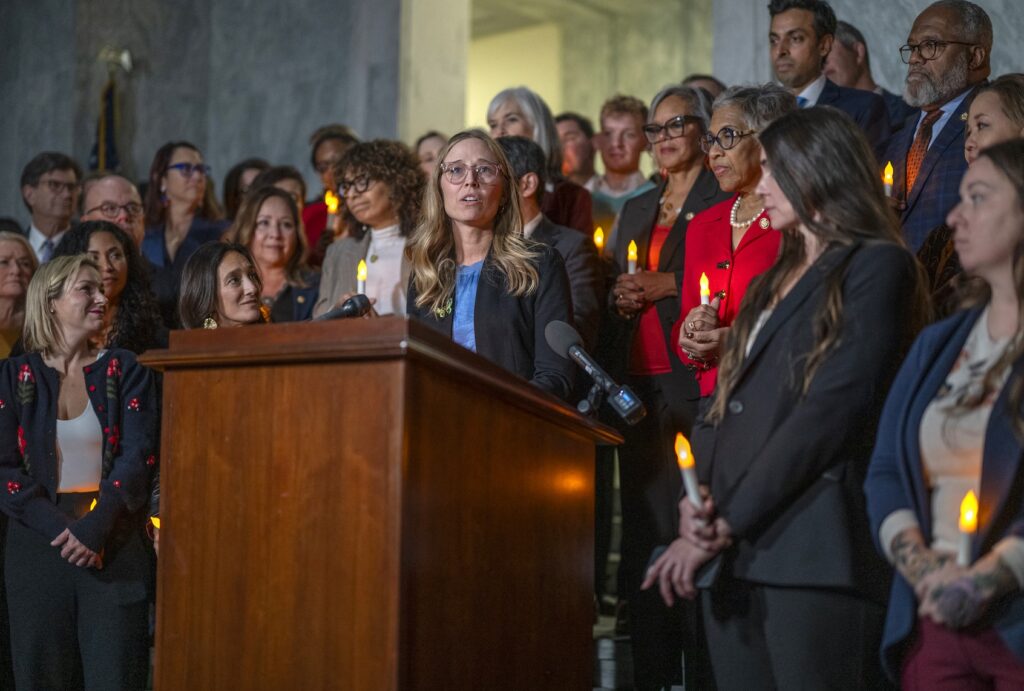
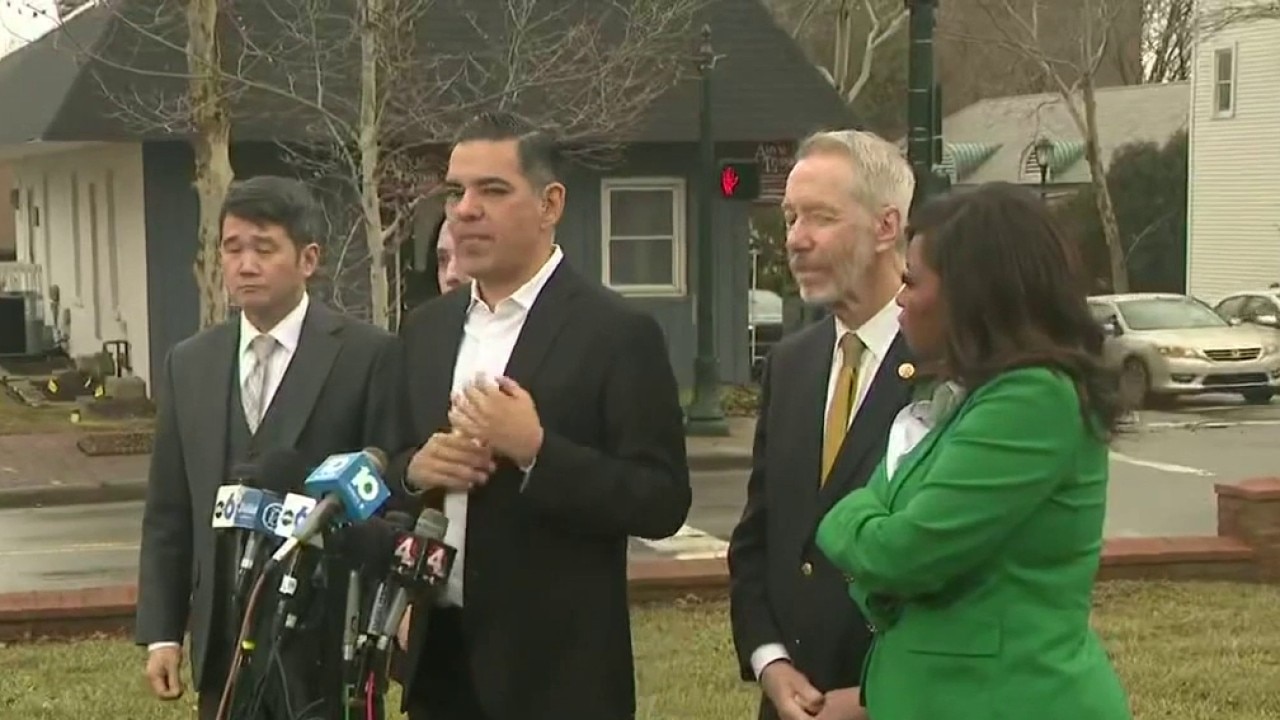
Retail Sector Implications: The investigation exposes governance vulnerabilities in major retail organizations. Wexner's continued prominence at Ohio State University—with facilities bearing his name including the Wexner Center for the Arts, Ohio State University Wexner Medical Center, and Les Wexner Football Complex—demonstrates how institutional relationships can shield high-profile donors from accountability scrutiny. Ohio lawmakers including Senator Jon Husted and Representatives Mike Carey and Joyce Beatty have redirected Wexner's campaign contributions ($3,500-$20,000 donations) to trafficking victim charities, signaling political distancing from the retail magnate. This coordinated response reflects broader consumer and stakeholder pressure on retail leadership to demonstrate ethical governance.
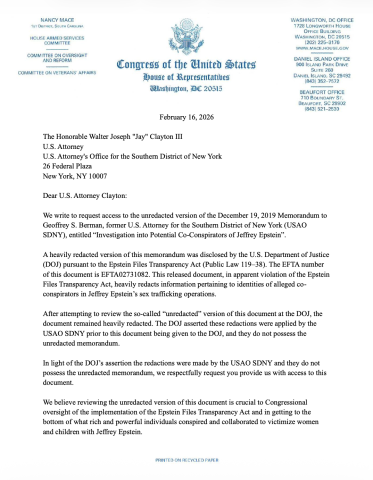
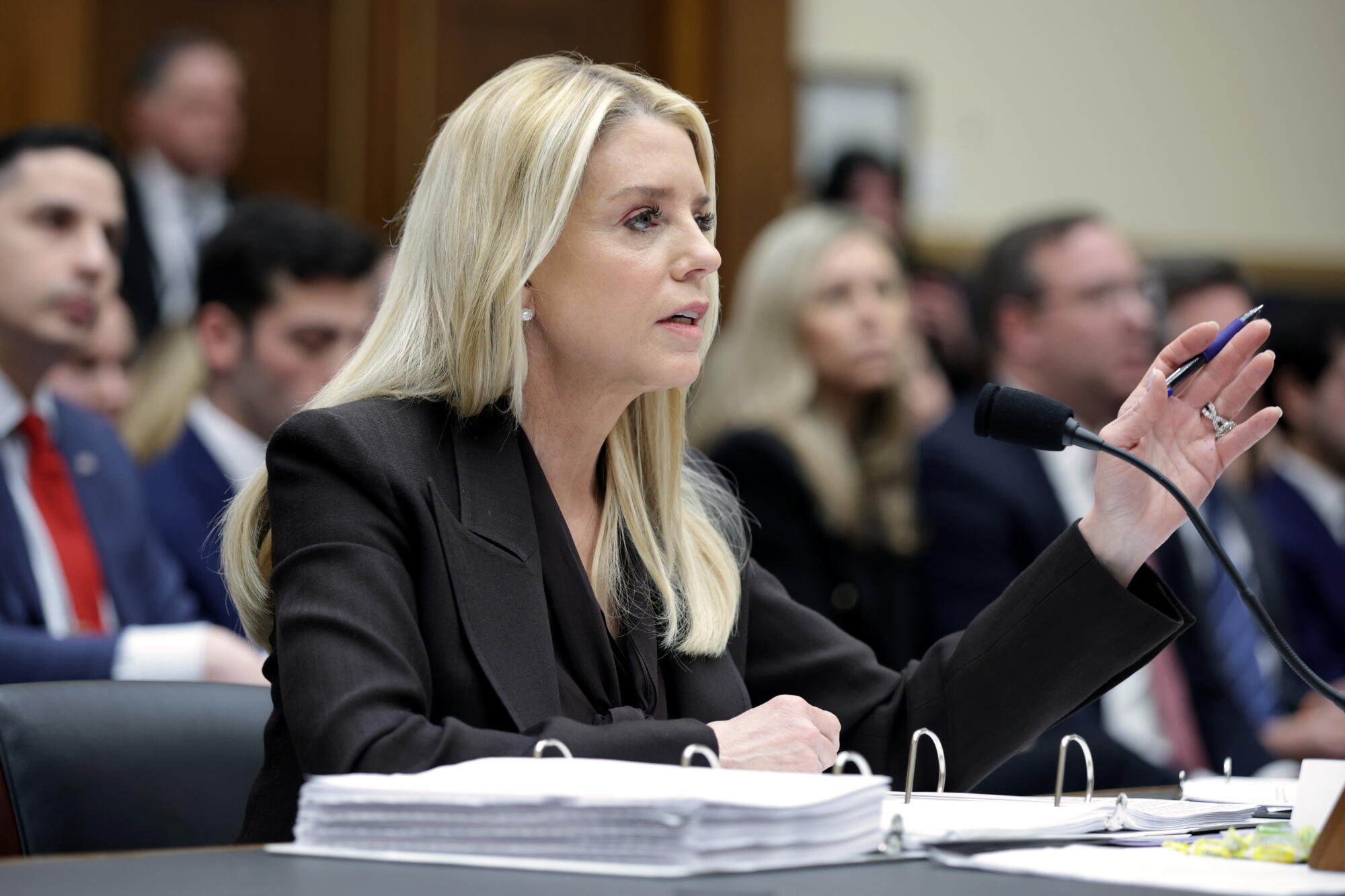
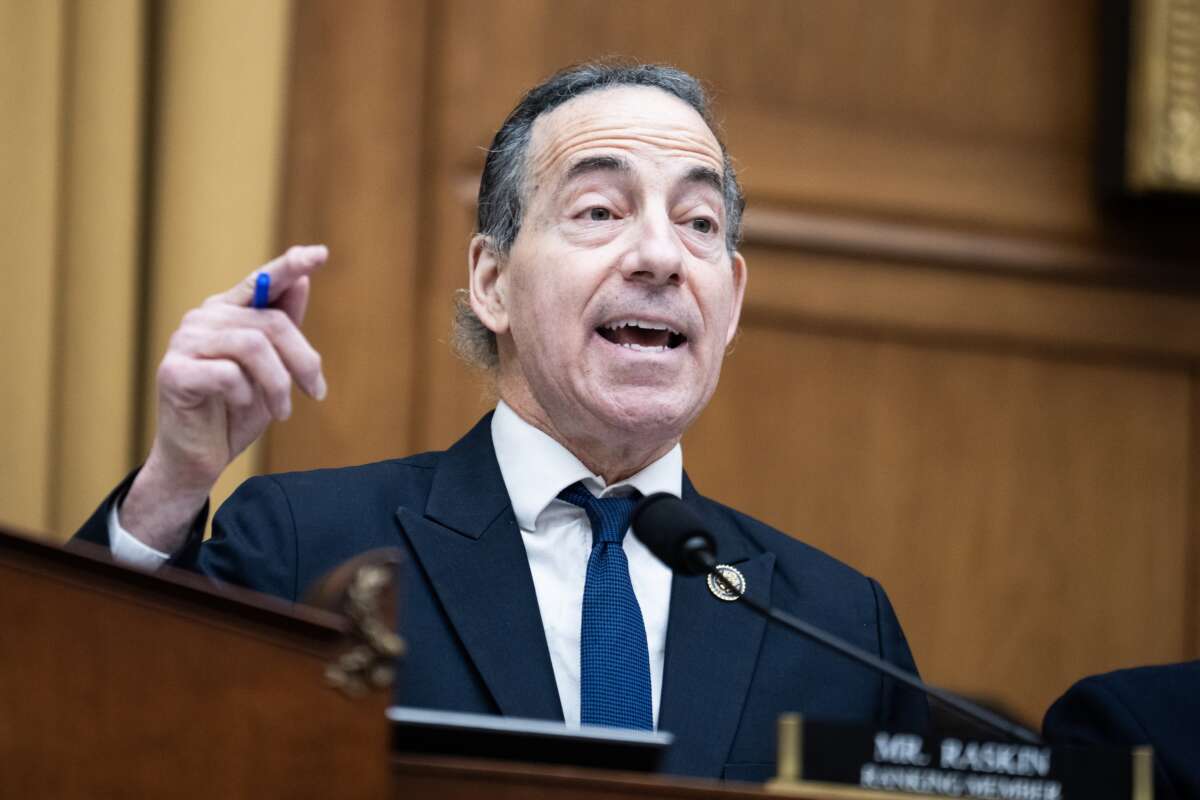
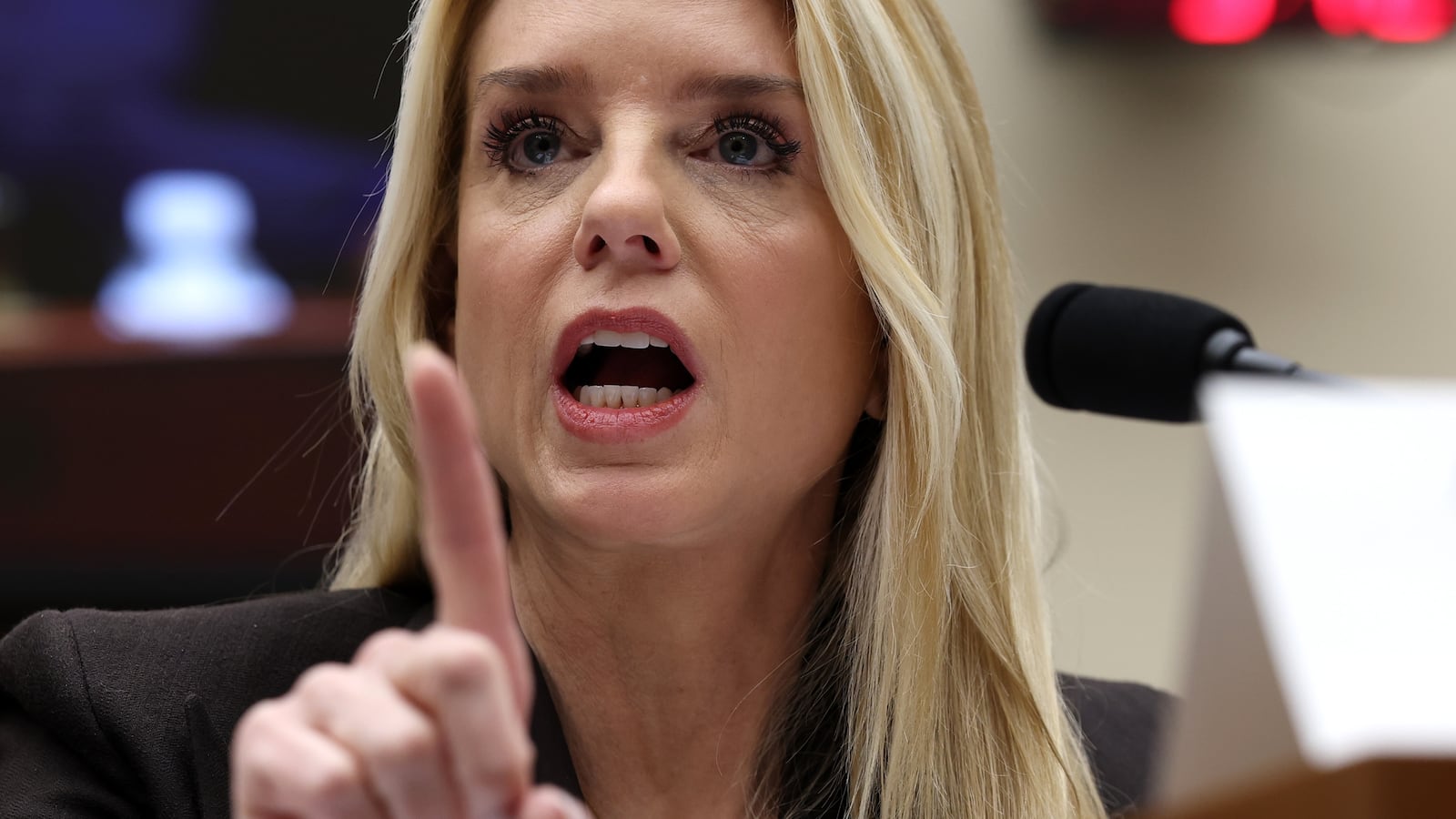
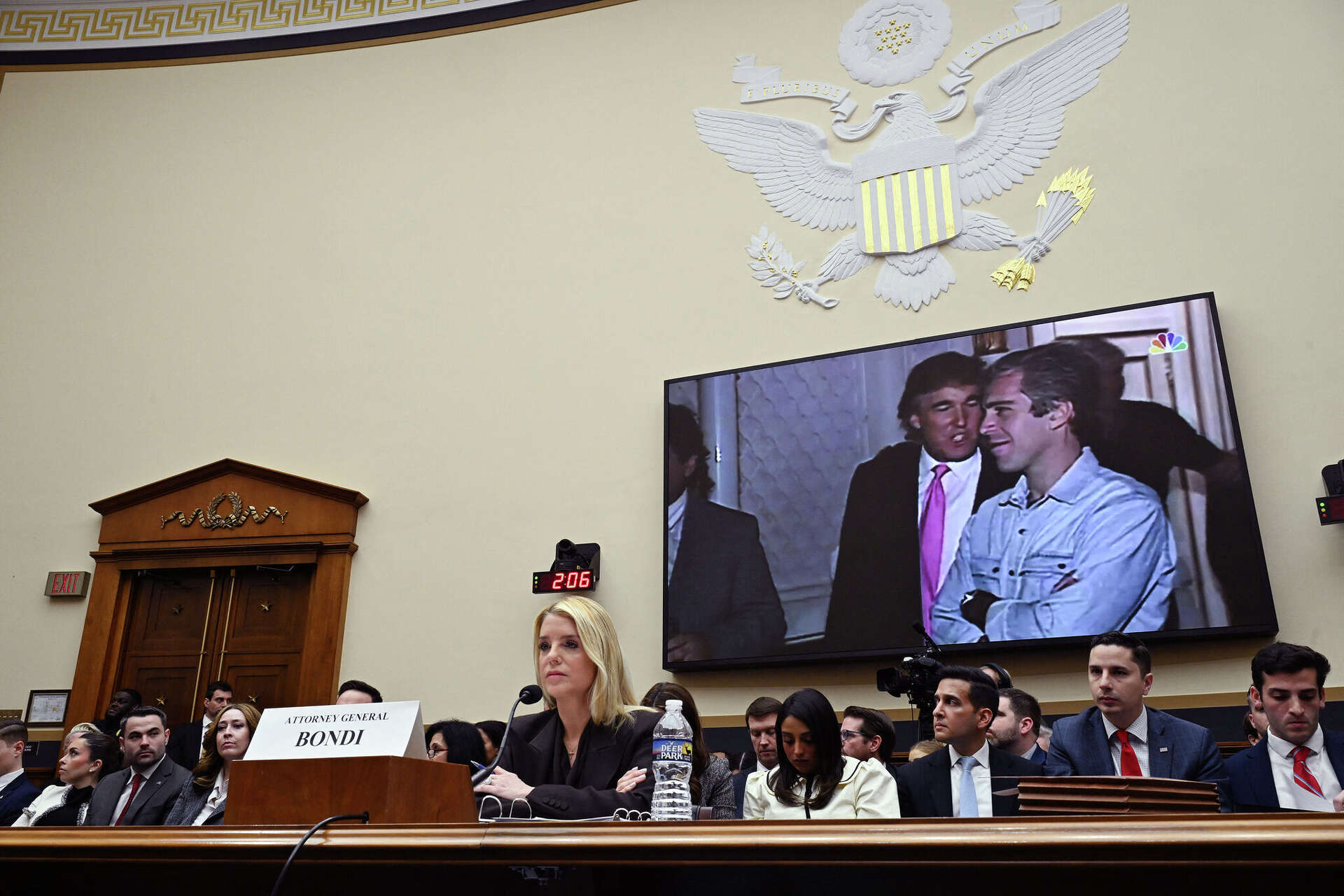
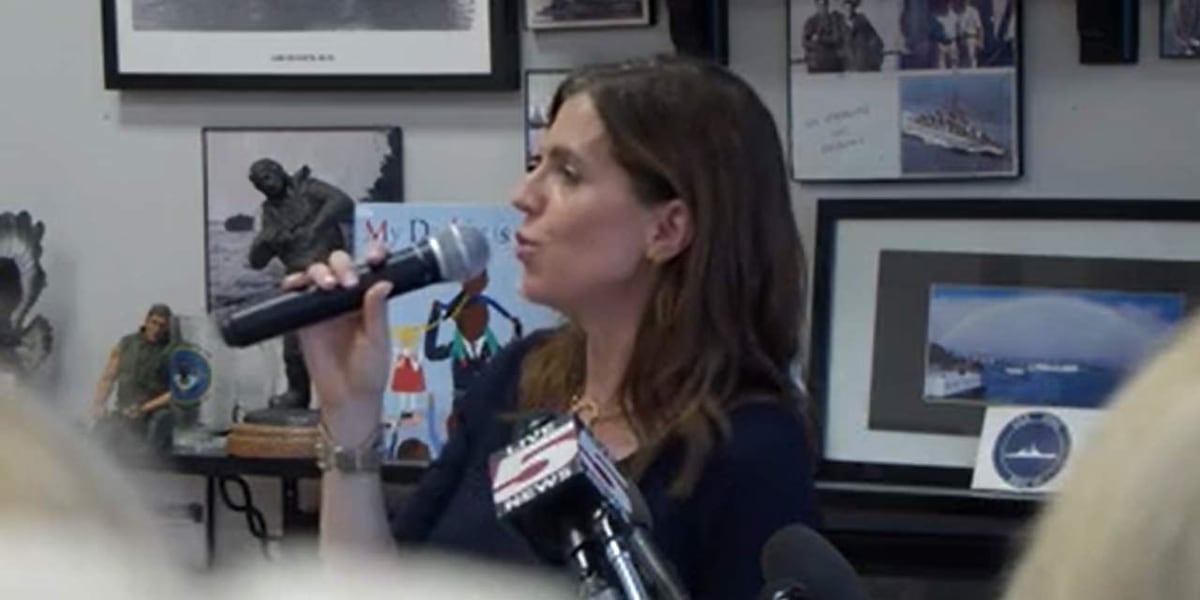
Congressional Testimony Reveals Credibility Gaps: During his deposition, Wexner claimed he was "duped by a world-class con man" and repeatedly stated he could not "recall" specific events, despite appearing hundreds of times in released Epstein files. Democratic committee members expressed significant skepticism, with Rep. Stephen Lynch arguing that Wexner "gave Epstein credibility" and enabled his crimes, while Rep. Jasmine Crockett noted the committee is "running into dead ends" following the money trail. Wexner's testimony that he visited Epstein's island, Little Saint James, only once for approximately one hour contradicts the extensive financial and personal documentation suggesting a much closer relationship. The investigation also highlighted DOJ transparency failures, with Attorney General Pam Bondi unredacting Wexner's name within 40 minutes of the issue being raised, raising questions about document management protocols affecting innocent parties and actual perpetrators alike.
Seller and Brand Ecosystem Impact: For e-commerce sellers and brand partners, this investigation signals heightened scrutiny of retail leadership governance and supply chain ethics. Victoria's Secret, which Wexner founded and led through L Brands, faces potential brand reputation damage as the investigation continues with depositions scheduled for former President Bill Clinton and Hillary Clinton on February 26-27. Sellers in the apparel, intimate apparel, and beauty categories who partner with or source through Victoria's Secret-affiliated channels should monitor governance developments, as institutional accountability pressure may drive operational or strategic changes affecting supplier relationships, compliance requirements, and brand positioning in the marketplace.
问题 8
What timeline should sellers expect for corporate governance investigations to resolve?
The Wexner case demonstrates that corporate governance investigations can span 15-35+ years from initial relationship to congressional deposition. Sellers should not expect rapid resolution: the investigation began with Epstein's 1991 relationship with Wexner and continues through 2026 with ongoing depositions. For sellers, this means: assume supply chain uncertainty persists for extended periods; avoid making major business decisions based on investigation outcomes; maintain diversified customer relationships; and monitor quarterly updates rather than expecting definitive resolution. Congressional investigations typically conclude with reports rather than criminal charges, leaving reputational ambiguity that affects business operations for years.
When are additional congressional depositions scheduled in this investigation?
The House Oversight Committee has scheduled depositions for former President Bill Clinton and Hillary Clinton on February 26-27, 2026, as part of the ongoing investigation into Epstein-related crimes and connections. Additional subpoenas have been issued to other Epstein associates including Darren Indyke and Richard Kahn. These upcoming depositions suggest the investigation will continue revealing connections between high-profile individuals and Epstein, potentially affecting institutional relationships and brand partnerships across multiple sectors.