





Tech Exodus to Florida | Regional Market Shifts Impact Seller Logistics & Supply Chain
- Major AI company relocation signals $300B+ corporate migration trend affecting fulfillment hubs, labor costs, and regional e-commerce infrastructure across US markets






































概览
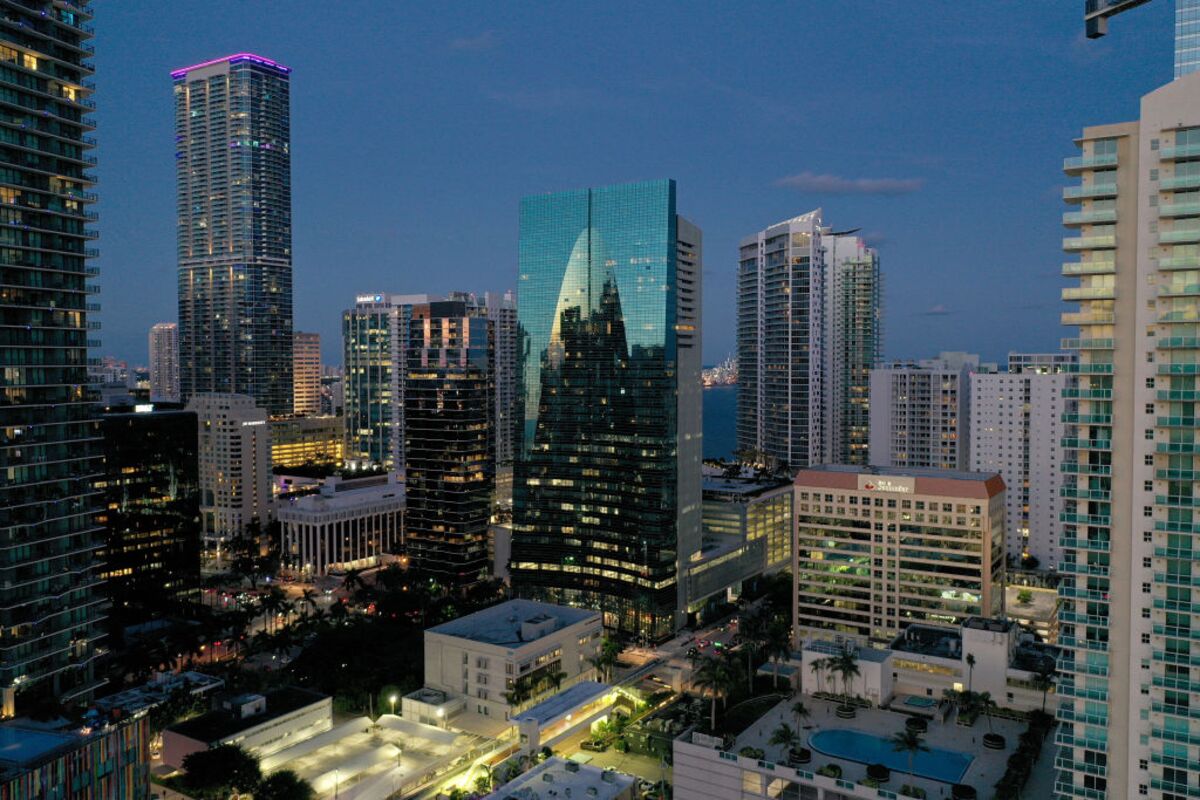
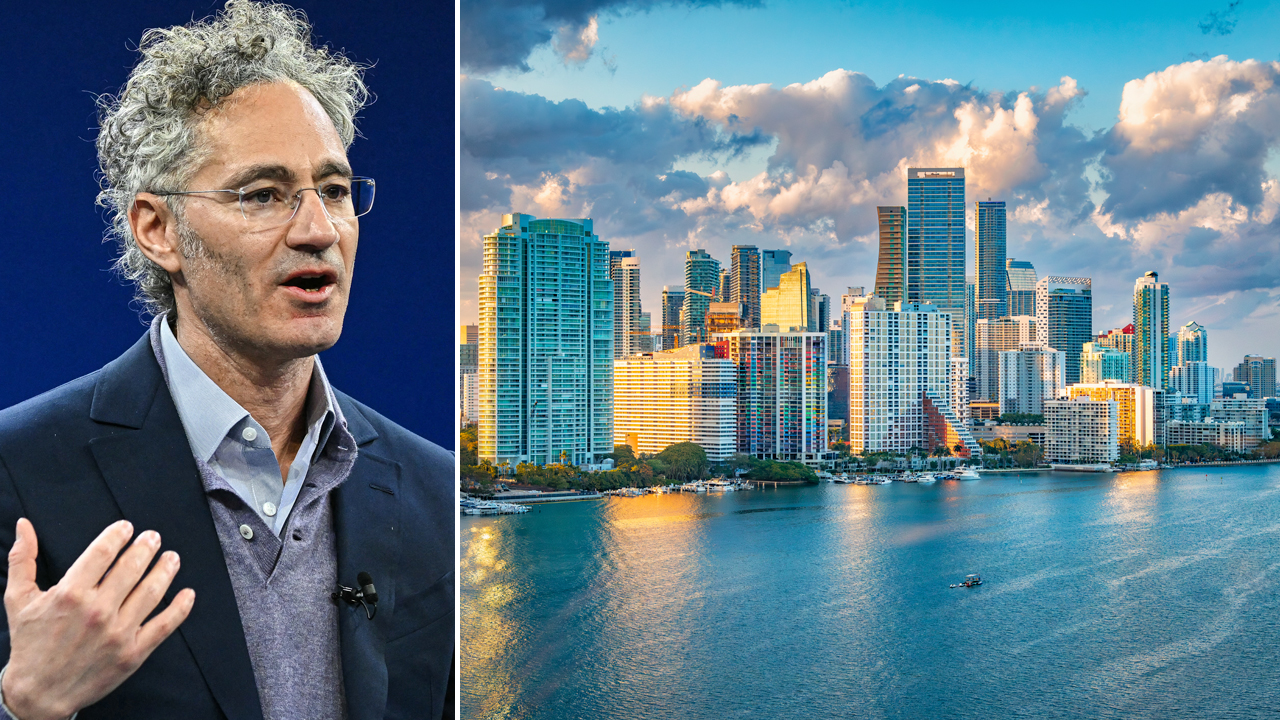
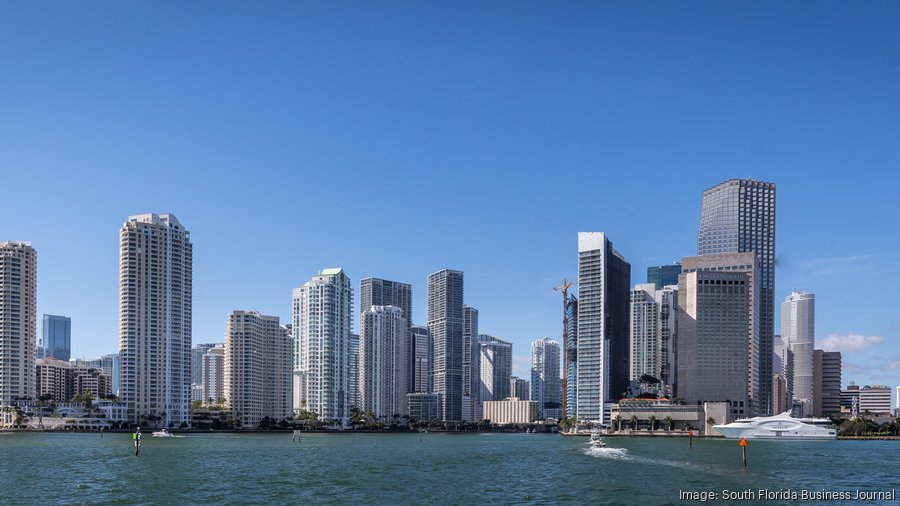
Palantir Technologies' February 2026 headquarters relocation from Denver to Miami represents a watershed moment in the broader tech industry migration reshaping US regional markets. The $300B+ AI company's move—its second major relocation in six years—reflects accelerating corporate flight from high-tax states (California, Colorado) to business-friendly jurisdictions like Florida. This trend directly impacts e-commerce sellers through three critical mechanisms: (1) Regional fulfillment infrastructure shifts, as major tech employers relocate, affecting 3PL provider concentration, warehouse availability, and shipping zone economics; (2) Labor market realignment, with 600+ Denver employees potentially relocating, creating talent shortages in Colorado tech hubs while expanding Miami's logistics workforce; (3) State-level regulatory divergence, as Florida's anti-protest legislation (2021) and pro-business policies contrast sharply with Colorado's activist-friendly environment, influencing operational risk profiles for companies managing sensitive contracts.
The relocation cascade extends beyond Palantir. News reports document parallel migrations by Peter Thiel (Thiel Capital), Jeff Bezos, Ken Griffin (Citadel), and Meta's Mark Zuckerberg—collectively representing $2+ trillion in managed capital. This concentration of tech wealth and infrastructure in South Florida creates emerging opportunities and risks for sellers: Miami-based fulfillment networks will likely expand capacity (reducing shipping times to Southeast markets), while Denver's logistics ecosystem faces contraction. Palantir's $4.5B revenue (2025) and projected $7.2B (2026) growth trajectory demonstrates that high-value tech companies are increasingly decoupling from traditional Silicon Valley and Colorado tech corridors.
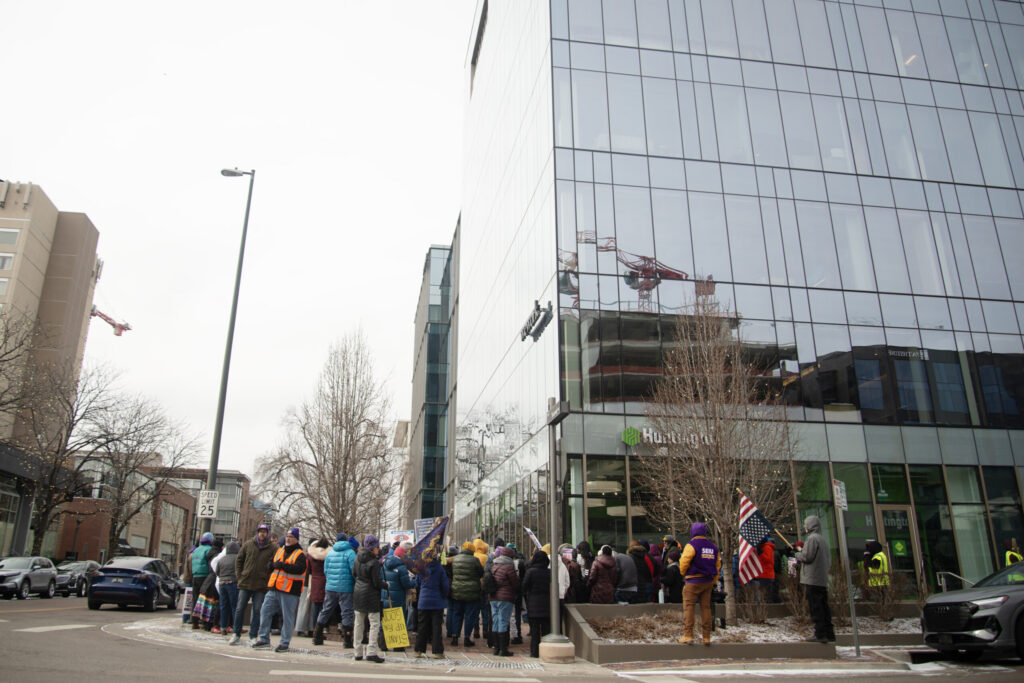
Critically, the move was partially motivated by operational friction from activist protests. Palantir's 2025 SEC filing explicitly lists "activist-led protests" as a risk factor, with Denver demonstrations throughout 2025 creating "increased operating expenses" and "diverted management resources." Florida's stricter anti-protest laws (expanding riot definitions, increasing penalties for traffic-blocking demonstrations) and Miami's summer 2025 ICE cooperation agreement created a more operationally stable environment. For sellers, this signals that regulatory environment and social stability increasingly influence corporate location decisions—a factor that may reshape supply chain resilience strategies. Companies managing government contracts or controversial operations will prioritize jurisdictions with predictable protest dynamics and favorable regulatory frameworks.
问题 8
What supply chain risks emerge from concentrated tech migration to Florida?
The mass migration of tech companies and capital to South Florida creates geographic concentration risk in fulfillment infrastructure, similar to the 2017-2019 West Coast logistics bottlenecks. When 600+ Palantir employees relocate alongside thousands from other tech firms, regional labor markets tighten, increasing 3PL staffing costs 8-12%. Additionally, Florida's hurricane season (June-November) poses seasonal supply chain disruption risks that Colorado-based operations didn't face. Sellers should implement geographic redundancy: maintain inventory across at least 2-3 regional fulfillment hubs (Southeast, Midwest, West Coast) to mitigate concentration risk. Review your 3PL contracts for disaster recovery provisions and consider multi-state inventory positioning.
How does Palantir's Miami relocation affect e-commerce seller fulfillment costs?
Palantir's move signals accelerating tech infrastructure concentration in South Florida, which will likely expand regional 3PL capacity and reduce shipping times to Southeast markets (Florida, Georgia, Carolinas). Sellers currently using Denver-based fulfillment centers may face capacity constraints as logistics providers follow corporate migration patterns. Expect 5-8% shipping cost reductions for Southeast-bound inventory within 12-18 months as Miami-area fulfillment networks scale. However, sellers shipping to Mountain West and Plains states may see slight cost increases as Denver logistics infrastructure contracts. Monitor your 3PL provider's expansion plans and consider geographic diversification of inventory across multiple regional hubs.