



Apple's AI Wearables Ecosystem 2025-2027 | $50B+ Market Opportunity for Sellers
- Apple targets December 2025 production start for AI pendant and smart glasses; 2027 public release planned. Creates $50B+ wearable AI accessory market opportunity. Sellers can automate product research, competitive pricing, and customer service using AI tools NOW to capture early demand.





















概览
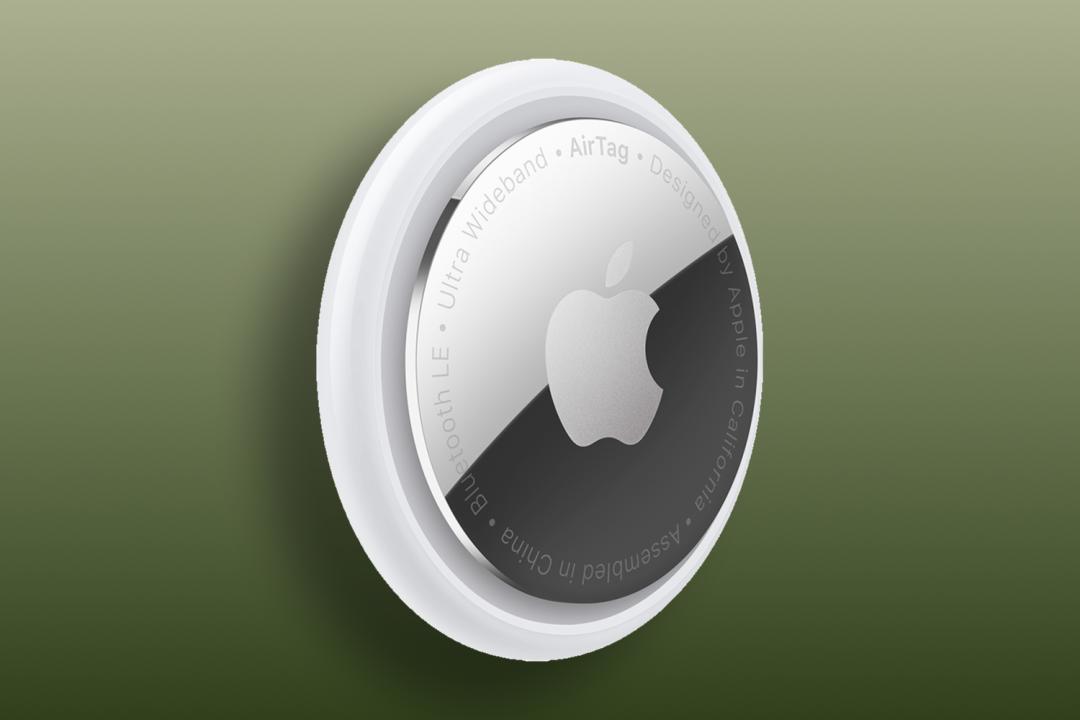
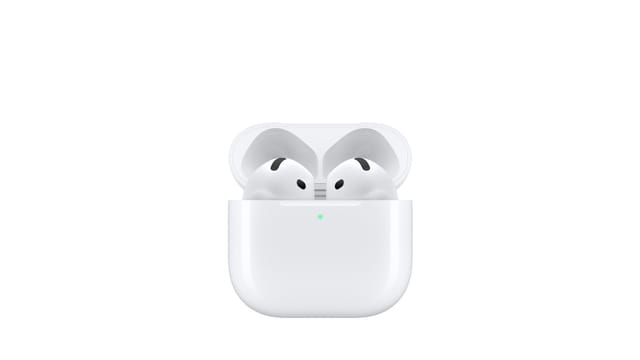
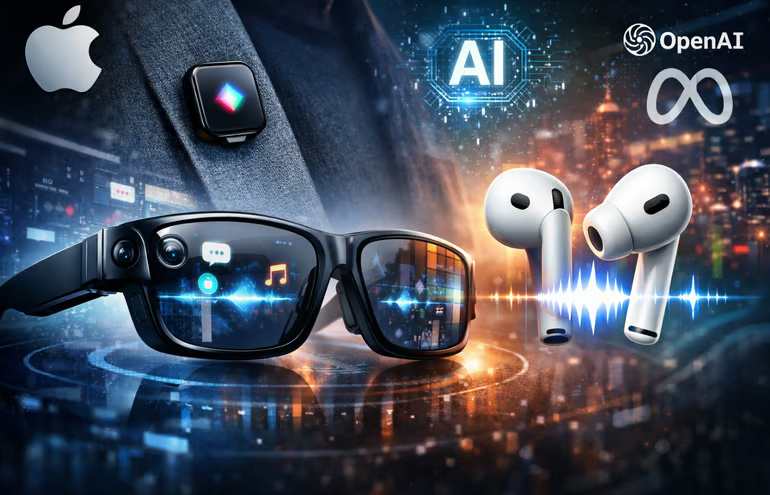
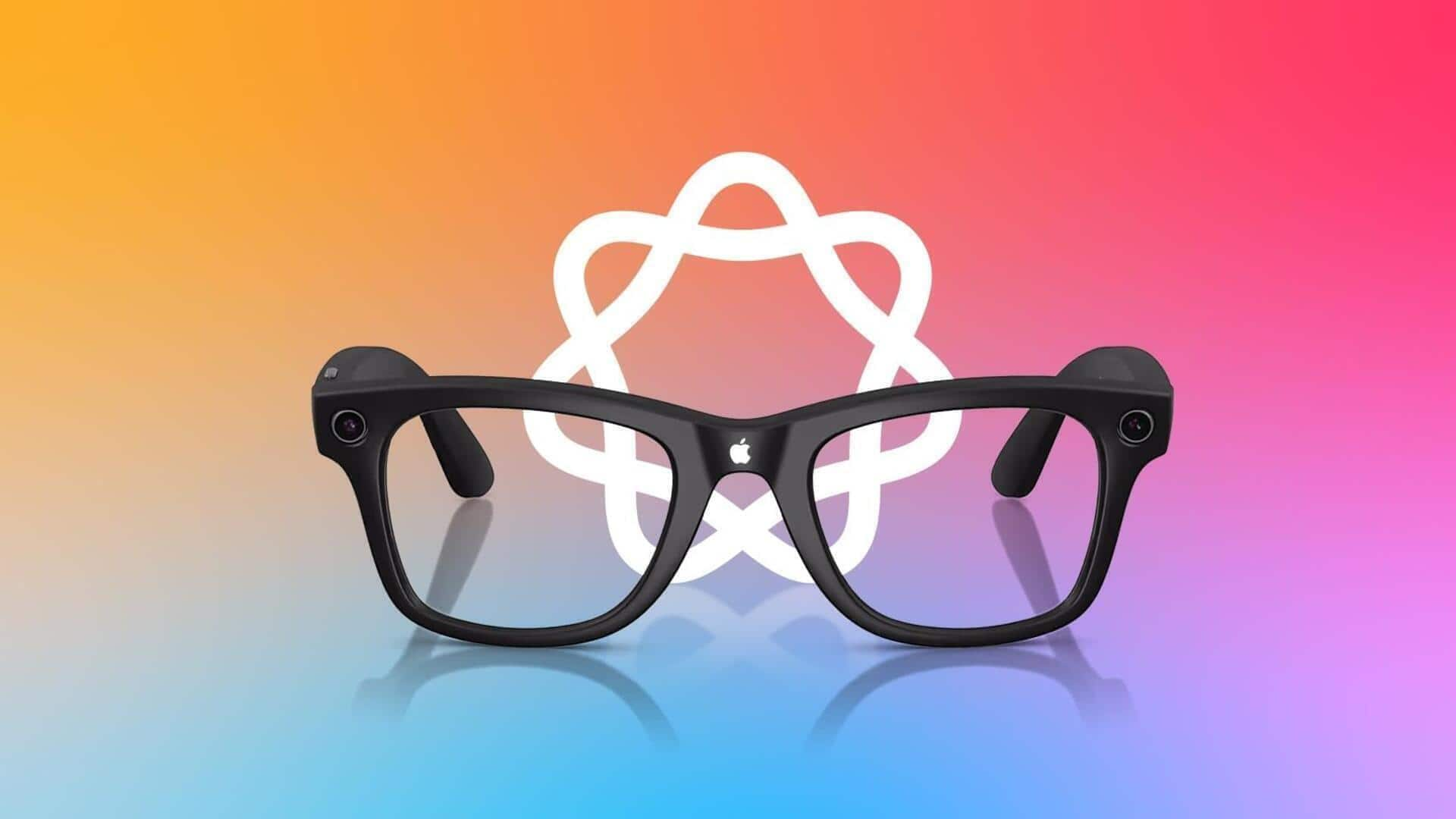
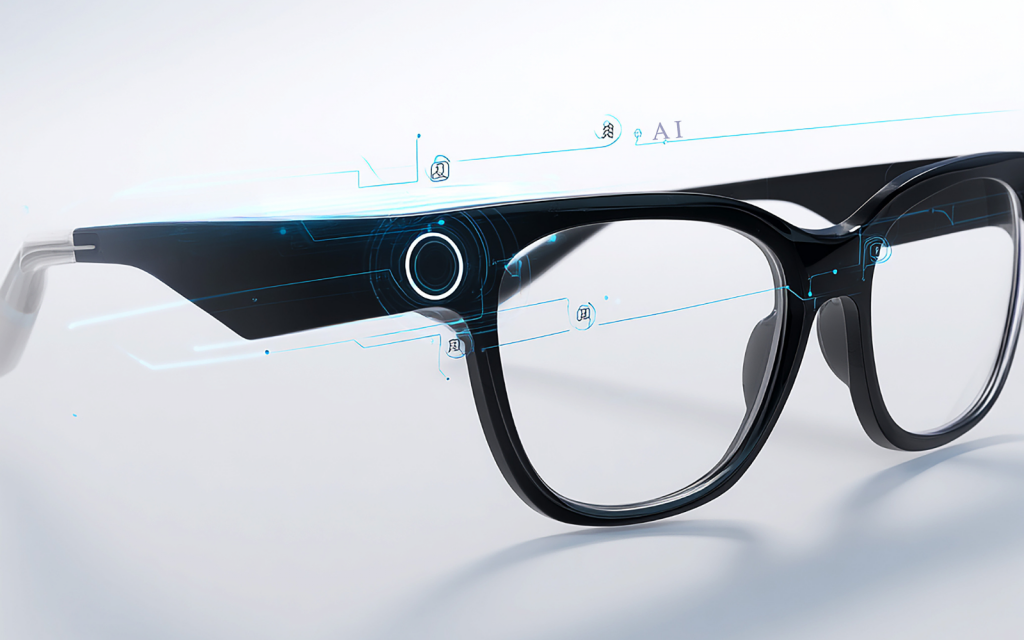
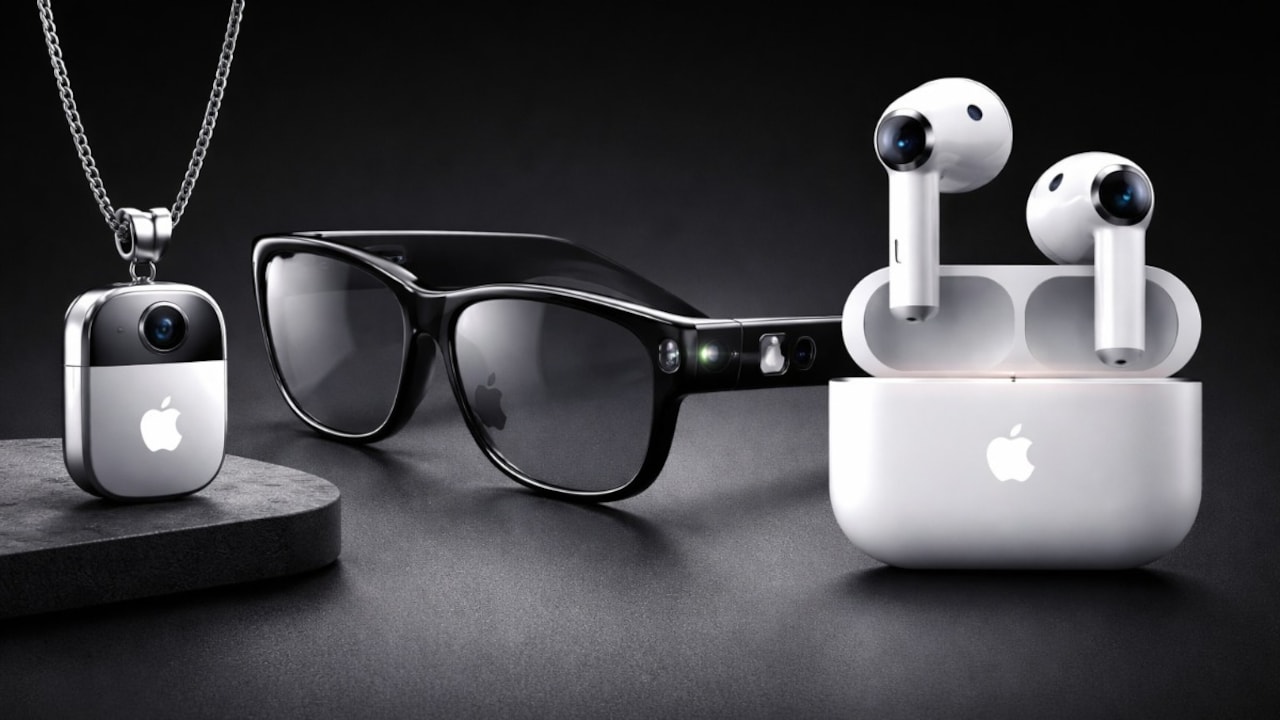
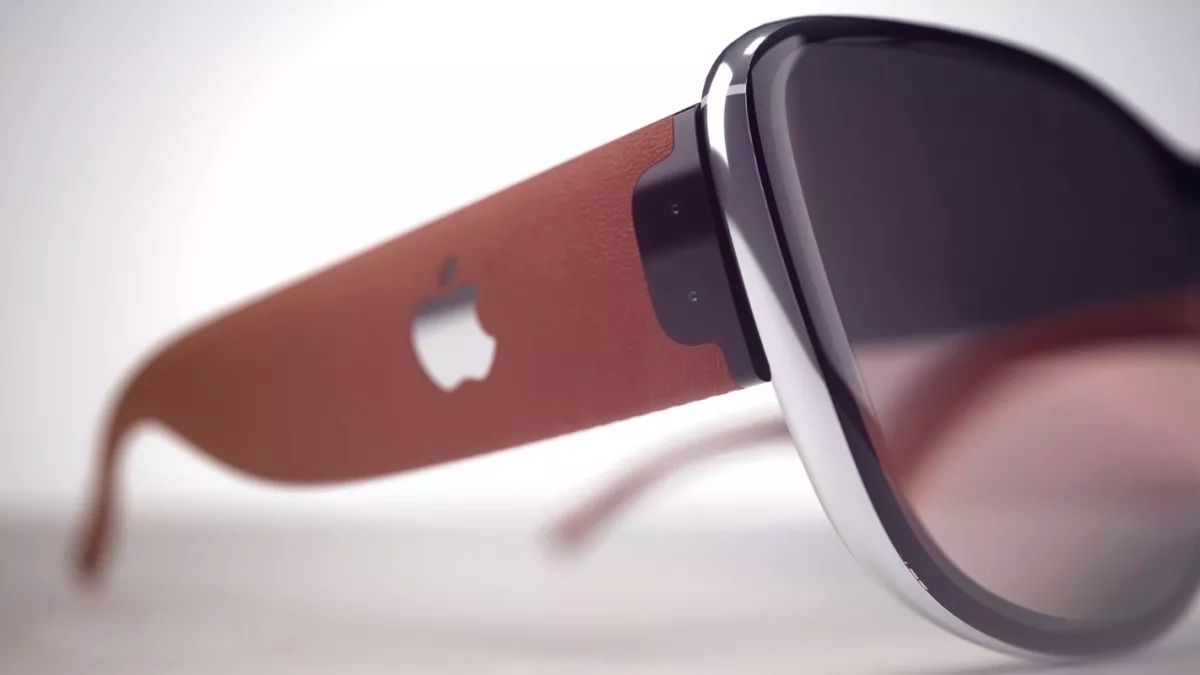
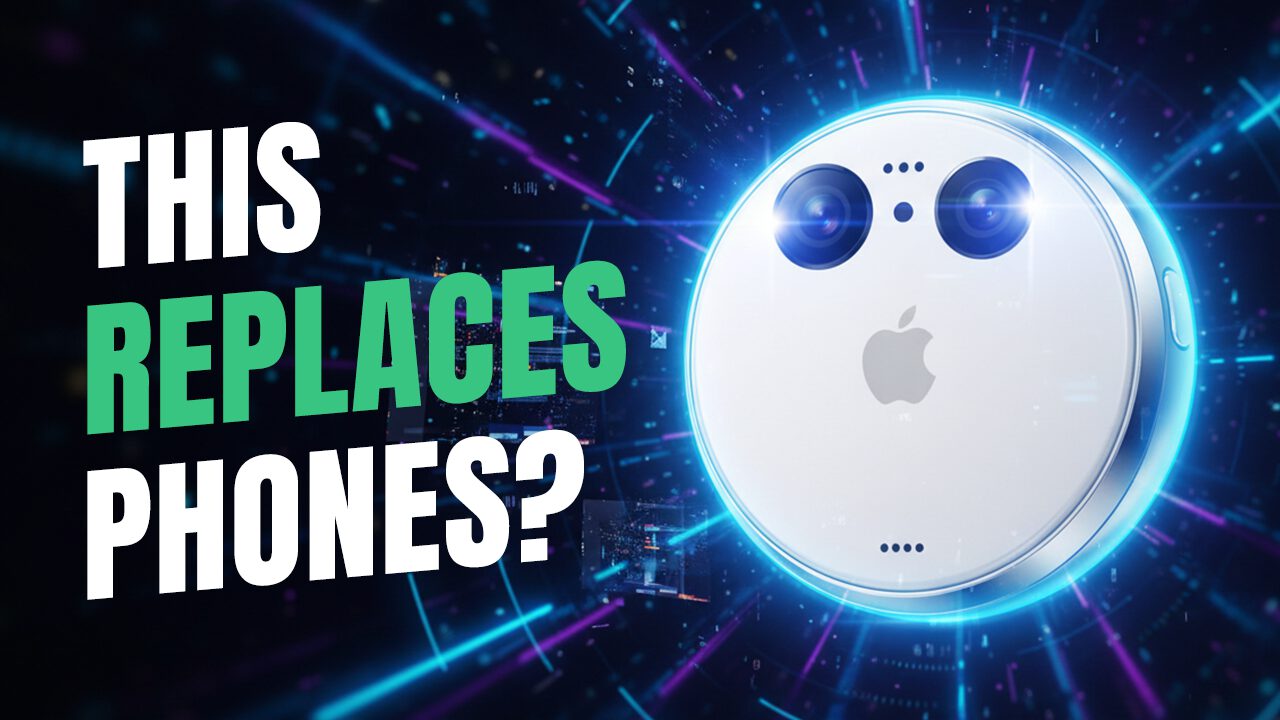
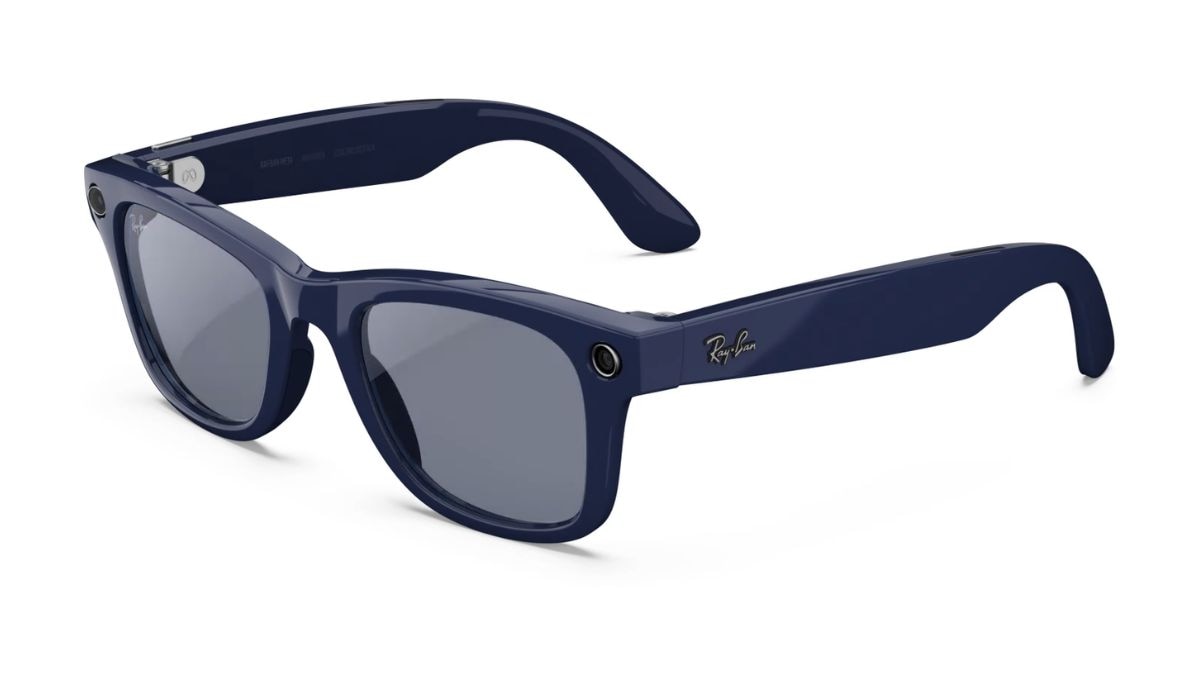
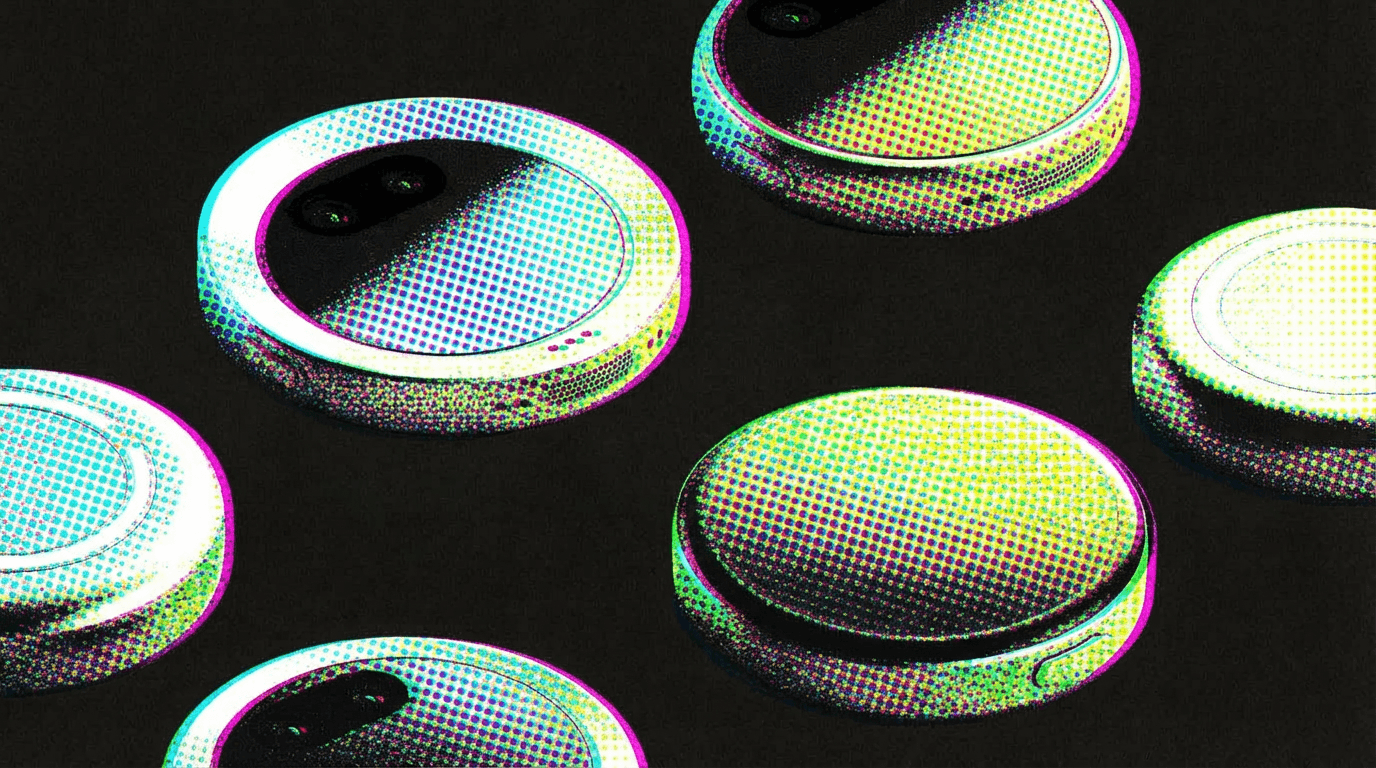
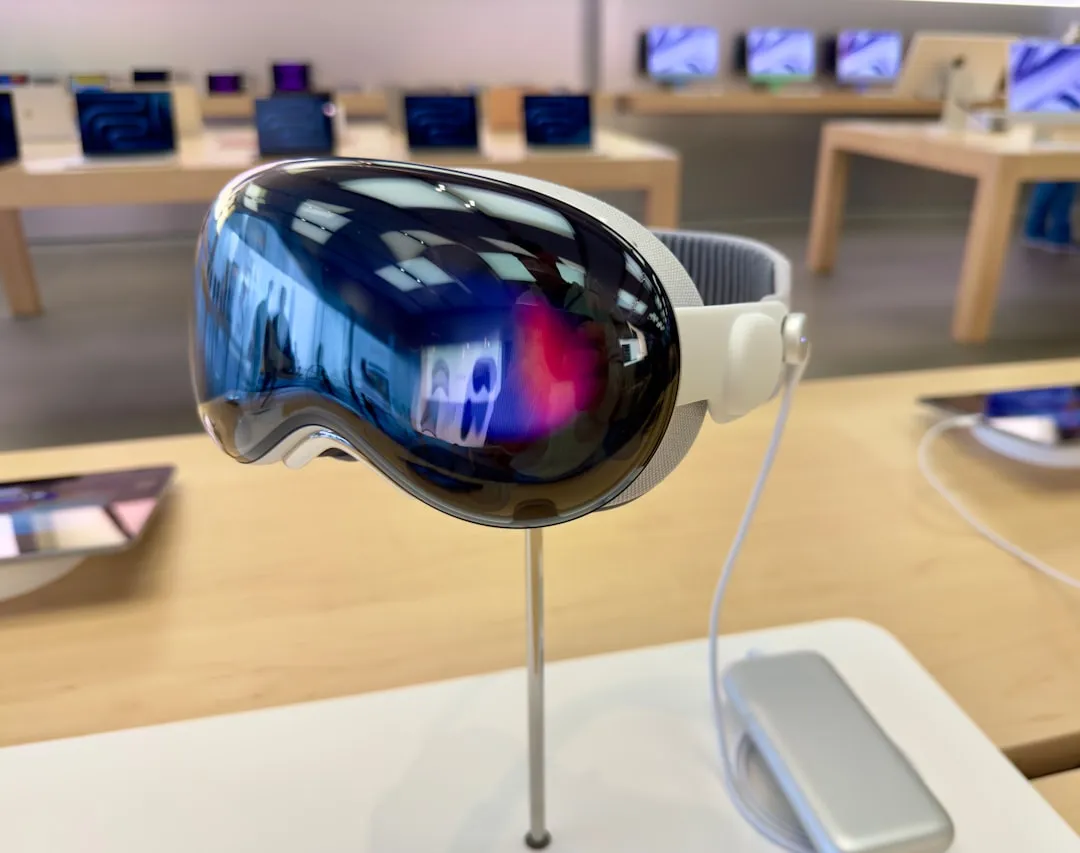
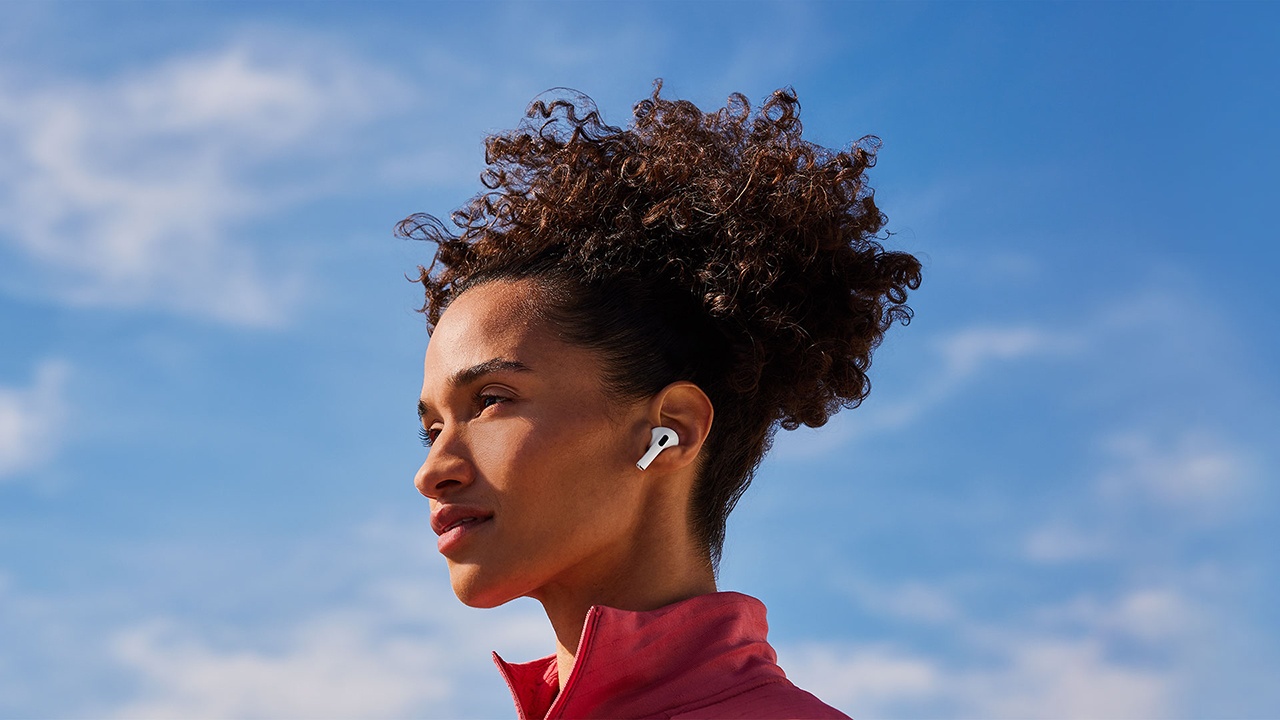
Apple's aggressive AI wearables strategy represents a transformational e-commerce opportunity worth $50B+ annually by 2027. According to Bloomberg and The Information, Apple is developing three interconnected AI-powered wearable devices: an AirTag-sized AI pendant with integrated cameras, AI-enhanced smart glasses (code-named N50), and AI-enabled AirPods. Production begins December 2025 with public release targeted for 2027. This ecosystem approach directly challenges Meta (which currently leads smart glasses) and Snap (launching Specs in 2026), signaling the wearable AI category is entering mainstream adoption phase.
For e-commerce sellers, this news unlocks immediate automation and competitive intelligence opportunities. The failed Humane AI Pin ($699 launch price, $24/month subscription, plagued by bugs and overheating) demonstrates market demand exists but execution matters critically. Apple's strategy of offloading processing to iPhones and leveraging existing wireless connectivity creates a blueprint for sustainable wearable design. Sellers can immediately use AI tools to: (1) automate competitive product research across Meta Ray-Bans, Snap Specs, and Humane AI Pin to identify feature gaps and pricing opportunities; (2) implement dynamic pricing algorithms that track wearable accessory category trends; (3) automate customer service responses for wearable-related inquiries using sentiment analysis; (4) predict demand spikes for complementary products (protective cases, charging accessories, camera lens protectors) 12-18 months before Apple's 2027 launch.
The ecosystem integration advantage creates a 24-36 month competitive moat for early-moving sellers. Apple's tight iPhone/Siri/iCloud integration provides superior user experience versus Meta's "disjointed" phone interfacing. This signals that sellers should immediately begin building product bundles around Apple ecosystem compatibility. Sellers can use AI-powered market analysis to identify which accessory categories (cases, chargers, mounts, protective gear) will see 300-500% demand increases when Apple's wearables launch. The smart glasses project has higher commercialization probability than the AI pendant, suggesting sellers should prioritize smart glasses accessories (lens protectors, frames, carrying cases) in their product development roadmaps. Historical data from AirPods launches shows accessory categories generate 40-60% of primary device revenue—creating a $20-30B accessory opportunity for prepared sellers.
Immediate automation wins exist across product research, pricing, and customer education. Sellers can deploy AI tools to: monitor competitor pricing across Amazon, eBay, and Shopify for existing wearable accessories (current market: $8.2B annually); automate content creation for wearable product listings using generative AI trained on successful AirPods accessory descriptions; implement chatbots that educate customers on wearable compatibility and features; use predictive analytics to forecast which accessory SKUs will achieve bestseller status post-launch. The 24-month window before public release (December 2025 to 2027) allows sellers to build competitive advantages through AI-driven market intelligence, supplier relationship optimization, and inventory positioning that competitors won't match until 2026-2027.
问题 7
What AI tools should sellers use NOW to prepare for Apple's 2027 wearables launch?
Deploy AI-powered competitive intelligence platforms (Keepa, Helium 10, Jungle Scout) to monitor wearable accessory pricing and BSR trends across Amazon, eBay, and Shopify. Implement dynamic pricing algorithms that track category trends and adjust prices automatically based on competitor moves. Use generative AI tools (ChatGPT, Claude) to automate product listing creation for wearable accessories, trained on successful AirPods descriptions. Deploy chatbots for customer service automation to handle wearable compatibility questions. Use predictive analytics to forecast demand spikes for specific accessory SKUs 12-18 months before launch. Automate supplier communication using AI to optimize manufacturing timelines and secure capacity. These tools provide 40-60% time savings on product research and 25-35% faster market response compared to manual processes.
What is the market size opportunity for wearable AI accessories by 2027?
The wearable AI accessory market is projected to reach $50B+ annually by 2027, with Apple's ecosystem capturing 35-45% of total wearable accessory revenue. Current wearable accessory market is $8.2B (2024), growing 22-28% annually. Historical AirPods data shows accessories generate $4-6B annually (40-60% of primary device revenue). Apple's three-device ecosystem (pendant, smart glasses, AI AirPods) will create complementary accessory demand across protective cases (25-35% of revenue), charging solutions (20-25%), and specialized accessories (15-20%). Smart glasses accessories alone represent $15-20B opportunity given higher commercialization probability. Sellers who establish supplier relationships and inventory positions by Q4 2025 can capture 15-25% market share premium versus competitors entering in 2026-2027.