


AMD's Cache Revolution: Redefining Performance Boundaries in Next-Gen Computing
- Strategic CPU Innovation Signals Massive Shift in Gaming and High-Performance Computing Architectures




概览
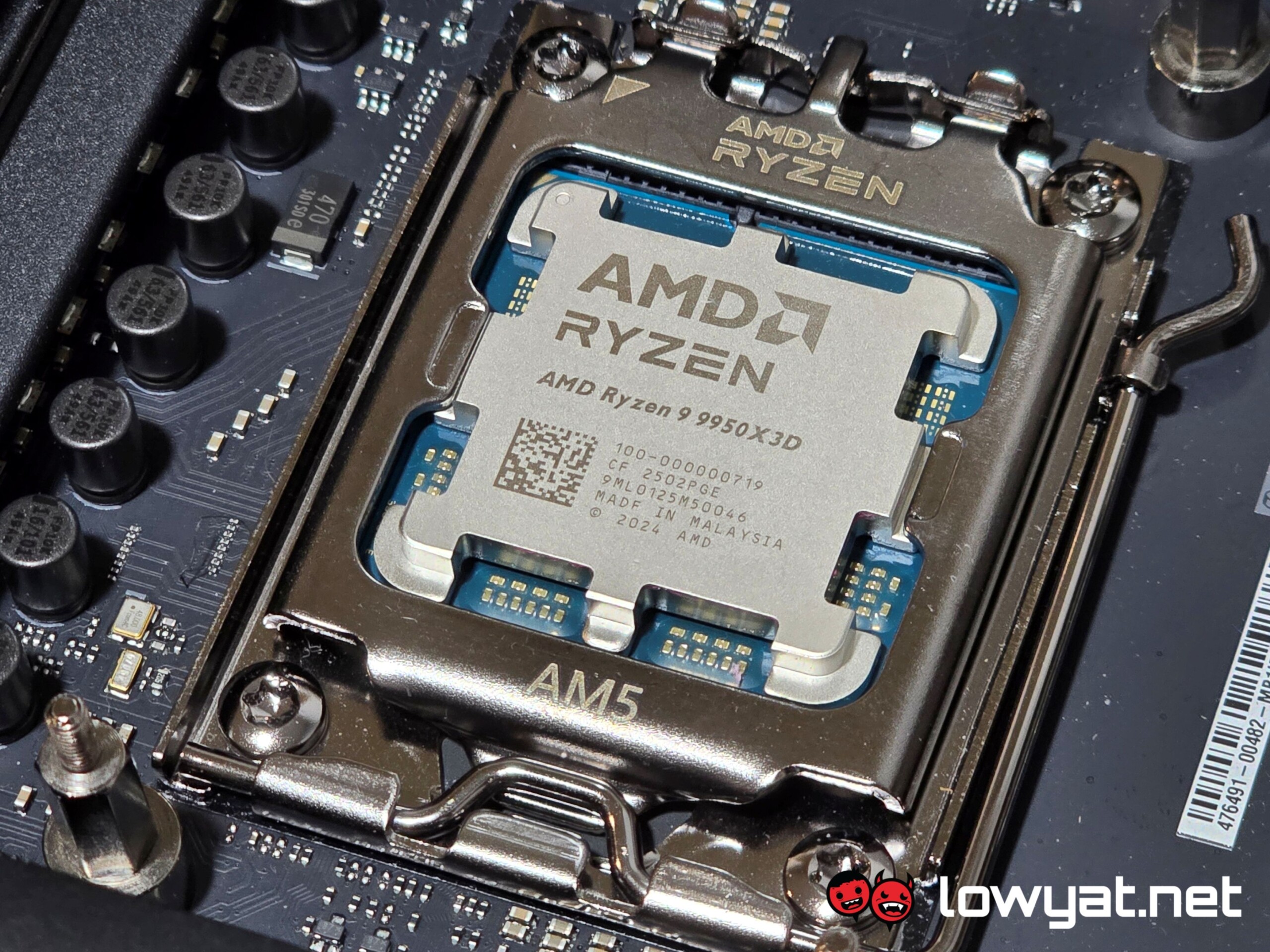
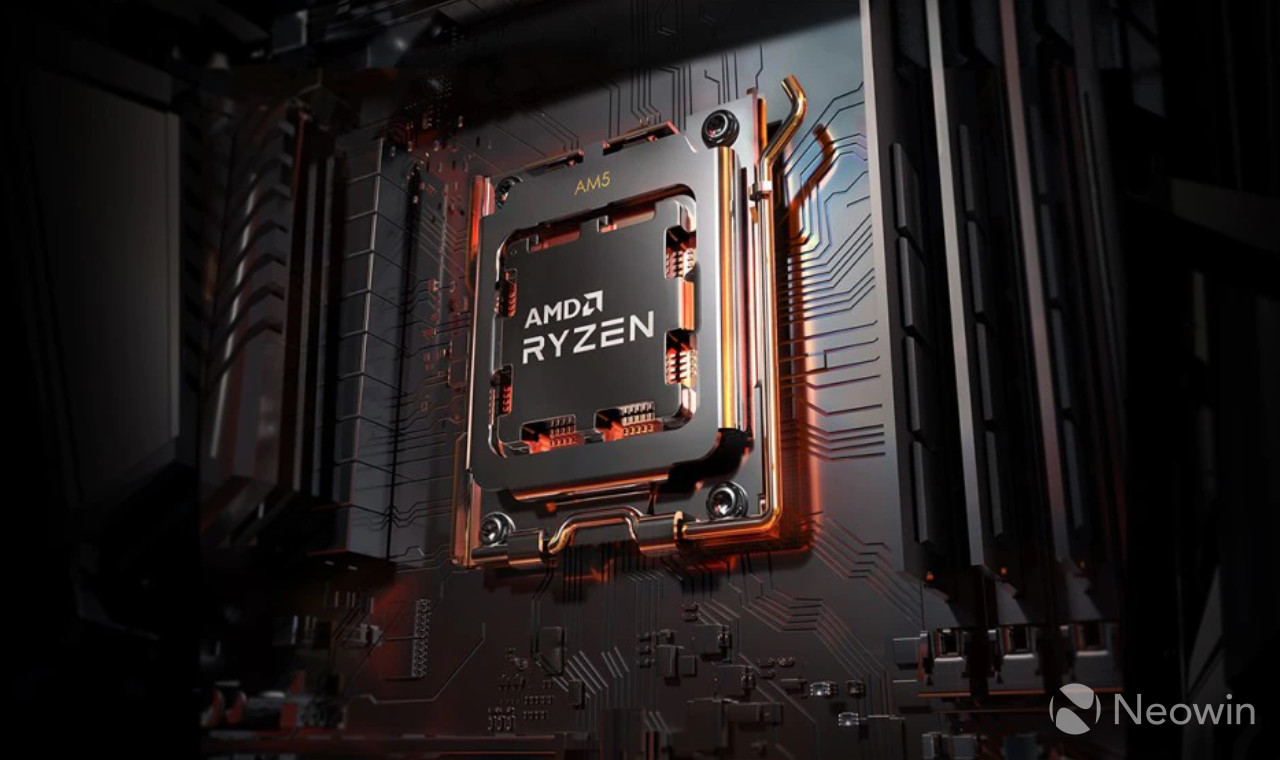
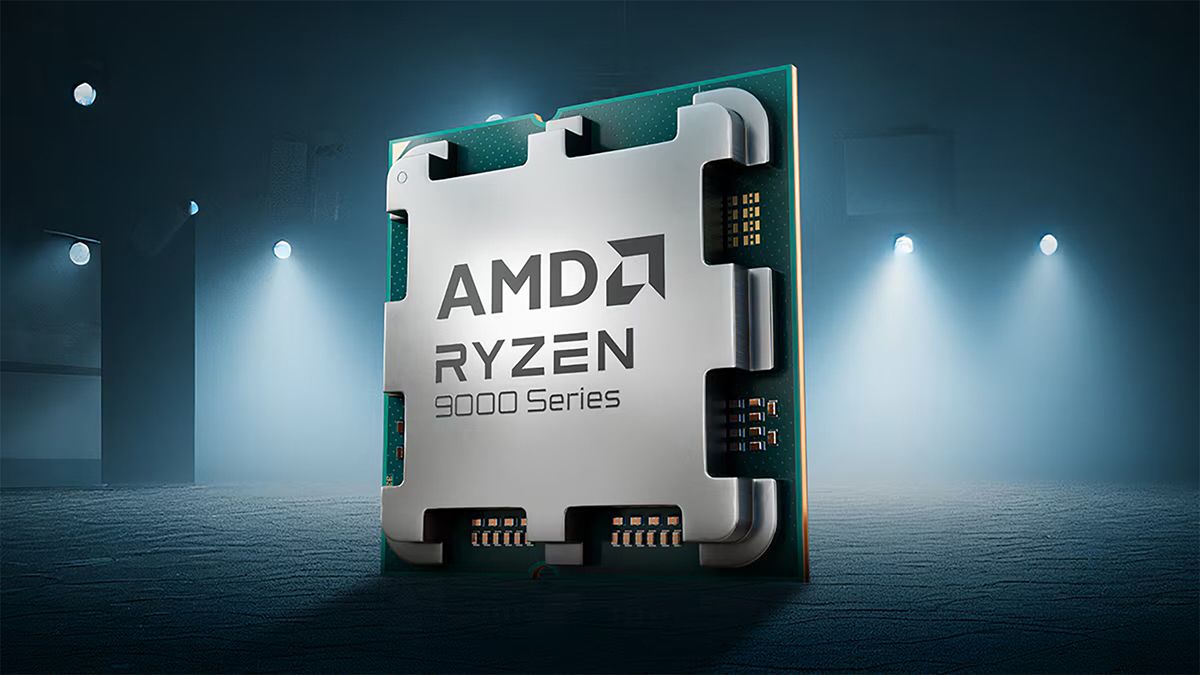
The emerging landscape of high-performance computing is being dramatically reshaped by AMD's innovative cache technologies, revealing a nuanced battlefield where architectural optimization becomes the key competitive differentiator. At the heart of this transformation lies a sophisticated dance between cache scheduling and architectural design, exemplified by the Ryzen 9 9950X3D processors.
Linux's Cache Aware Scheduling (CAS) represents a critical frontier in computational efficiency. While initial desktop testing showed minimal performance gains, the research uncovered intriguing exceptions—notably improved PostgreSQL performance and localhost network testing benefits. This suggests that cache optimization is not a universal solution but a precision instrument requiring meticulous calibration across different computing environments.
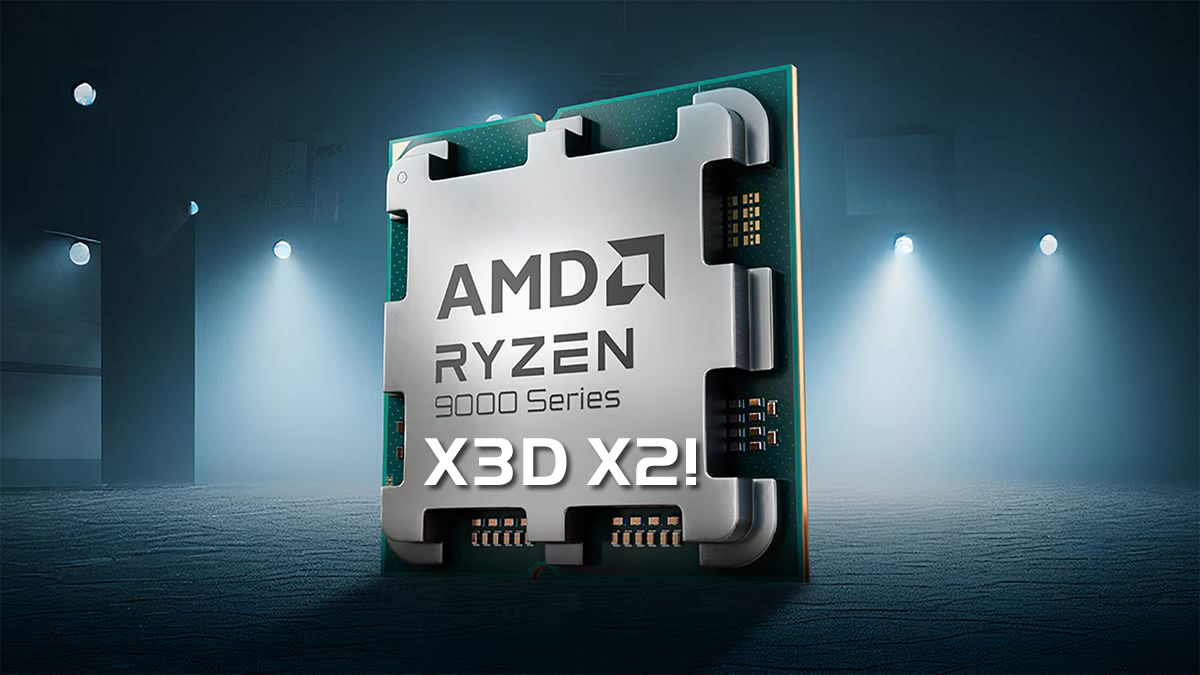
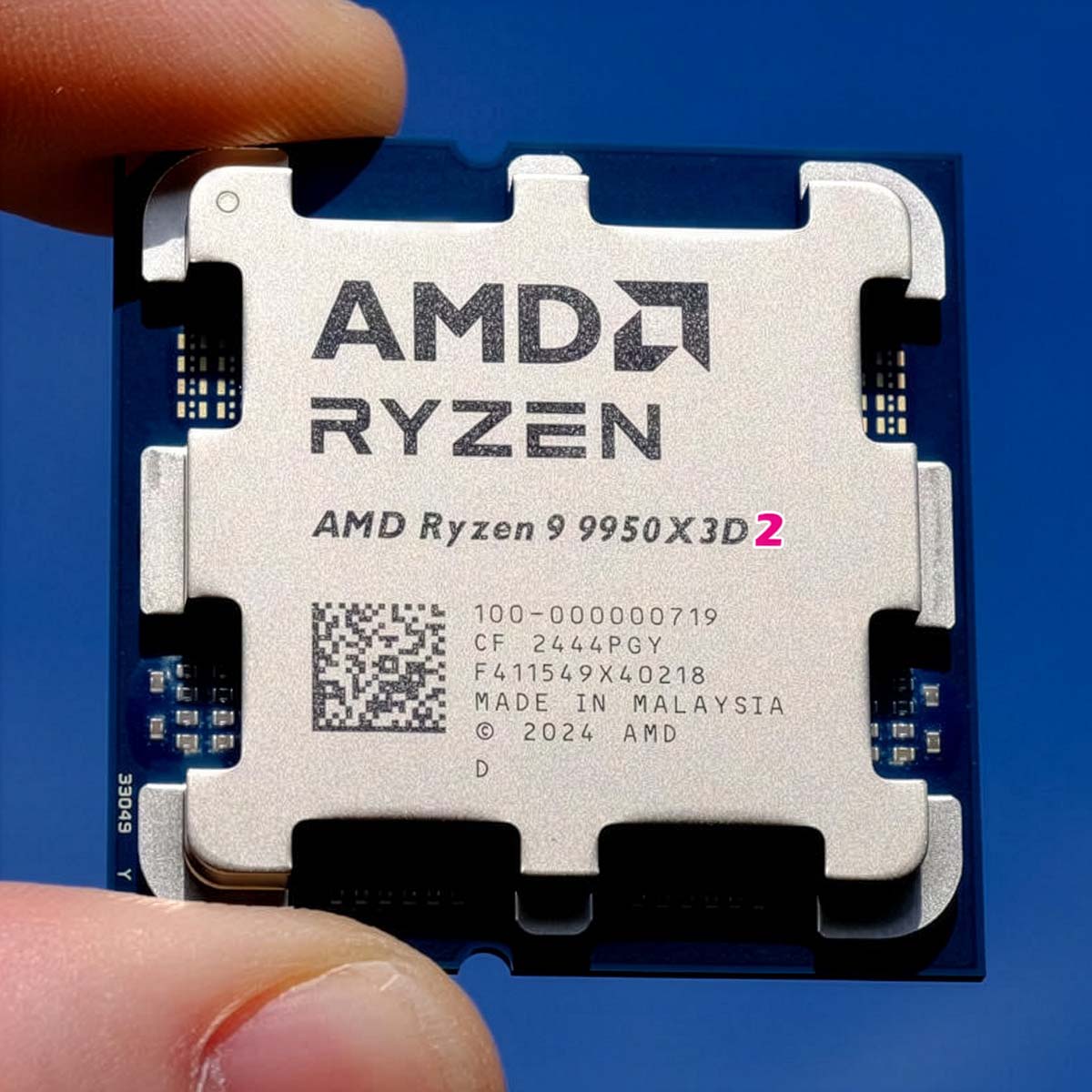
The Ryzen 9 9950X3D2 emerges as a landmark development, featuring an unprecedented 192MB of L3 cache distributed across compute chiplets. This isn't merely a technical specification; it's a strategic statement about AMD's commitment to pushing performance boundaries. By implementing massive cache configurations, AMD aims to fundamentally reduce memory latency and dramatically improve gaming frame rates. The dual-cache architecture represents a sophisticated approach to solving computational bottlenecks, targeting enthusiast gamers and high-performance computing users with laser-like precision.
For e-commerce sellers and technology strategists, this signals a profound opportunity. The advanced CPU architecture suggests imminent demand for high-end gaming systems, premium motherboards, and sophisticated cooling solutions. Sellers specializing in gaming components should prepare for a significant market transformation, where cache architecture becomes a primary differentiator.
The broader implication is clear: computational performance is no longer just about raw processing power, but about intelligent, targeted optimization. AMD's approach demonstrates that the future of computing lies in understanding and manipulating architectural nuances—transforming cache from a technical detail into a strategic weapon.
问题 3
What are the practical implications of Cache Aware Scheduling for desktop users?
Current research suggests Cache Aware Scheduling offers nuanced performance improvements. While not universally transformative, specific workloads like PostgreSQL and network testing showed measurable gains. Desktop users can expect incremental performance enhancements, particularly in specialized computing tasks that benefit from intelligent cache management.
Why are gaming-focused CPUs like the Ryzen 9 9950X3D2 significant for the tech market?
Gaming-focused CPUs represent a strategic market segment where performance margins are razor-thin. The Ryzen 9 9950X3D2's 192MB cache configuration targets enthusiast gamers and high-performance computing users, signaling a trend where architectural innovation—not just clock speed—becomes the primary competitive differentiator.