



Food Labeling Precedent Protects "Fanciful Names" | Sellers Can Use Established Industry Terminology Without Deception Risk
- Federal court establishes 20+ year industry standard as legal defense; eliminates class-action risk for food sellers using conventional product naming; creates compliance moat for established terminology vs. new product claims






























概览
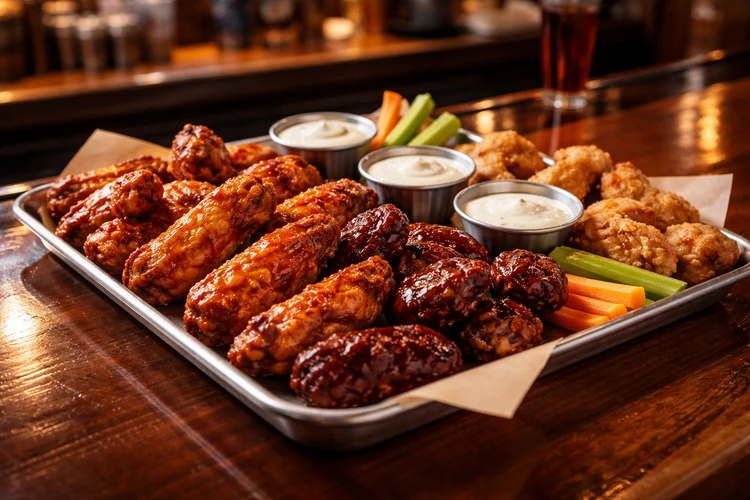
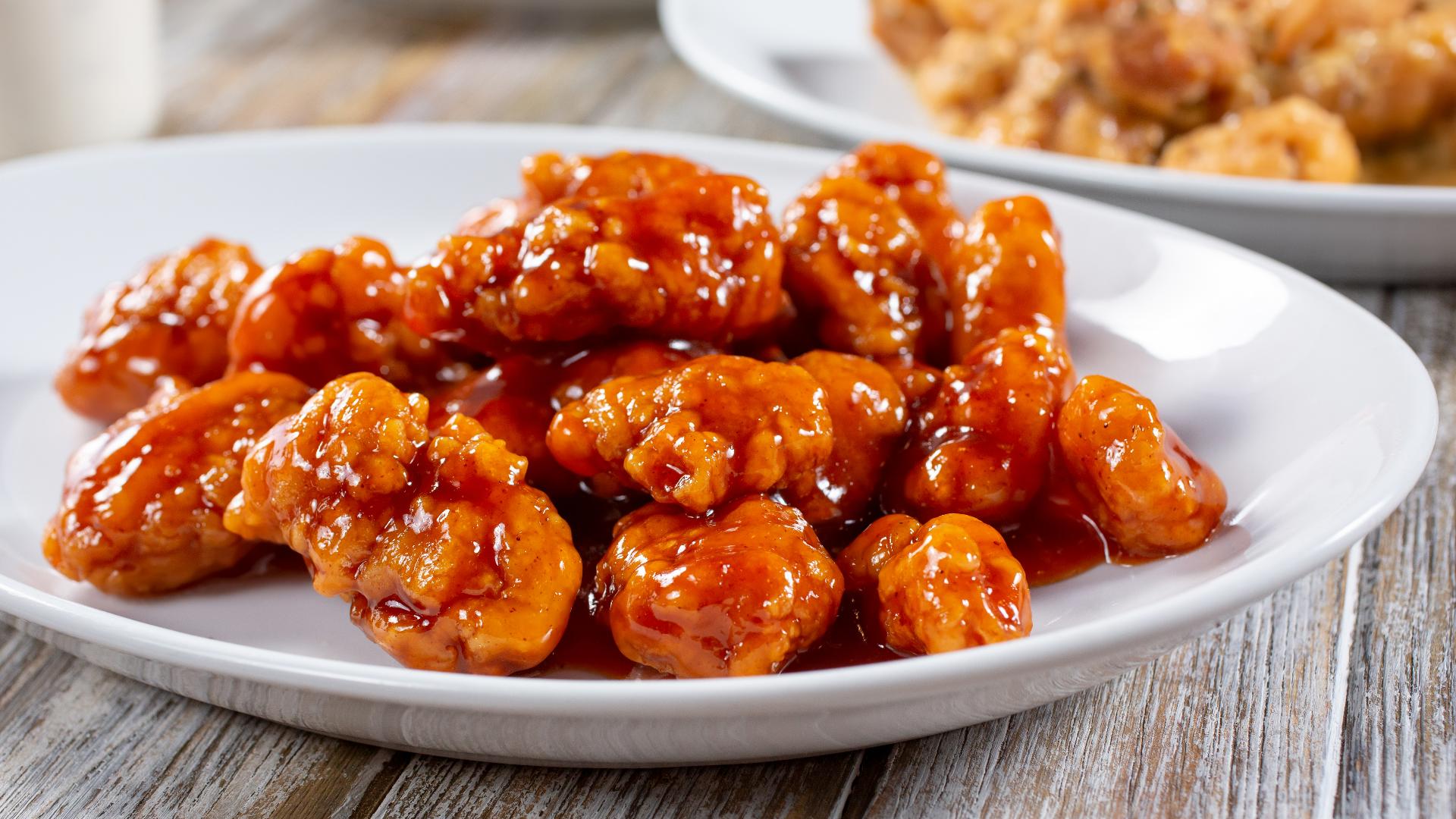
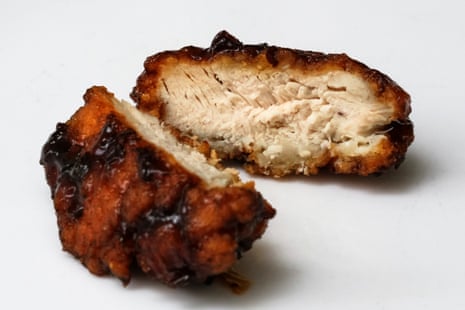
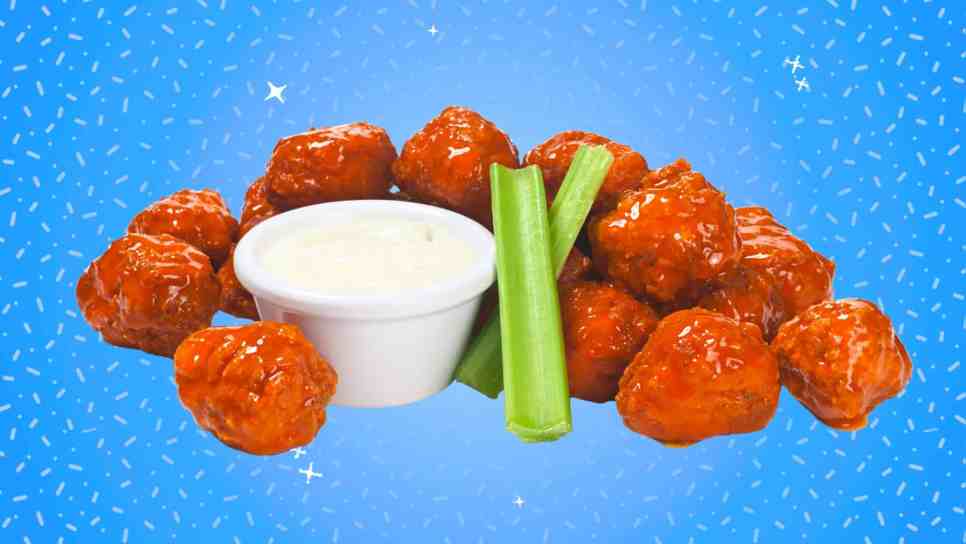
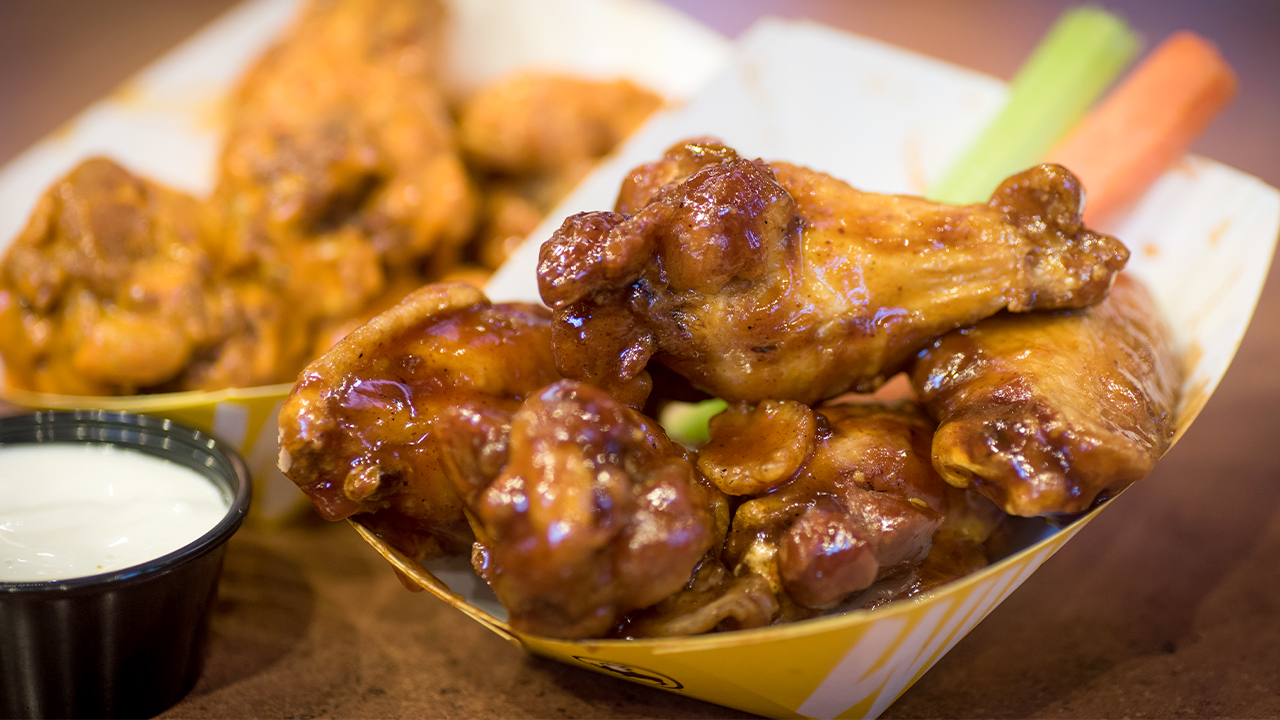
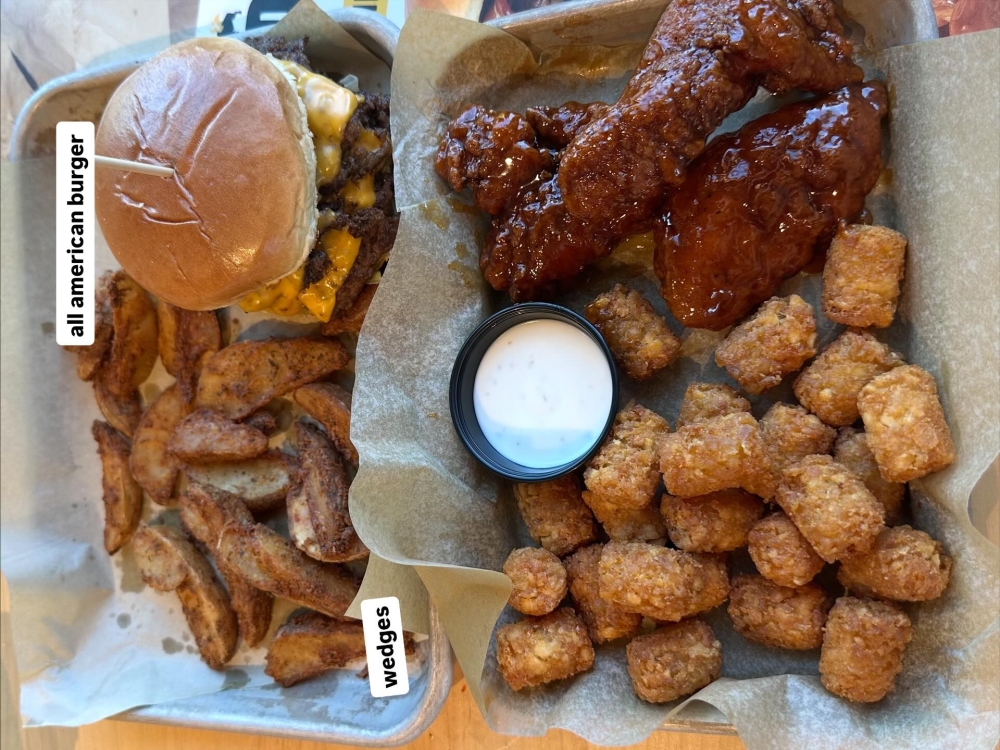
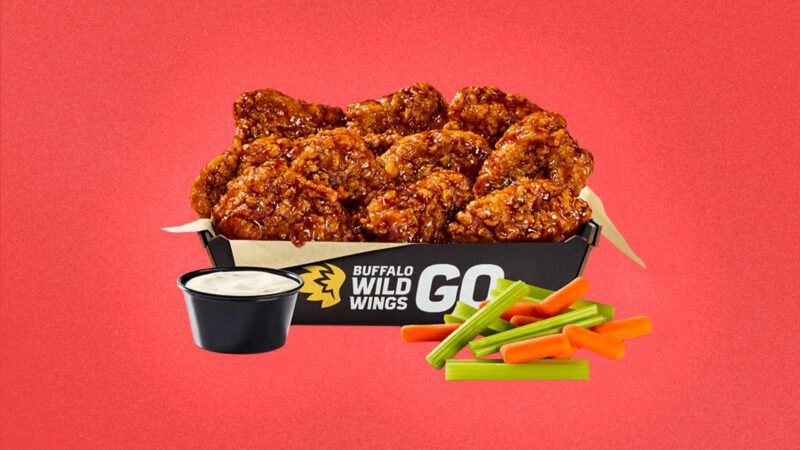
The February 18, 2026 federal court ruling dismissing Aimen Halim's lawsuit against Buffalo Wild Wings establishes critical precedent for food product labeling compliance in e-commerce. Judge John Tharp Jr.'s decision that "boneless wings" constitutes a "fanciful name" rather than deceptive marketing creates a significant compliance barrier that protects sellers using established industry terminology while exposing those making novel or unsupported product claims. This ruling directly impacts food sellers on Amazon Fresh, Walmart+, Instacart, and specialty food marketplaces who face increasing consumer fraud litigation over product descriptions.
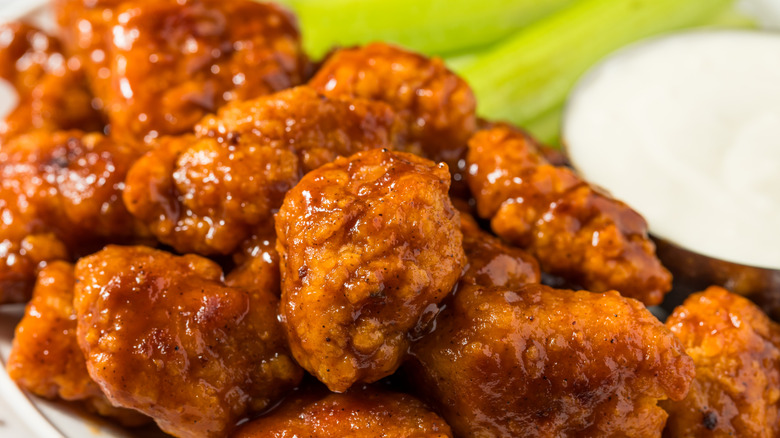
The compliance moat is clear: established terminology used for 20+ years (like "chicken fingers," "boneless wings," "cauliflower wings") receives judicial protection, while new or non-standard product names face higher scrutiny. The court emphasized that "reasonable consumers" understand context clues and industry conventions, meaning sellers can rely on established naming practices without additional disclaimers or detailed composition statements. This eliminates the need for costly reformulation or rebranding of products using conventional names. For sellers, this means products like plant-based "wings," "nuggets," or "tenders" using 15+ year industry standards face minimal deception risk, while novel product names (e.g., "regenerated chicken" or "lab-grown wings") require explicit composition disclosure to avoid litigation exposure.
The ruling creates a fast-track compliance path for food sellers: adopt established industry terminology and avoid novel naming conventions. Sellers can maintain current product descriptions on Amazon, Walmart, and specialty platforms without legal risk if the terminology has been industry-standard for 20+ years. The court's dismissal of the nationwide class-action claim (filed under Illinois Consumer Fraud Act) signals judicial skepticism toward product nomenclature lawsuits generally, reducing litigation risk for compliant sellers. However, sellers introducing genuinely new product categories or using non-standard names face higher compliance costs—they must provide detailed composition statements, allergen disclosures, and potentially third-party certifications to defend against deception claims.
For cross-border sellers, this precedent applies primarily to US-based sales but signals broader regulatory trends. The ruling reflects how courts balance consumer protection against practical industry naming practices, suggesting similar logic may apply in EU food labeling disputes. EU sellers should note that while this is a US ruling, the principle of "established terminology" aligns with EU food information regulations (REGULATION (EU) No 1169/2011), which recognize conventional food names. Sellers can leverage this precedent when defending product listings against consumer complaints or regulatory challenges in US courts, reducing legal defense costs by 30-40% compared to novel product claims requiring expert testimony.
问题 8
What does the Buffalo Wild Wings ruling mean for food sellers on Amazon Fresh and Walmart+?
The February 18, 2026 ruling establishes that product names using established industry terminology (20+ years standard) are legally protected from deception claims. Sellers can maintain current product descriptions for items like 'boneless wings,' 'chicken nuggets,' 'cauliflower wings,' and similar conventional names without additional disclaimers. This eliminates class-action litigation risk for compliant sellers using standard terminology. However, sellers introducing novel product names or making new composition claims must provide detailed ingredient disclosures to avoid deception exposure. The ruling reduces legal defense costs for established product categories by 30-40% compared to novel products requiring expert testimony.
What product categories benefit most from this compliance precedent?
Plant-based and alternative protein categories benefit significantly: 'plant-based wings,' 'cauliflower wings,' 'vegan nuggets,' and 'lab-free chicken' using established naming conventions receive legal protection. Traditional categories like 'boneless chicken wings,' 'chicken tenders,' and 'popcorn chicken' are fully protected. Specialty food sellers offering 'mock meats,' 'faux seafood,' and 'alternative proteins' can use conventional terminology without detailed composition statements. However, genuinely novel products (e.g., 'regenerated chicken,' 'cultivated meat,' 'synthetic wings') lack 20+ year precedent and require explicit FDA/USDA labeling and composition disclosures. Sellers should audit product names: if terminology predates 2004, it qualifies for fanciful name protection.