



Mexico-Canada Economic Integration Signals USMCA Stability | Cross-Border Sellers Face Tariff Certainty Through 2025
- Mexico records $40.9B FDI in 2024; USMCA review underway; agri-food sector attracts Canadian investment; project approval timelines cut from 2.6 to 1 year under Plan México







概览
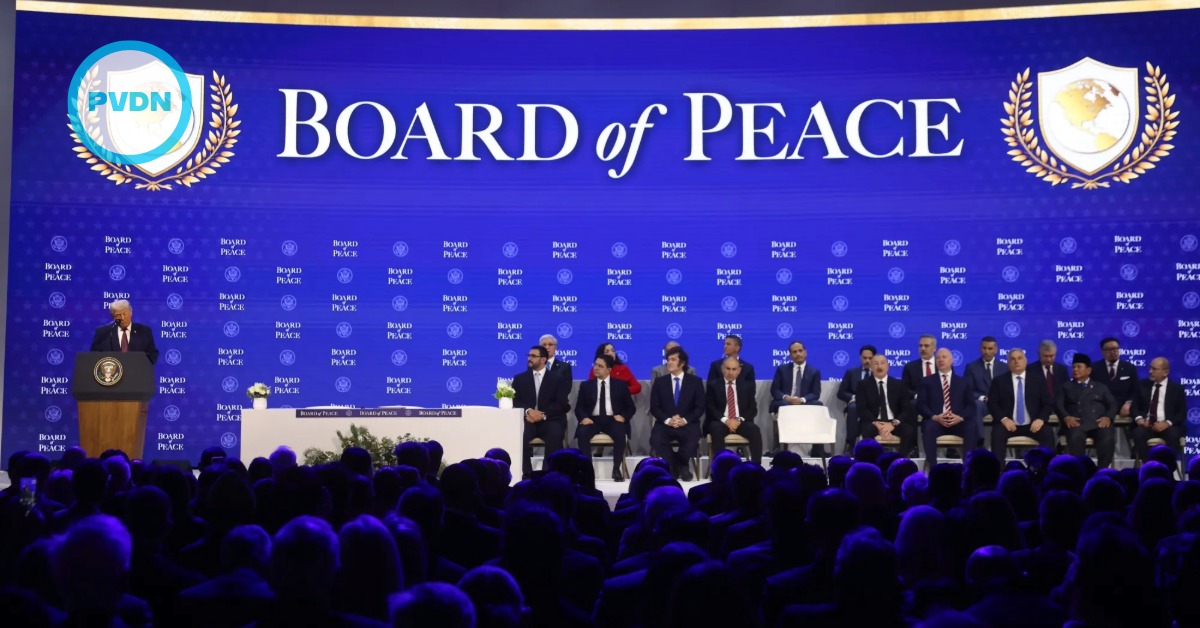
Mexico's strategic pivot toward deeper economic integration with Canada—announced February 16, 2025, by Economy Minister Marcelo Ebrard—signals critical stability for cross-border e-commerce sellers operating within the USMCA framework. While Mexico declined full participation in Trump's Board of Peace initiative, the simultaneous strengthening of Mexico-Canada trade relationships demonstrates Mexico's commitment to preserving the trilateral trade agreement facing 2025 review. This geopolitical positioning directly impacts tariff certainty for sellers shipping across North America.
The core opportunity: Mexico recorded a record $40.9 billion in foreign direct investment during the first nine months of 2024, with Canadian business delegations actively exploring investment opportunities in agri-food sectors. For cross-border sellers, this signals sustained market access through USMCA's preferential tariff rates (0% on most goods between US-Mexico-Canada). The agreement's stability through 2025 review protects sellers from sudden tariff escalations that could compress margins 8-15% on high-volume categories like consumer electronics, apparel, and food products.
Operational acceleration for sellers: Mexico's Plan México initiative targets reducing average project implementation time from 2.6 years to 1 year—a 62% efficiency gain directly benefiting sellers establishing Mexican distribution centers or manufacturing partnerships. This timeline compression reduces working capital requirements and accelerates time-to-market for inventory positioned in Mexico as a USMCA hub. Sellers can now execute Mexico-based fulfillment strategies with faster regulatory approval, enabling competitive advantage against China-sourced competitors.
Tariff arbitrage window: The confirmed USMCA continuation (with possible modifications) through 2025 creates a 12-month window for sellers to lock in preferential tariff rates before any renegotiation impacts. Categories like HS 6204 (women's apparel), HS 8517 (telecommunications equipment), and HS 8471 (computer equipment) maintain 0% intra-USMCA tariffs. Sellers should accelerate sourcing from Mexico and Canada during this certainty window rather than waiting for post-review tariff changes.
Market access expansion: Canadian delegations exploring Mexican agri-food investments signal emerging opportunities in specialty food, organic products, and prepared foods categories—traditionally high-margin cross-border segments. Sellers in these categories can capitalize on reduced bureaucratic timelines to establish Mexican supply chains serving North American e-commerce platforms (Amazon, Walmart, Shopify) with USMCA-advantaged pricing.
问题 7
Which product categories benefit most from Mexico-Canada economic integration?
Agri-food sectors show the strongest integration signals, with Canadian delegations actively exploring Mexican investment opportunities. This indicates emerging opportunities in specialty foods (HS 2106), organic products (HS 1905), and prepared foods (HS 1602)—typically high-margin cross-border segments. Electronics (HS 8517), automotive parts (HS 8708), and consumer goods maintain strong USMCA preferential rates. Sellers in these categories should accelerate Mexico-based sourcing to capture tariff advantages while supply chains are being established. Monitor Canadian-Mexican joint ventures for emerging product categories and market entry opportunities.
What does Mexico's $40.9B FDI record mean for sellers establishing Mexican distribution centers?
Mexico's record foreign direct investment in 2024 signals strong infrastructure development and regulatory confidence, making it an attractive hub for cross-border sellers building fulfillment networks. The Plan México initiative reducing project approval timelines from 2.6 years to 1 year (62% acceleration) means sellers can now establish Mexican 3PL partnerships or distribution centers faster, reducing working capital requirements and time-to-market. Canadian business delegations exploring agri-food investments indicate sector-specific infrastructure improvements. Sellers should prioritize Mexico-based fulfillment strategies to leverage USMCA tariff advantages while benefiting from accelerated regulatory approval—creating competitive advantages against China-sourced competitors.