


FDA Vaccine Approval Chaos Creates Compliance Uncertainty for Health Product Sellers
- Political pressure destabilizes regulatory standards, forcing health supplement and medical device sellers to reassess compliance timelines and market entry strategies across US and international markets



























概览
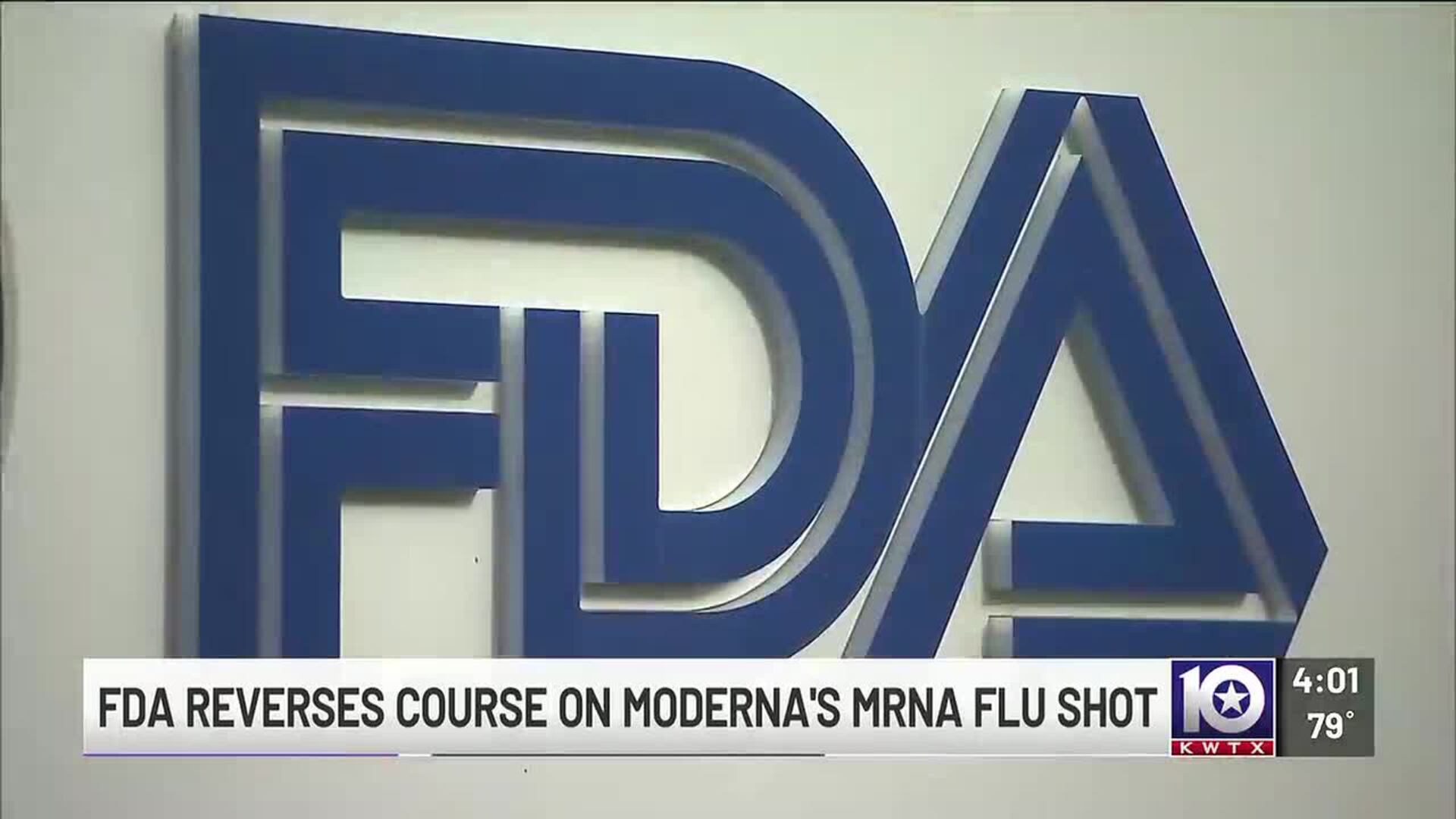
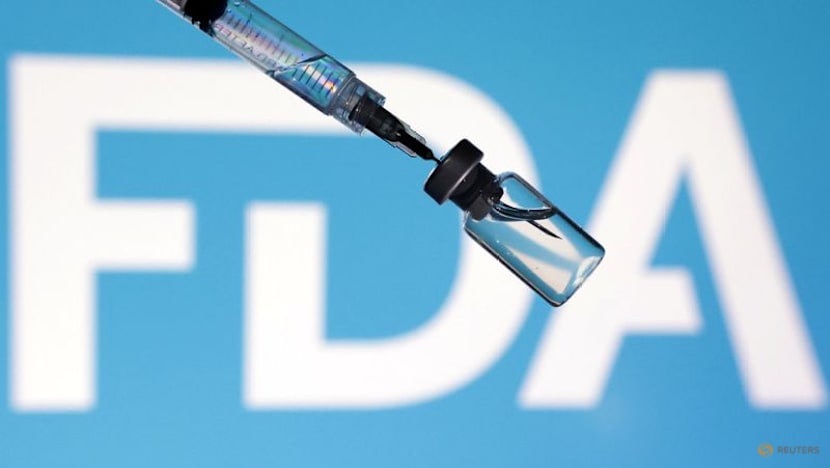
The FDA's dramatic reversal on Moderna's mRNA flu vaccine application—initially rejecting the submission via refuse-to-file letter, then reversing course within weeks following White House pressure—signals a fundamental breakdown in regulatory predictability that directly impacts cross-border health product sellers. The core issue: FDA leadership disagreement on clinical trial standards (Director Vinay Prasad demanded high-dose vaccine comparisons; Commissioner Marty Makary overruled this position), combined with political interference in scientific review, has created a compliance environment where regulatory requirements appear negotiable rather than fixed.
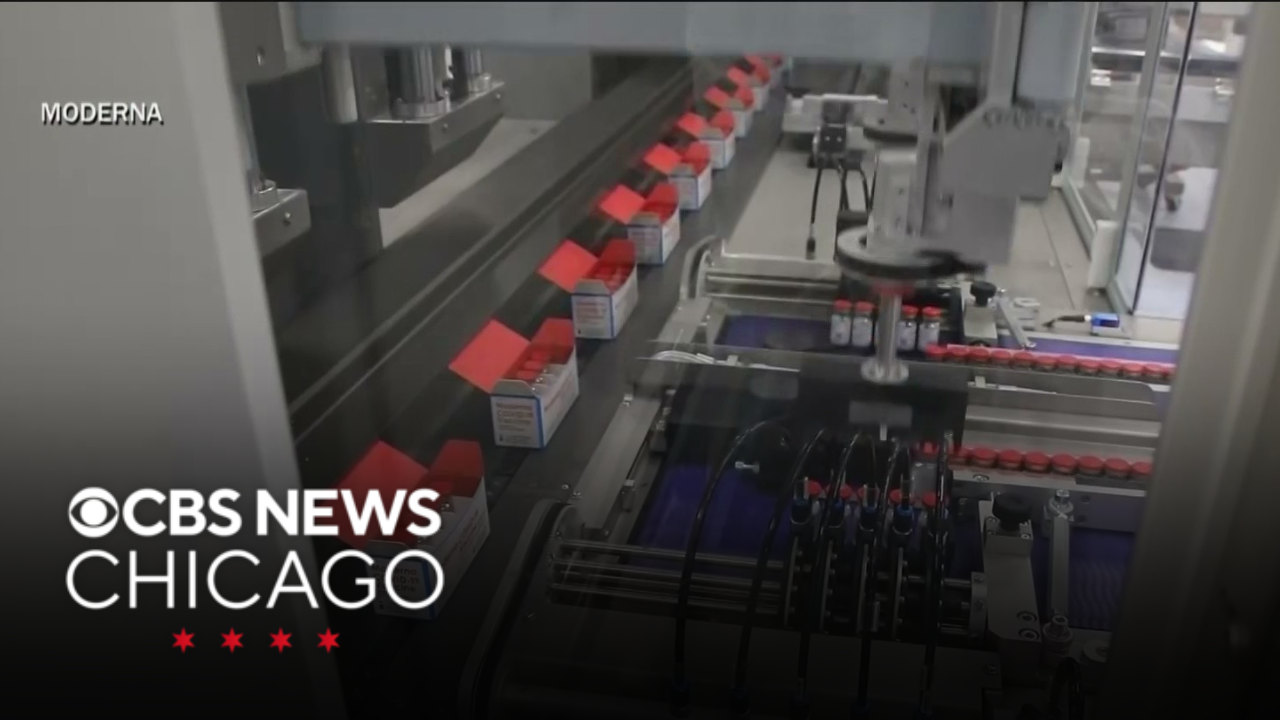
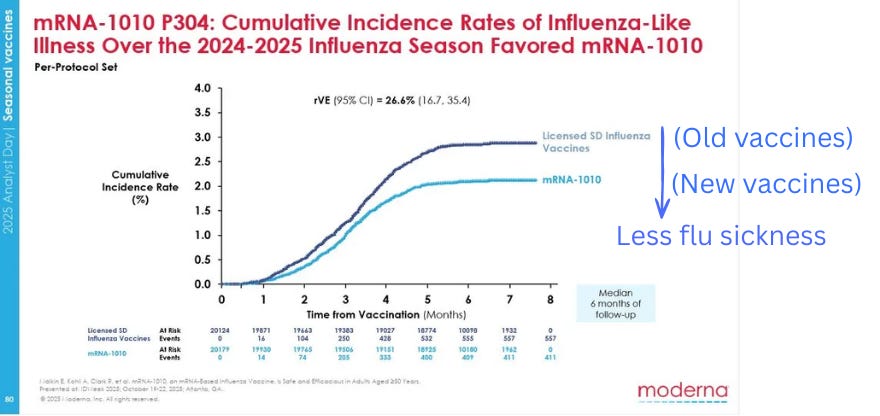
For health product sellers, this matters critically. The FDA's erratic decision-making on Moderna's $1 billion vaccine investment—which demonstrated 26.6% greater efficacy than standard flu shots—signals that even well-funded companies with proven technology cannot predict approval timelines or requirements. Moderna's revised pathway now requires full approval for ages 50-64 and accelerated approval for 65+ with post-marketing studies, with an August 5, 2025 decision target. This represents a compliance cost multiplier: post-market surveillance studies add 12-24 months and $50-150M to typical vaccine programs.
The broader regulatory instability is more damaging. Trust in CDC guidance has collapsed from 63% (September 2023) to 47% (recent month), with pharmaceutical companies announcing reduced vaccine research investments due to "uncertainty about FDA reliability." This creates a compliance moat opportunity: sellers offering health supplements, immune-support products, and wellness devices that don't require FDA pre-approval can capture market share from companies waiting for clarification on vaccine standards. Simultaneously, sellers targeting older adults (50+) face unpredictable regulatory requirements—the FDA's focus on high-dose comparisons for seniors suggests future requirements may demand age-stratified clinical data, increasing compliance costs by 30-40% for multi-age products.
The political dimension matters operationally. Robert F. Kennedy Jr.'s leadership of HHS, combined with downgraded vaccine recommendations for childhood immunizations, signals that regulatory decisions will increasingly reflect political considerations rather than scientific consensus. This creates fast-track compliance opportunities for alternative health categories: sellers of natural immune-support products, vitamin D supplements, and wellness devices can position as "non-controversial" alternatives to vaccines, potentially capturing 15-25% market share from consumers spooked by regulatory chaos. However, sellers must monitor enforcement intensity—if FDA enforcement becomes politically selective (favoring certain product categories over others), compliance costs could spike unpredictably for disfavored categories.
问题 7
How should sellers monitor FDA regulatory changes given political instability?
Establish a compliance monitoring system that tracks: (1) FDA guidance documents monthly (not annually)—regulatory reversals now happen within weeks; (2) Internal FDA disagreements through public statements and PhRMA Forum announcements; (3) Enforcement actions by category—politically-motivated enforcement may target specific product types; (4) CDC trust metrics and vaccine recommendation changes, which signal broader regulatory direction; (5) Congressional vaccine policy debates, which increasingly influence FDA decisions. Subscribe to FDA.gov updates, PhRMA announcements, and health policy news daily. Budget 10-15 hours monthly for compliance monitoring—the cost of missing a regulatory reversal (like Moderna's) is 100x higher than proactive monitoring.
What is the fastest compliance path for health products given current FDA uncertainty?
The fastest path is to market health products as dietary supplements under DSHEA (Dietary Supplement Health and Education Act), which requires no FDA pre-approval. This eliminates 18-36 month approval timelines and $5-15M compliance costs. Sellers can launch within 3-6 months with proper labeling and substantiation. Second-fastest path: medical devices classified as Class II (510k pathway), which requires 90-180 days for FDA clearance and costs $100-500K. Avoid vaccine or drug claims, which trigger full FDA approval (3-7 years, $50-150M). For sellers with existing products, reclassifying from 'drug' to 'supplement' or 'device' can reduce compliance timelines by 80% and costs by 90%.