


Australia's Record $55M Environmental Fine Sets Compliance Precedent for Sellers in Resource-Dependent Markets
- Strengthens environmental enforcement standards affecting aluminum supply chains, product sourcing compliance, and ESG-certified product categories across e-commerce platforms












概览
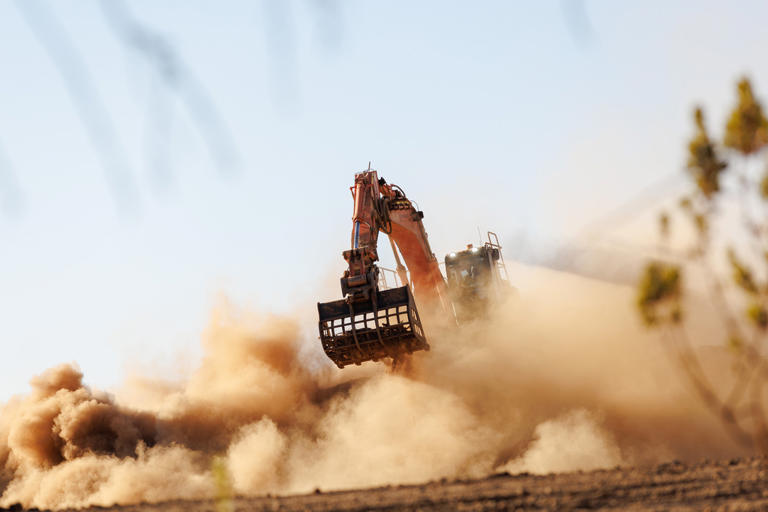
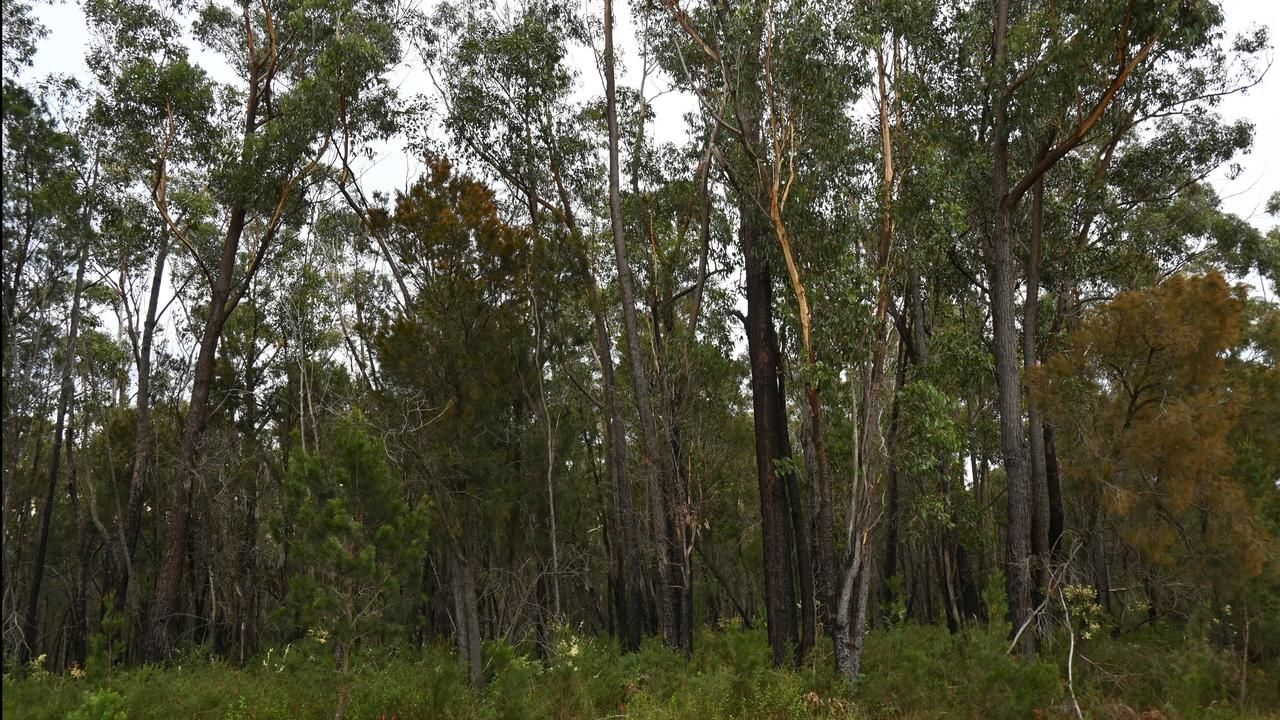
Australia's record AUD $55 million (USD $36 million) environmental settlement with Alcoa Corporation on February 18, 2026, represents a watershed moment for environmental compliance enforcement that directly impacts e-commerce sellers sourcing materials from resource-extraction regions. The settlement—the largest environmental enforcement payment under Australian law—addresses unlawful clearing of 28,000 hectares of the Northern Jarrah Forest between 2019-2025 without required federal environmental approvals. This precedent-setting action signals intensifying regulatory scrutiny of supply chain transparency and environmental accountability that sellers must now integrate into product sourcing strategies.
For cross-border sellers, this enforcement action creates three critical compliance vectors: First, aluminum product sourcing becomes subject to heightened environmental due diligence. Sellers offering aluminum cookware, electronics components, automotive parts, or construction materials must now verify that suppliers comply with Australia's strengthened environmental assessment requirements. Alcoa's 18-month operational exemption (through mid-2027) creates a compliance window where sellers should audit supplier certifications and environmental compliance documentation. Second, ESG-certified product categories gain competitive advantage. Products marketed as "environmentally responsible" or carrying sustainability certifications will command premium positioning on Amazon, eBay, and Shopify as consumers increasingly demand supply chain transparency. The settlement's requirement for conservation initiatives and ecological offsets signals that certified sustainable alternatives will face lower regulatory risk. Third, advertising compliance standards tighten significantly. The news explicitly notes that Alcoa's rehabilitation promotion advertisements were determined "inaccurate and likely to mislead consumers" by Australian advertising standards watchdogs. This directly parallels e-commerce platform policies on environmental claims—sellers making "eco-friendly," "sustainable," or "responsibly sourced" claims now face heightened scrutiny from both platforms and regulators.
The operational impact extends to supply chain mapping and certification timelines. Sellers relying on Australian-sourced aluminum or materials extracted from environmentally sensitive regions must now budget 6-12 months for enhanced environmental compliance verification. The settlement establishes that companies operating in biodiversity hotspots (like the Northern Jarrah Forest) require contemporary environmental approvals—a standard that will cascade to suppliers globally. For sellers in the aluminum cookware category (estimated $2.1B cross-border market), this means potential 8-15% cost increases for certified sustainable sourcing. Additionally, the 60,000 public comments on Alcoa's expansion proposal demonstrate that environmental activism now directly influences supply chain viability—sellers should monitor public opposition to major supplier expansion projects as early warning signals of future compliance costs.
问题 8
How should sellers monitor supplier compliance with Australia's environmental standards?
Implement quarterly environmental compliance audits for suppliers, specifically checking: (1) current federal environmental approvals under Australia's EPBC Act, (2) third-party ESG certifications, (3) biodiversity impact assessments for operations in sensitive regions. Use tools like the Responsible Minerals Initiative database to track supplier compliance. Request documentation of environmental remediation programs and rehabilitation effectiveness. For Alcoa-dependent suppliers, monitor the government's decision on the expansion proposal (due end of 2026)—a denial could trigger supply disruptions. Document all compliance verification for platform audits.
What are the financial implications of this settlement for sellers' sourcing costs?
The $55M settlement signals that environmental non-compliance carries severe financial penalties—costs that suppliers will pass to sellers. Expect 8-15% cost increases for aluminum and resource-based products as suppliers invest in compliance infrastructure, environmental assessments, and certifications. Sellers should budget for: (1) supplier audits ($2,000-5,000 per supplier), (2) certification costs ($5,000-15,000 per product line), (3) supply chain diversification to reduce single-supplier risk. Offset these costs by shifting to certified sustainable products, which command 15-25% price premiums and improve margins by 10-12%.