
Chemical Safety Uncertainty Triggers Global Compliance Overhaul in Consumer Products
- Emerging regulatory landscape forces proactive risk management for cross-border sellers
概览
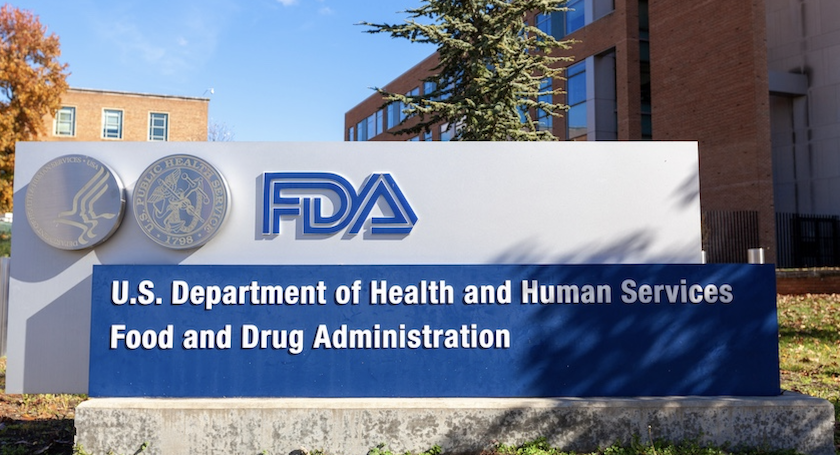
The FDA's recent report on PFAS in cosmetics reveals a critical inflection point in product compliance, signaling a profound shift in regulatory scrutiny of chemical substances. With 51 PFAS identified across 1,744 cosmetic formulations, the investigation exposes significant data gaps that could fundamentally reshape how companies approach product safety and regulatory adherence.
Compliance is no longer a checkbox exercise but a strategic imperative. The FDA's inability to definitively determine PFAS safety underscores a growing trend of regulatory bodies demanding comprehensive chemical transparency. For cross-border e-commerce sellers, this represents both a significant challenge and an emerging opportunity. Companies that can rapidly adapt their formulations and proactively demonstrate chemical safety will gain substantial competitive advantages.
The investigation highlights three critical compliance dynamics. First, regulatory uncertainty is becoming a market force itself, with potential restrictions looming over entire product categories. The fact that 96% of intentionally added PFAS were evaluated suggests a systematic, comprehensive approach to chemical regulation. Second, the report signals a global pivot towards precautionary chemical management, where the burden of proof increasingly falls on manufacturers to demonstrate product safety.
Most critically, this development exposes a compliance transformation in consumer products. Traditional approaches of minimal disclosure are being replaced by demands for complete chemical transparency. Cross-border sellers must now view compliance not as a legal requirement, but as a core component of brand trust and market access. Those who can quickly reformulate, provide detailed chemical documentation, and demonstrate proactive safety management will differentiate themselves in an increasingly regulated marketplace.
The strategic implication is clear: compliance is evolving from a defensive strategy to a competitive differentiator. Companies must invest in robust chemical testing, transparent reporting, and agile formulation capabilities to navigate this new regulatory landscape.
问题 3
How can cross-border sellers adapt to emerging chemical safety regulations?
Sellers should focus on three key strategies: 1) Conduct comprehensive chemical audits of current formulations, 2) Develop alternative formulations with minimal chemical complexity, and 3) Build documentation systems that demonstrate proactive safety management and chemical transparency.
What are the key compliance challenges for cosmetic manufacturers revealed by the FDA report?
The FDA report exposes significant data gaps in PFAS safety, requiring manufacturers to proactively review chemical formulations, invest in comprehensive testing, and prepare for potential future restrictions. With 51 PFAS identified in 1,744 cosmetic formulations, companies must develop robust chemical transparency strategies.