


South Korea Political Stability Crisis | E-Commerce Market Risk & Seller Opportunity Analysis
- Political uncertainty threatens $100B+ e-commerce market; sellers face regulatory volatility and currency fluctuations through 2025
















概览
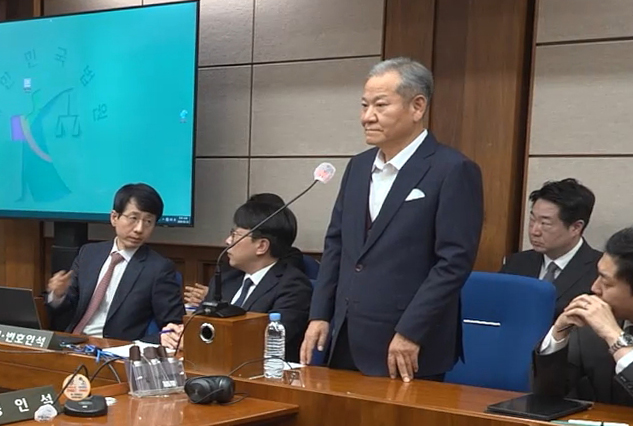
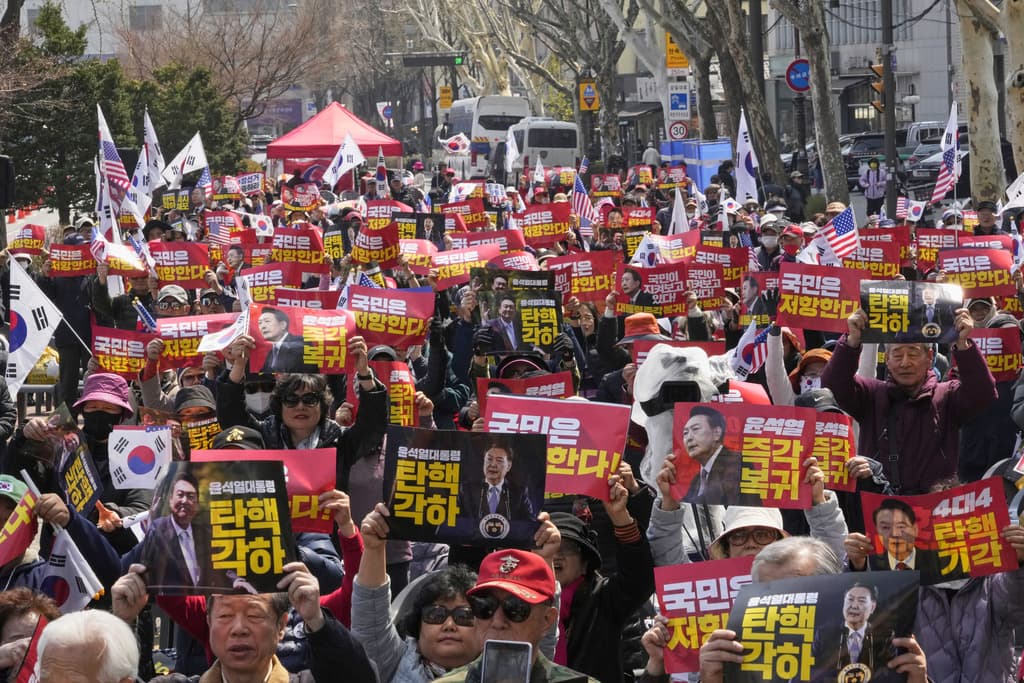
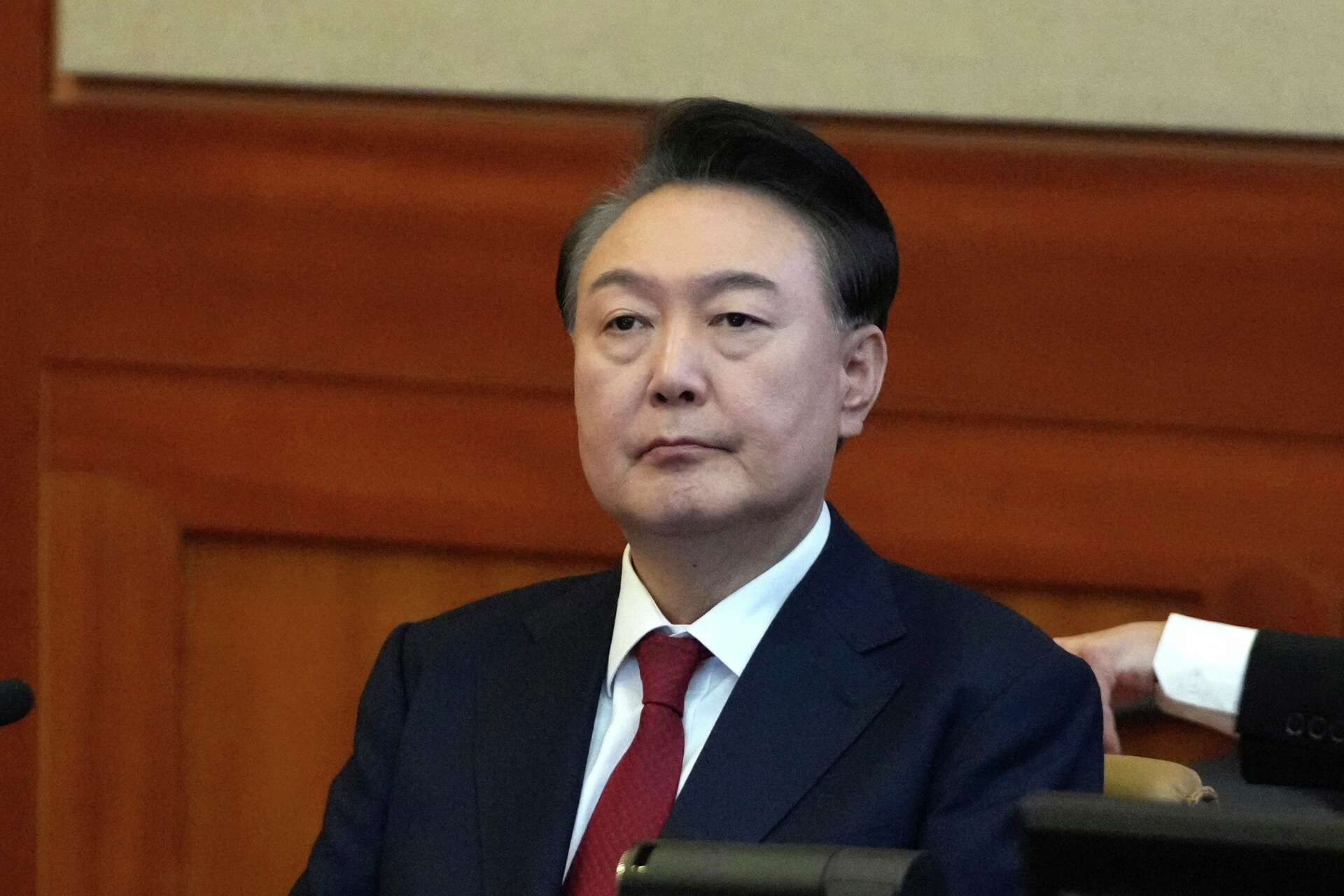
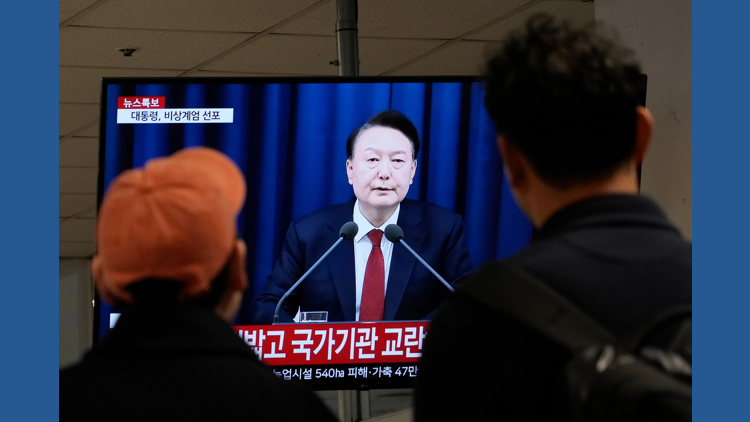
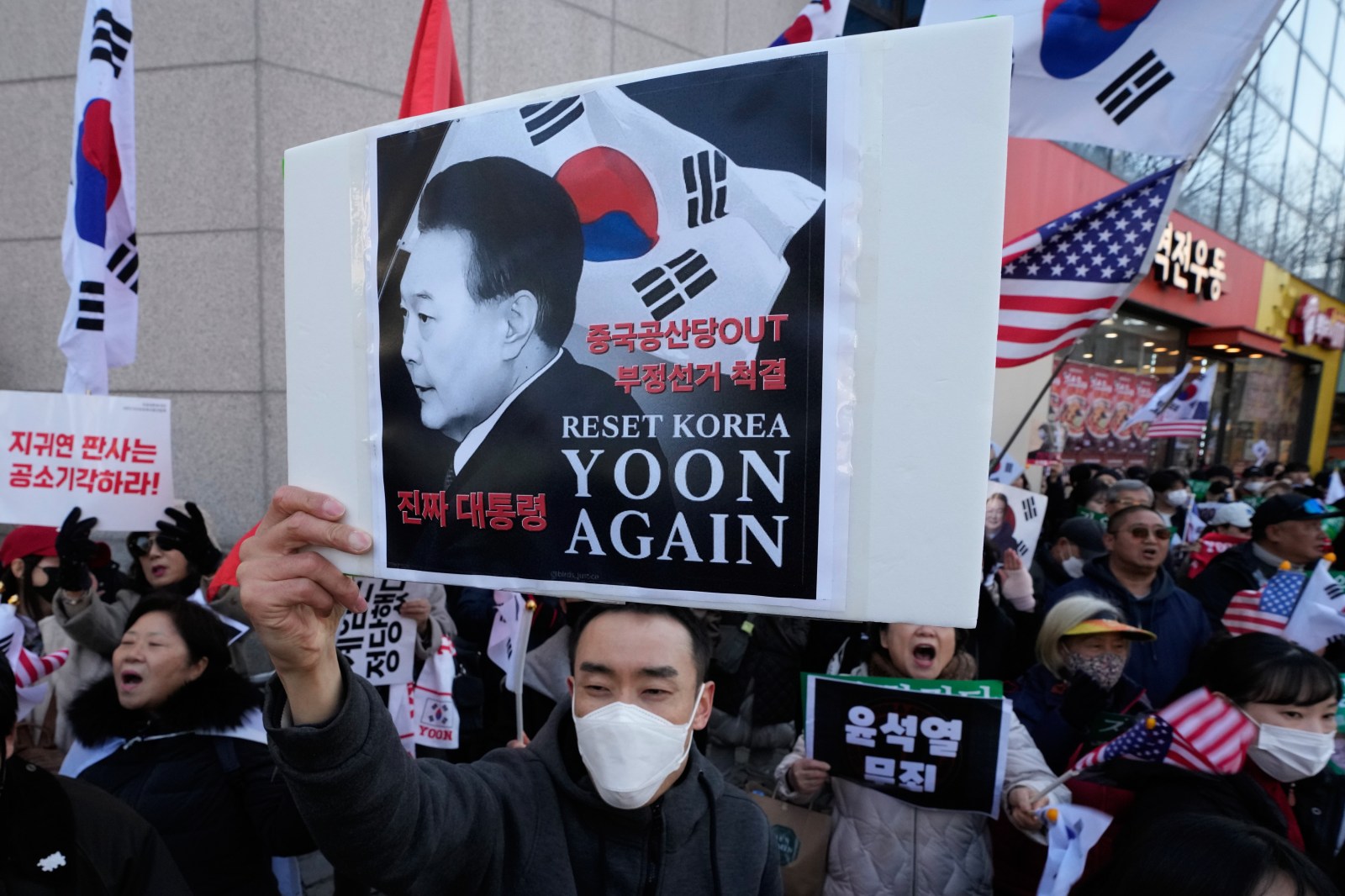
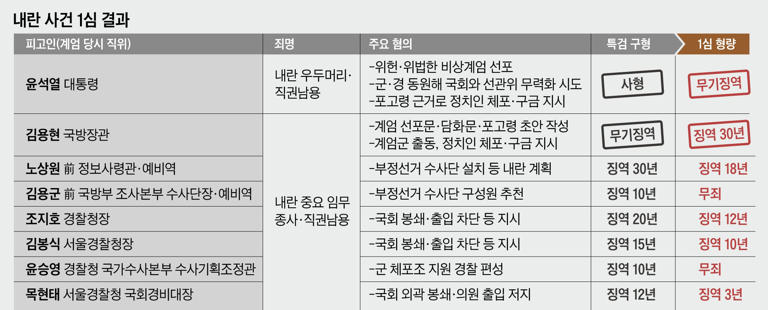
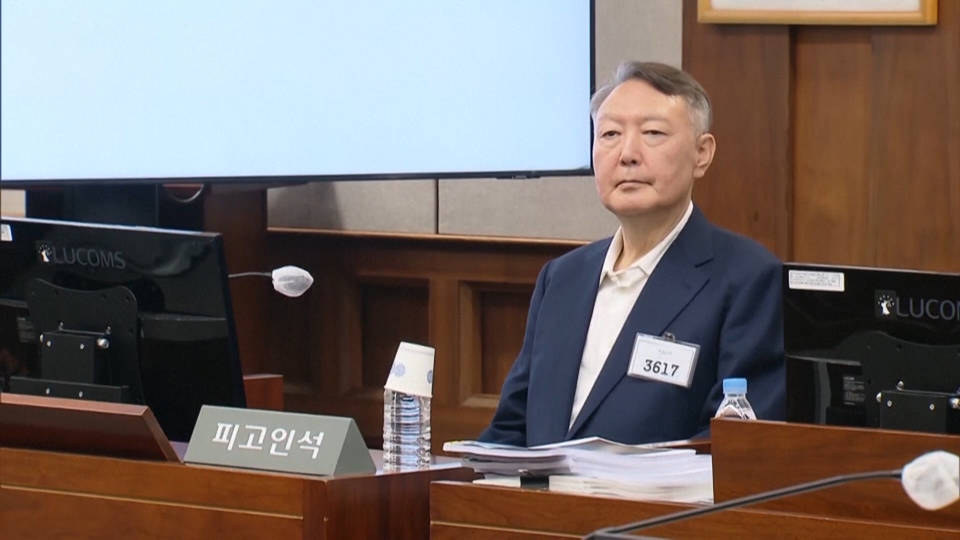
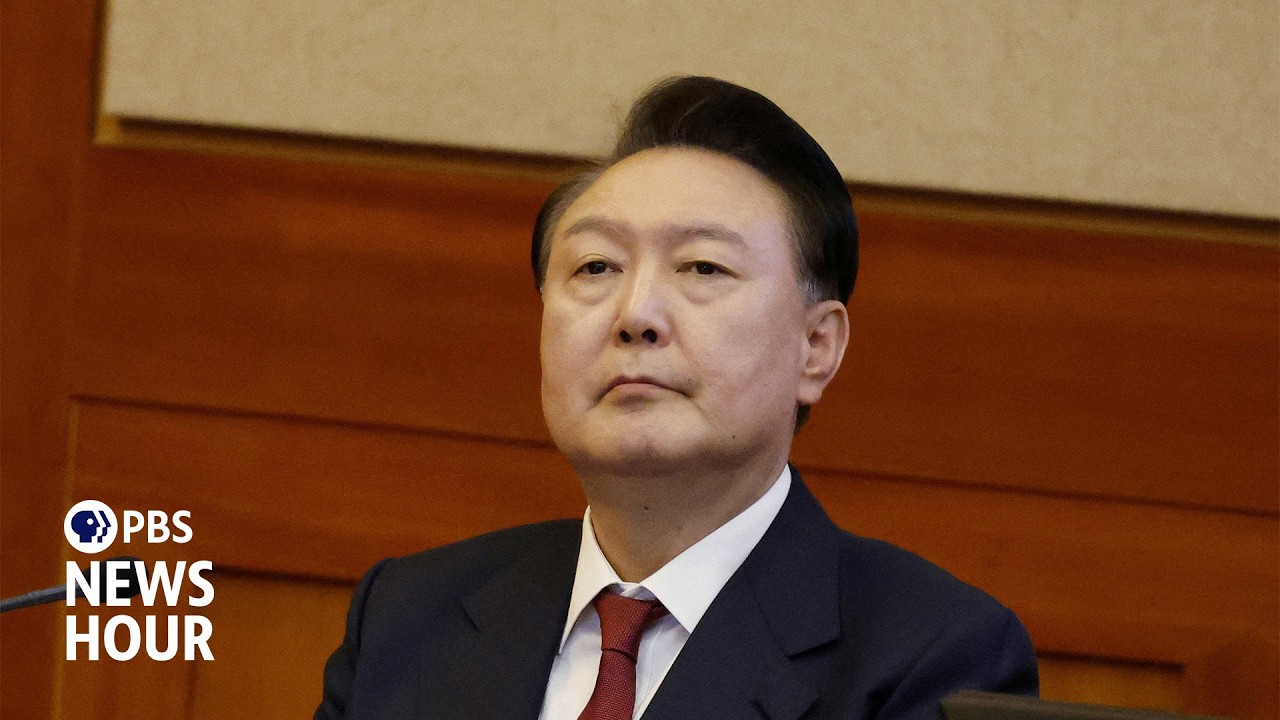
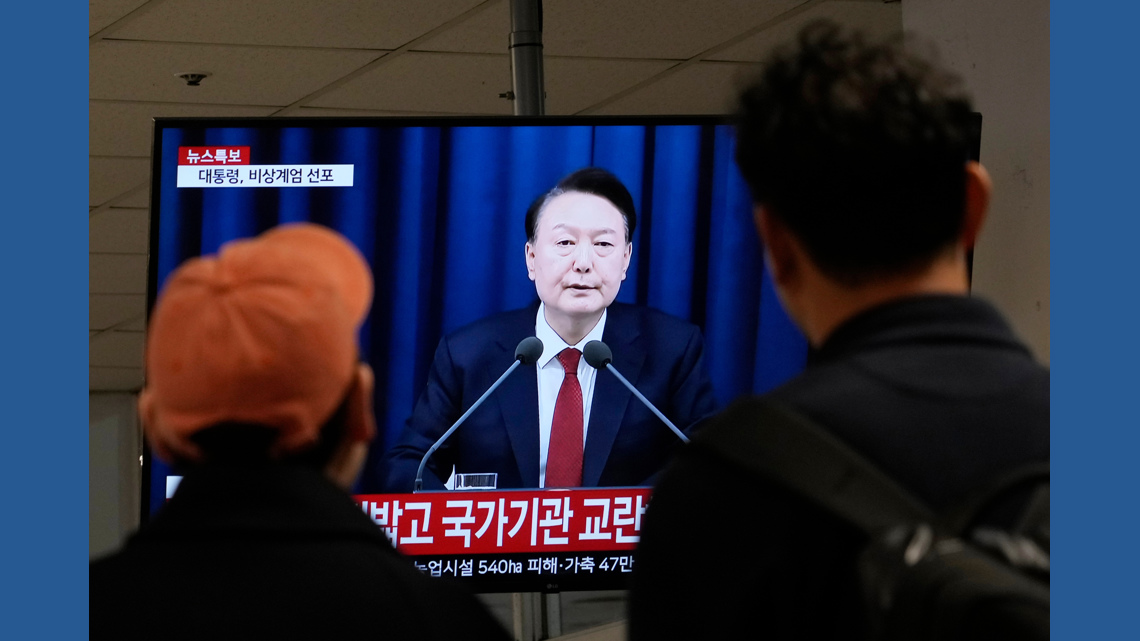
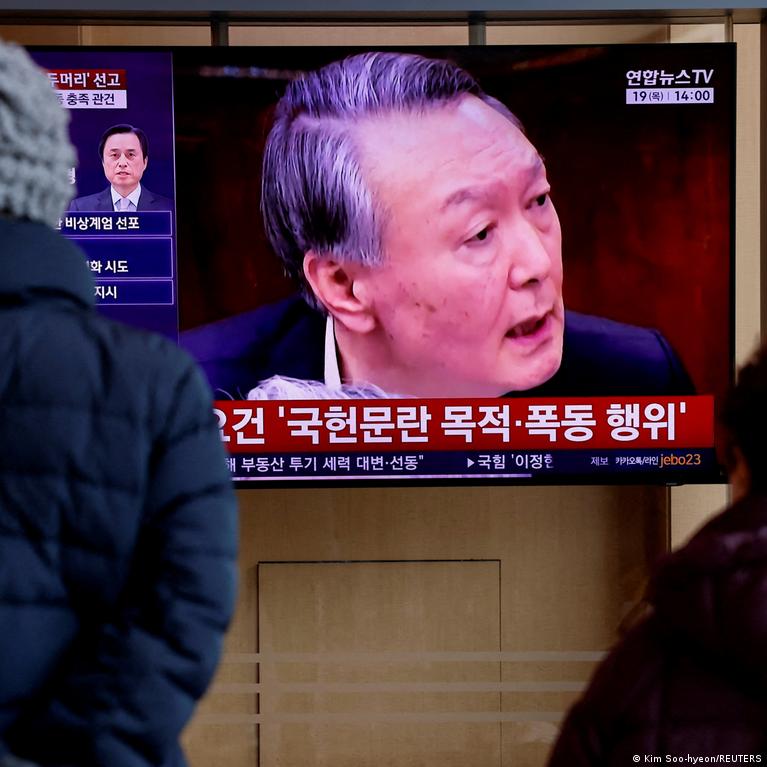
South Korea's political crisis following former President Yoon Suk-yeol's life sentence (December 2024 martial law declaration, January 2025 custody, conviction announced) creates significant operational and market risks for cross-border e-commerce sellers. The Seoul Central Court's guilty verdict for leading an insurrection does not resolve underlying institutional instability—Yoon faces five additional pending cases, and the conservative People Power Party plans a March 1 rebrand while remaining internally divided between loyalists and reformists. This political fragmentation directly impacts the $100B+ South Korean e-commerce market, home to major platforms Coupang and Naver that serve millions of international sellers.
Political uncertainty creates three critical seller impact zones: First, regulatory volatility—the Democratic Party's control of the National Assembly combined with institutional reform demands (constitutional amendments on presidential powers, bureaucratic reform, judicial independence per Professor Leif-Eric Easley) will likely trigger new e-commerce regulations, platform compliance requirements, and tax policy changes throughout 2025. Sellers operating in or shipping to South Korea should expect potential changes to VAT treatment, cross-border seller registration, and platform fee structures as the government stabilizes. Second, currency and payment risk—political instability historically triggers Korean Won volatility (typically 3-8% fluctuations during crisis periods), directly impacting seller margins on South Korea-denominated revenue and increasing hedging costs for international sellers. Third, consumer spending patterns—political crises typically reduce discretionary spending 5-15% in affected markets as consumers delay major purchases and shift toward essential categories (food, household goods, health products).
Market opportunity emerges from category shifts and platform consolidation. During political uncertainty, South Korean consumers historically increase purchases in defensive categories: home security products (+12-18%), health/wellness items (+8-12%), and essential goods. International sellers can capitalize on Coupang and Naver's potential policy shifts—if regulatory reforms accelerate, these platforms may expand international seller access to compete with Amazon's limited South Korea presence. The Democratic Party's focus on "addressing public needs" signals potential support for consumer protection policies that could favor established platforms over new entrants, creating barriers to entry but stability for existing sellers. Additionally, the March 1 People Power Party rebrand creates a 60-90 day window of reduced political attention, potentially allowing e-commerce policy changes to pass with minimal scrutiny—sellers should monitor National Assembly legislative calendars for surprise regulatory announcements.
问题 8
How does South Korea's democratic resilience affect long-term seller confidence in the market?
South Korea's democratic institutions proved resilient—young soldiers refused martial law orders, preventing violence and demonstrating institutional checks on authoritarian overreach. This is a positive signal for long-term business stability. Experts note that while the verdict doesn't resolve all institutional problems, the system's ability to resist authoritarianism suggests South Korea will maintain rule of law and property rights protections essential for business operations. Sellers can have moderate-to-high confidence in South Korea's long-term institutional stability, though short-term political uncertainty remains. The country's track record of democratic recovery (previous political crises in 1980, 1987) suggests 12-18 month stabilization timelines. Sellers should view current political uncertainty as a temporary risk factor rather than a fundamental threat to South Korea's business environment. Long-term sourcing commitments to Korean manufacturers remain strategically sound.
What currency risks do sellers face from South Korea's political uncertainty?
Political crises typically trigger 3-8% Korean Won volatility against major currencies (USD, EUR). For sellers receiving revenue in Won from Coupang, Naver, or direct Korean customers, this volatility directly compresses margins—a 5% Won depreciation reduces USD-equivalent revenue by approximately $5,000-15,000 monthly for mid-sized sellers ($100K+ monthly revenue). Consider implementing currency hedging strategies through forward contracts or multi-currency payment processors. Alternatively, negotiate payment terms with Korean platforms to receive revenue in USD or EUR. Monitor the Bank of Korea's policy statements and political developments through Q2 2025, when institutional reforms may stabilize the currency.