


Rising Treasury Yields & Fed Rate Pause | Critical Financing Impact for Cross-Border Sellers
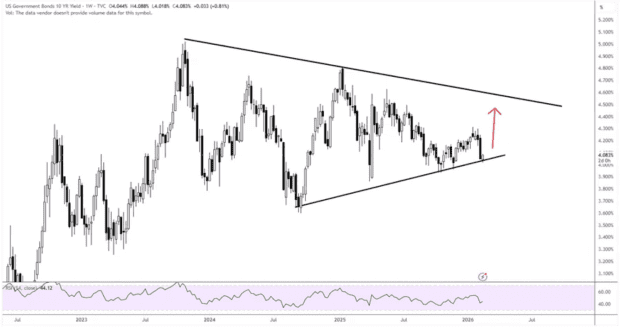
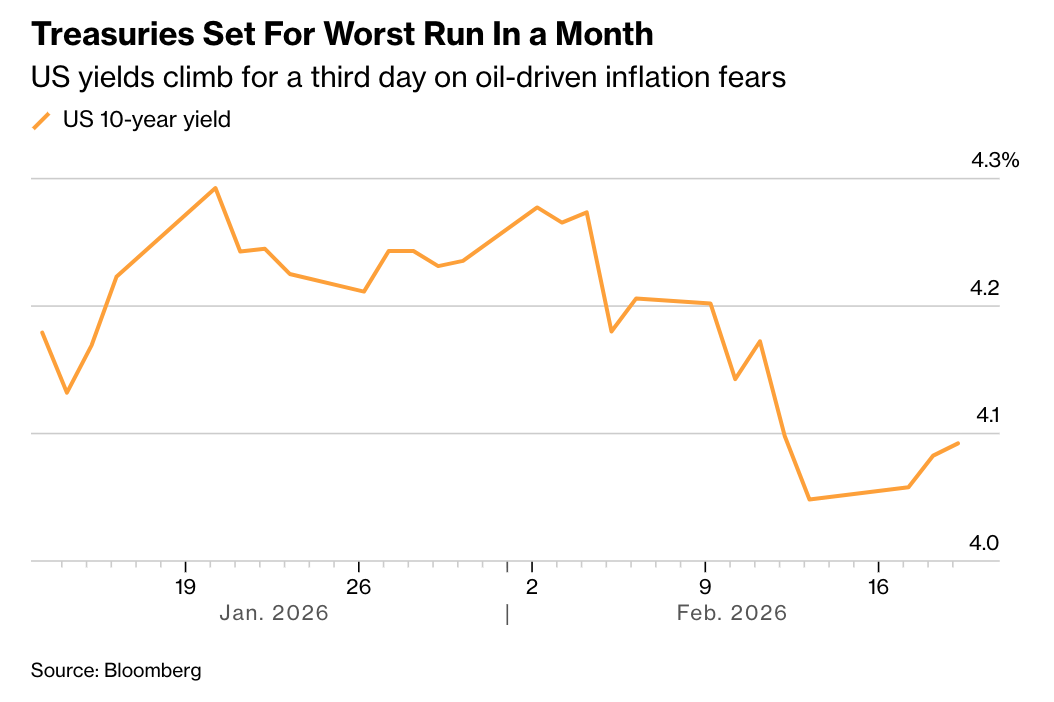
- 10-year yields hit 4.094%, 2-year yields reach 3.468% (Feb 2026) | Working capital costs surge 15-25% for inventory-dependent sellers | Immediate action required for financing optimization













.jpg)



概览
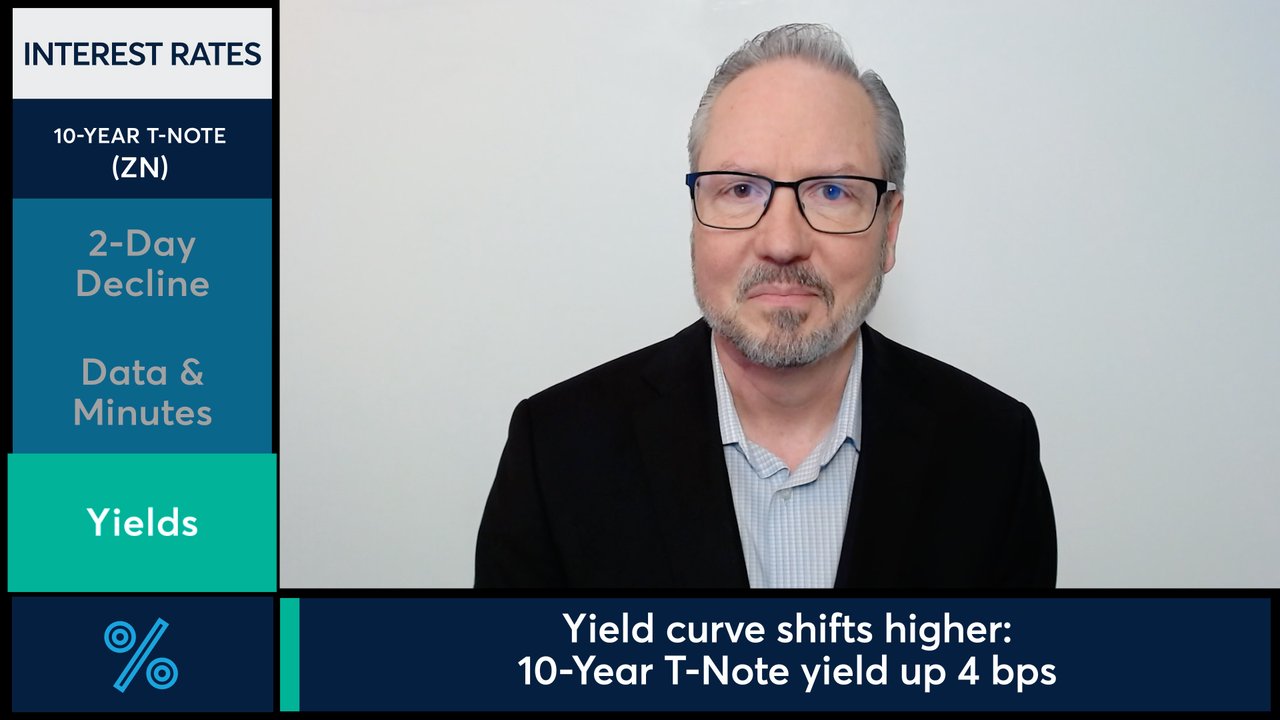
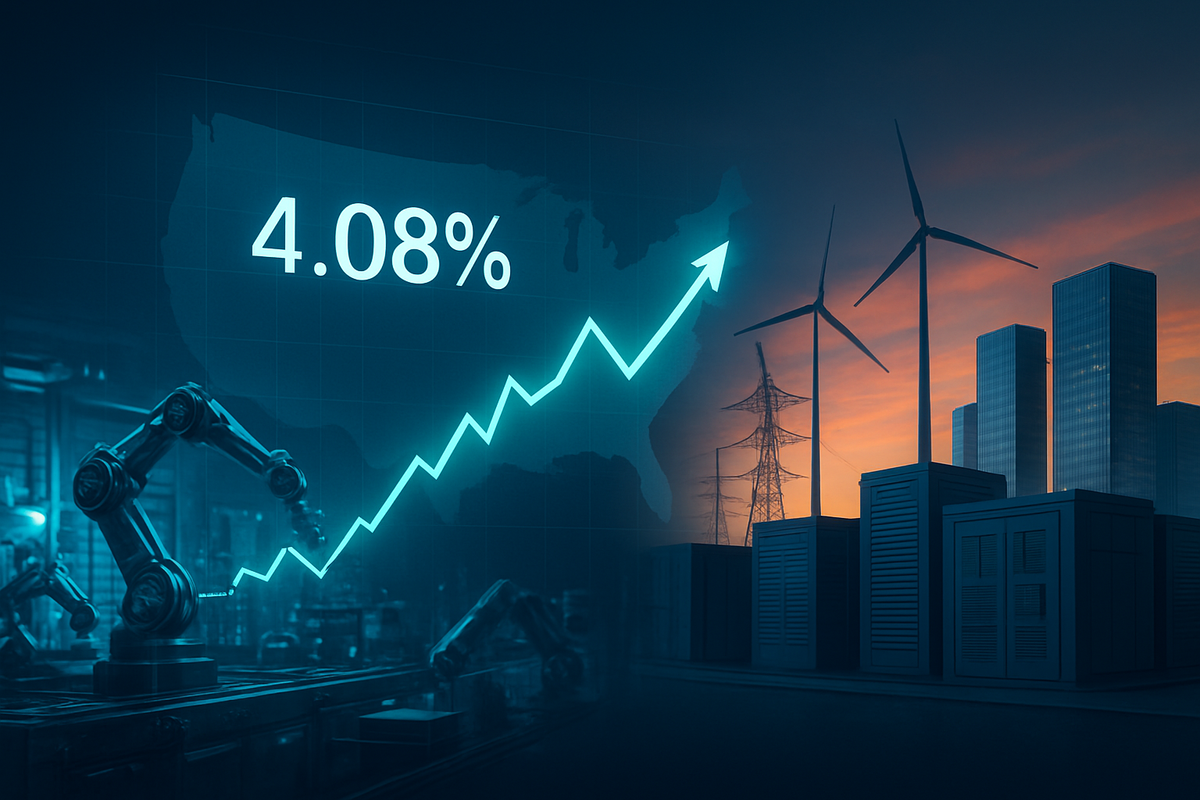
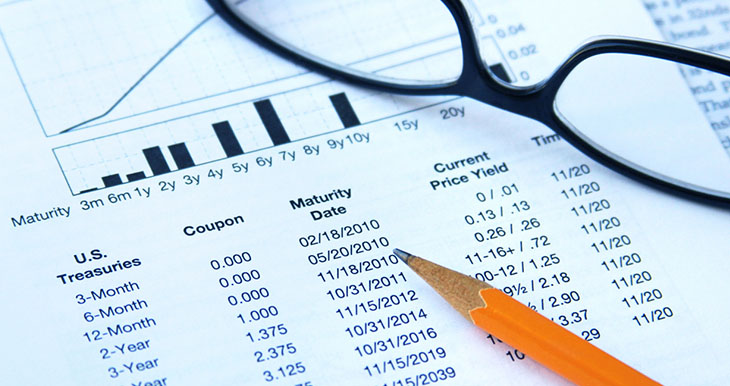
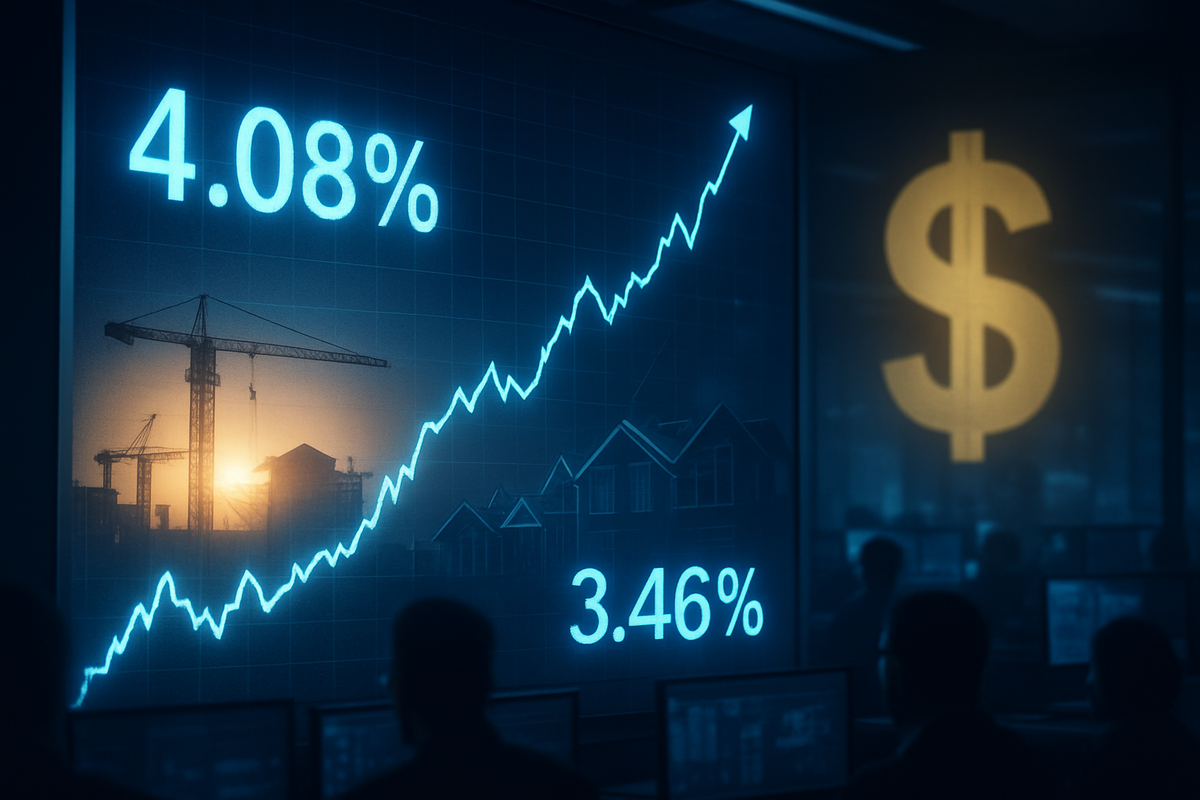
Rising Treasury yields and Federal Reserve rate-hold signals are creating an urgent financing crisis for cross-border e-commerce sellers. As of February 18-19, 2026, the 10-year Treasury yield climbed to 4.094% and the policy-sensitive 2-year yield reached 3.468%—its highest level in one week—signaling that the Fed's January FOMC meeting minutes revealed hawkish sentiment with no urgency for rate cuts. This macroeconomic shift directly impacts seller working capital costs, inventory financing, and cash flow management across all major marketplaces.
For cross-border sellers, higher Treasury yields translate immediately into increased borrowing costs. When Treasury yields rise, commercial lending rates follow within 2-4 weeks. Sellers relying on inventory financing, business lines of credit, or purchase order financing face 15-25% cost increases on their working capital. A seller with $100K in active inventory financing at 8% APR will see costs jump to $9.2-10K annually—a $1.2-2K annual increase. Small and medium-sized sellers (SMBs) managing 500-2,000 SKUs are most vulnerable, as they lack the cash reserves of larger competitors to absorb rate increases. Additionally, inflation concerns preceding these yield increases signal potential currency volatility, directly impacting multi-currency transactions and international shipping costs for sellers managing USD/EUR, USD/GBP, and USD/CNY exposures.
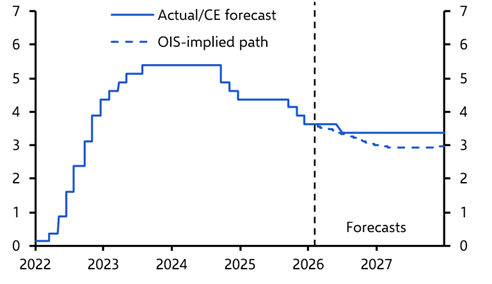
The Fed's measured approach to monetary easing creates a 6-12 month window of elevated financing costs. Deutsche Bank analysts noted that solid economic data (industrial production, housing starts) and hawkish FOMC language suggest most policymakers show "no urgency to deliver further rate cuts." This means sellers cannot expect relief from rate reductions in Q1-Q2 2026. The personal consumption expenditures (PCE) index—the Fed's preferred inflation gauge—will be closely watched on upcoming Fridays, but current signals point to sustained higher rates. For sellers with variable-rate financing, this creates immediate cash flow pressure. Sellers with fixed-rate inventory loans locked in at 6-7% are now at a competitive advantage versus those refinancing at 8-9%+ rates.
Currency volatility from inflation fears creates both risks and FX arbitrage opportunities. Cross-border sellers managing multi-currency inventory face increased hedging costs (typically 0.5-1.5% of transaction value) as currency pairs become more volatile. However, sellers with USD-denominated costs and EUR/GBP revenue can benefit from potential dollar strength if inflation expectations diverge between US and European markets. Sellers should immediately lock in forward contracts for Q2-Q3 inventory purchases to avoid further rate increases.
问题 8
Which financing products offer the best rates for sellers in this high-yield environment?
Fixed-rate products are now superior to variable-rate options. Amazon Seller Financing offers 6-8% APR with no personal guarantee, making it attractive for sellers with strong sales velocity. Traditional SBA loans (7-9% APR) remain competitive if sellers can qualify. Invoice factoring (8-12% APR) is ideal for sellers with high-value B2B orders or wholesale accounts. Seller cash advances (15-25% APR) should be avoided unless absolutely necessary. Sellers should compare: (1) Amazon Seller Financing for quick approval, (2) SBA 7(a) loans for lower rates, (3) Invoice factoring for immediate cash without debt. Lock in rates before the next FOMC meeting in March 2026.
What is the Fed's current stance on interest rate cuts, and how long will elevated financing costs persist?
According to the February 18, 2026 FOMC meeting minutes, Federal Reserve policymakers showed 'no urgency to deliver further rate cuts' and favored maintaining unchanged rates. Several policymakers supported 'two-sided language' on future rate moves, raising possibilities of rate hikes rather than cuts. This hawkish stance suggests elevated financing costs will persist through Q2-Q3 2026, with potential rate increases if inflation remains sticky. Sellers should plan for 6-12 months of higher borrowing costs and avoid taking on new variable-rate debt. The PCE inflation index (Fed's preferred gauge) will be released weekly, and any uptick could trigger additional rate hike expectations.