


Fibermaxxing Trend Drives $2B+ Food Category Shift | E-Commerce Sellers Guide 2026
- 60% Gen Z demand for fiber products, 52% consumer interest post-awareness, natural meat consumption up 37% YoY








概览
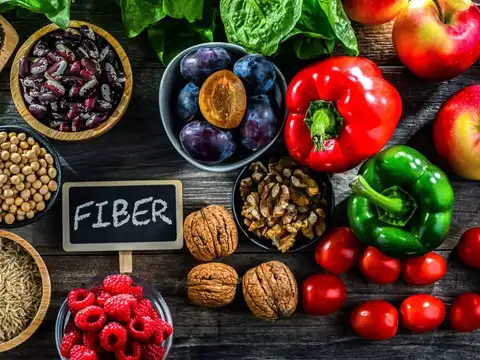
The "fibermaxxing" movement represents a seismic shift in consumer food preferences that directly impacts e-commerce sellers across Amazon, Shopify, and specialty food marketplaces. According to the Datassential 2026 Trends Preview Report (surveying 1,000+ consumers and 359 foodservice operators in Sept-Oct 2025), fiber is emerging as the new protein in terms of consumer interest, driven by gut health awareness and GLP-1 hormone discussions. The data reveals 64% of consumers are excited about new food trends in 2026, with Gen Z showing exceptional enthusiasm at 77% compared to boomers at 46%. Most critically, 60% of Gen Z consumers express interest in fiber-rich foods, and 52% of all consumers show interest once informed about fibermaxxing, despite only 12% having prior awareness—indicating massive untapped market potential.
Market opportunity specifics: The fiber-focused product category encompasses supplements, functional foods, snacks, and specialty ingredients. Sellers on Amazon can capitalize through expanded listings in the Health & Household and Grocery categories, where fiber supplements alone represent a $1.2B+ addressable market. The Costco case study (Business Insider, Feb 2026) demonstrates consumer purchasing patterns: Kirkland Signature dried plums, frozen riced cauliflower (4+ grams fiber/serving), chia seeds (10 grams/serving), and Catalina Crunch cereal (9 grams/serving) are driving bulk purchases. UK market data (The Independent, Feb 2026) shows only 4% of UK adults meet the 30g daily fiber recommendation, indicating massive education and product demand opportunity across English-speaking markets.
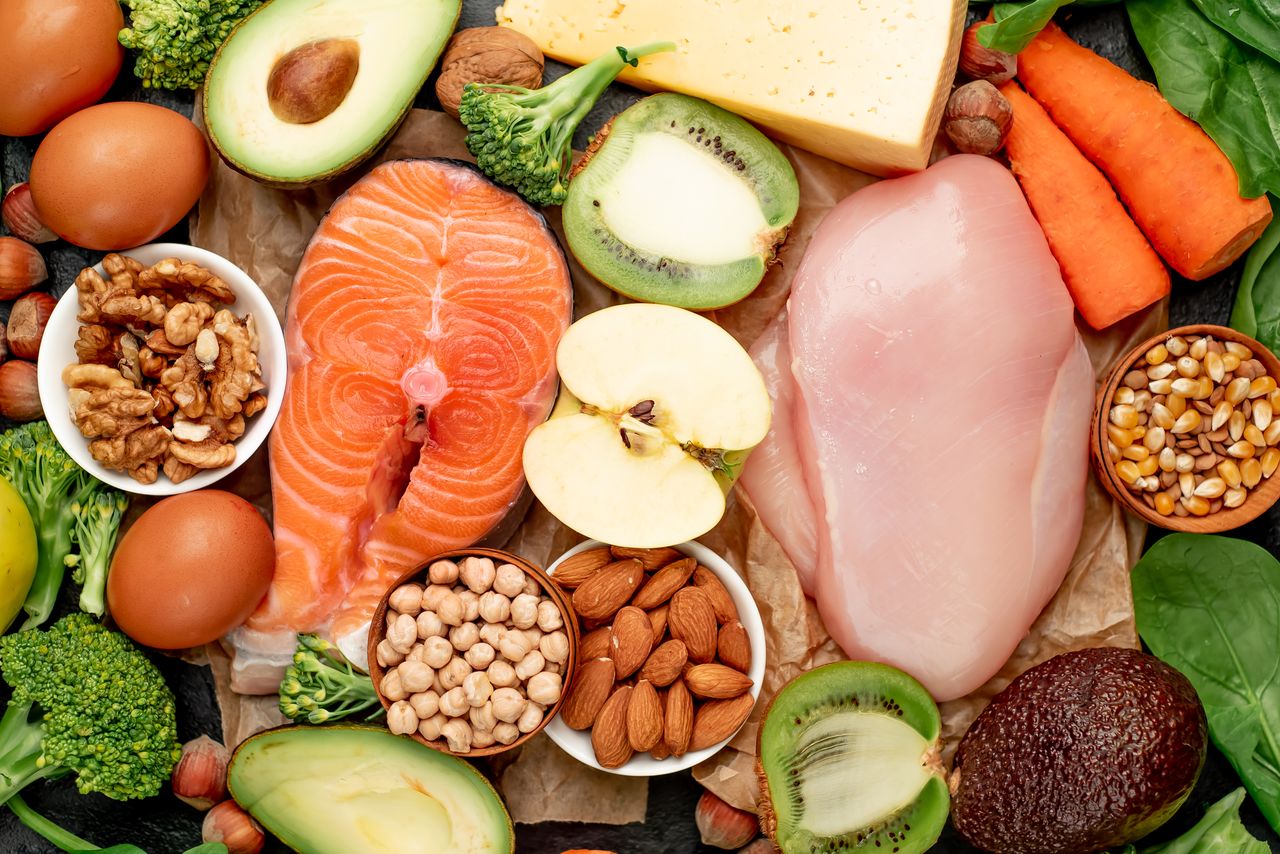
Parallel trend—natural meat resurgence: The data simultaneously reveals 65% of consumers find animal meat more natural than plant-based options, with 37% increasing animal meat consumption more than plant-based. This represents a strategic reversal from 2023-2024 plant-based dominance. Sellers should recognize this as a dual-category opportunity: fiber-enriched products AND premium natural/grass-fed meat offerings appeal to the same Gen Z/millennial demographic (72% millennial enthusiasm). The Mediterranean diet framework (referenced in Costco article) emphasizes whole grains and fresh produce, creating cross-selling opportunities between fiber supplements, organic grains, and premium proteins. E-commerce sellers can leverage TikTok and social media marketing (fibermaxxing trend gaining traction on TikTok) to reach Gen Z audiences with educational content linking fiber intake to digestive health, satiety, and chronic disease prevention.
问题 8
What is fibermaxxing and why should e-commerce sellers care about this trend?
Fibermaxxing is the intentional maximization of daily fiber intake to meet recommended 30g levels, driven by gut health awareness and GLP-1 hormone discussions. According to Datassential's 2026 report, 52% of consumers show interest once informed about the trend, despite only 12% having prior awareness—representing massive market expansion potential. E-commerce sellers should prioritize fiber-focused product categories (supplements, functional foods, snacks) as high-growth segments. The trend particularly resonates with Gen Z (60% interest) and millennials (72% enthusiasm), making social media marketing on TikTok and Instagram highly effective for reaching these demographics with educational content about digestive health benefits.
How can sellers optimize Amazon listings for the fibermaxxing trend?
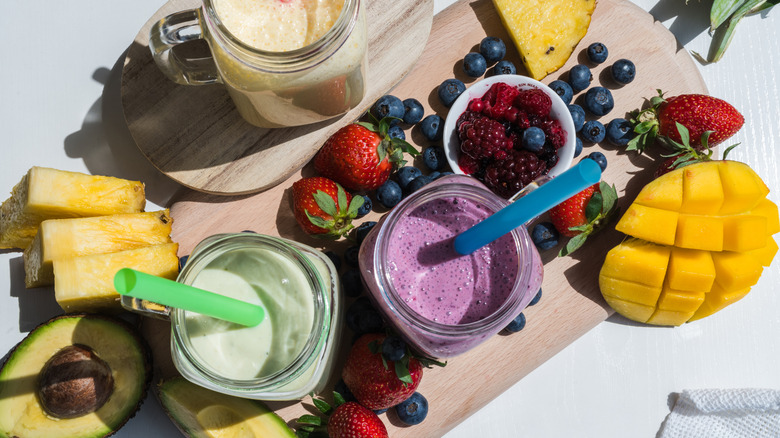
Optimize listings by incorporating high-intent keywords: 'high-fiber supplements,' 'gut health products,' 'fiber-rich snacks,' 'digestive wellness,' and 'fibermaxxing.' Highlight specific fiber content (grams per serving) in product titles and bullet points, as consumers are increasingly educated about daily 30g targets. Use A+ content to educate buyers about fiber benefits (digestive health, satiety, chronic disease prevention) and GLP-1 hormone connections. Create comparison charts showing fiber content across product categories. Leverage customer reviews mentioning 'gut health' and 'digestive improvement.' Consider bundling complementary products (fiber supplements + probiotics, chia seeds + smoothie bowls) to increase average order value. Monitor BSR (Best Seller Rank) in Health & Household and Grocery categories to identify emerging subcategories.