
Wholesale Inventory Normalization 2025 | Critical Tariff & Pricing Shifts for Cross-Border Sellers
- Wholesale inventories stabilize after tariff-driven stockpiling; $900B inventory base signals narrower safety margins and elevated inflation transmission for e-commerce sellers
概览
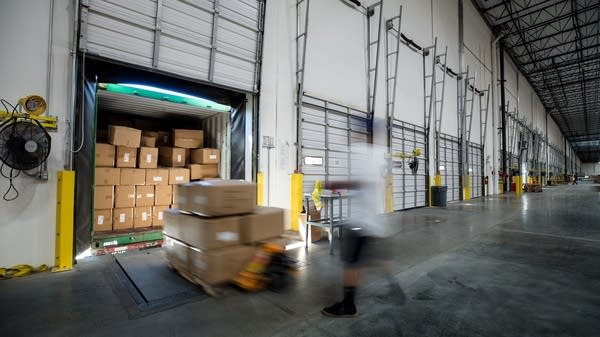
Wholesale inventory normalization in early 2025 represents a critical inflection point for cross-border e-commerce sellers, fundamentally reshaping supply chain economics and pricing dynamics. According to U.S. Census Bureau data, wholesale inventories increased just 0.2% in December 2024 versus November—marking essentially flat growth for three consecutive months. This dramatic deceleration follows the 2024 "tariff shield" strategy where wholesalers absorbed $900 billion in inventory (exceeding the combined $800 billion held by Walmart, Target, and Amazon) to buffer retailers from anticipated tariff increases. With 2026 tariffs implemented immediately without major anticipated hikes, wholesalers have returned to standard rapid-turnover operations, fundamentally altering inventory positioning strategies.
The operational impact cuts both ways for sellers relying on wholesale distribution channels. Reduced warehousing costs provide temporary relief as inventory bloat normalizes, but narrower inventory buffers increase vulnerability to supply chain disruptions—a critical risk given current geopolitical tensions and port congestion patterns. More significantly, imported goods now carry permanent tariff costs that are being gradually transmitted through the supply chain rather than absorbed upfront. KPMG economist Meagan Martin-Schoenberger projects prolonged elevated inflation rather than immediate price spikes, meaning sellers face 6-18 month margin compression cycles as tariff costs flow through wholesale channels to retailers and ultimately consumers.
For cross-border sellers, this creates three immediate strategic imperatives: First, inventory positioning must shift from wholesale-dependent models toward direct-to-consumer fulfillment—sellers should evaluate moving 20-30% of inventory from wholesale distribution to Amazon FBA, Shopify fulfillment, or 3PL networks where they control pricing and margin protection. Second, sourcing regions with lower tariff exposure become strategically valuable—Vietnam, India, and Mexico-based suppliers now offer 8-15% cost advantages versus China-sourced goods due to tariff differentials, particularly for electronics, apparel, and home goods categories. Third, inventory velocity becomes critical—with wholesalers moving goods quickly to retailers for immediate sale, sellers must reduce lead times by 2-4 weeks and increase SKU turnover to avoid being caught with tariff-inflated inventory during demand softness.
The $900 billion wholesale inventory base represents the largest supply chain buffer in the U.S. economy. Its normalization signals that supply chain resilience now depends on seller-level agility rather than wholesale absorption capacity. Sellers who fail to adjust sourcing, inventory positioning, and pricing strategies within Q1 2025 face margin compression of 5-12% as tariff costs cascade through distribution channels.
问题 8
Which sourcing regions offer cost advantages given tariff normalization?
Vietnam, India, and Mexico-based suppliers now offer 8-15% cost advantages versus China-sourced goods due to lower tariff exposure under current trade agreements. Vietnam benefits from CPTPP preferential rates, India from GSP benefits, and Mexico from USMCA advantages. These advantages are most pronounced in electronics (tariff codes 8471-8517), apparel (6204-6209), and home goods (9401-9406) categories. Sellers should prioritize sourcing shifts for high-volume SKUs in these categories before Q2 2025 to lock in cost advantages before competitors adjust. Lead times from Vietnam average 35-45 days versus 45-60 days from China, enabling faster inventory turnover.
What inventory actions should sellers take immediately in Q1 2025?
Sellers should execute three immediate actions: (1) Audit current inventory by sourcing region and calculate tariff cost exposure—China-sourced goods face 15-25% tariffs while Vietnam/India sources face 0-8%; (2) Reposition 20-30% of inventory from wholesale distribution to Amazon FBA or 3PL networks where sellers control pricing and margin protection; (3) Accelerate sourcing transitions for top 50 SKUs to Vietnam/India suppliers, targeting 4-6 week implementation before Q2 demand season. Wholesale channels will no longer absorb excess inventory, so inventory velocity becomes critical. Sellers should target 4-6x annual turnover versus historical 3-4x to avoid tariff-inflated inventory during demand softness.