

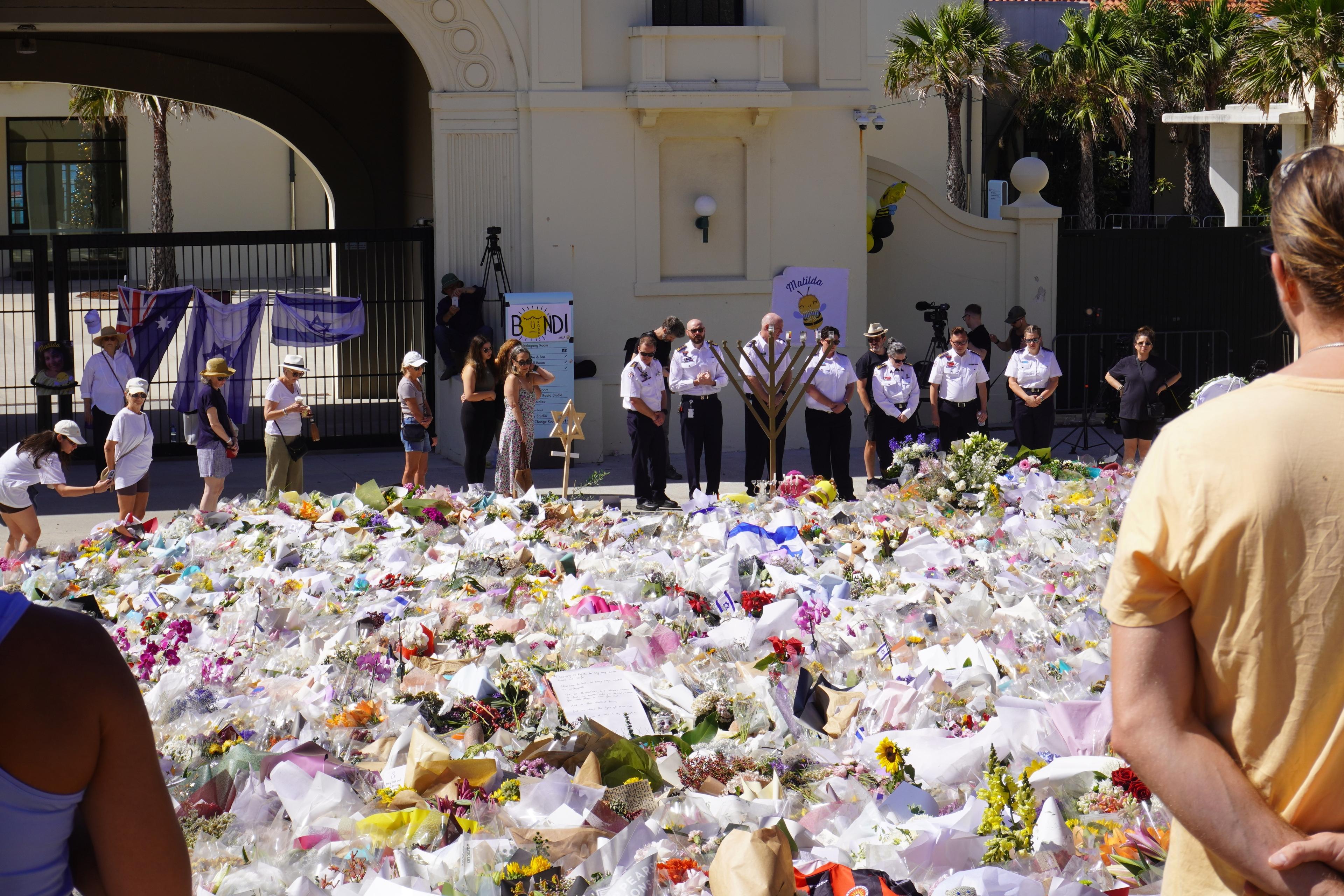


Terror at Bondi Beach: Unraveling the Lone Wolf Threat in Australia's Worst Mass Shooting
- Emerging Security Challenges Expose Critical Vulnerabilities in Counterterrorism Strategies






































概览
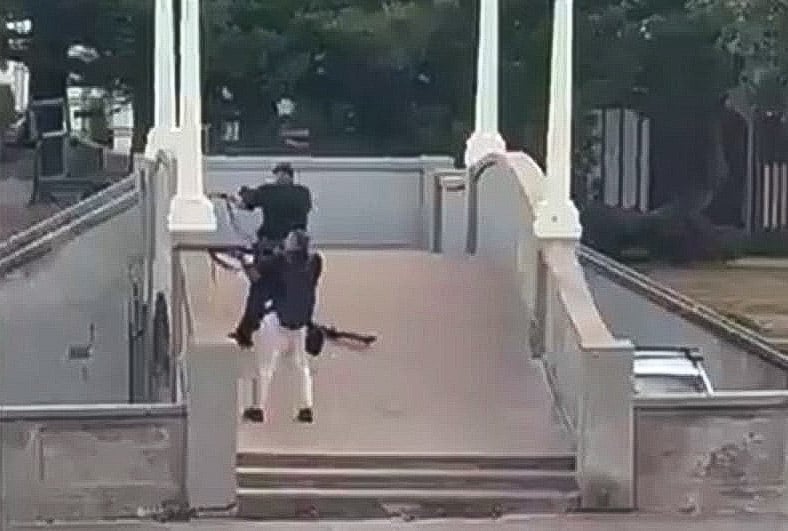
The Bondi Beach terrorist attack represents a critical inflection point in Australia's national security landscape, revealing profound vulnerabilities in detecting and preventing lone wolf terrorism. On December 14, two attackers—Sajid Akram (50) and his son Naveed Akram (24)—executed a devastating assault during a Hanukkah event, killing 15 people in what is now considered Australia's most significant terrorist incident since 1996.
The investigation has uncovered a chilling narrative of strategic preparation and ideological radicalization. Despite initial concerns about potential international connections, Australian Federal Police (AFP) Commissioner Krissy Barrett confirmed the attackers likely acted independently, with no evidence of broader terrorist network involvement. Their month-long trip to the Philippines in November, spanning from November 1 to November 29, was meticulously examined and ultimately deemed non-consequential to their attack planning.
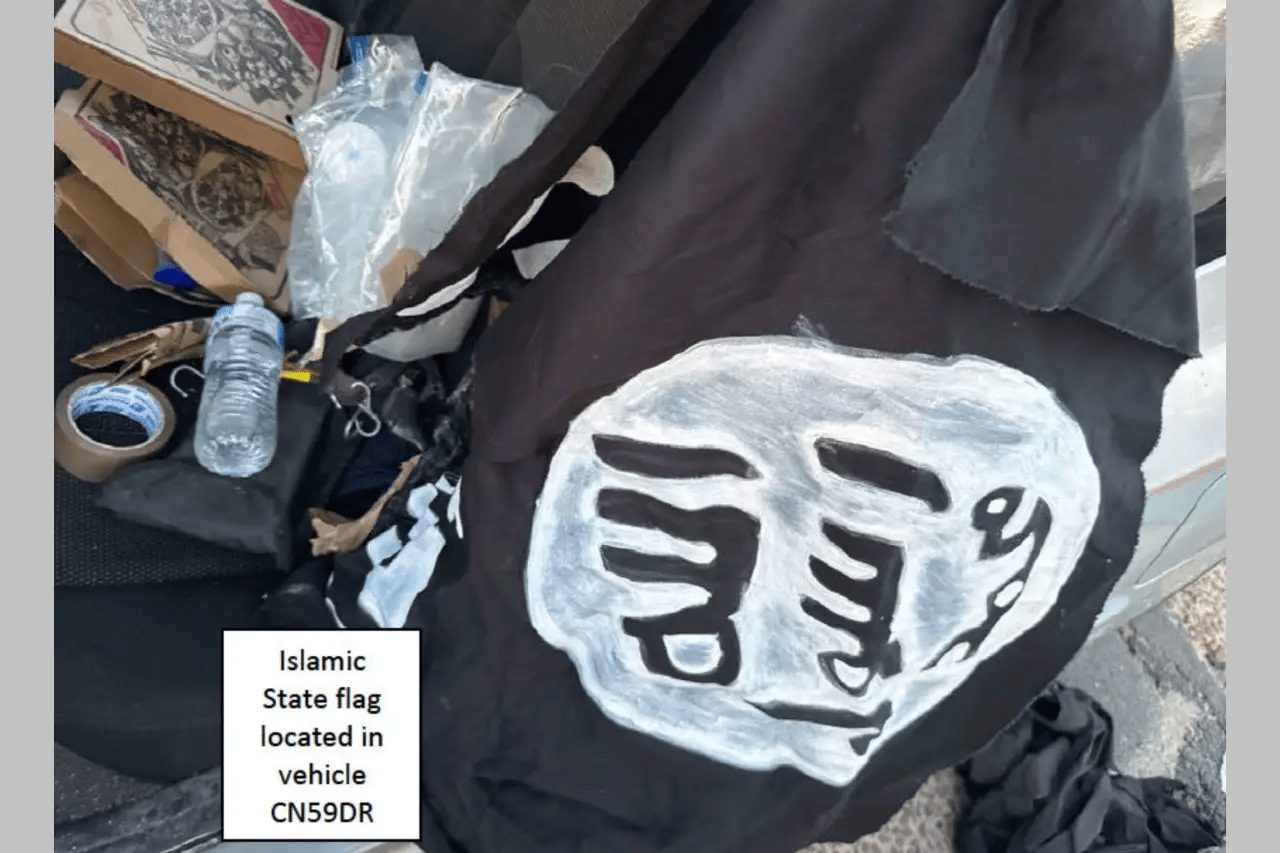
What makes this incident particularly alarming is the sophisticated preparation demonstrated by the attackers. They meticulously planned their assault, including training with shotguns and recording a provocative video criticizing Zionists while displaying an ISIS flag. Prime Minister Anthony Albanese's assessment that the attackers were "motivated by Islamic State ideology" underscores the persistent threat of ideologically driven lone wolf terrorism.
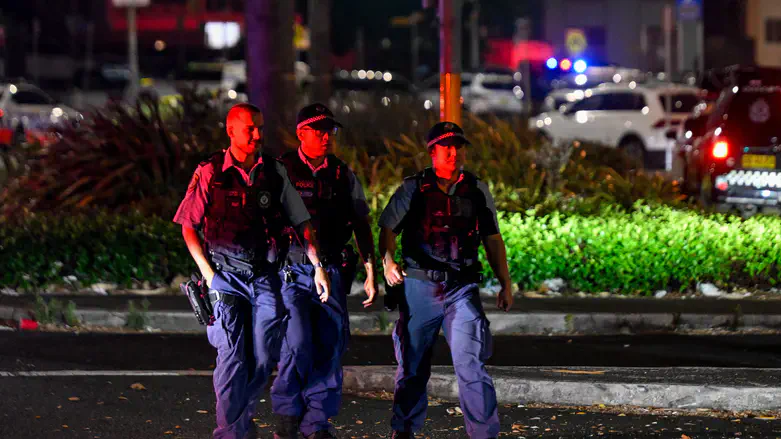
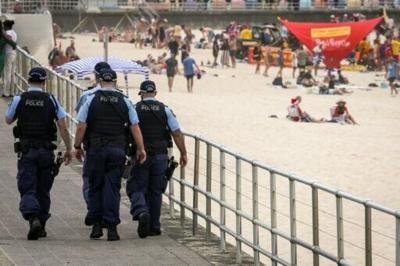
The strategic implications are profound. New South Wales has already responded by implementing heightened security measures, including armed police at public celebrations. This suggests a fundamental reassessment of public safety protocols, particularly for cultural and religious gatherings that might be perceived as potential targets.
The attack exposes critical gaps in pre-emptive counterterrorism strategies. Despite the absence of direct international training or network support, the attackers successfully planned and executed a devastating assault. This highlights the evolving nature of terrorist threats—where ideological radicalization can occur through digital channels, making traditional intelligence gathering increasingly challenging.
For policymakers and security professionals, the Bondi Beach attack is a stark reminder that lone wolf terrorists represent a complex, adaptive threat that cannot be easily predicted or contained through conventional surveillance methods. The incident demands a comprehensive reevaluation of intelligence gathering, community engagement, and early intervention strategies.
问题 3
How did the Australian Federal Police determine the attackers acted alone?
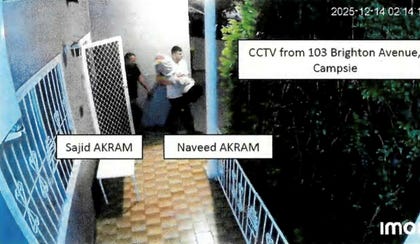
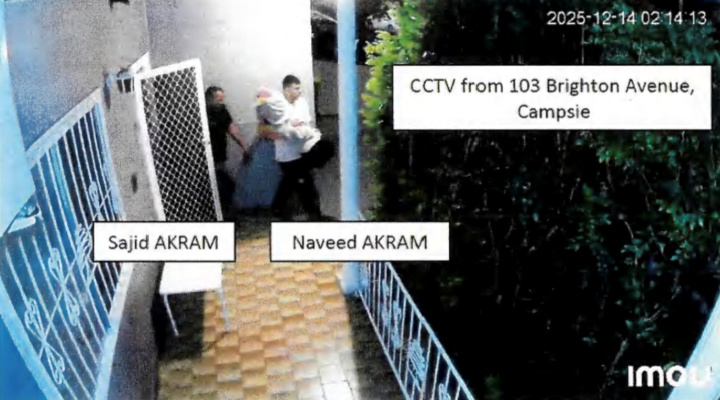
The AFP conducted extensive investigations, including reviewing the suspects' month-long Philippines trip and analyzing CCTV footage. They found no evidence of training, logistical preparation, or connections to a broader terrorist network, leading them to conclude that Sajid and Naveed Akram likely planned and executed the attack independently.
What are the broader implications of the Bondi Beach terrorist attack for Australian national security?
The attack exposes significant challenges in detecting and preventing lone wolf terrorism. It highlights the need for more sophisticated intelligence gathering techniques that can identify radicalization early, especially through digital channels. The incident will likely prompt a comprehensive review of counterterrorism strategies, focusing on community engagement and early intervention.