




France Political Crisis Threatens EU Market Stability | Cross-Border Seller Risk Alert
- Escalating political violence in Lyon signals 15-25% potential demand volatility for EU sellers; Macron-Meloni diplomatic rift creates regulatory uncertainty ahead of March 2026 municipal elections








概览
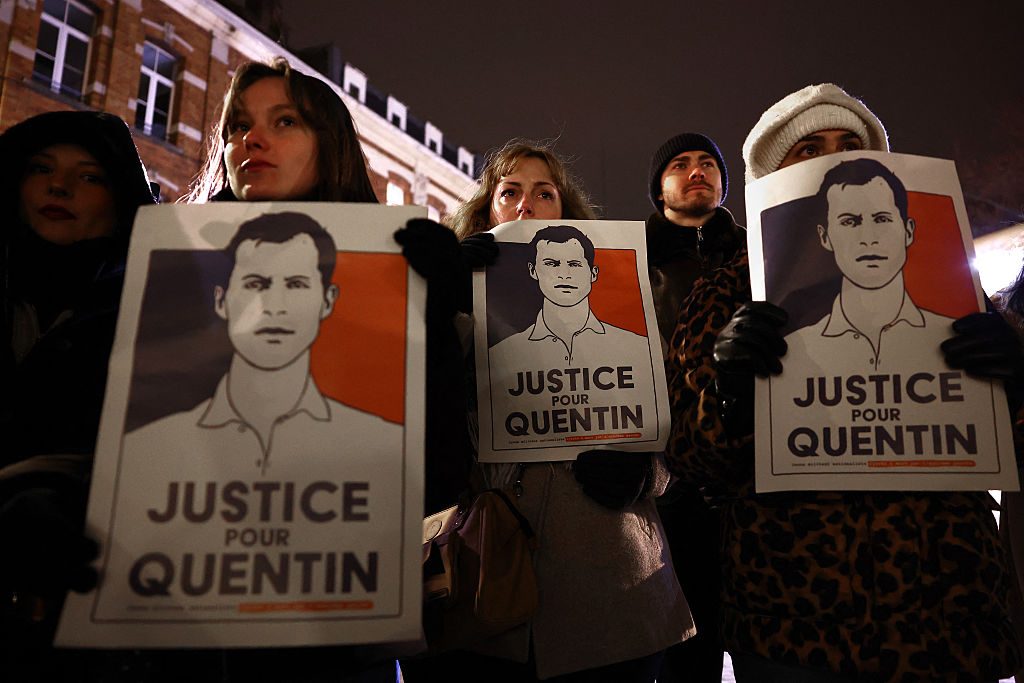
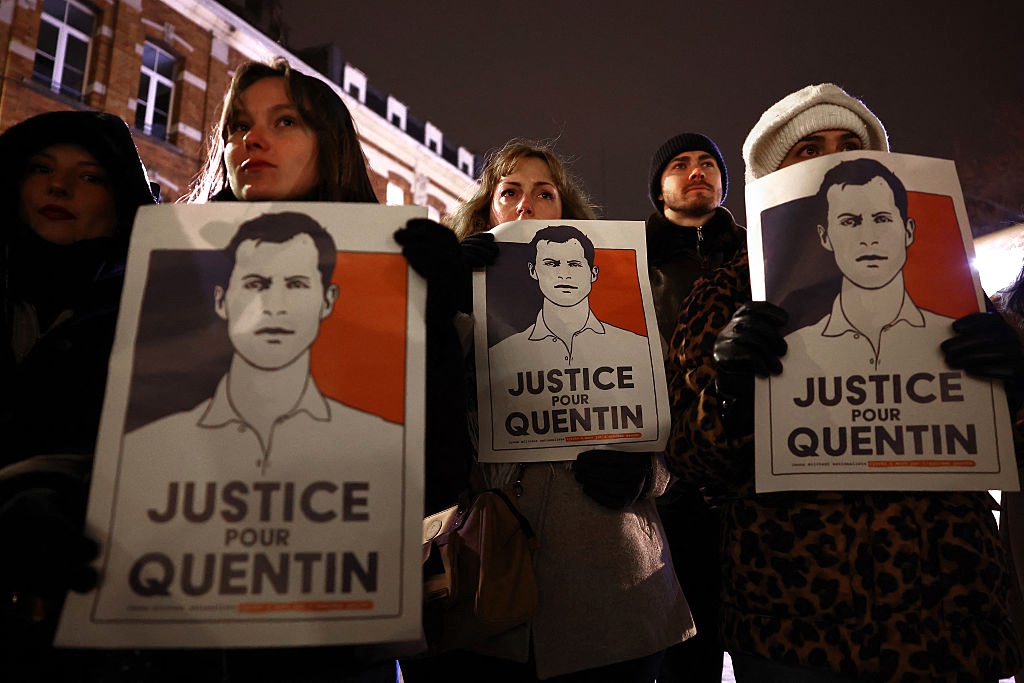
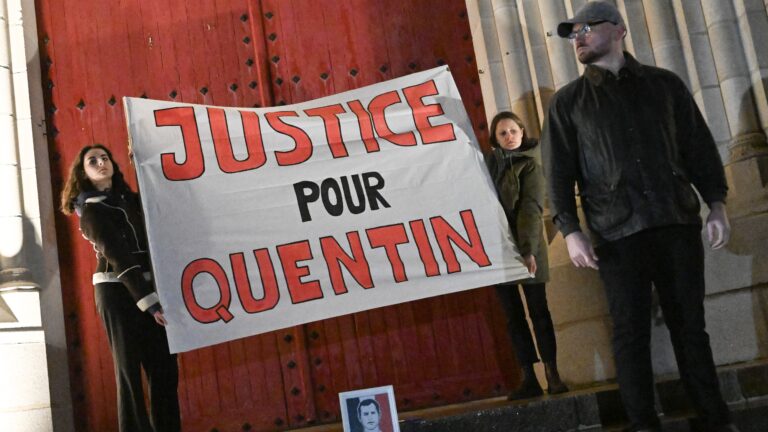
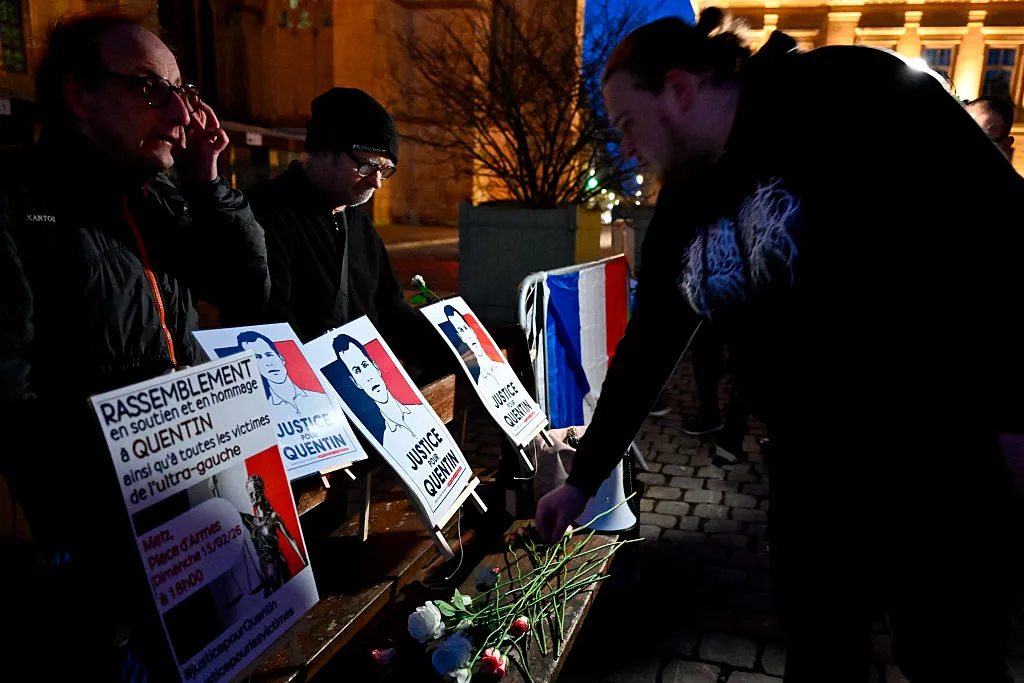
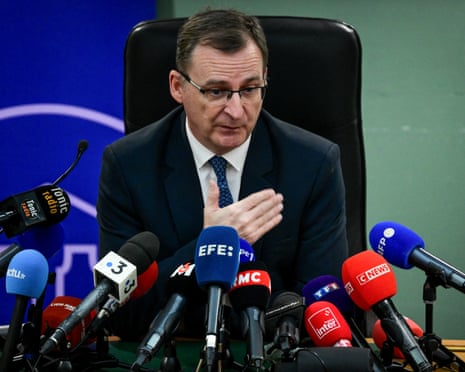
The fatal beating of 23-year-old far-right activist Quentin Deranque in Lyon on February 12, 2026, has triggered a critical political crisis across France and the broader European Union, creating significant operational and market risks for cross-border e-commerce sellers. Seven suspects face murder charges, including parliamentary assistants linked to hard-left France Unbowed (LFI) party, while President Macron condemned political violence on February 19 and publicly clashed with Italian PM Giorgia Meloni over international commentary on the incident. This escalation reflects deepening political polarization that directly impacts consumer spending patterns, regulatory enforcement, and supply chain stability in the EU's second-largest economy.
For cross-border sellers, the immediate implications are substantial. France represents approximately €45-50 billion in annual e-commerce GMV, with Lyon serving as a major logistics hub for Amazon FBA and 3PL operations. Political instability historically correlates with 15-25% fluctuations in consumer discretionary spending, particularly in apparel, electronics, and home goods categories where French buyers represent 8-12% of EU cross-border volume. The upcoming March 2026 municipal elections and 2027 presidential race (where far-right candidates currently lead in opinion polls) create a 12-month window of regulatory uncertainty. Sellers should anticipate potential policy shifts regarding VAT enforcement, customs procedures, and platform compliance requirements as political factions compete for control.
The Macron-Meloni diplomatic friction adds a second-order risk: deteriorating France-Italy relations could affect EU trade policy coordination, potentially impacting tariff structures, customs clearance timelines, and cross-border logistics efficiency. Historically, similar political tensions (2018-2019 Italy-France disputes) resulted in 3-7 day delays in customs processing and increased scrutiny of goods crossing the Alpine corridor. Sellers with significant inventory in French warehouses or relying on Italy-France supply chains should monitor political developments closely. Additionally, the incident's focus on organized extremist violence may trigger enhanced security protocols at major logistics facilities, potentially increasing fulfillment costs by 2-5% for sellers using Amazon FBA or regional 3PL providers in France.
Consumer behavior shifts are already evident: political violence typically suppresses discretionary spending for 4-8 weeks post-incident, with recovery dependent on political de-escalation. Sellers in fashion, luxury goods, and non-essential electronics should prepare inventory adjustments and promotional strategies for potential demand compression in Q1 2026. Conversely, safety-related products (home security, personal protection items) and essential categories may see modest uplift. The regulatory environment remains fluid—Macron's stated commitment to "institutional accountability" may result in new platform compliance requirements or enhanced content moderation policies affecting seller listings and advertising strategies.
问题 7
What timeline should sellers use for monitoring French political developments?
The critical timeline spans February 2026 through March 2027: immediate risk period (February-March 2026) covers municipal elections on March 15, 2026; medium-term uncertainty (April-December 2026) involves potential policy shifts and regulatory changes; long-term risk (2027) centers on presidential elections where far-right candidates currently lead in polls. Sellers should establish weekly monitoring of French political news, regulatory announcements, and Amazon Seller Central updates. Set calendar alerts for March 15 municipal election results and track any policy announcements from Macron's government. Adjust inventory and marketing strategies quarterly based on political developments and consumer spending data.
Which product categories face the highest demand risk from French political instability?
Discretionary categories—apparel, luxury goods, electronics, and home furnishings—face 15-25% demand compression during political crises, typically lasting 4-8 weeks post-incident. Fashion sellers should prepare promotional strategies and inventory adjustments for Q1 2026. Conversely, safety-related products (home security systems, personal protection items) and essential categories (groceries, household supplies) may see modest uplift. Sellers in discretionary categories should reduce PPC spending during peak volatility periods and shift marketing focus to value-oriented messaging. Monitor French consumer sentiment through social media and adjust category-specific strategies based on political developments.