


Tariff Policy Collapse Creates Supply Chain Arbitrage Window for Cross-Border Sellers
- U.S. goods trade deficit surges 5.7% despite 16.9% average tariff rates; China imports drop 30% while Vietnam/India surge, creating sourcing cost advantages for sellers pivoting supply chains before policy reversal


















概览
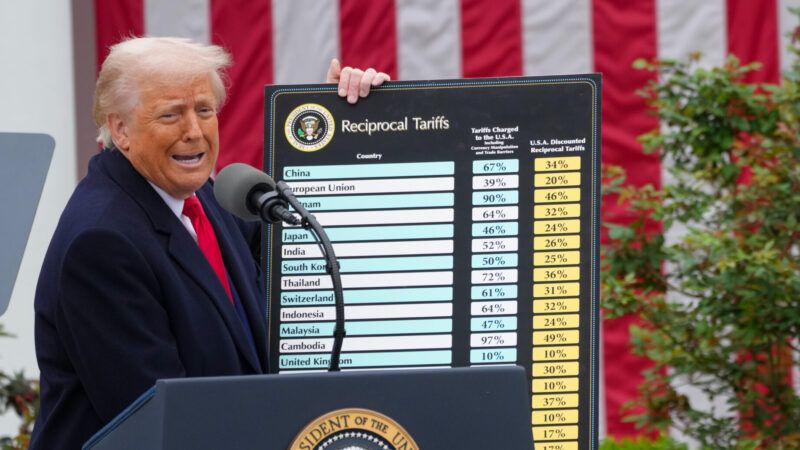
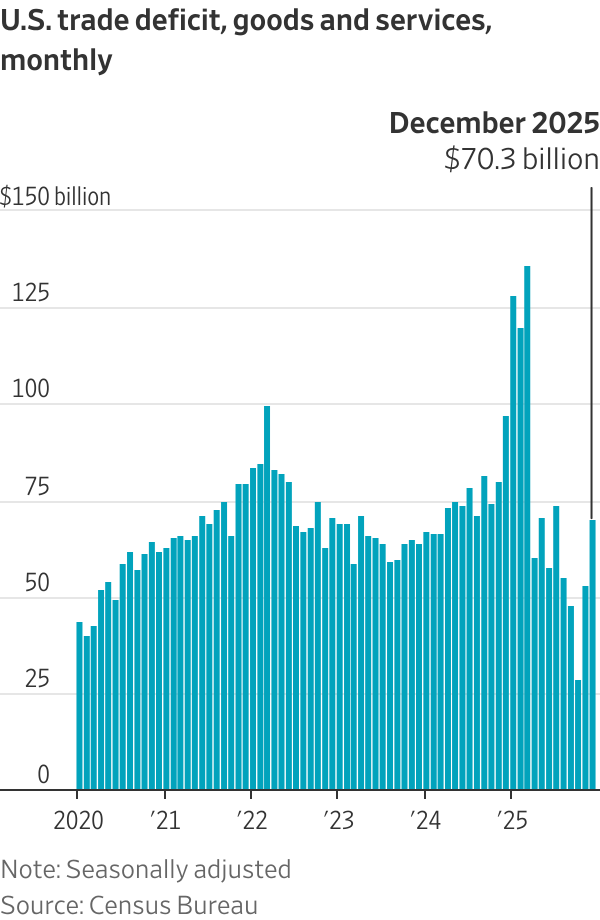
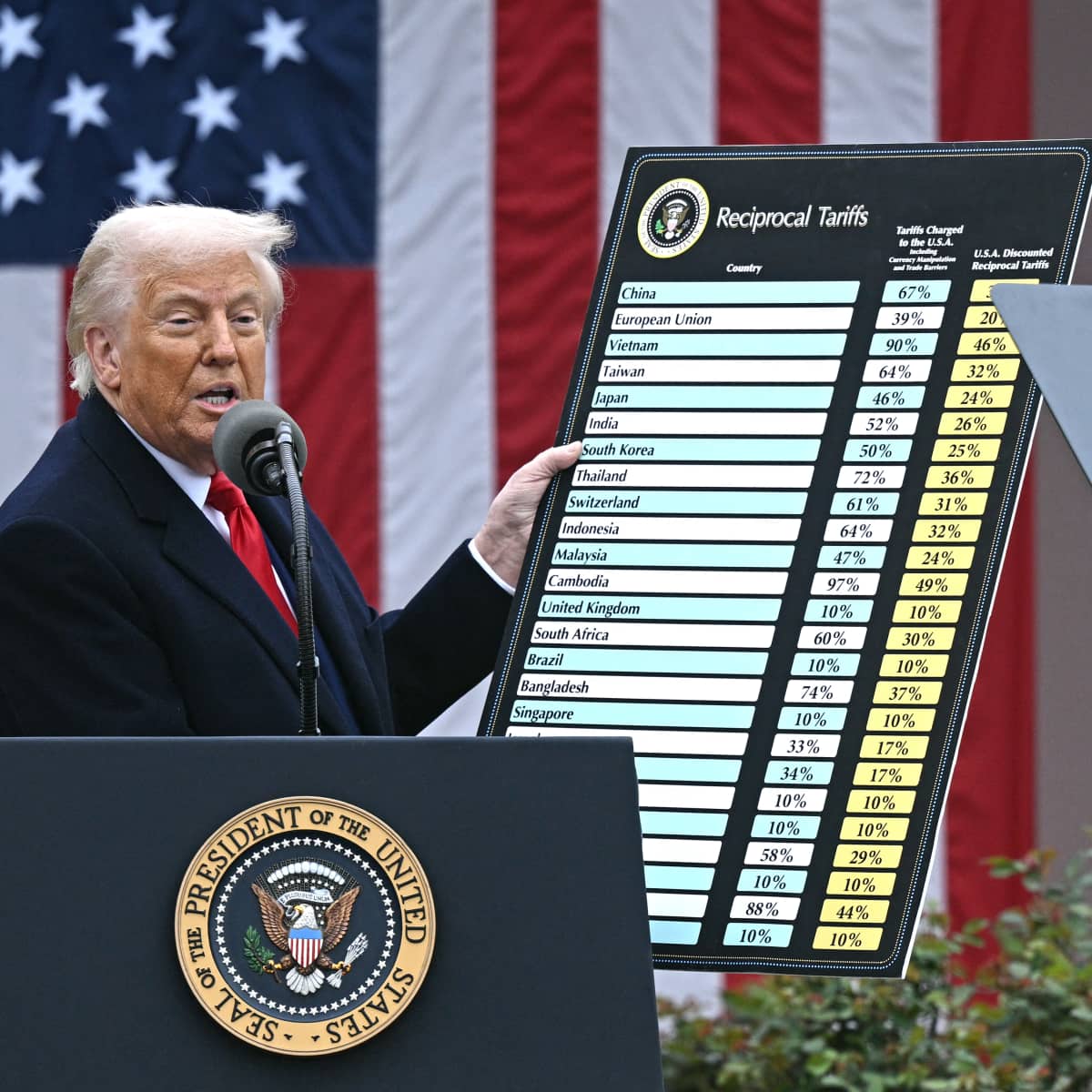
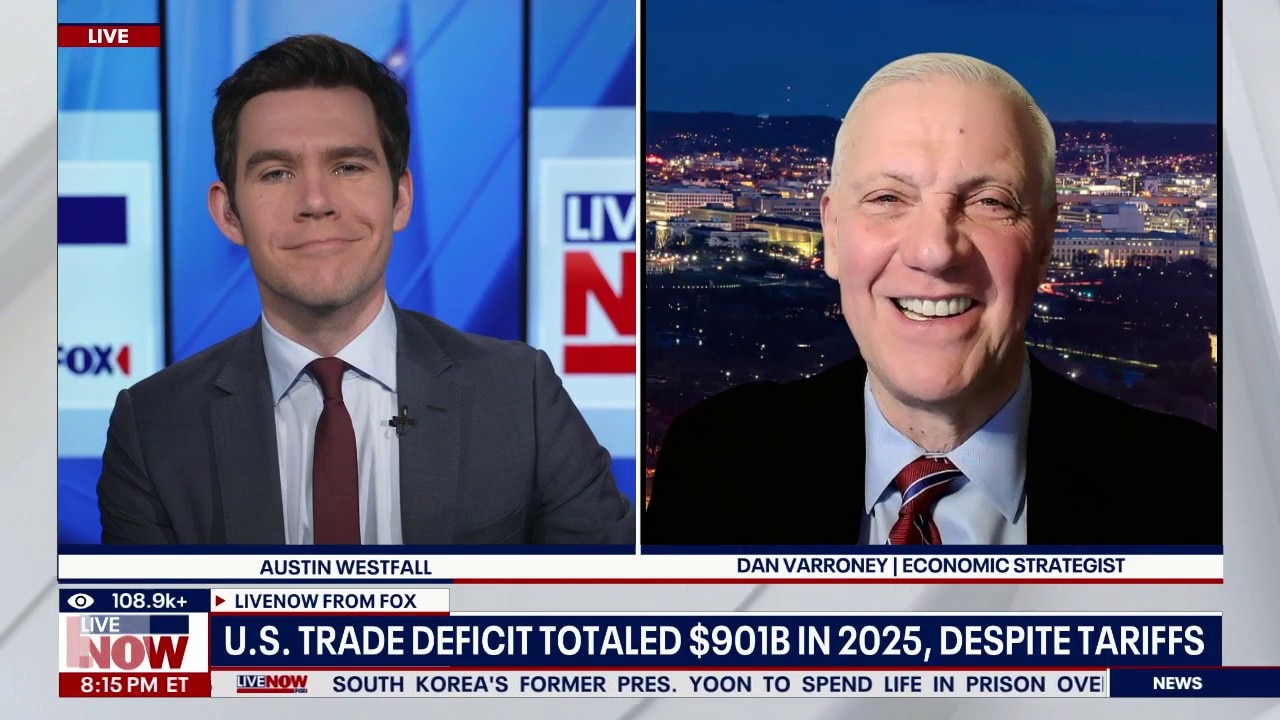
The Trump administration's tariff offensive has fundamentally failed to reduce U.S. import volumes, creating a critical window for cross-border e-commerce sellers to restructure sourcing strategies. According to Bureau of Economic Analysis data released February 2026, the U.S. goods trade deficit increased 5.7% in 2025 despite the highest tariff rates (16.9% average) since 1932. The merchandise trade deficit reached a record $1.2 trillion, contradicting the administration's core justification for the policy now under Supreme Court review. This policy failure signals an imminent reversal, presenting time-sensitive opportunities for sellers to lock in favorable sourcing arrangements before tariff relief reshuffles competitive dynamics.
The tariff regime has restructured trade patterns rather than reducing import volumes—a critical distinction for seller strategy. Imports from China tumbled 30% to their lowest level since 2009, shrinking the U.S.-China goods deficit to $202 billion (smallest in two decades). However, American importers compensated by sourcing from Vietnam, India, Mexico, and Southeast Asian nations, creating record trade deficits with these regions. U.S. imports grew 4.7% to $4.3 trillion in 2025 while exports increased 6.2% to $3.4 trillion. This trade diversion effect demonstrates that tariffs increased costs for foreign goods without creating domestic production capacity. For sellers, this means: (1) China-sourced products now face 25-35% tariff premiums, making alternative suppliers temporarily cost-competitive; (2) Vietnamese and Indian suppliers have established new manufacturing capacity specifically to circumvent China tariffs; (3) Chinese manufacturers have established factories outside China to maintain market access, creating new sourcing opportunities.
The policy's economic failure creates a Supreme Court reversal scenario that could dramatically shift competitive positioning by mid-2026. Public sentiment has turned sharply against tariffs, with widespread characterization as "regressive taxes on American consumers." Federal Reserve Bank of New York research confirms American businesses and consumers bore most tariff costs, not foreign exporters. The trade deficit surged 32.6% in December 2025 as imports rose and exports fell, raising questions about policy sustainability. Agricultural exports collapsed—U.S. soybean exports plummeted from $25.8 billion (2024) to $17.5 billion (2025) as China boycotted American crops. If the Supreme Court rules against the tariff policy, sellers face a compressed timeline: tariff relief could eliminate the current cost advantage of non-China sourcing within 60-90 days, forcing sellers to either accept margin compression or rapidly shift back to China suppliers. American manufacturers shed 80,000+ jobs despite tariff protections, indicating the policy failed even its secondary objective of domestic job creation.
问题 7
Are there specific tariff exemptions or reduced rates I should exploit?
Yes—several categories have lower tariff rates or exemptions: (1) Certain raw materials and components (5-10% rates) qualify for lower tariffs; (2) Products manufactured in Free Trade Agreement countries (Mexico, South Korea, Australia) face reduced rates; (3) Goods under $800 imported by individuals may qualify for de minimis exemptions; (4) Some agricultural products have seasonal tariff variations. However, the average U.S. tariff rate reached 16.9% by January 2026—the highest since 1932—indicating broad tariff coverage. Sellers should audit their product portfolio's HS codes at hts.usitc.gov to identify any lower-tariff alternatives. The trade data shows imports from Mexico surged as companies exploited USMCA tariff advantages. Sellers should consult customs brokers to identify legitimate tariff reduction strategies, but avoid origin fraud schemes (Chinese manufacturers establishing fake factories outside China). The Supreme Court case undermines the tariff policy's legal foundation, making aggressive tariff arbitrage strategies risky if policy reverses.
What are the compliance risks of sourcing from new suppliers in Vietnam or India?
New suppliers in Vietnam and India require 4-8 weeks for qualification, including factory audits, quality testing, and customs documentation setup. Compliance risks include: (1) Customs classification errors—misclassifying HS codes can result in penalties of 20-50% of shipment value; (2) Origin certification—products must meet 'country of origin' requirements (typically 35% local content threshold); (3) Supply chain transparency—some Chinese manufacturers have established factories outside China to circumvent tariffs, creating origin fraud risks; (4) Quality variability—new suppliers may have inconsistent quality standards. The Census Bureau data shows trade deficits with Vietnam and Southeast Asia surged as companies rerouted supply chains, indicating rapid scaling of alternative suppliers. Sellers should implement: (1) Third-party factory audits; (2) Origin certification verification; (3) Quality control sampling on first 3-5 shipments; (4) Customs broker consultation for HS code classification. The Supreme Court case timeline suggests 60-90 days before potential policy reversal, creating urgency for supplier qualification.