


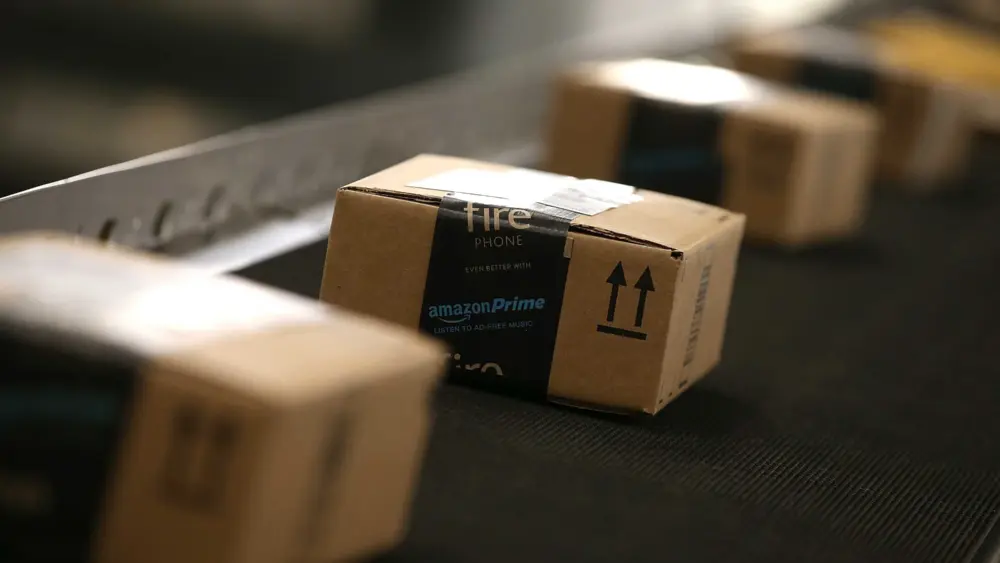

Amazon Overtakes Walmart | AI Investment & Third-Party Seller Opportunities
- $716.9B revenue milestone signals shift to AI-powered discovery; third-party sellers now 24% of Amazon's revenue; $200B AI investment reshapes product visibility and fulfillment strategies



















概览
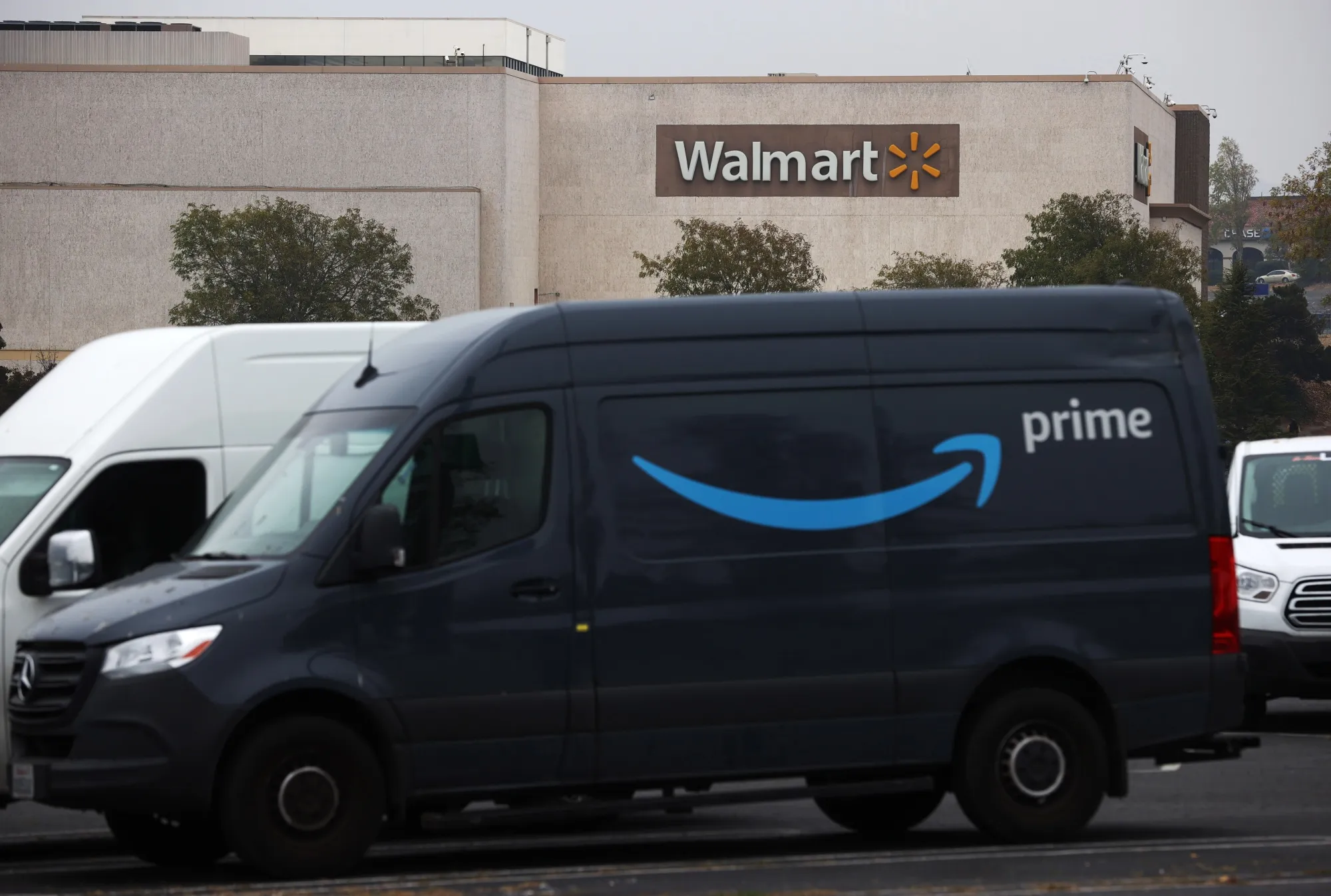
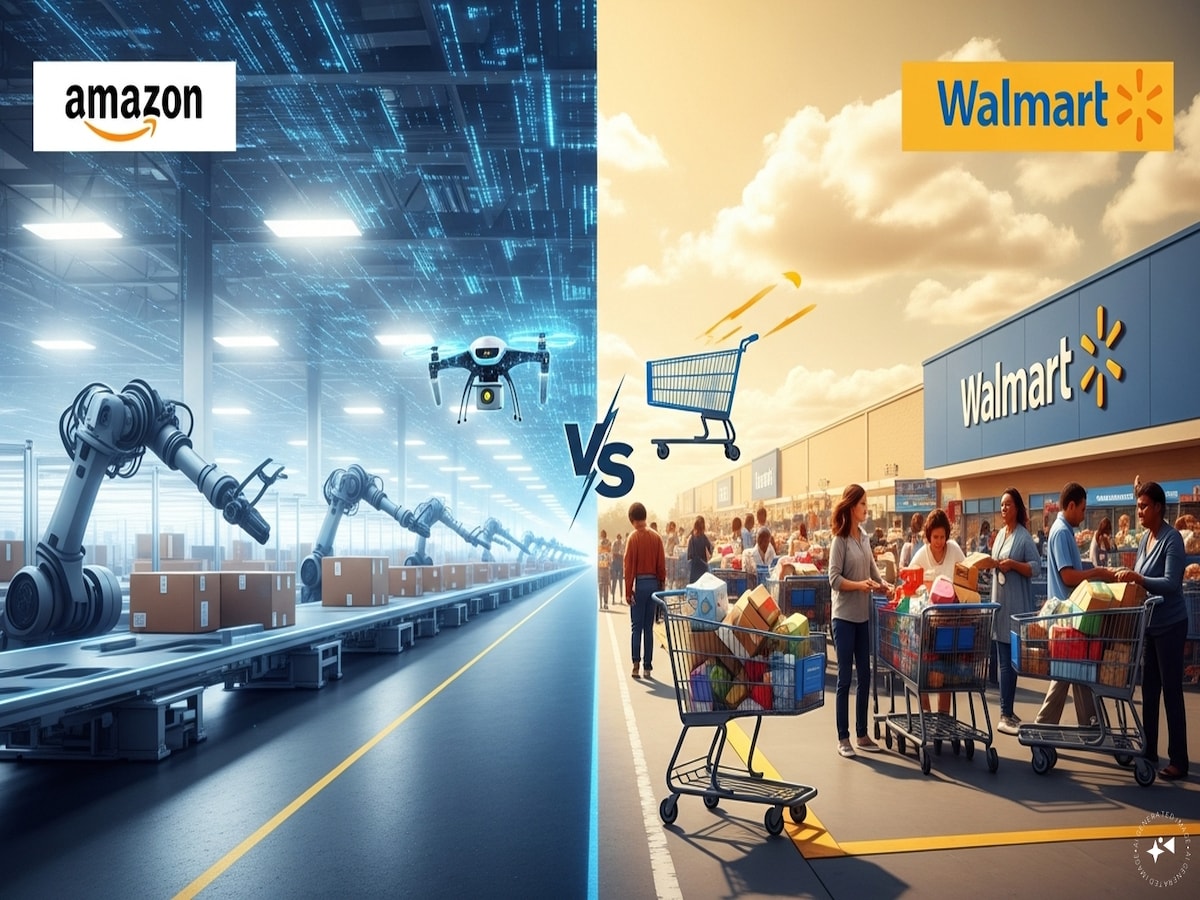
Amazon's ascension to the #1 position on the Fortune 500 list, surpassing Walmart's 13-year reign with $716.9 billion in revenue versus Walmart's $713.2 billion, represents a fundamental restructuring of e-commerce competition driven by AI infrastructure and diversified revenue models. This milestone, announced February 19, 2025, reflects Amazon's strategic pivot from pure retail to a technology-enabled platform where third-party seller services generate approximately 24% of total sales ($172B annually), while AWS contributes 18% ($128.7B) with 20% year-over-year growth. For third-party sellers, this competitive shift carries critical implications: Amazon's announced $200 billion investment in 2026 across AI, chips, robotics, and satellite infrastructure will fundamentally reshape product discovery mechanisms, with Amazon's Rufus shopping assistant already generating $12 billion in incremental annualized sales across 300 million users.
Platform-Specific Seller Impact: Amazon's proprietary AI strategy—blocking external agents while investing $8 billion in Anthropic—contrasts sharply with Walmart's partnership approach using OpenAI's ChatGPT and Google's Gemini. This architectural difference creates distinct opportunities: Walmart sellers benefit from Sparky's 35% higher average order values among 50% of app users, suggesting lower competition for visibility, while Amazon sellers face intensifying algorithmic competition where AI-driven product ranking increasingly determines Buy Box placement and search visibility. Amazon's 40% dominance of U.S. e-commerce and 80% Prime penetration (180 million members) means sellers must optimize for AI-native discovery—enhanced product descriptions, structured data, and A+ content become essential rather than optional. The $464 billion retail revenue (online + physical + third-party commissions) indicates Amazon's retail operations remain loss-making, subsidized by AWS profits, creating aggressive expansion incentives that pressure seller margins through increased competition and stricter performance metrics.
Regional Market Dynamics and Competitive Gaps: Walmart's 4.6% U.S. sales growth in recent quarters and $1 trillion market valuation signal resilience in physical retail strongholds, particularly in rural and suburban markets where Amazon's logistics infrastructure remains underdeveloped. Sellers targeting Walmart Marketplace encounter lower algorithmic complexity but face slower growth trajectories—ideal for established brands seeking stability over explosive scaling. Amazon's three-times-higher cumulative growth rate (2018-2025) versus Walmart indicates accelerating market share consolidation, particularly among younger demographics and urban centers where Prime penetration exceeds 85%. For cross-border sellers, Amazon's satellite infrastructure investments signal expansion into underserved regions, creating first-mover advantages in emerging markets before Walmart's traditional retail model can adapt. The competitive landscape shows Amazon prioritizing technology-driven discovery over price competition, meaning sellers with superior product data, enhanced content, and advertising sophistication will capture disproportionate visibility gains. Sellers should anticipate 15-25% margin compression from increased advertising costs as platforms compete for customer acquisition through AI-powered personalization.
问题 8
How does Amazon's $464B retail revenue (with losses) affect seller opportunities?
Amazon's retail operations are subsidized by AWS profits ($45.6B operating income), enabling aggressive expansion and margin pressure on sellers. This business model means Amazon can sustain losses in retail to gain market share, forcing sellers to compete on efficiency rather than price. The $464B retail revenue (online + physical + third-party commissions) indicates Amazon prioritizes volume and customer lifetime value over short-term profitability. For sellers, this means: (1) Expect continued margin compression as Amazon invests in logistics and technology, (2) Compete on product quality and customer experience rather than price, (3) Diversify to Walmart (profitable model) and owned channels to reduce Amazon dependency. Sellers should model 10-15% annual margin decline on Amazon while building alternative revenue streams.
What is the timeline for sellers to see impact from platform AI investments?
Amazon's Rufus already impacts 300 million users (generating $12B incremental sales), indicating AI-driven discovery is live and affecting visibility now. Walmart's Sparky shows 35% higher AOV among 50% of app users, demonstrating immediate conversion impact. Sellers should expect algorithmic changes within 30-60 days as platforms roll out AI updates. For competitive advantage, sellers have 90-day window to optimize listings before AI algorithms fully mature and create visibility gaps. Immediate actions: audit product data completeness, enhance descriptions, improve image quality, and increase advertising spend to maintain visibility during transition. Sellers delaying optimization will face 20-30% visibility decline as algorithms prioritize comprehensive, AI-optimized listings.