


Amazon Overtakes Walmart | AI Investment & Seller Opportunity Shift 2025
- Amazon's $716.9B revenue edges Walmart's $713.2B; $200B AI spending reshapes third-party seller visibility and profitability across all platforms































概览
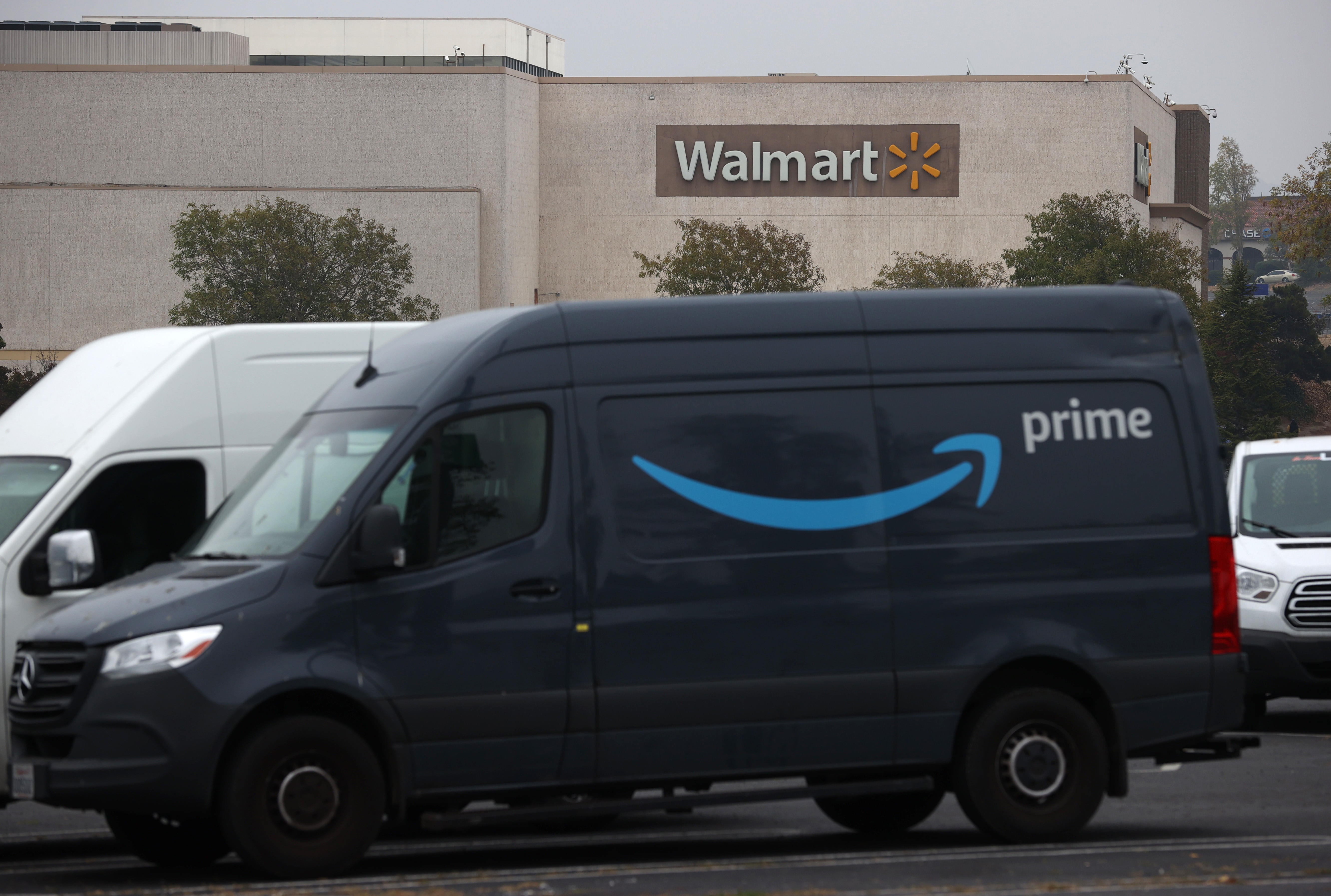
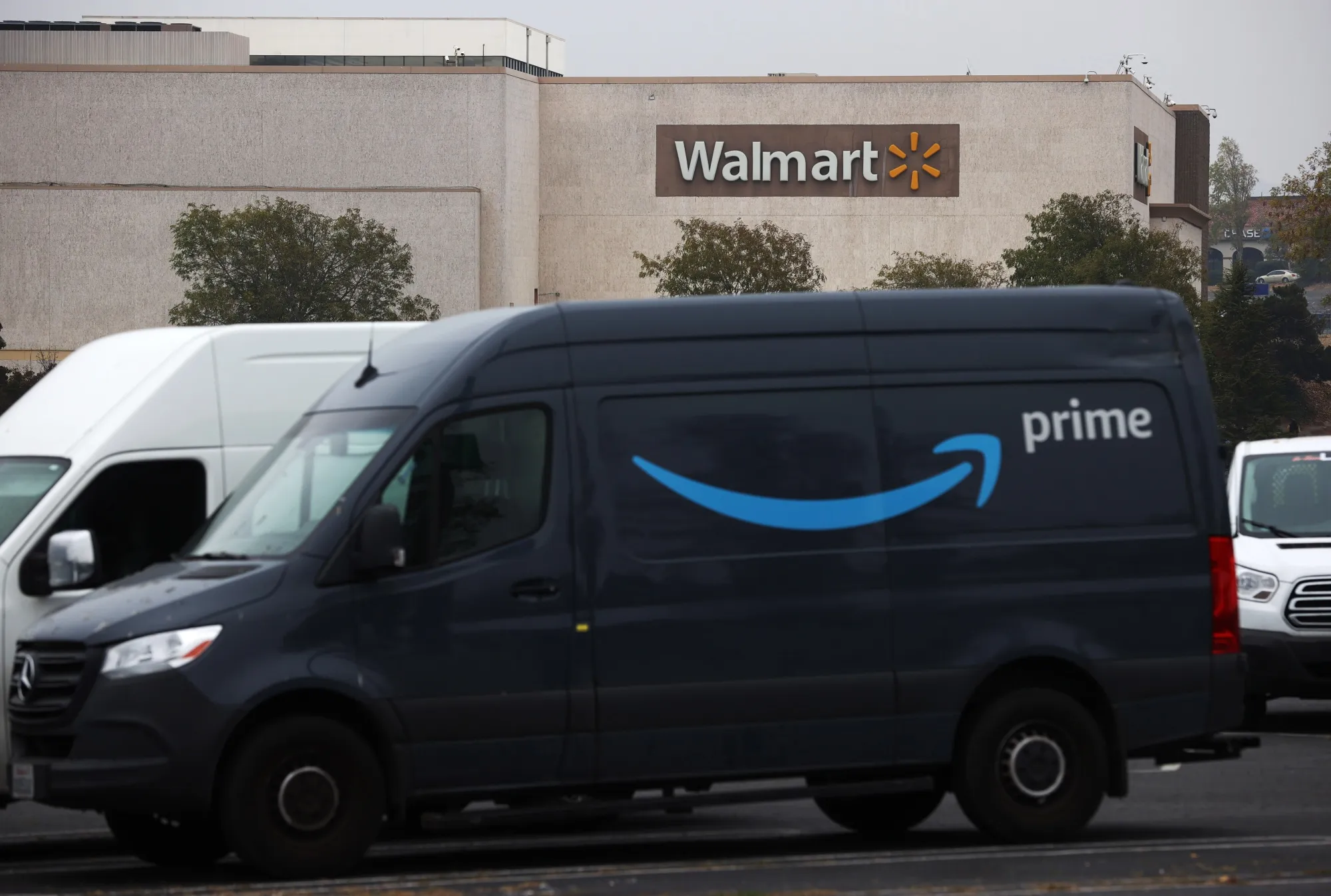
Amazon has officially surpassed Walmart as the world's largest retailer, reporting $716.9 billion in 2025 revenue compared to Walmart's $713.2 billion—ending Walmart's 13-year reign at the top. This historic shift reflects a fundamental transformation in e-commerce competition driven by AI-powered product discovery, diversified revenue streams, and technology-first strategies. For third-party sellers, this development carries critical implications: Amazon's $200 billion 2026 investment in AI, chips, robotics, and satellite infrastructure signals an accelerating arms race that will reshape how products are discovered, ranked, and sold across all major platforms.
The AI-driven visibility gap is widening dramatically. Amazon's shopping assistant Rufus has been used by over 300 million customers and generated nearly $12 billion in incremental annualized sales, demonstrating how AI-powered discovery directly impacts seller revenue. Walmart counters with Sparky, its proprietary AI assistant, which drives 35% higher average order values among the 50% of Walmart app users who engage with it. This means sellers must now optimize for AI-driven product discovery algorithms, not just traditional search optimization. Amazon's third-party seller services generate approximately 24% of total revenue ($172 billion), while Walmart's physical retail dependency (90% of revenue from brick-and-mortar) creates different opportunities for sellers on each platform.
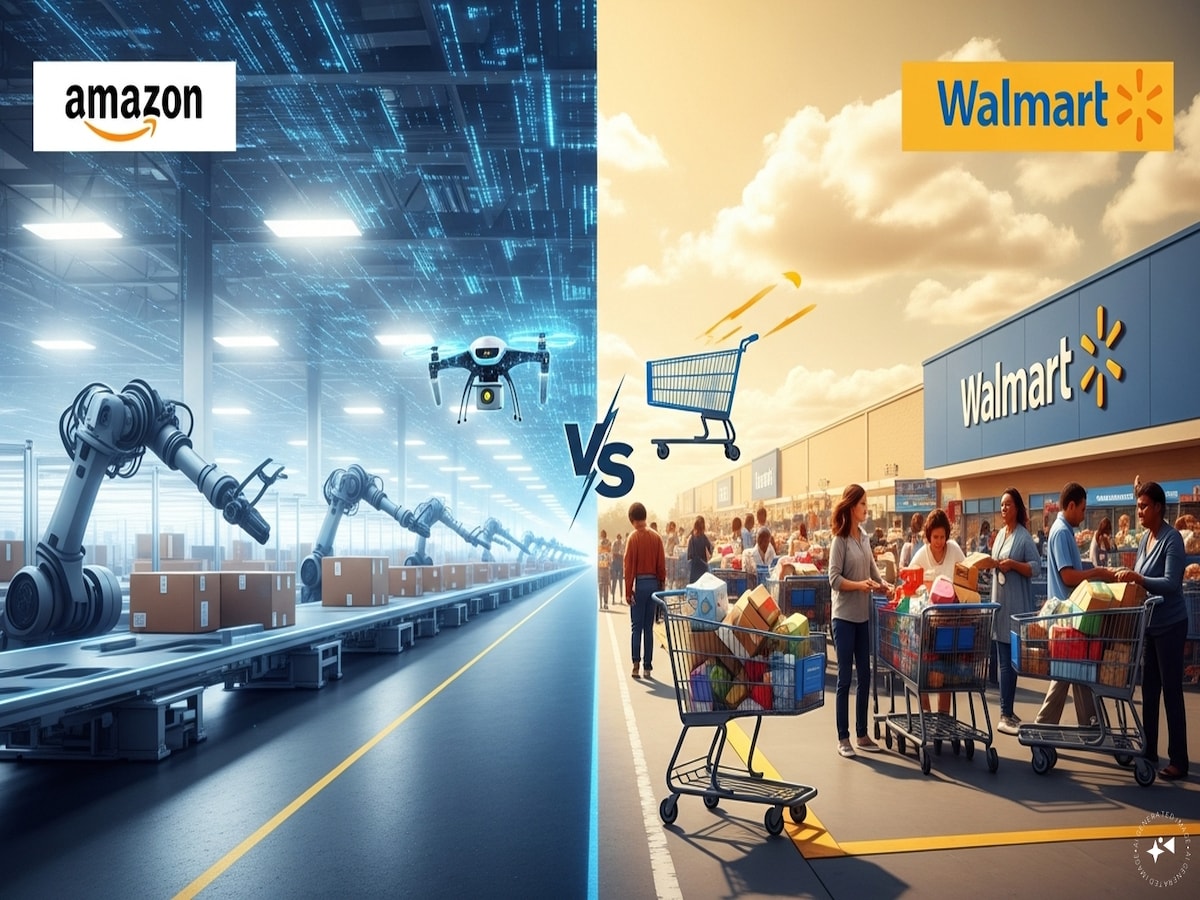
Platform-specific strategies are diverging sharply. Amazon blocks external AI agents and maintains proprietary control over the shopping experience, investing $8 billion in Anthropic since 2023 to build internal AI capabilities. Walmart partners with OpenAI and Google, allowing third-party integrations but focusing retail expertise internally. This architectural difference means Amazon sellers face stricter algorithmic control but benefit from unified AI optimization, while Walmart sellers gain flexibility but must navigate multiple AI systems. AWS's $128.7 billion revenue (20% YoY growth, $45.6 billion operating income) funds Amazon's aggressive expansion, subsidizing retail losses and enabling rapid feature deployment. For sellers, this translates to faster platform innovation on Amazon but potentially higher competition as the company invests heavily in seller acquisition and retention tools.
Regional market dynamics are shifting. Amazon dominates U.S. e-commerce with 40% of digital retail sales and 80% Prime penetration (180 million members), creating a concentrated seller ecosystem. Walmart's 4.6% U.S. sales growth and $1 trillion market valuation signal its repositioning as a technology-driven enterprise, making it increasingly competitive for sellers seeking alternatives to Amazon's fee structure. The news indicates both platforms will prioritize AI-driven personalization, potentially affecting visibility for sellers who don't optimize product data, imagery, and content for machine learning algorithms. Sellers relying on traditional keyword optimization face margin compression as platforms shift investment toward AI-powered discovery that favors well-capitalized brands with rich product data.
问题 7
What regional opportunities emerge from Amazon's global dominance?
Amazon's U.S. dominance (40% market share) creates opportunities in underserved international markets where Amazon has weaker presence. EU sellers can leverage Amazon EU expansion while building presence on local platforms (Cdiscount in France, Idealo in Germany). Asia-Pacific sellers should focus on Amazon India, Flipkart, and Lazada where Amazon competes more directly. Walmart's international expansion through partnerships creates opportunities for sellers in Mexico, Canada, and Central America. Cross-border sellers should map platform penetration by region and prioritize platforms with highest customer density and lowest competition in their product category. This geographic diversification can improve overall revenue stability by 20-30%.
How should sellers optimize product listings for AI algorithms in 2025?
AI algorithms prioritize rich, structured product data: detailed descriptions (500+ words), high-quality images (8+ photos), complete specifications, and authentic customer reviews. Sellers should invest in A+ content (enhanced brand content on Amazon) and detailed product attributes to improve AI ranking. Keyword optimization remains important but is now secondary to content quality and data completeness. Sellers should also leverage AI tools to generate product descriptions, optimize pricing based on demand signals, and identify trending attributes within their category. Testing different content formats and measuring AI-driven traffic through Amazon Attribution or Walmart analytics will reveal which optimizations drive incremental sales.