



Geopolitical Tremors: Israel's Strategic Recognition of Somaliland Reshapes Horn of Africa Dynamics
- Unprecedented diplomatic move triggers global tensions and redraws regional power calculations














概览
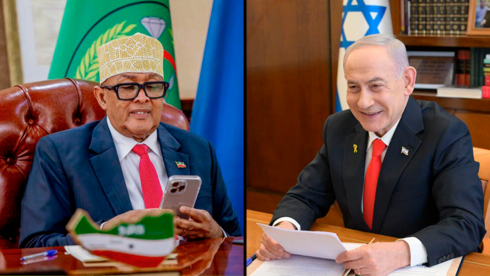
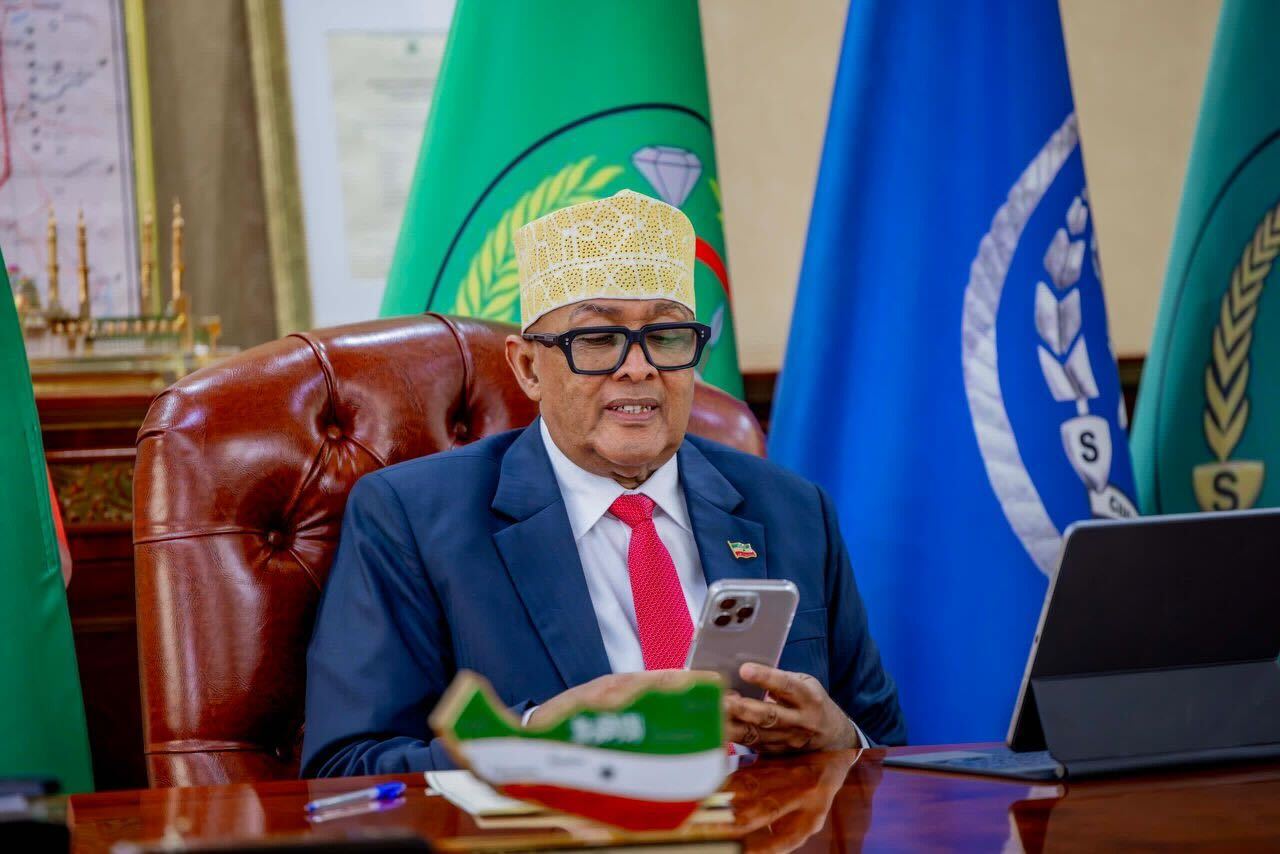
In a bold geopolitical maneuver, Israel has become the first nation to officially recognize Somaliland as an independent state, sending shockwaves through international diplomatic circles and fundamentally challenging established territorial norms. This unilateral recognition represents more than a simple diplomatic gesture—it's a strategic recalibration with profound implications for regional stability and global power dynamics.
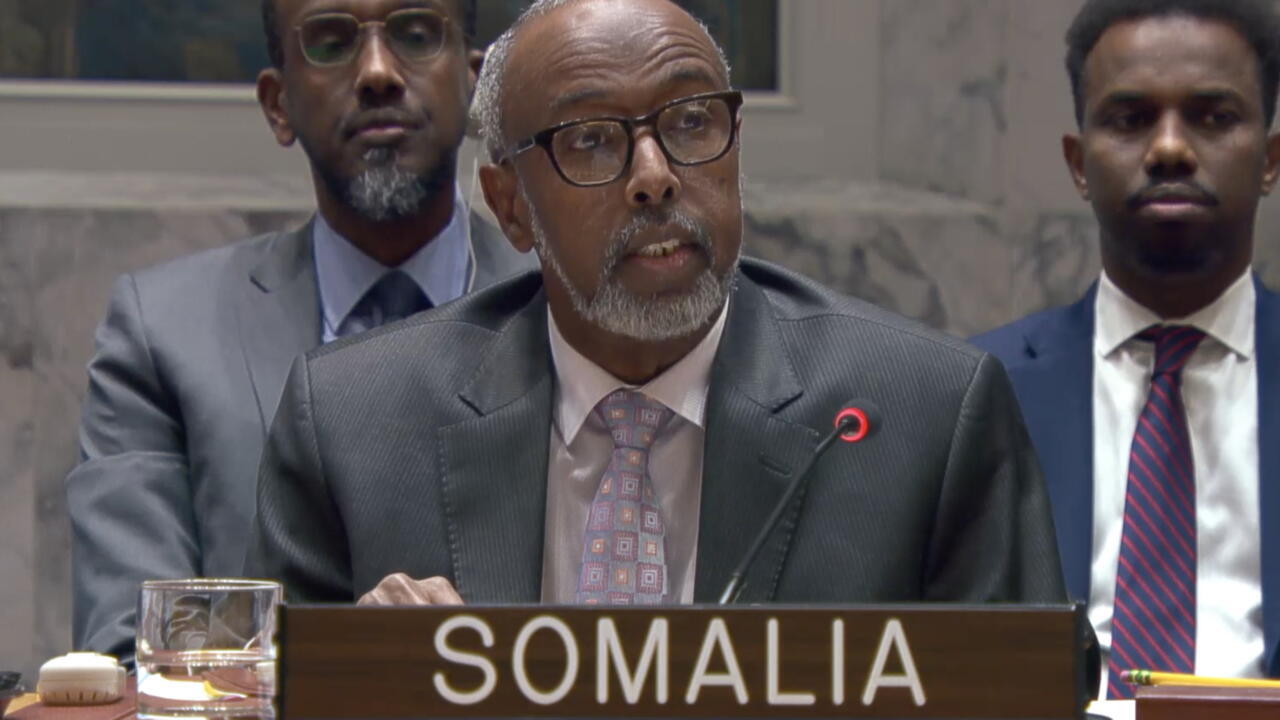
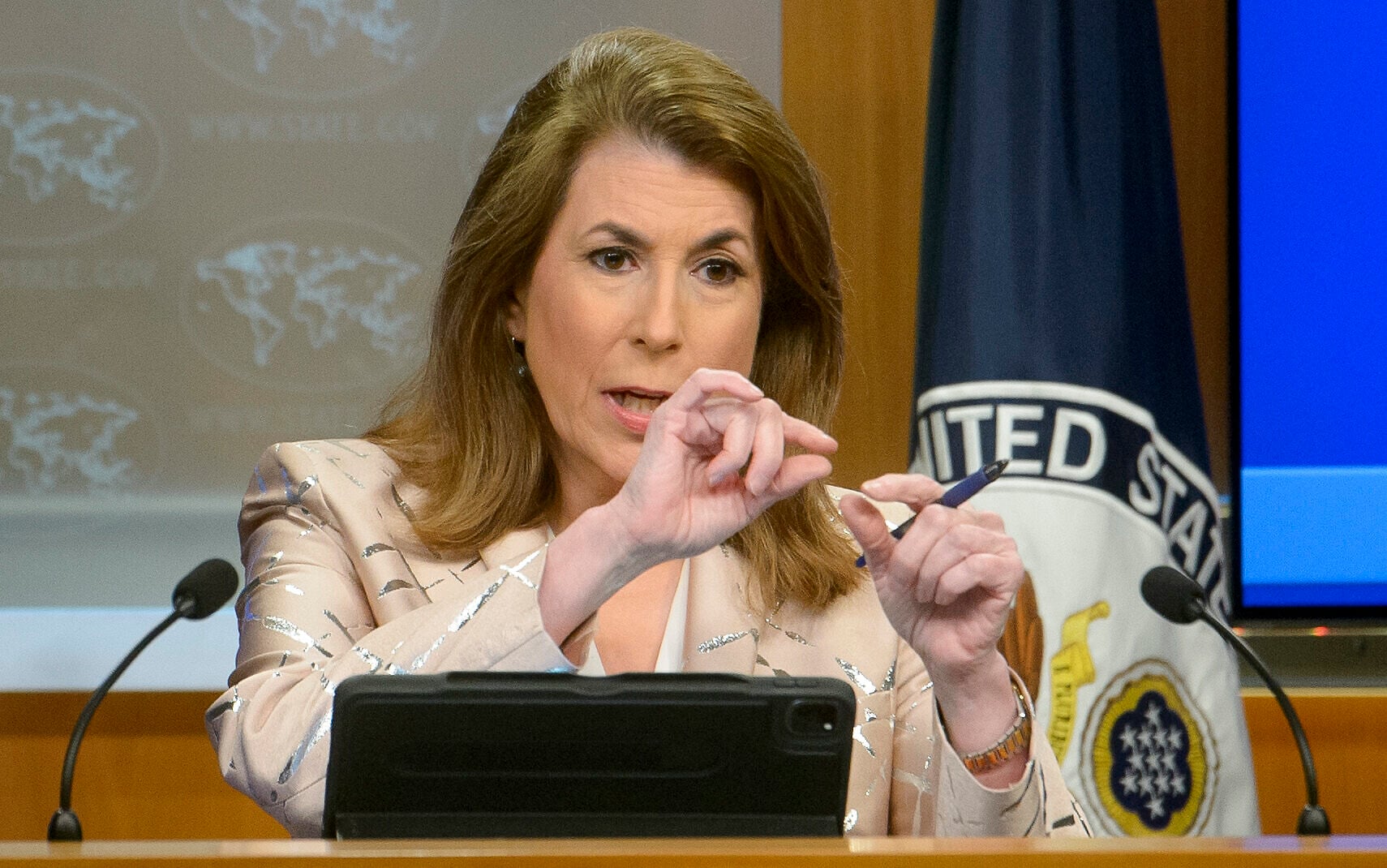
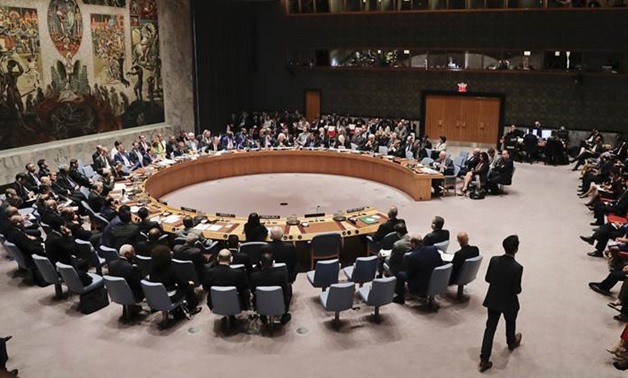
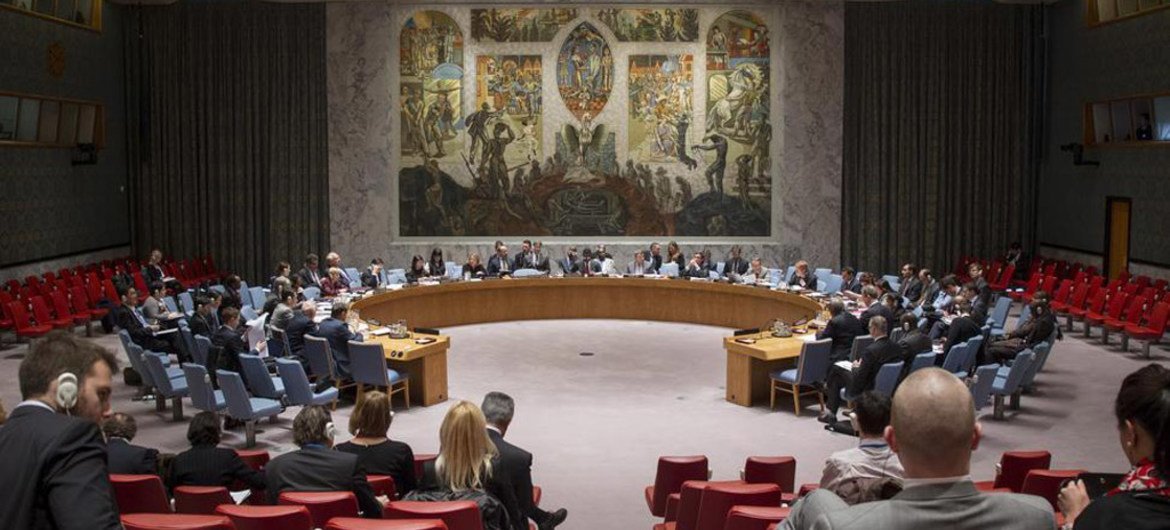
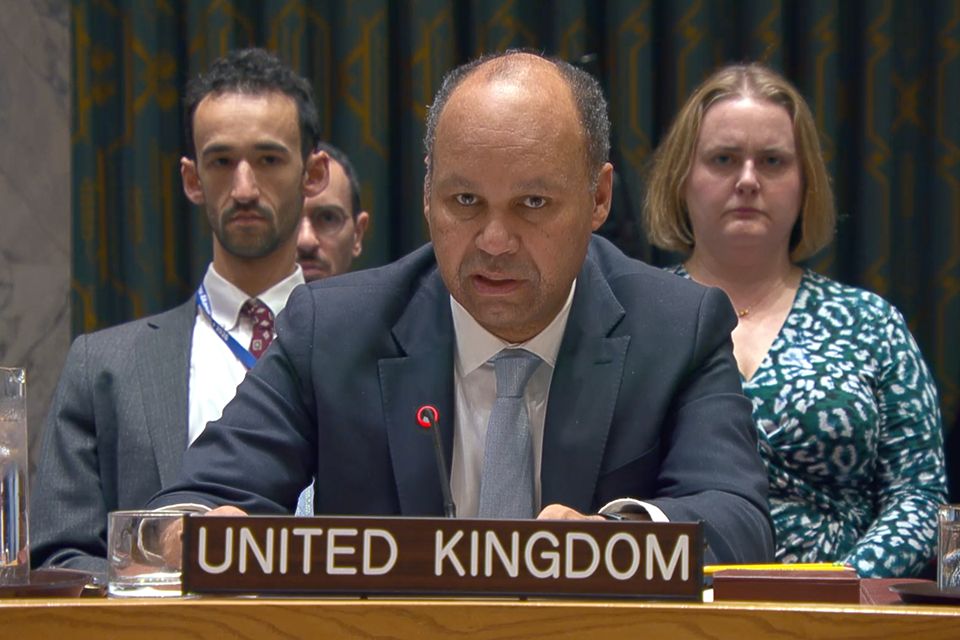
The move emerged against a complex backdrop of regional tensions, with Israel seemingly leveraging Somaliland's strategic location overlooking the Red Sea to potentially counter Iranian influence and Houthi activities. The United Nations Security Council's emergency session, where 14 out of 15 members condemned the recognition, underscores the unprecedented nature of this diplomatic intervention. The United States notably stood as the sole member not explicitly criticizing Israel's action, revealing nuanced geopolitical calculations.
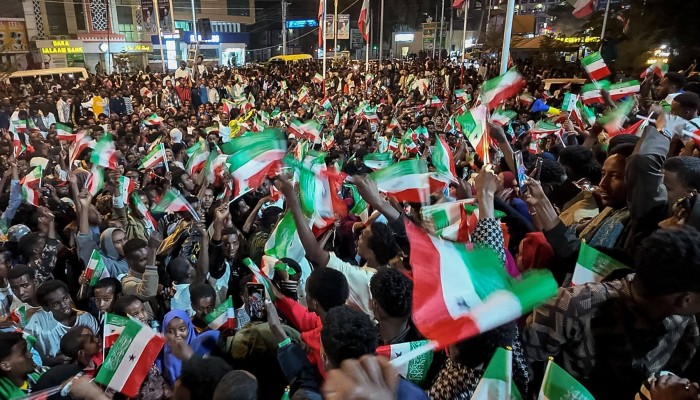
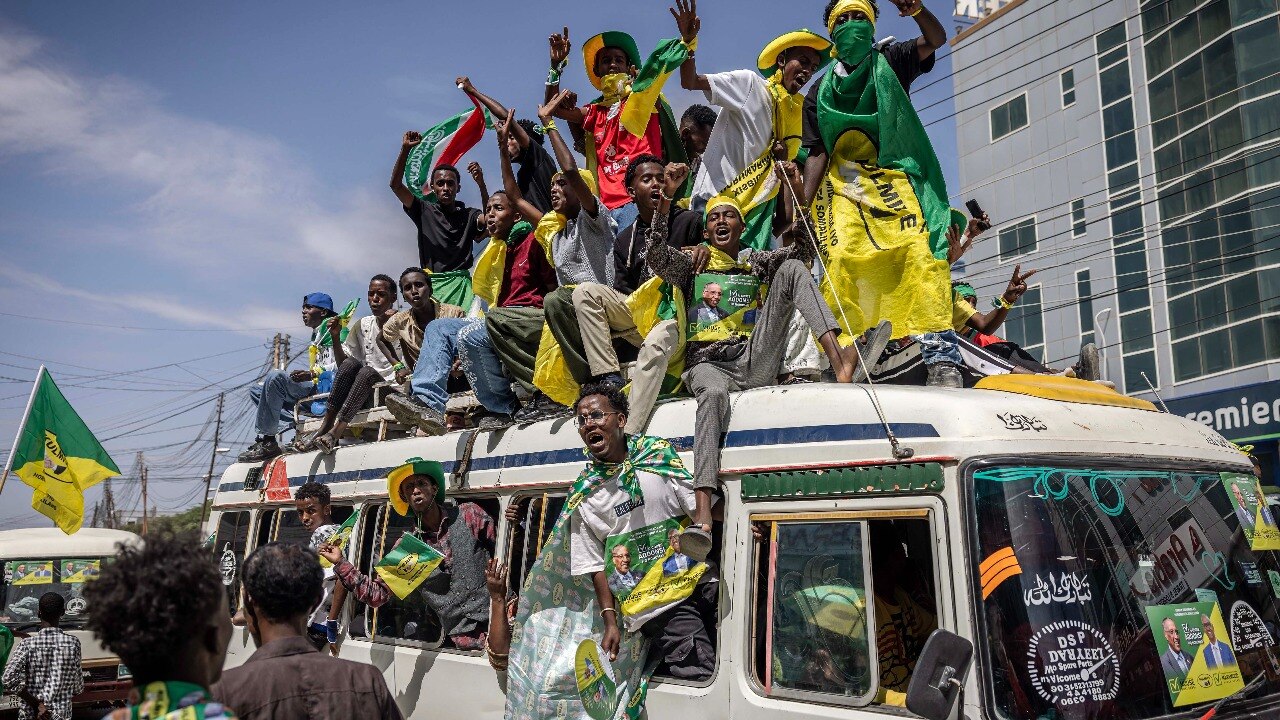
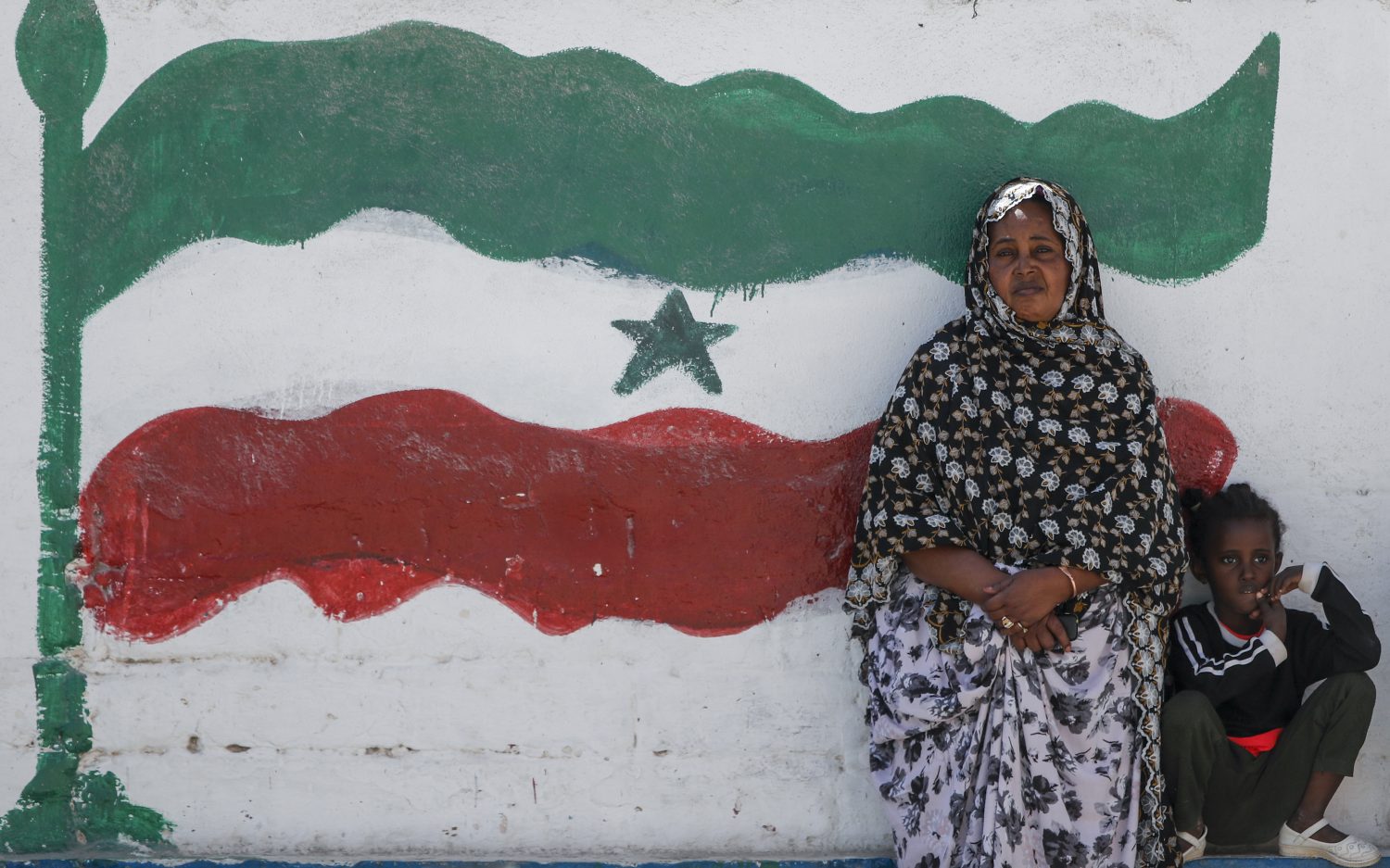
For international businesses and strategic observers, this recognition introduces a landscape of significant uncertainty. Somaliland, a semi-desert territory with approximately six million residents, has maintained de facto independence since 1991 but remained internationally unrecognized until this moment. Israel's decision potentially creates new trade corridors, investment opportunities, and geopolitical leverage points in the Horn of Africa—while simultaneously risking regional destabilization.
The strategic calculus appears multifaceted. By supporting Somaliland's self-determination, Israel potentially gains a foothold in a strategically critical maritime region, challenging existing power structures. The Arab League's immediate rejection and warnings about potential military base establishment suggest this is more than a simple territorial recognition—it's a complex geopolitical chess move with far-reaching consequences.
Critically, this development signals a potential shift in how territorial sovereignty might be negotiated in complex regional contexts. Multinational companies and diplomatic strategists must now reassess their approaches to the Horn of Africa, recognizing that traditional boundaries and recognition protocols are becoming increasingly fluid and strategically negotiable.
问题 3
How are other international bodies responding to this recognition?
The United Nations Security Council overwhelmingly condemned the move, with 14 out of 15 members expressing strong opposition. The Arab League rejected the recognition, warning against potential military base establishment. Most international bodies, including the African Union, have been critical of Israel's unilateral action.
What are the potential economic implications for businesses in the region?
The recognition introduces significant geopolitical uncertainties. Businesses may face disrupted trade routes, potential new market access in Somaliland, and increased regulatory complexity. Multinational companies will need to carefully reassess their regional strategies, particularly those with interests in Somalia, Somaliland, or neighboring countries.