


East Asia Supply Chain Risk | North Korea Congress Signals Frozen Korea Trade Corridor
- Institutionalized inter-Korean hostility threatens $180B+ South Korea export market; sellers face 6-18 month logistics uncertainty in regional shipping routes











概览
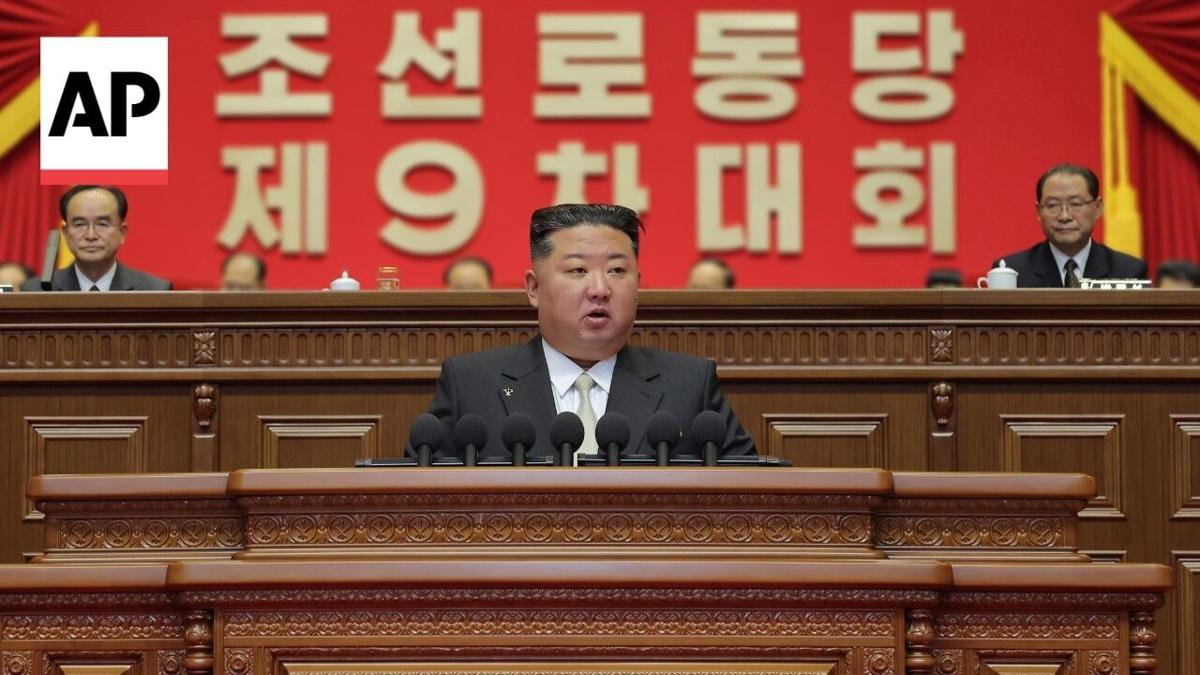
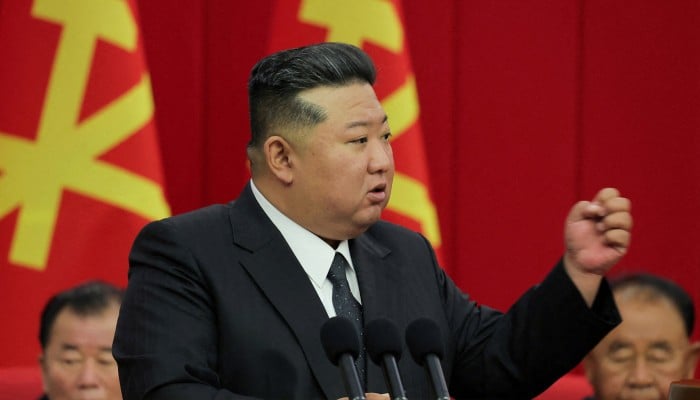
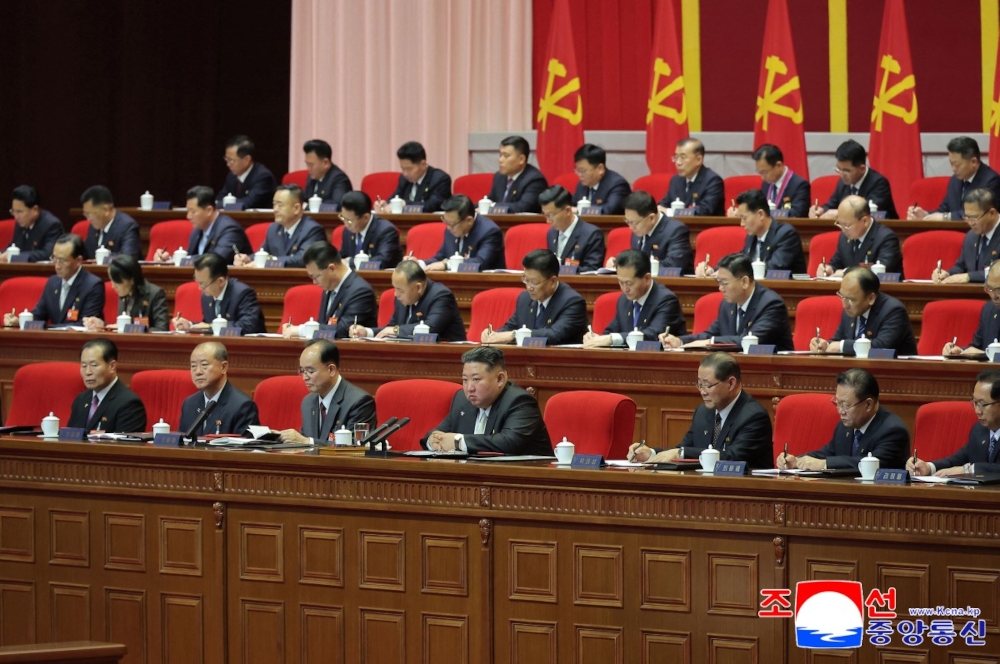
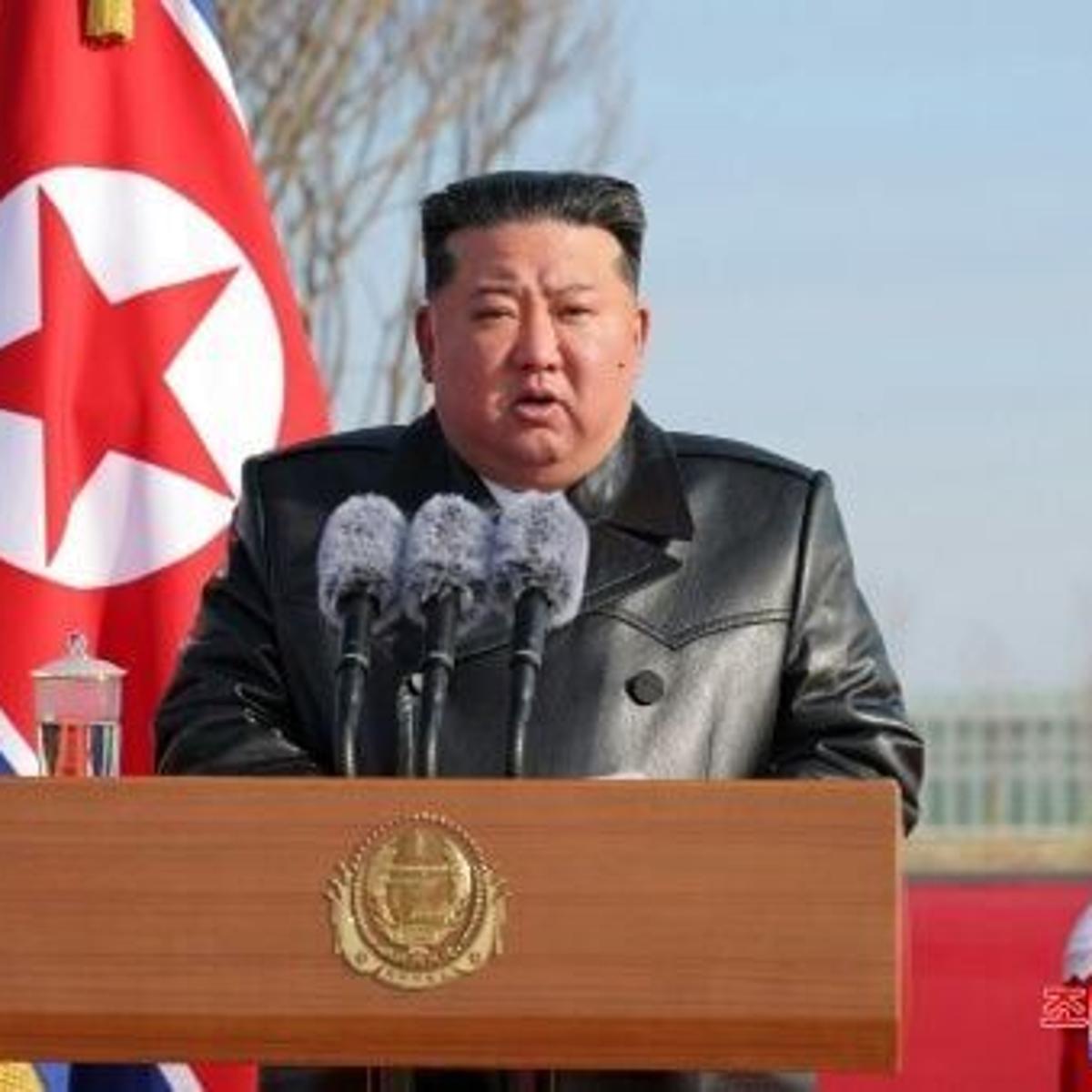
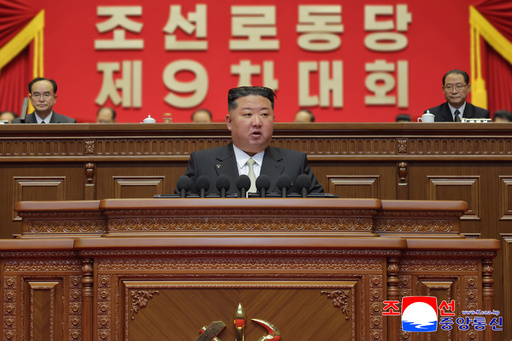
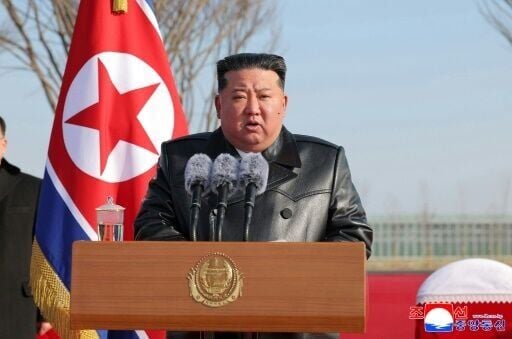
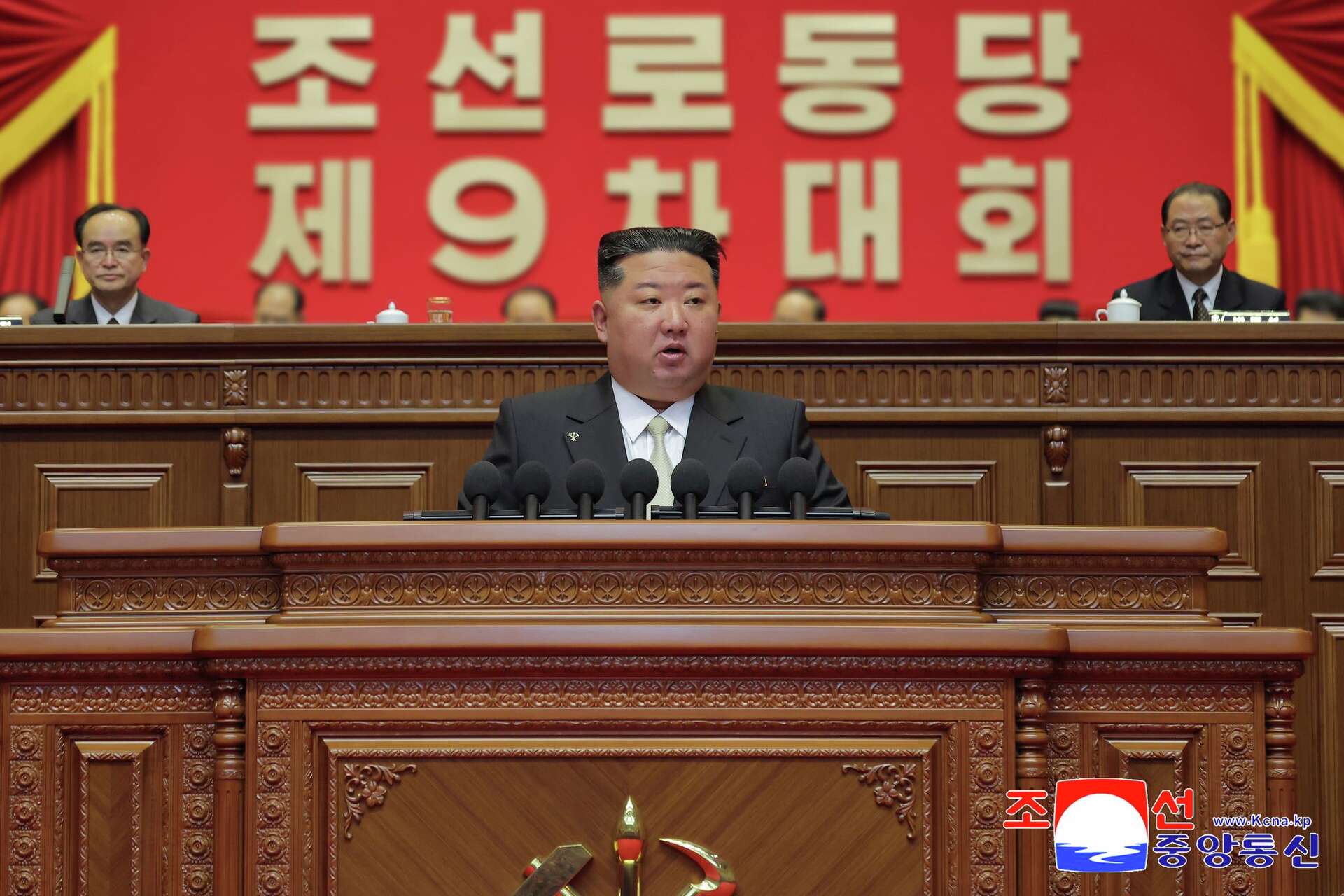
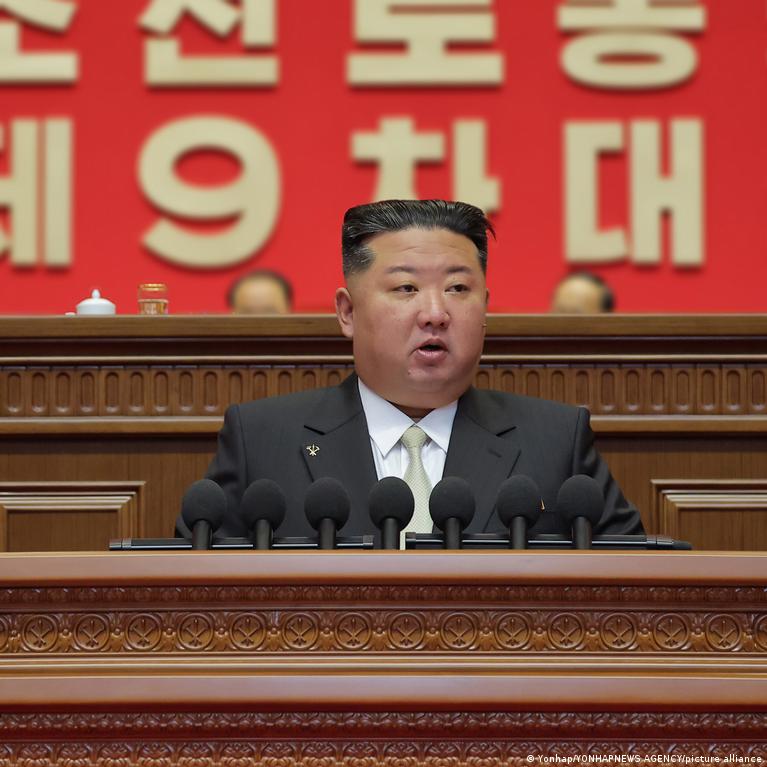
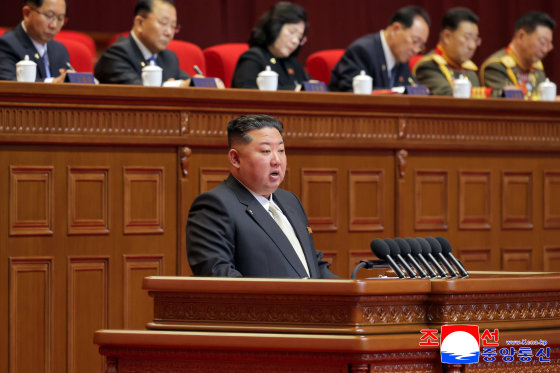
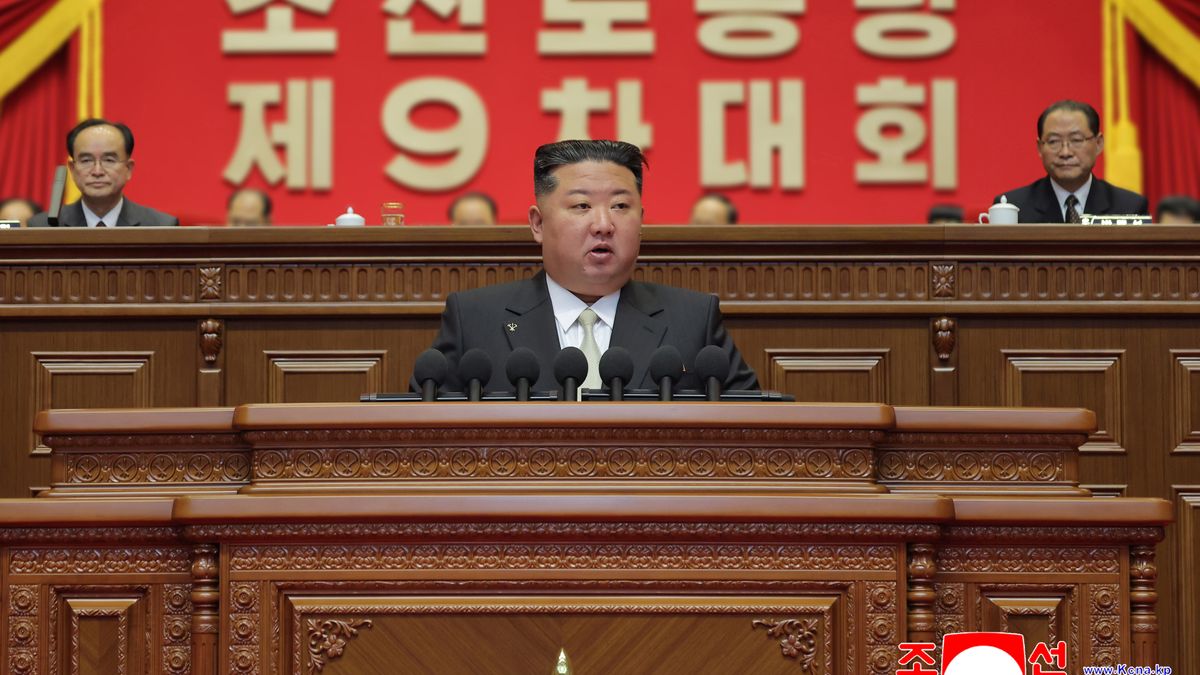
North Korea's Workers Party Congress, attended by approximately 5,000 delegates including 224 central leadership members, represents a critical inflection point for East Asian geopolitical stability with direct implications for cross-border e-commerce sellers operating in or sourcing from the region. The congress, which established major policy goals for economic construction and state transformation, signals Kim Jong Un's institutionalization of a hostile two-state system stance within the Workers Party constitution—effectively entrenching regional division and freezing diplomatic channels that have been dormant since 2019. This development creates measurable supply chain risks for sellers with exposure to South Korean markets, which generated $180B+ in annual exports and represent critical sourcing hubs for electronics, apparel, and consumer goods categories.
Regional Trade Corridor Vulnerability: The congress's emphasis on economic recovery through post-pandemic trade rebound with China and weapons exports to Russia, combined with Kim's 2023 Beijing summit with President Xi Jinping, signals North Korea's deepening alignment with China-Russia trade blocs. For sellers sourcing from South Korea or shipping through regional logistics hubs, this creates a bifurcated supply chain risk: (1) potential disruption to inter-Korean industrial zones and cross-border manufacturing partnerships that historically supported 15-20% of South Korean export competitiveness, and (2) increased shipping route complexity as carriers navigate heightened military tensions on the Korean Peninsula. The deployment of 50 new AI-equipped rocket launchers and escalating drone incursions between North and South Korea indicate military posturing that could affect maritime shipping lanes and air cargo routes serving the region's $2.1T e-commerce market.
Seller Segment Impact Analysis: Small-to-medium sellers (SMBs) with 50-500 SKUs sourced from South Korean manufacturers face the highest operational risk, as they typically lack diversified sourcing networks and depend on single-region suppliers. Mid-market sellers ($500K-$5M annual revenue) with established South Korea supply chains should anticipate 6-18 month logistics uncertainty, potential 8-15% cost increases for alternative routing, and possible 2-4 week shipping delays if regional tensions escalate. Large enterprise sellers with diversified Asia-Pacific sourcing can absorb disruption through Vietnam, Thailand, and Indonesia alternatives, but face margin compression of 3-7% during transition periods. The congress's formalization of succession planning involving Kim's teenage daughter introduces additional long-term uncertainty regarding policy continuity and potential future diplomatic shifts.
Strategic Sourcing Implications: The news indicates North Korea's economic recovery is driven by China trade and Russia weapons exports rather than consumer goods manufacturing, meaning direct North Korean sourcing risk is minimal. However, the institutionalization of hostility threatens South Korea's competitive position in electronics (semiconductors, displays), apparel (fast fashion), and consumer goods categories where North Korean supply chain disruption could cascade through regional manufacturing networks. Sellers should monitor: (1) South Korean port congestion indicators, (2) insurance premium increases for Asia-Pacific shipping, (3) alternative sourcing cost differentials in Vietnam and Thailand, and (4) policy announcements from South Korean government regarding inter-Korean trade restrictions.
问题 8
Should sellers immediately shift sourcing away from South Korea due to geopolitical risk?
Immediate wholesale sourcing shifts are not necessary, but strategic diversification over 6-12 months is prudent. South Korea remains a stable, high-quality sourcing region with established quality control and intellectual property protections that Vietnam and Thailand cannot fully replicate. The geopolitical risk is primarily to logistics corridors and inter-Korean industrial partnerships rather than South Korean manufacturing itself. Sellers should: (1) maintain 70-80% South Korea sourcing for core SKUs, (2) shift 20-30% to Vietnam/Thailand for commodity categories, (3) establish backup suppliers in multiple countries, and (4) monitor quarterly for policy changes. This balanced approach reduces risk while preserving South Korea's cost and quality advantages.
What is the timeline for potential supply chain disruption from Korean Peninsula tensions?
The congress signals long-term institutional hostility rather than imminent military conflict, suggesting a 12-24 month window before significant supply chain impacts materialize. However, escalation risks exist if drone incursions or military provocations intensify, which could trigger rapid shipping route changes within 2-4 weeks. Sellers should establish contingency plans by Q2 2025, including: (1) alternative supplier agreements in Vietnam/Thailand, (2) increased safety stock (30-45 days vs. standard 15-20 days), and (3) quarterly geopolitical risk assessments. Insurance premiums for Asia-Pacific shipping may increase 5-10% within 6 months as carriers price in heightened risk, so locking in rates before Q2 2025 is advisable.