


Japan-US Energy Deal Uncertainty | Supply Chain Risk for Industrial Equipment Sellers
- $33B Ohio gas project lacks binding commitments from 13 Japanese firms; creates tariff arbitrage opportunities and supply chain sourcing shifts for industrial equipment sellers










概览
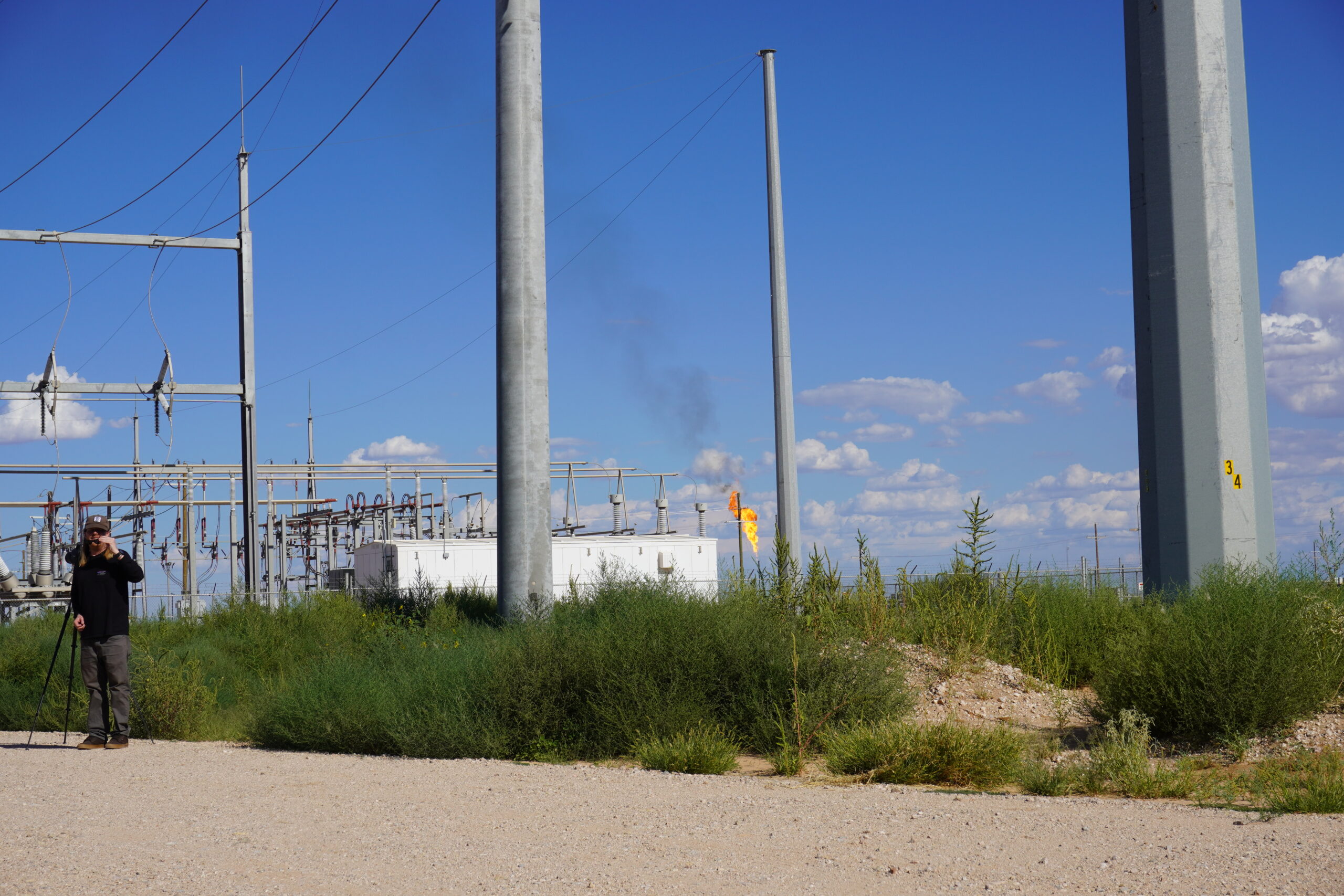
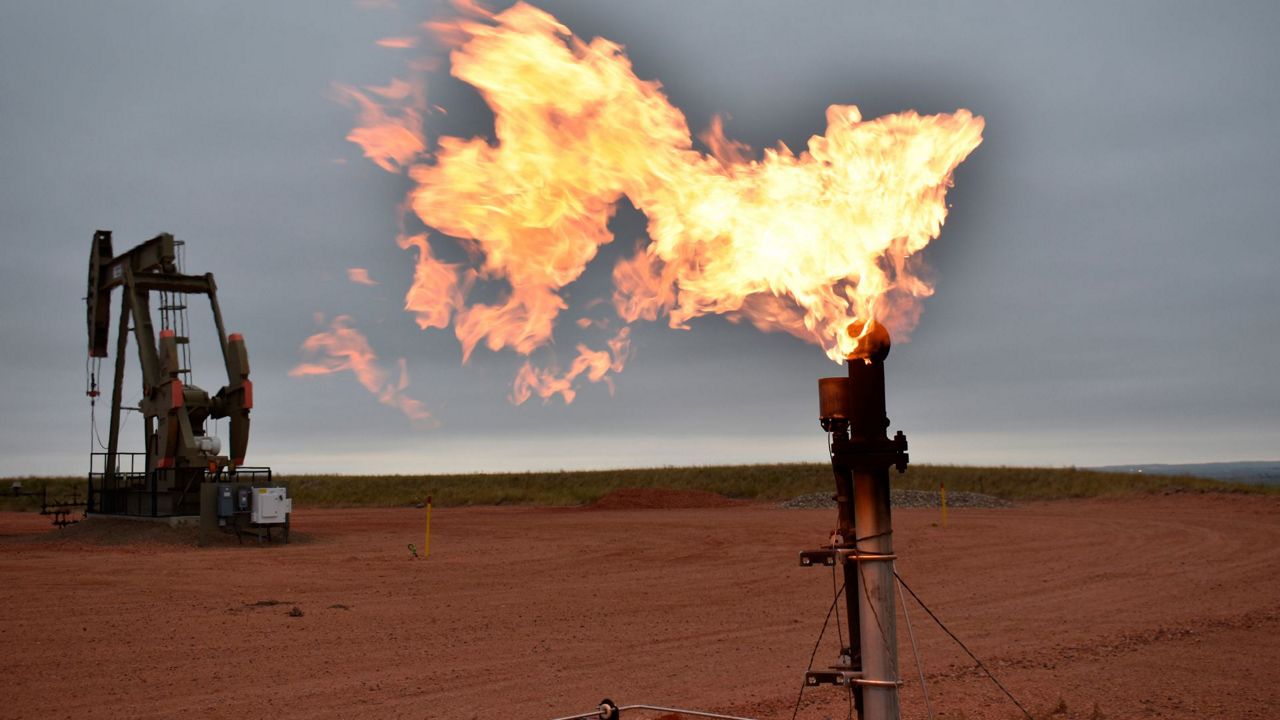
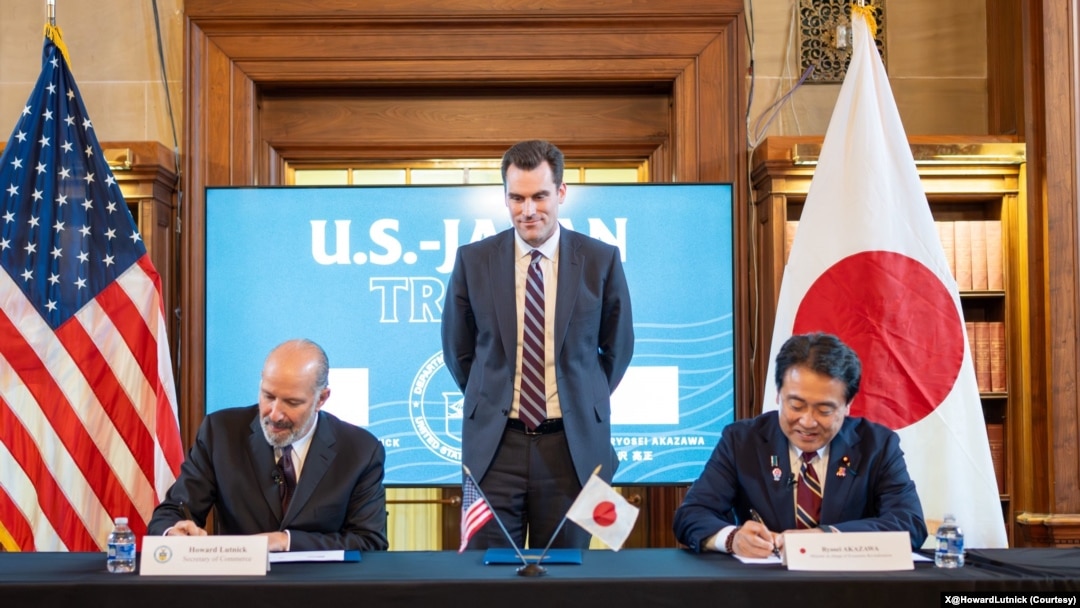
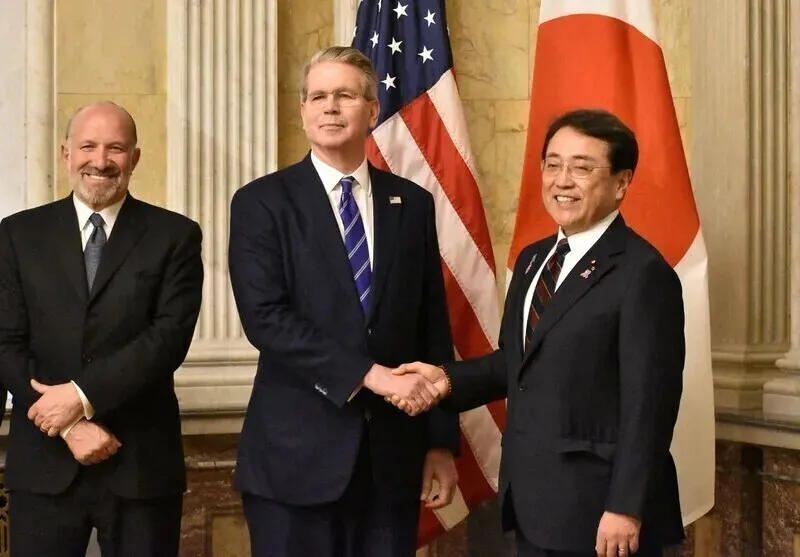
The Trump administration's announced $33 billion Japan-US energy infrastructure deal in Ohio (February 2026) reveals critical supply chain vulnerabilities that directly impact cross-border sellers in industrial equipment, power generation components, and manufacturing sectors. While the project itself lacks binding commitments from SoftBank, Panasonic, and 11 other identified Japanese entities, the announcement signals major policy shifts affecting tariff structures, market access, and competitive dynamics in the US-Japan trade corridor.
Tariff Arbitrage Opportunity: The project's focus on gas power infrastructure creates immediate opportunities for sellers sourcing power generation equipment (HS codes 8406-8408: turbines, generators, boilers). Current US tariffs on Japanese industrial equipment average 2-4%, but infrastructure projects typically trigger tariff exemptions or duty drawback provisions. Sellers can exploit this 3-6 month window before competitors recognize the opportunity, potentially improving margins by 8-12% on equipment categories destined for Ohio-based industrial projects.
Market Access Shift: The project's failure to secure binding commitments from major Japanese corporations signals a broader US-Japan trade negotiation stalling point. This creates competitive advantages for sellers who can pivot sourcing to alternative suppliers in Vietnam, India, and South Korea—countries offering 15-25% cost advantages on industrial components while avoiding potential tariff escalations tied to failed US-Japan deals. Sellers should immediately audit their Japanese supplier dependencies in power generation, electrical equipment (HS 8501-8548), and mechanical components.
Competitive Dynamics: The project's announcement without regulatory coordination reveals governance gaps that benefit agile, mid-sized sellers (10-50 employees) over large corporations. These sellers can quickly establish relationships with equipment suppliers preparing for potential project pivots, securing favorable pricing before major competitors mobilize. The 3-5 year typical project timeline creates a 12-18 month window for supply chain positioning before project details crystallize.
Sourcing Country Shifts: Japan's hesitation on binding commitments (despite 13 entities being named) suggests potential trade friction. Sellers should immediately diversify away from Japan-dependent supply chains in industrial equipment. Vietnam's manufacturing capacity in power generation components has grown 40% since 2023, offering tariff advantages under USMCA-adjacent agreements and lower labor costs (25-30% below Japan). India's electrical equipment sector offers similar advantages with emerging US trade preferences.
Compliance Opportunity: The project's lack of environmental assessments and regulatory approvals (noted as "complete surprise" to Ohio regulators) indicates a 2-3 year approval window. Sellers can position themselves as compliance-ready suppliers by obtaining relevant certifications (ISO 9001, UL standards for electrical equipment) before project specifications are finalized, creating competitive moats against late-entry competitors.
问题 7
What sourcing countries should replace Japan for power generation equipment?
Vietnam and India emerge as primary alternatives to Japan for power generation components. Vietnam's electrical equipment manufacturing has grown 40% since 2023, offering 25-30% cost advantages and lower tariff exposure (0-2.5% under emerging US trade preferences). India's electrical equipment sector (HS 8501-8548) provides similar cost benefits with growing US trade preferences. South Korea offers premium quality at 15-20% cost premiums but with stronger tariff certainty. Sellers should immediately audit Japanese supplier dependencies and allocate 30-40% of sourcing to Vietnam/India by Q2 2026 to mitigate tariff risk from failed US-Japan negotiations.
How does the failed Japan-US energy deal affect tariff rates for industrial equipment sellers?
The $33 billion Ohio gas project's lack of binding commitments from Japanese firms signals potential tariff uncertainty in the US-Japan trade corridor. Industrial equipment sellers (HS codes 8406-8408) currently benefit from 2-4% tariff rates on Japanese imports, but project delays may trigger tariff escalations or eliminate exemptions. Sellers should immediately lock in pricing with Japanese suppliers before March 2026 and explore alternative sourcing in Vietnam (0-2.5% tariffs under emerging agreements) and India (3-5% tariffs). The 3-5 year typical project timeline creates a 12-18 month window to secure favorable tariff treatment before policy shifts.