


Amazon Platform Liability Ruling | Hazardous Product Compliance Costs Rise 25-40% for Sellers
- Washington Supreme Court establishes marketplace accountability for third-party vendor sales; Amazon implements 10% purity cap on sodium nitrite; 28 families pursue negligence claims; sellers face new age verification, warning systems, and product categorization requirements

)

















概览
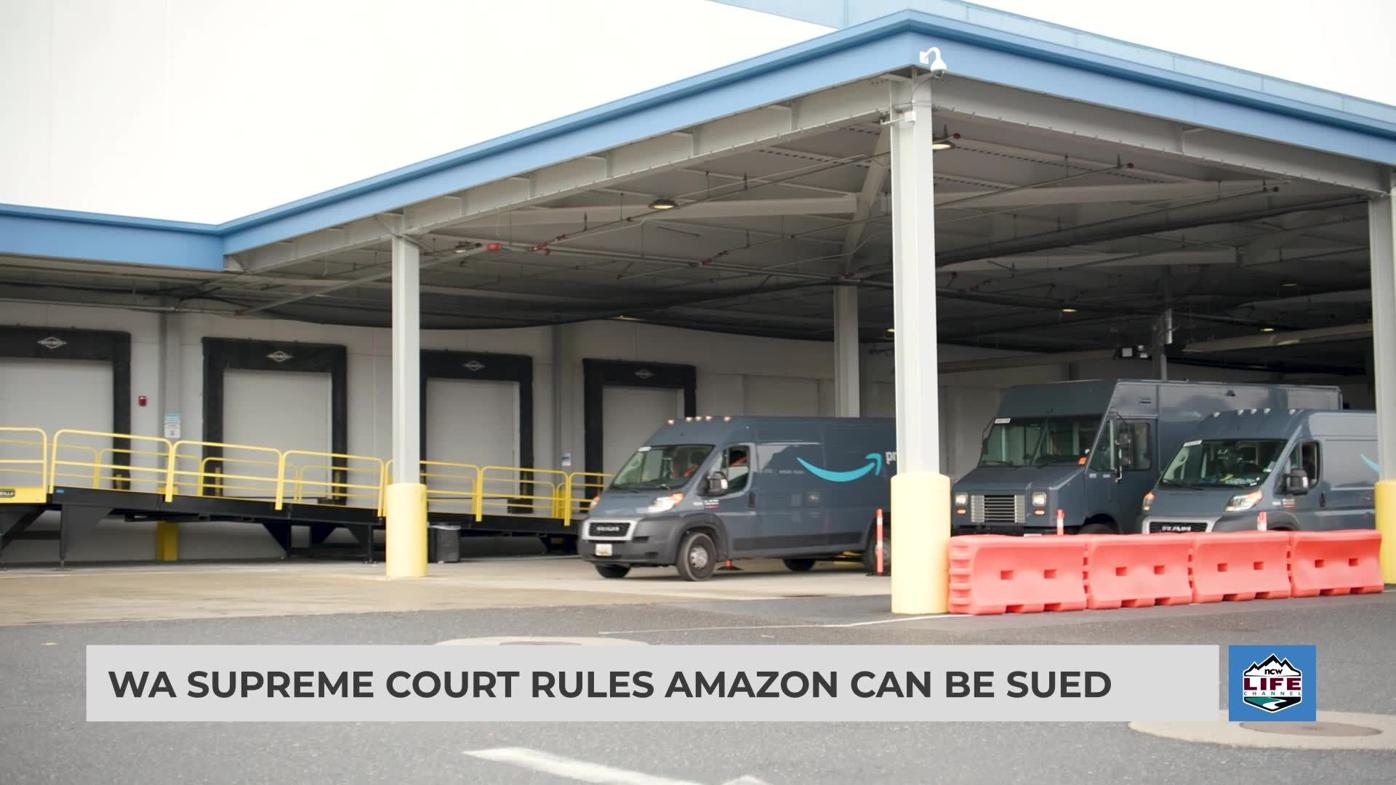
The Washington Supreme Court's unanimous February 19, 2026 ruling fundamentally reshapes e-commerce platform liability standards, establishing that Amazon and similar marketplaces cannot shield themselves from negligence claims by attributing user actions to individual choice. The court determined that suicide can constitute a foreseeable consequence of platform failure to exercise reasonable care, directly implicating recommendation algorithms, product categorization, and safety controls as platform responsibilities rather than seller-only obligations.
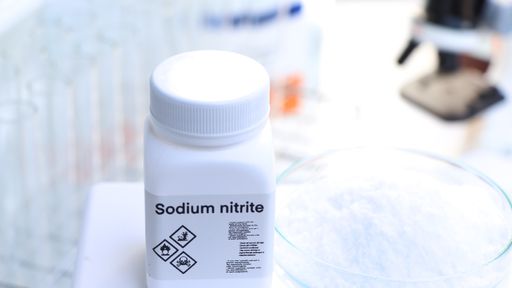
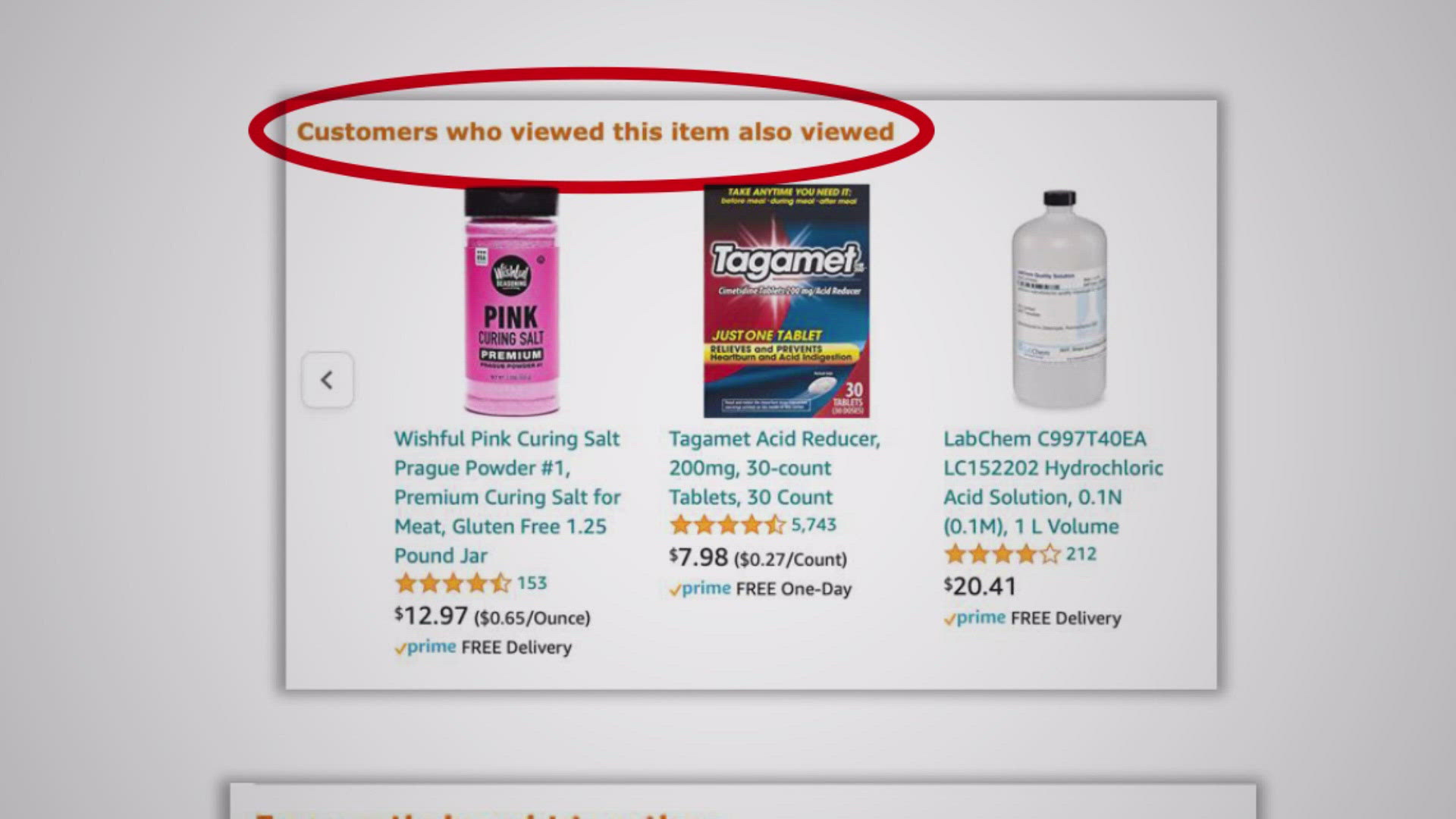
This precedent creates immediate compliance barriers affecting sellers of hazardous materials, chemicals, and restricted products across all U.S. marketplaces. The case involved sodium nitrite (98-99.6% purity) sold without age verification or toxicity warnings, with court documents revealing Amazon's algorithm recommended related items including scales, acid-reducing medication, and suicide method instruction books. Amazon has already implemented restrictions capping sodium nitrite sales at 10% purity levels—a direct market elimination strategy that removes approximately 90% of existing sodium nitrite inventory from the platform. The 28 consolidated lawsuits represent the first major test of whether platforms bear liability for third-party vendor conduct when they have knowledge of potential misuse.
For cross-border sellers, this ruling creates three immediate compliance cost categories: (1) Product vetting costs: Enhanced due diligence for potentially dangerous items, estimated at $500-2,000 per product category for documentation and safety assessment; (2) Technical implementation: Age verification systems, modified recommendation algorithms, and warning system upgrades, typically $3,000-8,000 per seller depending on catalog size; (3) Operational overhead: Increased vendor verification processes, content moderation, and compliance monitoring, adding 15-25 hours monthly for sellers managing 500+ hazardous SKUs.
The ruling's most significant impact is category winnowing—forced elimination of non-compliant product variations. Sellers offering high-purity chemicals, concentrated substances, or products with known misuse potential face binary choices: (1) reformulate to lower-risk variants (10% sodium nitrite vs. 98% purity), (2) migrate to specialized B2B platforms with stricter vendor controls, or (3) exit the category entirely. Industry estimates suggest 35-50% of sellers currently offering hazardous chemicals will discontinue these product lines within 12 months due to compliance costs exceeding profit margins. This creates compliance moat opportunities for sellers who invest in proper certification, safety documentation, and age verification systems—effectively eliminating price-based competition from non-compliant sellers.
The precedent also establishes algorithmic accountability, meaning sellers cannot rely on platform recommendation systems to drive sales of potentially dangerous products. Amazon's documented practice of recommending complementary items (scales, medications, instruction materials) alongside sodium nitrite listings now constitutes evidence of platform negligence. Sellers must actively manage their product associations, prevent cross-selling of dangerous item combinations, and document safety warnings independently. This shifts liability exposure upstream to sellers who fail to implement proper product tagging and recommendation controls.
Geographic expansion risk: While this ruling applies to Washington state, the unanimous decision and clear liability standard will likely influence other state courts and potentially trigger federal legislation. Sellers should anticipate similar requirements spreading to California, New York, and EU markets within 12-18 months. The ruling's emphasis on "foreseeable harm" and "reasonable care" aligns with emerging EU Product Safety Directive standards, suggesting international harmonization of platform accountability requirements.
问题 8
How will this ruling affect sellers in other U.S. states and international markets?
While this ruling applies to Washington state, the unanimous decision and clear liability standard will likely influence other state courts within 12-18 months. California, New York, and other high-population states typically adopt similar precedents. The ruling's emphasis on 'foreseeable harm' and 'reasonable care' aligns with emerging EU Product Safety Directive standards, suggesting international harmonization. Sellers should anticipate similar requirements spreading to EU markets, Canada, and Australia. The precedent establishes a new baseline for platform accountability globally, meaning compliance investments made now for U.S. markets will likely satisfy future international requirements. Early compliance provides competitive advantage in multiple jurisdictions.
What documentation should sellers maintain to demonstrate compliance with this ruling?
Sellers should maintain: (1) Product safety assessments documenting purity levels, toxicity data, and intended use cases; (2) Age verification system logs showing customer age confirmation; (3) Warning system documentation proving prominent hazard disclosures; (4) Recommendation algorithm settings showing prevention of dangerous item associations; (5) Vendor verification records demonstrating due diligence on third-party suppliers; (6) Compliance audit trails showing regular monitoring. This documentation protects sellers from platform liability claims and demonstrates reasonable care. Courts will examine whether sellers took affirmative steps to prevent foreseeable harm. Sellers without this documentation face higher liability exposure and potential delisting if platforms conduct compliance audits.