

)


)


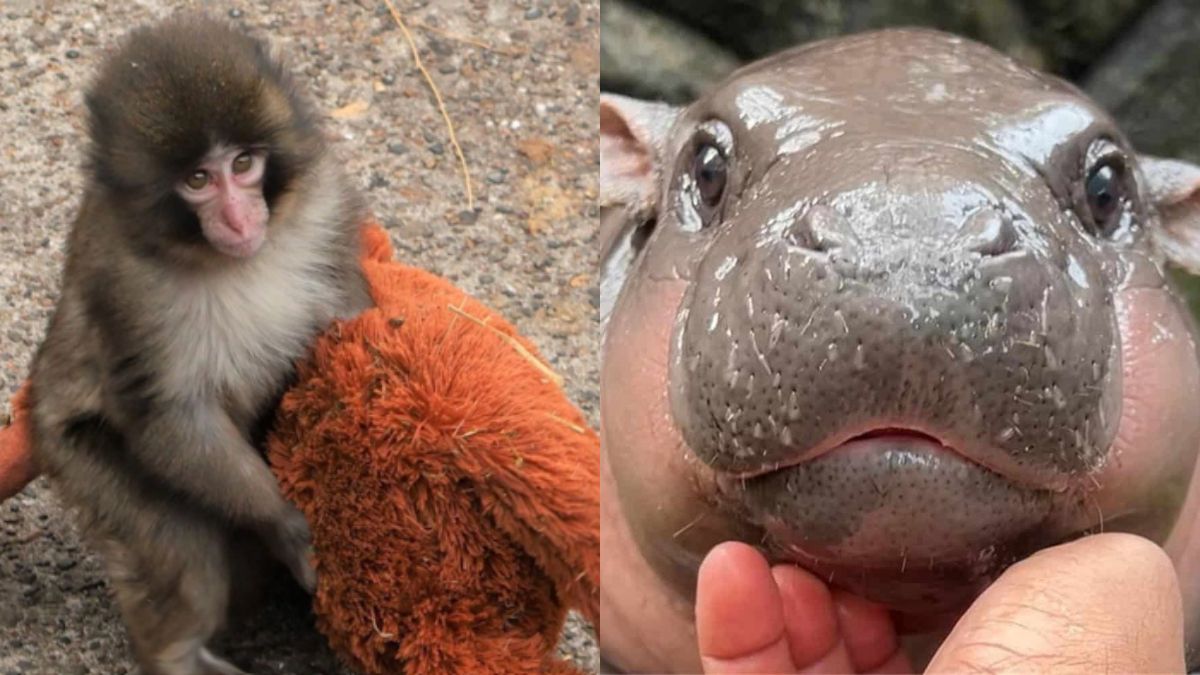
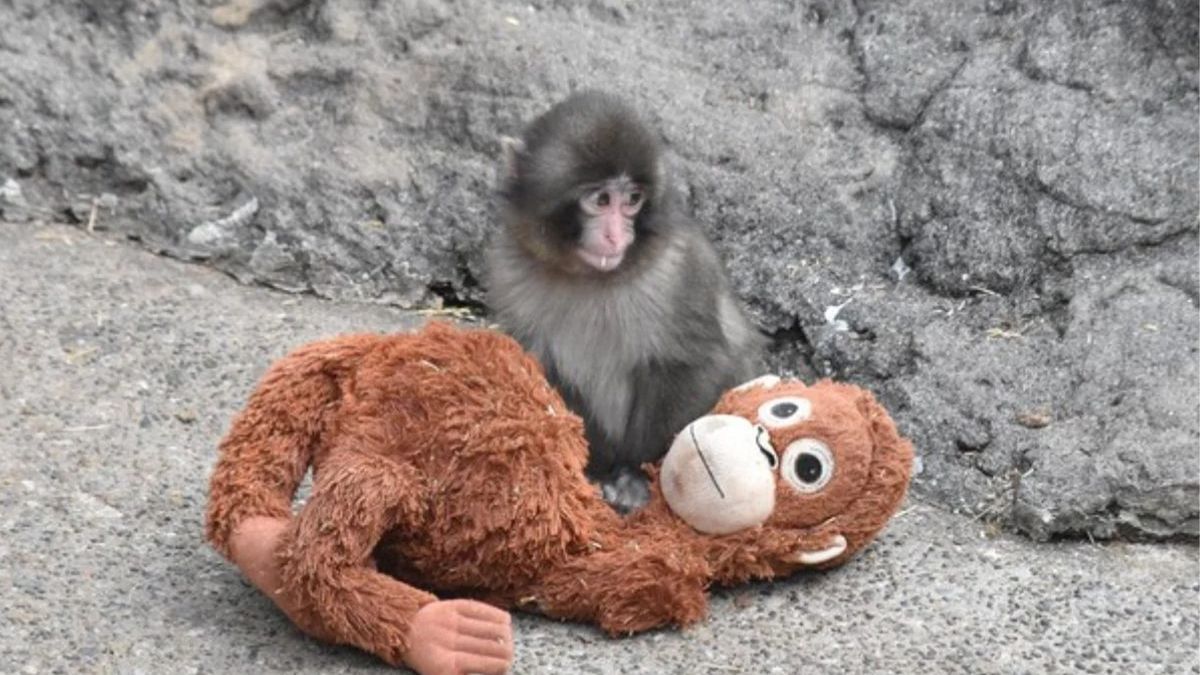
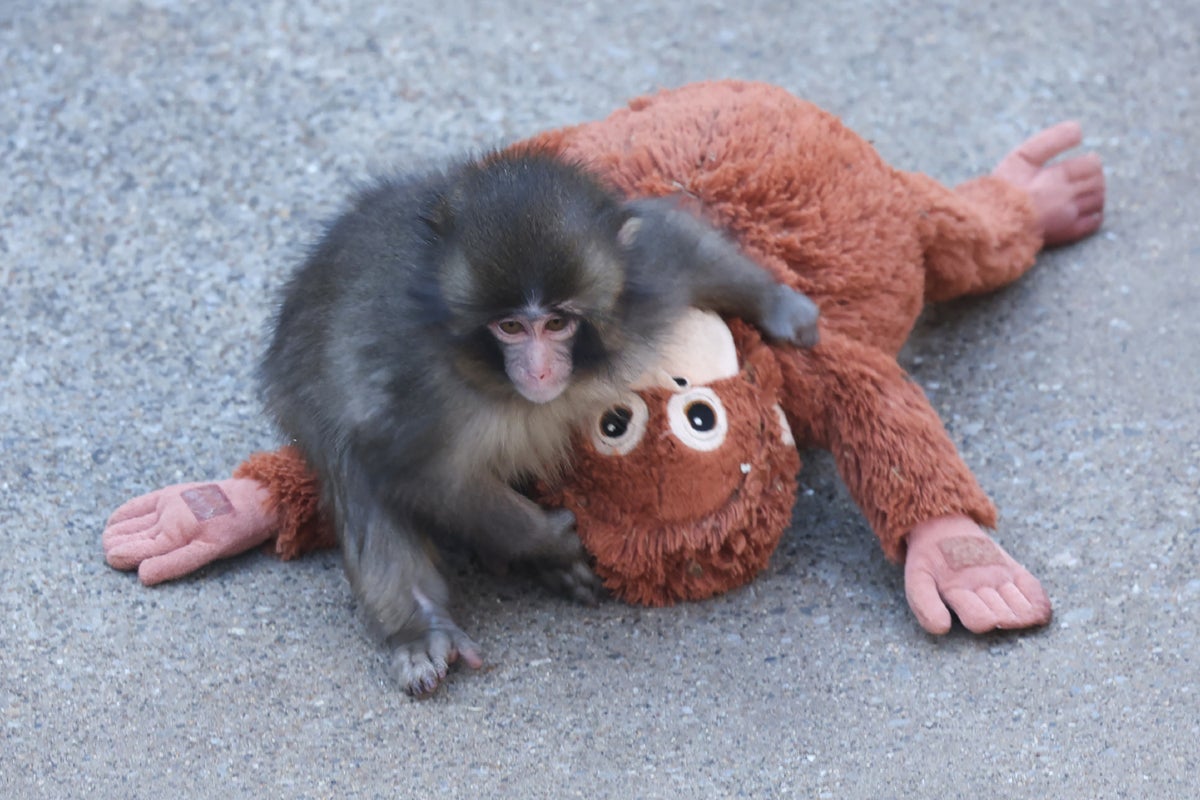
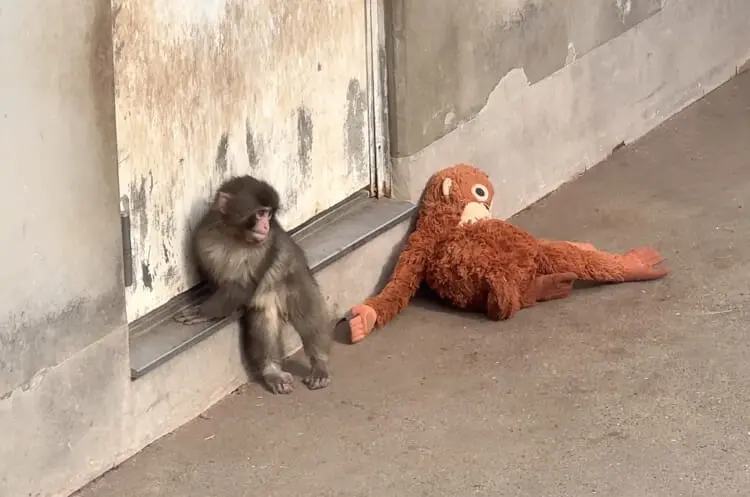
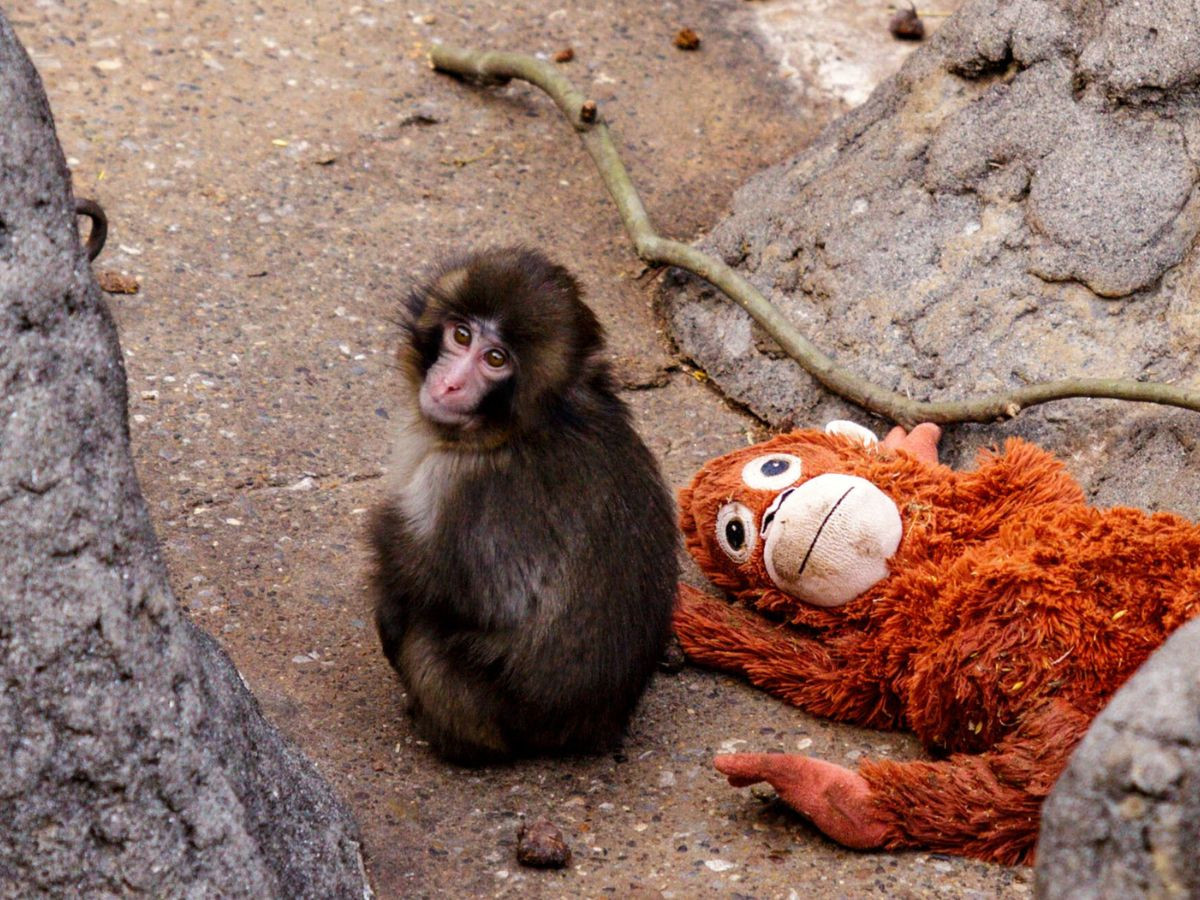
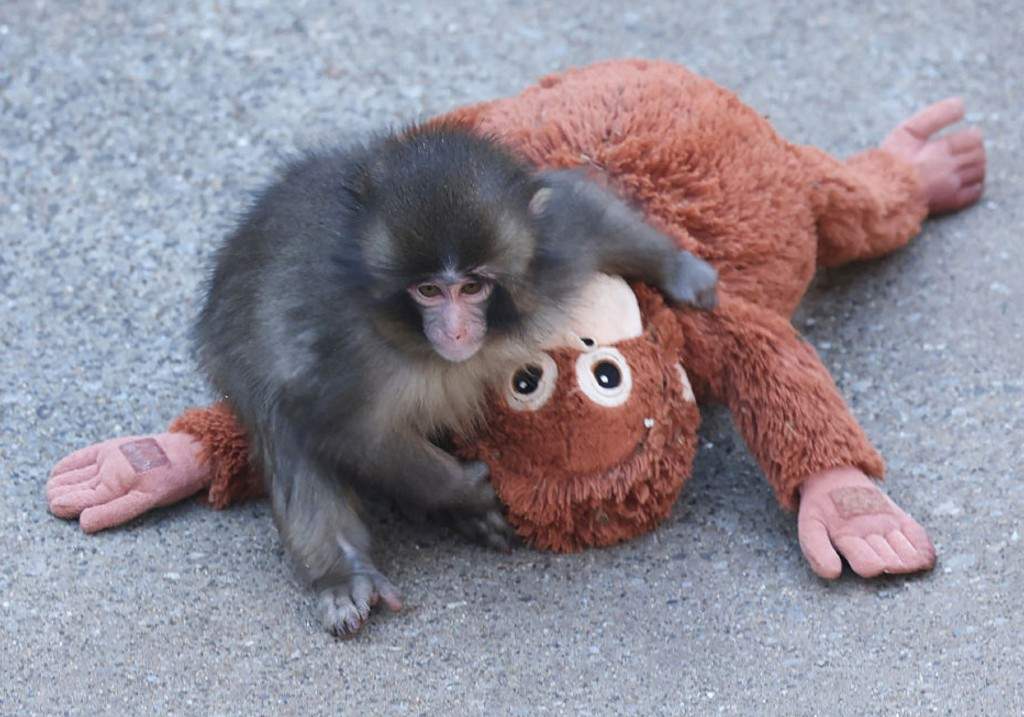
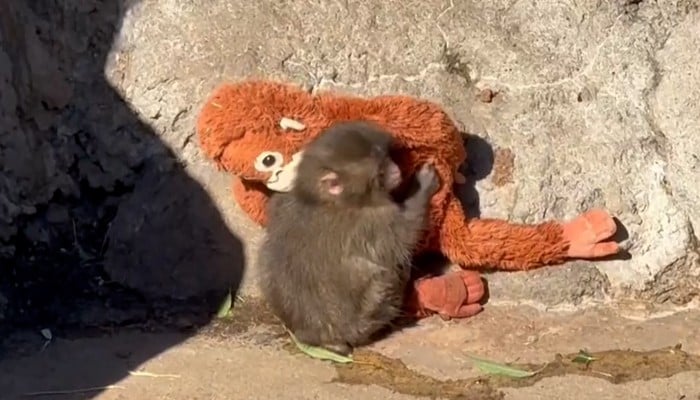
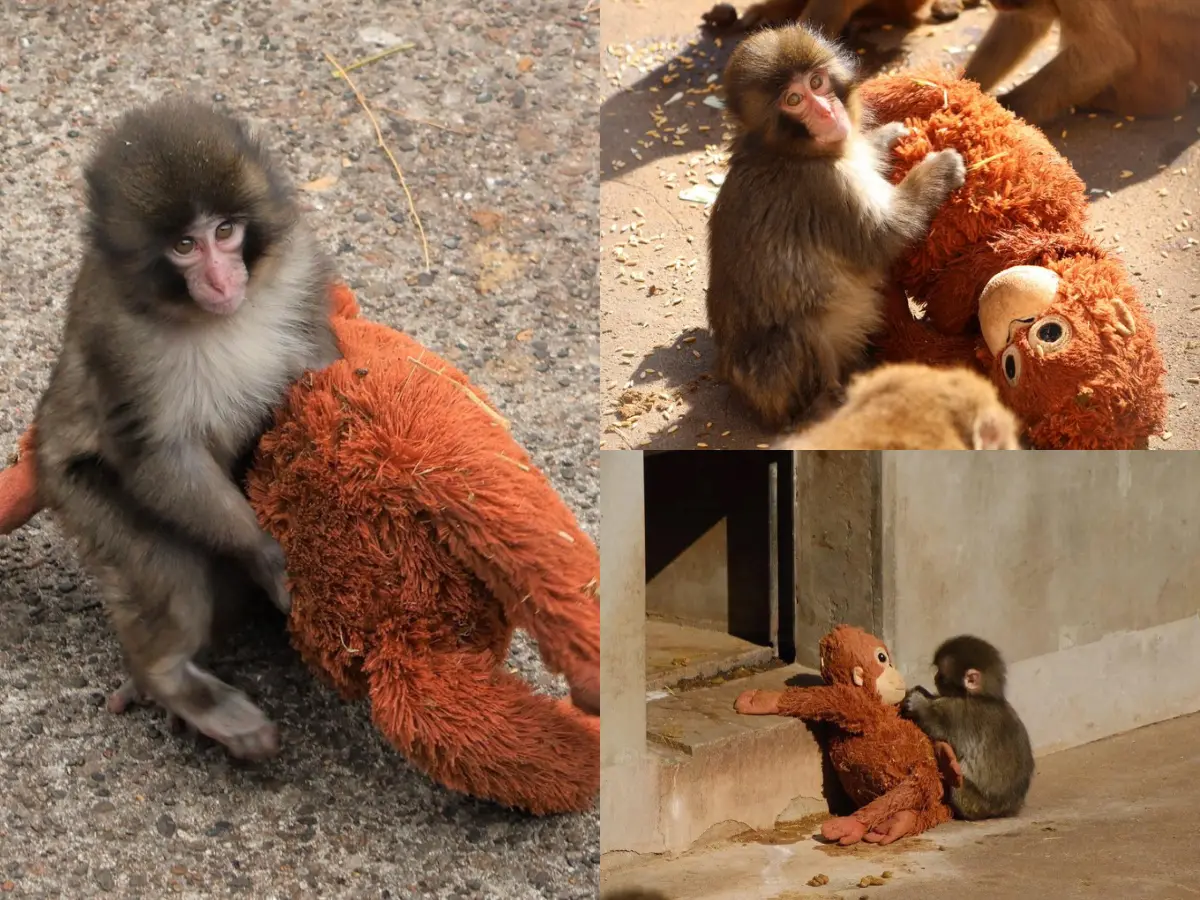
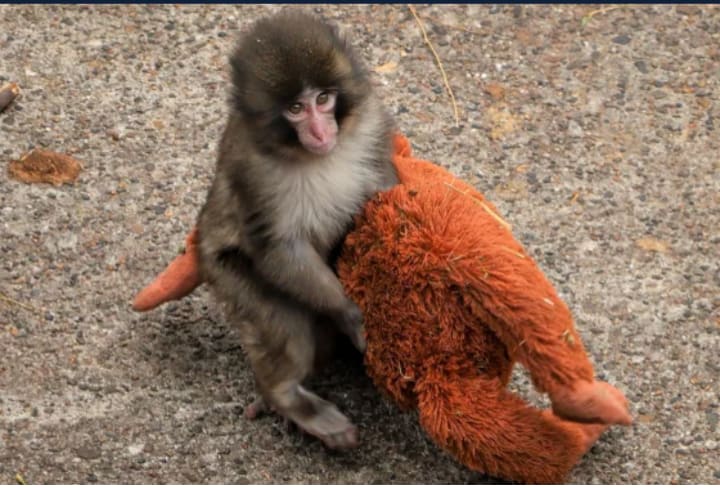
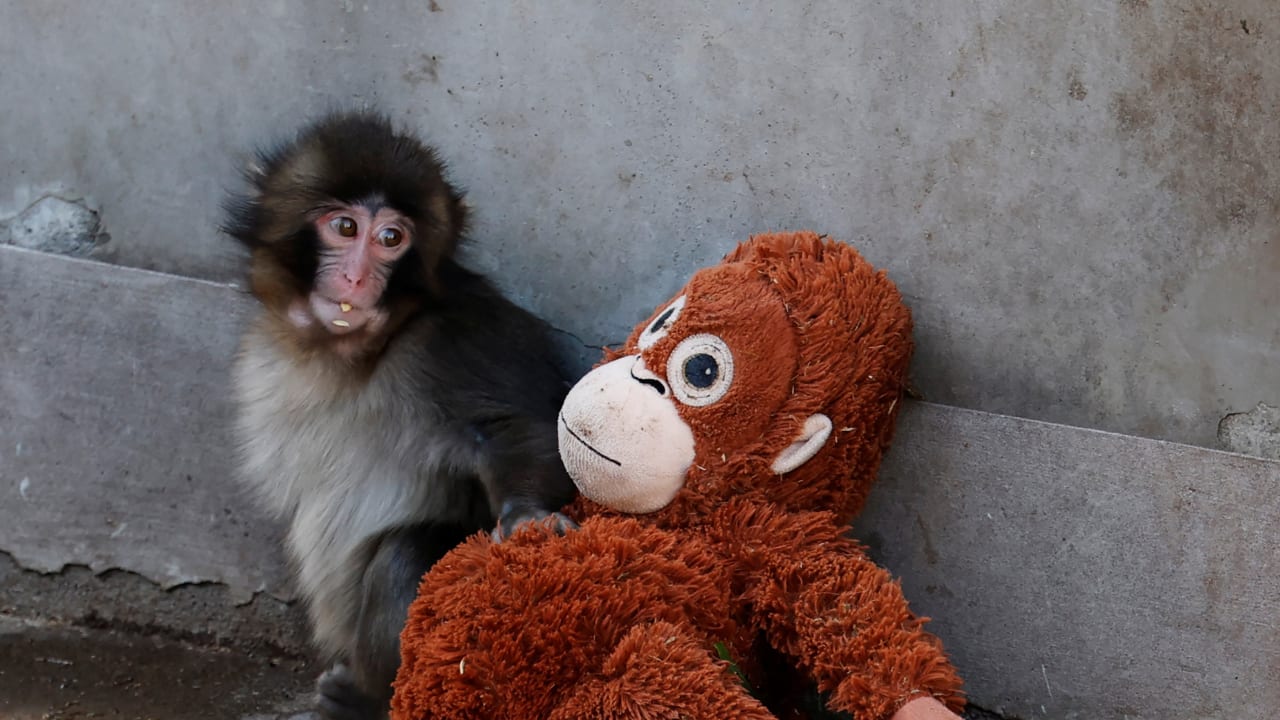
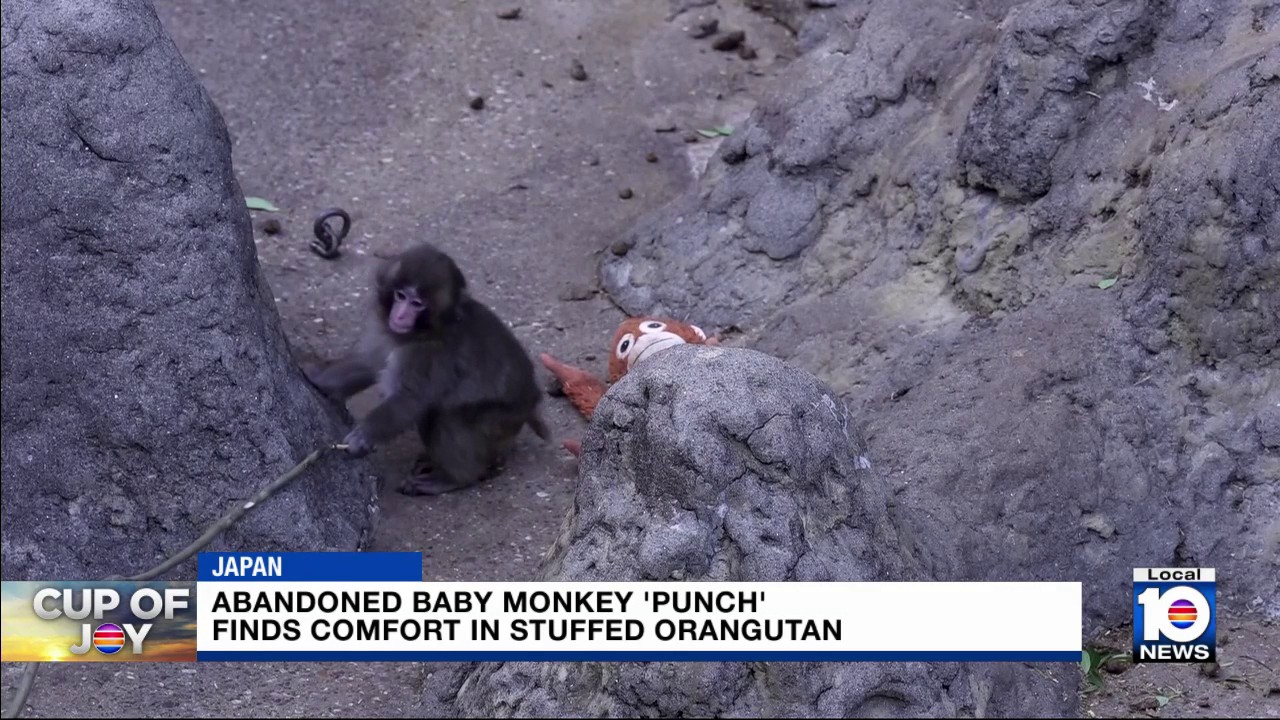
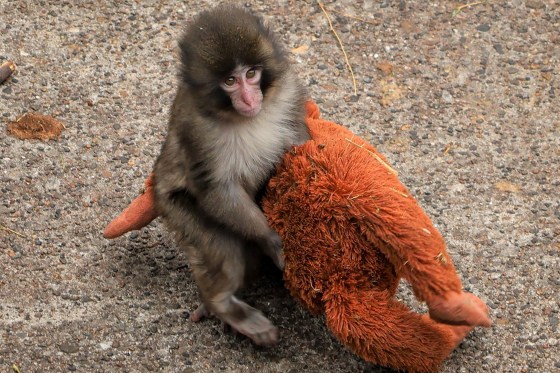
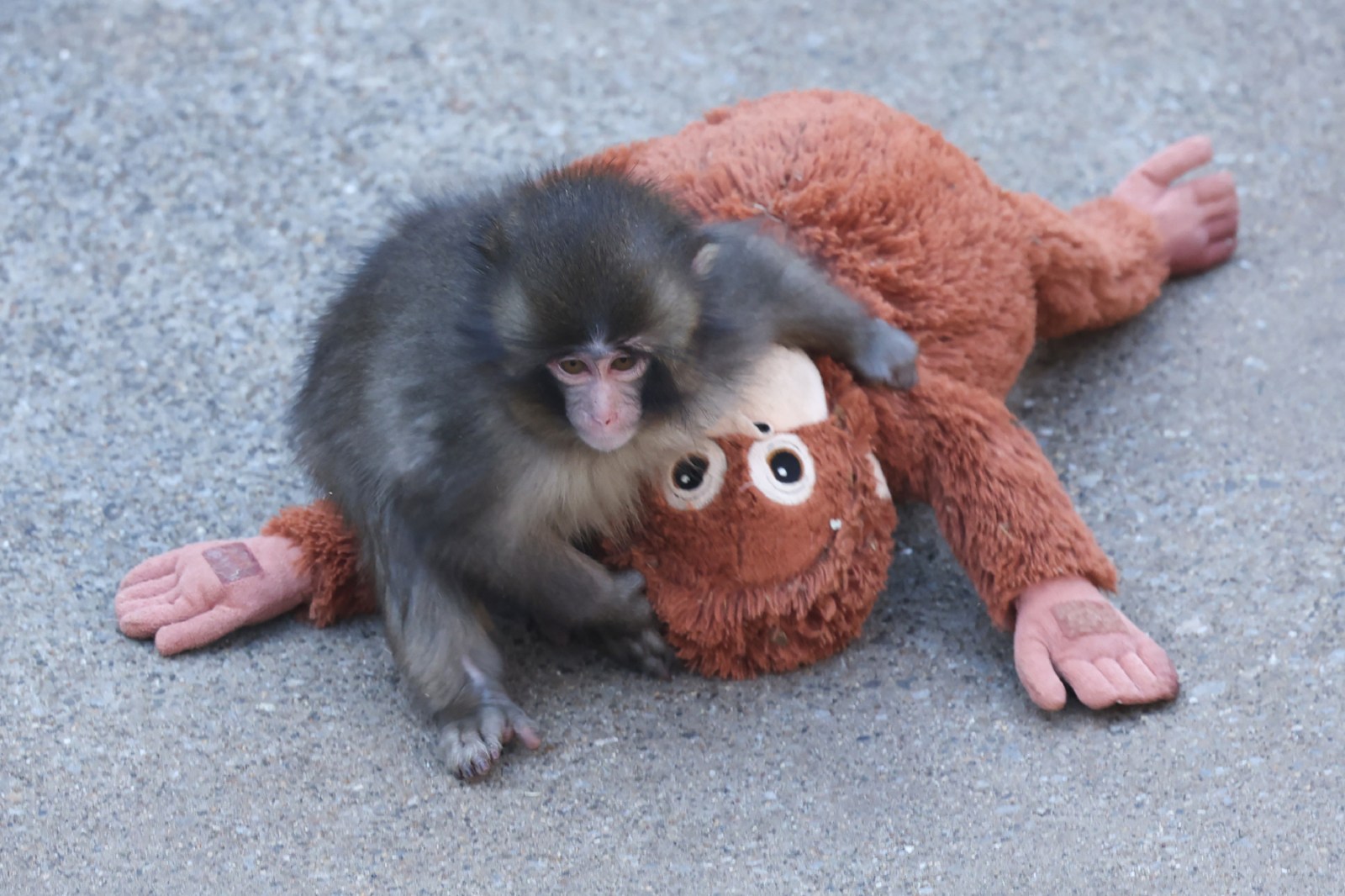
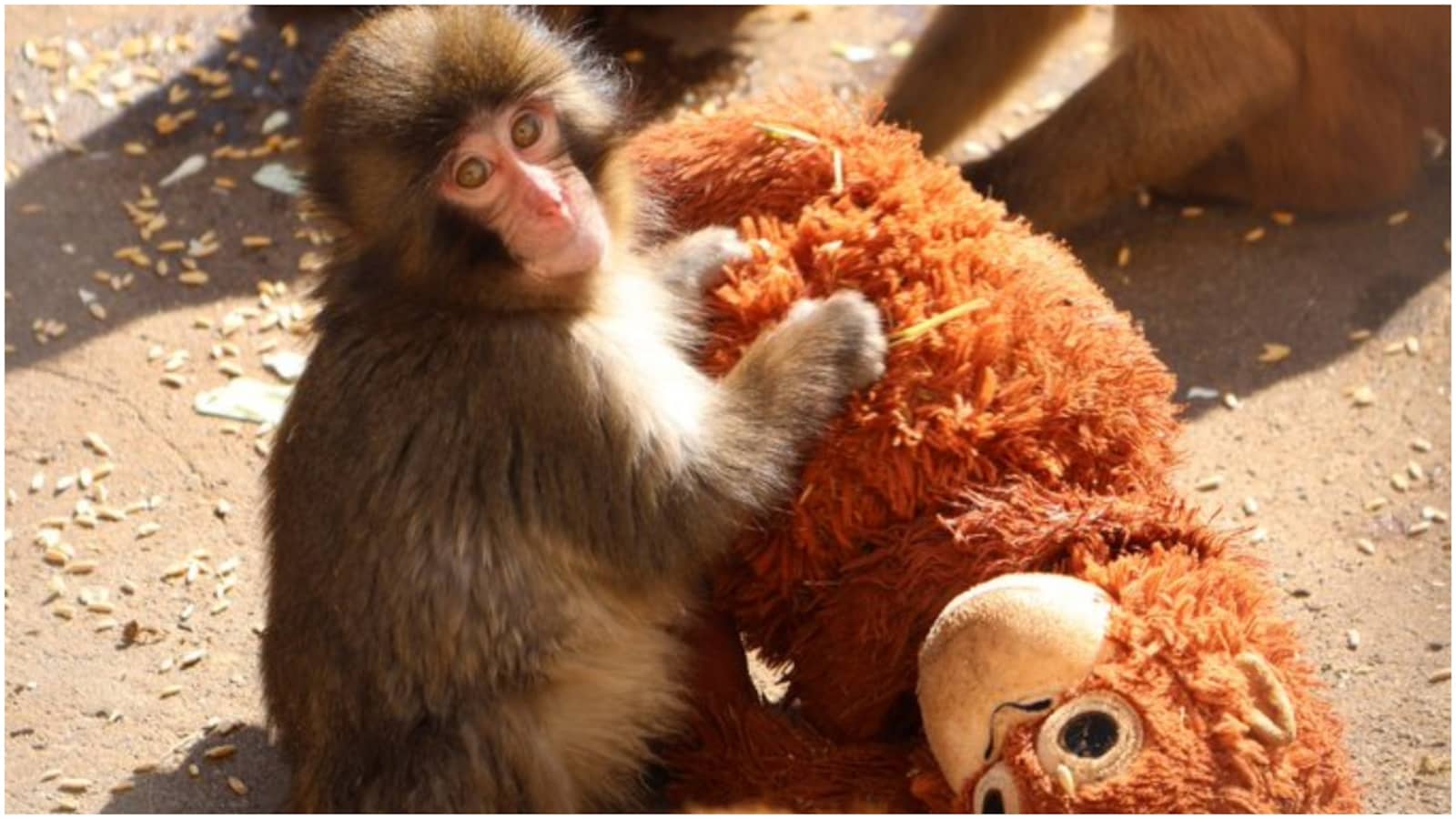
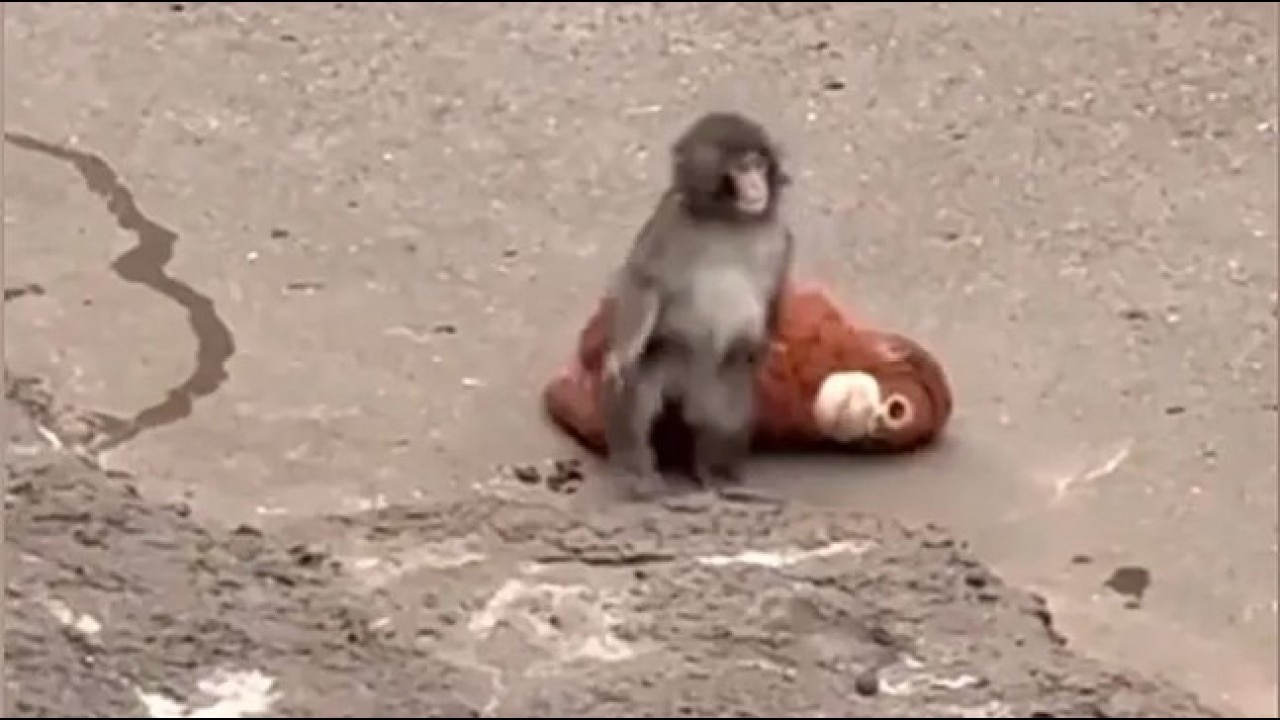
Viral emotional narratives are driving measurable e-commerce revenue spikes in the plush toy and children's merchandise category. The Punch the macaque story—originating from Ichikawa City Zoo in Tokyo in February 2026—demonstrates how authentic animal welfare content can unexpectedly convert social media engagement into direct product sales. IKEA reported a clear increase in Djungelskog orangutan toy sales across Japan, the U.S., and South Korea, with the product achieving bestseller status following the viral #HangInTherePunch campaign. Zoo attendance doubled to approximately 8,000 visitors on single weekends compared to prior-year baselines, indicating the narrative's emotional resonance transcended digital channels into physical foot traffic.
The commercial mechanics reveal critical insights for sellers in soft goods and collectibles categories. IKEA Japan President Petra Fare's February 17 visit to donate replacement toys, combined with global social media amplification across Spain and Switzerland divisions, demonstrates how major retailers weaponize authentic brand moments. The Djungelskog toy—priced at €20 in stores and online—became a proxy for consumer empathy, with buyers purchasing the product not solely for utility but as participation in a larger emotional narrative. This represents a category expansion beyond traditional toy purchasing: consumers bought the product to support animal welfare, express solidarity with the monkey's journey, and engage with a culturally resonant story. The toy's specific design features (long hair, multiple grip points, primate-like appearance) that made it suitable for the monkey's physical needs simultaneously enhanced its appeal as a collectible and gift item.
For cross-border sellers, this event signals three actionable market dynamics. First, emotional storytelling in product listings and social media campaigns can generate 2-3x engagement multipliers compared to feature-based marketing. Second, the Asia-Pacific region (particularly Japan) demonstrates heightened receptivity to animal welfare narratives, with Japanese social media users creating localized hashtags ("がんばれパンチ") that amplified reach. Third, plush toy and soft goods categories show vulnerability to viral disruption—inventory management becomes critical when demand spikes unexpectedly. IKEA's ability to produce multiple toy versions specifically for Punch suggests supply chain flexibility that smaller sellers may lack. The story also reveals that consumers will pay standard retail prices (€20) for products tied to authentic narratives, rejecting the discount-driven purchasing patterns typical of commodity soft goods. This pricing resilience indicates margin protection opportunities for sellers who can authentically connect products to cultural moments or emotional causes.
The Punch narrative succeeded because it emphasized genuine animal welfare benefits (physical contact for muscle development, emotional security) rather than product features. Consumers purchased the Djungelskog toy to support the monkey's wellbeing, not because of superior design or functionality. This represents a fundamental shift from feature-benefit marketing to cause-driven purchasing. Sellers should develop product narratives that emphasize authentic use cases and genuine benefits rather than marketing claims. The story demonstrates that consumers will research product origins and manufacturing practices when connected to emotional narratives—transparency becomes competitive advantage. Consider developing partnerships with animal welfare organizations, zoos, or conservation groups to create authentic storytelling opportunities. Avoid opportunistic marketing that appears to exploit animal stories; instead, allocate a portion of proceeds to relevant causes and communicate this transparently. The Punch story's success indicates that millennial and Gen Z consumers (particularly in Japan and South Korea) prioritize ethical consumption and authentic brand alignment over price or convenience.
IKEA demonstrated supply chain flexibility by producing multiple Djungelskog toy versions specifically for Punch and maintaining inventory to meet unexpected demand spikes across three continents. The company's ability to rapidly donate replacement toys and coordinate global social media amplification (Spain, Switzerland divisions) indicates pre-existing infrastructure for crisis response and inventory reallocation. Sellers should establish relationships with 3PL providers offering rapid reallocation capabilities and negotiate flexible production agreements with manufacturers. The story reveals that viral moments create 48-72 hour windows for inventory positioning before competitors respond. Implement demand forecasting systems that monitor social media sentiment and trending content; establish trigger points for inventory acceleration when products show viral potential. Consider maintaining 20-30% excess capacity in manufacturing relationships to enable rapid scaling without long lead times. IKEA's global coordination suggests that sellers with cross-border fulfillment networks can capture disproportionate value from viral moments by serving multiple markets simultaneously.
Japan demonstrates exceptional receptivity to animal welfare narratives, with Japanese social media users creating localized hashtags ('がんばれパンチ') that amplified the Punch story's reach. The U.S. and South Korea also showed significant sales increases for the Djungelskog toy, indicating Asia-Pacific regions prioritize emotional storytelling over price-driven purchasing. The story's success across multiple markets (Japan, US, South Korea, Spain, Switzerland) suggests animal welfare resonates universally, but Japanese consumers showed earliest adoption and highest engagement velocity. Sellers targeting these regions should develop localized social media content emphasizing animal welfare benefits and emotional connection rather than product specifications. Consider partnering with local influencers or animal welfare organizations to amplify campaigns in Japan and South Korea, where the narrative-driven approach generated measurable ROI.
The Punch story demonstrates that viral animal content can generate 2-3x demand spikes within days. Sellers should maintain 30-40% safety stock in plush toy and collectible categories, particularly items with emotional appeal or animal themes. IKEA's ability to produce multiple toy versions specifically for Punch indicates supply chain flexibility that smaller sellers may lack—consider establishing relationships with 3PL providers who can rapidly scale production. Monitor social media hashtags and trending animal stories in your category; set up Google Alerts for keywords like 'viral animal,' 'zoo,' and 'animal rescue' combined with your product type. Establish pre-negotiated agreements with manufacturers for rush production runs (typically 2-3 week lead times) to capitalize on unexpected demand spikes before competitors respond.
The Punch story originated from authentic zoo content and gained organic reach through social media before corporate amplification. Sellers should monitor trending hashtags, TikTok and Instagram animal content, and zoo/wildlife organization social media accounts for emerging narratives. Set up automated alerts for keywords like 'viral animal,' 'animal rescue,' 'zoo,' and 'wildlife' combined with your product category. When potential viral moments emerge, assess whether your product inventory aligns with the narrative (plush toys for animal stories, pet supplies for rescue narratives, educational materials for conservation content). The 2-3 day window between initial viral moment and mainstream media coverage provides optimal timing for inventory positioning and social media content creation. Engage with trending hashtags authentically—avoid opportunistic marketing that appears exploitative. IKEA's approach of donating products and visiting the zoo created authentic brand alignment rather than pure commercial exploitation, which resonated with consumers and generated sustained sales momentum.
The Djungelskog toy maintained €20 retail pricing despite viral demand, rejecting the discount-driven purchasing patterns typical of commodity soft goods. This demonstrates that consumers will pay standard or premium prices for products connected to authentic emotional causes. Sellers should resist the temptation to discount products during viral moments—instead, emphasize the product's connection to the narrative and allocate a portion of proceeds to relevant causes (animal welfare, conservation). The story reveals that emotional branding creates pricing resilience: buyers purchase to participate in the narrative, not to acquire the lowest-cost alternative. Consider implementing tiered pricing strategies where limited-edition versions tied to specific moments command 15-25% premiums over standard products. Monitor competitor pricing during viral events; resist race-to-bottom dynamics that erode margins on products with strong emotional positioning.
Plush toys, collectibles, and soft goods demonstrate highest conversion rates from emotional storytelling. The Djungelskog toy succeeded because it served dual purposes: functional (helping the monkey's physical development) and emotional (representing consumer solidarity with animal welfare). Sellers in children's merchandise, gift items, and collectible categories can leverage similar narratives. The story reveals that consumers will maintain standard retail pricing (€20) rather than demand discounts when products connect to authentic emotional causes. Categories like stuffed animals, children's books about animal rescue, and eco-friendly toys show particular vulnerability to viral disruption, suggesting sellers should monitor social media for emerging narratives in their product verticals.
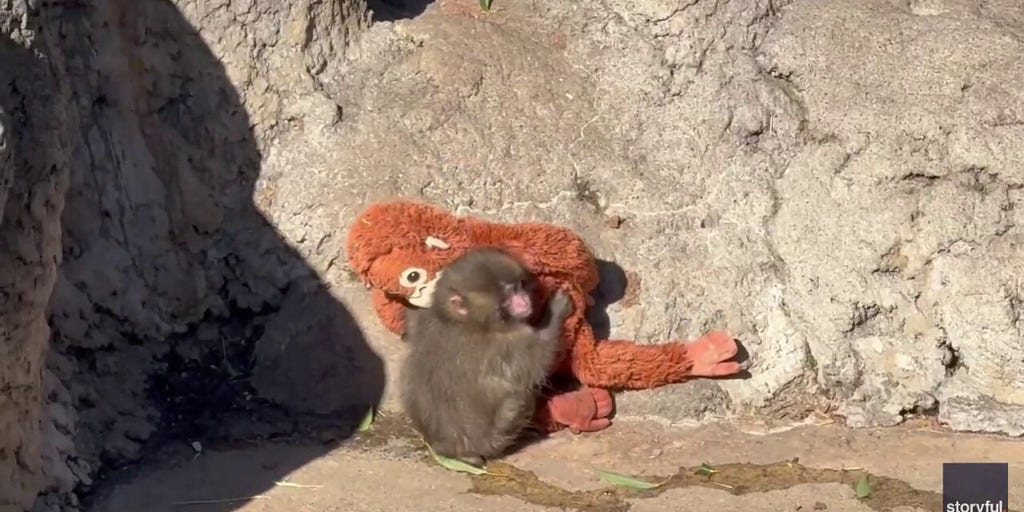
The viral #HangInTherePunch campaign generated millions of social media views showing a 7-month-old macaque bonding with an IKEA Djungelskog orangutan toy, directly converting emotional engagement into product purchases. IKEA reported clear sales increases for the €20 plush toy across Japan, the U.S., and South Korea, with the product achieving bestseller status. The zoo's attendance doubled to 8,000 visitors on single weekends, demonstrating the narrative's ability to drive both digital and physical commerce. IKEA Japan President Petra Fare's February 17 visit to donate replacement toys amplified brand visibility across multiple markets including Spain and Switzerland, creating a feedback loop where corporate engagement reinforced consumer purchasing behavior.
The Punch narrative succeeded because it emphasized genuine animal welfare benefits (physical contact for muscle development, emotional security) rather than product features. Consumers purchased the Djungelskog toy to support the monkey's wellbeing, not because of superior design or functionality. This represents a fundamental shift from feature-benefit marketing to cause-driven purchasing. Sellers should develop product narratives that emphasize authentic use cases and genuine benefits rather than marketing claims. The story demonstrates that consumers will research product origins and manufacturing practices when connected to emotional narratives—transparency becomes competitive advantage. Consider developing partnerships with animal welfare organizations, zoos, or conservation groups to create authentic storytelling opportunities. Avoid opportunistic marketing that appears to exploit animal stories; instead, allocate a portion of proceeds to relevant causes and communicate this transparently. The Punch story's success indicates that millennial and Gen Z consumers (particularly in Japan and South Korea) prioritize ethical consumption and authentic brand alignment over price or convenience.
IKEA demonstrated supply chain flexibility by producing multiple Djungelskog toy versions specifically for Punch and maintaining inventory to meet unexpected demand spikes across three continents. The company's ability to rapidly donate replacement toys and coordinate global social media amplification (Spain, Switzerland divisions) indicates pre-existing infrastructure for crisis response and inventory reallocation. Sellers should establish relationships with 3PL providers offering rapid reallocation capabilities and negotiate flexible production agreements with manufacturers. The story reveals that viral moments create 48-72 hour windows for inventory positioning before competitors respond. Implement demand forecasting systems that monitor social media sentiment and trending content; establish trigger points for inventory acceleration when products show viral potential. Consider maintaining 20-30% excess capacity in manufacturing relationships to enable rapid scaling without long lead times. IKEA's global coordination suggests that sellers with cross-border fulfillment networks can capture disproportionate value from viral moments by serving multiple markets simultaneously.
Japan demonstrates exceptional receptivity to animal welfare narratives, with Japanese social media users creating localized hashtags ('がんばれパンチ') that amplified the Punch story's reach. The U.S. and South Korea also showed significant sales increases for the Djungelskog toy, indicating Asia-Pacific regions prioritize emotional storytelling over price-driven purchasing. The story's success across multiple markets (Japan, US, South Korea, Spain, Switzerland) suggests animal welfare resonates universally, but Japanese consumers showed earliest adoption and highest engagement velocity. Sellers targeting these regions should develop localized social media content emphasizing animal welfare benefits and emotional connection rather than product specifications. Consider partnering with local influencers or animal welfare organizations to amplify campaigns in Japan and South Korea, where the narrative-driven approach generated measurable ROI.
The Punch story demonstrates that viral animal content can generate 2-3x demand spikes within days. Sellers should maintain 30-40% safety stock in plush toy and collectible categories, particularly items with emotional appeal or animal themes. IKEA's ability to produce multiple toy versions specifically for Punch indicates supply chain flexibility that smaller sellers may lack—consider establishing relationships with 3PL providers who can rapidly scale production. Monitor social media hashtags and trending animal stories in your category; set up Google Alerts for keywords like 'viral animal,' 'zoo,' and 'animal rescue' combined with your product type. Establish pre-negotiated agreements with manufacturers for rush production runs (typically 2-3 week lead times) to capitalize on unexpected demand spikes before competitors respond.
The Punch story originated from authentic zoo content and gained organic reach through social media before corporate amplification. Sellers should monitor trending hashtags, TikTok and Instagram animal content, and zoo/wildlife organization social media accounts for emerging narratives. Set up automated alerts for keywords like 'viral animal,' 'animal rescue,' 'zoo,' and 'wildlife' combined with your product category. When potential viral moments emerge, assess whether your product inventory aligns with the narrative (plush toys for animal stories, pet supplies for rescue narratives, educational materials for conservation content). The 2-3 day window between initial viral moment and mainstream media coverage provides optimal timing for inventory positioning and social media content creation. Engage with trending hashtags authentically—avoid opportunistic marketing that appears exploitative. IKEA's approach of donating products and visiting the zoo created authentic brand alignment rather than pure commercial exploitation, which resonated with consumers and generated sustained sales momentum.
The Djungelskog toy maintained €20 retail pricing despite viral demand, rejecting the discount-driven purchasing patterns typical of commodity soft goods. This demonstrates that consumers will pay standard or premium prices for products connected to authentic emotional causes. Sellers should resist the temptation to discount products during viral moments—instead, emphasize the product's connection to the narrative and allocate a portion of proceeds to relevant causes (animal welfare, conservation). The story reveals that emotional branding creates pricing resilience: buyers purchase to participate in the narrative, not to acquire the lowest-cost alternative. Consider implementing tiered pricing strategies where limited-edition versions tied to specific moments command 15-25% premiums over standard products. Monitor competitor pricing during viral events; resist race-to-bottom dynamics that erode margins on products with strong emotional positioning.
Plush toys, collectibles, and soft goods demonstrate highest conversion rates from emotional storytelling. The Djungelskog toy succeeded because it served dual purposes: functional (helping the monkey's physical development) and emotional (representing consumer solidarity with animal welfare). Sellers in children's merchandise, gift items, and collectible categories can leverage similar narratives. The story reveals that consumers will maintain standard retail pricing (€20) rather than demand discounts when products connect to authentic emotional causes. Categories like stuffed animals, children's books about animal rescue, and eco-friendly toys show particular vulnerability to viral disruption, suggesting sellers should monitor social media for emerging narratives in their product verticals.
The viral #HangInTherePunch campaign generated millions of social media views showing a 7-month-old macaque bonding with an IKEA Djungelskog orangutan toy, directly converting emotional engagement into product purchases. IKEA reported clear sales increases for the €20 plush toy across Japan, the U.S., and South Korea, with the product achieving bestseller status. The zoo's attendance doubled to 8,000 visitors on single weekends, demonstrating the narrative's ability to drive both digital and physical commerce. IKEA Japan President Petra Fare's February 17 visit to donate replacement toys amplified brand visibility across multiple markets including Spain and Switzerland, creating a feedback loop where corporate engagement reinforced consumer purchasing behavior.
The Punch narrative succeeded because it emphasized genuine animal welfare benefits (physical contact for muscle development, emotional security) rather than product features. Consumers purchased the Djungelskog toy to support the monkey's wellbeing, not because of superior design or functionality. This represents a fundamental shift from feature-benefit marketing to cause-driven purchasing. Sellers should develop product narratives that emphasize authentic use cases and genuine benefits rather than marketing claims. The story demonstrates that consumers will research product origins and manufacturing practices when connected to emotional narratives—transparency becomes competitive advantage. Consider developing partnerships with animal welfare organizations, zoos, or conservation groups to create authentic storytelling opportunities. Avoid opportunistic marketing that appears to exploit animal stories; instead, allocate a portion of proceeds to relevant causes and communicate this transparently. The Punch story's success indicates that millennial and Gen Z consumers (particularly in Japan and South Korea) prioritize ethical consumption and authentic brand alignment over price or convenience.
IKEA demonstrated supply chain flexibility by producing multiple Djungelskog toy versions specifically for Punch and maintaining inventory to meet unexpected demand spikes across three continents. The company's ability to rapidly donate replacement toys and coordinate global social media amplification (Spain, Switzerland divisions) indicates pre-existing infrastructure for crisis response and inventory reallocation. Sellers should establish relationships with 3PL providers offering rapid reallocation capabilities and negotiate flexible production agreements with manufacturers. The story reveals that viral moments create 48-72 hour windows for inventory positioning before competitors respond. Implement demand forecasting systems that monitor social media sentiment and trending content; establish trigger points for inventory acceleration when products show viral potential. Consider maintaining 20-30% excess capacity in manufacturing relationships to enable rapid scaling without long lead times. IKEA's global coordination suggests that sellers with cross-border fulfillment networks can capture disproportionate value from viral moments by serving multiple markets simultaneously.