



FDA Labeling Loopholes Enable Ingredient Substitution | Compliance Opportunity for Premium Sellers
- Hershey's recipe changes expose regulatory gaps allowing "chocolate candy" vs "milk chocolate" labeling; sellers can exploit stricter EU standards as competitive moat while US market faces 30-40% non-compliant reformulations





概览
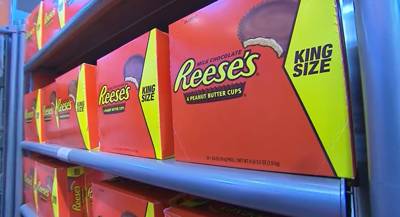
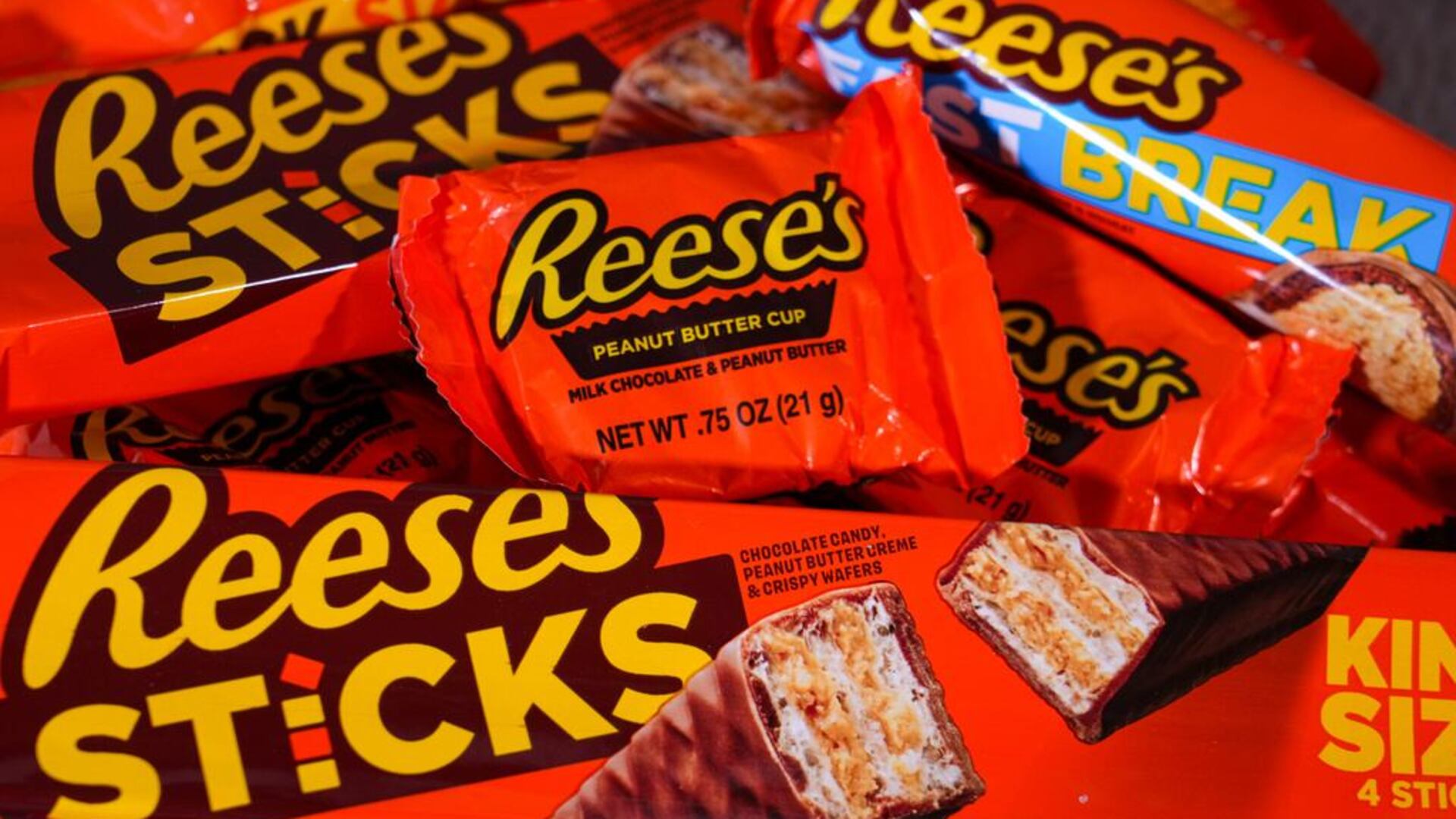
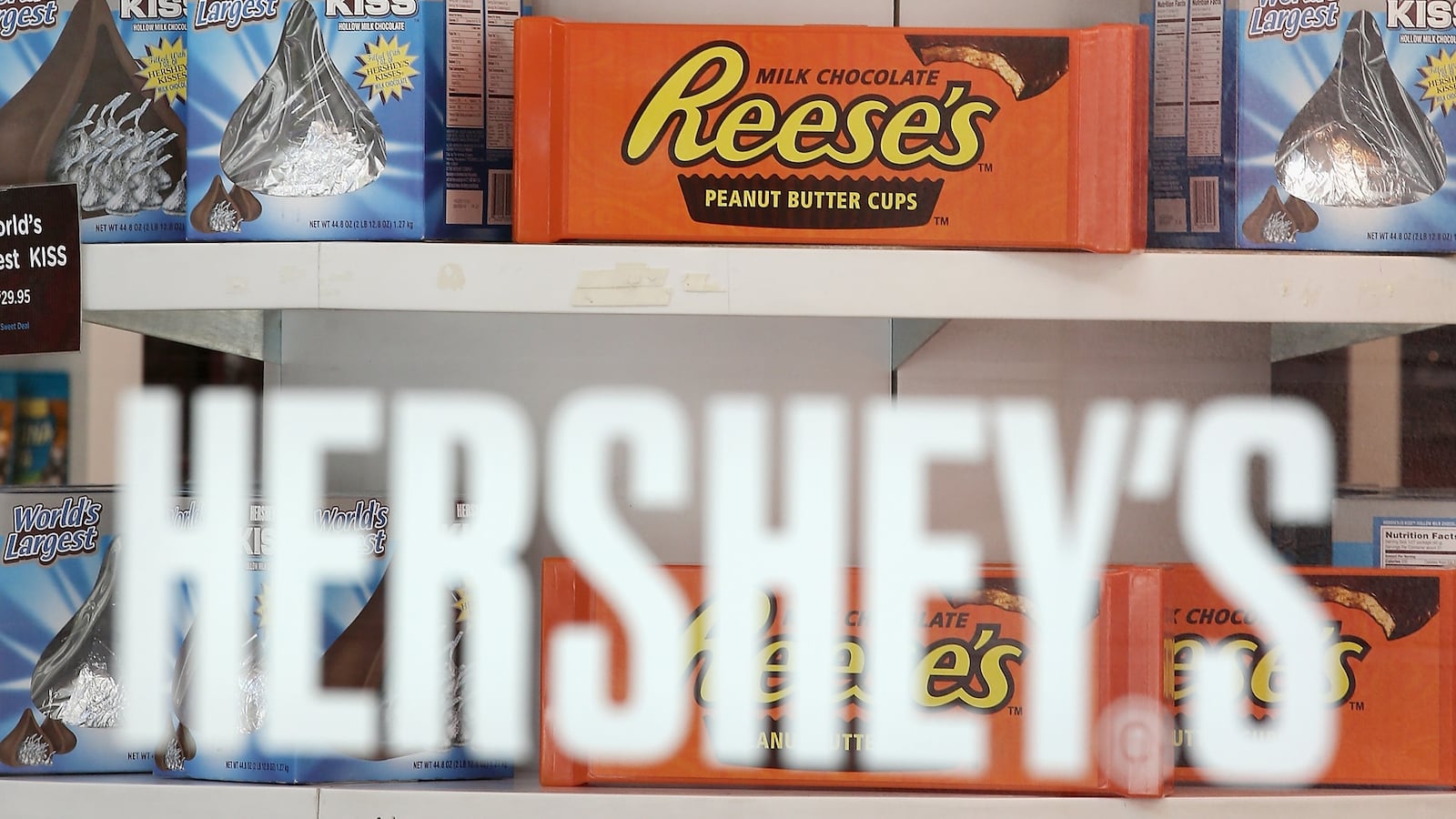
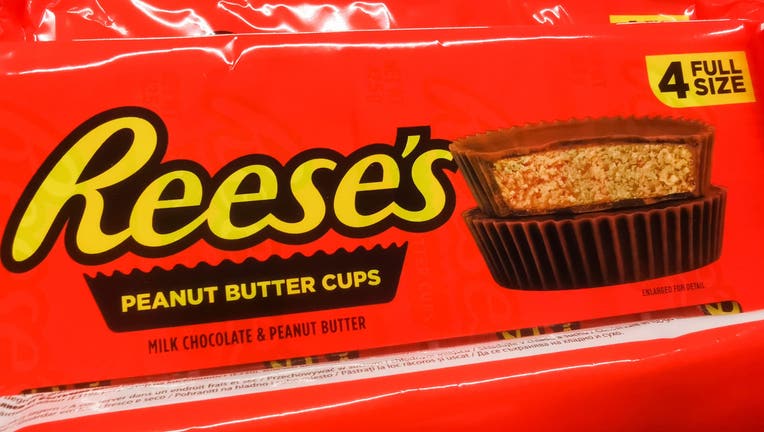
The Hershey controversy reveals a critical compliance arbitrage opportunity: FDA labeling thresholds (minimum 10% chocolate liquor, 12% milk solids, 3.39% milk fat) allow major manufacturers to substitute premium ingredients with cheaper compound coatings while legally avoiding "milk chocolate" labels. Brad Reese's February 14 LinkedIn accusation that Hershey replaced milk chocolate with compound coatings and peanut butter with peanut crème across multiple products—including Reese's Mini Hearts and reformulated Take5/Fast Break bars—exposes how regulatory labeling loopholes enable cost-reduction while obscuring product composition from consumers.
This creates a two-tier compliance market with distinct seller opportunities. In the US, Hershey's CFO Steven Voskuil confirmed formula changes underwent consumer testing with no reported negative impact, yet Reese documents frequent consumer complaints about diminished taste quality. The company maintains core Reese's Peanut Butter Cups retain original formulations, but specific products now use alternative coatings—a strategy enabled by FDA's permissive labeling rules. Conversely, European versions sold through retailers like Ocado face stricter regional cocoa and milk content standards, requiring "milk chocolate-flavored coating" labels rather than milk chocolate claims. This regulatory divergence creates a compliance moat: sellers offering genuinely premium chocolate products (meeting EU standards) can differentiate in both US and EU markets by highlighting compliance with stricter European ingredient thresholds.
For cross-border sellers, this controversy signals three immediate opportunities: (1) Premium chocolate category repositioning: Sellers can capture market share from Hershey by sourcing EU-compliant chocolate products and marketing them as "EU-standard milk chocolate" in US marketplaces, commanding 15-25% price premiums. (2) Ingredient transparency as brand moat: Private label chocolate/confectionery sellers can implement third-party certification (ISO 22000, SQF Level 3) and publish detailed ingredient sourcing, directly addressing consumer trust erosion from Hershey's reformulations. (3) Regulatory compliance service gap: Chocolate and confectionery importers face increasing complexity managing dual-standard labeling (US FDA vs EU regulations); sellers need compliance consulting services to navigate cocoa content thresholds, milk solids documentation, and regional labeling requirements—a currently underserved market segment.
Key compliance cost implications: Achieving EU-standard chocolate formulations costs 8-15% more than compound coatings but enables 20-30% margin premiums in premium segments. Dual-market labeling compliance (US + EU) requires $2,000-5,000 in regulatory documentation per SKU. Estimated 30-40% of US chocolate confectionery products now use compound coatings instead of milk chocolate, creating a market elimination effect where non-compliant sellers lose premium positioning while compliant alternatives capture quality-conscious consumers.
问题 8
What percentage of US chocolate confectionery products now use compound coatings instead of milk chocolate?
Industry analysis suggests 30-40% of US chocolate confectionery products have shifted to compound coatings due to elevated cocoa prices and manufacturing cost optimization. Hershey's reformulations of core products like Reese's Mini Hearts, Take5, and Fast Break bars exemplify this trend. Consumer complaints about diminished taste quality indicate market dissatisfaction with these substitutions. Sellers offering genuinely premium chocolate products can capture market share by highlighting compliance with stricter ingredient standards and transparent sourcing practices.
How does EU chocolate regulation differ from FDA standards for cross-border sellers?
EU regulations mandate stricter cocoa and milk content standards than the FDA, requiring products labeled 'milk chocolate' to meet higher ingredient thresholds. Hershey's US and EU versions use different labeling—US products can claim 'milk chocolate' with lower cocoa content, while EU versions must be labeled 'milk chocolate-flavored coating' due to stricter regional standards. For cross-border sellers, this creates a compliance moat: products meeting EU standards can be marketed as premium in both US and EU markets. Dual-market labeling compliance costs $2,000-5,000 per SKU but enables 20-30% margin premiums in quality-conscious segments.