


Gaming Industry Restructuring & AI Ad Abuse | Seller Risks in Creator Economy
- Ubisoft's 88-employee layoff wave signals gaming market contraction; TikTok AI ad manipulation exposes platform governance gaps affecting 50K+ indie game sellers






_story.jpg)



概览
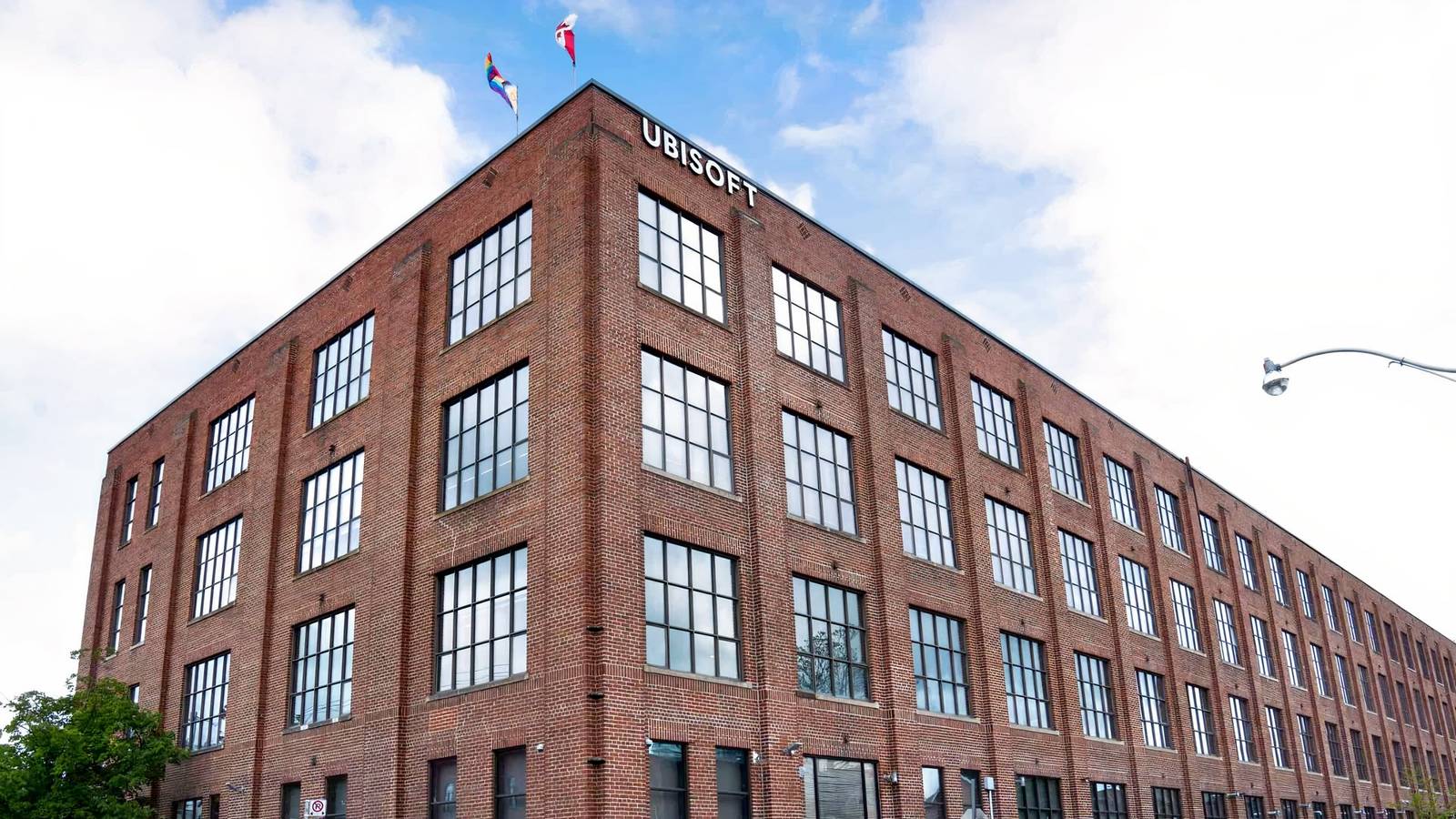
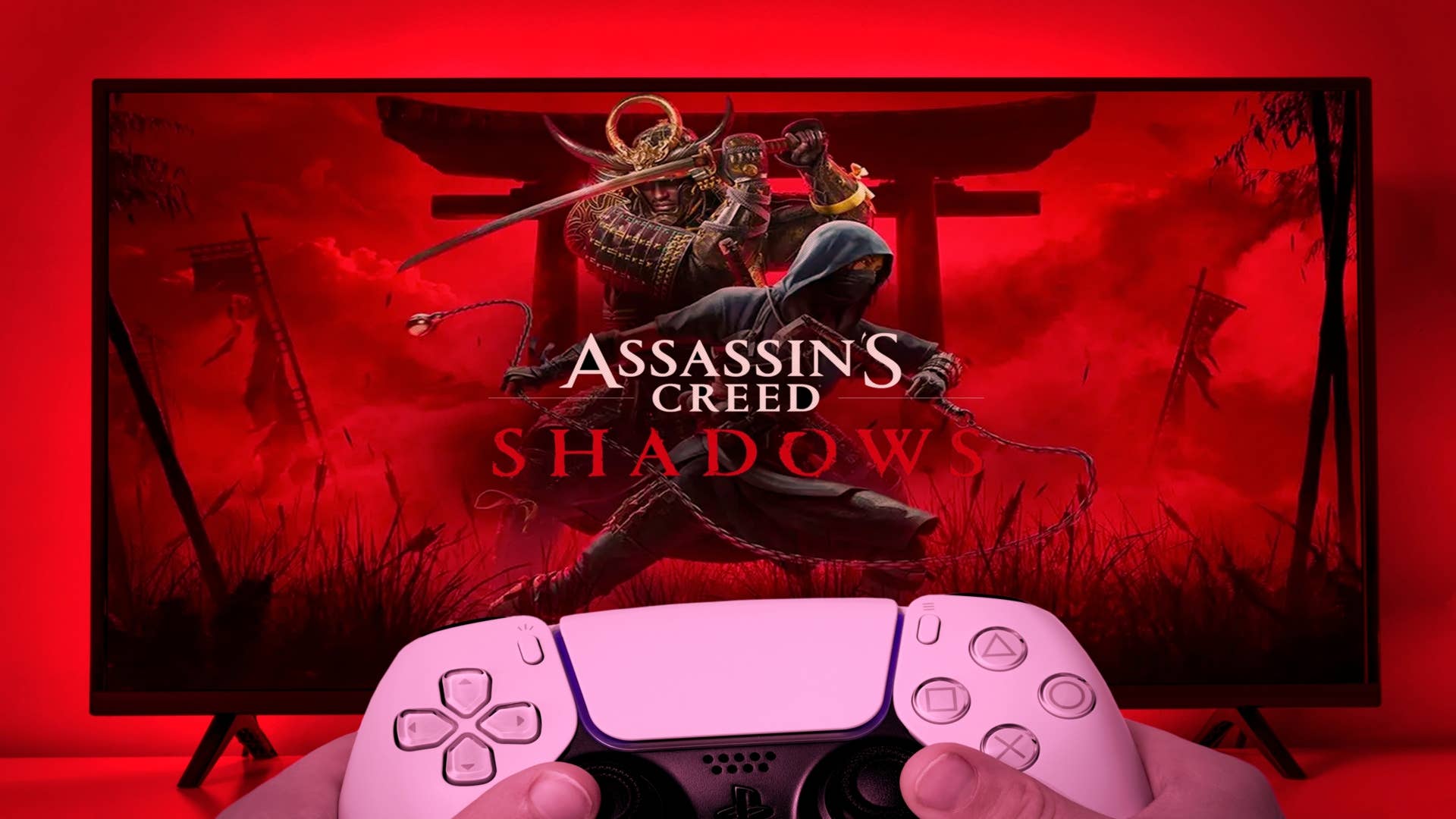
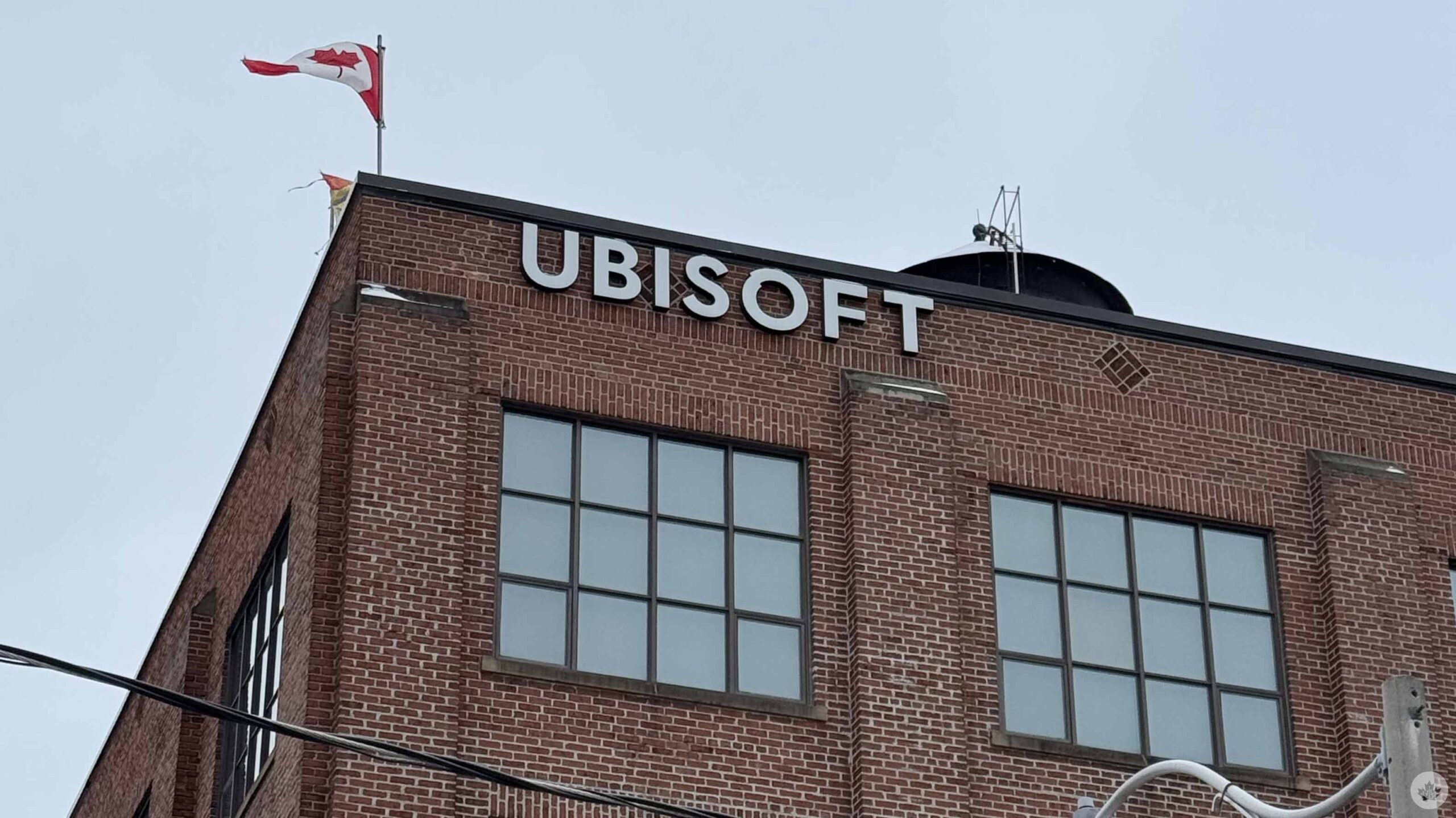
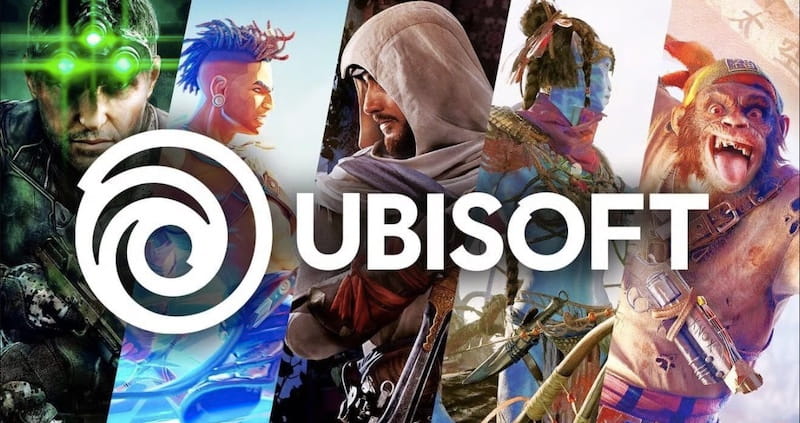
The gaming industry is experiencing significant structural disruption with direct implications for cross-border e-commerce sellers operating in the creator economy and digital merchandise sectors. Ubisoft's cascading layoffs—40 employees at Toronto (February 2026), 29 at Abu Dhabi (November 2025), 19 in July 2025, plus studio closures in Stockholm and Halifax—represent 88+ positions eliminated within 8 months, signaling a contraction in AAA game development budgets. This workforce reduction follows Tencent's $1.25 billion investment in 2025, which granted the Chinese tech giant shared control over franchises like Assassin's Creed, indicating consolidation of gaming IP toward larger publishers and away from independent developers.
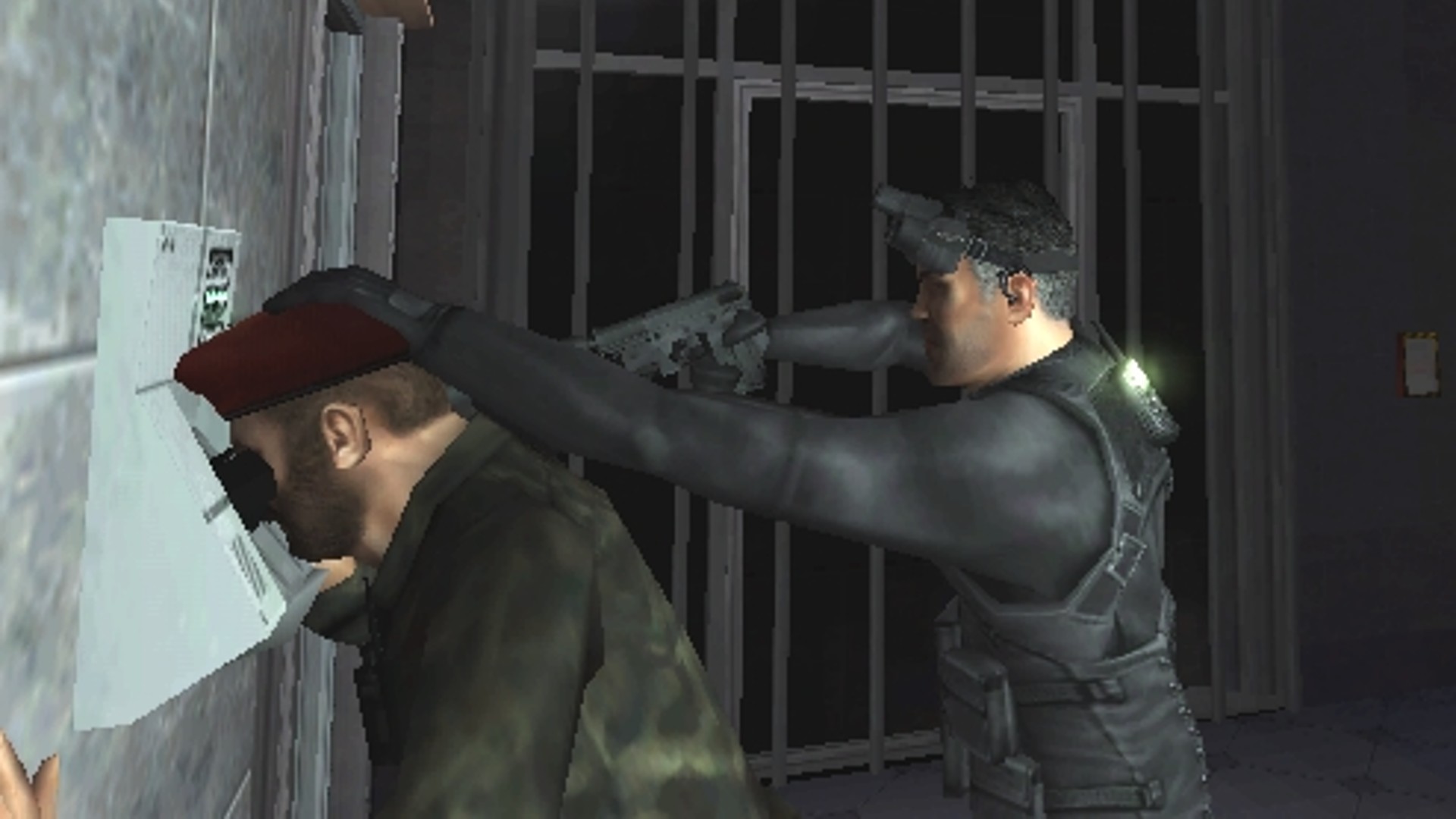
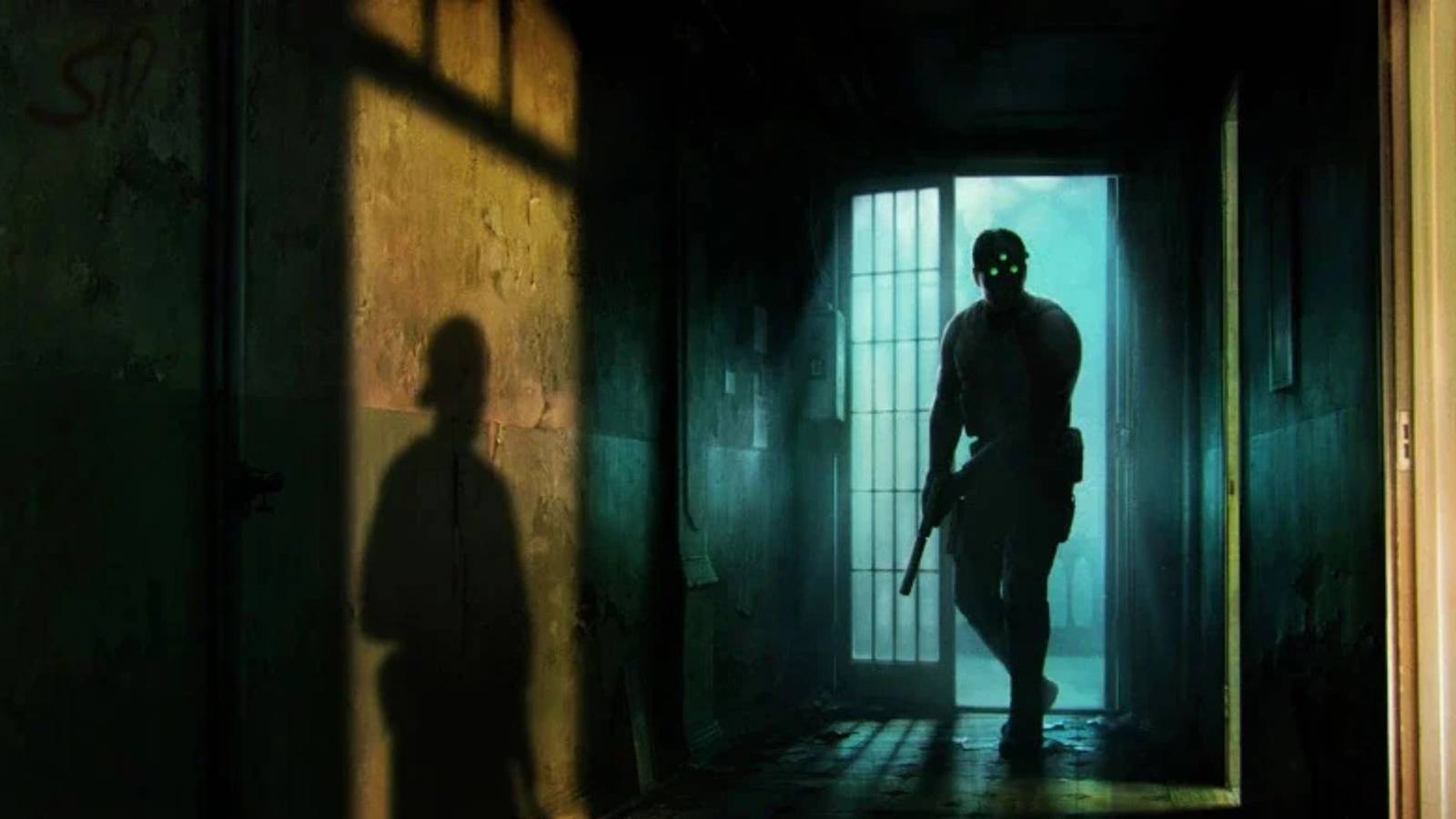
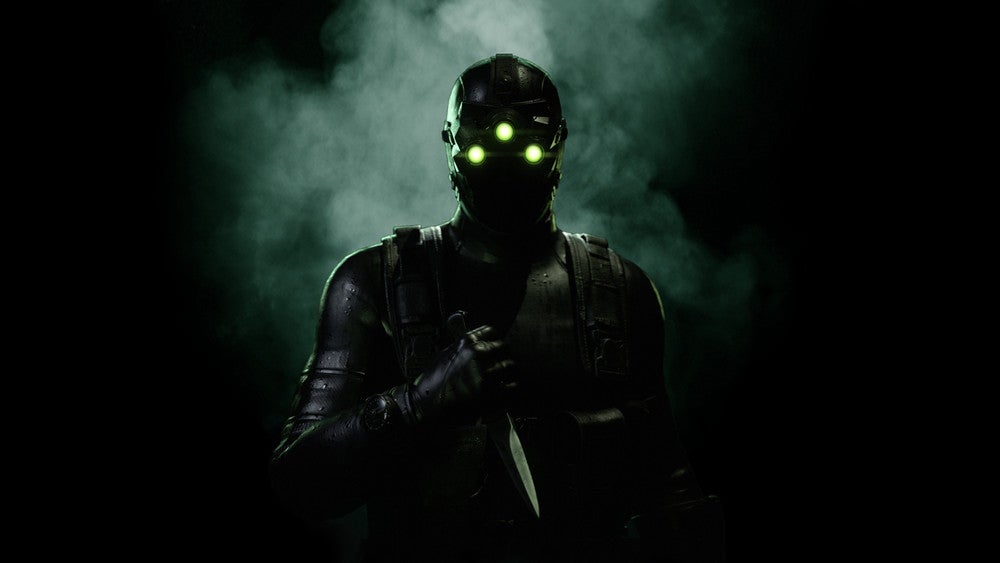
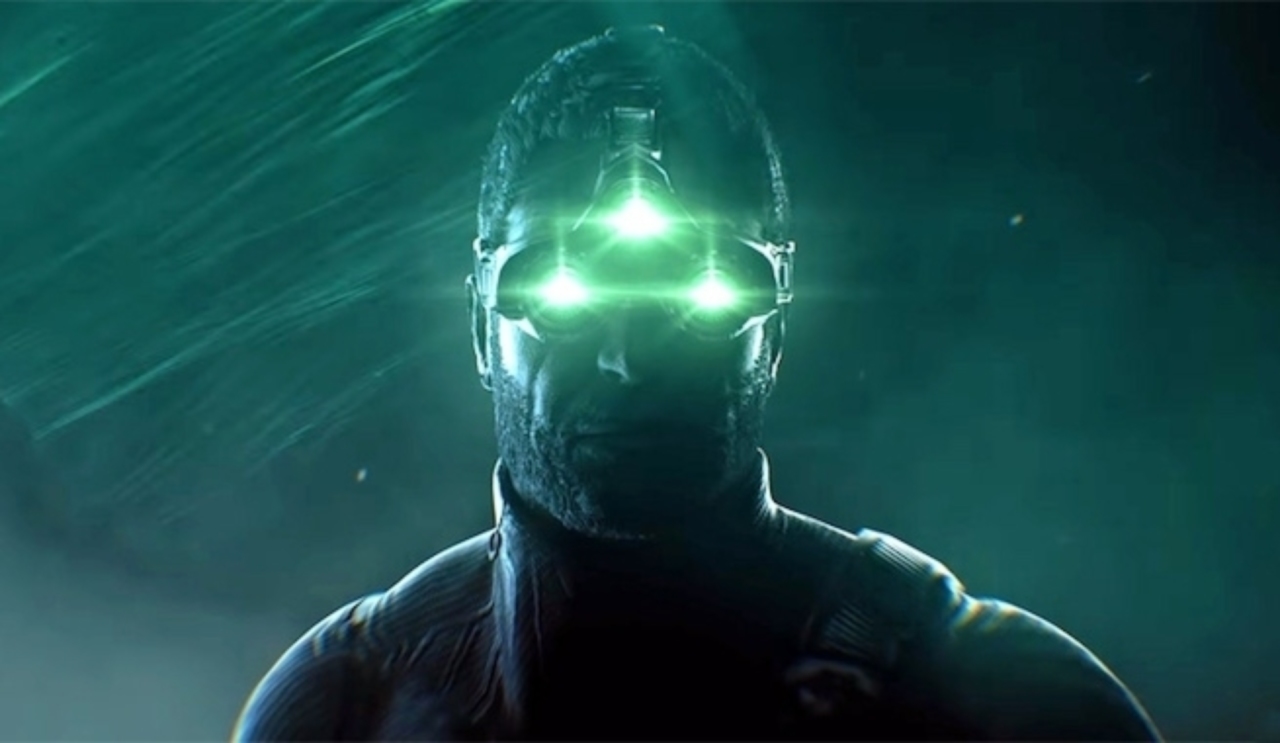
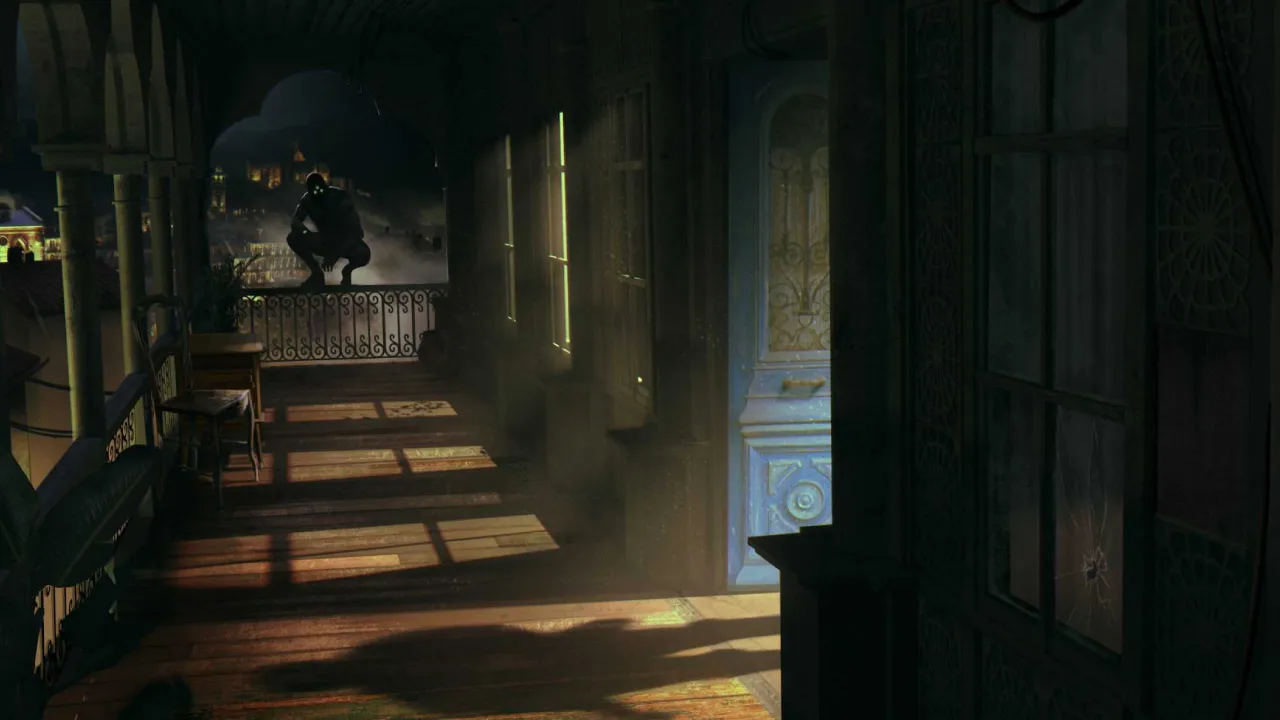
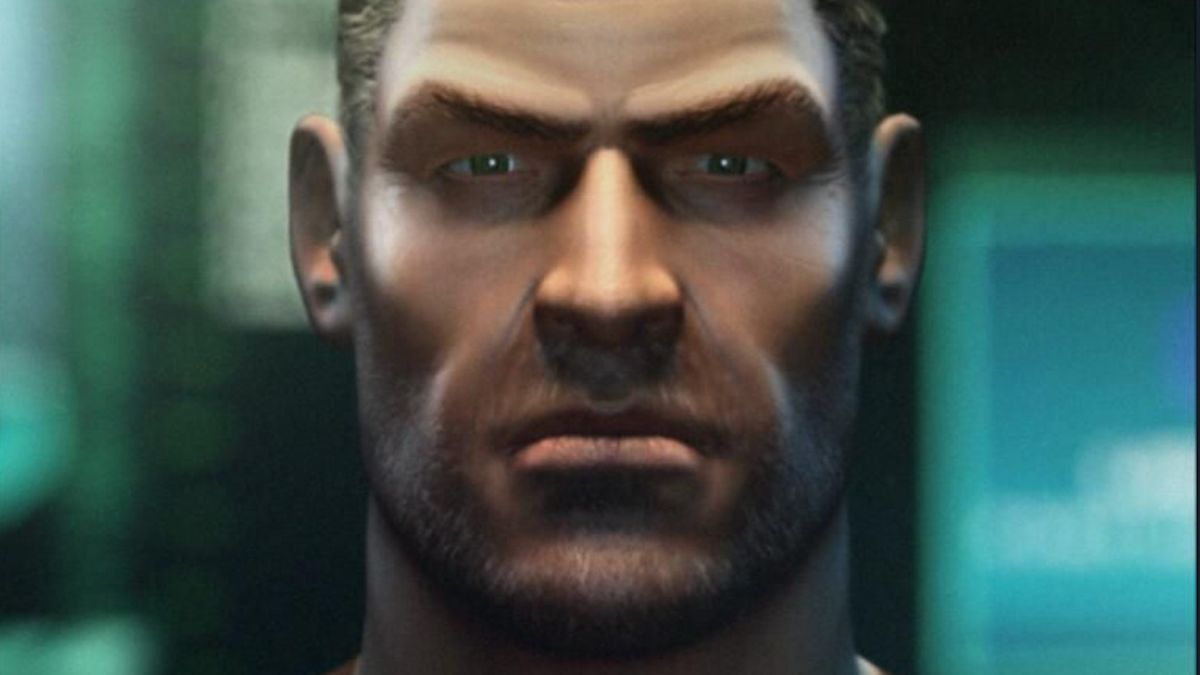
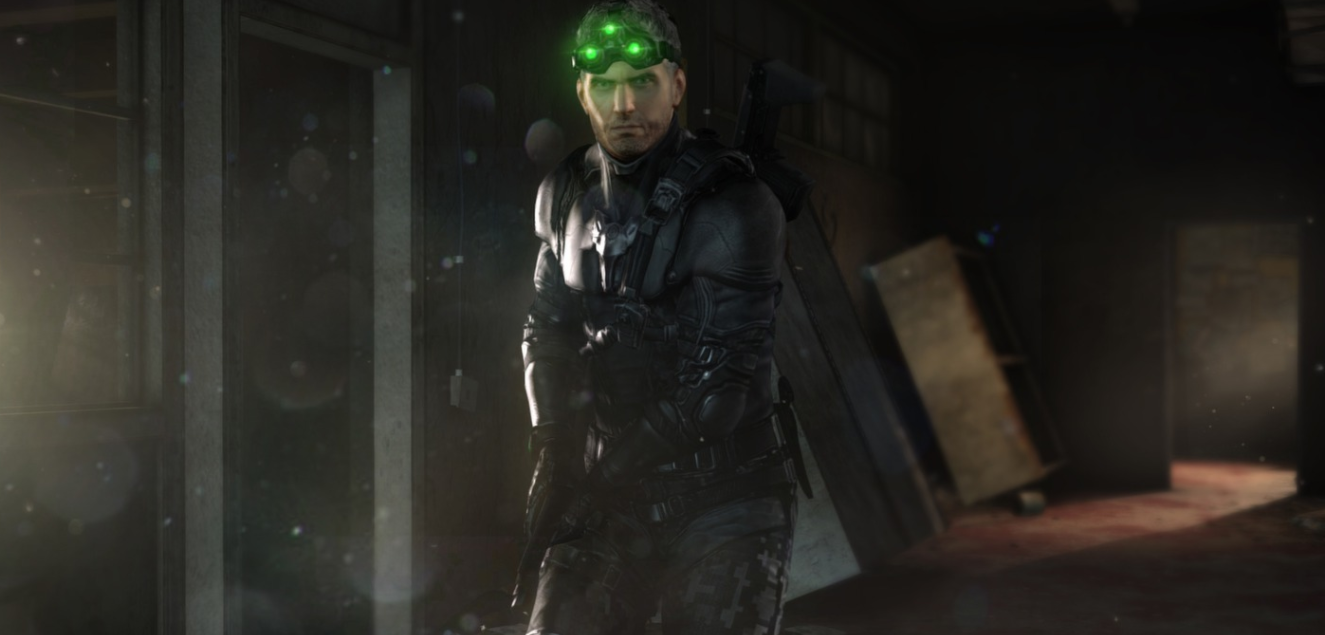
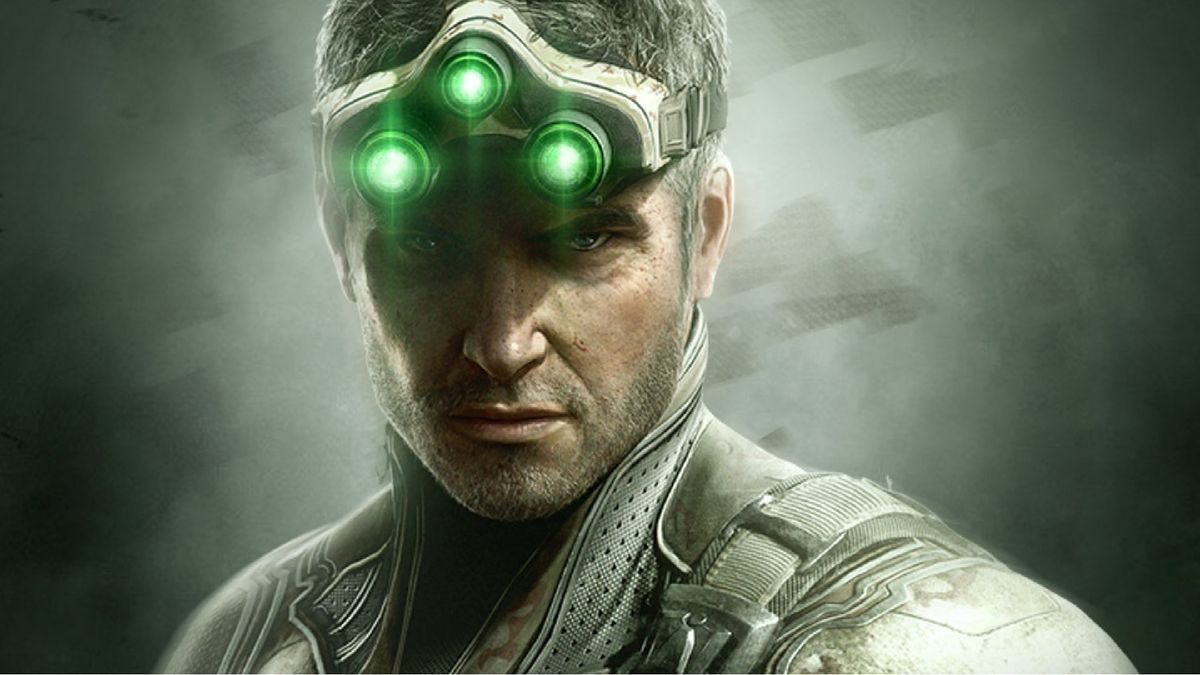
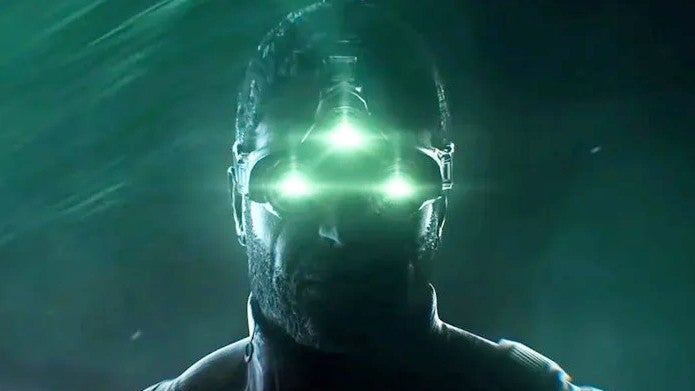
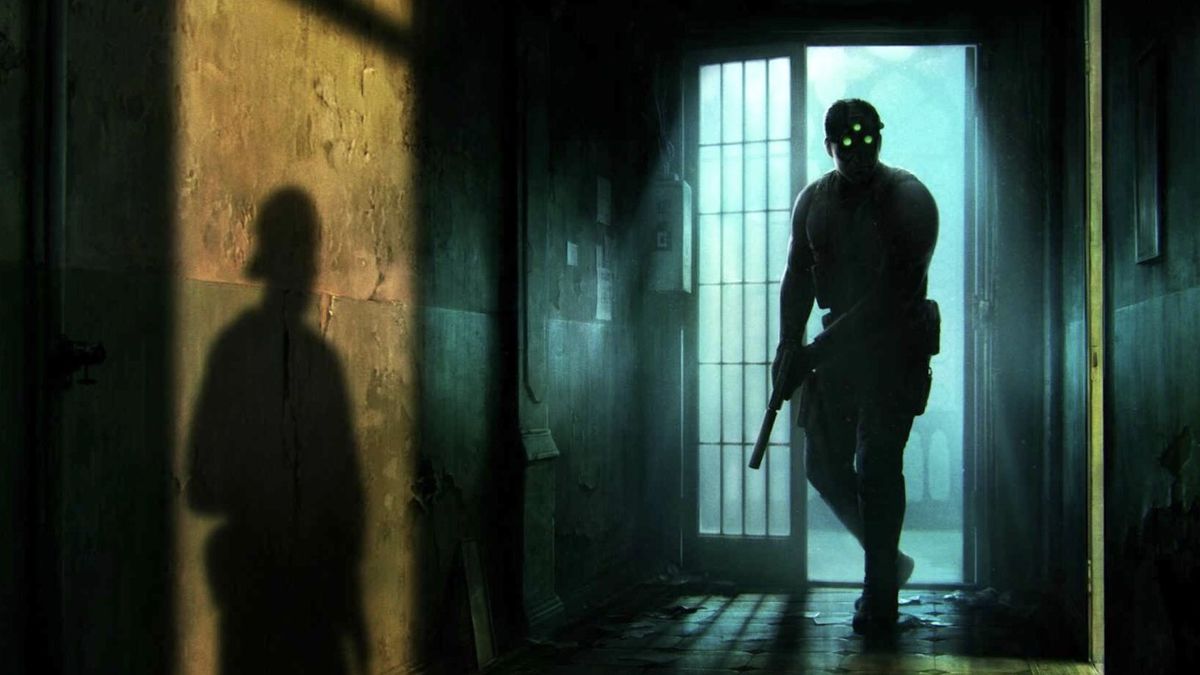
For sellers, this creates both risk and opportunity in the gaming merchandise ecosystem. The cancellation of Prince of Persia: Sands of Time remake and three new IPs eliminates potential merchandise licensing opportunities worth an estimated $50-150M annually in collectibles, apparel, and digital goods. However, the continued development of Splinter Cell remake and Rainbow Six service games signals sustained demand for established franchise merchandise. Sellers specializing in gaming collectibles, cosplay costumes, and esports equipment should monitor which franchises survive restructuring—those with active development pipelines (Splinter Cell, Rainbow Six, Watch Dogs) represent safer inventory bets than cancelled projects.
The second critical issue—TikTok's unauthorized AI modification of game advertisements—exposes systemic platform governance failures that threaten all sellers using TikTok's advertising tools. Finji's case reveals that TikTok's Smart Creative and Automate Creative AI tools generated sexualized ad variants without authorization, opt-in consent, or advertiser visibility/control, despite the publisher explicitly not enabling these features. TikTok's contradictory responses and initial denial of AI usage indicate inadequate support infrastructure. For sellers using TikTok Shop or TikTok Ads Manager, this demonstrates that platform-generated creative assets may be modified without notification, creating compliance risks (brand misrepresentation, trademark violations, cultural sensitivity issues). The incident also highlights bias in AI systems—Finji's CEO specifically cited "racist and sexist AI technology," suggesting algorithmic discrimination in ad generation that could disproportionately affect sellers from underrepresented demographics.
Chip shortages mentioned across reports (Steam Deck OLED stock constraints, PlayStation 6/Nintendo Switch 2 delays) compound these challenges. Hardware scarcity reduces the addressable market for gaming-adjacent products (controllers, cases, charging accessories) and delays new console launches that typically drive 30-40% sales spikes in gaming merchandise categories. Sellers should expect 6-12 month delays in console-dependent product categories and shift inventory focus toward PC gaming peripherals and cross-platform accessories with stable supply chains.
问题 8
What are the compliance risks for sellers using TikTok Ads Manager and Smart Creative tools?
TikTok's unauthorized AI modification of game advertisements—as documented in Finji's case—reveals that platform-generated creative assets may be altered without advertiser consent or visibility. Sellers using TikTok's Smart Creative or Automate Creative features risk brand misrepresentation, trademark violations, and cultural sensitivity issues if AI generates inappropriate variants. TikTok's contradictory support responses indicate inadequate governance. Sellers should: (1) disable auto-creative features and manually approve all ad variants, (2) audit existing campaigns for unauthorized modifications, (3) document all creative submissions as evidence of original intent, (4) consider alternative platforms (Facebook Ads, Google Shopping) with clearer AI governance policies.
How do Ubisoft layoffs affect sellers of gaming merchandise and collectibles?
Ubisoft's 88+ layoffs across Toronto, Abu Dhabi, and Stockholm studios (February-July 2025) directly impact game development timelines and franchise viability. Cancelled projects like Prince of Persia: Sands of Time remake eliminate licensing opportunities worth $50-150M in merchandise annually. However, continued development on Splinter Cell remake and Rainbow Six service games ensures sustained demand for these franchise collectibles. Sellers should prioritize inventory for franchises with active development pipelines and avoid overstock on cancelled IP. Monitor Ubisoft's official roadmap quarterly to adjust merchandise sourcing strategy.