

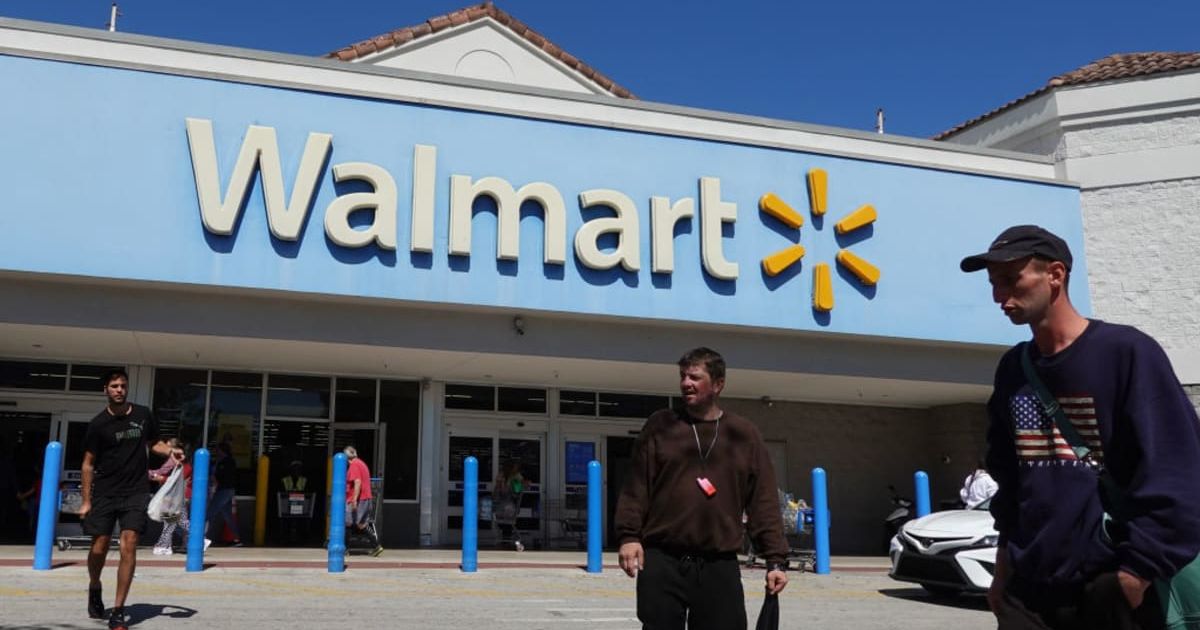

Amazon Surpasses Walmart | $716.9B Revenue Signals Marketplace Consolidation for Sellers
- Amazon's $3.7B revenue lead reshapes seller platform strategy; increased competition and fee pressure expected across FBA, advertising, and fulfillment services




概览
Amazon's historic revenue milestone of $716.9 billion—surpassing Walmart's $713.2 billion—marks a fundamental shift in US retail power dynamics with direct implications for third-party sellers. This represents the first time Amazon has achieved annual revenue leadership, following a quarterly victory approximately one year prior. The $3.7 billion gap reflects Amazon's diversified business model spanning e-commerce, cloud computing (AWS), advertising services, and integrated logistics infrastructure. For cross-border and domestic sellers, this consolidation signals accelerating platform concentration and intensified competition within Amazon's marketplace ecosystem.
The competitive landscape is reshaping rapidly as traditional retailers face mounting pressure. Walmart's extensive physical store network (4,600+ locations) and omnichannel capabilities have proven insufficient against Amazon's integrated technology and logistics advantages. This dynamic directly impacts seller strategy: Amazon's market dominance attracts both established brands (evidenced by Bath & Body Works' authorized storefront launch) and emerging sellers, creating a high-competition environment. Sellers utilizing Amazon FBA and advertising solutions benefit from unmatched consumer reach—Amazon commands approximately 40% of US e-commerce market share—but face rising operational costs. The platform's sustained investment in seller tools and logistics infrastructure suggests continued fee increases to fund competitive advantages, particularly in same-day delivery and advertising technology.
For sellers targeting North American markets, platform selection remains critical but increasingly constrained. Amazon's $716.9B revenue base enables continuous infrastructure investment that smaller competitors cannot match, creating a "winner-take-most" dynamic. Sellers must evaluate whether Amazon's reach justifies higher FBA fees (currently 15-45% of product price depending on category), storage costs ($0.87/cubic foot for standard-size items), and advertising expenses (average 15-25% of revenue for competitive visibility). The revenue leadership change indicates Amazon will continue prioritizing marketplace expansion and seller acquisition, potentially through improved seller tools, expanded category coverage, and enhanced logistics capabilities. However, increased competition means sellers face margin compression and higher customer acquisition costs. Strategic sellers should consider portfolio diversification across eBay, Shopify, and emerging platforms while optimizing Amazon presence through category selection, pricing strategy, and advertising efficiency.
Immediate opportunities exist in underserved categories and seller segments. Bath & Body Works' Amazon storefront expansion demonstrates that established retailers view Amazon as essential distribution, creating partnership and supply opportunities for complementary product sellers. Categories with lower competition but strong demand—such as niche home goods, specialty beauty, and regional food products—offer faster path to profitability than saturated electronics or apparel segments. Sellers should monitor Amazon's category expansion announcements and fee structure changes quarterly, as the company's market leadership position enables rapid policy shifts affecting profitability across all seller segments.
问题 7
How does Walmart's competitive position affect seller opportunities on alternative platforms?
Walmart's $713.2B revenue and extensive physical store network (4,600+ locations) position it as a viable alternative platform for sellers seeking to reduce Amazon dependency. While Amazon's integrated logistics and technology infrastructure provide advantages, Walmart's omnichannel capabilities and growing e-commerce presence create opportunities for sellers in grocery, home goods, and value-oriented categories. Walmart Marketplace offers lower commission rates (6-15% depending on category) compared to Amazon FBA (15-45%), making it attractive for sellers with lower margins. However, Walmart's smaller marketplace (approximately 15% of Amazon's scale) means lower traffic and slower sales velocity. Sellers should evaluate Walmart as a secondary platform for specific categories where its customer base (value-conscious, rural demographics) aligns with product positioning.
What strategic actions should sellers take in response to Amazon's market leadership consolidation?
Sellers should implement a three-part strategy: (1) Optimize Amazon presence through category selection, pricing discipline, and advertising efficiency—focus on high-margin categories with lower competition; (2) Develop alternative channels on eBay, Shopify, and Walmart to reduce platform dependency and capture price-sensitive customers; (3) Build direct-to-consumer capabilities through email marketing and social commerce to establish customer relationships independent of marketplace algorithms. Immediate actions include auditing current FBA costs and storage efficiency, implementing inventory optimization to reduce storage fees, and testing alternative fulfillment options (3PL, Seller Fulfilled Prime) for high-volume SKUs. Sellers should also monitor Amazon's quarterly fee announcements and competitive landscape changes, adjusting inventory allocation and marketing spend based on platform profitability trends. Timeline: Complete cost audit by end of Q1, implement optimization changes by Q2, and establish secondary channels by Q3.