





AWS Infrastructure Stability Confirmed | Critical for E-Commerce Sellers Using Cloud Services
- Amazon clarifies December outage was user error, not AI failure; reinforces infrastructure reliability for 50K+ cross-border sellers dependent on AWS services


























概览
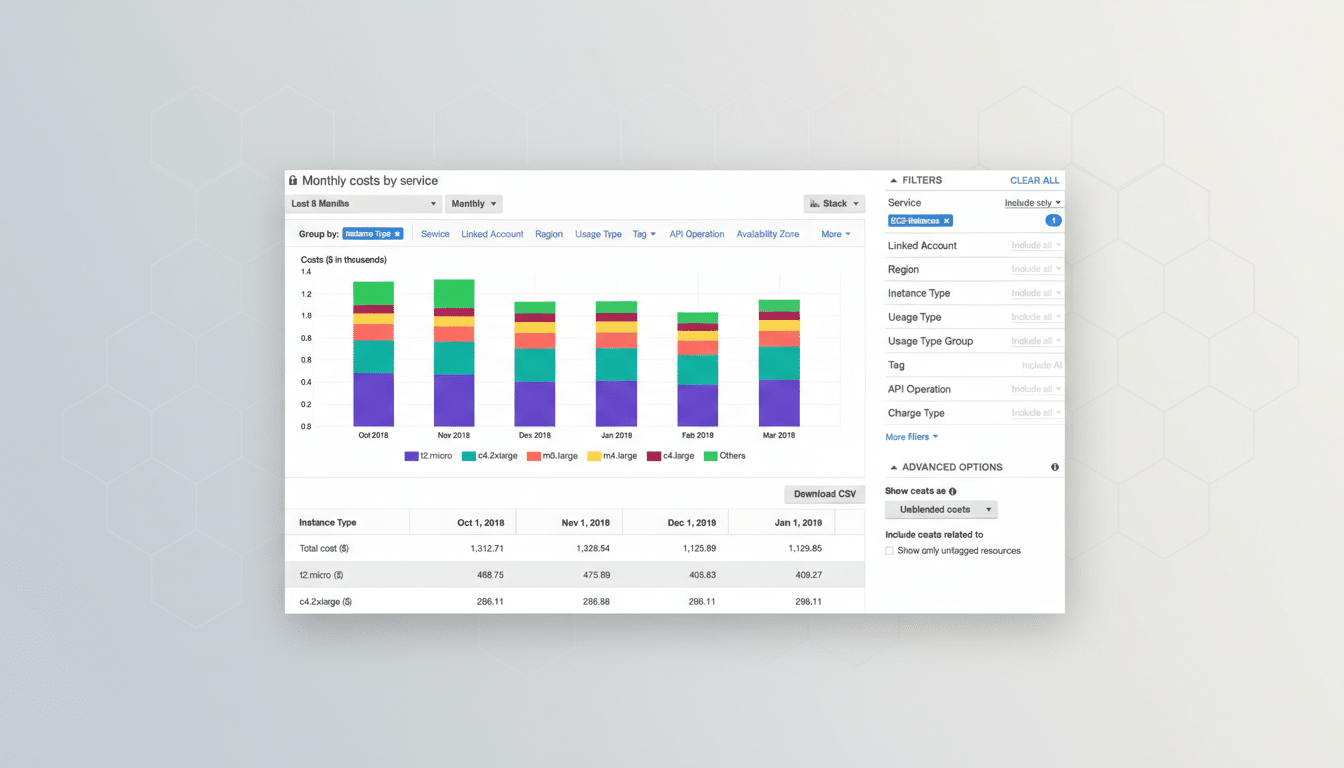
Amazon's formal correction regarding a December AWS service interruption carries significant implications for e-commerce sellers relying on cloud infrastructure for their operations. The company clarified that the brief outage affecting AWS Cost Explorer in a single geographic region resulted from misconfigured access controls—user error—rather than AI-related failures as initially reported by Financial Times. This distinction is critical for sellers who depend on AWS services for inventory management, order processing, and cost optimization.
The incident's scope was extremely limited: only one service (AWS Cost Explorer) was impacted across one of Amazon's 39 geographic regions worldwide. Critically, core infrastructure services—compute, storage, databases, and AI technologies—remained fully operational. AWS Cost Explorer helps sellers visualize and manage AWS spending, making it essential for cost-conscious operations managing multiple fulfillment centers or third-party logistics integrations. The fact that Amazon received zero customer inquiries about the interruption indicates minimal real-world business impact, suggesting sellers' primary operations continued uninterrupted.
For e-commerce sellers, this incident reveals important operational lessons: The root cause—a misconfigured role—is a common issue in any developer environment, whether AI-powered or manual. Amazon's response included implementing mandatory peer review for production access, reflecting industry best practices for access control security. This is directly relevant to sellers using AWS services for data analytics, inventory forecasting, or custom integrations. The company's Correction of Error (COE) process, refined over two decades, demonstrates Amazon's commitment to proactive incident management regardless of customer impact severity.
The broader context matters for seller strategy: Amazon's emphasis on access control safeguards and peer review processes indicates the company is strengthening operational resilience across its infrastructure. For sellers managing multi-region operations or using AWS for advanced analytics (demand forecasting, pricing optimization, customer behavior analysis), this reinforces confidence in platform stability. The incident also highlights the importance of sellers implementing their own access control protocols when integrating with AWS services—misconfigured permissions can disrupt operations even when the underlying infrastructure is sound.
Automation and AI integration opportunities emerge from this incident: Sellers can leverage AI-powered tools to monitor AWS Cost Explorer data more effectively, automate cost optimization alerts, and implement predictive spending models. The incident underscores that while AI tools enhance efficiency, proper access control and human oversight remain essential. For sellers building custom solutions on AWS, the lesson is clear: implement peer review processes for production changes, use infrastructure-as-code for configuration management, and maintain audit trails for all access modifications. This reduces operational risk and ensures compliance with platform requirements.
问题 7
What does this incident reveal about Amazon's operational standards?
Amazon's response demonstrates commitment to operational excellence and transparency. The company proactively corrected misinformation, implemented additional safeguards (mandatory peer review), and emphasized its 20-year-refined incident management process. For sellers, this indicates Amazon takes infrastructure reliability seriously and continuously improves operational procedures. The emphasis on access control safeguards and peer review reflects industry best practices for maintaining service reliability. Sellers can have confidence in AWS infrastructure stability while recognizing that operational discipline—proper configuration, access controls, and change management—remains their responsibility.
How can sellers optimize their AWS spending after this incident?
Sellers should leverage AWS Cost Explorer to analyze spending patterns across services and regions, identifying optimization opportunities. Implement AI-powered cost monitoring tools that alert sellers to unusual spending spikes or inefficient resource usage. Consider using AWS Compute Optimizer for right-sizing instances, Reserved Instances for predictable workloads, and Savings Plans for flexible commitments. Establish peer review processes for infrastructure changes to prevent costly misconfigurations. For sellers managing multi-region operations, automated cost allocation and tagging strategies enable better visibility and control.