


Medical Device Market Expansion | Boston Scientific & Stryker Benefit from 2026 PE Guidelines
- First PE guideline update since 2011 elevates mechanical thrombectomy to Class 2a recommendation, signaling $2B+ market opportunity for device manufacturers and supply chain vendors



概览
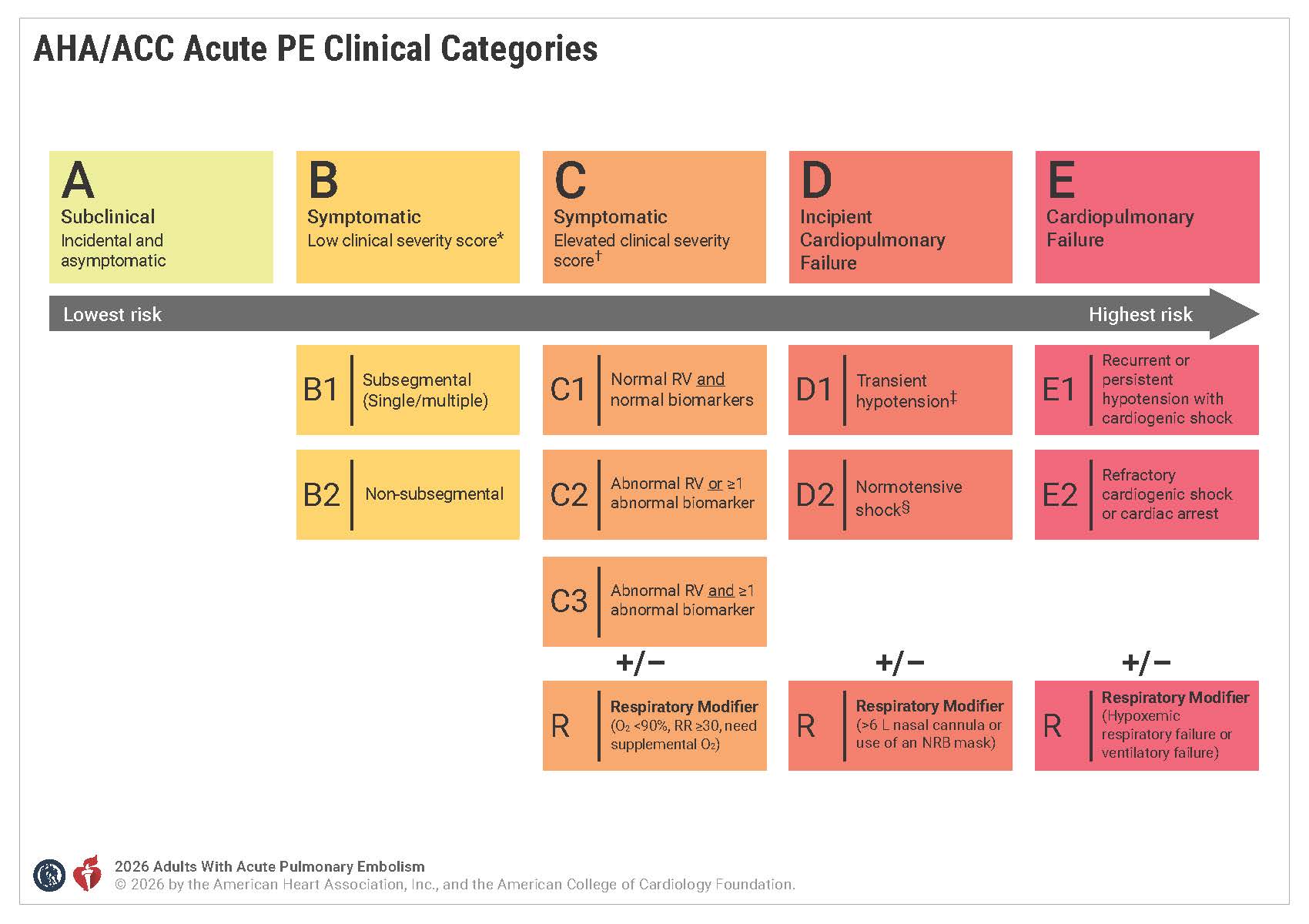
The American Heart Association (AHA) and American College of Cardiology (ACC) released the first comprehensive update to pulmonary embolism (PE) management guidelines since 2011, introducing a new five-category classification system (A-E scale) that fundamentally reshapes treatment protocols across U.S. healthcare systems. This development carries substantial implications for the medical device supply chain and B2B e-commerce ecosystem serving hospitals, clinics, and healthcare providers.
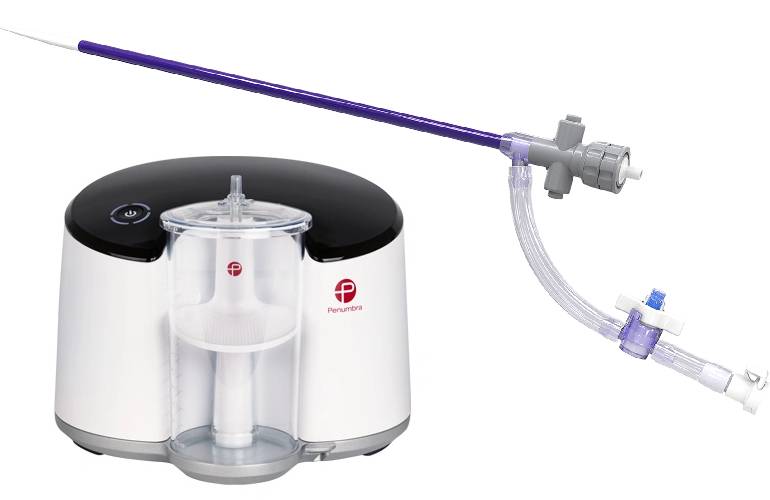
Market Expansion & Device Manufacturer Impact: The updated guidelines assign Class 2a evidence (reasonable to use) for mechanical thrombectomy (MT) in Category E1 (highest-risk) patients and Class 2b (may be considered) for Category D1-2 patients. This represents a significant elevation from prior guidance, directly benefiting Boston Scientific (which announced acquisition of Penumbra, a leading MT developer) and Stryker (which acquired Inari Medical). BTIG analysts maintain Buy ratings for both companies, reflecting confidence in expanded market adoption. The guidelines estimate potential market growth through increased MT utilization across Category C-E patients requiring hospitalization and advanced therapies.
Supply Chain & B2B E-Commerce Implications: Healthcare procurement platforms, medical device distributors, and hospital supply chain managers now face increased demand for mechanical thrombectomy systems, catheter-directed thrombolysis (CDT) equipment, anticoagulation medications (low-molecular-weight heparin preferred over unfractionated heparin), and direct oral anticoagulants. The guidelines emphasize PE Response Teams (PERTs) comprising vascular specialists, pharmacists, nurses, and surgeons—creating demand for specialized training materials, team coordination software, and clinical decision-support tools sold through healthcare B2B channels.
Regulatory & Standardization Opportunity: The new A-E classification system standardizes PE evaluation across emergency departments, inpatient settings, and outpatient clinics nationwide. This creates opportunities for healthcare IT vendors, electronic health record (EHR) integration specialists, and clinical workflow software providers to develop PE risk stratification tools. The guidelines identify significant evidence gaps requiring future research, suggesting ongoing clinical trial support services and data management platforms will see sustained demand.
Competitive Landscape: Beyond Boston Scientific and Stryker, competitors including Imperative Care, Inquis Medical, and Jupiter Endovascular are positioned to capture market share. The guideline update validates mechanical thrombectomy as a standard-of-care intervention, reducing reimbursement uncertainty and accelerating adoption cycles—a critical factor for medical device distributors and hospital procurement teams evaluating capital equipment investments.
问题 8
How do the 2026 AHA-ACC PE guidelines affect medical device manufacturers and distributors?
The updated guidelines elevate mechanical thrombectomy to Class 2a evidence for highest-risk (Category E1) patients and Class 2b for Category D1-2 patients, representing the first comprehensive update since 2011. This classification upgrade reduces reimbursement uncertainty and accelerates adoption cycles for MT systems, directly benefiting Boston Scientific (Penumbra acquisition) and Stryker (Inari Medical acquisition). Medical device distributors should expect increased procurement requests from hospitals implementing PE Response Teams (PERTs) and upgrading interventional radiology capabilities. The standardized A-E classification system creates opportunities for healthcare IT vendors to develop risk stratification tools integrated into EHR systems.
What supply chain opportunities emerge from the new PE treatment protocols?
The guidelines recommend specific medications (low-molecular-weight heparin over unfractionated heparin, direct oral anticoagulants over vitamin K antagonists) and advanced therapies (mechanical thrombectomy, catheter-directed thrombolysis, surgical embolectomy), creating sustained demand for pharmaceutical distributors, medical device suppliers, and specialty equipment vendors. Healthcare procurement platforms should anticipate increased capital equipment requests for interventional radiology suites and catheterization labs. The emphasis on multidisciplinary PE Response Teams (vascular specialists, pharmacists, nurses, surgeons) generates demand for clinical training materials, team coordination software, and decision-support tools sold through B2B healthcare channels.