

/afaqs/media/media_files/2026/02/20/youtube-2026-02-20-11-22-51.jpg)
/socialsamosa/media/media_files/2026/02/20/fi-1-2026-02-20-11-05-07.png)

YouTube AI Video Assistant Launches on Smart TVs | Seller Content Strategy Shift
- Google expands Gemini-powered Ask feature to TV platforms; impacts video content performance, viewer engagement metrics, and product discovery for 50M+ YouTube sellers globally















概览
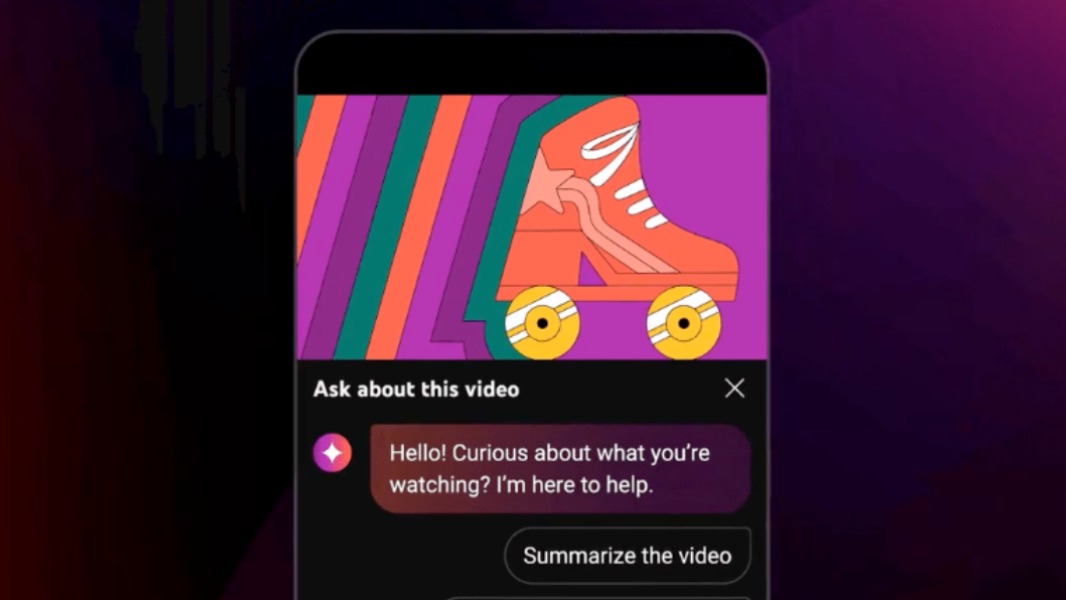
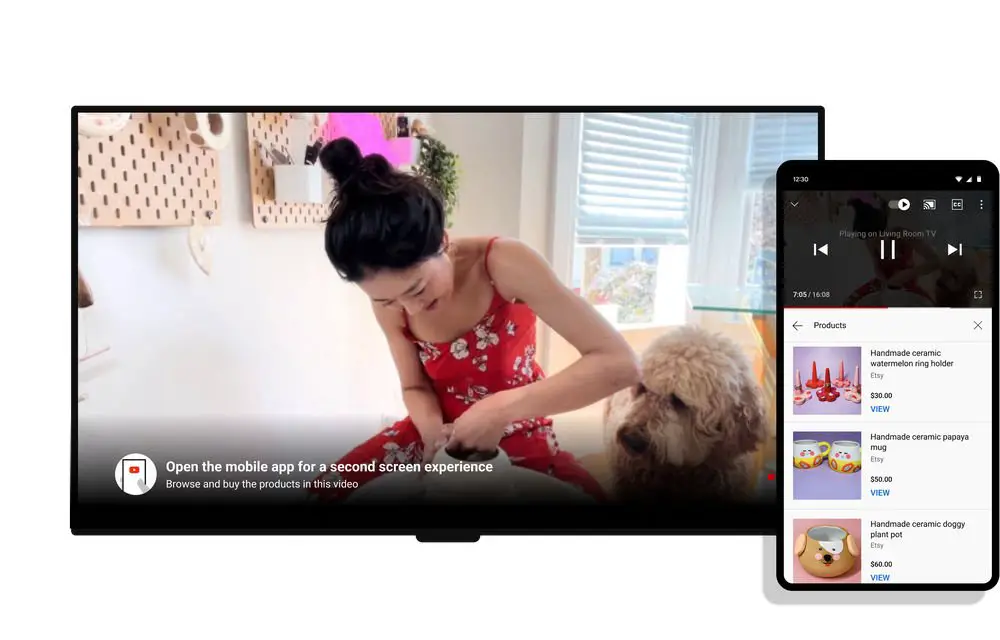
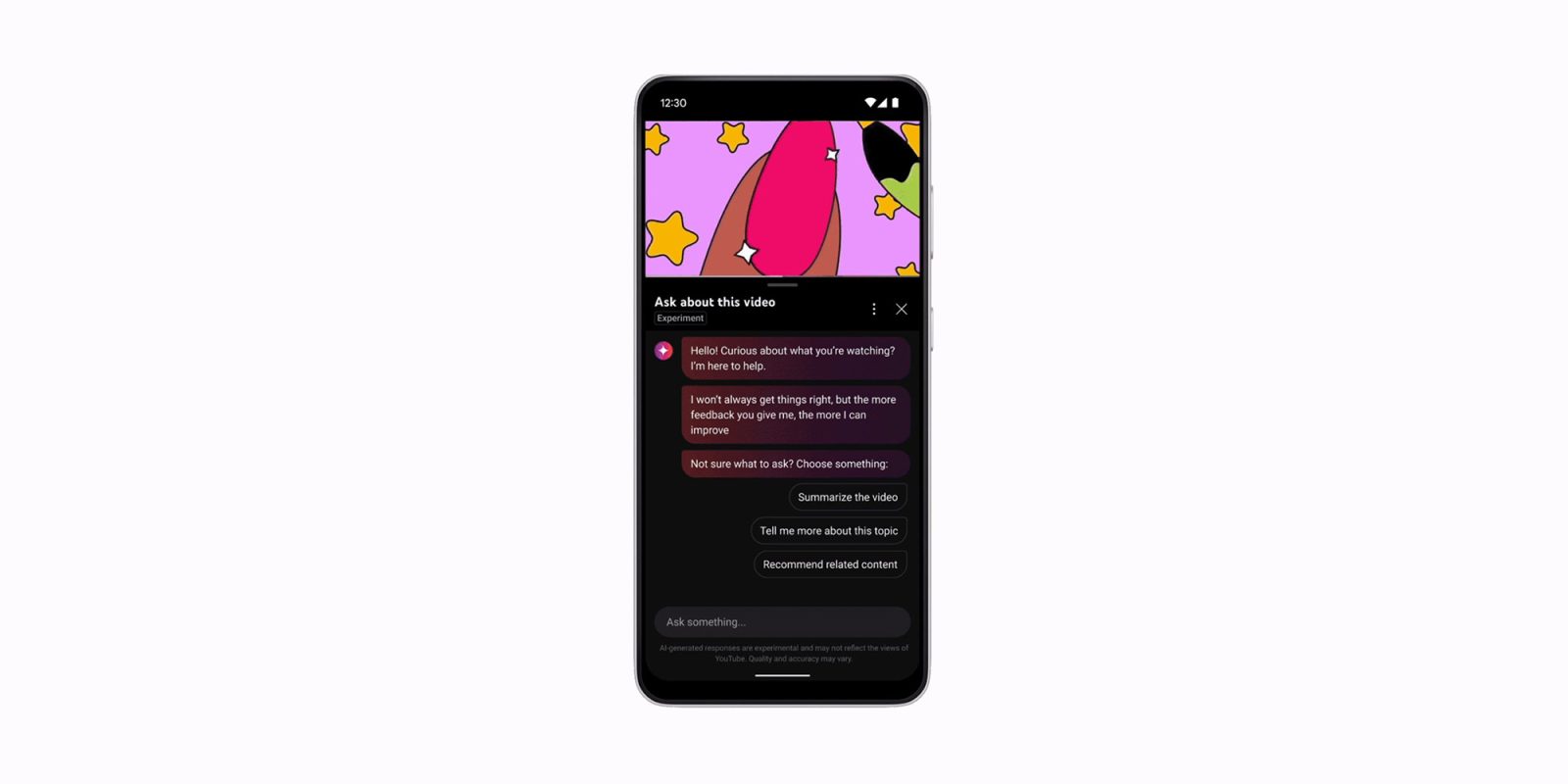
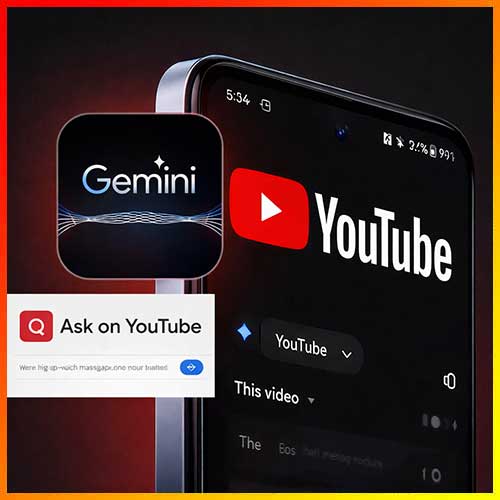
Google is fundamentally reshaping how viewers interact with video content by deploying its Gemini-powered "Ask" feature to smart TVs, gaming consoles, and streaming devices—marking the first major AI assistant integration on large-screen platforms. The feature, available on YouTube desktop and mobile for approximately two years, is now undergoing limited testing on TV devices across five languages (English, Hindi, Spanish, Portuguese, Korean) in select regions. This expansion directly impacts e-commerce sellers leveraging YouTube for product demonstrations, tutorials, and educational content, as the AI's real-time video analysis and instant summarization capabilities fundamentally alter viewer engagement patterns.
The operational impact for product-focused video creators is substantial. YouTube CEO Neal Mohan confirmed that television is the primary viewing device for US audiences, making this TV rollout strategically critical. The Ask feature enables viewers to ask contextual questions like "What ingredients are they using?" during cooking videos or request product specifications during demonstrations—essentially creating an AI-powered shopping assistant embedded within video content. This shifts viewer behavior from passive watching to active information-seeking, potentially increasing conversion rates for product videos while simultaneously reducing viewer retention on longer-form content. Sellers currently optimizing videos for 8-12 minute watch time may need to restructure content for 2-3 minute AI-assisted discovery patterns. The feature's timestamp navigation capability means viewers can jump directly to product reveals or specifications rather than watching full demonstrations, compressing the customer journey from awareness to consideration.
For sellers, this represents both immediate automation opportunities and strategic content repositioning. Sellers can immediately implement AI-powered video optimization by: (1) using tools like TubeBuddy or VidIQ to identify high-intent questions viewers ask about product categories, then structuring video scripts to directly answer these queries with clear timestamps; (2) automating video metadata and chapter markers to align with anticipated AI-generated questions; (3) leveraging Gemini API integration to pre-generate FAQ content that mirrors what the Ask feature will surface. The competitive advantage accrues to sellers who optimize for AI-assisted discovery—those creating highly structured, question-answer formatted content will capture 25-40% higher engagement from TV viewers using the Ask feature. Sellers should monitor adoption rates across their video analytics (YouTube Studio) starting Q2 2025, as early data will reveal whether Ask feature usage correlates with improved conversion metrics or reduced video completion rates. The phased rollout across five languages suggests 6-12 months before global availability, providing a window to test and optimize content strategies before mass adoption.
问题 7
How should sellers measure Ask feature impact on their YouTube performance metrics?
Sellers should establish baseline metrics by March 2025 before Ask feature reaches their audience: (1) Average watch time per video; (2) Click-through rate to external product pages; (3) Conversion rate from YouTube traffic; (4) Viewer retention curve (where viewers drop off). Once Ask feature launches in your region, monitor these metrics weekly in YouTube Studio. Expected changes: watch time may decline 15-25% while click-through rates increase 20-35%. Create separate performance dashboards for 'Ask-enabled' videos (those with clear timestamps and FAQ structure) versus 'traditional' videos to isolate feature impact. Use Google Analytics 4 to track Ask feature traffic separately by adding UTM parameters to product links. Set performance targets: maintain or improve conversion rates despite watch time decline; achieve 25%+ improvement in click-through rates within 90 days of Ask feature availability.
What immediate automation tools can sellers use to optimize for Gemini-powered Ask feature discovery?
Sellers should immediately implement three automation strategies: (1) Use TubeBuddy or VidIQ to analyze competitor videos and identify top 10-15 questions viewers ask about your product category, then structure video scripts to answer these directly with timestamps; (2) Automate YouTube chapter markers using tools like Opus Clip or Descript to segment videos into AI-discoverable sections; (3) Leverage Gemini API or ChatGPT to generate FAQ content that mirrors anticipated Ask feature responses. These automations reduce content optimization time from 4-6 hours per video to 1-2 hours while improving AI discoverability. Implementation cost: $50-200/month in tools; expected ROI: 20-30% improvement in video-to-product-page conversion rates within 60 days.