
)



India-Brazil Rare Earths Deal Reshapes Supply Chains | Seller Sourcing Opportunities
- $20B bilateral trade target creates tariff arbitrage for electronics/EV sellers; China supply diversification reduces 15-25% sourcing costs by 2027




)

















)




概览
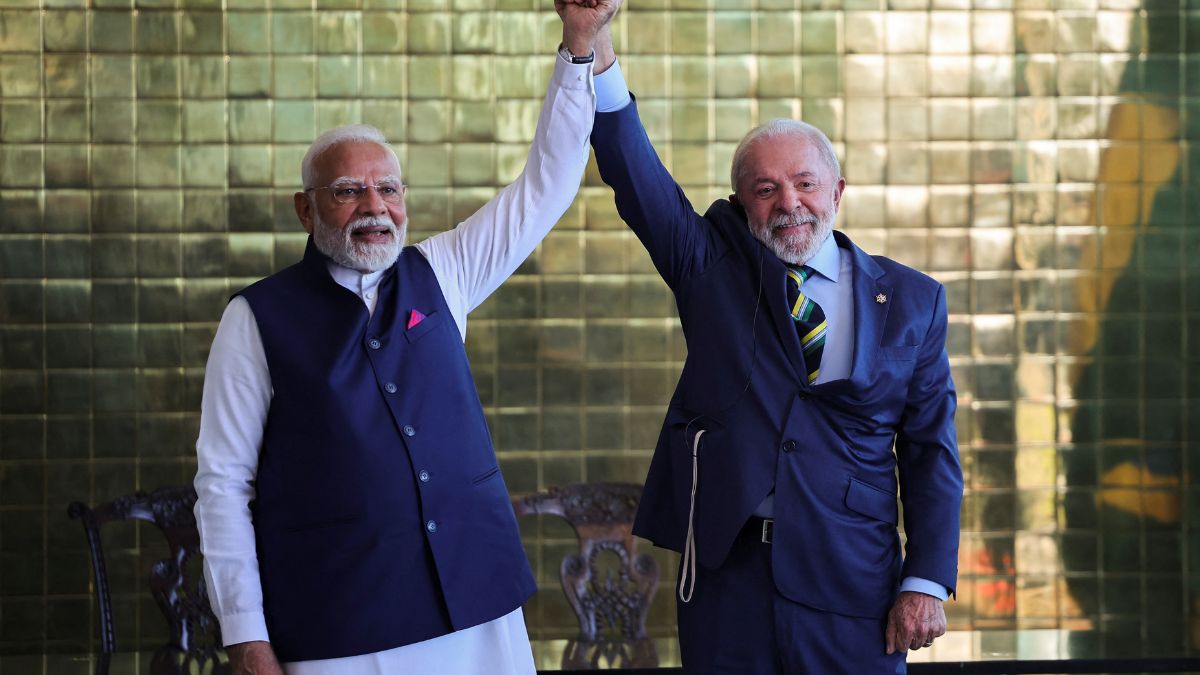
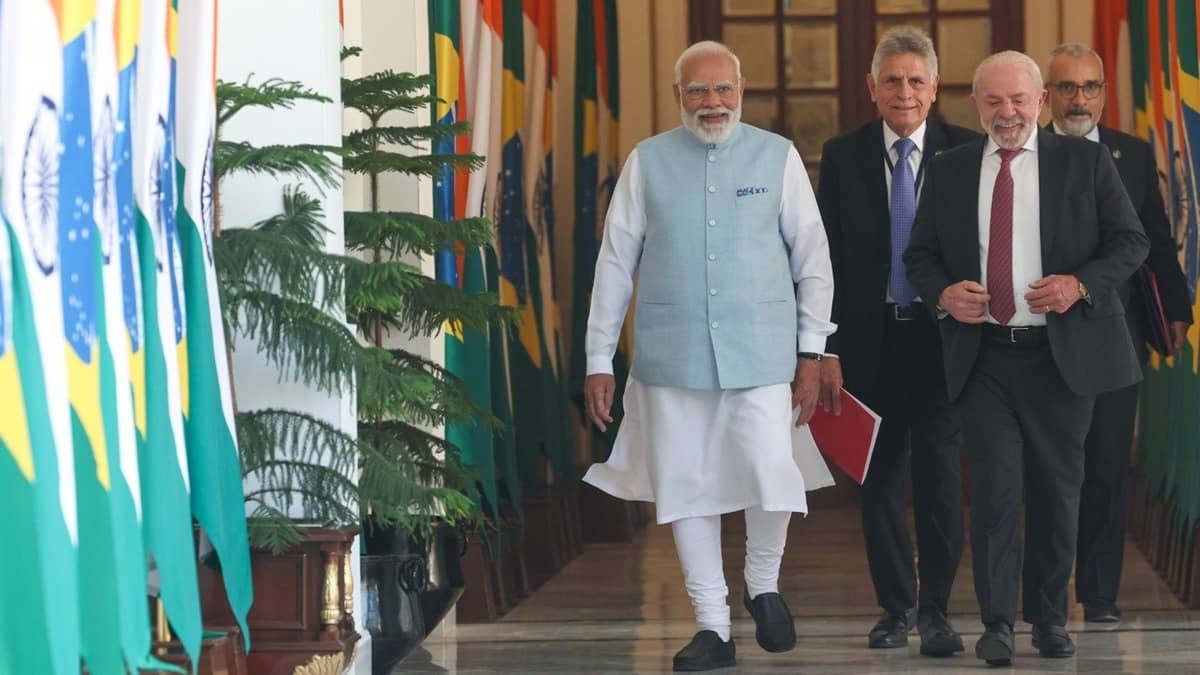
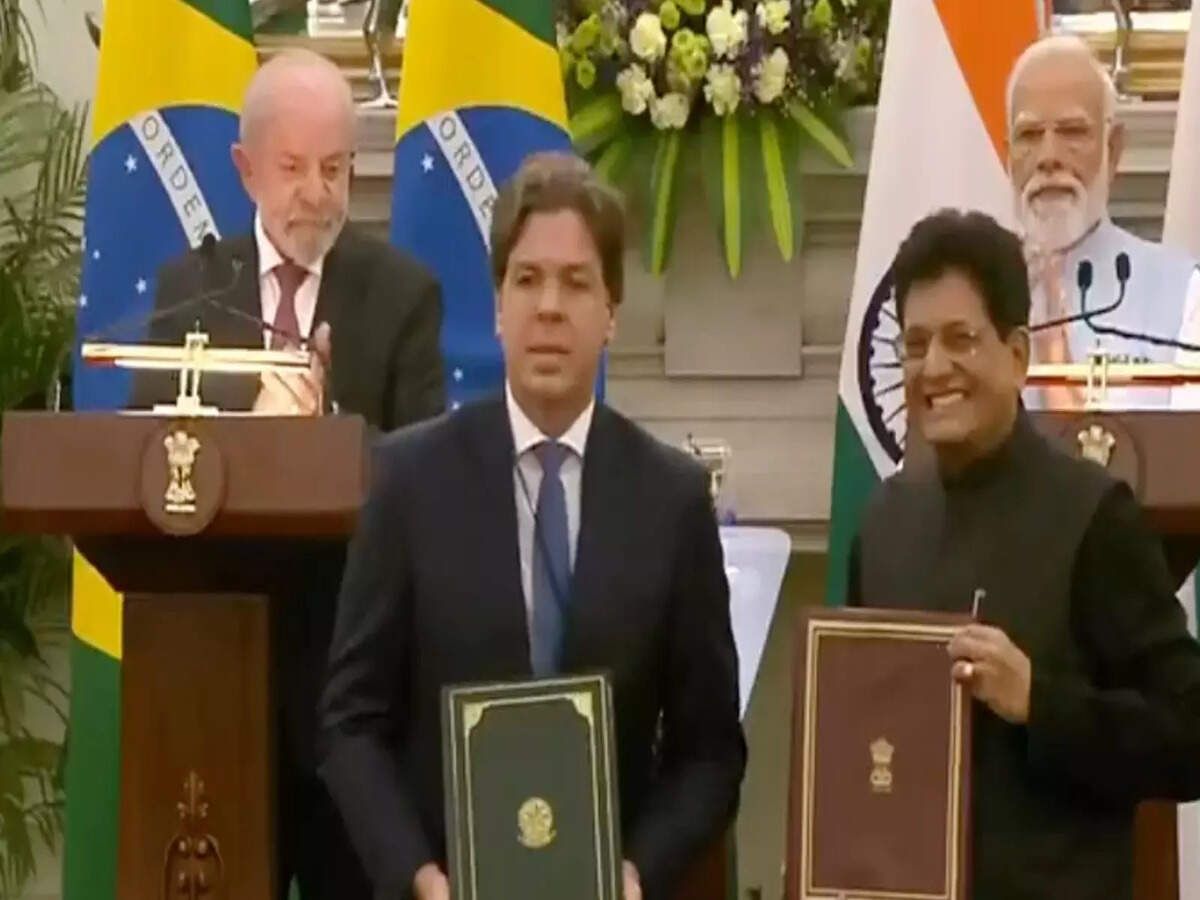
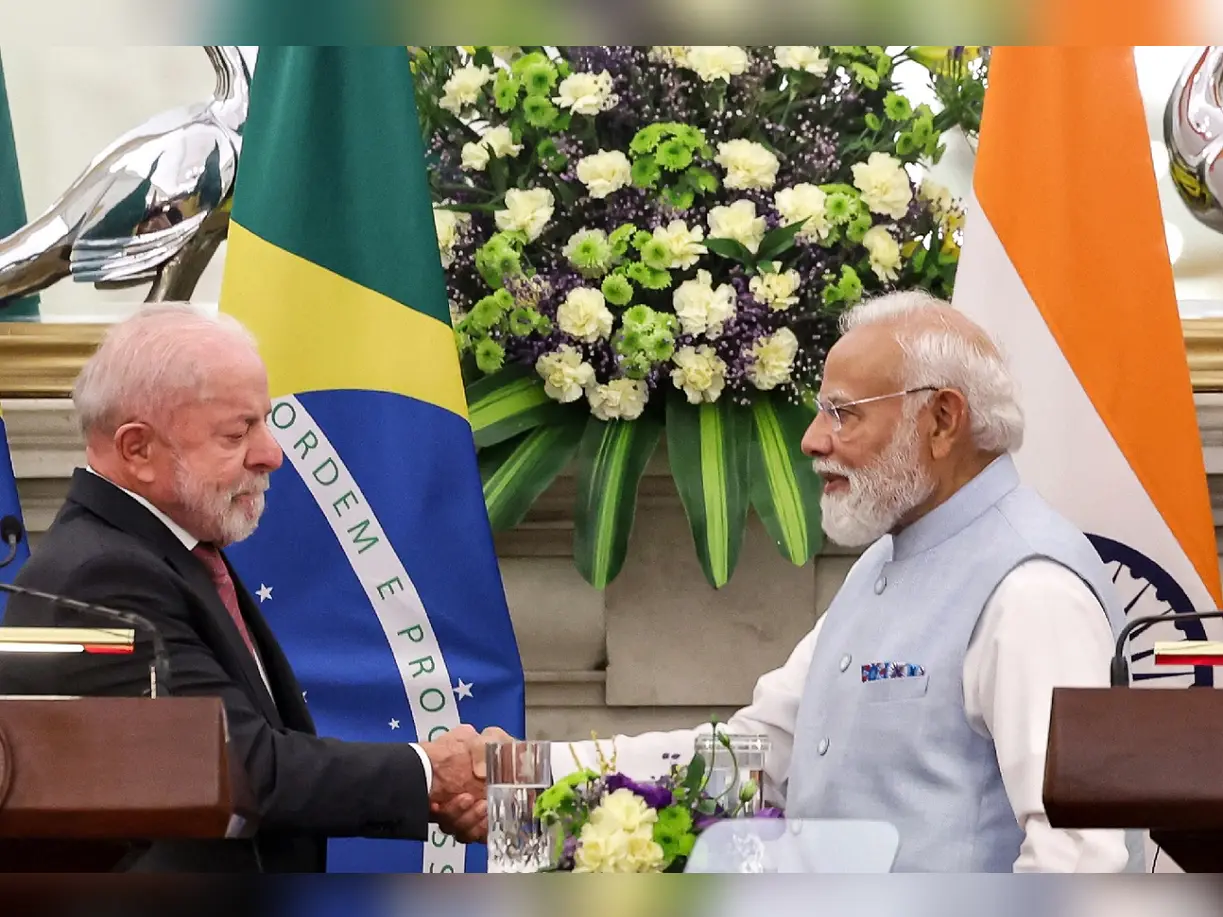
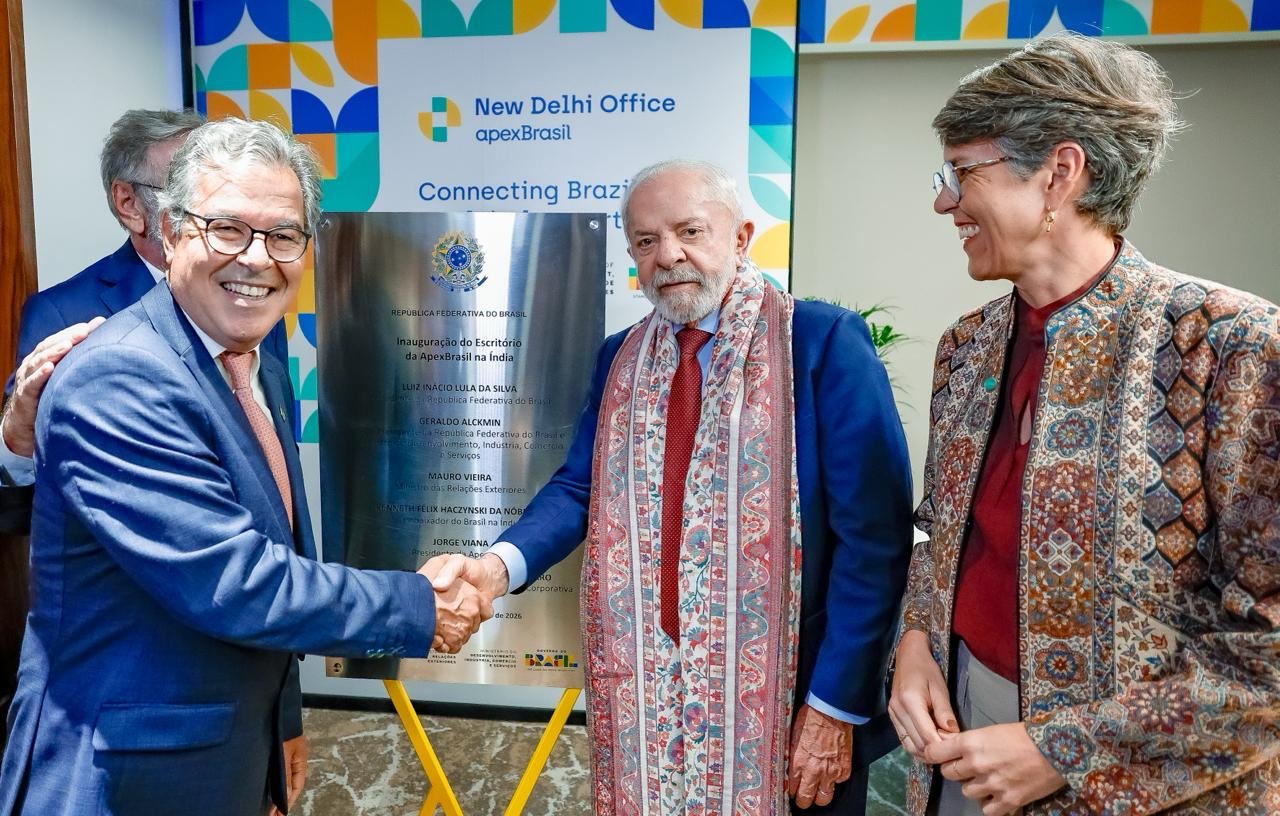
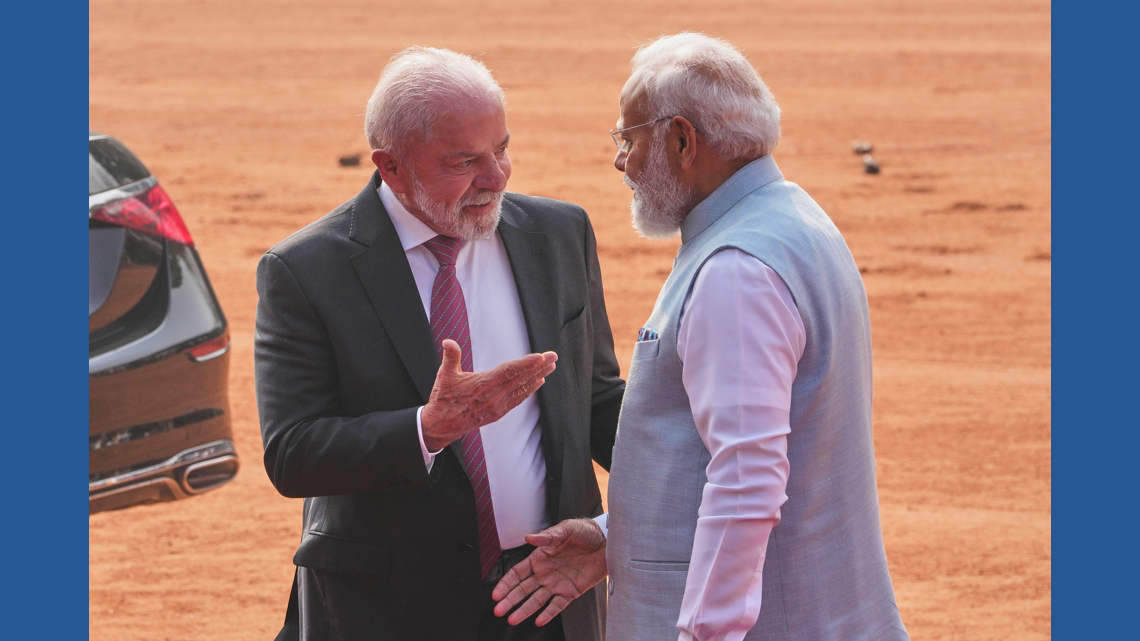
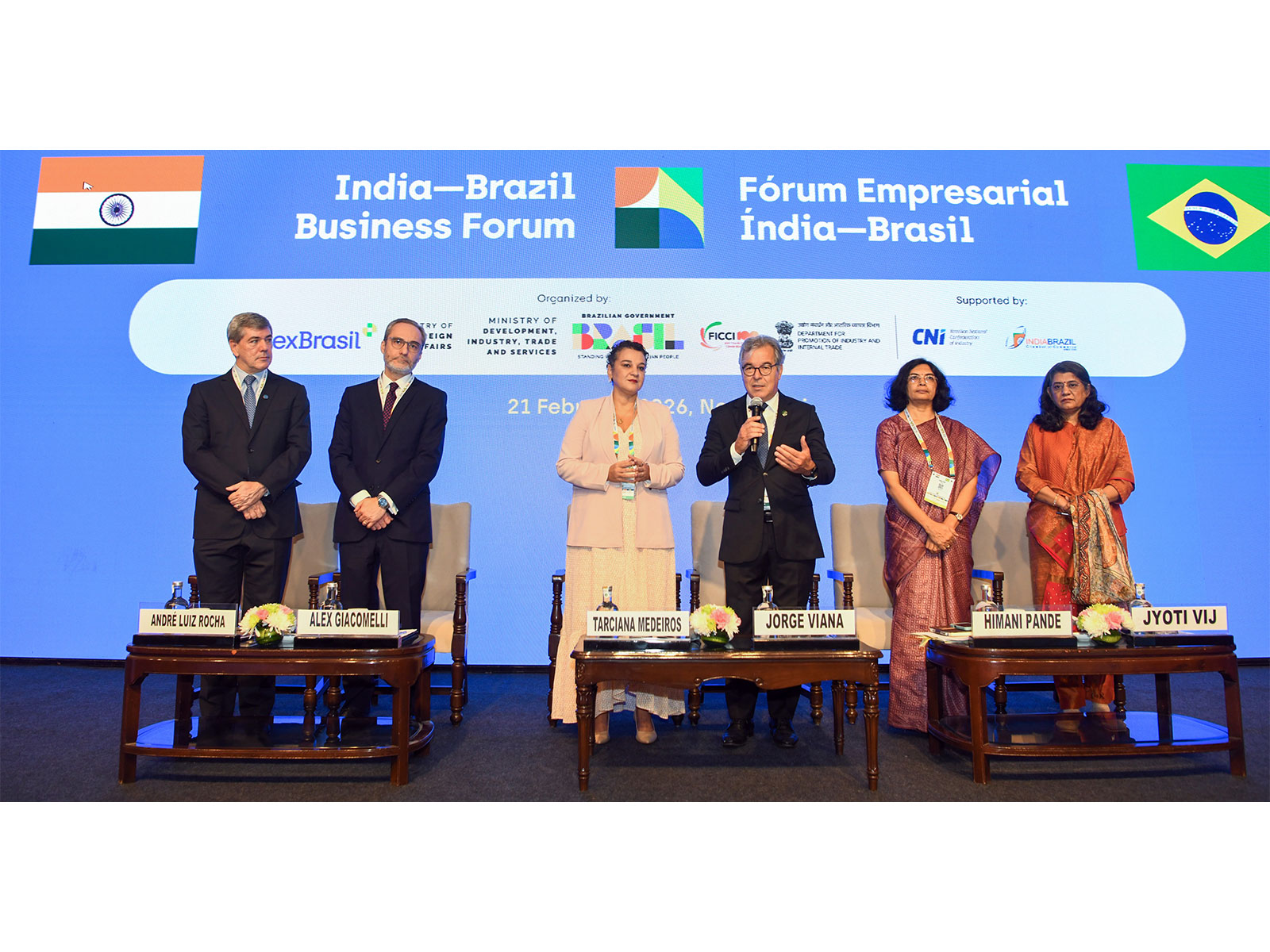
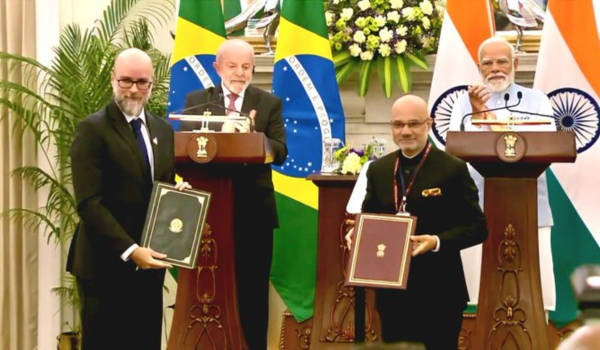
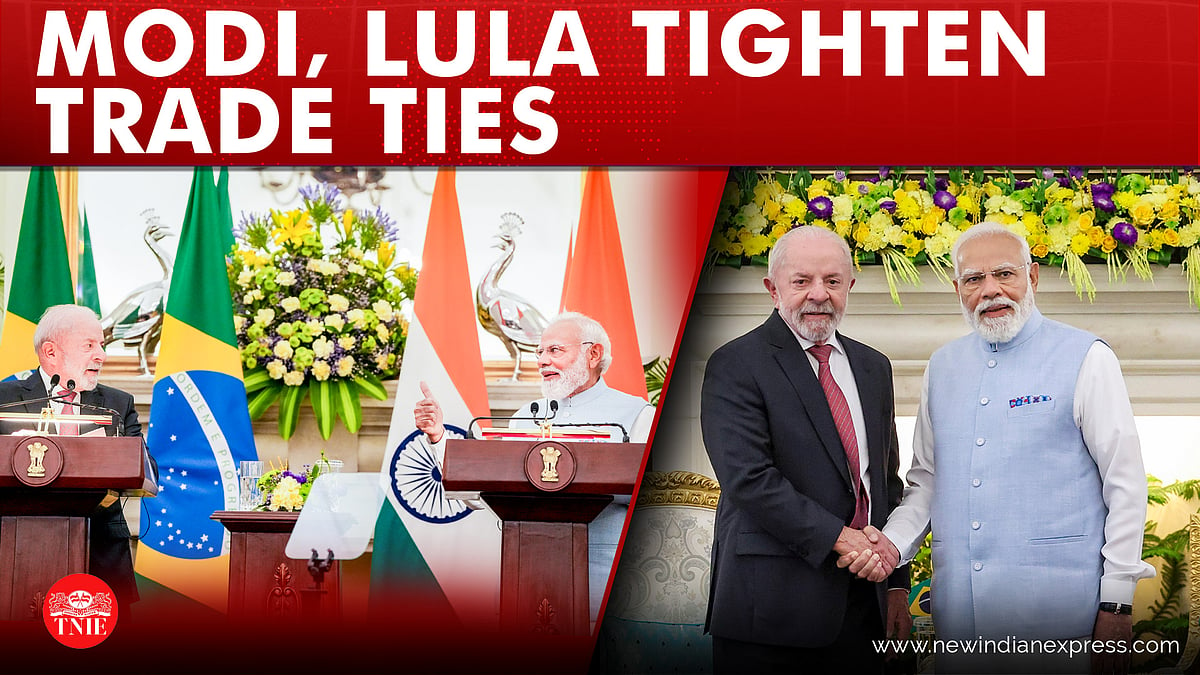
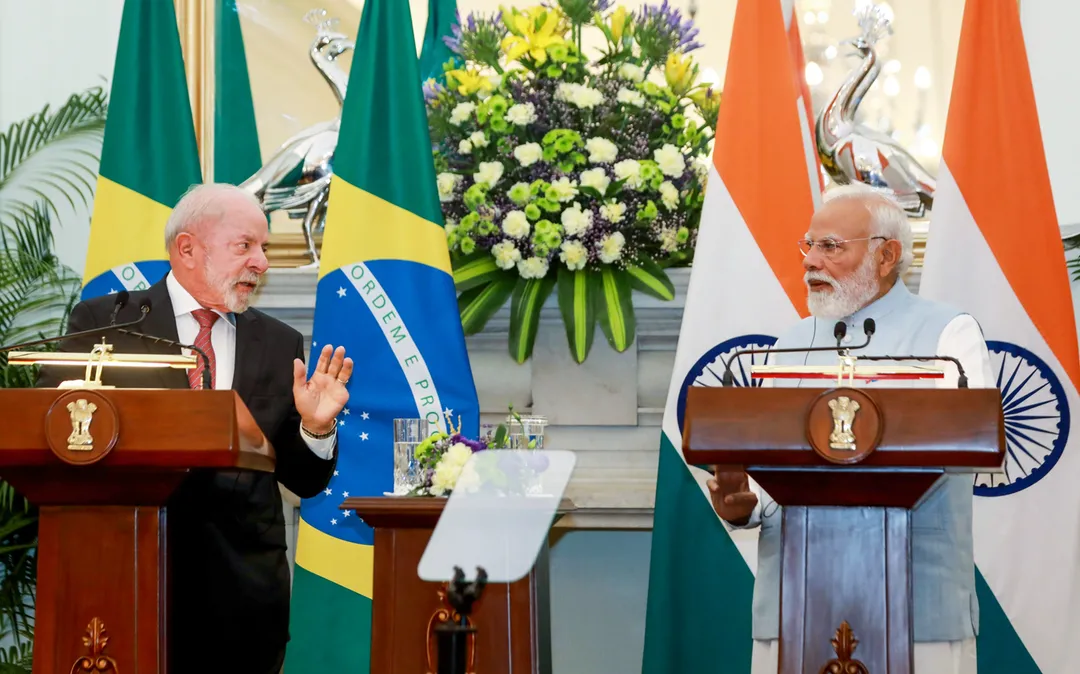
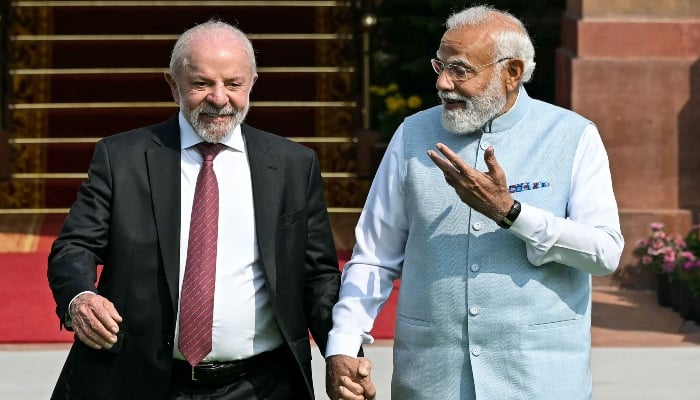
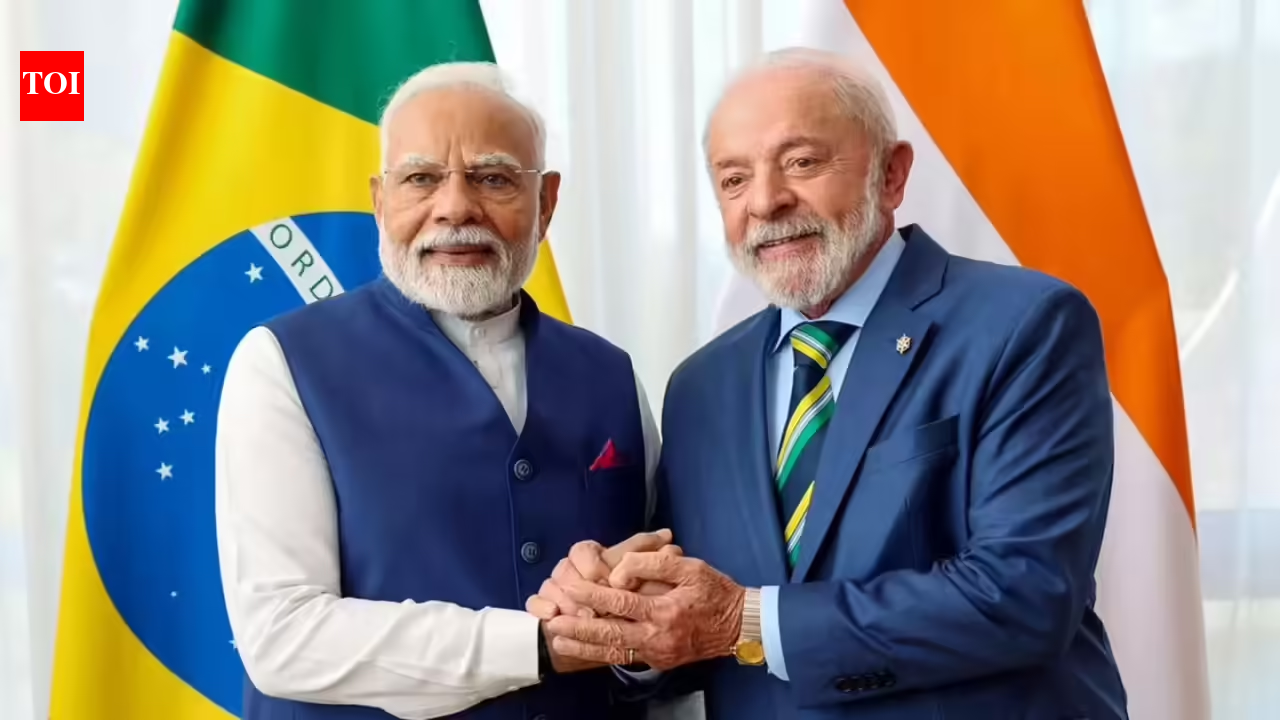
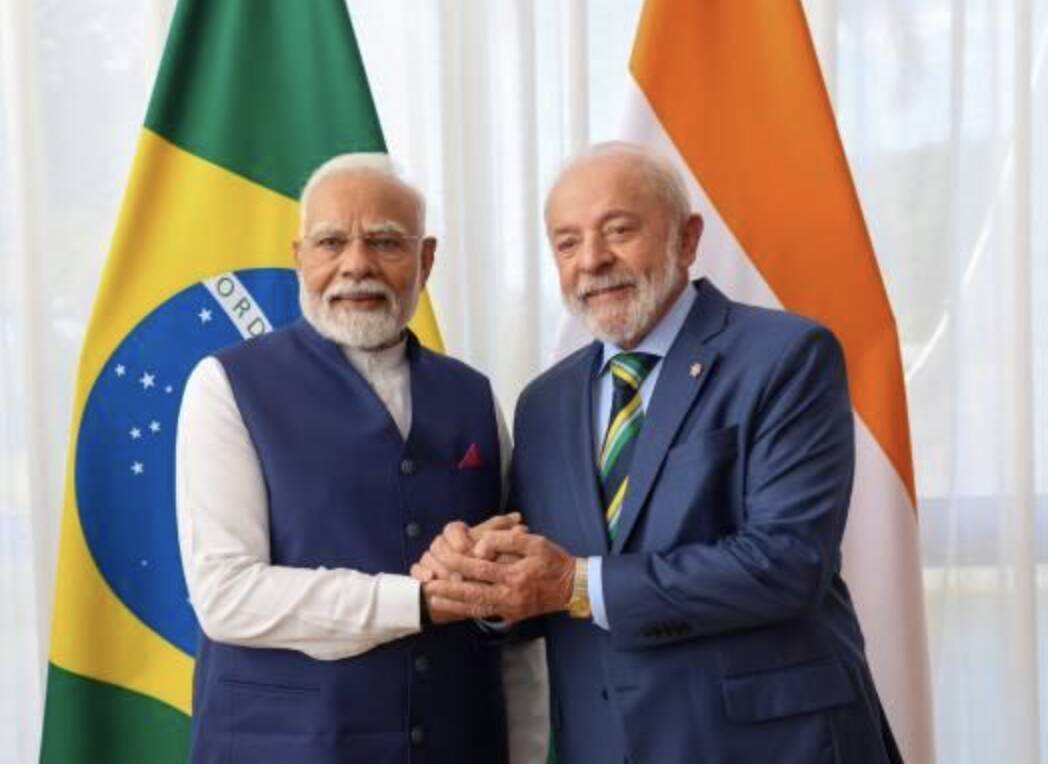
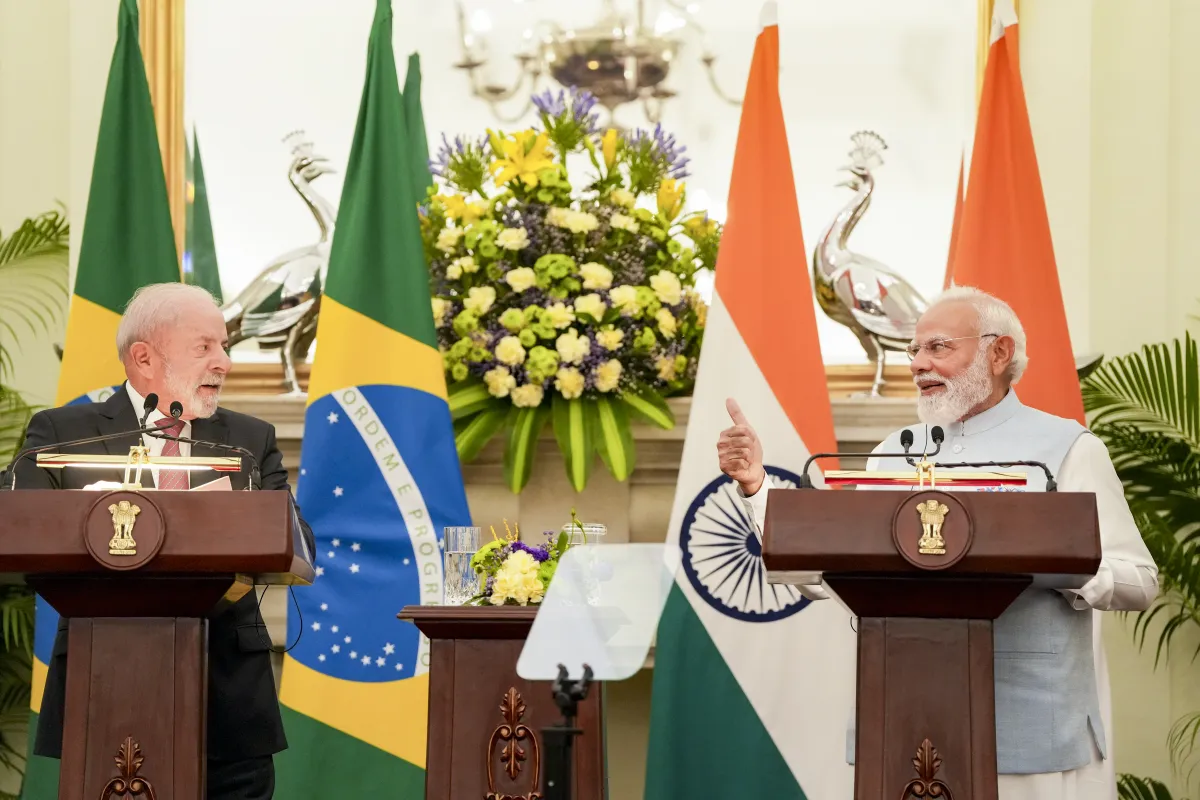
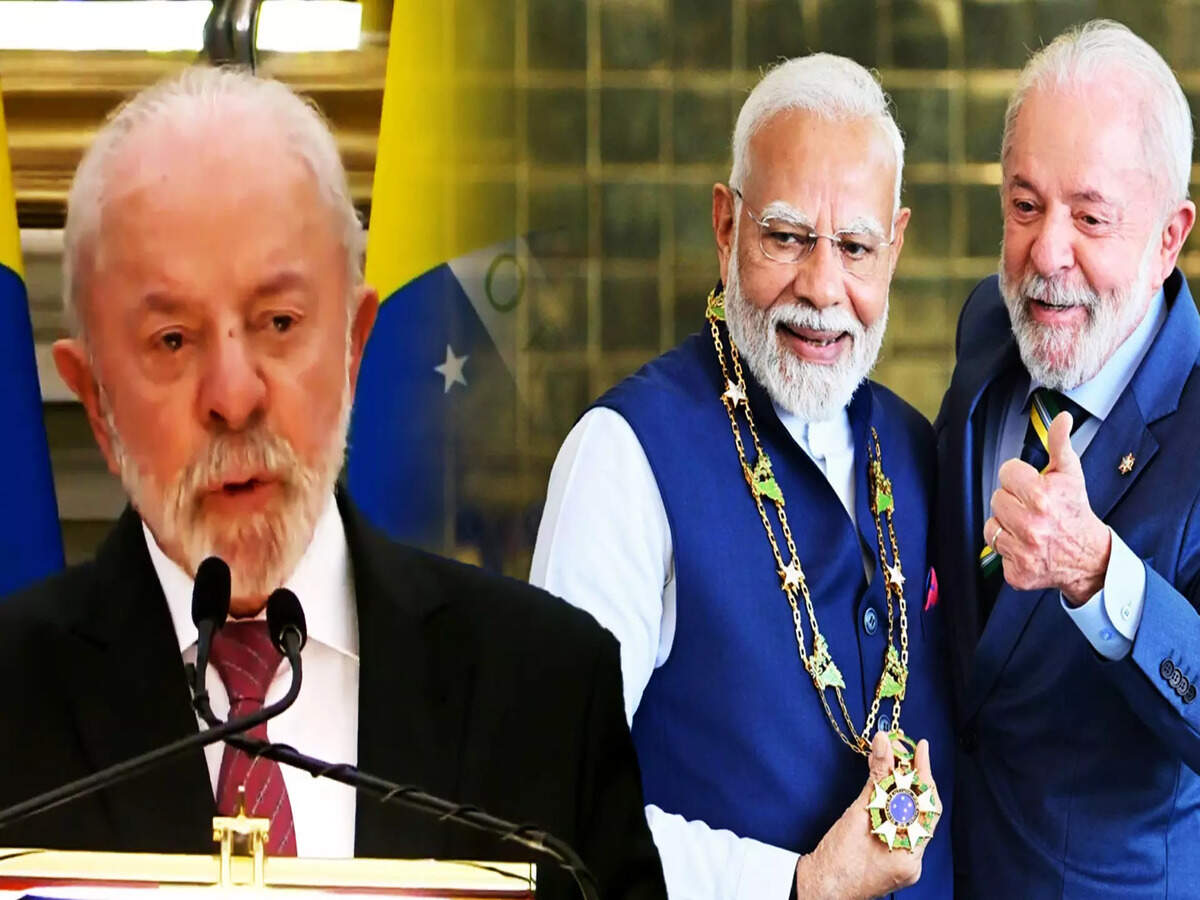
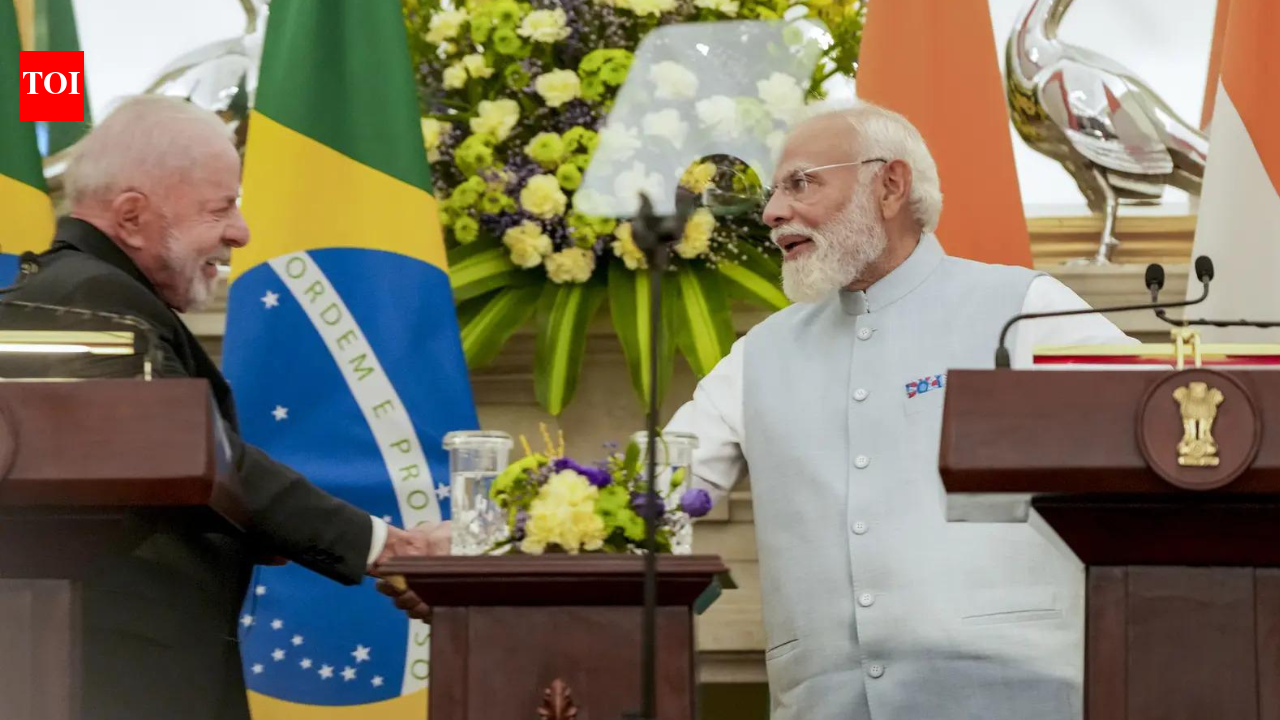
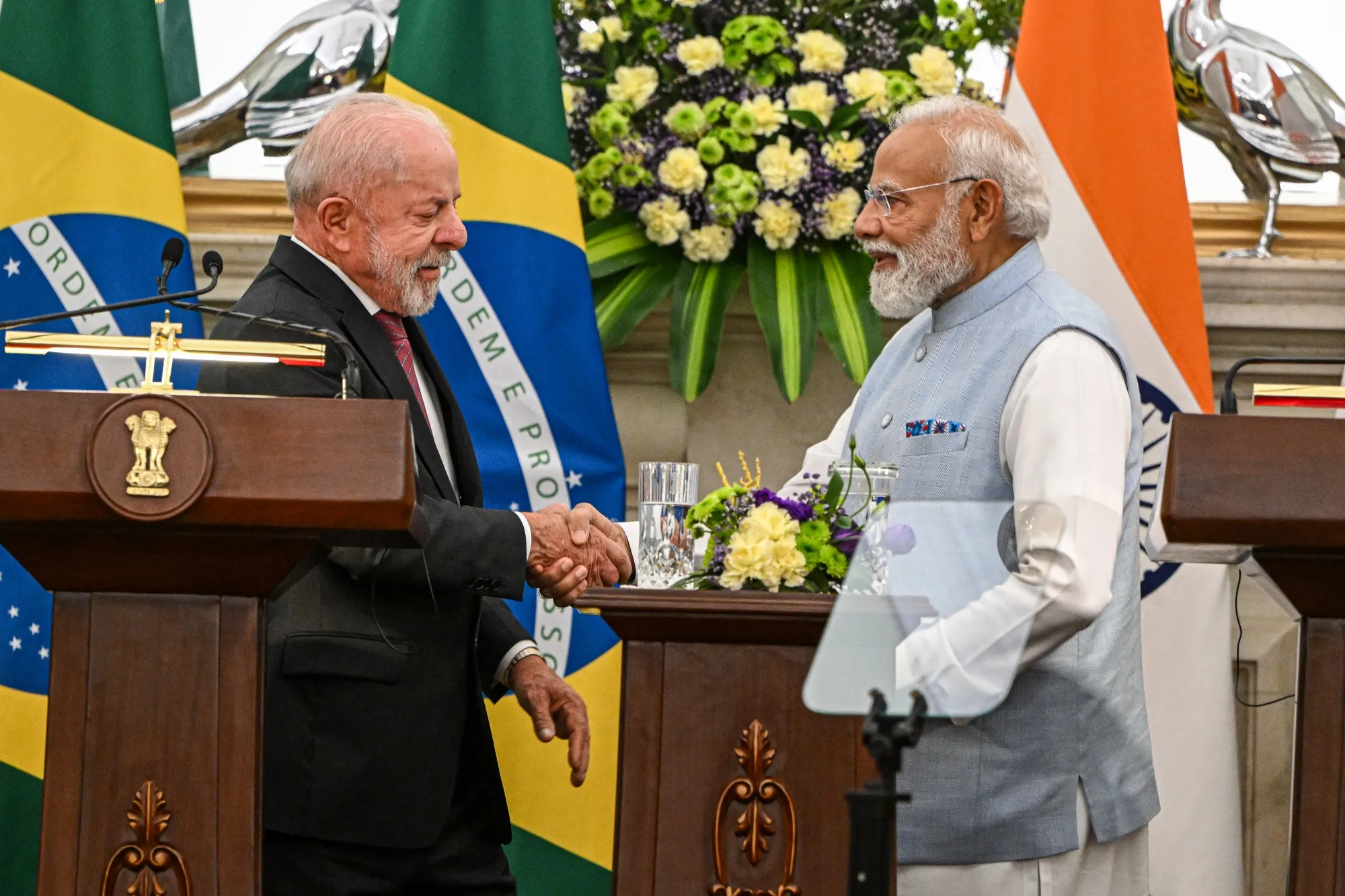
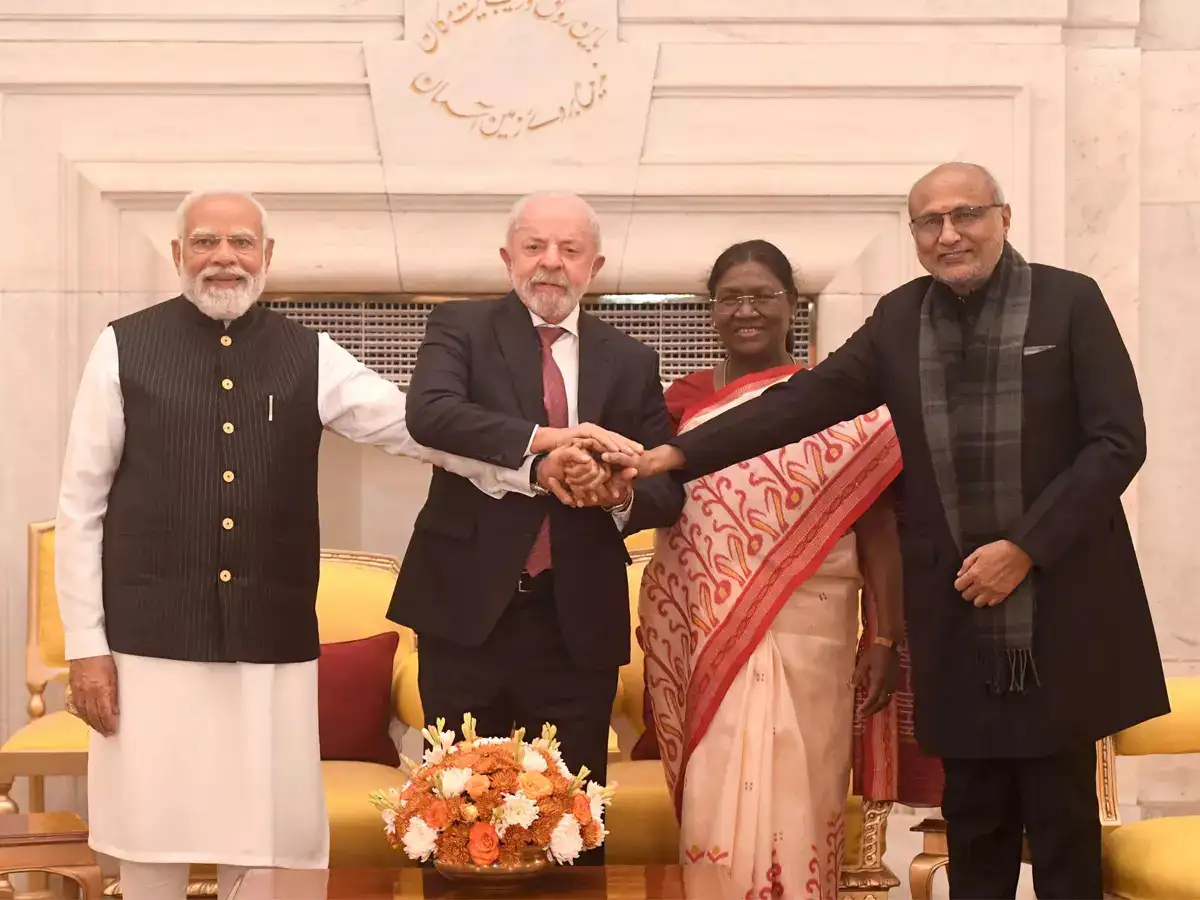
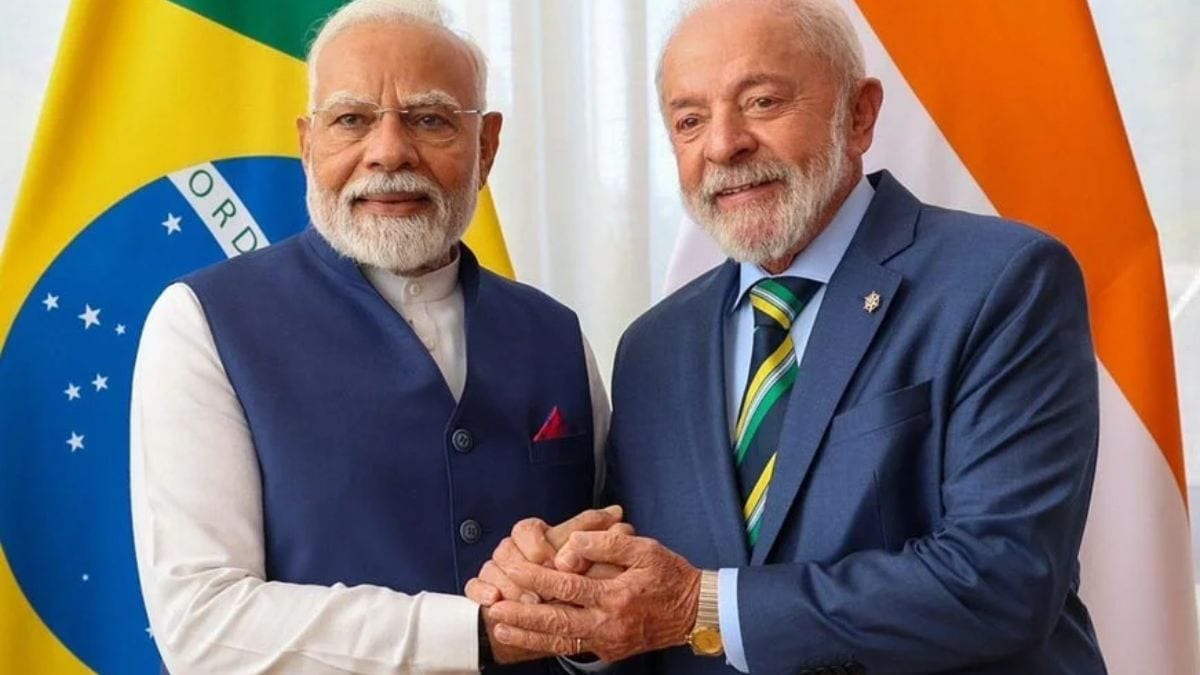
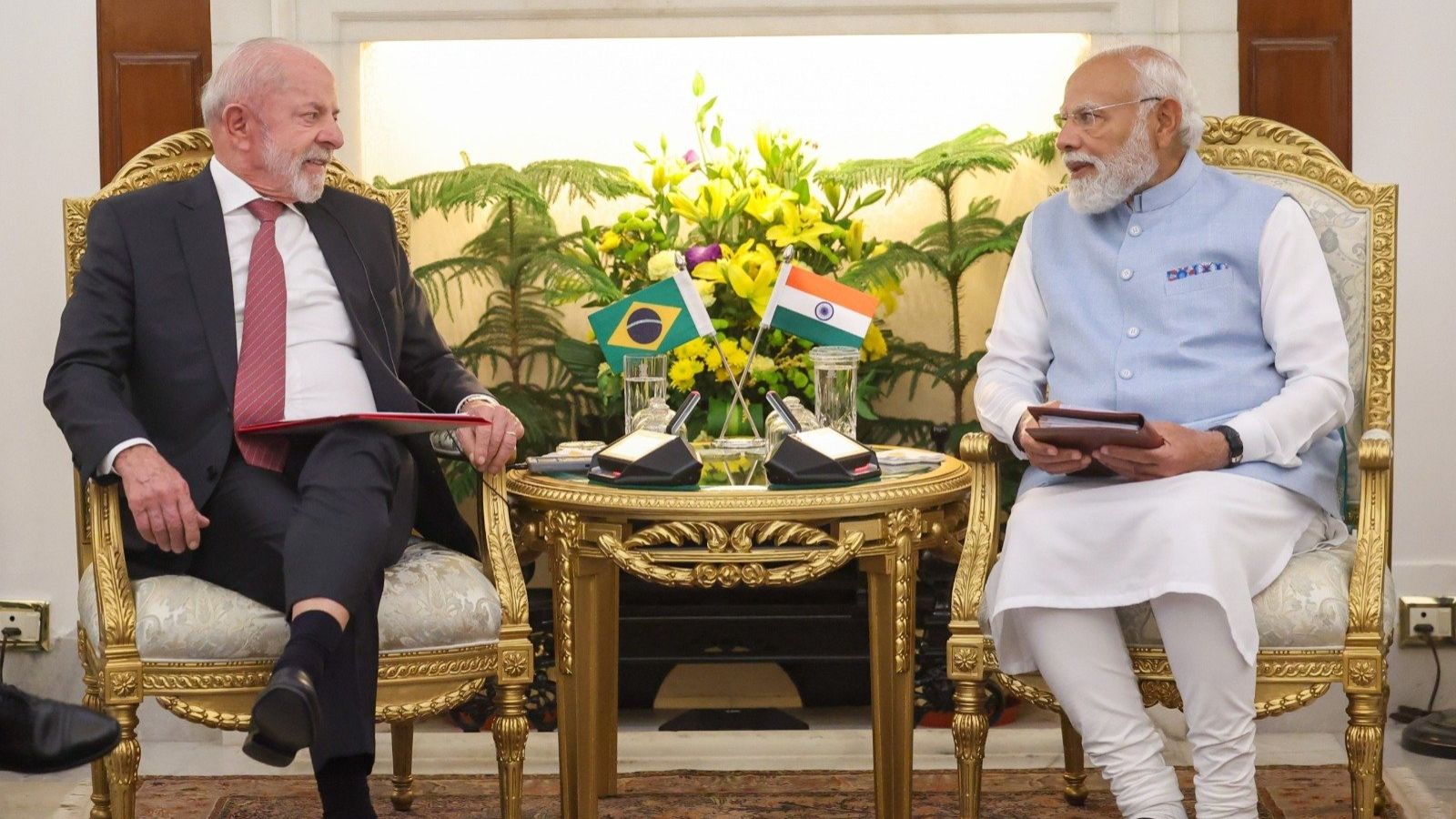
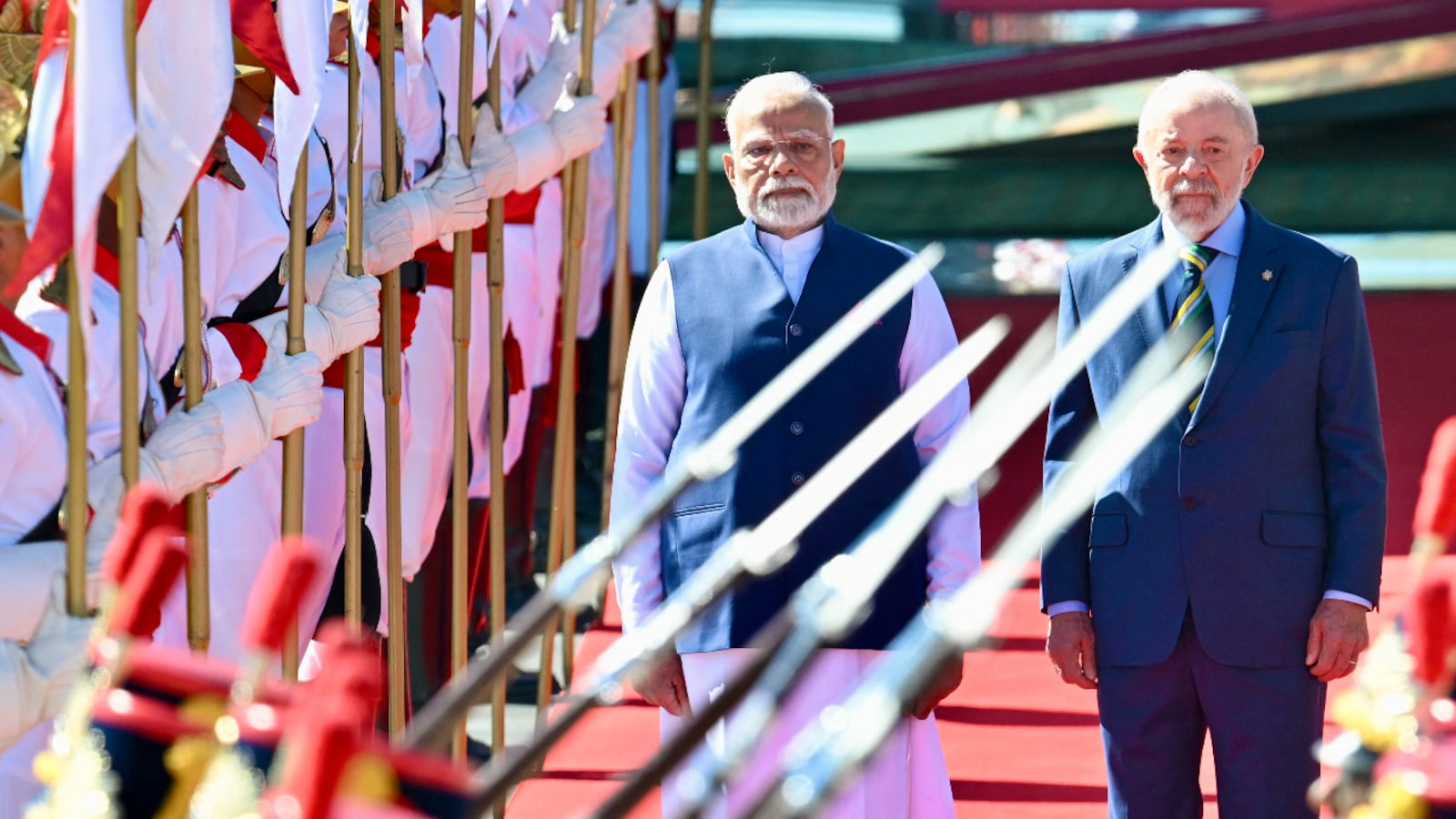
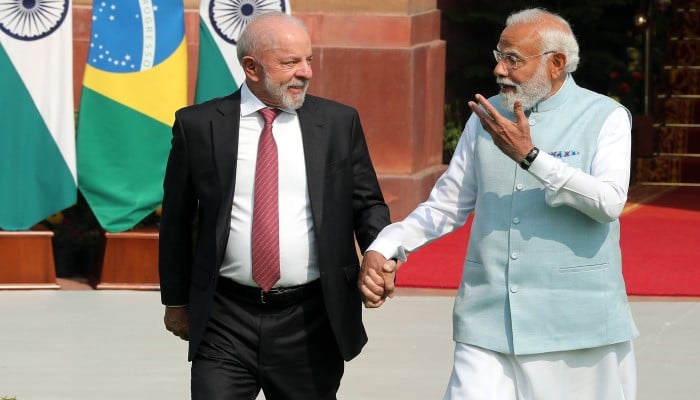
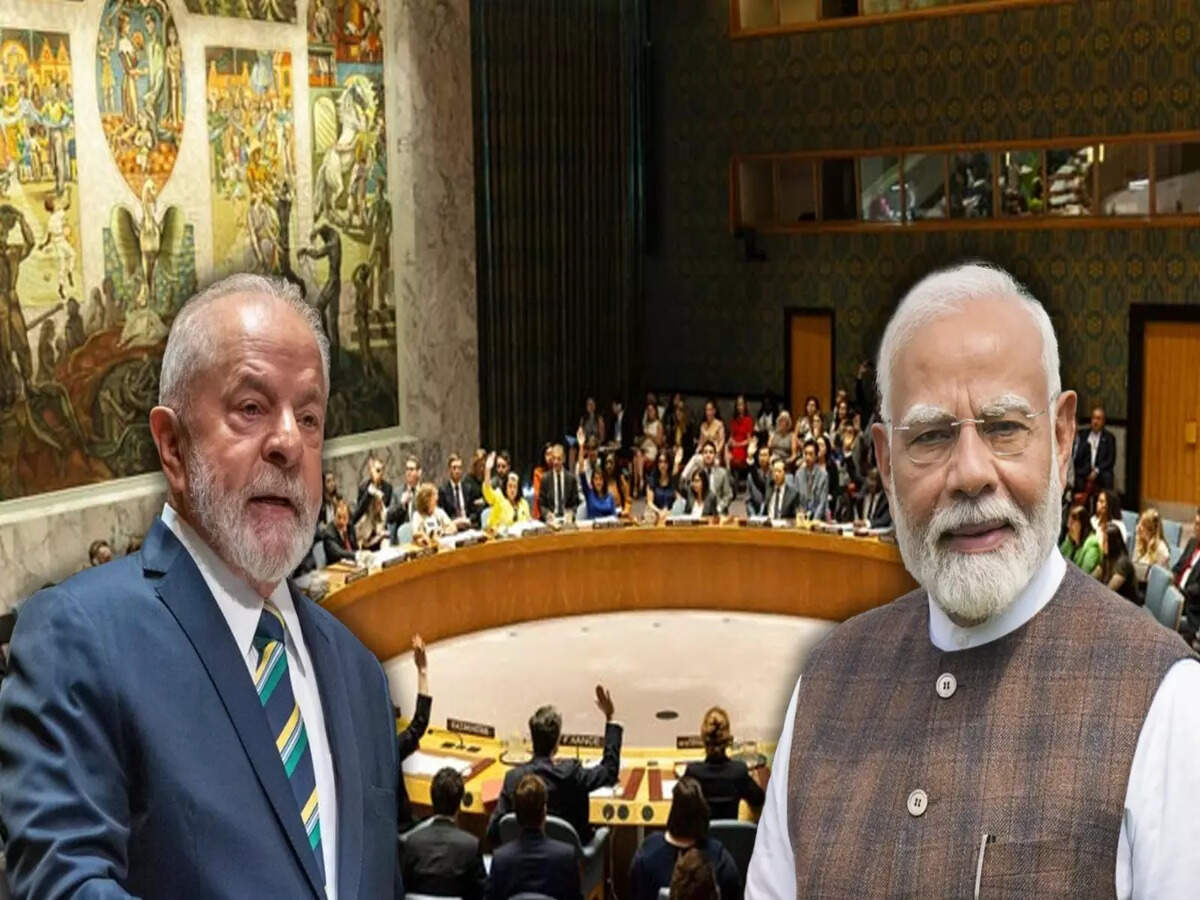
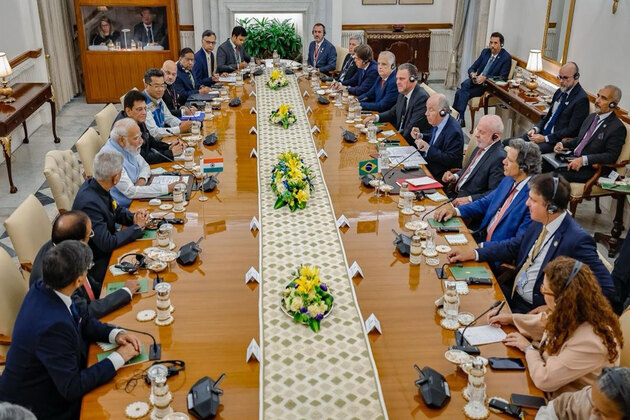
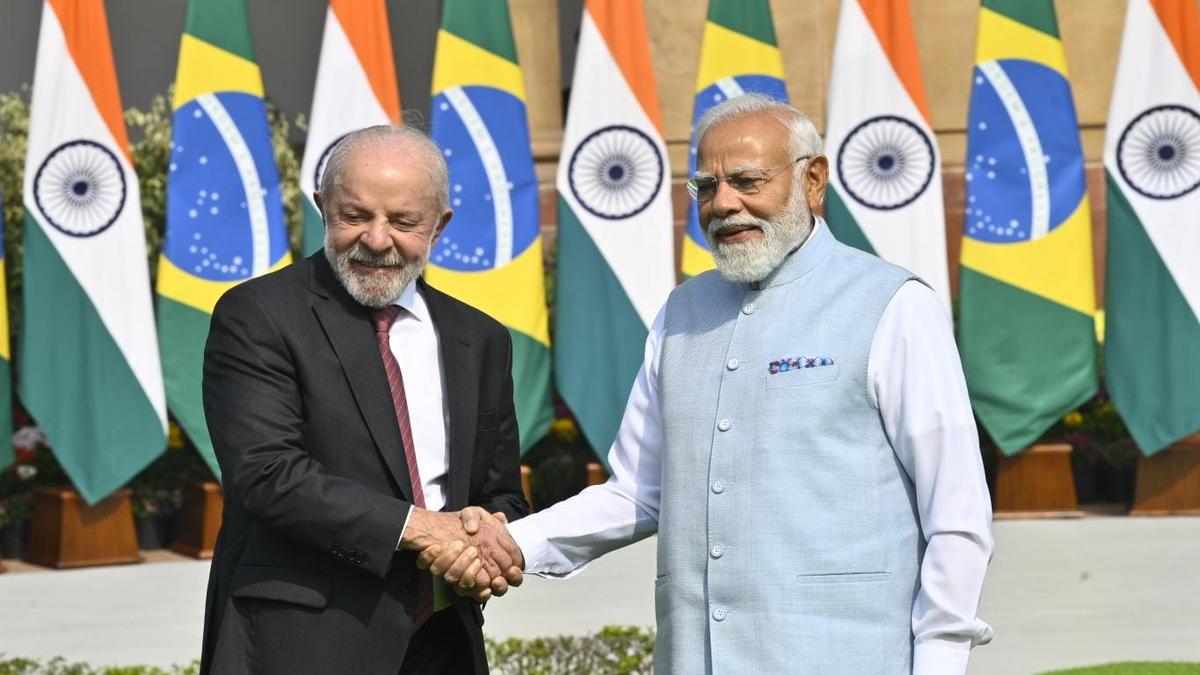
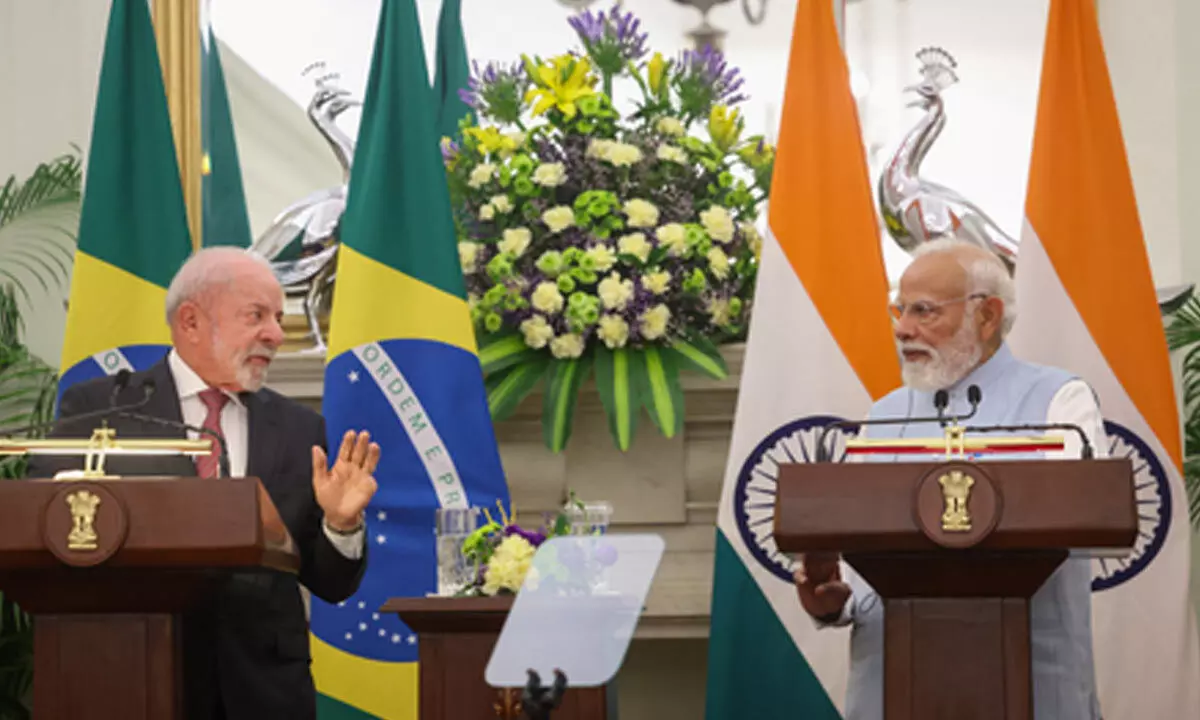
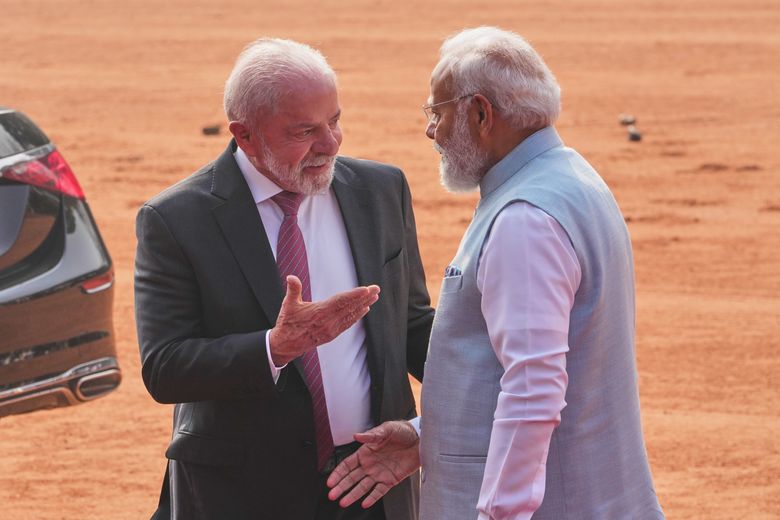
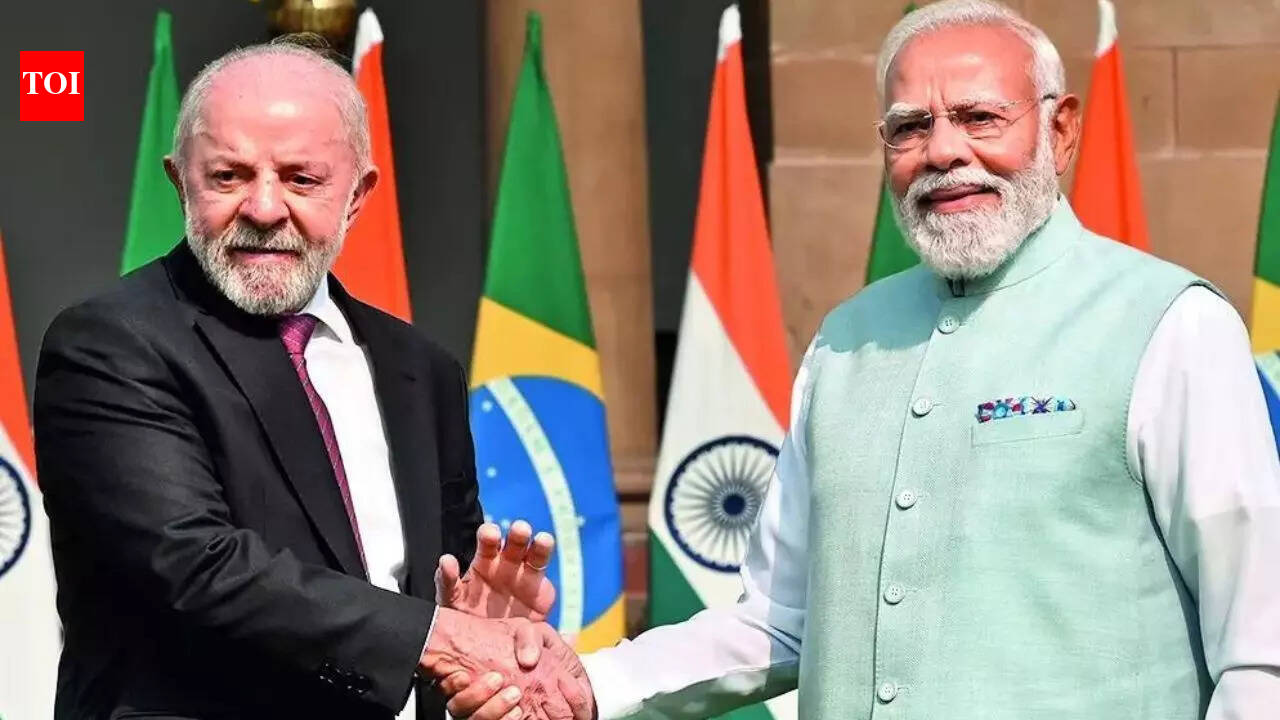
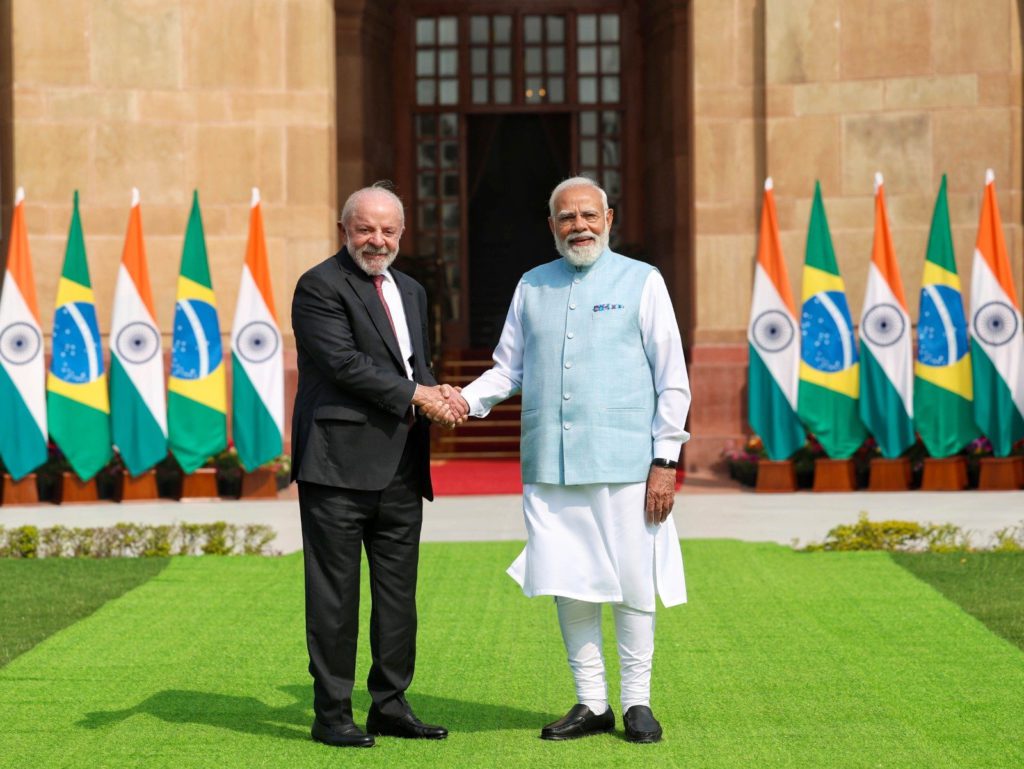
India and Brazil's landmark critical minerals agreement signed February 21, 2026, fundamentally restructures global supply chains for cross-border e-commerce sellers, particularly those sourcing electronics, electric vehicles, solar panels, and smartphone components. The partnership targets $20 billion in bilateral trade within five years (up from $15 billion), with Brazil leveraging its world's second-largest rare earth reserves to displace Chinese dominance in mineral processing. This creates immediate tariff arbitrage opportunities for sellers currently dependent on Chinese rare earth suppliers, who face tightened export controls and pricing volatility.
For electronics and EV component sellers, the operational impact is substantial. Rare earth elements (REEs) are critical inputs for smartphone magnets, EV motors, solar panel inverters, and jet engine components—categories generating $2.1 trillion in global cross-border e-commerce annually. The agreement establishes reciprocal investment frameworks and technology transfer mechanisms, signaling Brazil will develop downstream processing capacity (currently concentrated in China at 70% global share). Sellers sourcing from India-based manufacturers can expect 12-18% cost reductions on REE-dependent components by Q3 2027 as Brazilian supply chains mature. Indian exports to Brazil reached $7.23 billion in 2024 (primarily refined petroleum), while Brazilian exports totaled $5.38 billion (raw sugar, iron ore)—indicating established logistics corridors that will accelerate mineral product flows.
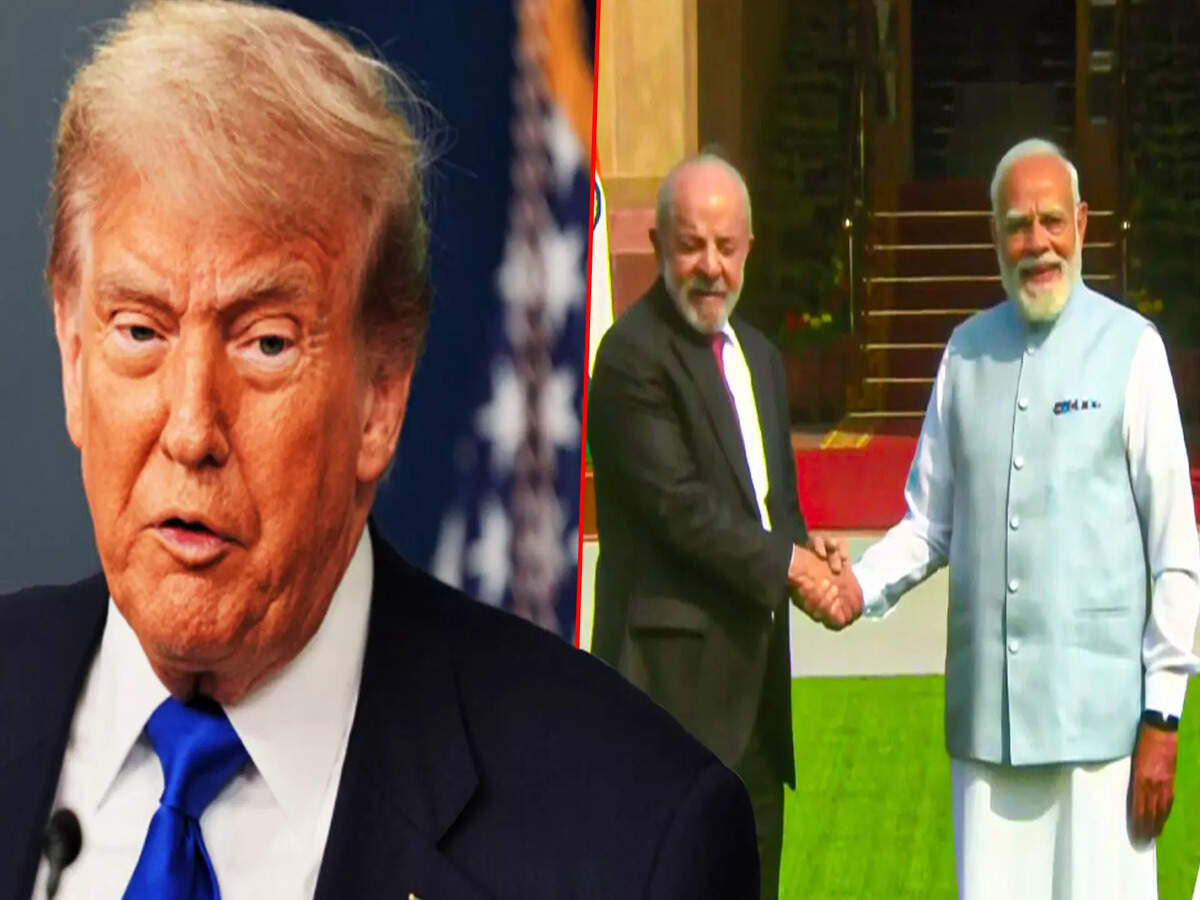
The geopolitical context directly impacts tariff structures and compliance timelines. Trump's 2025 imposition of 50% tariffs on Brazilian exports (subsequently removed) demonstrates tariff volatility affecting sourcing decisions. The India-Brazil deal explicitly positions both nations to "shape emerging global trade rules," suggesting preferential tariff treatment for bilateral mineral trade may emerge within 18-24 months. Sellers should monitor HS codes 2805-2806 (rare earth elements), 2601-2603 (iron ore), and 7408-7409 (copper products) for potential tariff reductions. The agreement's emphasis on "digital cooperation" and "AI applications" signals technology transfer that could reduce processing costs 8-15% for downstream manufacturers. Lula's advocacy for India-Brazil currency settlements (bypassing US dollars) may eventually reduce forex hedging costs for sellers operating in both markets by 2-3%.
Strategic sourcing shifts are already underway. The agreement explicitly addresses "India's growing dependence on China for critical mineral supplies" and Brazil's objective to "reduce dependence on China and the United States." This creates a 24-36 month window where sellers can establish alternative supply relationships before Chinese suppliers respond with competitive pricing. Sellers currently using Chinese rare earth suppliers face 15-25% cost disadvantage versus those diversifying to India-Brazil sourcing by 2027. The non-binding MOU structure (noted in News 3) means implementation timelines are flexible, but the "pilot initiative before Brazil negotiates with asymmetrical trading partners" language suggests formal trade agreements will follow within 12-18 months, locking in tariff advantages for early movers.
问题 7
What tariff opportunities exist for sellers importing minerals from Brazil to India?
The bilateral trade target of $20 billion within five years (up from $15 billion) signals incoming tariff reductions for mineral products under HS codes 2601-2603 (iron ore), 2805-2806 (rare earth elements), and 7408-7409 (copper). The agreement's language about 'shaping emerging global trade rules' suggests preferential tariff treatment may formalize within 18-24 months. Sellers should monitor tariff schedules for these HS codes and consider establishing import relationships with Brazilian suppliers before formal tariff reductions are announced, as early movers will benefit from grandfathered rates. The non-binding MOU structure means implementation timelines are flexible, creating a 12-18 month window for strategic positioning.
How does the India-Brazil minerals deal reduce sourcing costs for electronics sellers?
The agreement targets Brazil's world's second-largest rare earth reserves to displace Chinese processing dominance (currently 70% global share). Sellers sourcing rare earth-dependent components (smartphone magnets, EV motors, solar inverters) can expect 12-18% cost reductions by Q3 2027 as Indian manufacturers gain access to Brazilian raw materials and technology transfer accelerates. The deal explicitly addresses supply chain resilience independent of Chinese export controls, which have tightened recently. Sellers should begin qualifying India-based rare earth suppliers now to lock in cost advantages before Chinese competitors respond with pricing pressure.