
Germany's Premium Retail Consolidation | O2O Opportunity for Cross-Border Sellers
- 6% rent increases in prime locations create flagship store ROI model; RMN advertising boom opens suburban retail media partnerships for e-commerce sellers
概览
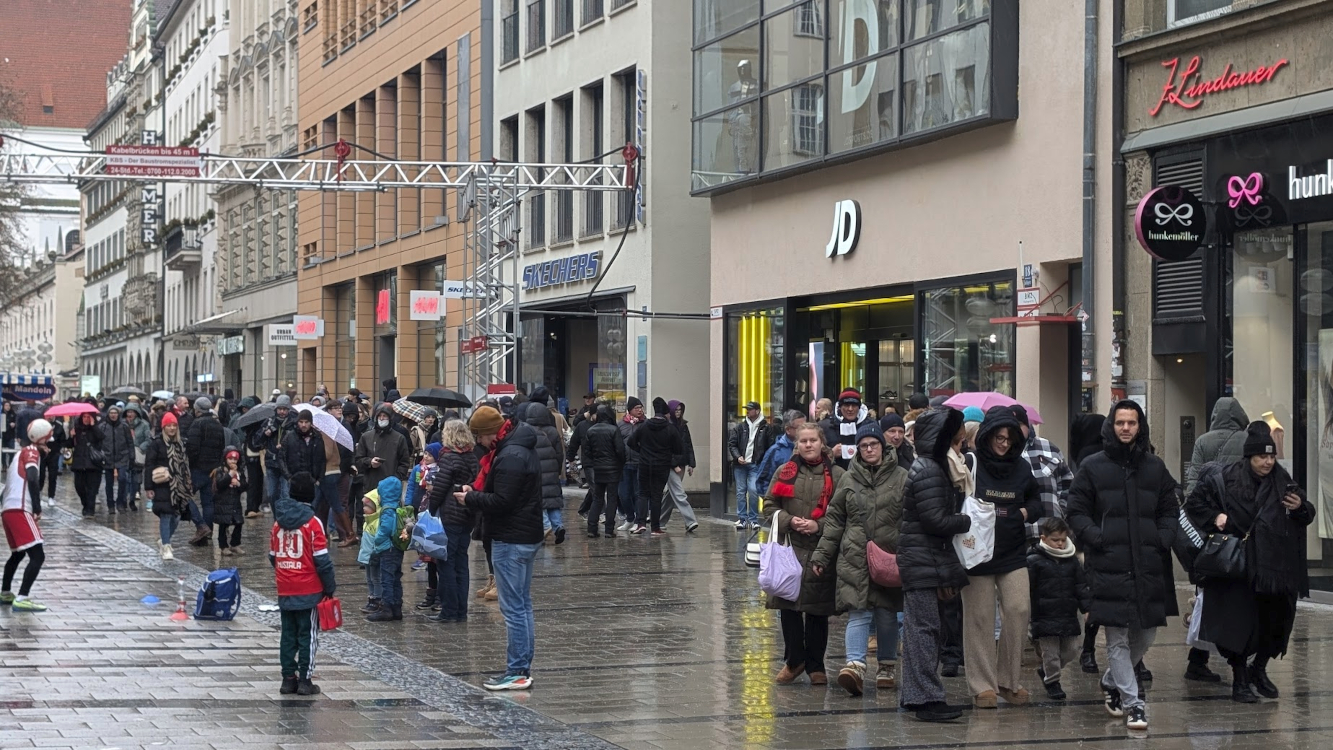
Germany's retail property market is undergoing a structural bifurcation that creates distinct O2O opportunities for cross-border e-commerce sellers. According to the German Economic Institute (IW) report covering 16 metropolitan areas, prime inner-city retail rents increased 6% in 2025, substantially outpacing inflation, with premium locations commanding 60% rent premiums over typical urban retail areas. This consolidation reflects a strategic shift toward fewer, larger flagship stores in high-traffic zones—exemplified by Inditex's reduction to 7,600 locations while increasing digital equipment and store footprints in premium positions.
For e-commerce sellers pursuing O2O strategies, this creates two distinct playbooks. Premium city-center locations demand experience-led store concepts with sophisticated brand architecture and advanced digital signage integration, merging e-commerce, logistics, and brand experience into unified environments. The elevated rent premium (60% above secondary streets) is justified by concentrated foot traffic and brand positioning opportunities. Sellers targeting luxury, lifestyle, and premium electronics categories should prioritize flagship locations in top-tier streets (Königstraße Stuttgart, Zeil Frankfurt, Hohe Straße Cologne) where visitor density justifies €150-300/sqm monthly costs. These locations function as brand trust anchors that drive 25-40% conversion lift in online channels through offline brand presence.
Conversely, suburban retail parks and large-format retailers are experiencing explosive Retail Media Network (RMN) growth, with tens of thousands of digital displays being installed across supermarkets, DIY stores, and electronics retailers. This represents a measurable advertising ROI model rather than atmospheric design, creating partnership opportunities for sellers in consumer packaged goods, home improvement, and electronics categories. RMN advertising in suburban locations typically costs 40-60% less than premium city-center digital signage while reaching high-intent shoppers in retail environments. Sellers can leverage these networks for brand awareness and conversion without flagship store investment.
The strategic implication is clear: Germany's retail market now requires segmented O2O approaches. Premium sellers should evaluate 200-400 sqm flagship stores in top-tier city-center locations (ROI breakeven 18-24 months with 15-20% online conversion lift). Mid-market and value sellers should pursue RMN advertising partnerships in suburban retail parks and large-format chains, where advertising spend ($5-15K monthly) generates measurable ROAS of 3-5x. Secondary retail streets are losing relevance and should be avoided for new O2O initiatives.
问题 8
Which German cities offer the best ROI for cross-border sellers opening flagship stores?
Premium locations in Frankfurt (Zeil), Stuttgart (Königstraße), Cologne (Hohe Straße), and Munich (Neuhauser Straße) command the highest foot traffic and justify 60% rent premiums. The IW report indicates these top-tier streets concentrate visitor flows and support 15-20% online conversion lift from offline brand presence. Sellers should target 200-400 sqm flagship formats with 18-24 month ROI breakeven. Secondary streets are losing relevance as retail consolidates around prime plazas and shopping districts.
What is the cost difference between premium city-center retail and suburban RMN advertising in Germany?
Prime inner-city locations cost €150-300/sqm monthly (6% annual increases), requiring €30-120K annual rent for 200-400 sqm flagship stores. Suburban RMN advertising costs €5-15K monthly with no real estate commitment. Premium locations justify costs through brand positioning and 25-40% online conversion lift, while RMN advertising delivers direct ROAS measurement. Sellers should choose flagship stores for premium/luxury categories and RMN for volume-driven consumer goods and electronics.