


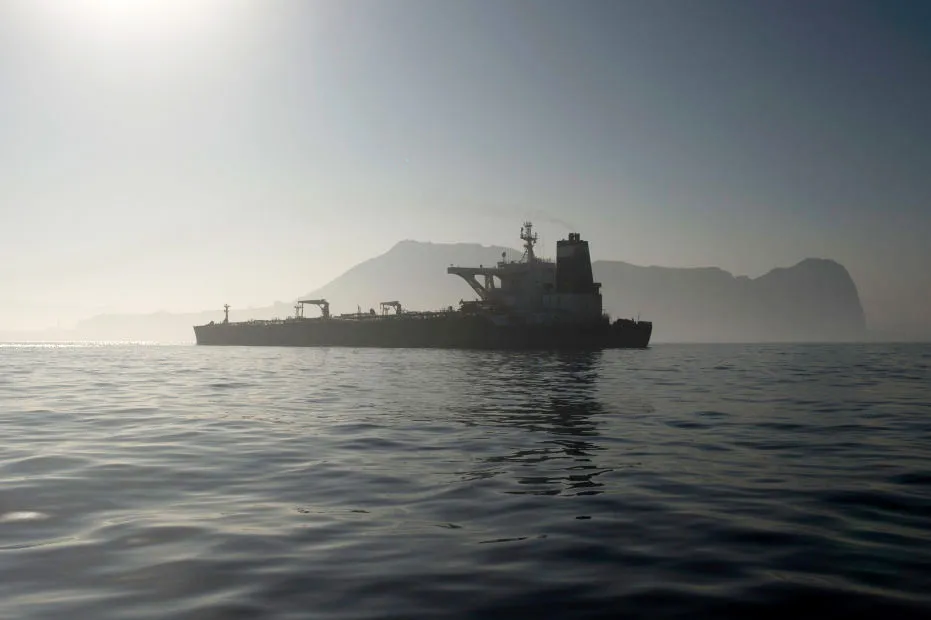

Geopolitical Oil Volatility Threatens E-Commerce Margins | Logistics Cost Crisis February 2026
- US-Iran tensions drive 20-30% Strait of Hormuz disruption risk, increasing air freight costs 8-15% and ocean shipping 5-12% for cross-border sellers relying on Asia-to-North America inventory flows






概览
Escalating US-Iran tensions in February 2026 are creating immediate logistics cost pressures for cross-border e-commerce sellers, with oil price volatility directly impacting shipping expenses across FedEx, UPS, and DHL. The Strait of Hormuz—through which 20-30% of global maritime oil trade passes—faces heightened disruption risk, making geopolitical risk premiums a critical factor in supply chain planning. FOX Business analyst Phil Flynn's assessment indicates market participants are pricing in significant volatility ahead of potential military escalation, mirroring patterns from the January 2020 Soleimani assassination when oil prices spiked above $70 per barrel.
For international sellers, the immediate impact manifests through fuel surcharges on air and ocean freight. Sellers with high exposure to air freight for time-sensitive goods (electronics, fashion, perishables) face acute margin compression, with surcharges typically increasing 8-15% during geopolitical crises. Ocean freight rates—critical for bulk inventory imports from China, Vietnam, and India to North America and Europe—respond directly to crude oil movements, affecting container shipping costs by 5-12%. Amazon FBA sellers shipping from Asia face compounded pressure: increased freight costs reduce per-unit margins on mid-tier products (HS codes 6204, 8471, 3926) where margins typically run 15-25%. Sellers with 1,000+ monthly unit shipments could see monthly logistics costs increase by $2,000-$5,000 depending on product weight and air freight dependency.
Strategic sourcing and inventory positioning become critical competitive advantages during this window. Sellers should immediately audit their logistics mix: those currently relying on 40%+ air freight should accelerate ocean freight consolidation to lock in current rates before potential further escalation. Inventory pre-positioning in North American and European fulfillment centers before March 2026 represents a prudent hedge against supply chain disruption. Conversely, sellers with diversified sourcing (Vietnam, India, Mexico) face lower exposure than China-dependent competitors, creating a 3-6 month window to shift sourcing relationships before others recognize the advantage. The competitive dynamic favors larger sellers (10M+ annual revenue) with 3PL relationships and inventory capital to pre-buy, while small sellers (under $500K revenue) with just-in-time models face disproportionate margin pressure. Monitoring fuel surcharge policies from major carriers and considering forward-buying inventory before potential price escalation represent essential operational responses to this geopolitical uncertainty.
问题 8
Should I shift inventory sourcing away from China due to geopolitical risks?
Yes, the current 3-6 month window presents a strategic opportunity to diversify sourcing toward Vietnam, India, and Mexico, which face lower geopolitical exposure than China-dependent supply chains. Sellers currently relying on 60%+ China sourcing should accelerate relationship-building with alternative suppliers to reduce Strait of Hormuz disruption risk. Vietnam and India sourcing typically adds 2-4 weeks to lead times but reduces geopolitical vulnerability and fuel surcharge exposure. This shift favors larger sellers (10M+ annual revenue) with capital and 3PL relationships to manage multiple sourcing regions; smaller sellers should focus on inventory pre-buying from current suppliers before price escalation.
What is the Strait of Hormuz and why does it matter for e-commerce sellers?
The Strait of Hormuz is the critical shipping chokepoint through which 20-30% of global maritime oil trade passes, connecting the Persian Gulf to the Arabian Sea. During US-Iran tensions, this route faces disruption risk, causing oil price volatility that directly increases fuel surcharges on ocean and air freight. The February 2026 escalation mirrors the January 2020 Soleimani assassination, which caused temporary oil spikes exceeding $70 per barrel. For cross-border sellers importing from Asia, Strait of Hormuz disruption translates to 5-12% ocean freight rate increases and potential supply chain delays of 2-4 weeks.