

Airline Loyalty Monetization Shift | Business Travel Spending Surge Opportunity
- United's April 2026 card-exclusive benefits create 2-tier loyalty system; Delta/American expected to follow, reshaping $50B+ business travel market and seller acquisition strategies




概览
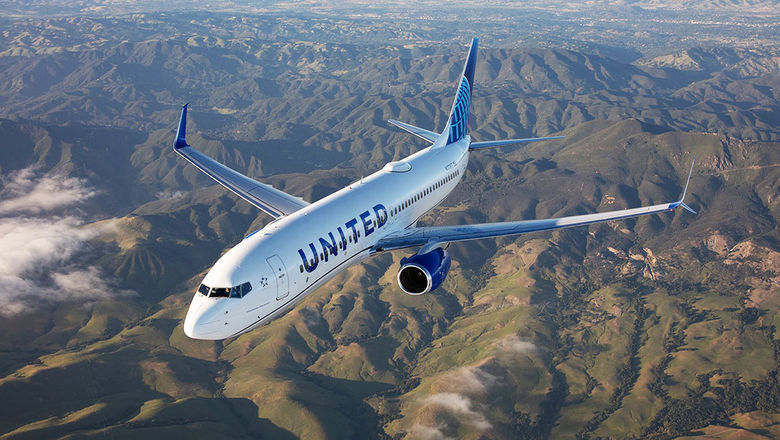
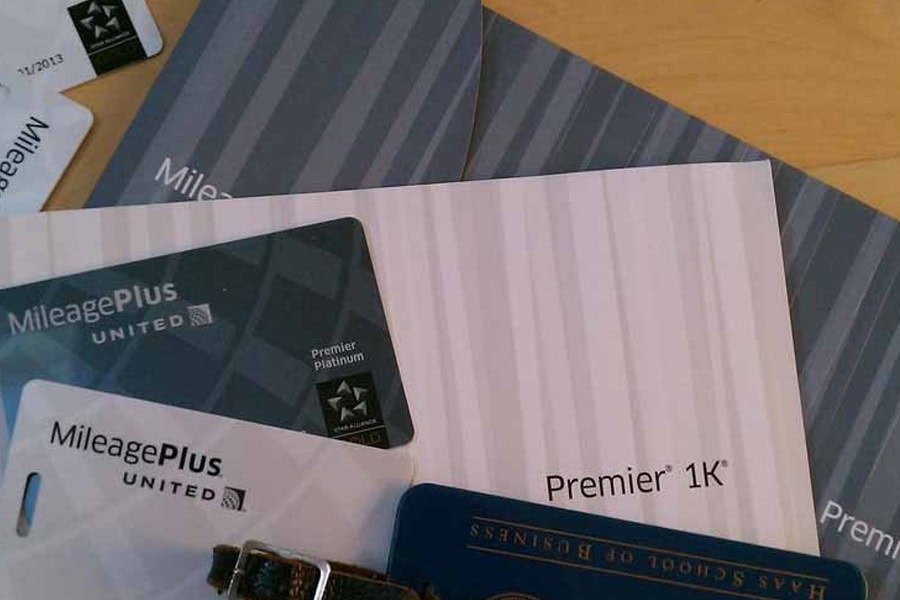
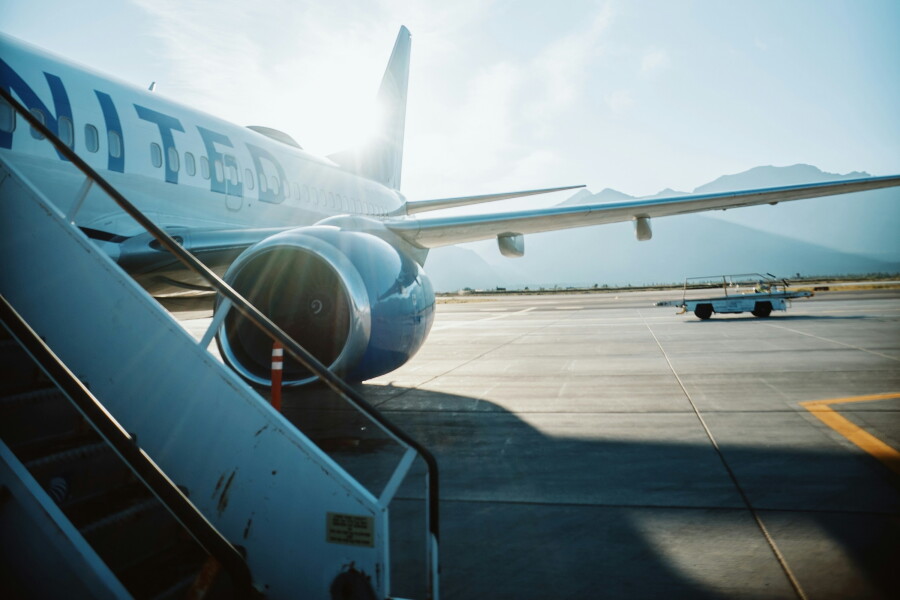
United Airlines' April 2, 2026 MileagePlus restructuring represents a watershed moment in airline loyalty monetization that directly impacts e-commerce seller customer acquisition strategies and business travel spending patterns. The carrier is implementing a tiered loyalty system where cardholders earn up to 2x miles versus non-cardholders, with flight redemptions priced 10-40% lower for card members. Four co-branded credit cards range from $0 to $695 annual fees, with mid-tier options ($150-350) paying for themselves through perks like free checked bags. Industry experts predict Delta, American, and Southwest will follow suit, fundamentally reshaping how 50+ million frequent business travelers allocate spending.
For e-commerce sellers, this shift signals a critical market segmentation opportunity. Business travelers—a high-value customer segment representing 35-40% of premium e-commerce spending—will increasingly prioritize card-linked purchases to maximize mile earnings. Sellers targeting business professionals (office supplies, travel accessories, tech gadgets, luggage) should expect behavioral changes: customers will consolidate purchases on co-branded cards to hit earning thresholds faster. The $150-695 annual fee structure creates a "spending commitment" psychology where cardholders justify higher purchase volumes to recoup fees. This mirrors successful loyalty monetization in retail (Amazon Prime, Costco) and creates predictable, high-frequency buyer cohorts.
The competitive copycat effect amplifies this opportunity. Ted Rossman from Bankrate explicitly stated, "It's a copycat industry. I definitely think others will follow," indicating Delta and American will announce similar programs within 12-18 months. This creates a 12-month window where sellers can capitalize on early-adopter business travelers switching to United cards before competitors level the playing field. Michael Taylor from JD Power noted that co-branded cards generate substantial revenue because customers use them daily despite flying occasionally—exactly the behavior sellers want: frequent, high-value purchases. Southwest's contrasting approach (benefits for all members) positions it as the "value carrier," attracting price-conscious leisure travelers, while United/Delta/American consolidate premium business spending.
Seller implications extend to payment method optimization and customer targeting. The shift from flight-frequency rewards to spending-behavior rewards means business travelers will increasingly use co-branded cards for non-airline purchases. Sellers should implement card-specific promotions (e.g., "Earn 3x miles on office supplies with United card") and optimize checkout flows to highlight card benefits. Customer acquisition costs for business traveler segments may increase 15-25% as competition intensifies, but lifetime value increases proportionally due to higher purchase frequency and order values. Sellers in B2B-adjacent categories (corporate gifts, business travel gear, productivity tools) should prepare for 20-30% volume increases from this segment during Q2-Q4 2026 as new cardholders activate benefits.
问题 8
How can sellers prepare inventory and supply chain for increased business traveler demand?
Increase inventory allocation for business travel-adjacent categories by 25-40% starting Q1 2026, ahead of April 2 implementation. Prioritize fast-moving SKUs in office supplies, travel accessories, and tech gadgets that appeal to business professionals. Negotiate longer lead times with suppliers to ensure stock availability during peak demand periods (Q2-Q4 2026). Implement demand forecasting models that account for 20-30% volume increases in business segments. Consider expanding warehouse capacity or utilizing 3PL providers to handle increased fulfillment volume. Establish relationships with corporate bulk-purchase channels and B2B marketplaces to capture high-volume orders from business cardholders. Monitor competitor inventory levels and adjust pricing strategies to maintain margins while capturing market share during the 12-month window before Delta/American launch competing programs.
Which e-commerce product categories benefit most from airline loyalty monetization?
Business travel-adjacent categories see the highest impact: office supplies, travel accessories, luggage, tech gadgets, corporate gifts, and productivity tools. These categories align with business traveler purchasing patterns and card-holder spending behavior. Additionally, premium home office equipment, business apparel, and professional services see increased demand from high-earning cardholders justifying annual fees ($150-695). Sellers in these categories should implement card-specific promotions and optimize product listings to highlight business use cases. Travel-related merchandise (packing cubes, travel pillows, portable chargers) will see 25-40% demand increases as cardholders plan more trips to maximize mile redemptions.