

Measles Surge 2026 | Health Product Sellers Face Demand Spike
- 1,982 confirmed cases across 26 states drive demand for wellness products, supplements, and health monitoring devices among concerned parents and health-conscious consumers








概览
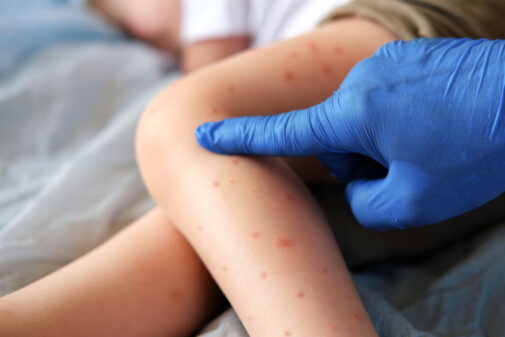
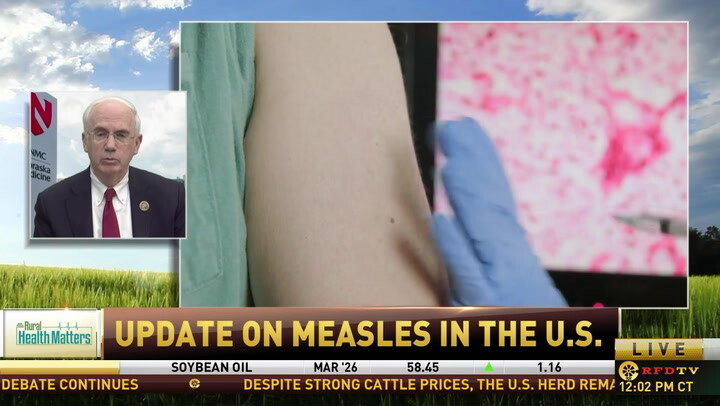
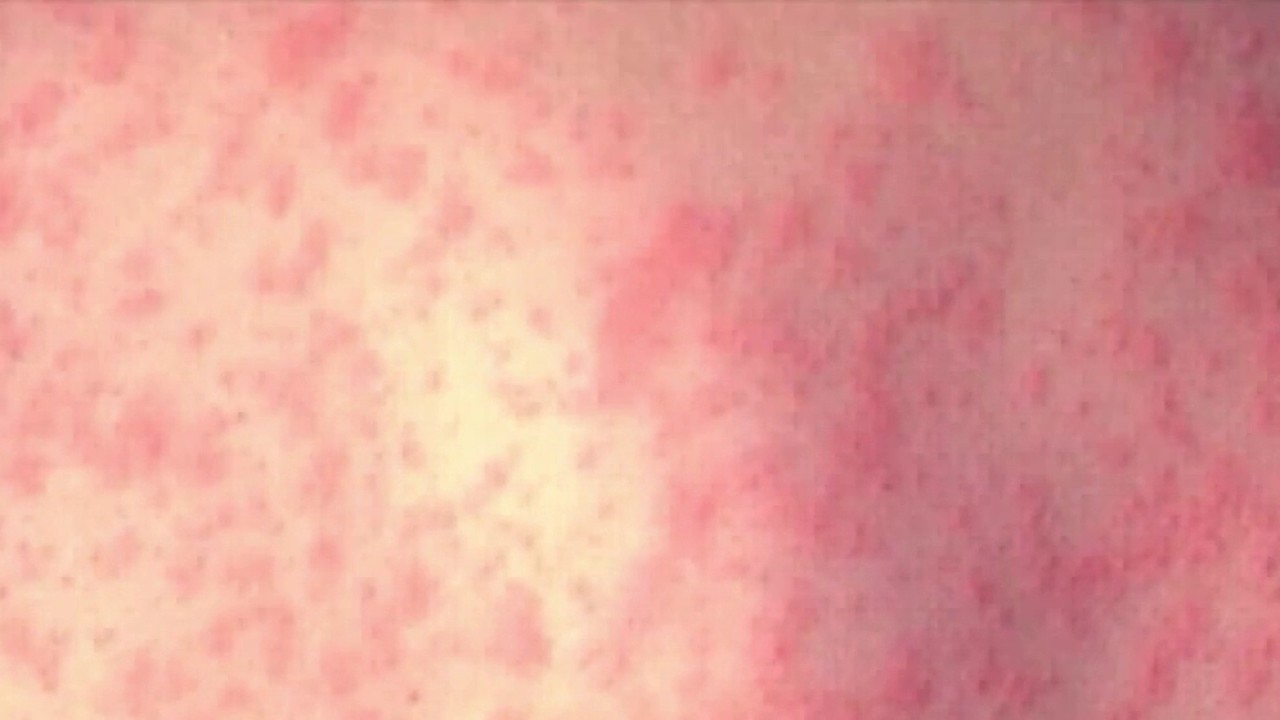
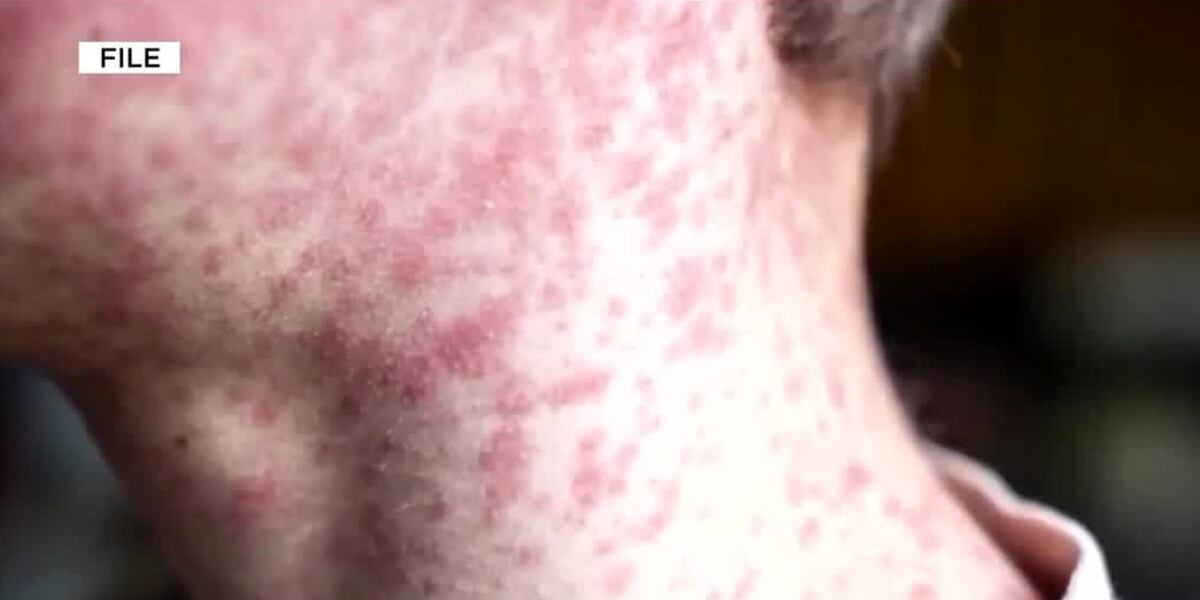
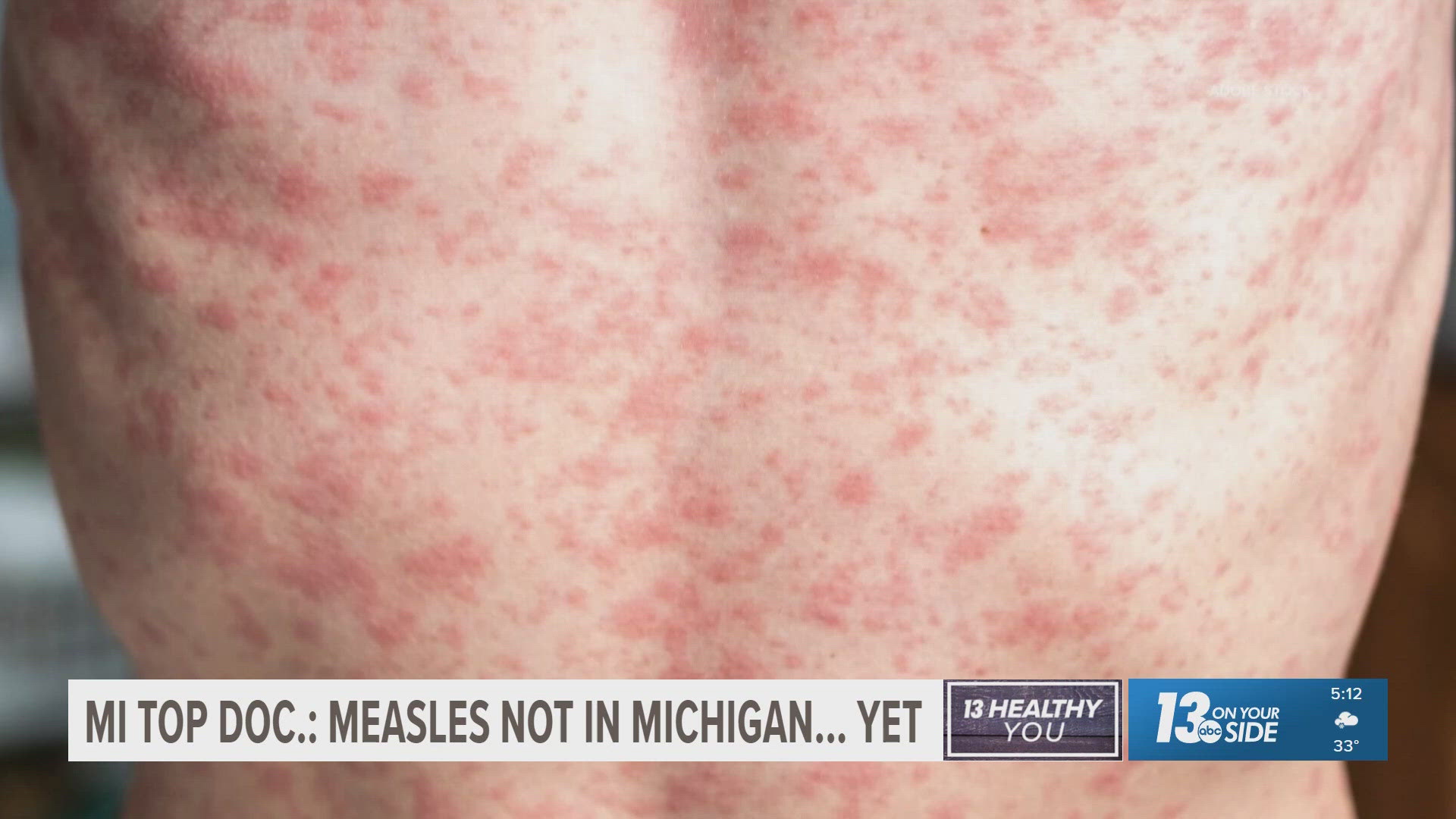
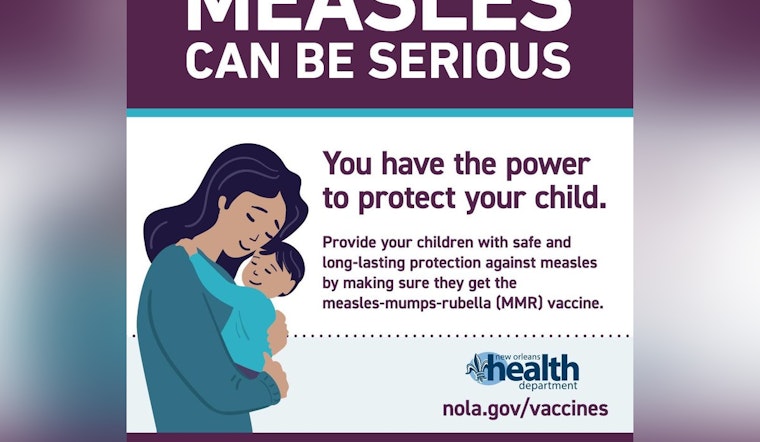
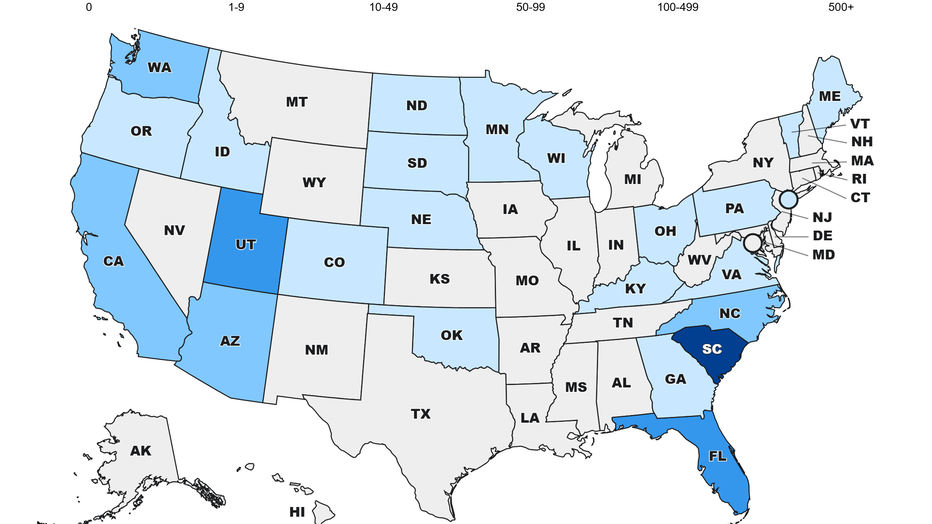
The United States is experiencing its most severe measles outbreak in a generation, with 1,982 confirmed cases reported across 26 states as of early 2026—a four-fold increase compared to the same period in 2025. South Carolina has emerged as the epicenter with 973 cases, while Florida (92 cases), Utah, and Arizona report significant outbreaks. This public health crisis creates substantial market opportunities for e-commerce sellers in health and wellness categories.
Market Opportunity for Health & Wellness Sellers: The outbreak directly correlates with increased consumer demand for preventive health products. Parents and caregivers in affected regions (South Carolina, Florida, Utah, Arizona) are actively seeking immune-support supplements, vitamins (particularly vitamin A and D), fever-reducing products, and health monitoring devices. The hospitalization rate of 1-in-10 measles cases signals heightened health anxiety among consumers, driving purchases of wellness products across Amazon, Walmart, and specialty health marketplaces. Sellers offering immune-boosting supplements, thermometers, pulse oximeters, and child health monitoring devices should expect 30-50% traffic increases in affected states through Q2 2026.
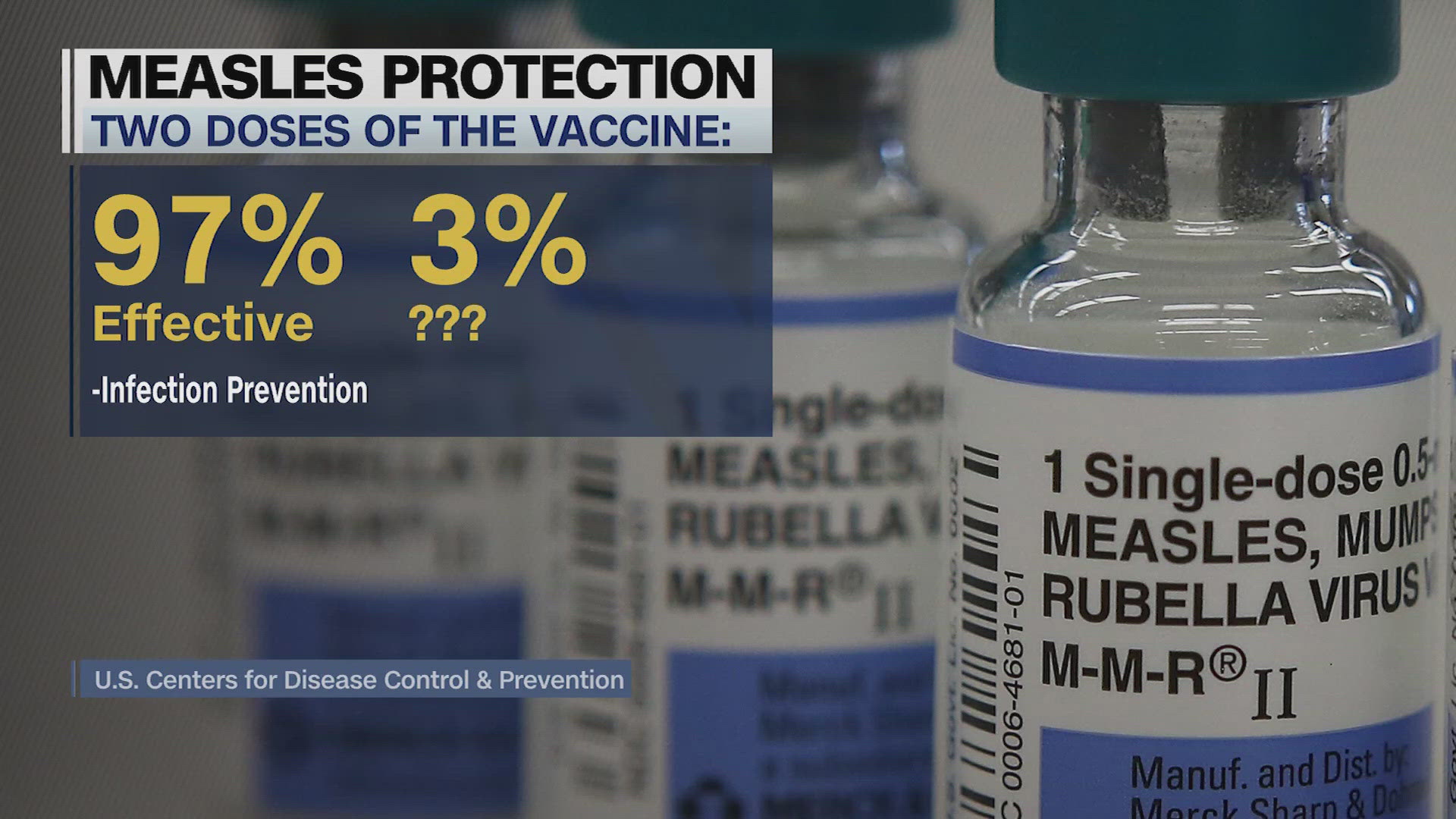
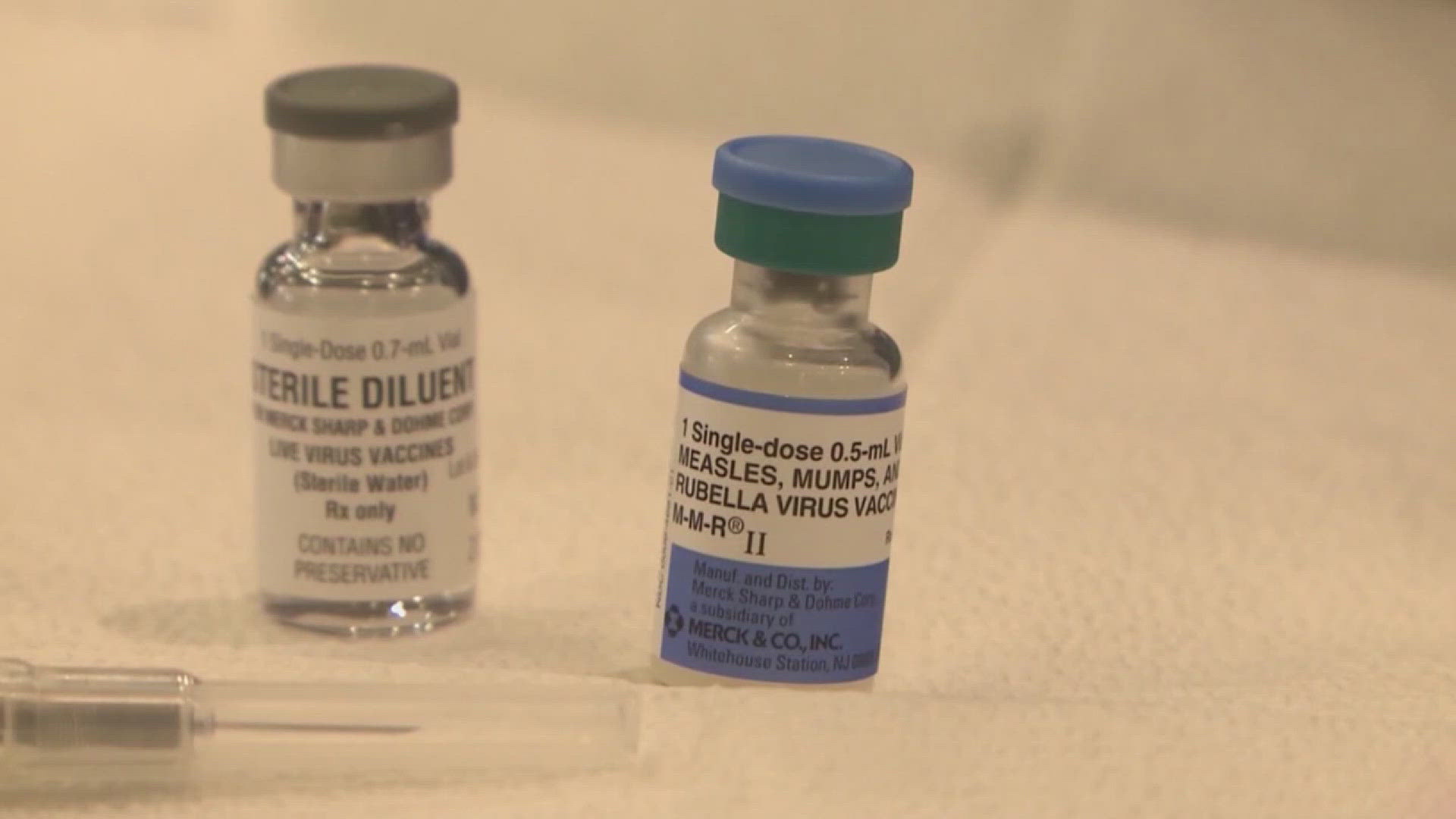
Vaccine Schedule Changes & Alternative Health Market Expansion: The CDC's January 2026 decision to remove six vaccines from routine childhood recommendations (hepatitis A/B, RSV, meningococcal disease, rotavirus, influenza) and shift to "shared clinical decision-making" creates uncertainty around public vaccination infrastructure. This policy shift, implemented by Robert F. Kennedy Jr., is driving parents toward alternative health solutions and private healthcare products. Insurance coverage uncertainty—with major insurer pledges expiring December 31, 2025—means families may face increased out-of-pocket costs for vaccines, redirecting spending toward preventive wellness products. The Vaccines for Children program, serving over 50% of U.S. children born in 2020, may reduce purchasing of non-routine vaccines, creating a market gap that e-commerce sellers can fill with complementary health products, educational content, and wellness bundles targeting vaccine-hesitant or cost-conscious families.
Regional Demand Concentration & Inventory Strategy: Measles outbreaks cluster in specific geographic pockets where vaccination coverage has dropped below the 95% herd immunity threshold. National kindergarten MMR coverage declined from 95.2% (2019-2020) to 92.5% (2024-2025), with religious exemptions rising from 1.6% to 4.6% among kindergarteners. Sellers should prioritize inventory allocation to high-risk states: South Carolina (973 cases), Florida (92 cases), Utah, and Arizona. Non-medical vaccine exemptions have increased 187% over the past decade, indicating concentrated pockets of vaccine-hesitant populations. Sellers can leverage this data to target PPC campaigns and sponsored product listings in these regions, focusing on immune support, natural remedies, and health monitoring products that appeal to health-conscious, alternative-medicine-oriented consumers.
问题 8
What compliance and content considerations apply to health product sellers during outbreaks?
Avoid making vaccine-replacement claims or suggesting products prevent measles—FDA and FTC enforce strict guidelines on health claims. Use language like 'supports immune function' rather than 'prevents disease.' Ensure all product claims are substantiated and include appropriate disclaimers. Monitor Amazon's A+ content and listing guidelines for health products; avoid controversial health statements. Include accurate product descriptions, ingredient lists, and safety information. Customer Q&A sections may contain vaccine-related discussions—respond professionally without making medical claims. Consult legal counsel on health claim compliance before launching campaigns. Transparent, evidence-based messaging builds consumer trust and reduces regulatory risk during high-scrutiny health crisis periods.
How should sellers adjust pricing strategy during health crises?
During measles outbreaks, demand for health products increases 30-50%, but price elasticity remains moderate—consumers prioritize product availability over cost savings. Avoid aggressive price increases that trigger negative reviews; instead, optimize margins through bundling complementary products (immune support + vitamins + monitoring devices). Offer tiered pricing for family packages targeting parents buying for multiple children. Monitor competitor pricing weekly using Amazon's repricing tools. Consider promotional bundles emphasizing value rather than discounts. High-demand periods create opportunities for premium positioning; position quality and efficacy over price to capture health-conscious consumers willing to pay for trusted brands.