




Middle East Security Crisis Reshapes Supply Chain Risk | Cross-Border Sellers Face Sanctions Compliance & Logistics Disruption
- 15,000-20,000 detainees at large across Syria, Iraq, Lebanon; U.S. military withdrawal accelerates; sellers in adjacent regions face heightened regulatory scrutiny and payment processing delays








概览
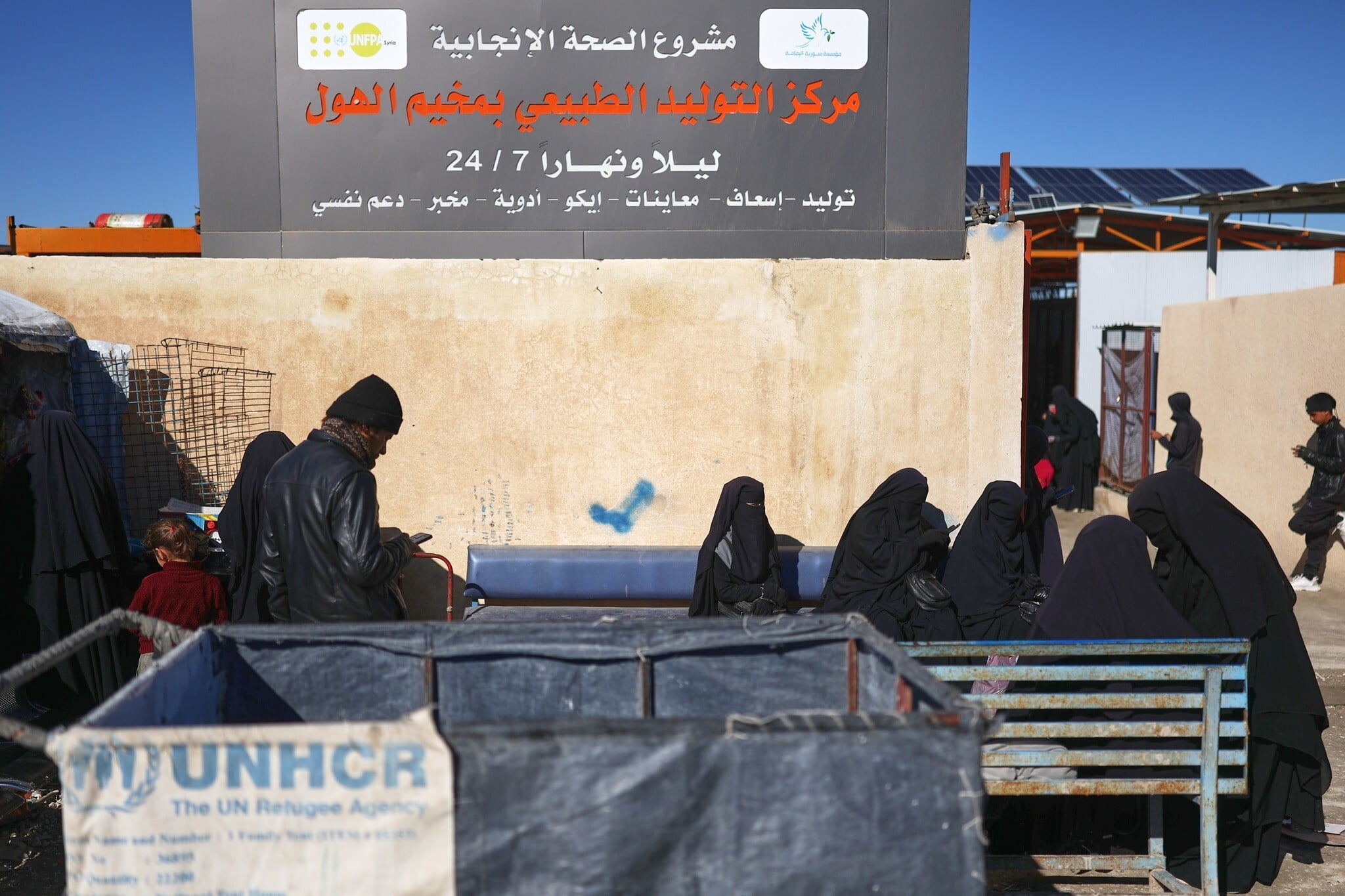
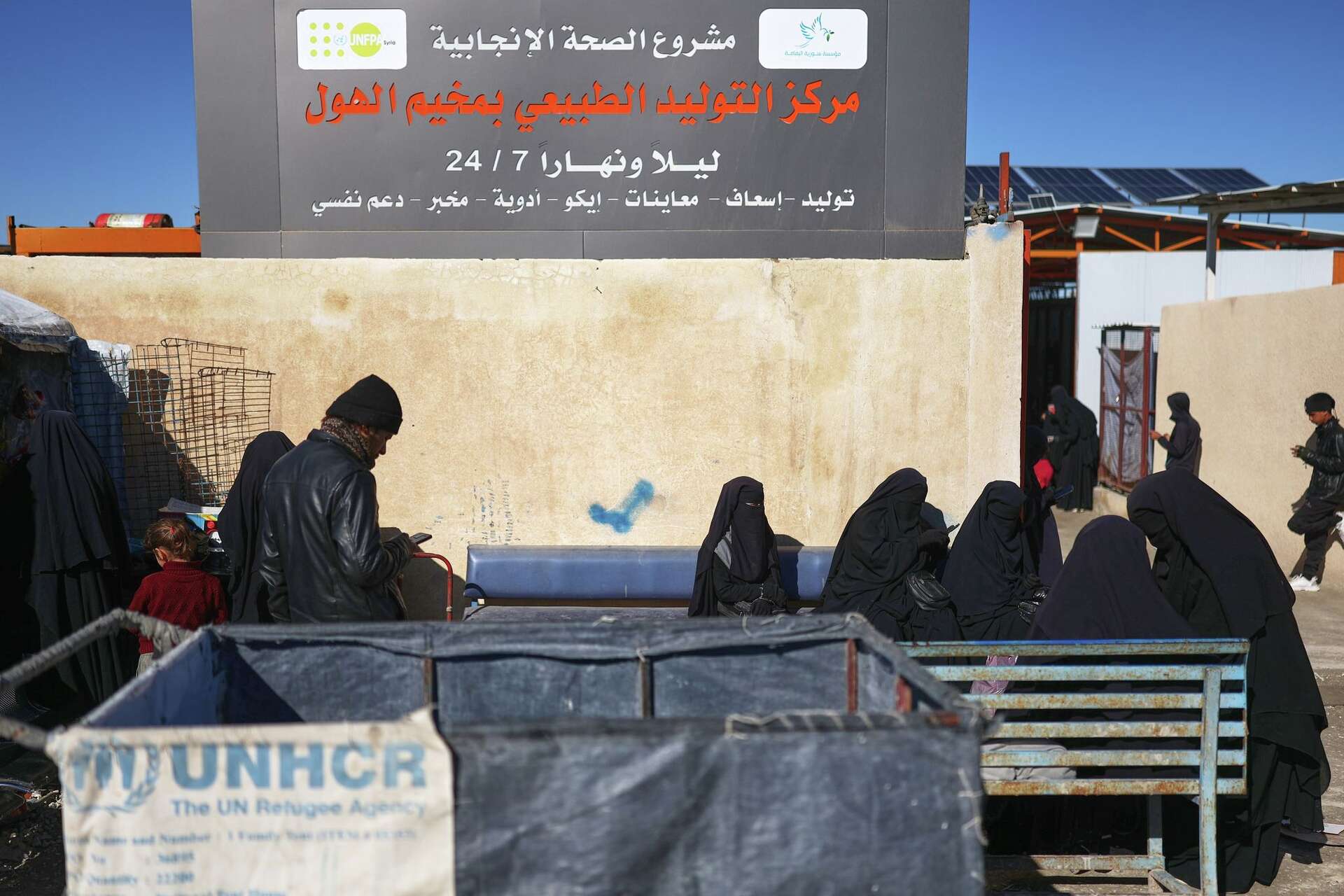
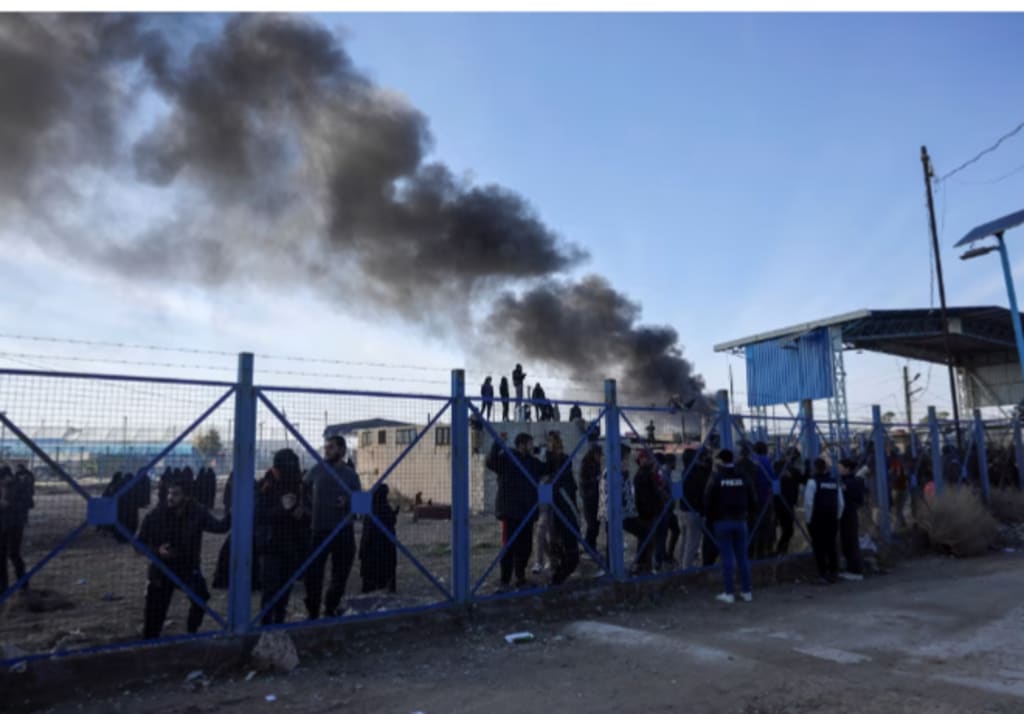
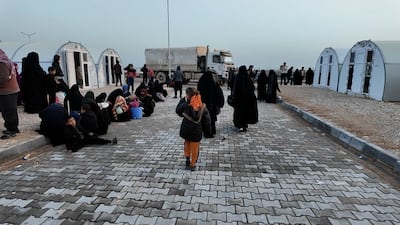
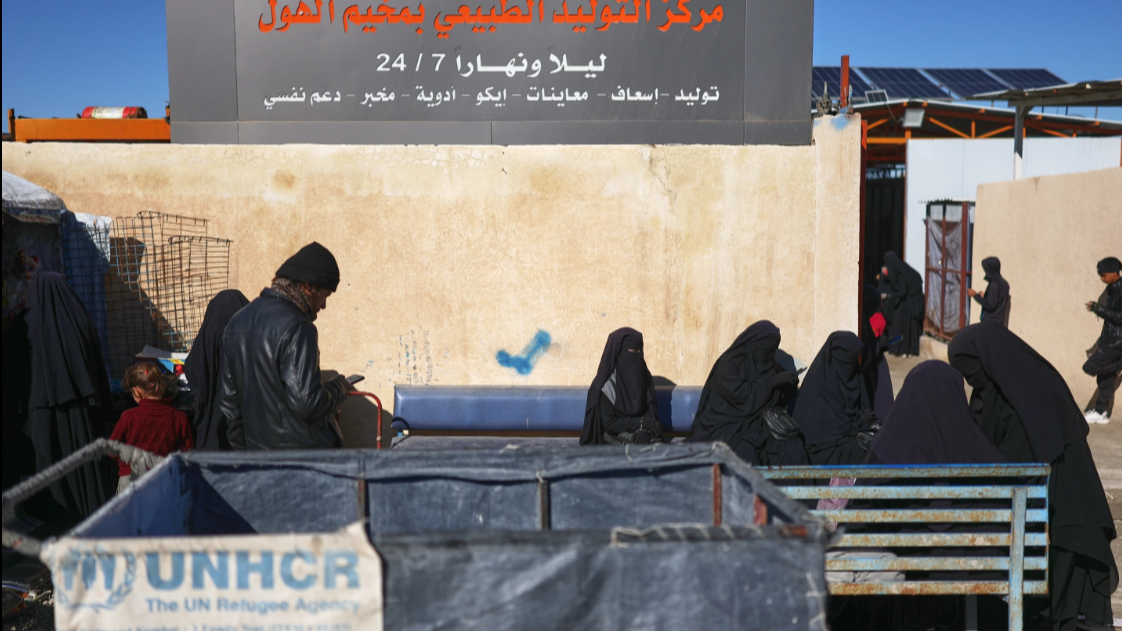
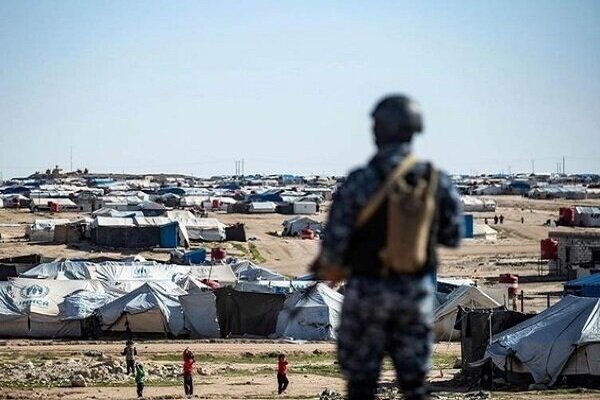
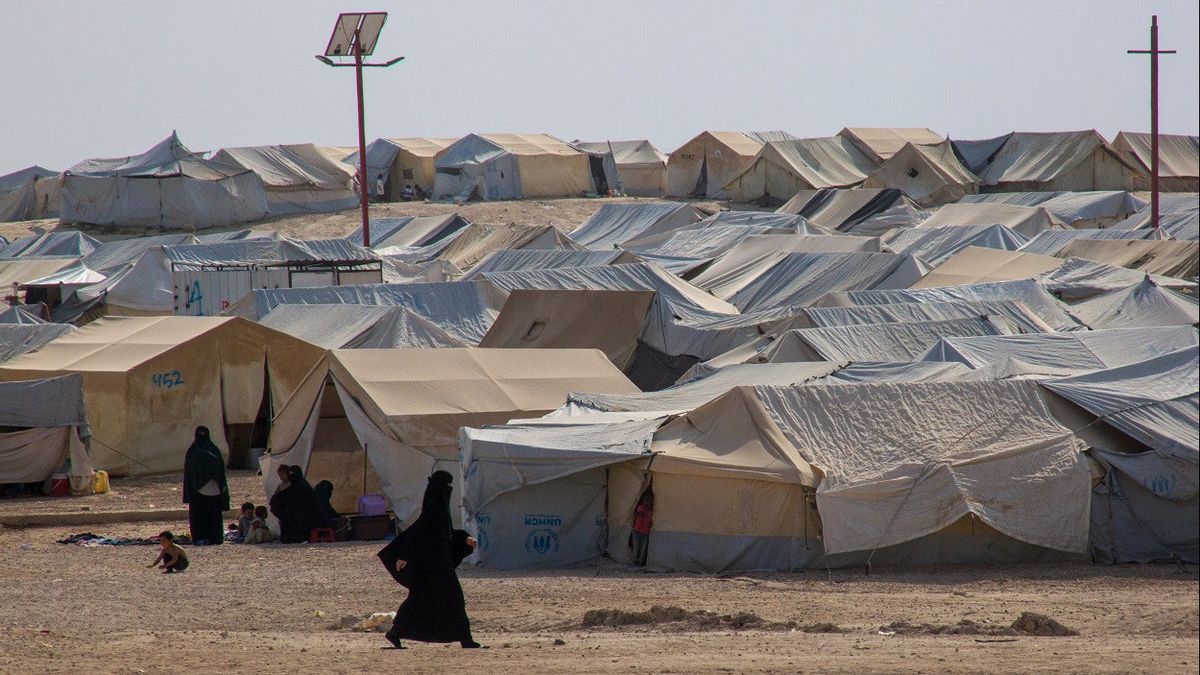
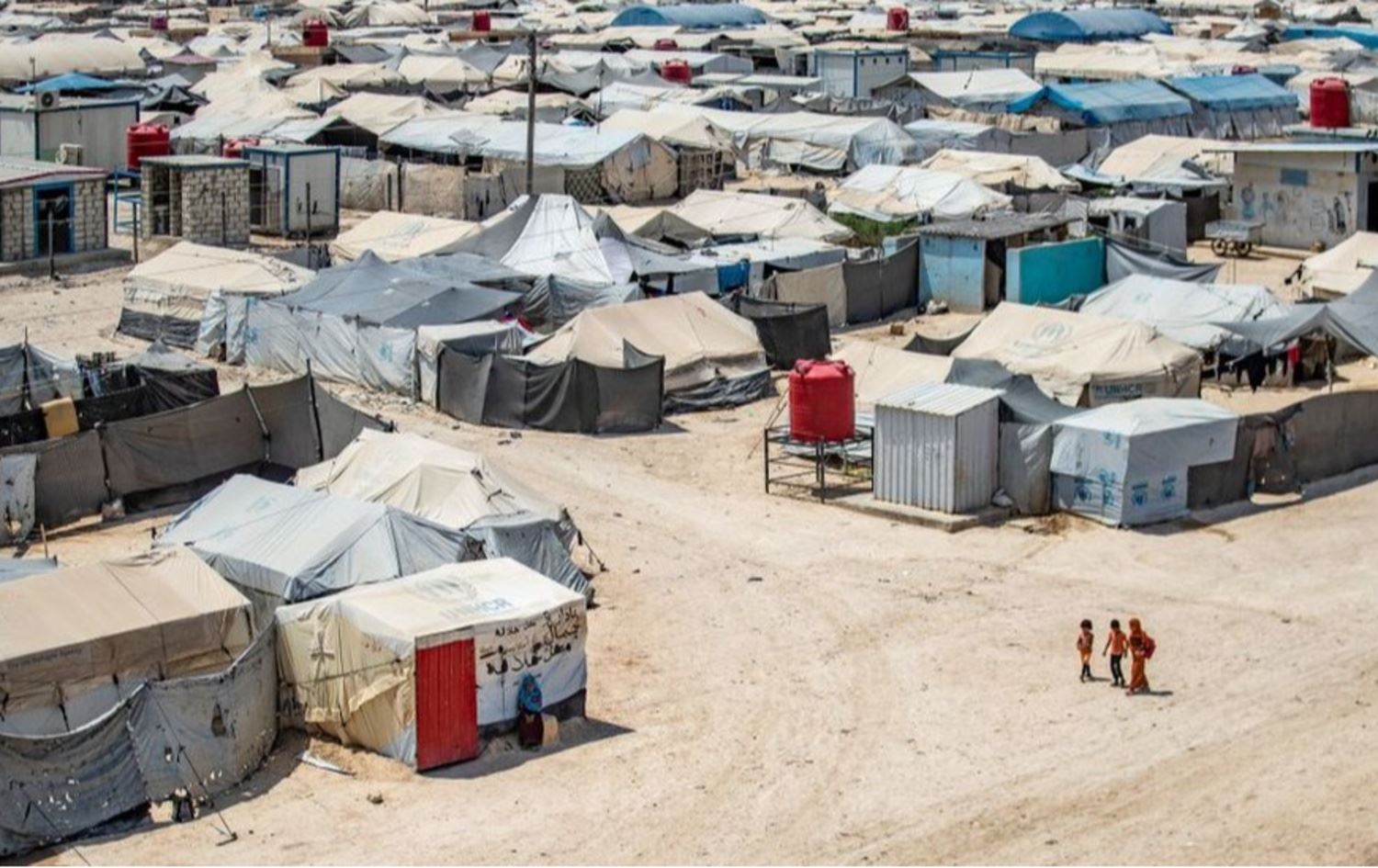
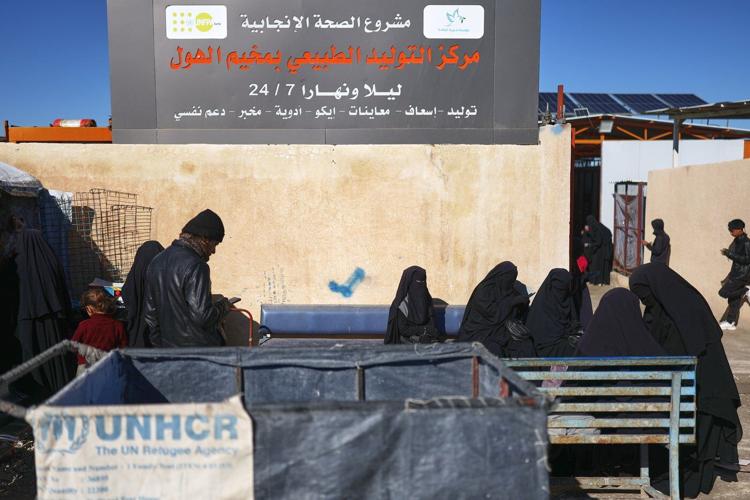
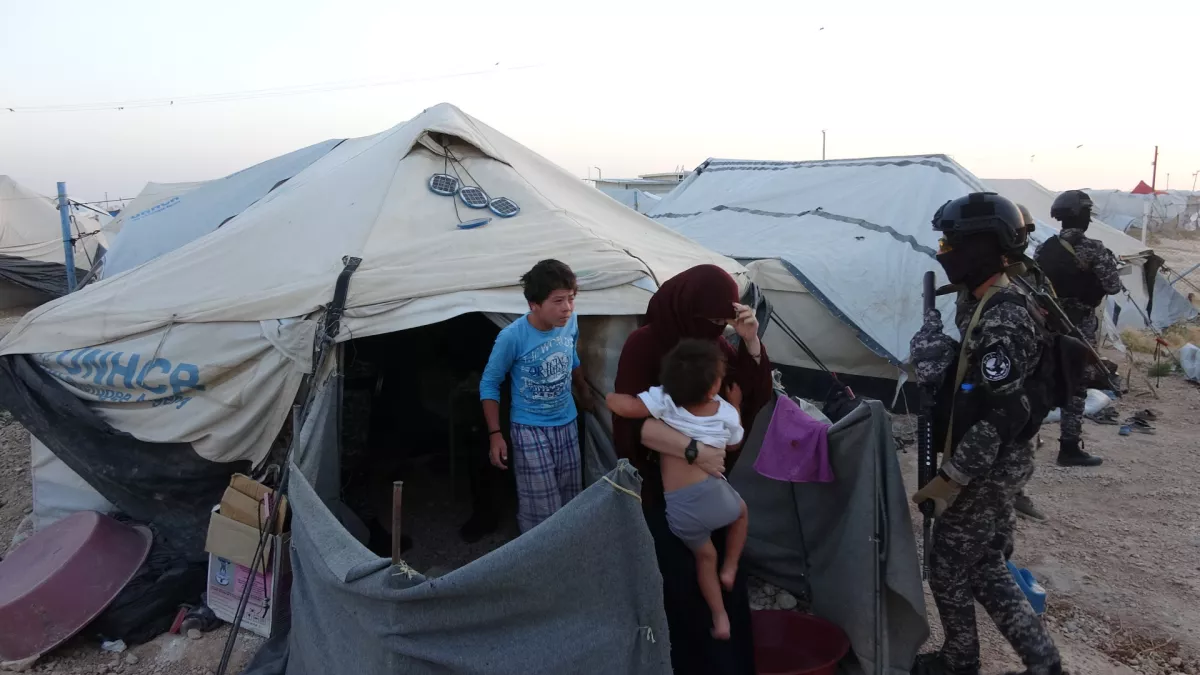
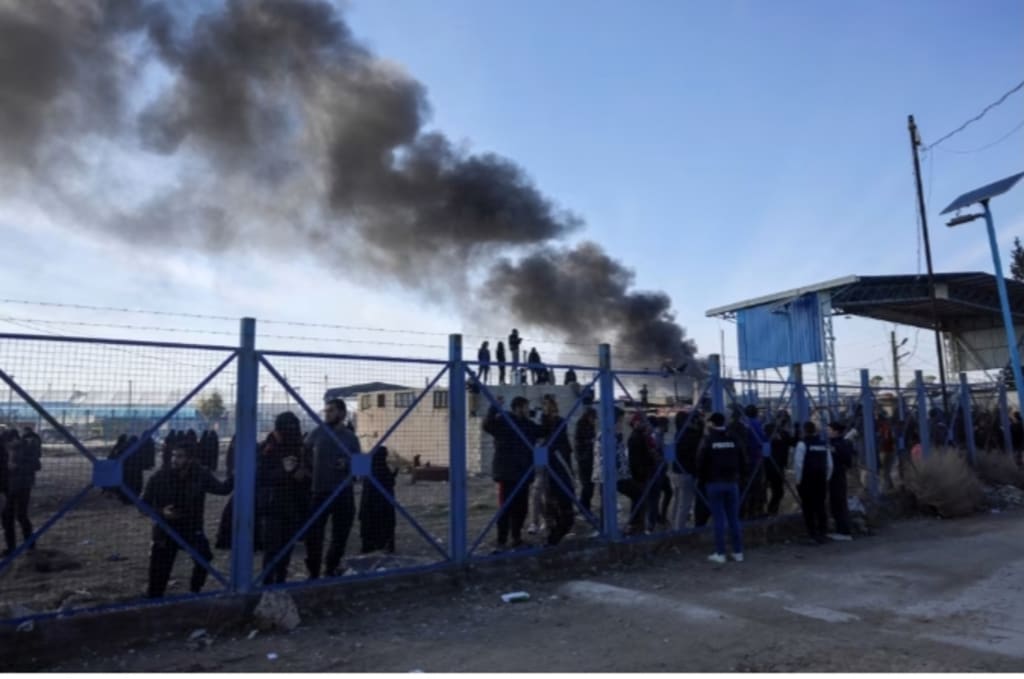
The collapse of security at Syria's Al-Hol detention camp in January-February 2026 represents a critical geopolitical inflection point with cascading implications for cross-border e-commerce sellers operating in or shipping through the Middle East region. Following the Syrian government's takeover from Kurdish-led forces, approximately 15,000-20,000 detainees—including individuals with ISIS affiliations—escaped from a facility that once housed 70,000+ people. The camp's population declined from 23,407 (January 19, 2026) to fewer than 1,000 families by late January, with most escapes occurring during a five-hour unguarded period on January 20. Intelligence reports confirm escapees have dispersed throughout Syria, with some crossing into Lebanon and other adjacent regions including Iraq and Turkey.
For cross-border sellers, this security vacuum creates three immediate operational challenges: First, supply chain disruption risk has escalated across the Levant region. Sellers sourcing products from Syria, Iraq, or Lebanon—or routing shipments through these countries—now face unpredictable logistics delays, port congestion, and potential carrier refusals. The U.S. military's relocation of 5,700 adult male ISIS fighters to Iraq and announced withdrawal of 1,000 remaining American troops within two months signals further destabilization. Second, sanctions compliance complexity has intensified dramatically. The U.S. Treasury Department and EU sanctions frameworks explicitly prohibit transactions with individuals or entities linked to terrorist organizations. With 15,000-20,000 detainees now at large and dispersed across multiple countries, sellers must implement enhanced due diligence on payment processors, logistics partners, and customer transactions in Syria, Iraq, Lebanon, and Turkey. Failure to comply carries penalties of $250,000-$2M+ per violation. Third, payment processing and financial institution risk has risen sharply. Regional banks and payment gateways serving Iraq, Syria, and Lebanon face heightened regulatory scrutiny from OFAC (Office of Foreign Assets Control) and EU authorities. Sellers using these payment channels risk account freezes, transaction reversals, and compliance investigations.
Strategic implications for seller segments: Small sellers (1-50 employees) with direct sourcing relationships in Syria or Iraq should immediately audit supplier networks and consider geographic diversification to Turkey, Jordan, or UAE alternatives. Mid-market sellers (51-500 employees) operating 3PL fulfillment centers in the region must stress-test contingency logistics plans and establish backup carrier relationships. Large sellers (500+ employees) with significant Middle East exposure should conduct comprehensive sanctions screening of all business partners using OFAC SDN (Specially Designated Nationals) lists and implement quarterly compliance audits. The Pentagon's assessment that escaped detainees face "recruitment risks into ISIS due to limited economic prospects" underscores the severity of regional instability—suggesting this is not a temporary security incident but a structural shift in Middle East governance capacity. Sellers should monitor U.S. State Department travel advisories and OFAC updates weekly through February-March 2026 as the situation evolves.
问题 8
How should I adjust my inventory strategy for Middle East markets given current instability?
The security collapse at Al-Hol and U.S. military withdrawal signal a 12-24 month period of elevated geopolitical risk in the Levant region. Reduce inventory commitments to Syria, Iraq, and Lebanon by 40-60% over the next 90 days. Shift inventory to Turkey, Jordan, UAE, and Saudi Arabia, which have more stable governance and lower terrorism risk. For existing inventory in conflict-affected areas, establish 60-day liquidation timelines or arrange emergency logistics to safer locations. Monitor U.S. State Department travel advisories weekly—any escalation to Level 4 (Do Not Travel) will trigger carrier refusals and port closures. Budget 15-20% additional inventory carrying costs for the next 6 months as you reposition stock to lower-risk regions.
What should I monitor in the coming weeks to assess ongoing Middle East risk?
Track three key indicators through March 2026: (1) U.S. military troop withdrawal progress—the announced 1,000-troop withdrawal within two months will signal further destabilization; (2) OFAC SDN list updates—new designations of escaped detainees or affiliated organizations will increase compliance complexity; (3) Regional carrier announcements—DHL, FedEx, and UPS may suspend service to Syria/Iraq if security deteriorates. Subscribe to OFAC email alerts (https://home.treasury.gov/policy-issues/office-of-foreign-assets-control), U.S. State Department travel advisories, and Pentagon press releases. Conduct monthly compliance audits and update your supply chain risk register. The Pentagon's assessment of Damascus's 'insufficient trained personnel and underdeveloped security institutions' suggests this crisis will persist through 2026, requiring sustained monitoring and contingency planning.